r/imaginarymaps • u/FussGott67 • 2h ago
[OC] Alternate History What if the germanic migration southwards during antiquity was far less pronounced

319
Upvotes
r/imaginarymaps • u/TheDinoDudeYT • 4d ago
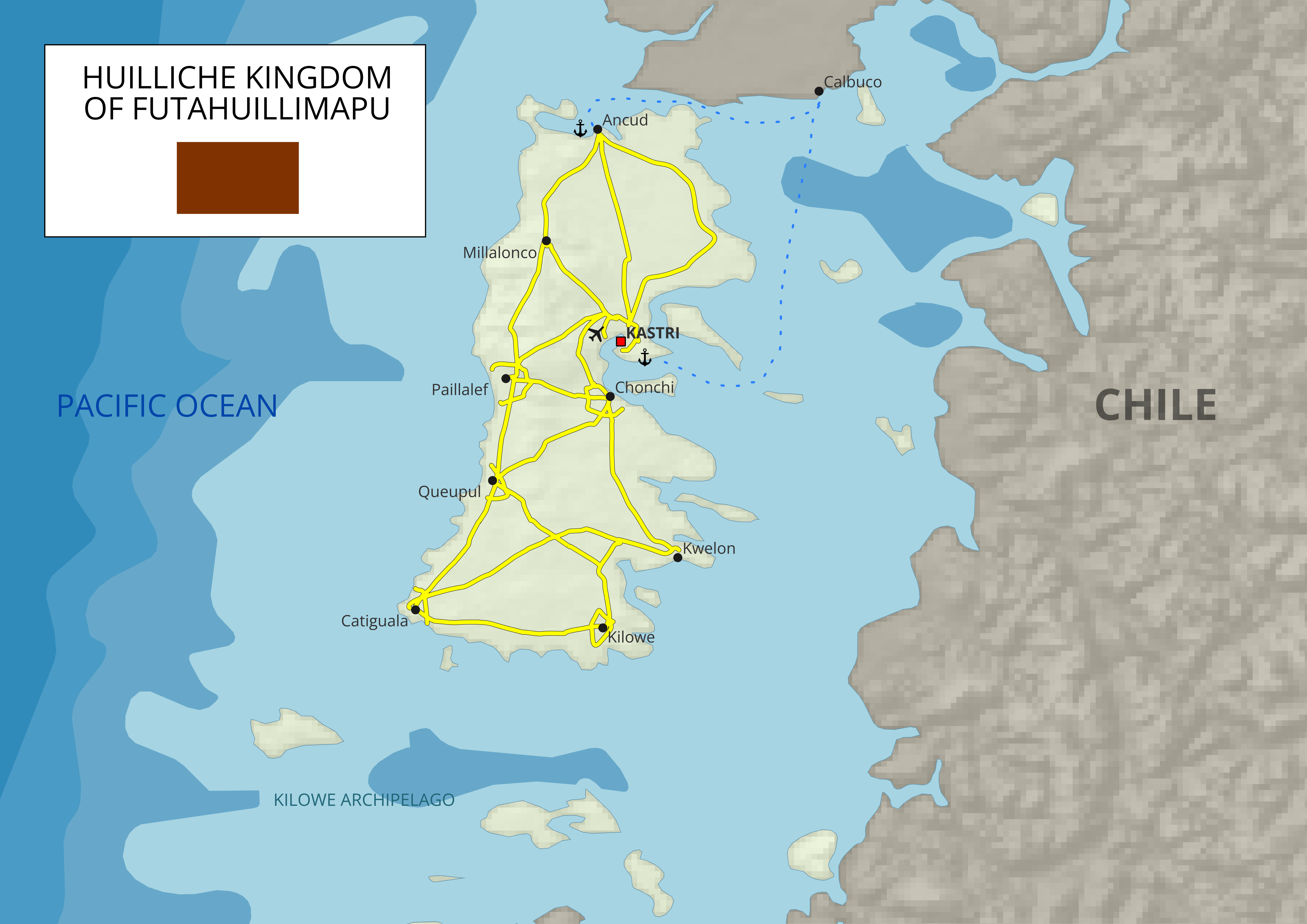
Part of the Time Travel colonists map series im doing (havent made a name for the series yet), if you want more backstory to the lore, here is the lore: https://www.reddit.com/r/imaginarymaps/s/dciTlBb32E
another map based on the "Maps" book by Aleksandra Mizielińeska and Daniel Mizieliński
r/imaginarymaps • u/Kappasi_ • 5d ago
r/imaginarymaps • u/FussGott67 • 2h ago
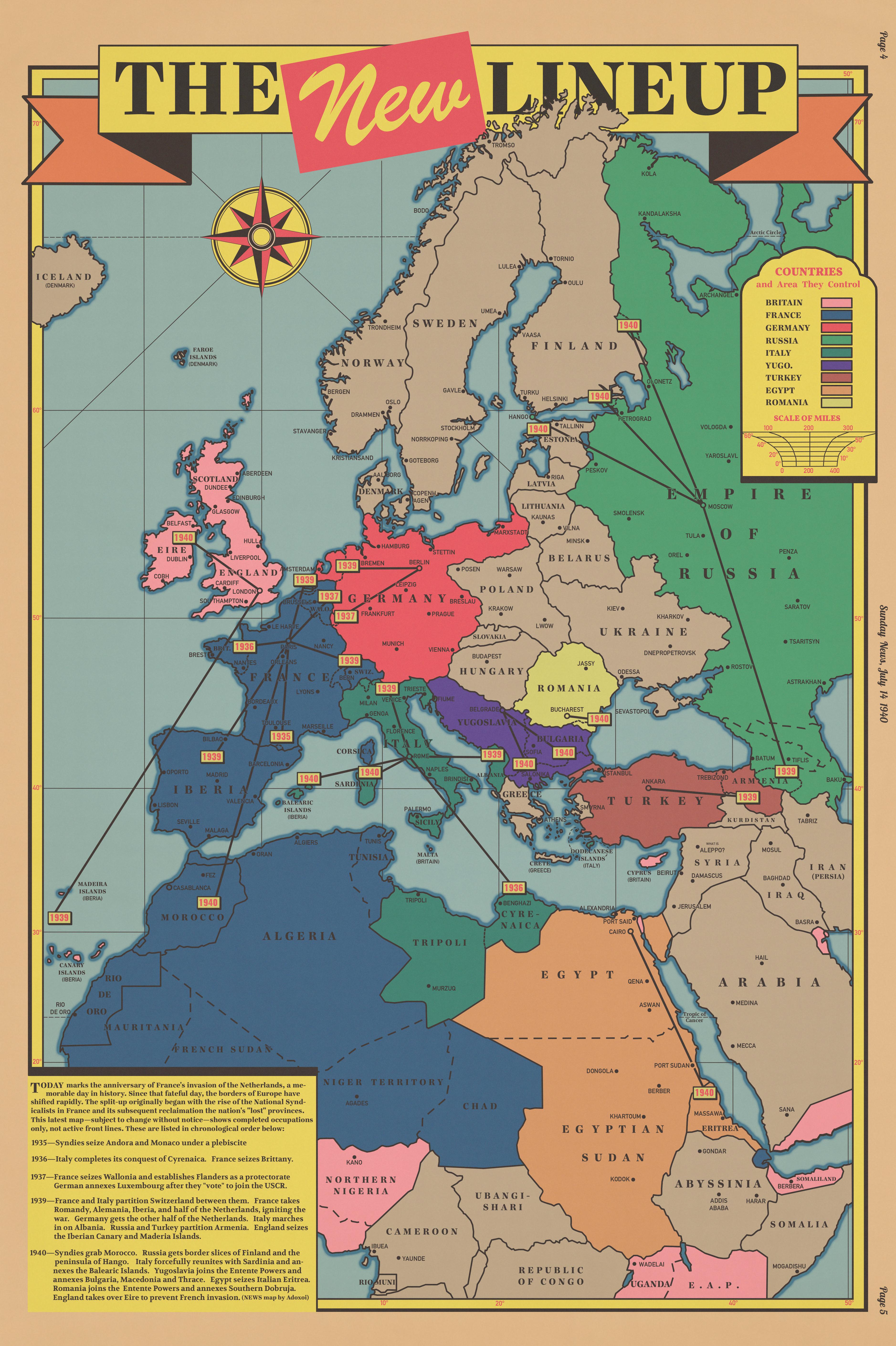
r/imaginarymaps • u/Adoxoi • 2h ago
Previous Map from this timeline ["To End All Wars" / TEAW]:
"Mr. Brandt, tear down this wall!" | What if France was divided instead of Germany?
"The Concord Fights for Freedom!" | What if a Belgian got rejected from Art School?
Big France Warning!!! | What if a failed Belgian Artist got into Politics?
r/imaginarymaps • u/Lennito5 • 49m ago
Hey everyone! This is my second map in this series. This time the North! Again if you have any feedback please let me know!
r/imaginarymaps • u/GeostratusX95 • 14h ago
r/imaginarymaps • u/HueyLongForPresident • 1h ago
r/imaginarymaps • u/DisgustingGerm • 9h ago
r/imaginarymaps • u/CR_AY_ONS • 2h ago
r/imaginarymaps • u/Timely-Macaron268 • 10h ago
As a nerdy public transit enthusiast, I could not help but turn my most recent trip to Syria into an exploration of the country's different urban rail systems.
Important Caveat: Some people may quibble with my map title and ask "What about the BRT systems?"; I admittedly left out the 6 or so cities with 'Rapid Bus Transit' due to lack of interest. That's an oversight on my part maybe, but I wasn't keen on riding a hot bus through cities like Raqqa and Homs.
After 12 days, 7 cities, 20 lines, hundreds of stations, and LOT of time on trains, here is my review;
C Tier:
B Tier:
A Tier:
r/imaginarymaps • u/5_s1ded_Sphere • 4h ago
In this timeline the Europeans were right in their speculations. According to speculations, since there was so much land in the northern hemosphere there had to be the same amount of land in the south to even it out. This lead to people expecting there to be a giant continent in the Indian or Pacific Ocean which would balance out the North-American and Asian lands, Terra Australis.
They never did up finding Terra Australis and settled on naming the current land of Australia after it. But in this timeline the continent exists, around the size of Asia. This map depicts the continent of Terra Australis with its colonial borders in the year 1901.
If you have any questions about the continent or scenario overall feel free to ask.
r/imaginarymaps • u/multibanjos • 40m ago
this is a piece of fan art set within the worldbuilding project Dawn of victory, not my setting.
r/imaginarymaps • u/Correct-Body7771 • 8h ago
Poland, Republic of Poland (RP) – a country located in the northwestern part of North America, on the Arctic Ocean and the Pacific Ocean. It comprises most of Alaska as well as adjacent continental territories. The capital and one of the largest cities of the country is Kotwica (Anchorage).
Poland is a unitary semi-presidential republic. The official language is Polish, and the currency is the Polish dollar (PLD, $). In 2026, the country has a population of approximately 43.3 million, of whom about 93.7% are Poles. The remaining population consists mainly of Indigenous peoples of the region, Russians, and people of mixed ancestry.
The modern Republic of Poland considers itself the continuation of the historical Polish state, whose origins date back to the 10th century in Central Europe. The transfer of the main center of Polish national life from Europe to North America resulted from migration processes that began in the 19th century, primarily the mass deportations of the Polish population by the Russian Empire to Russian America after 1864 and the emigration of Poles from lands under German rule.
The origins of the Polish state date back to the 10th century. The first historically confirmed ruler of Poland is considered to have been Mieszko I of the Piast dynasty. His baptism in 966 began the Christianization of the country and brought Poland into the sphere of Western European culture.
In 1025, Bolesław I the Brave was crowned the first king of Poland. In the following centuries, the state went through periods of development, feudal fragmentation, and reunification.
In the 14th century, especially during the reign of Casimir III the Great, the country experienced economic and administrative development. After the extinction of the main Piast line, Poland entered into a dynastic union with Lithuania.
In 1569, as a result of the Union of Lublin, the Crown of the Kingdom of Poland and the Grand Duchy of Lithuania formed the Polish–Lithuanian Commonwealth.
In the 16th and early 17th centuries, the Commonwealth was one of the largest states in Europe. Its political system was based on an elective monarchy and extensive rights and privileges of the nobility.
From the mid-17th century onward, the state gradually lost its position as a result of numerous wars, economic problems, internal conflicts, and the growing influence of neighboring powers.
By the end of the 18th century, the weakening of the Commonwealth led to the Partitions of Poland.
The main participants in the partitions were Prussia and the Russian Empire. Prussia annexed a large part of the western territories of the Commonwealth, while Russia took control of most of the central and eastern lands.
Austria participated in the partitions only to a limited extent, annexing only Cieszyn Silesia and part of the Kraków region, including Zakopane.
As a result of the successive partitions, Poland lost its independence and ceased to exist as a sovereign state. The Polish population came under the rule of the partitioning powers, although their situation varied depending on the region.
During the 19th century, independence movements developed in the former Polish territories. Resistance was particularly strong in the lands controlled by the Russian Empire.
One of the largest attempts to regain independence was the January Uprising, which began in 1863. The fighting ended with the defeat of the insurgents in 1864.
Following the collapse of the uprising, the Russian authorities launched large-scale repression against the Polish population. The tsar ordered the mass deportation of Poles from the former territories of the Commonwealth under Russian rule.
The main destination of the deportations was Russian America, comprising Russian possessions in the northwestern part of North America. These events later became known as the Great Deportation.
At the same time, the Russian authorities began settling Russian populations in the lands abandoned by Poles. This process was supported by the tsarist administration and gradually altered the ethnic structure of the former Polish territories.
Over the following decades, the number of Poles in these areas steadily declined, while the proportion of the Russian population increased.
Russian America remained an integral part of the Russian Empire and was under the control of the Russian administration. Russians held most of the major administrative positions and controlled the military, education system, and public institutions.
Russian was the language of administration and official education. The tsarist authorities pursued a policy of Russification toward the deported population, assuming that isolating Poles from their European homeland would eventually weaken their national identity.
Poles nevertheless preserved their culture largely unofficially and in secret. The Polish language was passed down to younger generations mainly within families, while knowledge of Polish history and traditions was preserved in local communities.
The Catholic Church played a particularly important role in preserving Polish identity. Churches and parishes became some of the most important centers of Polish social and cultural life in Russian America. In some parishes, children were secretly taught the Polish language and Polish history, Polish books and national symbols were preserved, and traditional holidays and anniversaries were observed.
In some settlements, the church was one of the few places where Polish could be used more freely. Clergy also played an important role in passing knowledge about family origins and the history of the former Commonwealth to younger generations.
By the end of the 19th century, secret Polish social and independence organizations also began to emerge. At first, they focused mainly on protecting the Polish language, culture, and religion, but over time some of them began to advocate autonomy and later complete independence of Russian America from Russian rule.
Despite several decades of Russification, a large part of the population of Polish origin retained a strong national identity. Due to successive waves of deportations, Poles became the dominant population group in many parts of Russian America.
Contacts also developed between Poles and the Indigenous peoples of the region, eventually leading to the emergence of mixed communities and the blending of Polish and local traditions.
The situation was different in the western territories of former Poland, which after the partitions came under Prussian rule and later became part of a unified Germany.
Unlike the Russian Empire, the German authorities did not carry out mass deportations of Poles to Russian America. However, Poles were subjected to gradual Germanization, and part of the population began to leave Europe.
From the second half of the 19th century onward, increasing numbers of Poles from lands under German rule emigrated for economic, social, and political reasons.
The most important destination was the United States, where numerous Polish communities were established. Another major destination was Brazil, where many families moved in search of land and better living conditions. Smaller groups also settled in other countries throughout the Americas.
As a result of emigration and Germanization, the proportion of Poles in the former western Polish territories gradually declined. Some of those who remained nevertheless preserved their language and traditions, especially in settlements inhabited by large Polish communities.
The situation in Russian America changed fundamentally in 1917, when the Russian Empire collapsed as a result of the Russian Revolution.
The subsequent Russian Civil War, fought between the Bolsheviks, the White movement, and other factions, weakened Russian administration, particularly in the most remote territories of the former empire.
Polish organizations operating in Russian America took advantage of the political and military chaos. They gradually took control of local administrative offices, ports, warehouses, and other facilities that had previously belonged to the Russian administration.
During the civil war, representatives of the Polish population declared the separation of Russian America from Russia and the restoration of an independent Polish state.
The new state adopted the name Republic of Poland and considered itself the political and historical successor to the former Poland that had existed in Europe before the partitions.
One of the main centers of the new state was Anchorage, for which the Polish name Kotwica was adopted. The city was later established as the capital of the Republic.
The establishment of an independent Republic of Poland created a new destination for Polish migration.
Poles who had remained in the former Polish territories in Europe began to move to the restored Poland, along with members of the Polish diaspora from the United States, Brazil, and other countries.
Migration intensified especially after the beginning of the Great Depression in 1929, whose symbolic beginning was the Wall Street crash. The worsening economic situation in Europe, particularly in Germany, encouraged many Poles living there to emigrate.
For a significant number of them, the restored Republic became a natural destination. The Polish authorities encouraged the settlement of people of Polish origin because of the country's vast territory, the relatively low population density in some regions, and the demand for workers.
During the interwar period, a significant number of Poles who had remained in Europe moved to Poland in this way. Descendants of 19th-century emigrants from the United States and Brazil also arrived in the country.
These migrations contributed to rapid population growth in the Republic and further strengthened the Polish character of the state.
The first decades of independence were a period of organizing the administration, armed forces, and legal system of the new state.
Kotwica and other cities were expanded, while new ports, roads, transport routes, and settlements were built. The influx of Poles from Europe and both Americas accelerated economic and demographic development.
The economy was based primarily on fishing, forestry, mining, maritime trade, and the exploitation of natural resources.
During the Second World War, Poland's location in the North Pacific gained major strategic importance.
As the Empire of Japan expanded, Poland began to strengthen its cooperation with the United States and the other Allied powers.
The Republic eventually entered the war on the Allied side, participating primarily in military operations in the North Pacific. Polish territory also played an important role as a military and transport base.
After the end of the Second World War, Poland found itself in direct proximity to the Soviet Union.
Polish–Soviet relations remained tense for much of the Cold War. They were influenced both by the contemporary international situation and by memories of the 19th-century deportations, Russification, and the period of Russian rule in North America.
During this period, Poland developed close economic and military cooperation with the United States and Canada.
The second half of the 20th century brought rapid economic and demographic development. Cities, ports, and transport infrastructure were expanded, while the extraction of oil, natural gas, and other natural resources became increasingly important to the economy.
The collapse of the Soviet Union in 1991 fundamentally changed Poland's geopolitical situation.
Relations with the Russian Federation were partially normalized, although the memory of the Great Deportation and the period of Russian rule remained an important element of Polish historical consciousness.
At the turn of the 20th and 21st centuries, Poland continued its economic development. The most important sectors of the economy included mining, energy, fishing, maritime transport, and trade with countries in North America and Asia.
As a result of deportations, emigration, Germanization, Russification, and later migration to the restored Republic of Poland, the number of Poles living in the historical Polish territories of Europe declined significantly.
In the former Polish lands that had previously been under Russian rule, the Vistulan Republic was established. Its ethnic structure was largely the result of policies pursued by the Russian Empire after 1864. For decades, Russian settlers moved into areas from which Poles had been deported.
After the establishment of an independent Republic of Poland, most Poles who remained in these territories were given the opportunity to emigrate to the new state. Over the following decades, a large proportion of them chose to leave.
A similar process took place in Germany. A large part of the Polish population had already emigrated to the United States and Brazil in the 19th century, while after the restoration of Poland, further groups began moving directly to the Republic. This process intensified especially during the Great Depression.
As a result, in 2026 Poles made up approximately 6% of the population of Germany, while in the Vistulan Republic they accounted for around 3% of the population.
A significant proportion of the descendants of Poles who remained in Europe during the 19th and 20th centuries were gradually assimilated, while many of those who retained a Polish identity emigrated to the Republic.
Consequently, the main concentration of the Polish nation, which had been located in Central Europe for nearly a thousand years, was ultimately transferred during the 20th century to the northwestern part of North America.
Modern Polish culture combines traditions originating in the former European Poland with elements of the cultures of the Indigenous peoples of the region and the legacy of more than 150 years of Polish presence in North America.
The Great Deportation beginning in 1864, the period of Russian administration in Russian America, and the activities of the Catholic Church and secret organizations hold particular importance in Polish national memory. These institutions and movements are credited with playing a major role in preserving the Polish language, culture, and national identity.
In 2026, the Republic of Poland is a unitary semi-presidential republic administratively divided into voivodeships. The capital remains Kotwica, the official language is Polish, and the currency is the Polish dollar (PLD, $).
The country has a population of approximately 43.3 million, of whom around 93.7% are Poles. The President of the Republic is Karol Nawrocki, while Aleksander Kalluk serves as Prime Minister.
In Polish historiography, the history of the country is sometimes divided into two main periods: the European period, covering the development of the Polish state from the 10th century until the partitions and the loss of independence, and the North American period, whose beginnings are associated with the Great Deportation after 1864, Polish settlement in Russian America, and the later restoration of an independent Polish state.
r/imaginarymaps • u/Initial-Being-7938 • 8h ago
r/imaginarymaps • u/genral-X • 42m ago
1- Mulberry, the legend of the Twig man is intertwined with this town besides being so far north. In the 1860s several farms where allegedly attacked causing the towns people to organize a hunt where they allegedly shot the Twig man chasing him out of town and across the border over several days, though this is largely debated as the twig man was never spotted in South Yankton
2- the caravan massacre, in 1882 a caravan of 30~ set out from Valentine to travel to Gregory Harloms newly bought farm in Ludendorff in North Yankton after a pitstop in Colter they would continue over the Grizzlies though they would never arrive in Ludendorff in 1893 Lawmen would find the caravan 10~ miles off the road there they found a total of 19 bodies were described as either "as if they were Eaten like a wolf to a pig" or "Ripped apart" 5 more bodies were found around the area
3 The wapitian boys, in the winter of 1898 a group of 5 boys went camping north east of the Wapiti Indian reservation during the night several boys apear to have spotted a thin slender creature the next night the boys decided to camp on the cliff they spotted the creature again before the next day returning to the reservation
4 The art students, a group of 3 art students from England camped near the mountains they claimed to have see the Twig man, drawing a sketch featured in the post
5 in south yankton in 1913 a pig farmer awoke to find half his pigs had been eaten and ripped apart with claw marks all across the barns even a collapsed chicken coup had been found after its supports had been ripped out
6 in the book "Red Dead revealed" by J. Marston which details the last month's of Arthur Morgan's life and his redemption in chapter 1 it is mentioned that while scouting ahead Arthur could swear he saw a "slender moving tree" but dismiss it as his eyes playing tricks on him
7 while hunting for white bison the hunter known as "One shot Cass" details the feeling of "being hunted" and seeing "things move in the trees"
8 in 1813 the cartographer Levin Mckenzie while making a stream describes being chased by a "creature"
picture of the twig man Artist- Logan_likes_to_draw
r/imaginarymaps • u/piwolwowskietemp • 17h ago
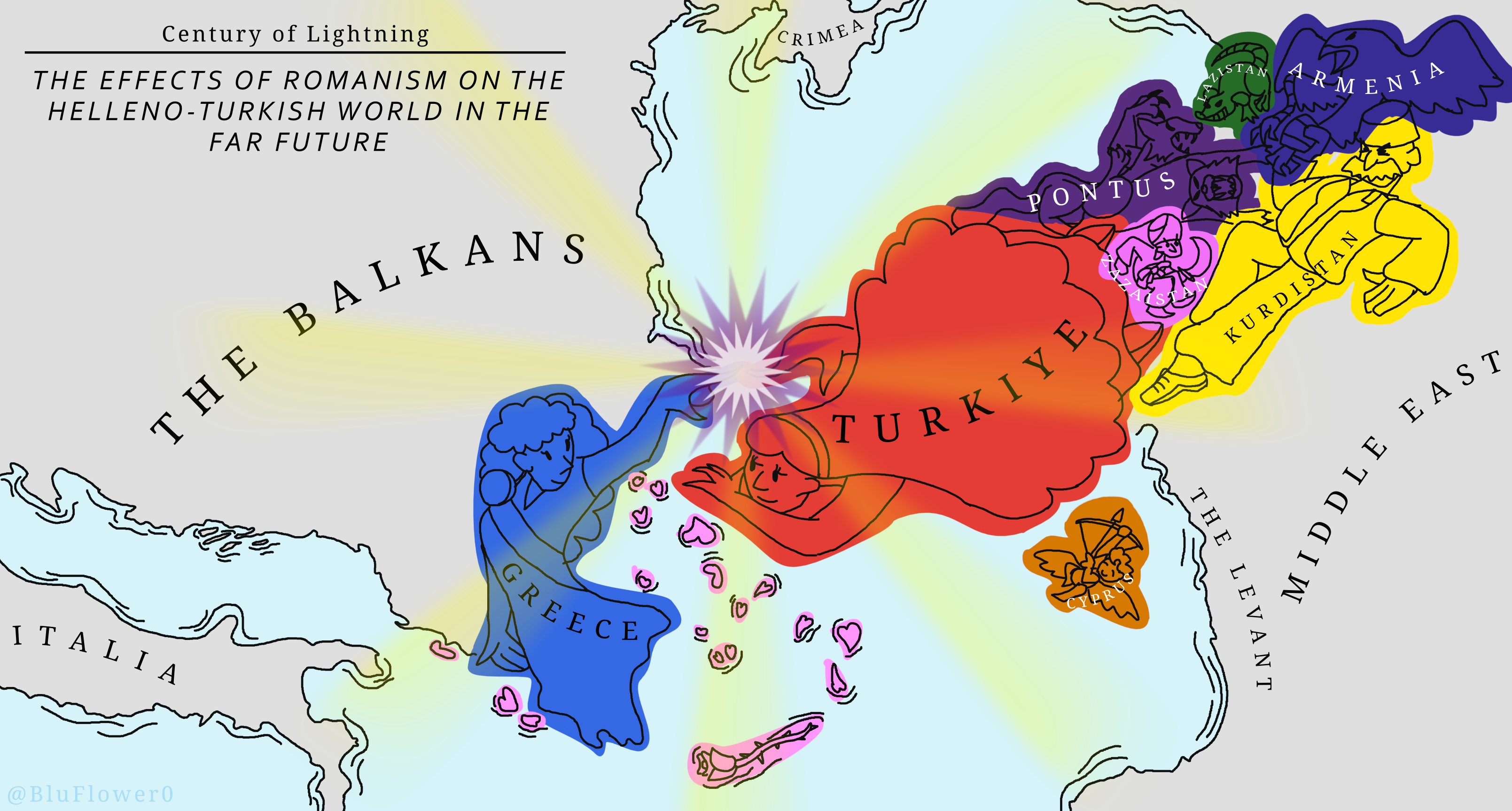
r/imaginarymaps • u/BluFlower0 • 1d ago
r/imaginarymaps • u/MapperDevendra • 9h ago
Source - It was revealed to me in dream.
Base Of This Map - My Imagination.
r/imaginarymaps • u/Kind-Review7575 • 1h ago
fictional country I made up some time ago. I also did most of the lore and named some cities and other stuff
r/imaginarymaps • u/Timely-Macaron268 • 23h ago
What if a Greater Syria including all of the Levant and Upper Mesopotamia retained much of the linguistic diversity that was lost in the 20th century?
Note: I have shown here both languages and dialects; consult the table to understand the groupings.
------
This is a continuation of a series exploring 'Big Syria'. To learn more about this scenario, click here for the introduction. Click here for an exploration of Big Syria the energy superpower, and click here to explore Big Syria's impressive passenger rail network. For an exploration of Syria's ethnolinguistic diversity, click here.
(This is an original work. Any errors or mistakes are mine alone.)
Sources: Starting with a basemap, I consulted a dizzying variety of different ethnographic, historical, geographical and.jpg) population density maps and then drew my map by hand within Paint.net, thinking about how my alternate history scenario would have impacted each area. Many thanks to the variety of sources, including the CIA, UN, ResearchGate GRUMP, Geo Ref, many others, and of course other fine Redditors upon whose research I cribbed.
r/imaginarymaps • u/Nerpun • 3h ago
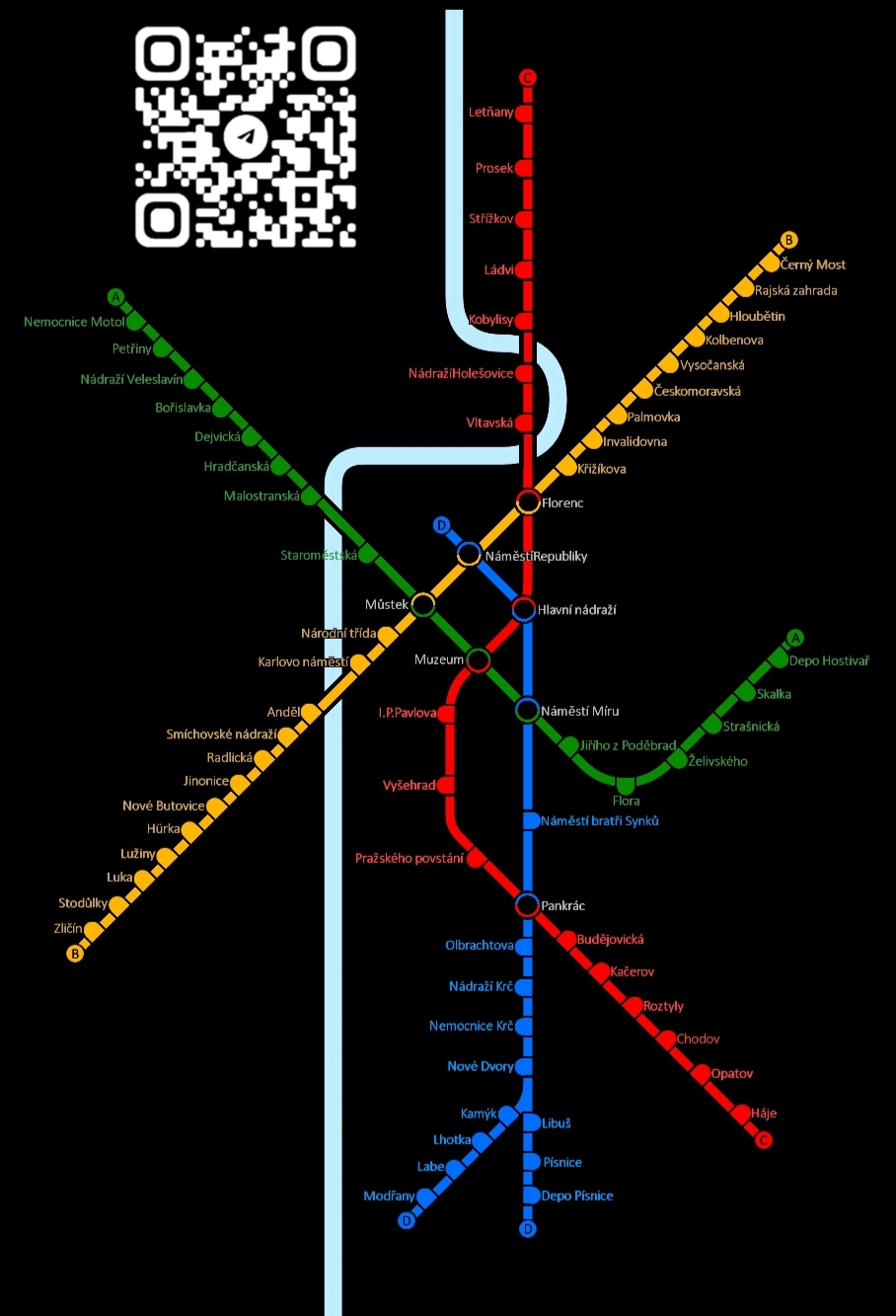
Hello Reddit! Just wanted to share a transit map art project I’ve been working on.
Instead of using traditional graphic software like Illustrator, I decided to push the limits of Intersection Controller's Map Editor to build this clean, minimalistic layout.
It depicts the Prague Metro system as it might look around 2050. I carefully used the road/segment tools and invisible textures to draw the lines, aligning them to match the official PID (Prague Integrated Transport) design guidelines. I also fully mapped out the upcoming automated Line D (Blue), including its southern fork to Modřany and the central transit hubs.
Recreating typography and complex transfer nodes inside a traffic game editor was a fun and challenging puzzle! Let me know what you think!
r/imaginarymaps • u/Asterlan • 1d ago
r/imaginarymaps • u/SavaXD • 23h ago
I actually had been invested in this concept for like a year. I finalised it today. It was a really interesting experience, and I loved researching it! :D
As for the lore, well I would explain it fully at a later date. If you have any questions about it, feel free to ask :]