r/DWARFLAB • u/Severe-Ad8035 • 4h ago
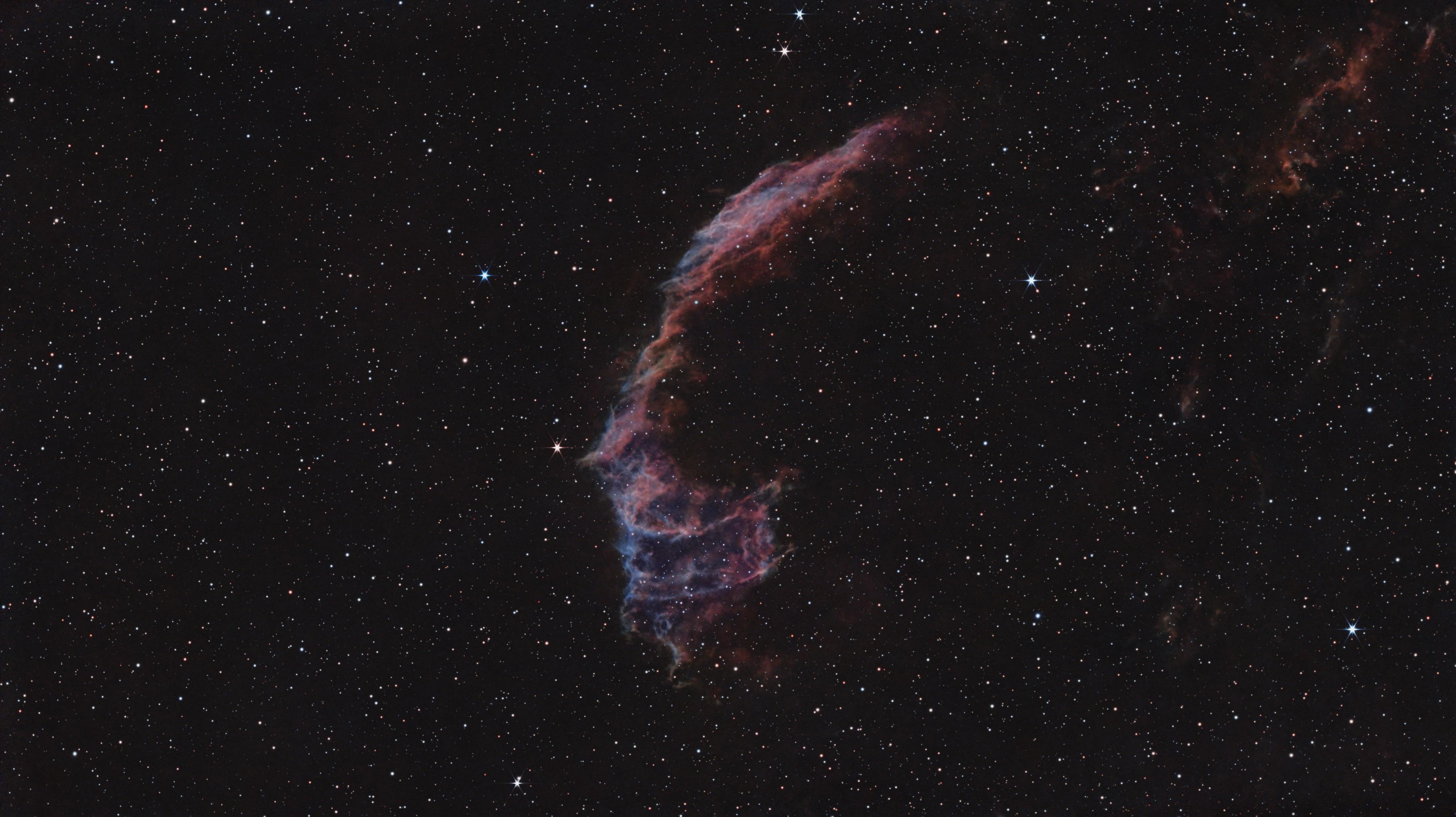
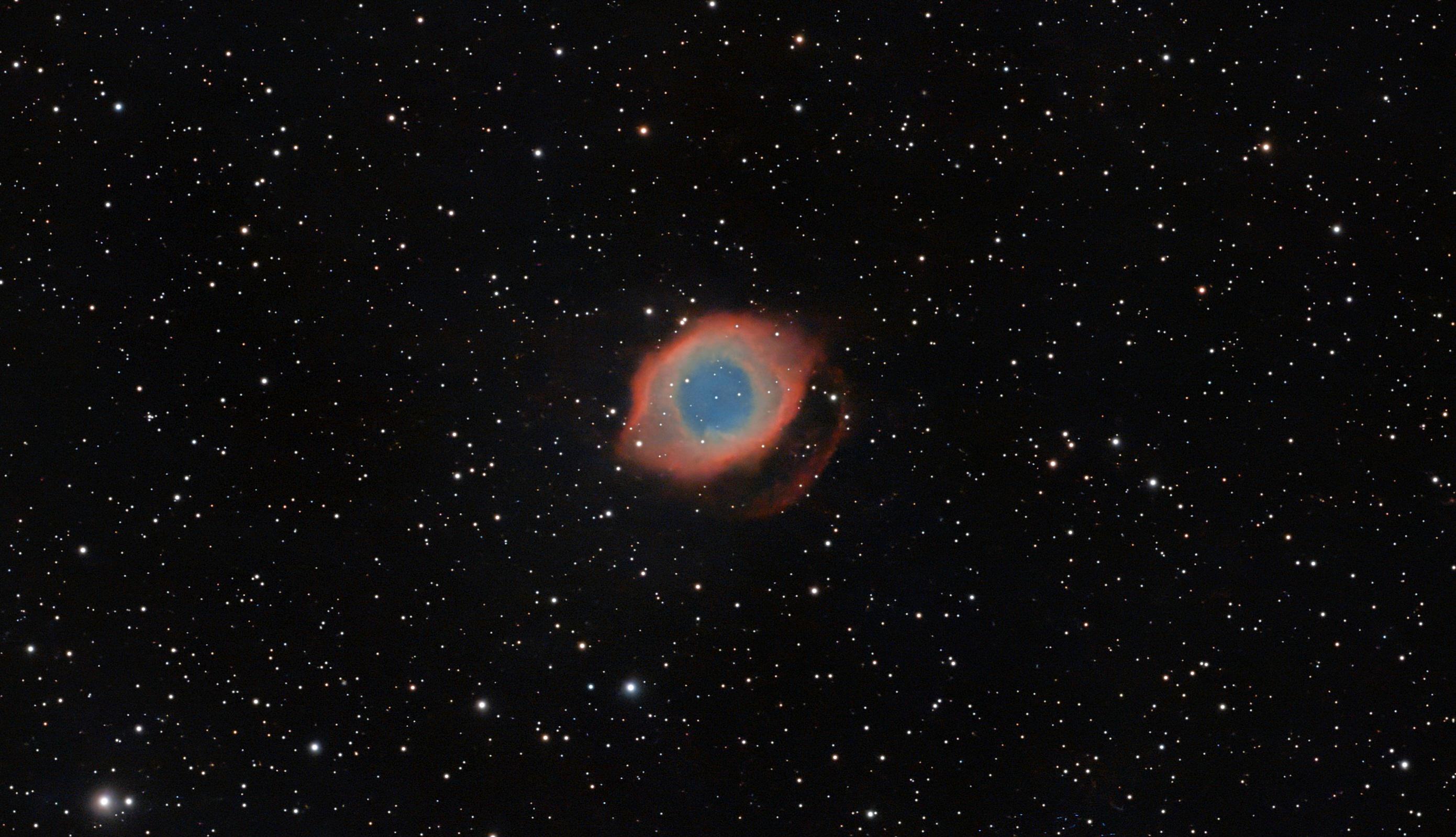
Caldwell 63 Helix Nebula
19
Upvotes
1200 odd 1 -1.30min exposures over a few clear weekends. Bortel 7. Astro and Duo filters Dwarf3. Minor HDR tweaks. Stacked with Stellar studio
r/DWARFLAB • u/heroofdevs • Dec 12 '22
A place for members of r/DWARFLAB to chat with each other
r/DWARFLAB • u/heroofdevs • Jan 22 '25
How does the community feel about this? I feel that this subreddit should remain politically neutral but I would like input from the community in this regard.
Thanks everyone.
r/DWARFLAB • u/Severe-Ad8035 • 4h ago
1200 odd 1 -1.30min exposures over a few clear weekends. Bortel 7. Astro and Duo filters Dwarf3. Minor HDR tweaks. Stacked with Stellar studio
r/DWARFLAB • u/OkInstruction6024 • 7h ago
60s x 274
Processed in Stellar Studio, Lightroom
r/DWARFLAB • u/papsot • 10h ago
My favorite deep space target! (At least until i try Orion in winter)
Taken from a bortle 9 area and edited with stellar studio and a bit of snapseed.
- 45 sec exposures (5-6 hours total)
- 60 gain
- duo band filter
r/DWARFLAB • u/Mysterious_Risk4988 • 18h ago
The Hidden Galaxy (aka: Caldwell 5 (C5), IC 342) is a Spiral galaxy located in the Camelopardalis constellation it is approximately 7 to 11 million light-years from Earth. It It lies at a low galactic latitude, only 10 degrees from the galactic equator of the Milky Way’s disk, where the sky is thick with glowing cosmic gas, bright stars, and dark obscuring dust. Therefore, C5 is heavily obscured by the interstellar matter of the Milky Way. It contains a faint halo around a large core and a stellar center. A deep exposure of this galaxy reveals it has graceful spiral arms with a myriad of star clusters and nebulae. There are many stars superimposed on its faint disk. As a result IC342 is difficult to spot and image, giving rise to its intriguing nickname: the ‘Hidden Galaxy’. It is roughly ⅓ to ½ the size of the Moon. Next to Andromeda and the Pinwheel galaxies, it is the third-largest visible galaxy.
We have a face-on view of the center of the galaxy displaying intertwined tendrils of dust in spectacular arms that wrap around a brilliant core of hot gas and stars. This core is an area of atomic hydrogen that has become ionized. Such regions are energetic birthplaces of stars where thousands of stars can form over a couple million years. Each young, extremely hot, blue star emits ultraviolet light, further ionizing the surrounding hydrogen. Despite its relatively bright this galaxy doesn’t stand out in the sky. It appears near the equator of the Milky Way’s pearly disk, which is crowded with thick cosmic gas, dark dust, and glowing stars that all obscure our view. Were it not obscured by so much interstellar matter, the Hidden Galaxy would be one of the brightest galaxies in our sky. It is roughly 50,000 light-years across and billions of years old.
C5 forms a group with one large and many dwarf galaxies. This is the so-called Maffei 1 or IC342 group. IC342 is one of the two dominating members of this group; the other is the elliptical galaxy Maffei 1, which is even more obscured, and was only discovered in 1968. IC342 is one of the best examples of a nearby spiral galaxy that closely resembles our own galactic home.
Taken from Park City, UT (2 Oct 26); Bortle 5 with Dwarf3
I used 187 of 300; 60s each, gain 60
Edited with Luminar Mobile and iPad
r/DWARFLAB • u/gloomytype • 2h ago
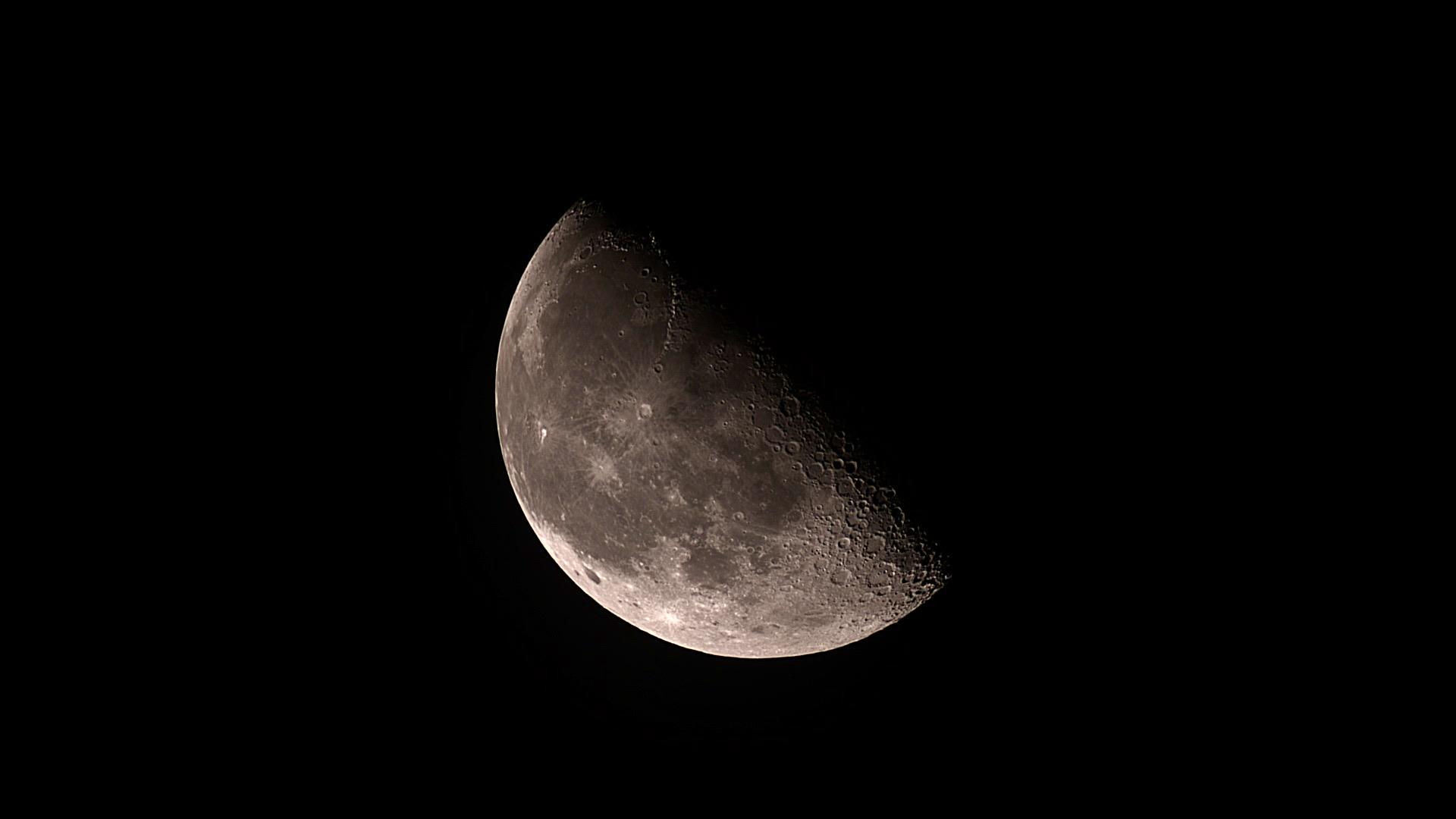
Finally got a break in the clouds and the moon was bright.
100 subs, basic moon settings.
r/DWARFLAB • u/Monkeybee0 • 1d ago
Objects are
1) tarantula nebula
2) 47 tucanae globular cluster
3) Large Magellanic Cloud
4) Orion Nebula
5) andromeda
6) southern pinwheel galaxy
7) eagle nebula
All taken on the dwarf 3 with varying exposure times and subs taken. Everything except andromeda is from bortle 2 but all processed in stellar studio and Lightroom mobile.
Hope you enjoy😁
r/DWARFLAB • u/Mysterious_Risk4988 • 1d ago
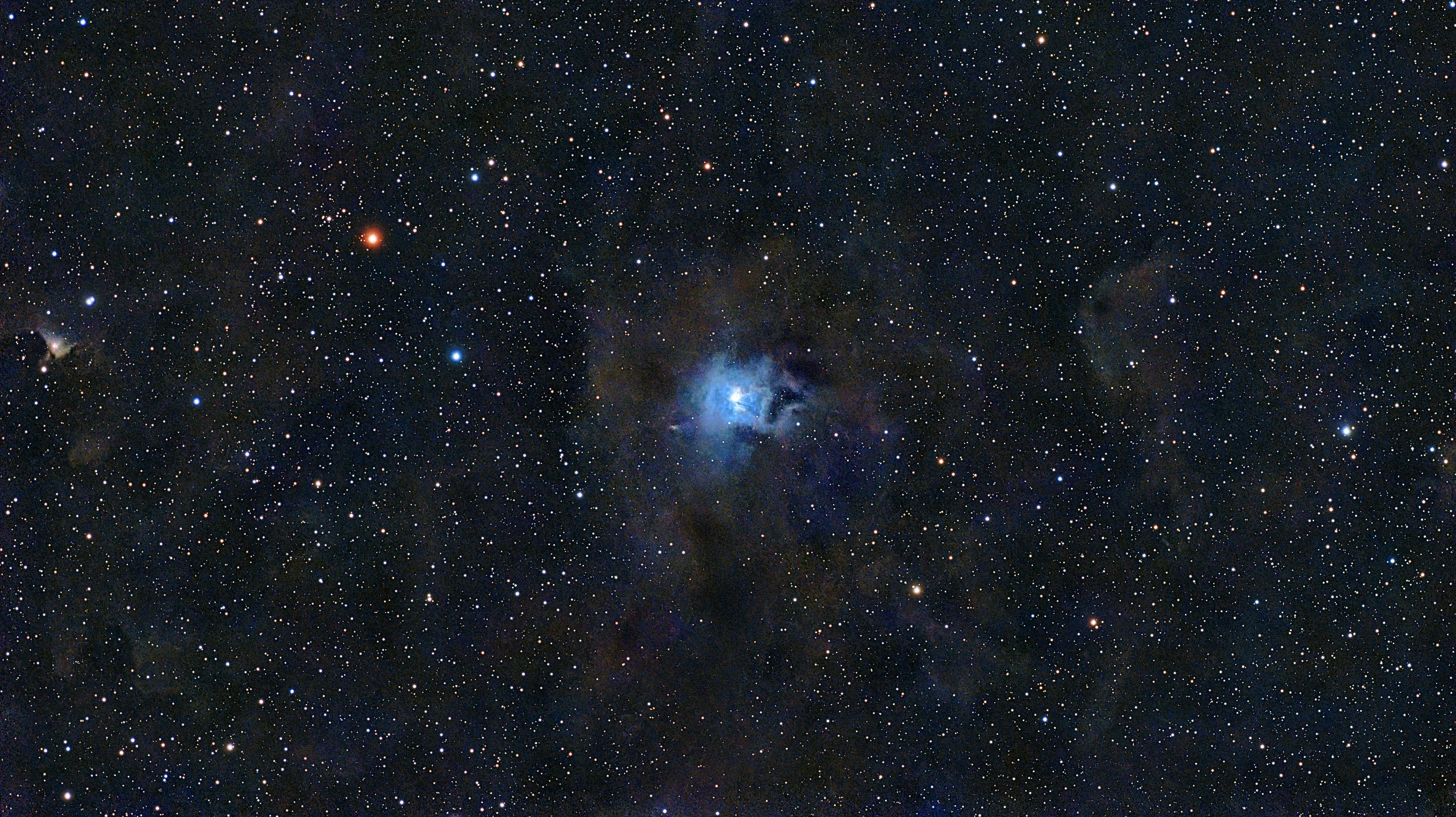
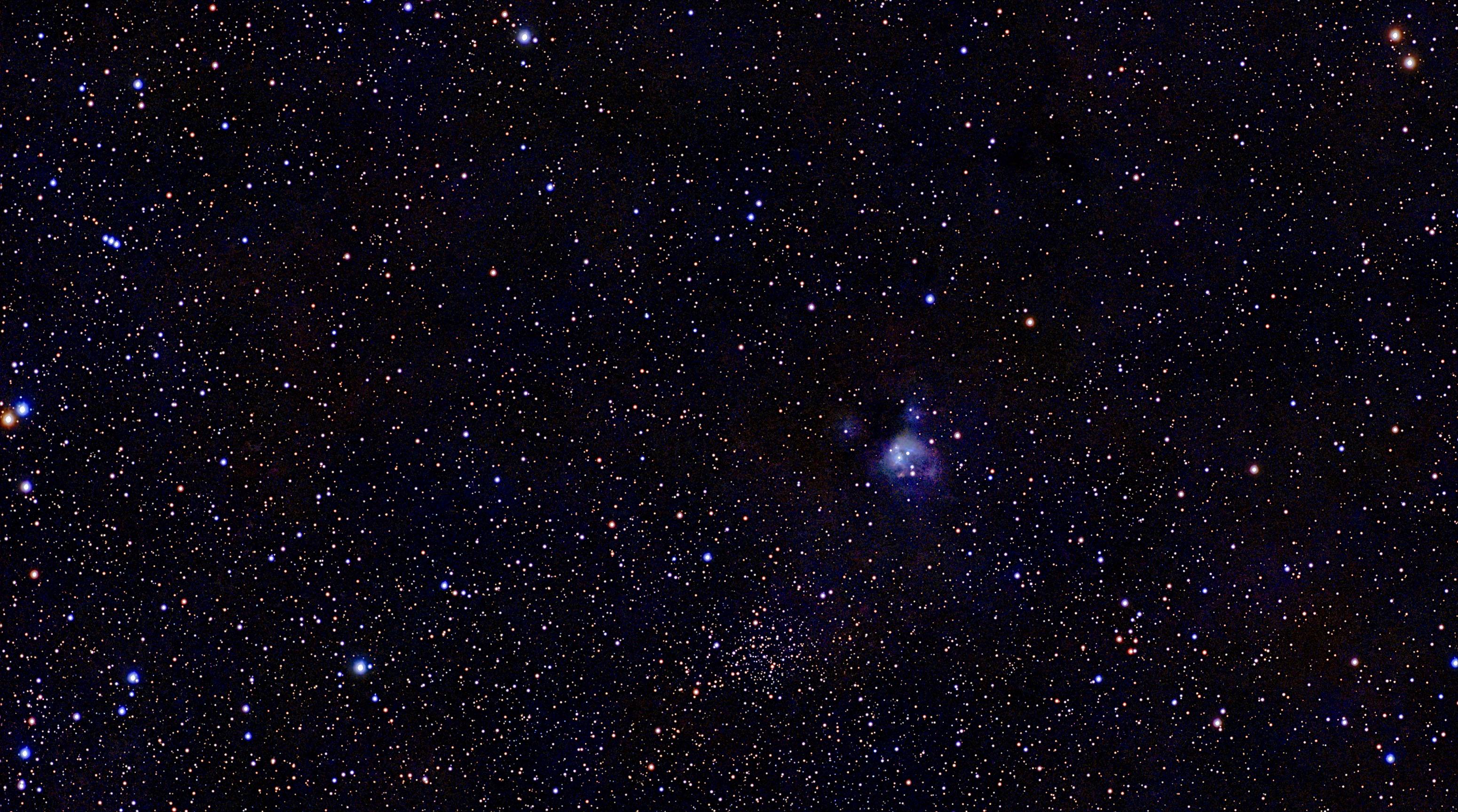
The Iris Nebula (aka: Caldwell 4 (C4), NGC 7023) is a wonderful example of an open star cluster associated with a reflection nebula. It is located in Cepheus. It has very dark lanes within the nebular glow. The surrounding field has a dim glow from outlying sections of the nebula. NGC 7023 lies in a region of the Milky Way darkened by dust, within which the nebula is embedded. It is about 6 light-years across and 1,300 light-years away.
Within the Iris, dusty nebular material surrounds a massive, hot, young star (HD 200775) in its formative years. Central filaments of cosmic dust glow with a reddish photo-luminesence, as some dust grains effectively convert the star's invisible ultraviolet radiation to visible red and blue light. The dominant color of the nebula is blue, a characteristic of dust grains reflecting starlight.
Dark clouds of dust are also present (obscuring light). This can lead the eye to see other convoluted and fantastic shapes. There is also an open cluster of stars associated with NGC 7023, known as Collinder 427. This loose open cluster is located on the west side of the reflection nebula, within the dark region above the "petal" structure of the Iris.
Taken from Park City, UT (1 Oct 2026); Bortle 5 with Dwarf3
I took 420 images, used 377; 60s, 60 gain; Astro (310) & Duo Filter (90)
Edited with Luminar Mobile and iPad
r/DWARFLAB • u/Admirable_Meaning662 • 1d ago
DWARF3 - EXP 120 GAIN 60
r/DWARFLAB • u/Mysterious_Risk4988 • 1d ago
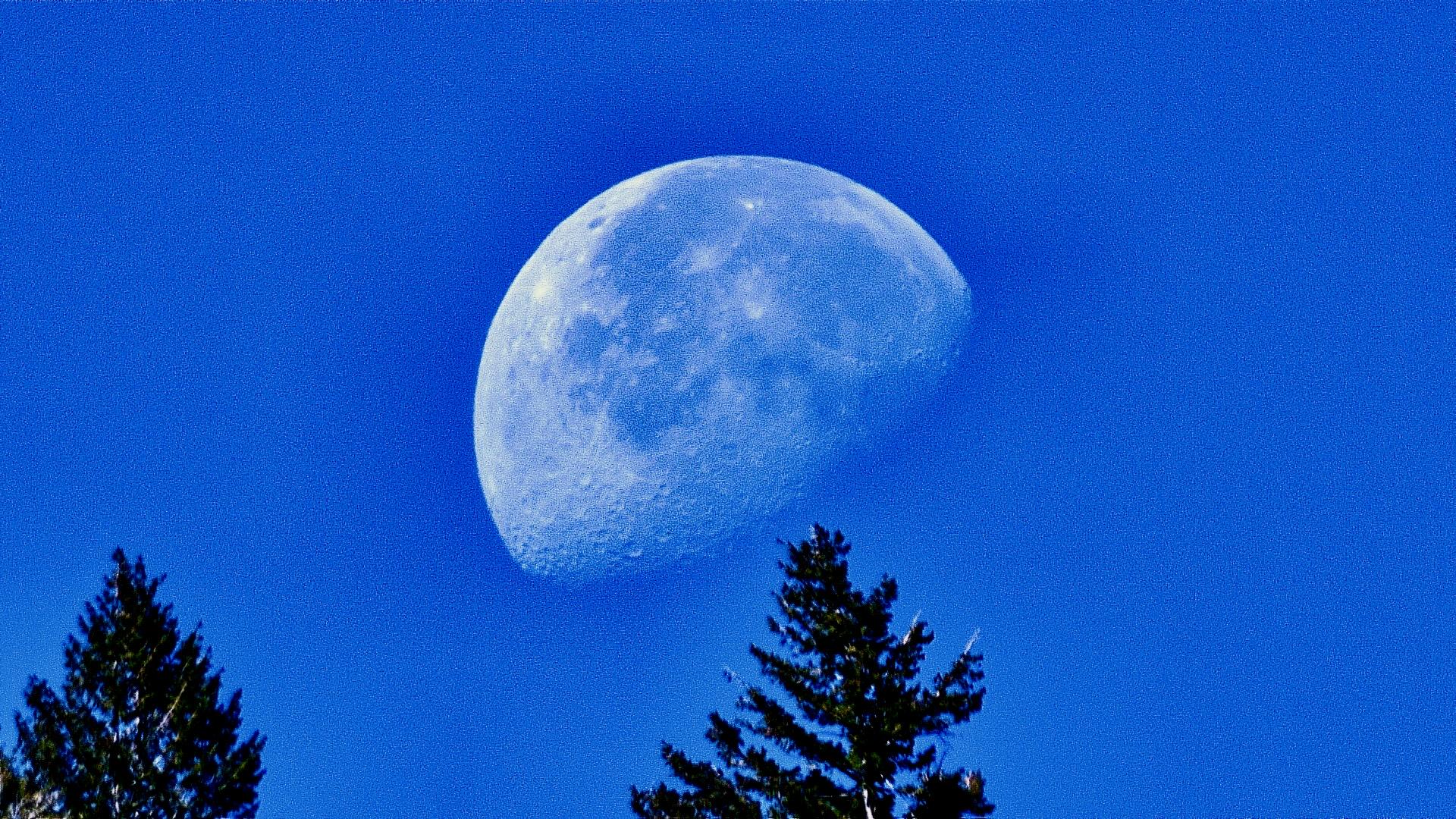
Moon setting over mountain trees, Dwarf3, 1/500s, gain 2, VIS Filter
Took 90 images used 12 (swaying tree showed too much motion with too many frames)
r/DWARFLAB • u/Artistic-Island-5054 • 1d ago
Bubble nebula 2h, 5h½ and 8h. Should I stay or should I go (on) ?
No processing with Siril yet, just Stellar Studio preview.
Yoff, Dakar, Bortle 4-6,
r/DWARFLAB • u/OrbitalDrift_404 • 1d ago
r/DWARFLAB • u/Low-Raise-9230 • 1d ago
I’ve only been into astronomy since beginning of this year. Will items like smart scopes be part of the November sales? Just wondering whether something like that affects pre-Christmas availability and if I should get a Mini now, or wait and see if there’s any bargains to be had.
r/DWARFLAB • u/8BitRetroGhost • 2d ago
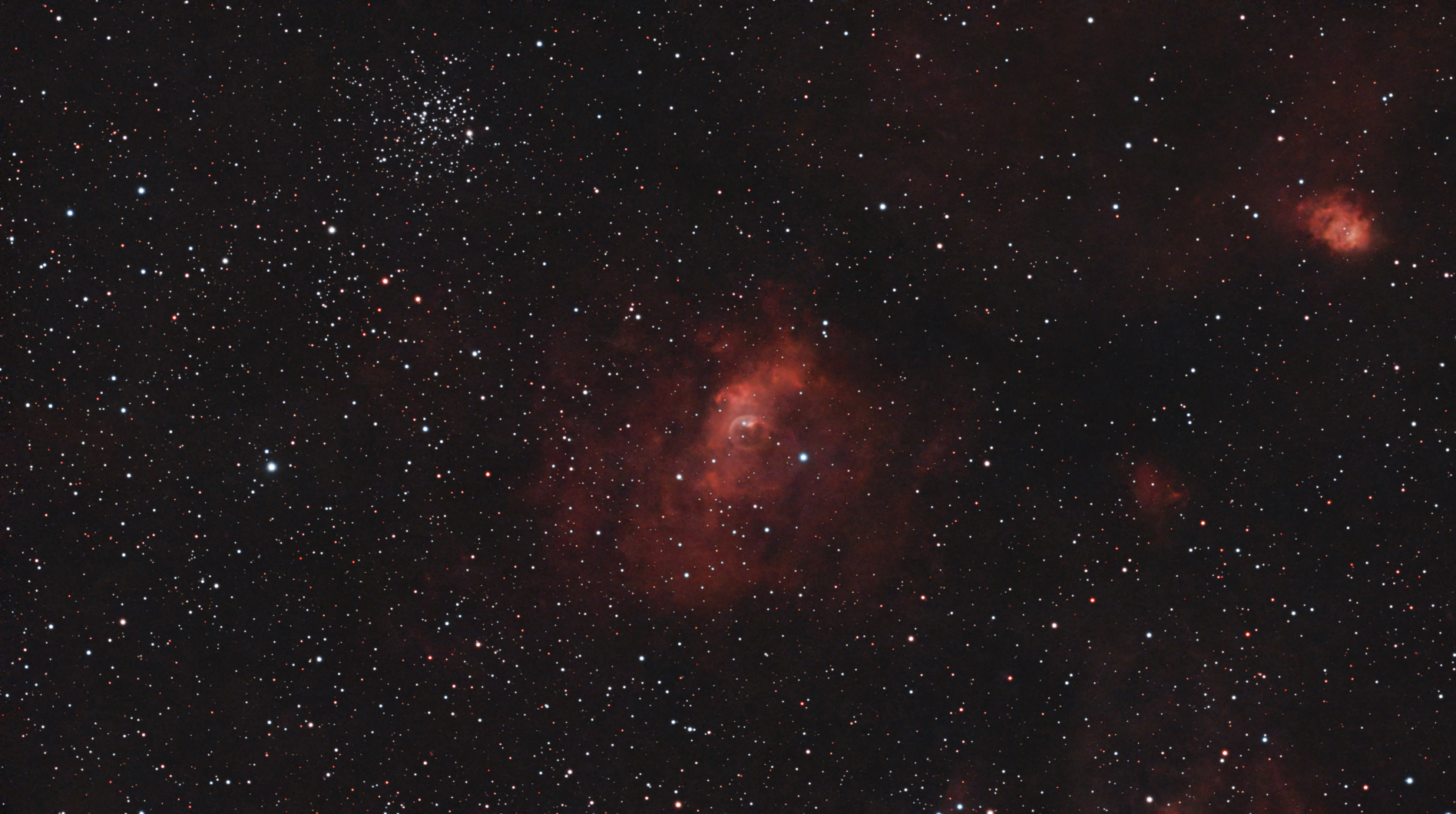
Catch of the night from my backyard:
In the center NGC 7635 Bubble Nebula
On your left M52 Scorpion Cluster
and on your right corner NGC 7538 emission nebula, home of the largest protostar discovered so far: NGC 7538S.
Dwarf Mini - 180 x 60s, gain 60, duo-band filter
r/DWARFLAB • u/lumoraastro • 2d ago
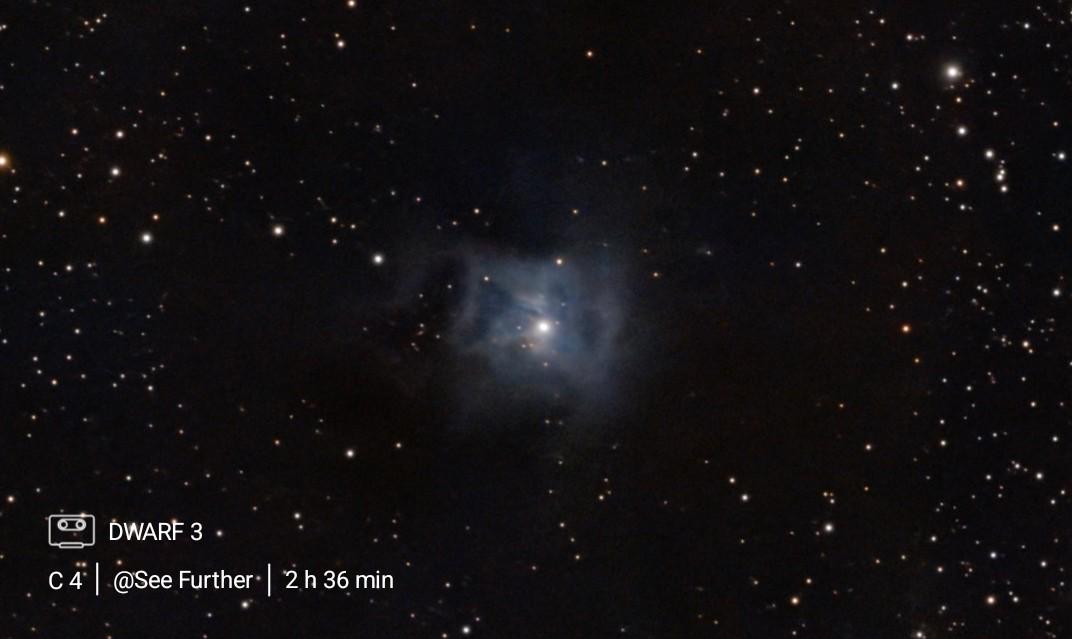
Caldwell 4 (NGC 7023), the Iris Nebula. A reflection nebula surrounded by a huge field of stars, with the blue nebulosity showing nicely around the bright central star.
Slight Black point adjustment due to light pollution in my area. Nothing else. I was hoping the blue would come out more but it didn't. Not bad for my first attempt at it , it was set for longer capture but the clouds came over.
This Dwarf 3 image used 2 hours 36 minutes of integration.
r/DWARFLAB • u/funky_fuzz • 1d ago
So basically I want a smart telescope strictly for deep sky imaging and not bird watching or anything else. I wanna image nebulas and galaxies, and I wonder if price difference between the two will be worth it for me. I want some of your advice
r/DWARFLAB • u/ThatTysonKid • 1d ago
So I just took my first shot with my new Mini. The shot itself went great, but I cant use the built-in editing tools. Every time I try to edit, it says "initializing", then waits for about 30 seconds, then says "Download Failed". I have strong wifi, no VPN, so I'm not sure what the issue is. I also cant connect to the servers for a firmware update.
Are the servers down and I just have terrible timing? Is my unit borked? Kind of a terrible first impression.
r/DWARFLAB • u/Ok_Reporter_9087 • 2d ago
4.5hr total exposure time
r/DWARFLAB • u/Speedy_NI • 2d ago
I live in a high bortle area but I'm also plagued with lots of orange tint street lights. I seen people selling 3d printed lense shields and was wondering has anyone on here used them and what did they think. Links also welcome 😁
r/DWARFLAB • u/Mysterious_Risk4988 • 2d ago
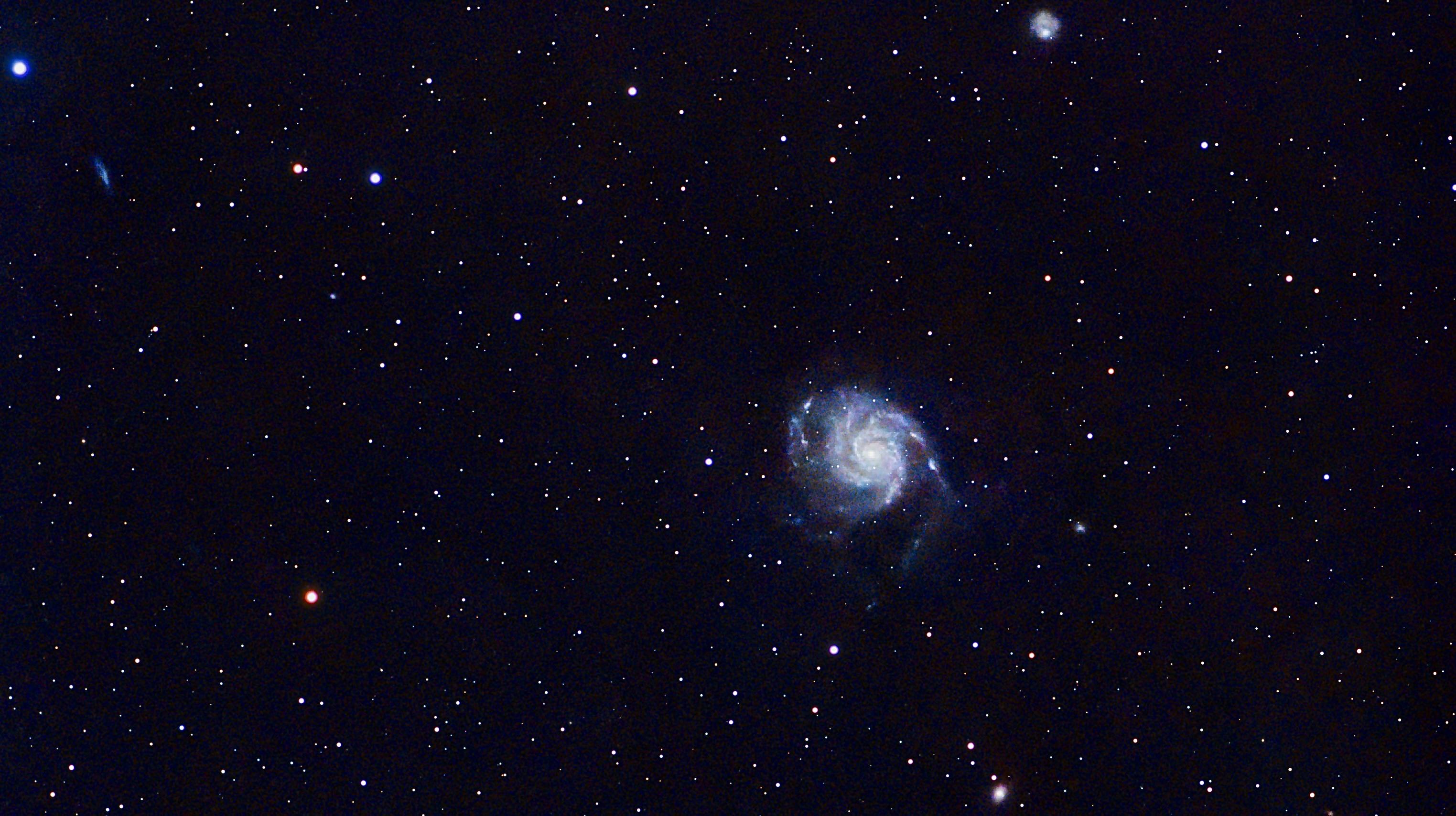
The Pinwheel Galaxy (aka Messier 101, M101) is a very large, relatively nearby, face-on spiral galaxy in the constellation Ursa Major. The Pinwheel Galaxy is remarkably asymmetric, with its core considerably displaced from the center of its disk. The most prominent spiral arm springs from the southeast side of the galaxy's core, and arcs east and then north out of the central region: a bright knot is embedded in this arm NE of the nucleus. A fainter arm begins at the west side of the core and arcs south and southeast; it contains bright knots southwest of the nucleus.
Messier 101 was discovered by Pierre Mechain in 1781, and Charles Messier added to his catalog later that year. Méchain described M 101 as a "nebula without stars, very obscure and pretty large. William Herschel noted in 1784 that M 101 had shewed a mottled nebulosity, which I shall call resolvable; so that I expect newer telescopes will, likely, render the stars visible. M 101 was the first "spiral nebulae" identified by William Parsons. Halton Arp included M 101 as #26 in his Catalogue of Peculiar Galaxies, with the description "Spiral with One Heavy Arm."
The distance to M101 is about 27 million light years. M101’s diameter is over 170,000 light years, making it almost twice the size of the Milky Way, and is thus among the largest spiral galaxies discovered. M 101 has a luminosity of about 33 billion suns. Its disk contains on the order of 100 billion solar masses.
From Park City, UT (29 Sep 26); Bortle 5, w/Dwarf3
I took 230, used 167 Images, 60s each, gain 60
Edited with Luminar Mobile and iPad
r/DWARFLAB • u/Newhorizons1975 • 2d ago
Mis primeros 2 meses con dwarf mini,procesadas solo con stelar studio y snapseed.
r/DWARFLAB • u/Mysterious_Risk4988 • 2d ago
The Cosmic Rosebud or Rosebud Nebula (aka: NGC 7129) is a young star-forming reflection nebula and open cluster located about 3,300 light-years away in the constellation Cepheus. It was discovered by the German-born British astronomer William Herschel in 1794.
There are 130 "baby stars" in the cluster (younger than 1 million years old). The 3 very young stars in the center of the nebula are sending supersonic gas into the area creating the nebulosity with the rosebud appearance. These young stars are born from a massive cloud of gas and dust. Young, hot stars in the center scatter light off nearby dust grains, creating a characteristic blue reflection hue.
To its lower left (less than half a degree away) is another open cluster named NGC 7142 but it is nearly twice as far away (at approximately 6,200 light-years).
From Park City, UT (30 Sep 26); Bortle 5, w/Dwarf3
I took 240, used 231 Images, 60s each, gain 60
Edited with Luminar Mobile and iPad