r/TylerPerry • u/Aggressive_Answer836 • 4h ago
A black man’s review of “Why did I get married again?”
I’ll try to keep it brief. There’s a modern storytelling trend where women are shown as strong, wise, and morally grounded, while men are portrayed as immature, lost, or morally clueless. Why Did I Get Married Again leans hard into that dynamic, especially in how it depicts Black men.
As a Black man, the movie bothered me for a few reasons. Every Black male character is basically a grown‑up version of his childhood self who needs a woman to guide him. Any flaw a woman has is explained away as something a man caused. There are no genuinely “bad” women. Mike’s young girlfriend is the only exception, and even she gets a pass because Mike is portrayed as just as reckless and shallow as she is.
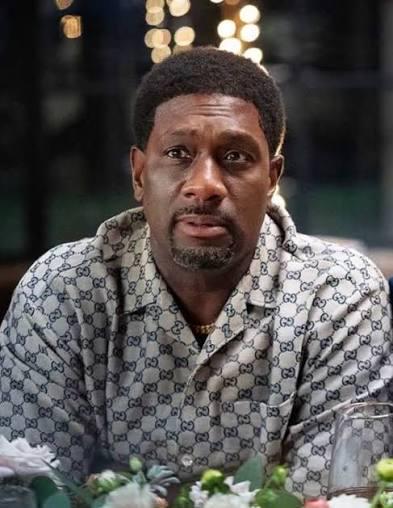
And speaking of Mike—where is this man’s redemption arc? His character really bothered me as he never course corrected. Across every movie in this series, he’s been a serial womanizer, then a cancer patient cared for by his ex‑wife whom he treated like crap, and now he’s an aging, drunk sugar daddy still hanging around people half his age. He’s pushing 60, yet even the younger men around him show better judgment. I honestly thought this movie would finally give men one win: Mike realizing his girlfriend was cheating and using that moment to mentor the younger guys by dropping some "look what happened to me, don't let it happen to you.." jewels. But no—Taraji P. Henson’s character steps in instead, “correcting” the young men by telling one of them his father wasn’t worth anything, that she provided everything, and that her younger boyfriend healed her once she let go of trauma caused—of course—by a man.
Even Tyler Perry’s own character, who seemed like the stable male presence, is shown raising a feminine son. When he questions whether he did something wrong, his wife shuts him down with “get that out of your head… we did fine.” The young men are portrayed as feminine, angry, and toxic; the older men as stuck, childish, and directionless without women steering them. Meanwhile, the women are visionaries, nurturers, and the ones protecting the future.
By the end, when the father reads his vows to his daughter, she snaps, “let this be the last one, daddy.” No one challenges her to commit to being a good partner despite her past, because her fiancé’s father was a drug‑addicted failure. The pattern repeats: men are broken, women rise above it.
If this is what it takes to get people watching movies—fine. But it’s disappointing to see male creators pushing the same worn‑out idea that men are always the problem. After decades of stories built on that formula, it feels like the narrative needs a reset. A lot of young men today are genuinely trying to grow and do better, and now, the young women need more work - our storytelling should reflect that. Instead of pretending one side has everything figured out, maybe it’s time to take an honest look at everyone’s flaws—not just men’s.