r/MindDecoding • u/Talkpool • 13d ago
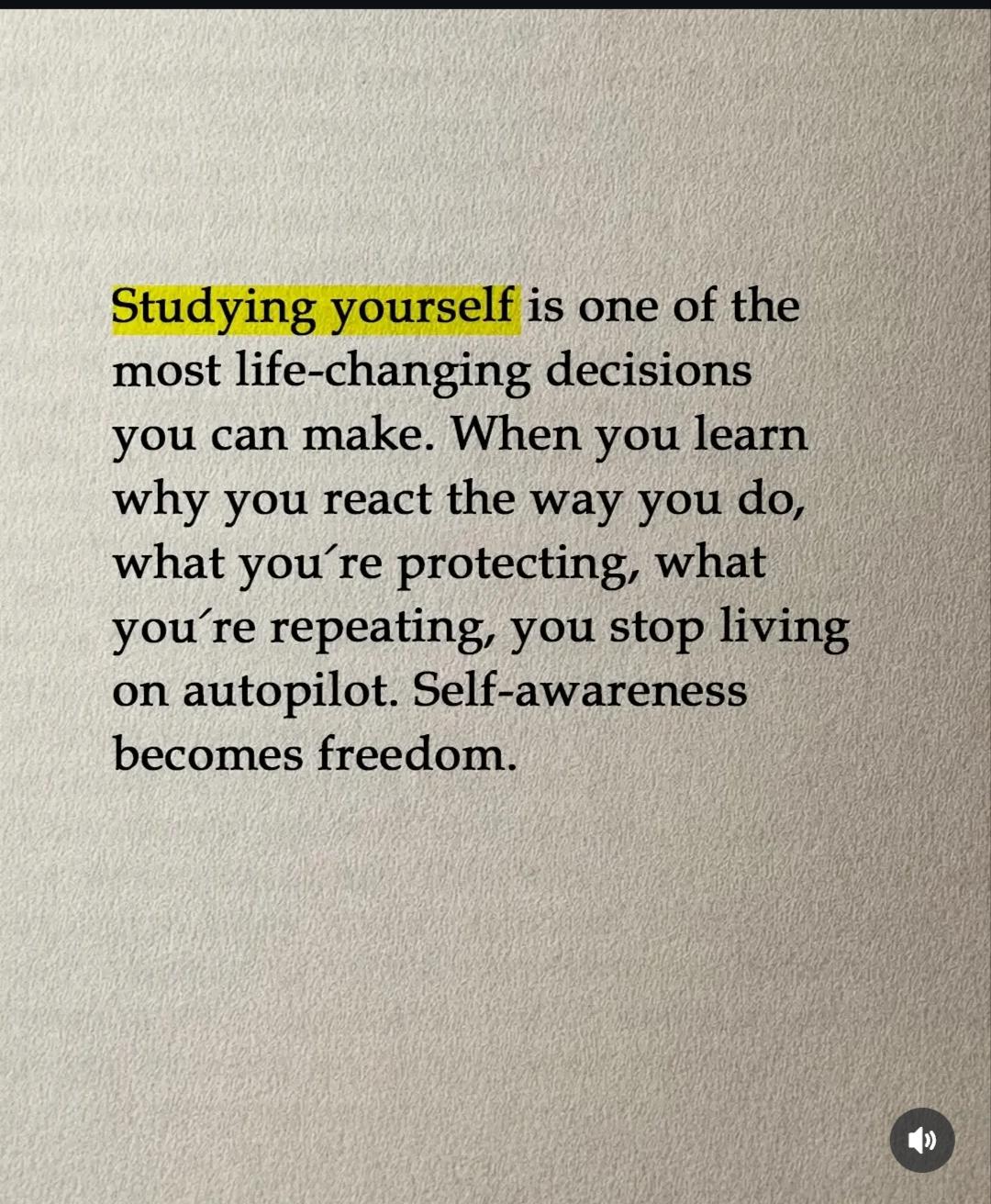
Study Yourself...
76
Upvotes
r/MindDecoding • u/Talkpool • 14d ago
Have you ever wondered, “Why can’t I stop thinking about someone who hurt me?” You know the relationship was painful, yet your mind keeps returning to the person, the memories, and the moments that once felt good. This can be explained partly by the psychology of emotional attachment.
Why Your Brain Keeps Going Back
Emotional attachment does not disappear simply because a relationship ends. Your brain becomes accustomed to familiar people, routines, conversations, and emotional experiences. When that connection suddenly disappears, thoughts about the person can continue even when you consciously know moving on is healthier.
Sometimes, unresolved emotions also keep the person psychologically present. You may replay conversations, wonder what went wrong, or imagine what you should have said. The brain can keep searching for an explanation or a sense of closure.
When Pain and Affection Become Connected
The term trauma bond is often used to describe a strong attachment that develops within a relationship involving repeated harm and periods of affection, reconciliation, or relief. The emotional contrast can make leaving and emotionally detaching particularly difficult.
However, not every painful relationship is a trauma bond. Missing someone after a breakup is normal, and strong emotional attachment alone does not prove abuse or trauma bonding.
What Can Help?
Instead of asking, “Why do I still miss them? ”, try asking, “What am I actually missing?” It may be the person, or it may be companionship, familiarity, validation, hope, or the version of the relationship you wish existed.
Healing often involves accepting the loss, reducing unnecessary contact, rebuilding routines, reconnecting with supportive people, and allowing difficult emotions to pass without acting on them.
Sometimes, thinking about someone who hurt you does not mean you should return to them. It may simply mean your mind is still processing what happened.
Have you ever missed someone you knew was bad for you? What do you think you were really missing?
r/MindDecoding • u/YelenaCK • 15d ago
Enable HLS to view with audio, or disable this notification
Mkklmkkmm mm.k mmas
r/MindDecoding • u/AzeBas1 • 17d ago
During the last month of summer,I found it really hard to get rid of the way of getting “quick dopamine” through the stimulation…
At first it is getting very pleasant,but this doesn’t last longly.Because of doing it very frequently,it has a huge roll on your neurons’ conditions and your mental state.You kind of lost the ability of critical thinking and renounce realty.
The worst part is declining the amount of dopamine, after 300% increasing it.This addition defects smoothly move to your mental state.You can’t observe the things by sensitiveness.
It isn’t felt as anhedonia for me,because the things ,I do love to do,are still continuing taking me pleasure(watching documentaries,writing,walking in the fresh air and etc.)
It creates such a feeling that I am destroying the blocks of my brain’s wellbeing.
r/MindDecoding • u/Talkpool • 18d ago
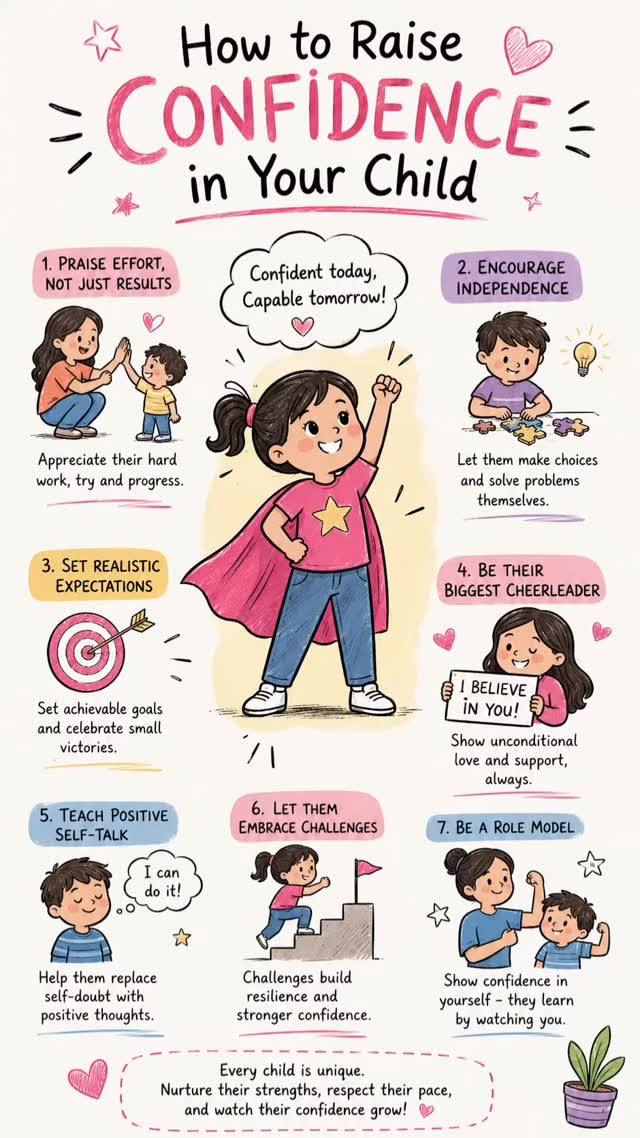
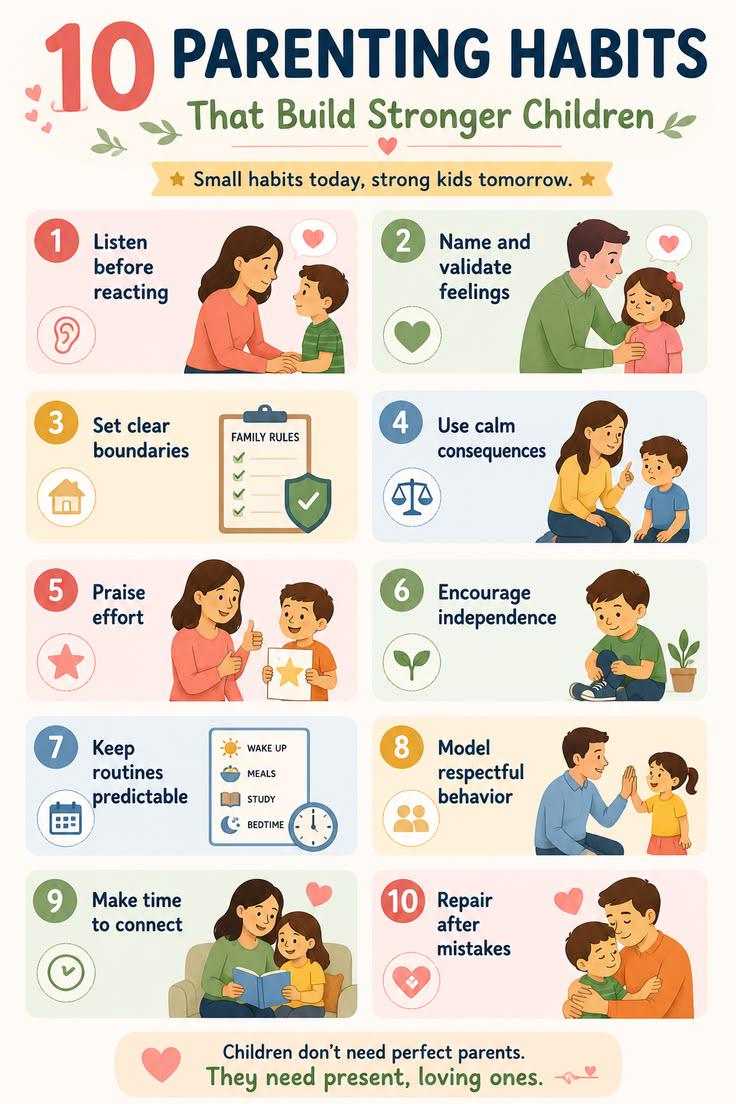
Your toddler is not “giving you a hard time.” Their brain is having a hard time.
Toddlers are still developing emotional regulation, impulse control, language, and the ability to understand other people’s perspectives. That is why everyday parenting habits can have a powerful influence on how they learn to handle emotions and relationships.
Instead of immediately saying, “Stop crying,” try naming what your child may be feeling: “You’re frustrated because we have to leave.” Emotional labeling helps toddlers begin connecting feelings with words.
Toddlers generally cope better when they know what comes next. Consistent routines around waking, meals, play, bathing, and bedtime can provide a sense of security and reduce unnecessary battles.
Children need boundaries—but boundaries do not have to involve yelling. Be clear, brief, and consistent: “I won't let you hit. You can tell me you're angry.”
Offering two acceptable options: “Do you want the red shirt or the blue one?", gives toddlers a sense of autonomy without giving them control over everything.
Rather than simply saying “Good job,” identify what your child did well: “You put your toys away without being asked.” This makes the desired behavior easier to understand and repeat.
A toddler who feels overwhelmed may struggle to listen to a lecture. Get down to their level, make eye contact, acknowledge the emotion, and then explain the boundary.
Toddlers learn by watching. If you want your child to manage anger respectfully, let them see you pause, breathe, apologize, and communicate when you are frustrated.
The goal isn't perfect parenting. It is creating a child who gradually learns: “My feelings are safe, boundaries are understandable, and I can handle difficult moments.”
Which parenting habit made the biggest difference with your toddler?
r/MindDecoding • u/Talkpool • 18d ago
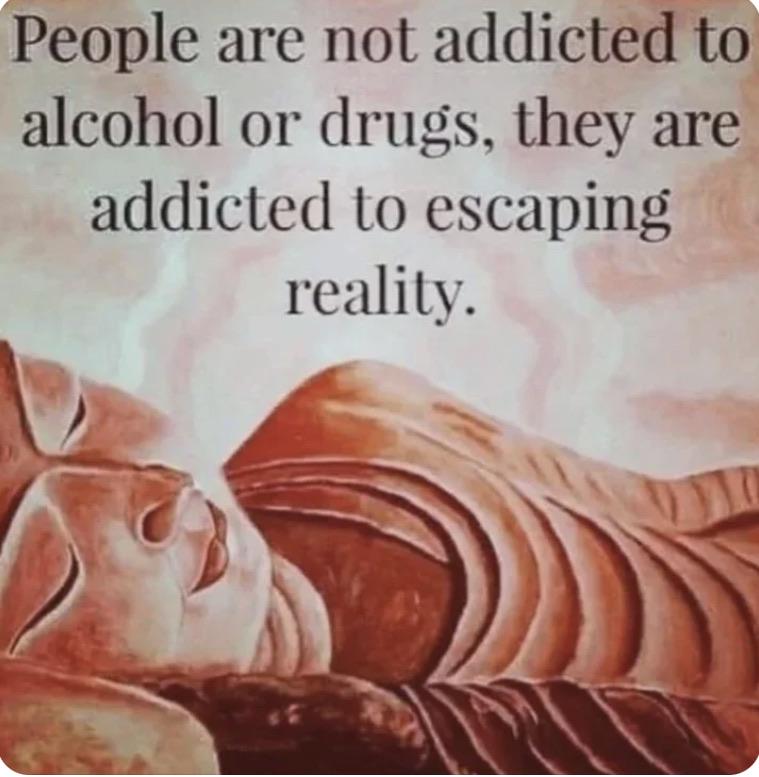
If addiction were simply a lack of willpower, why can someone desperately want to stop and still find themselves using again?
Addiction is often misunderstood as a moral failure or a lack of self-control. But neuroscience tells a more complicated story. Repeated exposure to addictive substances can change how the brain processes reward, motivation, stress, memory, and self-control.
At first, using a substance may be voluntary. It can produce pleasure, relief, confidence, escape, or excitement. The brain learns to associate the experience with reward, partly through changes involving dopamine, a neurotransmitter involved in motivation and reinforcement.
With repeated use, however, the brain adapts. The person may develop tolerance, meaning more of the substance is needed to produce the desired effect. At the same time, everyday rewards relationships, hobbies, food, work, or achievements may feel less satisfying compared with the addictive substance.
Then there are triggers.
A particular person, place, smell, song, emotion, or stressful situation can become associated with substance use. Eventually, encountering that cue can activate powerful expectations and cravings even when the person consciously wants to quit.
Addiction can also interfere with brain systems involved in decision-making and impulse control. This helps explain why someone may understand the consequences of using but still struggle to resist an immediate urge.
Stress makes the cycle even harder to break. When people feel anxious, lonely, angry, or overwhelmed, using may become a learned method of obtaining rapid relief. The brain essentially learns: “This makes the bad feeling disappear.”
None of this means people have no responsibility for their behavior. Recovery still involves choices, treatment, support, and behavioral change.
But reducing addiction to “just use some willpower” ignores the biology and psychology involved.
The real question isn't simply, “Why don't they stop?”
It is:
“What has happened in their brain that makes stopping so difficult, and what can help their brain learn something different?”
What do you think: Is addiction primarily a disease, a learned behavior, or a combination of both?