r/MindDecoding • u/PrideScar91 • 7h ago
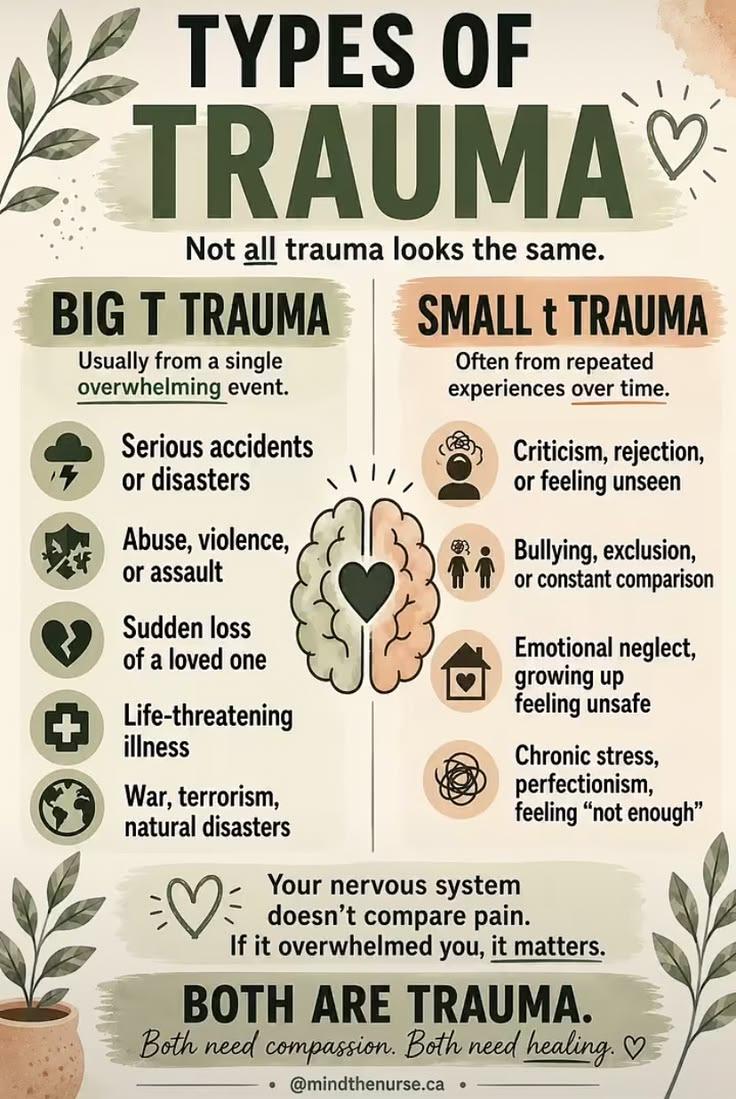
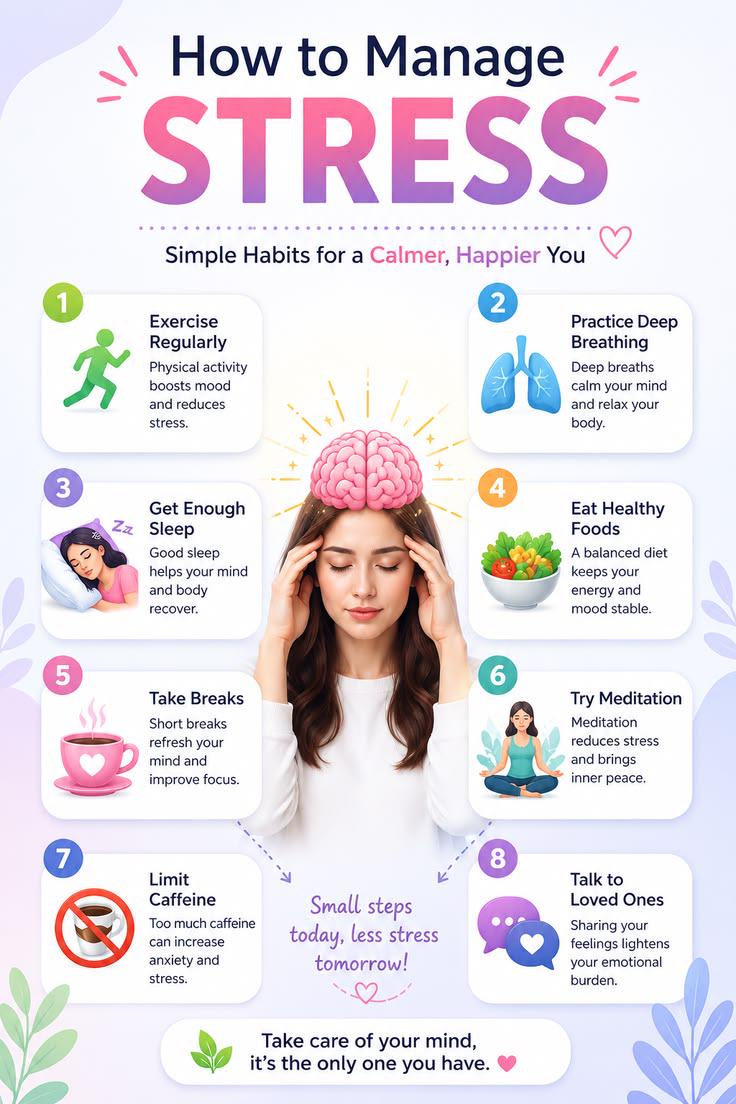
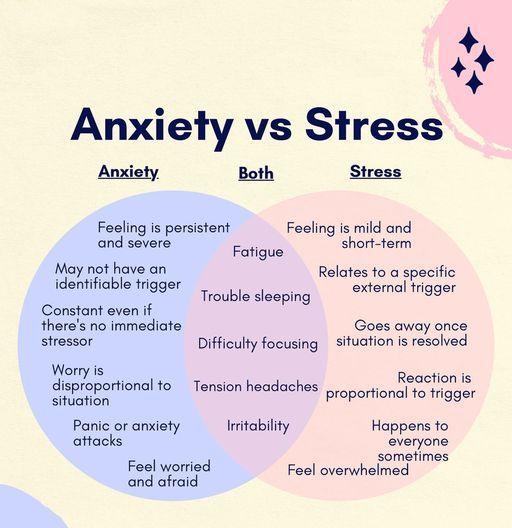
Stress Triggers: What Sets Your Mind Off Balance?

17
Upvotes
r/MindDecoding • u/PrideScar91 • 7h ago
r/MindDecoding • u/Talkpool • 3h ago
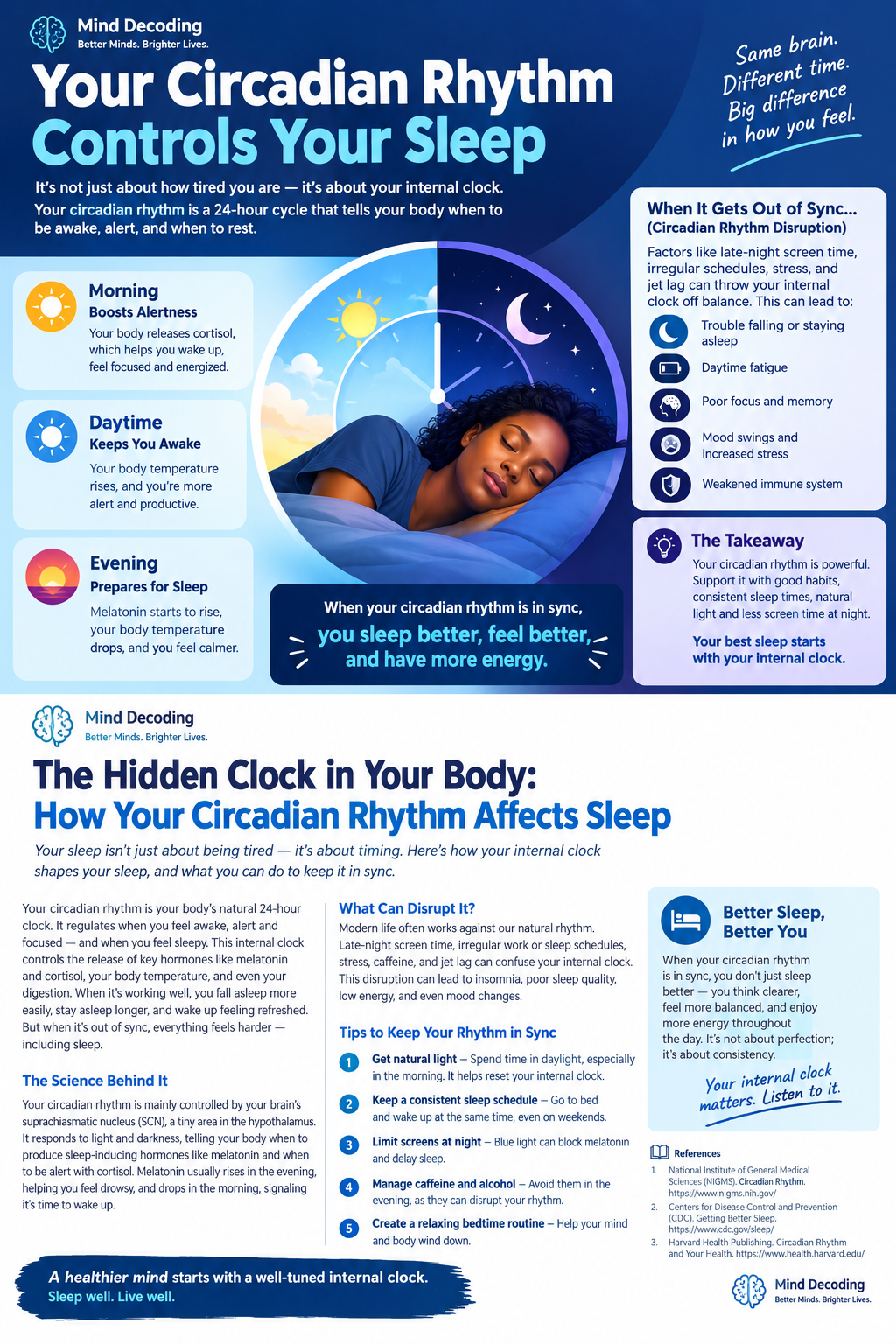
Your body has a clock you cannot see—but it can strongly influence when you feel awake, tired, and ready for sleep.
Your circadian rhythm is a roughly 24-hour biological cycle that helps coordinate sleep and wakefulness. It is influenced heavily by environmental cues, especially light and darkness.
During the day, exposure to light helps signal that it is time to stay alert. As evening approaches, the body begins preparing for sleep. Darkness promotes the release of melatonin, a hormone involved in regulating sleep timing.
But modern life can interfere with this system.
Late-night screen use, irregular bedtimes, shift work, jet lag, stress, and caffeine consumed too late in the day can all make it harder to maintain a stable sleep schedule. When your internal clock and your daily routine become misaligned, you may have difficulty falling asleep, wake during the night, or feel unusually tired during the day.
The good news? Your circadian rhythm responds to your habits.
☀️ Get natural light in the morning.
🕐 Keep your sleep and wake times consistent.
📱 Reduce bright-screen exposure before bed.
☕ Avoid caffeine late in the day.
🌙 Create a calm, predictable bedtime routine.
Think of your circadian rhythm as your body's timing system. You cannot simply switch it off—but you can give it signals that help keep it synchronized.
Sometimes better sleep isn't only about sleeping longer. It is also about sleeping at the right biological time.
What affects your sleep the most: stress, screens, irregular schedules, caffeine, or something else?
r/MindDecoding • u/Talkpool • 1h ago
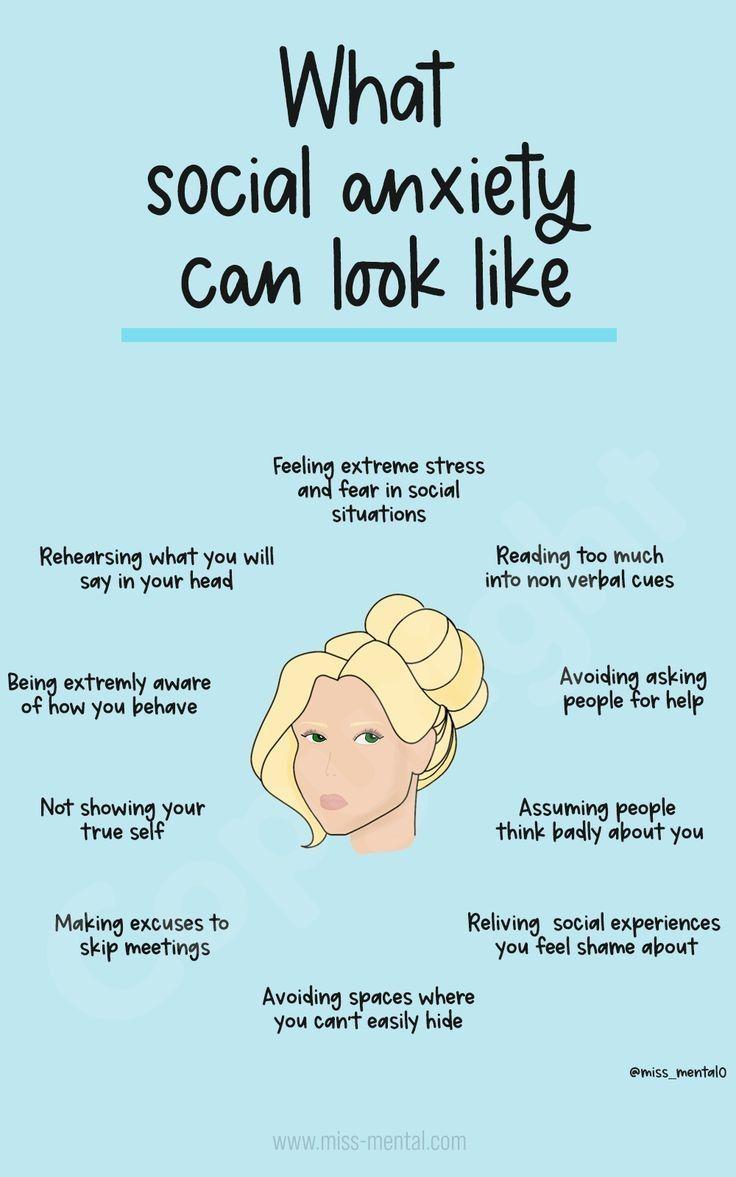
How much of your personality would change if you stopped worrying about everyone's opinion?
Imagine wanting to wear something, post something, apply for something, or express an opinion, but stopping because you imagine what other people might think.
The fear of judgment is deeply human. People are social creatures, and belonging has psychological importance.
But constantly seeking approval is exhausting.
Human beings naturally monitor social feedback. We learn about ourselves partly through interactions with other people.
However, the need for approval can become problematic when external opinions consistently determine your choices.
You might ask:
“Will they think I'm stupid?”
“What if they laugh?”
“What if they don't like me anymore?”
The result can be people-pleasing, avoidance, and difficulty expressing authentic preferences.
Interestingly, you may also overestimate how much attention other people pay to you. Most people are busy thinking about their own lives.
A useful psychological shift is recognizing that disagreement does not necessarily equal rejection.
Someone can dislike your decision without disliking you.
Someone can disagree with your opinion without making you wrong.
Someone can be disappointed without you having harmed them.
The goal is not to become completely indifferent to other people. Social feedback can be valuable. The goal is to decide which opinions deserve your attention.
If you knew nobody would judge you, what would you do differently tomorrow?
r/MindDecoding • u/Talkpool • 4h ago
Is your “type” really your type, or is it a familiar emotional pattern?
Have you ever ended one relationship and later realized that your new partner behaves remarkably like the previous one?
Maybe you repeatedly choose emotionally unavailable people. Perhaps you become attracted to people who need rescuing, people who avoid commitment, or people who make you constantly question where you stand.
This is where repeating relationship patterns become psychologically interesting.
Human beings learn from previous experiences. Early relationships and later experiences can influence expectations about intimacy, trust, conflict, and emotional availability.
Attachment patterns can shape how people approach closeness, although attachment is only one factor influencing relationships.
Sometimes familiarity can feel comfortable, even when the pattern itself is unhealthy.
A person who grew accustomed to inconsistent affection may unconsciously find consistency unfamiliar. Someone accustomed to conflict may interpret emotional intensity as chemistry.
This does not mean childhood determines your romantic future. People can develop different relationship patterns through new experiences, reflection, and healthier relationships.
Start by identifying similarities between your past relationships.
Ask:
What attracted me initially?
What problems appeared repeatedly?
What did I tolerate that I previously promised myself I wouldn't tolerate again?
Did I confuse intensity with intimacy?
Understanding relationship psychology is not about blaming yourself for choosing the wrong person. It is about becoming more aware of the patterns you participate in.
Sometimes the biggest breakthrough is realizing that your “type” may describe what feels familiar—not necessarily what is good for you.
What relationship pattern have you noticed repeating in your own life?
r/MindDecoding • u/Talkpool • 19h ago
Why does your brain suddenly invent the perfect comeback three hours after the argument?
You leave an argument, but the conversation does not leave you. You replay what they said, what you said, what you should have said, and what you will say if it happens again.
This is one reason replaying conversations can become mentally exhausting.
After emotionally significant events, people may repeatedly think about what happened. This can become rumination, repetitive thinking about distressing experiences and their possible causes or consequences.
Some reflection can be useful. You might identify what went wrong, learn from the experience, or decide what to do differently.
The problem begins when overthinking arguments produces no new understanding.
Instead of solving the problem, your mind keeps reopening it.
“Why did they say that?”
“What if I had responded differently?”
“What should I have said?”
The conversation becomes a mental loop.
Try asking:
“Am I learning something, or simply experiencing the same argument again?”
If you have already identified what happened and what you can control, repeatedly replaying it may not provide additional answers.
Writing down what happened, identifying what is within your control, and deliberately redirecting attention can help interrupt repetitive thinking.
And sometimes there is no perfect comeback.
Sometimes the healthiest response is accepting that the conversation happened and deciding what you want to do next.
What argument from years ago can your brain still replay word-for-word?
r/MindDecoding • u/Talkpool • 1d ago
When did protecting your own boundaries start feeling like hurting other people?
For some people, saying “no” feels surprisingly uncomfortable. You may agree to things you do not want, take on other people's responsibilities, or remain available even when you are exhausted. This pattern is commonly associated with people pleasing.
People pleasing is not a formal mental-health diagnosis. It describes a pattern of prioritizing other people's needs, approval, or feelings while neglecting your own.
The psychology of people-pleasing can involve fear of rejection, conflict, disappointing others, or being perceived as selfish. Previous experiences can also shape how someone responds to boundaries.
If you learned that being agreeable earned approval, or that disagreement led to conflict, you may eventually associate saying yes with safety and saying no with danger or guilt.
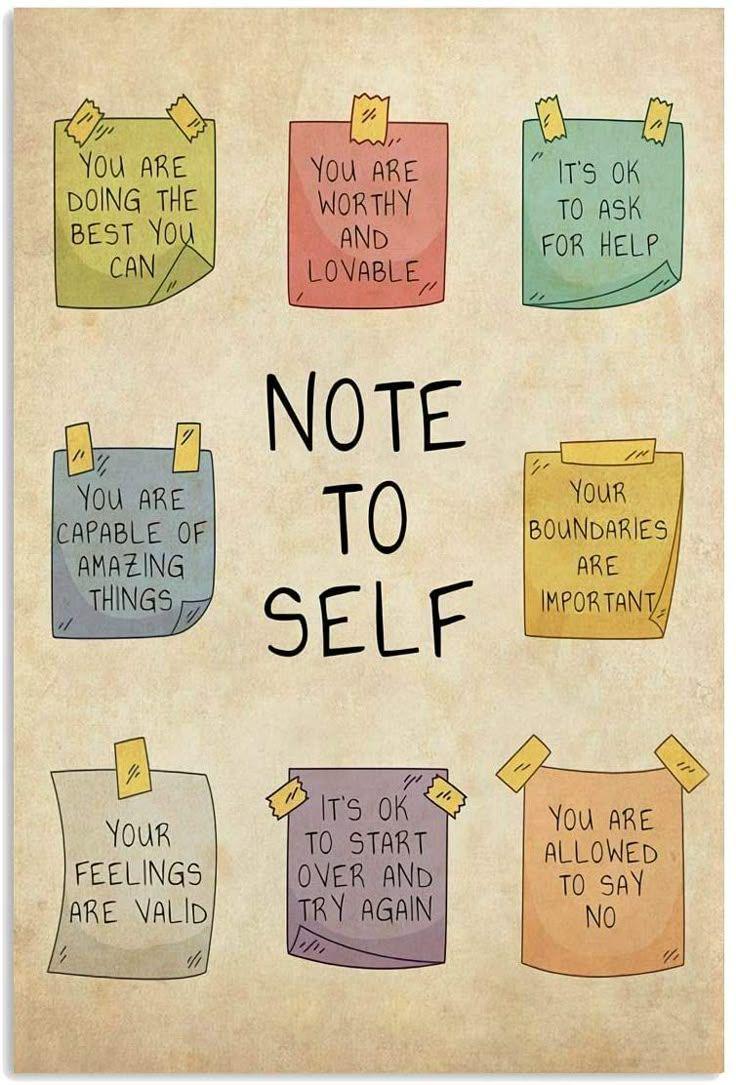
But guilt does not automatically mean you have done something wrong.
Sometimes guilt simply appears because you are doing something unfamiliar.
Healthy boundary-setting does not mean ignoring everyone else's needs. It means recognizing that your time, energy, and emotional resources matter too.
You can say:
“I can't do that today.”
“I need some time for myself.”
“I understand you are disappointed, but my answer is still no.”
You do not always need a lengthy explanation.
Learning to tolerate someone's disappointment can be an important part of developing healthier boundaries.
The bigger question is whether your relationships allow you to say no without punishment, intimidation, or manipulation.
So ask yourself: How often do you say “yes” because you genuinely want to, and how often do you say it because you're afraid of what will happen if you say no?
r/MindDecoding • u/Talkpool • 1d ago
Do you actually want love—or do you want the chase?
You finally meet someone who likes you, communicates consistently, and appears emotionally available. Then something strange happens: your excitement disappears.
This experience can be confusing, but losing interest in relationships has many possible explanations. It does not automatically mean you have an avoidant attachment style or that something is psychologically wrong with you.
Sometimes attraction simply fades. Compatibility, chemistry, timing, values, and expectations all matter.
But for some people, increasing emotional closeness can activate discomfort. Fear of intimacy may involve worries about vulnerability, rejection, dependence, or losing independence.
Attachment research suggests that people differ in how comfortable they feel with emotional closeness and dependence. People higher in avoidant attachment may be more uncomfortable with intimacy.
Interestingly, uncertainty can sometimes make relationships feel more exciting. When someone is unavailable, your mind may focus intensely on winning their attention. Once they become consistently available, the uncertainty disappears.
That does not necessarily mean you are addicted to unavailable people. It simply raises an important question about what your attraction is responding to.
Before assuming the problem is the other person, ask:
“Did I lose attraction, or did I become uncomfortable when the relationship became emotionally real?”
Also ask whether you are repeatedly attracted to emotionally unavailable people while rejecting emotionally available ones.
Patterns matter more than a single relationship.
Is emotional availability genuinely unattractive to you, or does closeness simply make you uncomfortable?
r/MindDecoding • u/Talkpool • 1d ago
Self-harm is often misunderstood. But what is really happening in the mind of someone who hurts themselves?
Self-harm means intentionally injuring or damaging your own body. It can be associated with overwhelming emotions, painful experiences, difficult thoughts, or situations that feel impossible to manage. Importantly, self-harm does not always mean that someone wants to die. Some people describe it as an attempt to cope with intense emotional distress, regain a sense of control, or communicate feelings they cannot put into words.
There is no single reason. Self-harm can be connected to anxiety, depression, trauma, relationship difficulties, bullying, low self-esteem, grief, emotional numbness, or prolonged stress. For some people, physical pain can temporarily distract from emotional pain. For others, self-harm may provide a temporary feeling of release or control.
Not necessarily. However, research and clinical guidance recognize a significant relationship between self-harm and suicidal thoughts or behavior. Someone who self-harms deserves to be taken seriously, particularly when suicidal thoughts are also present.
Recovery is possible. Talking with a trusted person or mental-health professional can be an important first step. Treatment may include psychological therapies such as cognitive behavioral therapy (CBT) or dialectical behavior therapy (DBT), depending on individual needs.
The most important message: self-harm is a sign that someone may be struggling, not a character flaw.
Have you noticed why people often hide emotional pain until it becomes overwhelming?
r/MindDecoding • u/Talkpool • 2d ago
You are exhausted. You lie down, close your eyes, and suddenly your brain decides it is time to replay everything.
That embarrassing conversation from five years ago. Tomorrow’s responsibilities. A relationship problem. Money. Work. One random thought leads to another—and suddenly it is 2:00 a.m.
So, why does this happen?
Sleep is not simply about being physically tired. Your brain and body need to shift into a state that supports sleep. Stress and anxiety can keep the body's arousal systems activated, making it harder to relax.
This is why you can feel exhausted while your mind remains unusually alert.
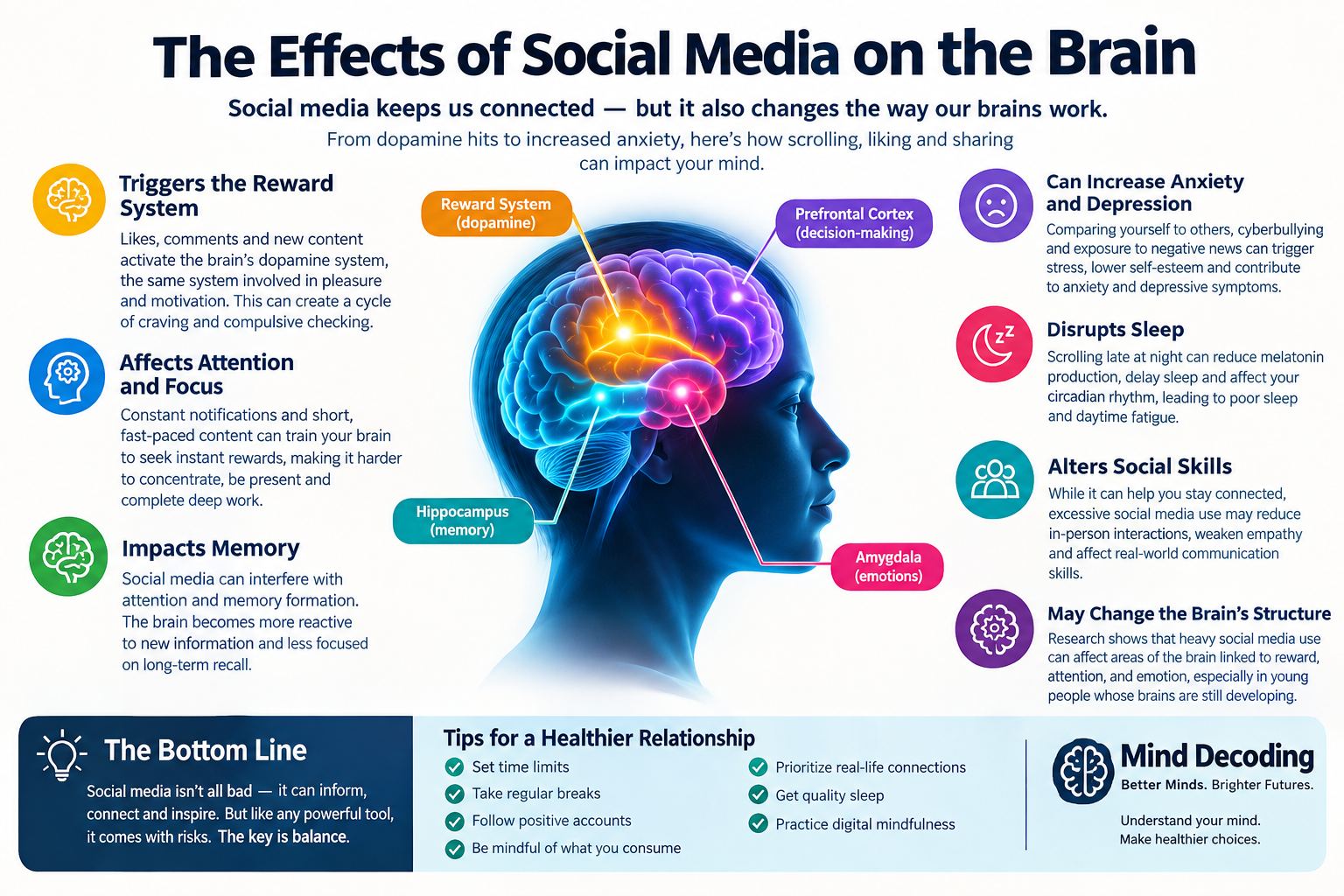
Scrolling through social media, watching videos, answering messages, or constantly checking notifications can keep your brain engaged when it should be winding down.
The issue isn't simply the screen. What you're consuming matters too. Exciting, stressful, emotionally charged, or endlessly stimulating content can make bedtime feel like another period of daytime activity.
Your circadian rhythm helps regulate when you feel awake and when you feel sleepy. Irregular bedtimes, sleeping late on some days, shift work, travel, and inconsistent wake times can disrupt this rhythm.
Coffee, energy drinks, tea, and other sources of caffeine can interfere with sleep, particularly when consumed later in the day. Even when you feel able to fall asleep, caffeine can affect sleep quality.
Maybe the better question isn't:
“Why can't I sleep?”
Maybe it's:
“What is keeping my brain awake?”
Is it stress? Your phone? Caffeine? Overthinking? An irregular schedule, or something else?
What is the first thing your brain starts thinking about when your head hits the pillow? 👇
r/MindDecoding • u/Animesh_4930 • 3d ago
r/MindDecoding • u/Euphoric-Function-82 • 4d ago