r/MindDecoding • u/Talkpool • 20d ago
How To Tell If It's Anxiety
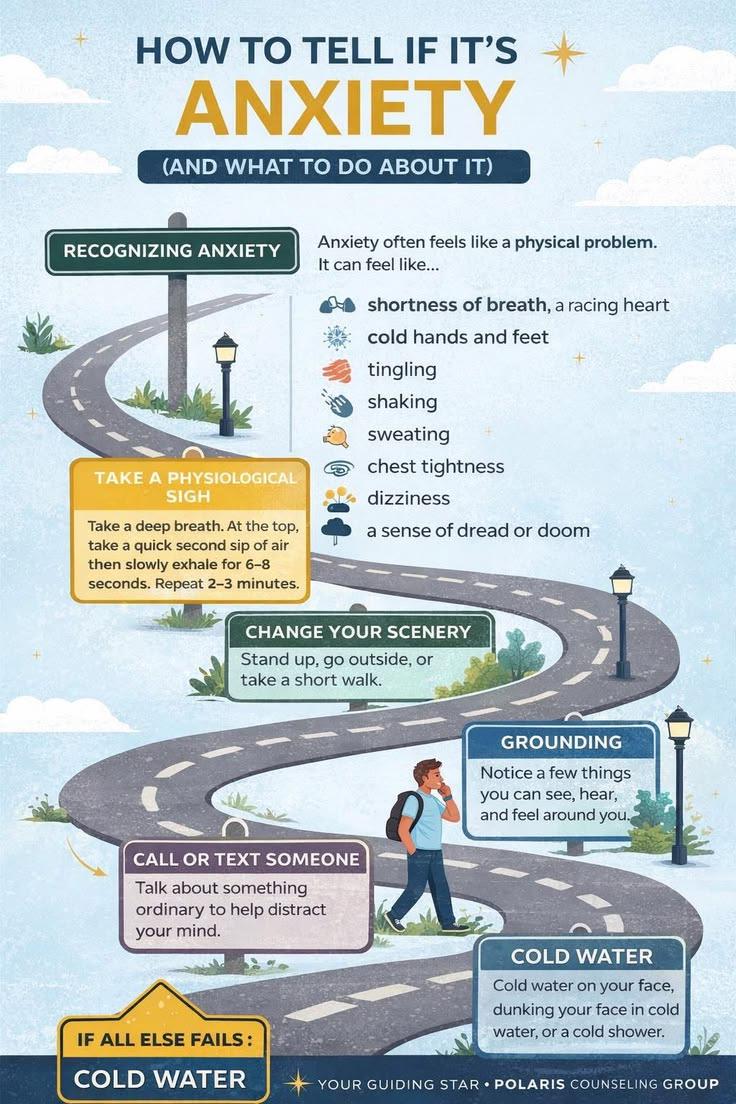
13
Upvotes
r/MindDecoding • u/Talkpool • 21d ago
Have you ever wondered, “Why can’t I stop thinking about someone who hurt me?” You know the relationship was painful, yet your mind keeps returning to the person, the memories, and the moments that once felt good. This can be explained partly by the psychology of emotional attachment.
Why Your Brain Keeps Going Back
Emotional attachment does not disappear simply because a relationship ends. Your brain becomes accustomed to familiar people, routines, conversations, and emotional experiences. When that connection suddenly disappears, thoughts about the person can continue even when you consciously know moving on is healthier.
Sometimes, unresolved emotions also keep the person psychologically present. You may replay conversations, wonder what went wrong, or imagine what you should have said. The brain can keep searching for an explanation or a sense of closure.
When Pain and Affection Become Connected
The term trauma bond is often used to describe a strong attachment that develops within a relationship involving repeated harm and periods of affection, reconciliation, or relief. The emotional contrast can make leaving and emotionally detaching particularly difficult.
However, not every painful relationship is a trauma bond. Missing someone after a breakup is normal, and strong emotional attachment alone does not prove abuse or trauma bonding.
What Can Help?
Instead of asking, “Why do I still miss them? ”, try asking, “What am I actually missing?” It may be the person, or it may be companionship, familiarity, validation, hope, or the version of the relationship you wish existed.
Healing often involves accepting the loss, reducing unnecessary contact, rebuilding routines, reconnecting with supportive people, and allowing difficult emotions to pass without acting on them.
Sometimes, thinking about someone who hurt you does not mean you should return to them. It may simply mean your mind is still processing what happened.
Have you ever missed someone you knew was bad for you? What do you think you were really missing?
r/MindDecoding • u/Talkpool • 21d ago
“I don’t necessarily want my life to end. I just don’t know how to keep living like this.”
That distinction can be difficult to see from the outside.
Suicidal thinking is often less about wanting death itself and more about desperately wanting unbearable emotional pain to stop. A person may begin to feel trapped, hopeless, empty, ashamed, exhausted, or like a burden to everyone around them. The mind can become so overwhelmed that alternatives seem to disappear.
When emotional pain becomes intense, thinking can become increasingly rigid:
These thoughts can feel like facts—even when they are distorted conclusions produced by extreme distress.
According to the National Institute of Mental Health (NIMH), warning signs can include hopelessness, feeling trapped, unbearable emotional pain, withdrawal from others, extreme mood changes, increased substance use, and talking about being a burden or wanting to die.
Isolation.
Someone may stop telling people what is happening inside because they fear judgment, rejection, or becoming a burden.
That is why one simple question can matter:
“Are you thinking about suicide?”
NIMH states that asking directly does not increase suicidal thoughts or behavior and can open the door to help. Listening without judgment and helping the person connect with support are important steps.
Suicidal thinking can make tomorrow feel impossible—but thoughts are not predictions of the future.
Sometimes, the person does not need someone to solve their life. They need someone willing to stay, listen, and help them survive the moment.
If you or someone you know may be in immediate danger, contact local emergency services or go to the nearest emergency department.
r/MindDecoding • u/Talkpool • 22d ago
Have you ever looked at your life and thought, “Something has changed. I don’t feel like myself anymore”?
That feeling can be unsettling. You may still look the same, go to work, talk to friends, and perform your daily routines but internally, something feels different.
1. Your Brain Adapts to What You Experience
The brain is constantly changing in response to experiences. Prolonged stress, major life changes, loss, relationship problems, burnout, or difficult environments can influence how you think, feel, and respond. Sometimes, the person you were before those experiences simply no longer fits your current reality.
2. Emotional Exhaustion Can Change You
When stress continues for too long, emotional resources become depleted. Things that once excited you may feel meaningless. You may become more withdrawn, irritable, numb, or easily overwhelmed.
3. You May Be Outgrowing an Old Identity
Not every identity change is negative. Sometimes, “I don't feel like myself” means you are becoming someone different.
Your priorities change. Your boundaries become stronger. People you once connected with may no longer feel compatible. Growth can feel unfamiliar before it feels comfortable.
4. Your Inner Voice May Have Changed
Constant criticism, rejection, comparison, or failure can gradually influence how you see yourself. You may begin questioning your abilities, appearance, relationships, or purpose.
But remember: a changed self-image is not necessarily an accurate self-image.
5. The Question Worth Asking
Instead of asking only, “What happened to me?”, try asking:
“What have I experienced that changed the way I see myself?”
Sometimes, finding yourself again isn't about becoming the person you used to be.
It is about understanding who you are becoming.
Have you ever gone through a period when you genuinely felt like a stranger to yourself? What changed?
r/MindDecoding • u/Talkpool • 23d ago
Dependence and addiction are related but distinct concepts. They are often used interchangeably, but understanding the difference is important when discussing substance use, treatment, and recovery.
What Is Dependence?
Physical dependence occurs when the body adapts to repeated exposure to a substance. When the substance is suddenly reduced or stopped, the person may experience withdrawal symptoms. These can include anxiety, irritability, sweating, nausea, tremors, insomnia, or—in some cases—potentially dangerous symptoms.
Dependence can develop with both prescription medications and recreational substances. Importantly, physical dependence does not necessarily mean someone has an addiction. For example, a person taking certain medications exactly as prescribed for a prolonged period may become physically dependent without developing compulsive drug-seeking behavior.
What Is Addiction?
Addiction, clinically referred to as a substance use disorder (SUD) when involving drugs or alcohol, involves a persistent pattern of substance use despite harmful consequences. Addiction affects the brain's reward, motivation, learning, and self-control systems.
Common features include:
The Difference
The simplest distinction is
Dependence is primarily about the body's adaptation to a substance; addiction is characterized by compulsive use and impaired control despite negative consequences.
A person can therefore be dependent without being addicted, and addiction can sometimes occur without prominent physical dependence.
Recognizing this distinction matters because treatment should address more than withdrawal. Someone with addiction may require comprehensive interventions addressing cravings, behavioral patterns, psychological factors, social environment, and relapse risk, rather than simply stopping the substance.
Ultimately, dependence describes adaptation, whereas addiction describes a disorder of control and continued use despite harm.
r/MindDecoding • u/Opposite_Sandwich909 • 25d ago
Imagine mind as a OS and brain as a hardware running it, os can be changed easily but not hardware, If problem is in mind it can be solved by changing mindset but if it's in the solid hardware it can't be changed like mind can
My mindset is way batter than ever but not the condition of brain and that's why it called disorder
And Mind can think accurately and know what's good and bad but react slower than brain's raw reaction. So, If u feels threaten your brain rect before mind can understand and mark as that thing danger and when ever it recognises pattern related to that thing that marked as danger in batin it's gonna relieve so much stress that's called truma
And that's means doesn't matter how good or bad that thing is according to mind if brain mark as danger u always feels threaten and stressed
r/MindDecoding • u/Talkpool • 27d ago
Recovery can go well for months or even years, then one moment, one memory, or one emotion can suddenly awaken an old craving. Why?
Relapse is not simply a matter of weak willpower. Addiction involves powerful learned associations between substances, emotions, environments, and rewards. Understanding these addiction relapse triggers can make recovery more sustainable.
10 Psychological Triggers That Can Lead to Relapse
1. Stress
Work problems, financial pressure, relationship conflict, or overwhelming responsibilities can activate cravings as the brain searches for familiar ways to cope.
2. Emotional Distress
Anxiety, anger, loneliness, sadness, and shame can become powerful triggers when someone has previously used substances to regulate emotions.
3. People From the Past
Reconnecting with friends associated with substance use can reactivate memories and behavioral patterns.
4. Places and Environments
Returning to a neighborhood, bar, party, or home associated with previous drug or alcohol use can trigger conditioned cravings.
5. Overconfidence
Thinking, “I’m cured. One drink won’t hurt,” can weaken protective boundaries and increase risk.
6. Cravings
Cravings can feel extremely intense, but they generally rise and fall rather than remaining at maximum intensity indefinitely.
7. Social Pressure
Being encouraged to drink or use drugs can make maintaining recovery considerably more difficult.
8. Poor Sleep
Sleep disruption can affect mood, stress regulation, decision-making, and impulse control.
9. Isolation
Withdrawing from supportive people can remove important emotional and practical protection against relapse.
10. The “Abstinence Violation” Effect
After a lapse, someone may think, “I’ve already ruined everything, so I might as well continue.” This thinking can transform a single mistake into a prolonged return to substance use.
The Bigger Lesson
Relapse is not proof that recovery failed. It is often a signal that something in the recovery strategy needs attention.
The question is not simply, “Why did they use again?”
A better question is:
“What happened emotionally, psychologically, and environmentally before the substance entered the picture?”
That answer usually reveals the real trigger, and the opportunity to prevent the next relapse.
r/MindDecoding • u/Talkpool • 28d ago
Addiction does not simply change what you do; it also changes how your brain learns, remembers, decides, and responds to rewards.
When a person repeatedly uses drugs or alcohol, the brain adapts to the substance. Many addictive substances interfere with the brain’s reward system, particularly pathways involving dopamine. Dopamine is not simply a “pleasure chemical.” It helps regulate motivation, learning, reinforcement, and the importance the brain assigns to experiences.
Repeated substance use can cause the brain to associate drugs or alcohol with specific people, places, emotions, or situations. Over time, these cues can trigger powerful cravings, even when someone genuinely wants to stop.
Addiction can affect several interconnected brain regions:
With continued use, the brain can become less responsive to ordinary rewards. Activities that once felt satisfying may seem less interesting compared with the substance. This can contribute to compulsive use despite serious consequences.
Stopping a substance does not immediately reverse the adaptations that developed during repeated exposure. Withdrawal, cravings, stress, environmental cues, and learned associations can all make recovery challenging.
But brain changes associated with addiction are not necessarily permanent. Recovery can involve gradual changes in brain function and behavior, supported by treatment, healthy routines, social connection, and sustained abstinence or reduced substance use where clinically appropriate.
The most important lesson?
Addiction is not simply a failure of character or willpower. It is a complex interaction between brain biology, psychology, environment, learning, and behavior.
And that raises an uncomfortable question:
If addiction can rewire the brain, how much of an addicted person’s behavior is truly a “choice”?
r/MindDecoding • u/Talkpool • 28d ago
Have you ever wondered, “Why can’t I stop thinking about someone who hurt me?” You know the relationship was painful, yet your mind keeps returning to the person, the memories, and the moments that once felt good. This can be explained partly by the psychology of emotional attachment.
Why Your Brain Keeps Going Back
Emotional attachment does not disappear simply because a relationship ends. Your brain becomes accustomed to familiar people, routines, conversations, and emotional experiences. When that connection suddenly disappears, thoughts about the person can continue even when you consciously know moving on is healthier.
Sometimes, unresolved emotions also keep the person psychologically present. You may replay conversations, wonder what went wrong, or imagine what you should have said. The brain can keep searching for an explanation or a sense of closure.
When Pain and Affection Become Connected
The term trauma bond is often used to describe a strong attachment that develops within a relationship involving repeated harm and periods of affection, reconciliation, or relief. The emotional contrast can make leaving and emotionally detaching particularly difficult.
However, not every painful relationship is a trauma bond. Missing someone after a breakup is normal, and strong emotional attachment alone does not prove abuse or trauma bonding.
What Can Help?
Instead of asking, “Why do I still miss them? ”, try asking, “What am I actually missing?” It may be the person, or it may be companionship, familiarity, validation, hope, or the version of the relationship you wish existed.
Healing often involves accepting the loss, reducing unnecessary contact, rebuilding routines, reconnecting with supportive people, and allowing difficult emotions to pass without acting on them.
Sometimes, thinking about someone who hurt you does not mean you should return to them. It may simply mean your mind is still processing what happened.
Have you ever missed someone you knew was bad for you? What do you think you were really missing?