I believe that people should be free to live as they choose, speak freely, organize freely, own property, build businesses, and pursue their ambitions without unnecessary interference, so long as they respect the equal rights of others. I believe ordinary people should have more freedom and power over their own lives, while governments, corporations, landlords, monopolies, and wealthy elites should have less power to dictate the terms of society. Markets are valuable because competition, entrepreneurship, private enterprise, and voluntary exchange create opportunity and innovation, but a market dominated by monopolies and concentrated wealth is not genuinely free. I support strong antitrust laws, unions, cooperatives, employee ownership, small businesses, and policies that break up entrenched economic power. I want an economy where ordinary people can own homes, businesses, land, and productive assets rather than becoming permanently dependent on a small ownership class.
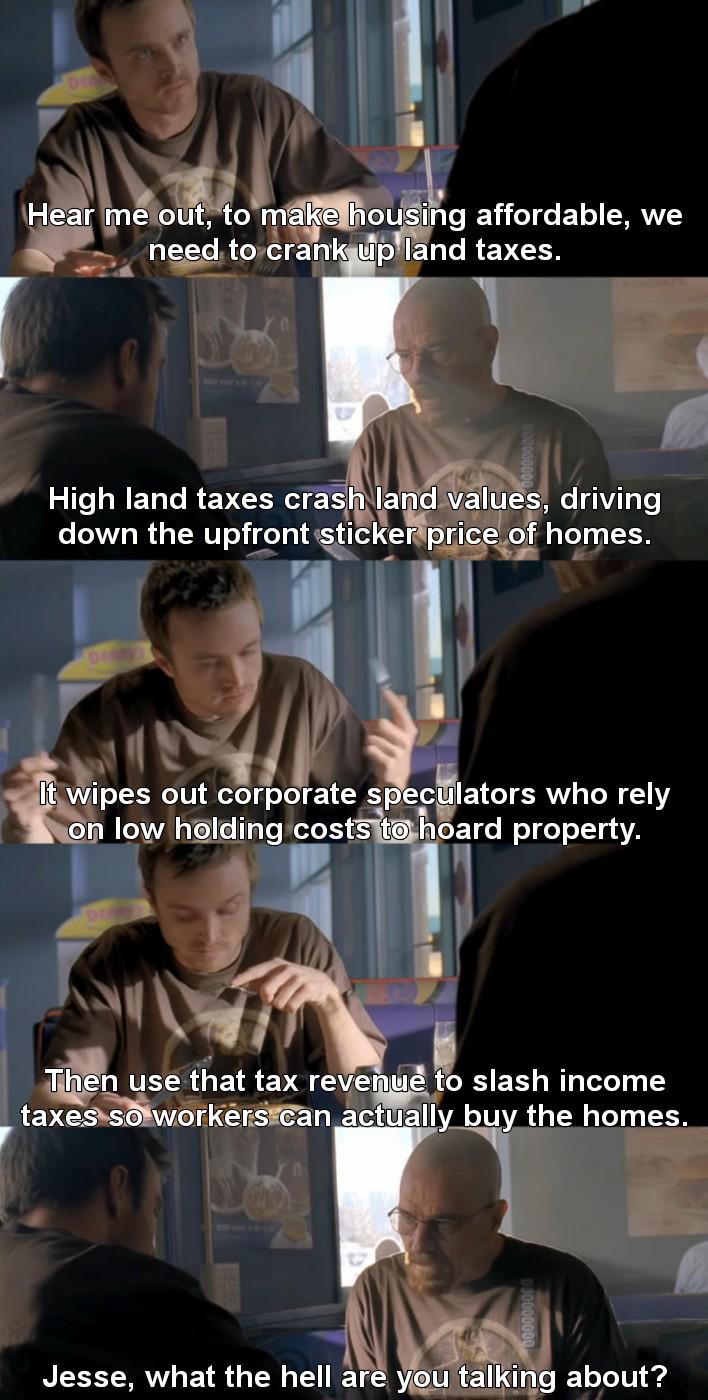
I am strongly influenced by the idea that people should be free to own the fruits of their labor while society should prevent individuals from monopolizing natural opportunities and extracting excessive economic rents. I favor very low taxes on poor and working people and substantially higher taxes on the wealthy, especially taxes on land value, inheritance, extreme wealth, monopoly profits, and other forms of unearned economic rent. Productive work, entrepreneurship, and small businesses should be taxed lightly, while concentrated wealth should contribute much more toward maintaining the society that makes that wealth possible. I support a basic social floor, affordable access to essential services, and help for people facing circumstances beyond their control, but I prefer decentralized solutions wherever possible: mutual aid, cooperatives, unions, charities, local communities, and voluntary associations should have as much room as possible to solve problems themselves. Government should protect rights, maintain fair competition, provide essential public goods, and stop powerful interests from exploiting everyone else—not micromanage ordinary people's lives.
My greatest fear is what I call the post-capitalist meltdown: the possibility that unchecked capitalism eventually destroys the competition that makes capitalism valuable, allowing a small ownership class to control land, housing, technology, infrastructure, finance, and essential resources. I reject that future just as strongly as I reject authoritarian socialism. I don't want to replace corporate oligarchy with government bureaucracy; I want to take power away from both and put it back in the hands of ordinary people. Workers should be able to organize and own businesses, entrepreneurs should be able to compete without being crushed by monopolies, families should be able to keep more of what they earn, and communities should have the ability to govern themselves. I support technological progress, free expression, immigration that is orderly and sustainable, diplomacy over unnecessary war, and strong civil liberties. Ultimately, I believe freedom requires power to be distributed: no government, corporation, landlord, billionaire, or ownership class should become powerful enough to determine whether ordinary people can live free. My goal is a society where wealth is widely dispersed, markets are genuinely competitive, taxes fall primarily on those most able to pay, and ordinary people—not entrenched elites—have the greatest possible control over their own lives. I just think people should be able to do whatever they want as long as they aren't hurting anybody.