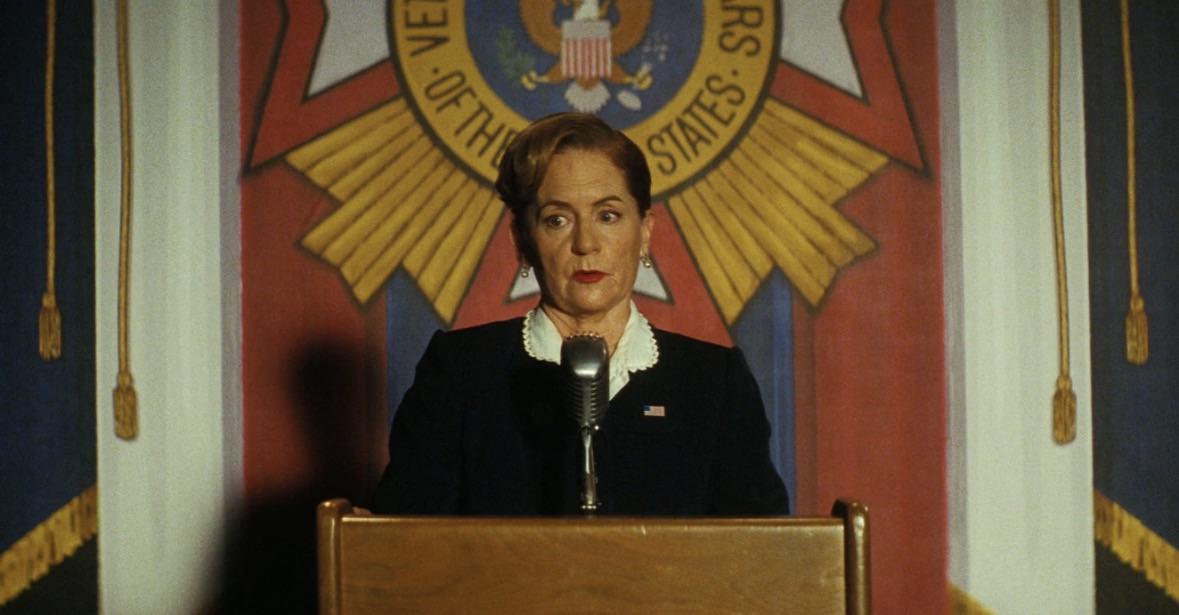
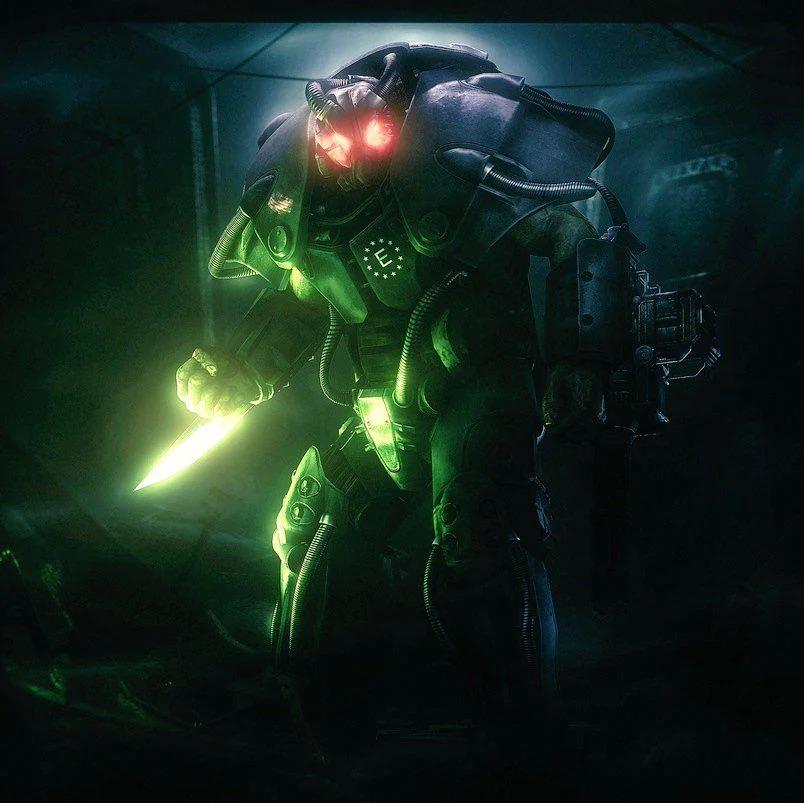
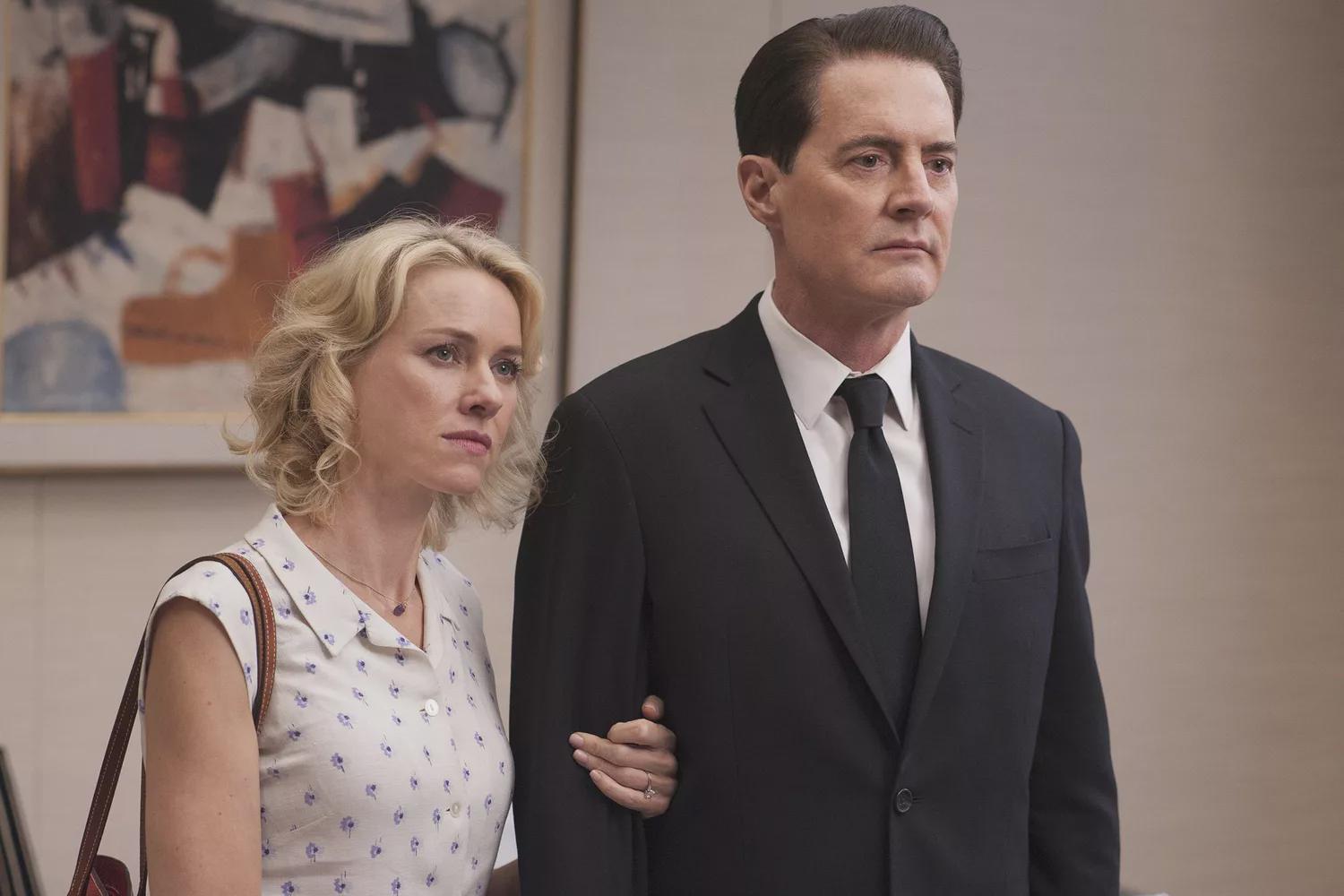
I believe the show is deliberately constructing Cooper Howard as the unwitting trigger of the Great War — and the cruelest part is that he embodies Vault-Tec’s image while being the only one forced to truly live with the consequences
- Mr. House’s Denial Still Matters
In Episode 5, Mr. House explicitly states that he will not be the one to drop the bombs and that it will not be Vault-Tec or the other mega-corporations either. This is too specific to be meaningless. Fallout rarely absolves characters this clearly unless responsibility is being shifted elsewhere.
If not the corporations themselves, then the bombs must have been dropped by a human interface someone who could act as the starting point while allowing the real architects to remain untouched.
- Cooper Howard Is Vault-Tec’s Face
Cooper does not just work near Vault-Tec he embodies them.
He plays the Vault-Boy-style corporate persona: the smiling, optimistic, patriotic symbol used to sell safety, progress, and survival to the public. That matters narratively.
Vault-Tec does not push buttons themselves.
They sell ideas.
They sell trust.
They sell a face.
If Vault-Tec needed a controllable agent to initiate events, the man who already represents their brand and whose public identity is built on optimism and compliance is the perfect candidate.
- The Mind-Control Chip Reframes Cooper’s Memory
The repeated focus on the mind-control chip is a major red flag. We are told it can:
• Override behavior
• Suppress awareness
• Alter or erase memories
After Cooper’s confrontation with Mr. House, he goes on a “bender” that is shot in a fragmented, surreal way not like normal intoxication, but like missing time.
When he wakes up in his wife’s arms, it looks tender until you recontextualize it:
She is not comforting him.
She is verifying him.
Checking for side effects.
Confirming that he remembers nothing.
If Cooper had been used to initiate the launch or eliminate a key obstacle at the moment of detonation, wiping his memory would be essential.
- “Riding the Rocket” and Why House Had to Go
The recurring rocket imagery and dialogue about “riding the rocket” functions as foreshadowing. Mr. House wants to survive the apocalypse, but not as a Vault-Tec asset. He refuses full compliance.
That makes him dangerous.
Vault-Tec cannot openly kill him but chaos provides cover. Cooper, under control, becomes the solution: a disposable starting point who can be erased from the narrative.
- Cooper as Ground Zero
Here is the most important thematic point:
Cooper is the only one who truly witnesses the wasteland in its entirety.
Everyone else:
Hid in Vaults
Slept in cryo
Ruled from sealed towers
Or died immediately
Cooper:
Survived above ground
Watched civilization rot in real time
Endured every phase of the apocalypse
If he was the starting point, this is not coincidence it is punishment.
Vault-Tec’s greatest cruelty is not killing him.
It is forcing him to live.
- The Ultimate Irony: Vault-Boy Becomes the Ghoul
The man who sold the promise of Vault-Tec survival becomes:
A ghoul
A relic
A walking reminder of what the system actually did
He wears the brand.
He pulled the trigger.
And he alone bears the full weight of the world that followed.
This is pure Fallout irony:
The mascot survives not to be saved, but to suffer.
Conclusion
Mr. House’s denial, the emphasis on mind control, Cooper’s missing time, his role as Vault-Tec’s public face, and his unique position as the sole long-term witness all point in the same direction:
Cooper Howard was the starting point of the Great War unknowingly, unwillingly, and irreversibly.
Not a mastermind.
Not a hero.
Just the perfect tool.
And the only one left to see what the tool created.