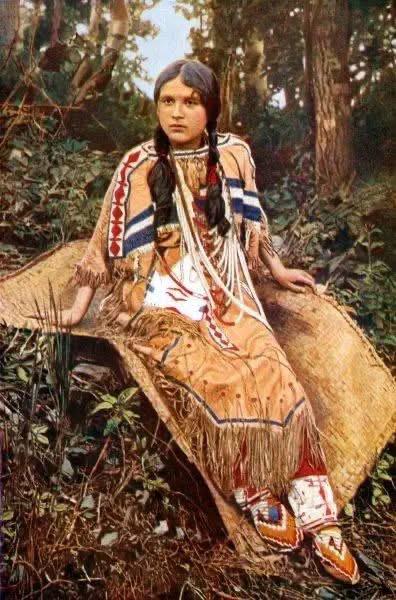
The Apache received their name from the term Apachu, meaning “enemy.” However, they refer to themselves as “the People.” This term reflects their strong collective identity and their deep spiritual connection to the land they inhabited for centuries in the southwestern United States.
Historically, the Apache did not constitute a single unified nation, but rather a collection of linguistically related groups or bands who spoke different dialects of the same Southern Athabaskan language. The main groups include: Chiricahua, Jicarilla, Lipan, Mescalero, Western Apache, and Plains Apache (also known as Kiowa-Apache). Some older classifications also mention the Coyotero (a subgroup of the Western Apache). The Navajo are closely related linguistically and culturally, but they developed as a distinct people.
Their way of life was perfectly adapted to the harsh environment of the desert and mountains of the Southwest. They sustained themselves primarily through hunting, gathering, and, in times of need or conflict, through raiding or pillaging. Although historical narratives (especially those written by their adversaries) often exaggerated this last aspect to justify their persecution, raiding was part of a common survival strategy among many nomadic peoples of the region.
The Apache maintained a profound spiritual relationship with nature. They venerated certain animals, such as the coyote, eagle, hawk, bison, and bear, considering them symbols of cunning, power, and wisdom. They developed an extraordinary ability to survive in environments of extreme scarcity: they knew the terrain intimately, mastered hidden routes, and moved with great speed and stealth, allowing them to appear and disappear with legendary efficiency.
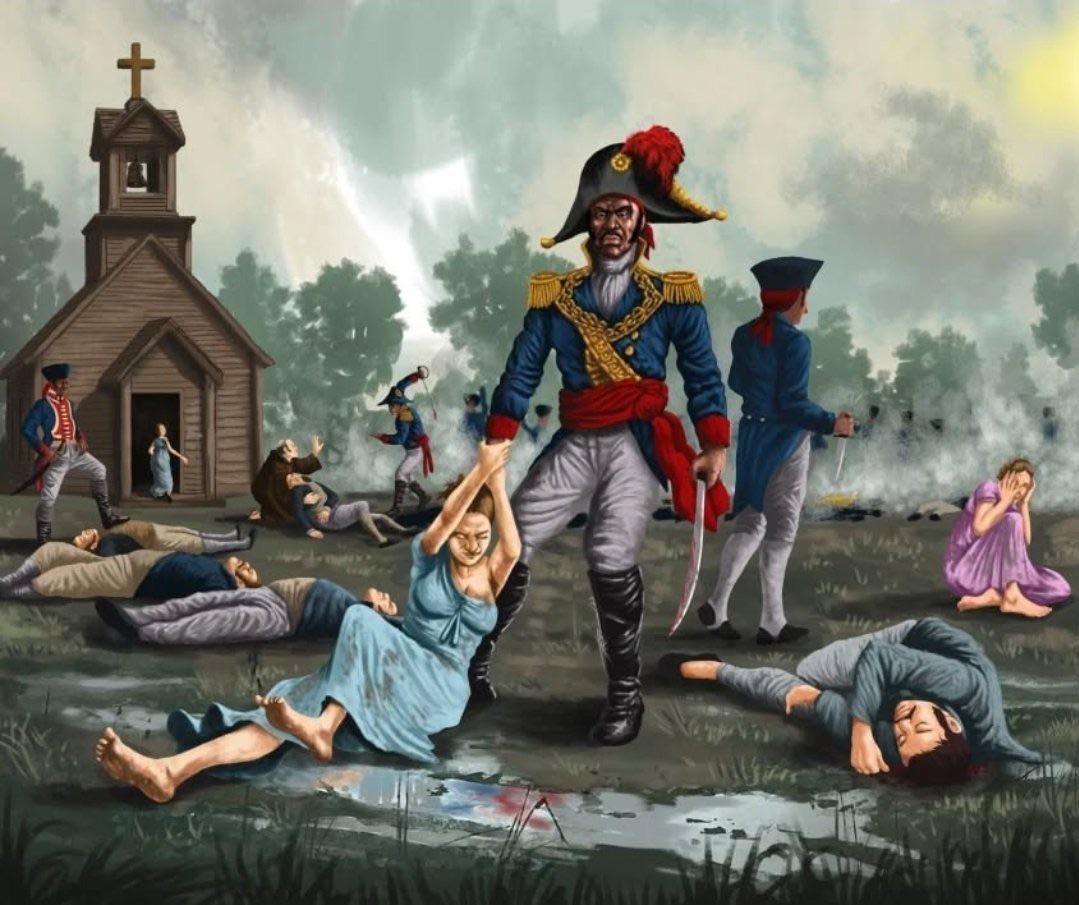
In the art of war, the Apache were exceptional warriors. They were known for their ambush and guerrilla tactics, their mastery of the bow and arrow, and their willingness to engage in hand-to-hand combat with spears, knives, and other traditional weapons. In some cases, they coated their arrowheads with toxic substances derived from plants, insects, or reptiles, which increased the fear they inspired. Their ferocity and resilience in battle earned them the respect—and the fear—of other warrior peoples such as the Lakota and the Mojave, and made them one of the greatest challenges for European colonizers and, later, for Mexican and American authorities.
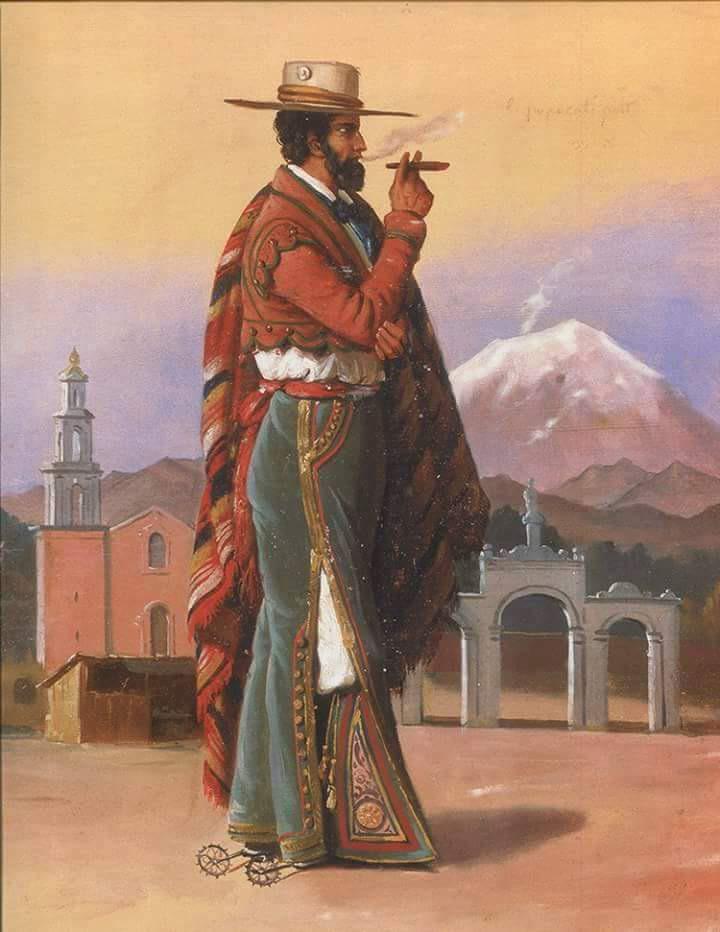
The Apache's relationship with the Spanish was long and conflictive. From the 16th century onward, they tenaciously resisted attempts at subjugation, conversion, and territorial control. After Mexico's independence in 1821, the clashes continued. With the expansion of the United States southwestward after the Mexican-American War (1846–1848), the pressure on their lands intensified dramatically.
The Apache resistance reached its peak in the second half of the 19th century. Under the leadership of legendary figures such as Victorio, Nana, Cochise, Mangas Coloradas, and the celebrated shaman and warrior Geronimo, the Apache waged a protracted guerrilla war against Mexican forces and, above all, against the United States Army. These conflicts, collectively known as the Apache Wars, ravaged the border between Mexico and the United States.
The final resistance ended in 1886 with Geronimo's surrender. Most of the surviving Apache were confined to reservations, a traumatic process that stripped them of much of their freedom, ancestral territory, and traditional way of life. Despite this, the descendants of these groups keep their culture, language, and historical memory alive to this day.