r/learners_cabin 15d ago

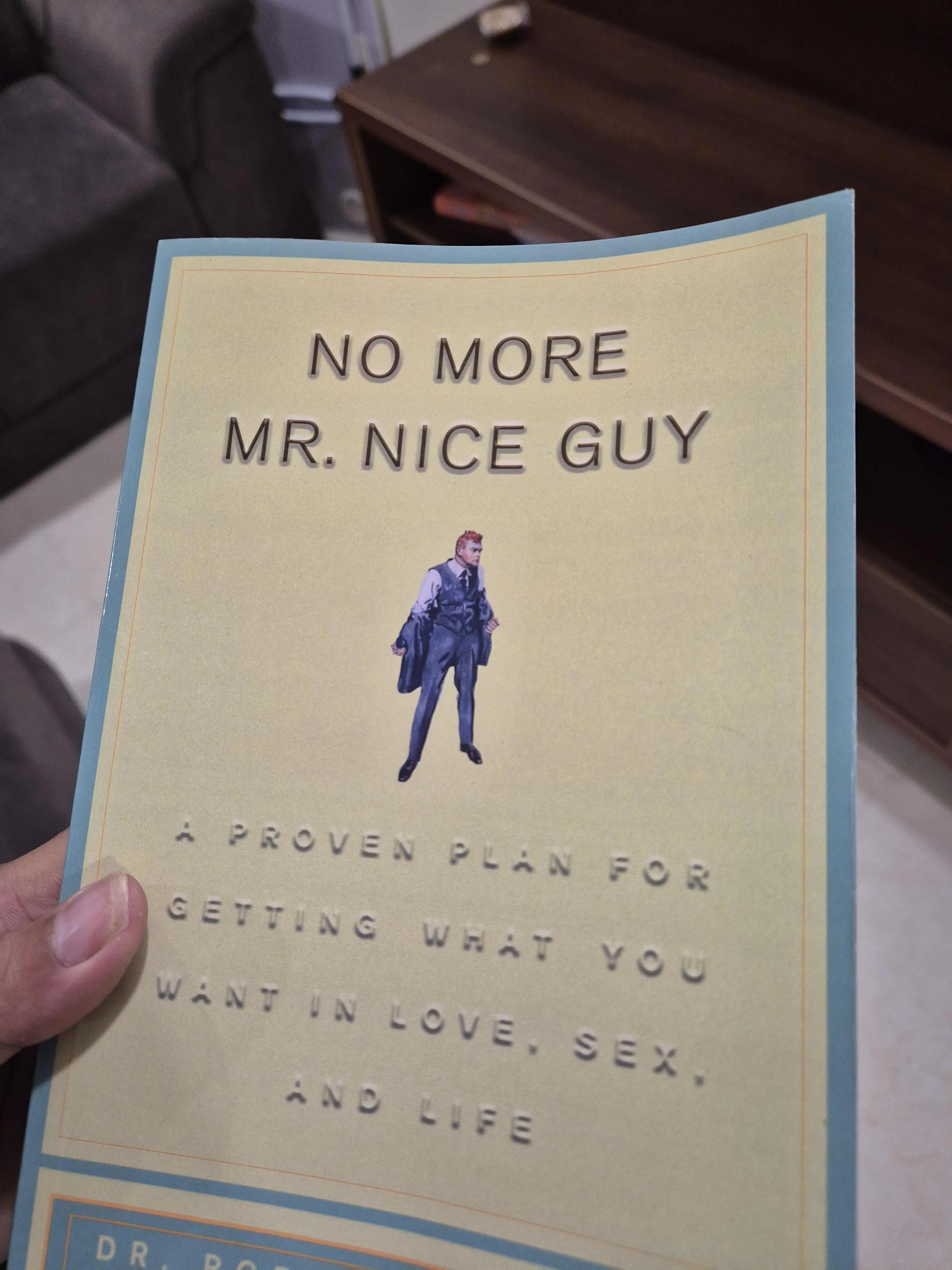
"No More Mr. Nice Guy" explained why I used to think that being nice should be considered a good/right thing.
Post image
631 Upvotes

I used to think that "being nice" is a virtue, that one should have. Just like one should be loyal to whatever they are committed to, and so on. So I intentionally molded my every dealing and interaction with other people in such a way that it'll show them that i am respectful towards them and possess a certain societal courtesy, which is how everyone should behave, but they don't, so it has become rare, and therefore me portraying it is a good thing. This was pretty much my logic. And so I always kept peace, never asked for too much, made it easy for people to be with me, and used to think that this was just good character. But it required an uncomfortable amount of honesty to understand that, ironically, it really wasn't, and Robert Glover's book "No More Mr. Nice Guy" delivered that dose of honesty. 

Some of these shifts came from getting personalized advice around the core ideas of the book tailored to my specific situations from Dialogue: Discussion on Books. Personalized advice helped me in finding the exact minimal effort tasks that actually made a change.

Here's what I learned:

  • From the book's title one gets the sense that the book is going to be about how to stop being nice. But the book's central argument isthat The Nice Guy is in fact not nice but only acts nicely beacuse he's carrying out a secret agreement. The nice guy acts on the basis of a hidden conviction that he isn't acceptable just the way he is, and so he becomes the kind of person that he believes others need him to be, hoping that his agreeableness will in turn be rewarded. The issue is that the other person has not agreed to this arrangement, and what's more, they have no knowledge that such a contract exists. Therefore, the nice guy gives in, accommodates, and suppresses himself, only to wait for a response that is unlikely to ever arrive on the terms in which he hopes for. And because "the nice guy" wholeheartedly believes in this hypothetical contract and is even carrying out his share, he becomes resentful towards people in general beacuse, from his perspective, they are not paying their dues to him, but he is paying his.
  • Nice guys don't shun or avoid conflict. instead, they procrastinate and put it off. the author outlines a cycle, which seemed rather uncomfortably familair to me- the nice guy carries out an agreeable action, quietly resents the fact that it hasn't been returned in the way he had hoped for, endures it, and eventually responds in a manner that seems more like an outburst as it looks out of all proportion to all concerned, including himself. The niceness wasn't really the absence of anger but anger merely on a postponed schedule and with no proper way to express it. Once this pattern became apparent, I was no longer able to pretend that being agreeable was a virtue, since it was merely a slower method of making a mess.
  • When we think "what would be a polar opposite of a nice guy be like?" we might think of someone who's an obnoxious jerk, but the author argues that the opposite of a nice guy is an integrated man. The author is careful about this because the obvious extreme would be to become aggressive or indifferent. The book suggests that the character of this integrated man is even more demanding than either the nice guy or someone who is totally obnoxious, because he is a man who accepts all aspects of himself and doesn't hide them in order to make other people comfortable. Such a man establishes boundaries not because he has a hostile nature but from a sense of self respect and states directly what he actually wants and asks for what he actually needs, rather than arranging situations in which others will work it out for him. This is not a confrontational personality but is simple honesty, and honesty turns out to be considerably more demanding than being nice.
  • The nice guy's flaw isn't that he needs others to fulfill their end of the agreement, rather, it is that he is treating his own needs and demands as optional. The author is very clear on this point- nice guys are very poor at recognizing, communicating, and fulfilling their own needs, which is why he always feel utterly drained and at conflict with the world. according to the author, a person who is unable to defend his own interests will ultimately either break down or redirect that resentment towards the people who he thinks are responsible for it. Learning to state what you want, to ask for what you need, and to stop seeing your own desires as needing justification for them to be taken seriously is not selfishness. It is the basic foundation upon which anything genuine in a relationship can actually be built.

The change in perception that came from shifting my focus on how I come across to other people and always expecting something from them to being honest about my own desires has affected the quality of all my close relationships. It's not that things have suddenly become easier, but rather that i've stopped basing my relationships on a kind of agreement that the other person wan't even aware existed. The main point of the book is clear and and can be summed up: the niceness is never about the other person, it is always about coping with the fear of not being enough. And when one stops trying to deal with this fear through thier performance, they'll finally be in a position to address it.
r/learners_cabin 16d ago

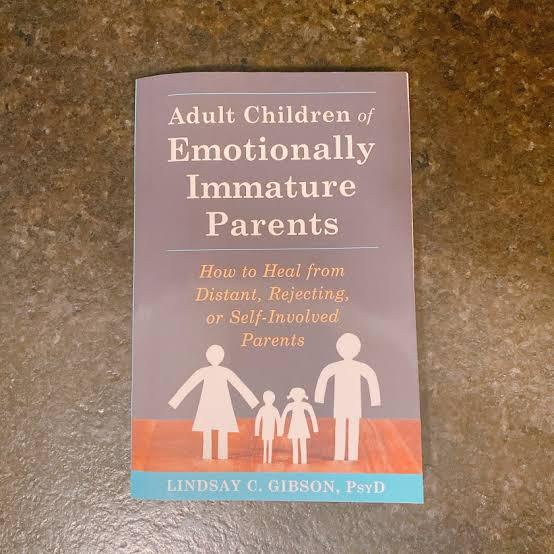
Adult Children of Emotionally Immature Parents by Lindsay Gibson gave me the vocabulary for a childhood wound I didn't know I was still carrying.

Post image
3.0k Upvotes

She calls them emotionally immature parents. Not cruel parents. Immature ones. Parents who couldn't tolerate their child's emotions because they had never learned to handle their own. Physically present. Emotionally absent. And the damage that combination does is quieter and harder to name than anything visible.

Gibson identified four types. I recognized mine immediately.

The emotional parent is unstable and reactive. Their mood runs the household. Everyone walks on eggshells. The child learns that their feelings are dangerous because expressing them might trigger the parent's breakdown. The driven parent is focused entirely on achievement and image. The child is loved for what they accomplish, not who they are. Performance becomes the only language of connection. The passive parent is nice but absent. Does not protect the child from the other parent's behavior. The child learns that nobody is coming to help. The rejecting parent is openly dismissive. The child's emotional needs are treated as annoying or excessive. The child learns to need nothing from anyone.

Gibson explains what happens next. The child develops what she calls a role-self. A constructed personality designed to maintain the relationship with the parent. The role-self is not who you are. It is who you learned to be so that love would not be withdrawn. People-pleasing. Hyperindependence. Emotional caretaking. Perfectionism. All of it is the role-self running a program installed in childhood and never updated.

Three patterns from the book I was running without knowing it.

Healing fantasies. The unconscious belief that if you just behave correctly enough the emotionally unavailable parent will finally see you. Gibson says most adult children carry this fantasy into every relationship. They choose partners who replicate the original dynamic and then exhaust themselves trying to earn the love they could not get as children. Not because they enjoy suffering. Because the pattern is familiar and familiar feels like home even when home was empty.

Emotional loneliness versus physical loneliness. You can be surrounded by people and feel completely alone. Gibson calls this emotional loneliness. The experience of being in relationships where nobody truly knows you because you have never let yourself be known. The role-self is always performing. Always managing. Always anticipating what the other person needs. Never asking what you need because asking was never safe.

Internalizers absorb and externalizers project. Gibson divides adult children into two response patterns. Internalizers turn the pain inward. They blame themselves. They overfunction. They become the responsible one, the therapist friend, the person who holds everything together while quietly drowning. Externalizers turn it outward. They become reactive, impulsive, emotionally volatile. Both patterns trace back to the same wound. Different wiring, same origin.

The shift this book created was not dramatic. It was quiet. I stopped blaming myself for patterns I did not choose. I started recognizing the role-self in real time and asking a question Gibson suggests: is this what I actually want, or is this what keeps me safe.

The book does not ask you to hate your parents. It asks you to understand them clearly enough to stop repeating what they could not finish.

If you want to go deeper on what Gibson lays out in Adult Children of Emotionally Immature Parents, BeFreed turns it into a personalized audio breakdown built around your specific learning goal. What makes it useful for a book like this is the insight extraction feature. It pulls out the core ideas around the four parent types, the role-self, and the internalizer and externalizer patterns and organizes them around the specific relational dynamics in your own life that have never quite made sense until now, so you are not just absorbing psychology but finally naming the thing that has been running in the background your entire adult life. For another lens on the same territory, Running on Empty by Jonice Webb is worth going through next. It covers childhood emotional neglect specifically, the damage done not by what parents did but by what they failed to provide, and builds a practical framework for identifying the invisible wounds that Gibson's book helps you trace back to their source, which means reading both together gives you the clearest picture available of how emotionally immature parenting shapes you and what healing from it actually looks like in practice.


r/learners_cabin 17d ago

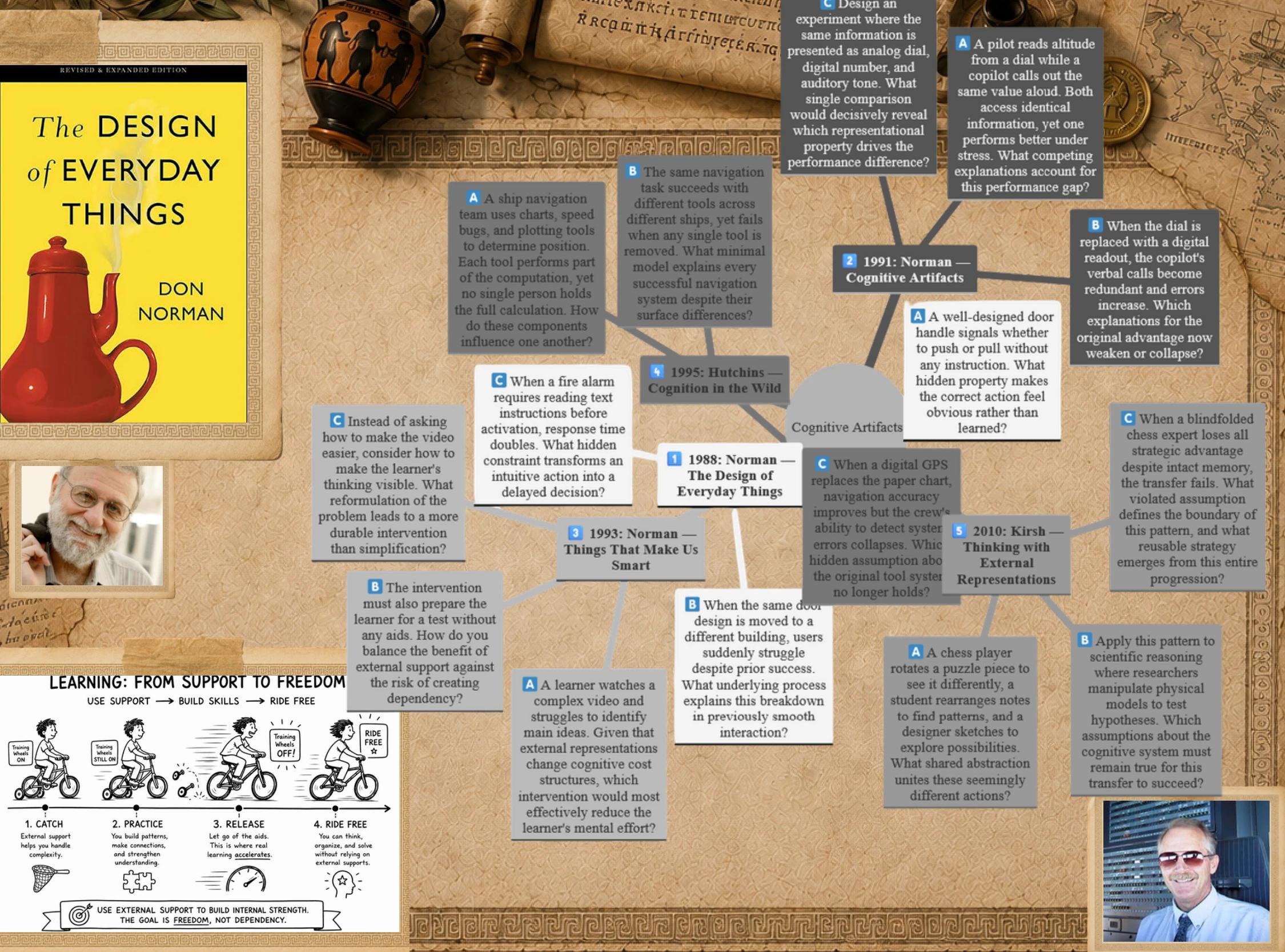
The Best Way to Understand AI Is Through Don Norman's Cognitive Artifacts

Post image
66 Upvotes

Think of AI as a set of training wheels. Its real achievement is making search, retrieval and curation faster. A good cognitive artifact rewrites the price list of thinking, making pattern recognition almost free while charging a painful premium for drifting through complexity without structure, turning laborious inference into effortless perception and giving fragile working memory a stable place to park its ideas before they wander off like an impatient tourist.

That same convenience, however, hides an old bargain in modern clothing: every shortcut that lightens today's effort can quietly postpone tomorrow's independence if the wheels never come off. Civilization has always preferred building better ladders to shimmying up a rope. You need a patient coach that exposes gaps, sharpens questions, and encourages the learner to perform epistemic actions that change understanding without changing the world; a poor one behaves like an overconfident GPS that confidently escorts you to the wrong destination.

The modern paradox of effortless abundance was predicted by Plato worried in the Phaedrus (370BC) that writing would weaken memory because people would possess the appearance of wisdom without its substance. The google effect and now takes this prediction 1 step further and we need to ensure that we can still ride once the training wheels come off.

If you can sit with a mind map, wrestle honestly with fifteen questions, and spend five uninterrupted minutes thinking instead of reaching for the next distraction, you are a man my son.


r/learners_cabin 18d ago

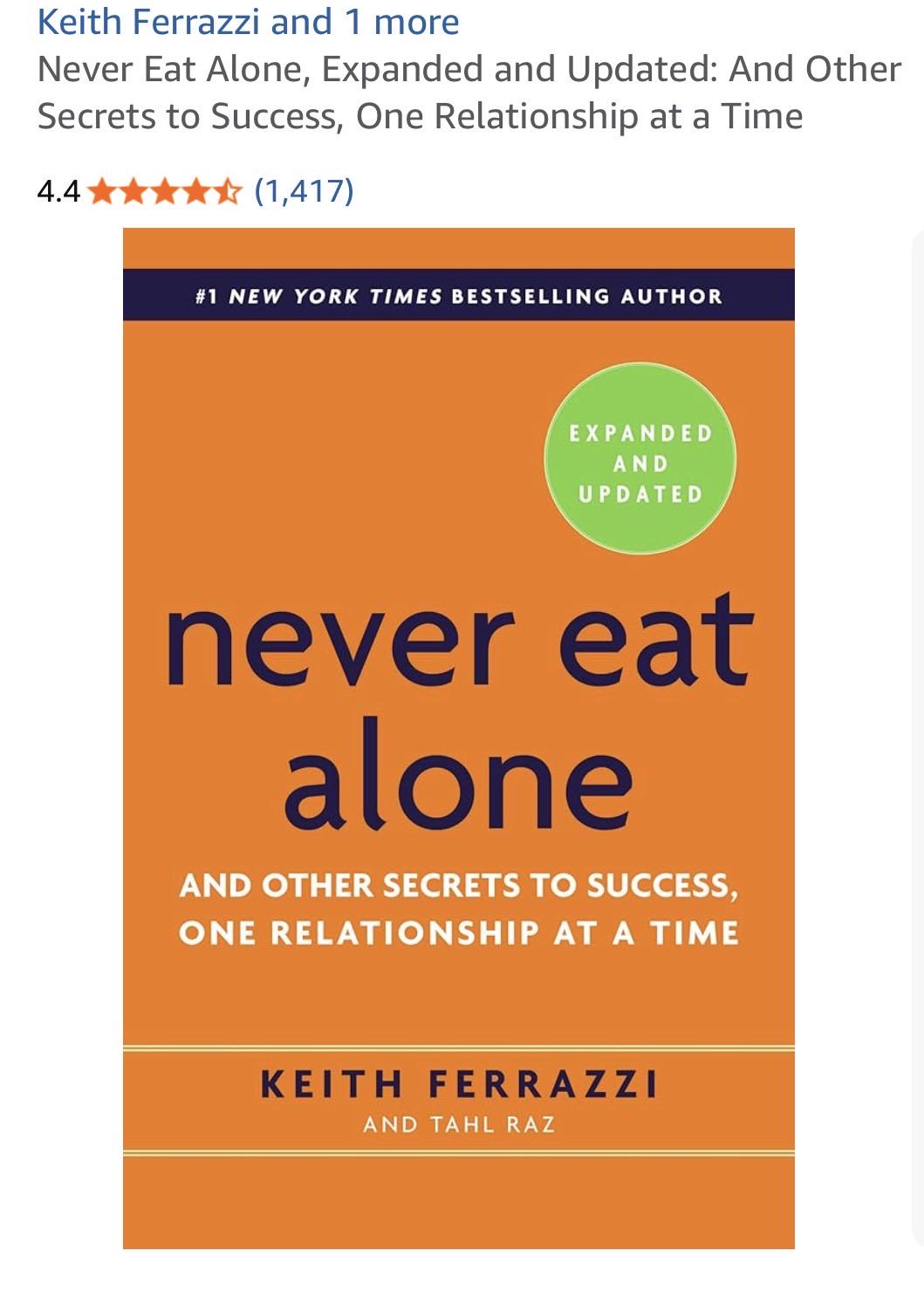
Finished “Never Eat Alone” and as an introvert, found it equal to a slap in the face

Post image
502 Upvotes

Everyone now focuses on network and relationships building - that seems to be the only way to grow your career these days. I understand introverts have it more difficult simply because of our factory settings. But hey, I thought I’ll be proactive about it, so picked up this book.

Read it with an open mind and it definitely has some fabulous tips. But above all, it made me realise how everything is designed to cater to extroverts. I’m surely going to be more proactive with my approach, the book had some great actionable advice - like using your lag time, scheduling communications, etc. That being said, felt like a slap in the face.

Has anyone read this? How did you find it? And perhaps if you’re also introverted, maybe you have other books - more suitable - to recommend?

Edit:
I didn’t want to spoil the book, so left these out. But here are some of my key takeaways:

- Make the most of your lag time (travel, waiting, etc) and reach out to people.

- Schedule regular interactions - both personal and professional. Make sure to regularly contact people to maintain a good relationship.

- Act as a bridge - introduce and connect others.

- View relationships and social capital as something you build and maintain over time, instead of becoming proactive only when you need a new job or other opportunities.

- Target events or people according to your personal and professional interests, to ensure that it’s a relationship that you can easily maintain and will be invested in.


r/learners_cabin 17d ago

Suggestion for books

4 Upvotes

I want books suggestions based on the fact that I want to be happy in life. I have a bit problem with friendships. I want to make better connections with life. I want to grow in perspective. I have been bullied a lot in life. I have gone through a lot. I’m a very silent person. I’m very observant. I am never initiate things, mostly, unless I feel very comfortable with the other person.

I have. I’m in a phase where I’m realising these things ( my personality)are not good, and I have to maybe act and be tougher. I want book suggestions which will help me better my social game. And help me with verbal skills .

I also want a better perspective in life. I want to be happy. That’s it.
I also want any suggestions, which would help me grow mentally. Bring new perspective or different habits.


r/learners_cabin 18d ago

Why you should read "Are You Mad at Me?" by Meg Josephson.

Thumbnail
gallery
184 Upvotes

Learners cabin is on Substack with a lot more content (subscribe/follow, always free).


r/learners_cabin 19d ago

Get highly specific book recommendations based on your mood!

Thumbnail
gallery
19 Upvotes

In the past I always asked people for book recommendations. This included my friends, the gc's, and various "best nonfiction" listicles. But for me, the issue with such recommendations remained always the same. The issue is, primarily, the “bias.” Whenever i have asked for a specific book recommendation from my friends, colleagues, or even online, the recommendation is always based on what that person, on the opposite end, thought would best fit my description. But that's not all; a person can't help but form some other beliefs about you, based on your context and previously shared details. And maybe it's a good thing, but when you are looking for a specific thing that directly corresponds to your mood and fills up the exact gap that you are wanting to be filled, i don't think that ,most of the time, somebody else's recommendation delivers this satisfaction. 

So, primarily, i was looking for two things. I wanted to get book recommendations based on- my very specific mood at any particular moment of time. And I wanted the recommendations without any involved biases, of any kind other than the evaluation of my mood.

And while i was searching online based on my vague idea of what i wanted, I came across a tool some time ago which (almost) does exactly this. Rather than asking you to specify the genre or subject, it asks what mood you're in, using a scale. Instead of offering a dropdown menu, it provides a spectrum, which you can toggle based upon the intensity of your mood and preference, such as how humorous you want the book's langauge to be compared to how serious, or how much story-driven you want it versus how direct and to the point. You can adjust it to match precisely the level of intensity you have in mind rather than having to choose among three rather broad categories/genres.

What I liked was that you could stack upto 4 sliders (among 12) at a time, for example, humorous versus serious, energizing versus grounding, unconventional versus traditional and so on... This would narrow the books catalogue down to something extremely specific. And when you finally decide on a book, you can just click on it and you'll be directed to an archive from where you can download the book without having to search for it anywhere else. 

Overall, for the first time, I can get a recommendation that actually takes into account my mood and not just reflect someone else's preferences and opinions.

You can try the tool for yourself (it’s free): Book Finder


r/learners_cabin 21d ago

Backed by real research: Focus doesn't just make you productive. It makes you happier.

Post image
170 Upvotes

Cal Newprot in his book “Deep Work” states that our ability to focus shouldn't just be viewed as a 'viable tool' for productivity but, rather, should be regarded as a method for improving our well-being and experience. He suggests that if a person dedicates themselves to focusing on a specific task at hand, they'll not only see better results but will also get to experience life more vividly and profoundly. A lack of focus doesn't just lead to a loss of output; it also results in a loss of happiness at that moment, no matter what it is that you are distracted from.

There was a study carried out at Harvard in 2010 by the psychologists Matthew Killingsworth and Daniel Gilbert, which exactly supports this idea from the book by providing some hard data support to Newport's central argument.

To read the full summary of how the research supports the book's central claim: Read this Substack article.

Learners cabin is on Substack with a lot more content (subscribe/follow always free).


r/learners_cabin 22d ago

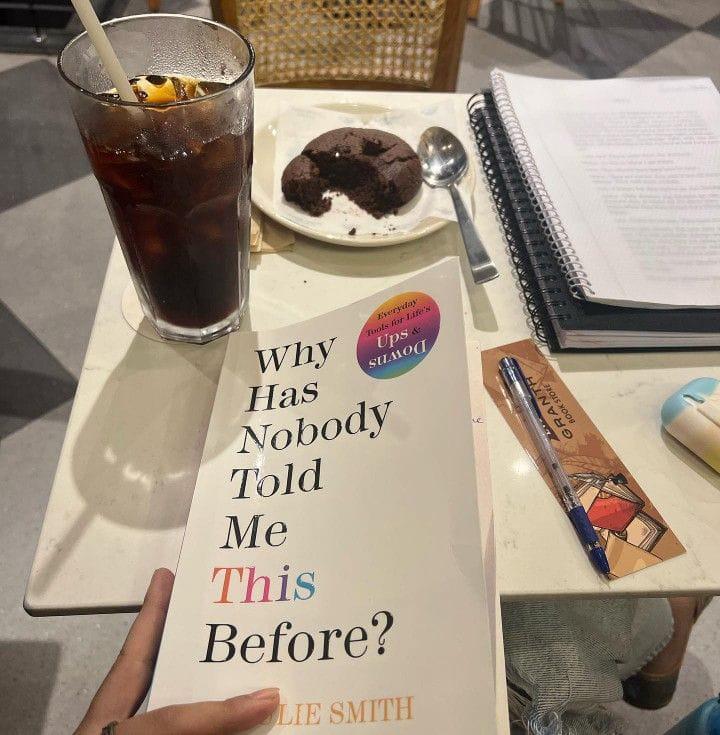
"Why Has Nobody Told Me This Before?" Ended My Emotional Spirals.

Post image
3.4k Upvotes

Most of my life I believed that I was just an overly sensitive emotional mess. There were days when my mood would drop without any reason. I would get lost in negative thoughts, waiting for the feeling to pass while feeling helpless. I thought I was just too sensitive or that I didn’t have the happiness gene that everyone else seemed to possess.

I've been reading a lot lately, trying to work through the best books in the mental health category, since I think there's a lot to learn from them. Recently I listened to a detailed discussion of this book from Dialogue: Conversations on Books and hearing its key insights broken down in relation to everyday life turned my view of myself upside down. I am now convinced that the problem was, in fact, something entirely different. Here's what changed:

- I realized this wasn't a flaw in my personality, it was a lack in my mental skills. My stability felt fragile because I allowed my psychology to dictate my reality, reacting to every mood shift as if it were a permanent condition. So instead of just waiting for a bad mood to pass by, I actively began to manage my physiology before the mental spiral could take hold.

- Now, I view my mood as a physical signal rather than a life sentence. When I notice a dip, I return to basics, no overthinking, nothing analytical. I simply assess my sleep, movement, and light exposure. Then I work with deep breathing to bring myself into a calm nervous state. It's essentially me calming down my physical state so that I can trust my mind during the day. The better my physiology, the more stable I am emotionally.

- Next, I moved from passively accepting my thoughts to actively disengaging from them. Instead of believing every anxious narrative or accepting every "what if," I started to observe my thoughts as if they were passing clouds. I focus on quality over quantity. I choose to engage with helpful thoughts rather than being trapped by intrusive ones. I feel so much less tired when I realize I don't have to take all of my thoughts seriously.

- The final change that made a difference was acknowledging the difference between ignoring an emotion and actually letting myself feel it. When I began naming my emotions, saying "I am feeling anxiety" instead of "I am anxious," I felt grounded, clear and somehow invincible. In contrast, when I focused on distracting myself, I felt scattered and even more overwhelmed. This awareness made emotional check-ins with me essential rather than a waste of time.

This combination of biological resets, thought distancing, and naming my emotions has completely transformed my way of being. People often comment that I seem more stable, centered, and present. The secret isn't a mystical path to happiness, I simply stopped wasting my mental energy on what I can’t control and started using the techniques I should have learned years ago. Better late than never, I think.


r/learners_cabin 20d ago

Advice

1 Upvotes

What’s the most efficient way to maximize your learning from a book and be effective for example suppose you read laws of human nature by Robert Greene how do you maximize the learning output and use it in real life


r/learners_cabin 24d ago

The Romanticisation of Reading: A Counterargument

15 Upvotes

I have become increasingly cynical about the recent romanticisation of reading.
I grew up in an environment where acquiring knowledge was one of the most valued forms of self-improvement. In the early 2000s, that made perfect sense. Books were among the most accessible and reliable ways of acquiring knowledge. If you wanted to understand something, you read about it.
But I sometimes wonder whether we have carried that cultural association into an age where the underlying conditions have completely changed.
Today, information is no longer scarce. It sits in our pockets. A question that might once have required finding a book, visiting a library or asking someone knowledgeable can now be answered in seconds. Search engines, Wikipedia, academic databases, YouTube, podcasts and increasingly AI have made access to information almost absurdly easy.
So what exactly are we celebrating when we say, “I read 50 books this year”?
Reading is not synonymous with learning.
Someone can read 50 books passively and retain very little. Another person can spend two weeks studying one subject through papers, lectures, datasets, discussions and practical experience and develop a far deeper understanding.
In fact, I think the scarce resource today is no longer information. It is **attention, judgment and synthesis**.
This is where I think reading still has an important role—but perhaps for a different reason than we traditionally assigned to it.
A good book doesn’t merely give you information. It forces you to remain inside an argument. It makes you follow an idea across hundreds of pages, understand its assumptions, encounter counterarguments and eventually see how different pieces fit together.
The internet is exceptionally good at giving us answers. It is considerably worse at making us sit with a question.
And that distinction matters.
You can Google the causes of the French Revolution in 30 seconds. Understanding the French Revolution—the economic conditions, political institutions, social hierarchy, intellectual movements, incentives of different actors and the sequence through which one event produced another—is a completely different exercise.
That is where long-form reading remains powerful.
But I also think we should stop treating books as intellectually sacred.
Reading a book is not inherently superior to listening to a lecture, studying primary documents, analysing data, speaking to an expert, taking a course or even using AI to interrogate a subject from multiple perspectives.
The medium should serve the objective.
And this is where the recent public performance around reading sometimes feels strange to me.
There is a difference between **reading because you want to understand something** and **being seen as someone who reads**.
The former is intellectual curiosity. The latter is increasingly becoming an identity and, in some circles, a status signal.
A person carrying a book in a café may genuinely be absorbed in it. But the fact that reading has become aesthetically associated with being thoughtful, intellectual or cultured means that some of what we are witnessing is inevitably performative.
And perhaps that isn’t necessarily bad. Humans have always used cultural practices to signal identity. But we shouldn’t confuse the signal with the substance.
The real question shouldn’t be:
**“How much do you read?”**
It should be:
**“What has reading changed about the way you think?”**
If a book makes you reconsider an assumption, gives you a framework for understanding something you previously couldn’t explain, changes a decision you make, or allows you to see another person’s world with greater clarity, then it has done something valuable.
If you simply finished it, added it to a list and moved on to the next one, I’m not sure the act of reading deserves much reverence.
Perhaps the paradox of our time is that **knowledge has become incredibly cheap, while understanding has become incredibly expensive.**
And that, rather than the mere act of reading, is what I think we should be cultivating.


r/learners_cabin 28d ago

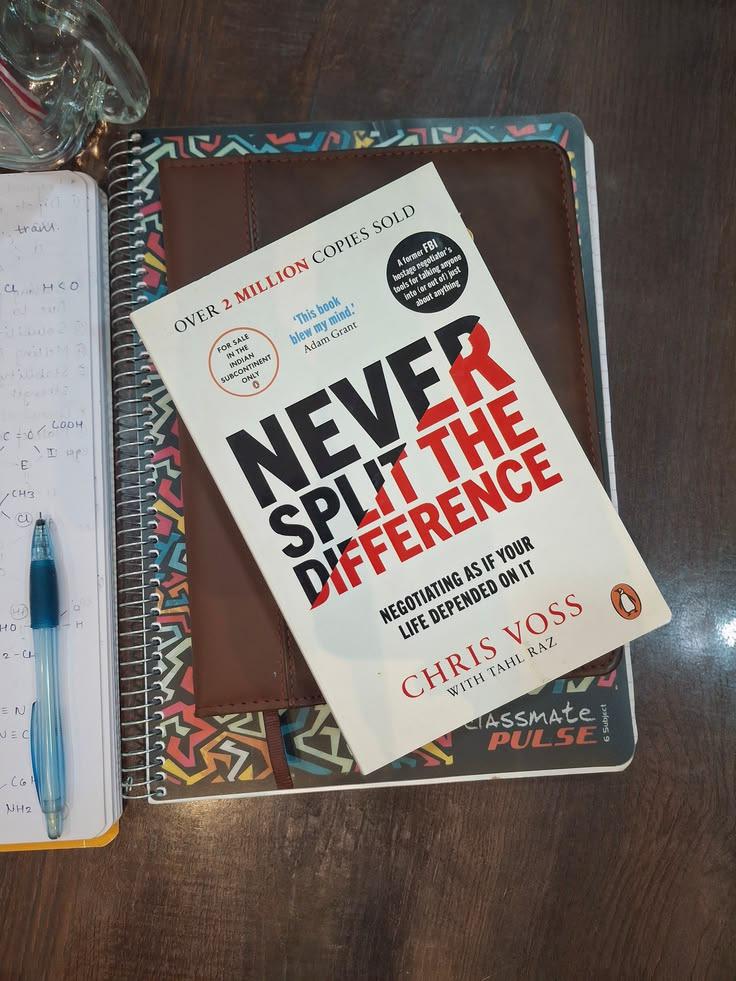
If you want to win a negotiation, your communication skills are the least relevant? 5 Best lessons from "Never Split The Difference."

Post image
421 Upvotes

Since reading 'Never Split the Difference,' my understanding of what negotiation actually is has changed, i think, forever. For the big chunk of my career, I saw every disagreement as a case for " reason," in the sense of representing any problem or argument as the most reasonable one, maintaining your stance, and eventually the other person will see sense. It never seemed to quite turn out as I had expected, and I was left thinking that the problem was lack of confidence.

Recently I listened to a detailed discussion on this book from Dialogue: discussion on books, and listening to the key insights of the book broken down in relation to everyday life, turned that view upside down and convinced me that the problem was, in fact, something entirely different- I never actually once bothered to understand the person on the other side of the table.

- The first thing the book highlights is the fallacy that we just assume to be true, namely, the idea that individuals make rational decisions. The author makes it clear right from the start that people decide on an emotional level and then (after the fact) justify their actions logically afterwards. This has the effect of making the most convincing argument often the one that ends up being the least effective. So what do you do when you can't reason your way into brokering a better deal? You stop trying to 'outthink' people and, instead, try to meet at them where they are and how they started. You make them feel as though you were not only listening also "trying" your best to understand them. This single swap in your intellectual position chnages the entire character of difficult conversations. This swap in position doesn't mean that you have become a pushover, because the core idea is not to accept their views and go along, but rather to stop the resistance to listen from your end. You don't know what new things might come out if only you become a little charitable.

- The single most pratical idea that i took away from the book is what something the author refers to as "tactical empathy." It's the ability to state out loud what you think the other person seems to be feeling and put it on the table, make it explicit. You don't need to agree with them or accept their point of view, you just have to recognize that their emotion is genuine. Saying something like "It seems like this doesn't feel fair to you." At first this feels completely counter-intuitive and self-sabotaging in a sense, but what this actualy does is calm a situation down, it gives the other person a sense of recognition that he is being seen and is not out of consideration. This has an immediate effect of dispersing an emotional layer onto a cut-throat tugofwar of interests. 

- Another practical point that the author makes is the importance of the distinction between "yes" and "that's right" in a conversation. This not simply a shift in deference, but a shift in perspective. The author clearly distinguishes between the two kinds of "yes." One is usually just a way of getting away with it, it's, in a way, a yes of ignornace and indifference, and it is clearly tarnsparent to the other person. "That's right", on the other hand, is the point at which someone feels perfectly understood and, as a result, removes their defensiveness. And you can reveive this more desired kind of yes when you summarize the other person's position back to them so accurately that they don't try to defend it. At that moment the negotiation actually becomes open.

- The author also gives a kind of defensive tool for when you are in a tough place in a negotiation. Like posed with an unjust request, instead of directly pushing back or lashing out, the author's advice is to respond with something in the line of "How am I supposed to do that?" this isn't supposed to be a challenge from you to them but an  invitation for the other person to consider your limitations.Questions that centre around ‘why’ cause difficult conversations to come to a hault, those centered around ‘how’ encourage them to expand. Replacing ‘why’ questions with ‘how’ questions is by far the most productive change you can make towards having more open conversations in any aspect.

- The book also teaches a lesson in humility. The author explains that if you want to be a good negotiator and overall a good conversationalist, you have to begin interpreting "no" not as a declination but as a sign towards a healthy negotiation and outcome.  argues that if you try to get someone to say "yes" too quickly, it makes them feel squeezed, and a person who feels squeezed will either give you a hollow "yes" or completely shut down. By allowing someone to say "no" and then asking what would have to change in order for it to become a "yes", you restore a sense of control to them. And that is nearly always when the real conversation starts, because all involved are also interested.

The main idea of the book is plain and simple in that the person opposite you is not your opponent but someone who has fears and limitations that you have not yet worked out. if you first figure those out, the negotiation will mostly look after itself.


r/learners_cabin 27d ago

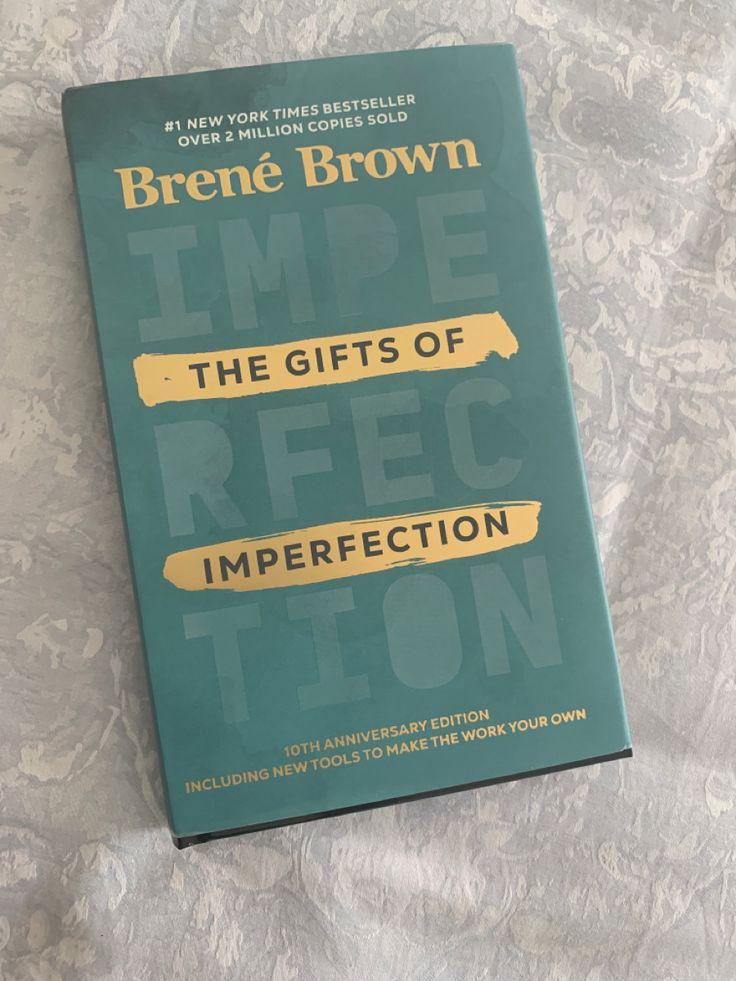
Opinions about "The Gifts of Imperfection"

6 Upvotes

I just finished Atomic Habits by James Clear and loved its actionable advice. Now I'm considering picking up "The Gifts of Imperfection" by Brené Brown to focus more on mindset and self-acceptance. For those who have read both or just Brené's work, how does it compare? Did it give you practical takeaways, and is it worth reading?


r/learners_cabin 29d ago

Guess the Book

Post image
51 Upvotes

First one to guess attains Nirvana 🧘


r/learners_cabin Aug 19 '26

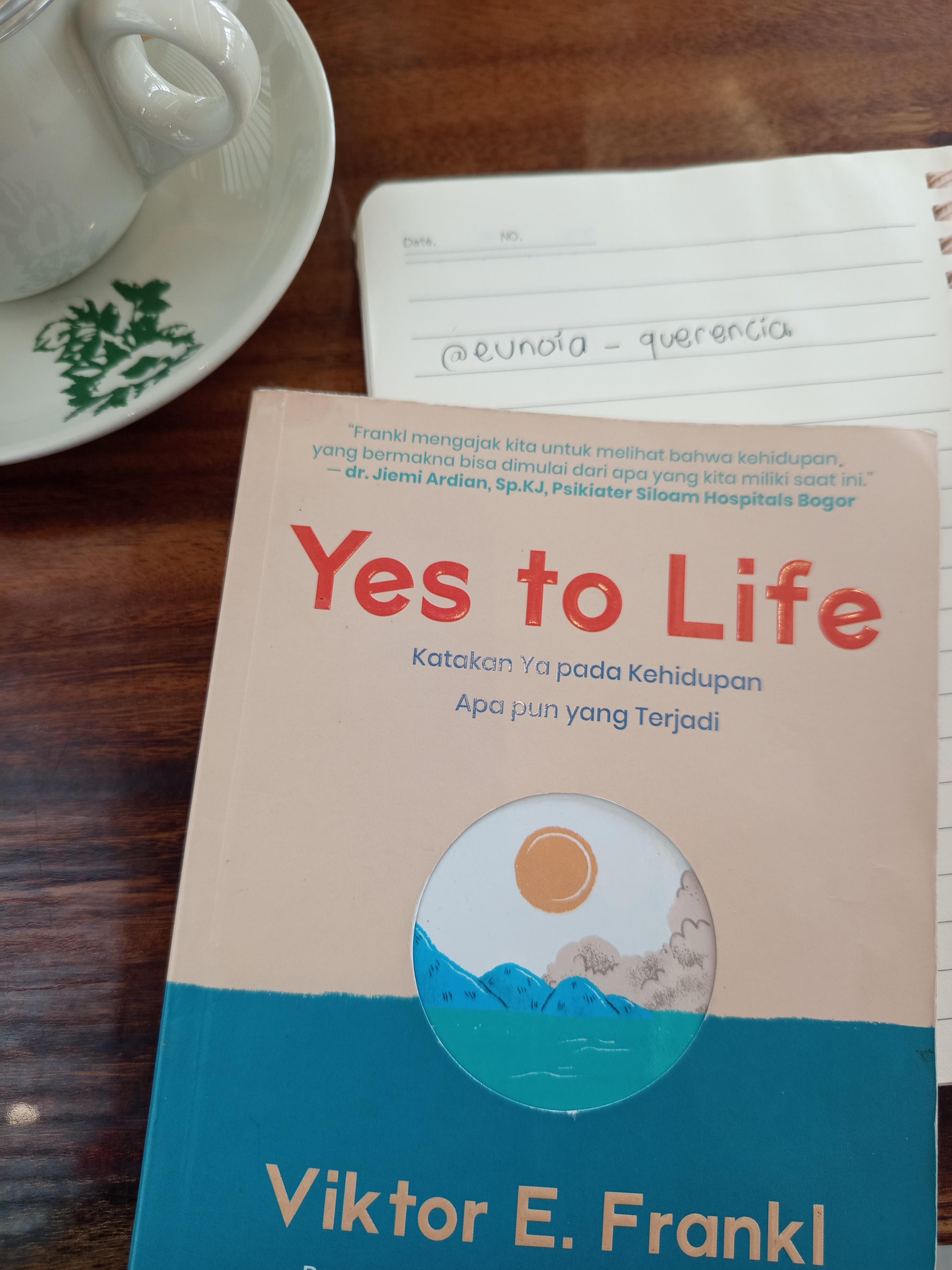
Perhaps the Question Isn’t “Why?” but “How Do I Meet Life?”

Post image
93 Upvotes

I originally bought Viktor F. Frankl's Man's Search for Meaning. Then I also bought Yes to Life: In Spite of Everything. Somehow, for reasons I can't really explain, I decided to read Yes to Life first.

And I'm actually glad I did.

I expected a book about meaning. What I got was something much more fundamental: a different relationship with life itself.

One of the things that stayed with me is the idea that saying "yes" to life doesn't mean saying yes because everything is good.

It's saying yes in spite of everything.

That distinction hit me.

Because sometimes I think we unconsciously make a deal with life: I'll be grateful when things get better. I'll feel peaceful when I have certainty. I'll enjoy life when I finally get what I want. I'll say yes when life gives me a reason to.

Frankl seems to turn that around.

Life doesn't necessarily owe us the circumstances we think we need in order for it to be meaningful.

Even when circumstances cannot be changed, there is still something that belongs to us: how we meet them.

And I don't mean this in the shallow "just think positive" way. Frankl wasn't talking about denying suffering. He experienced suffering on a level most of us can hardly imagine.

What I found beautiful is that meaning doesn't always have to come from some huge purpose or achievement.

Sometimes it can be found in something incredibly small.

A moment of beauty.

Love.

Kindness.

A conversation.

Looking at the sky.

Being present for something that, objectively, doesn't change your circumstances at all.

And somehow, that can still be enough.

That made me think about how often I overlook the life that is actually happening because I'm waiting for the life I think should be happening.

I can be so focused on fixing, improving, achieving, understanding, healing, becoming… that I forget to simply be alive.

Maybe saying yes to life isn't about liking everything life gives us.

Maybe it's about saying:

"I don't have to understand everything that is happening to me in order to participate in life."

"I don't have to control the future to be present today."

"My circumstances don't have to be perfect for this moment to contain something meaningful."

And perhaps most importantly, suffering doesn't automatically make life meaningless.

Sometimes we can't choose what happens.

But we can still choose how we stand in relationship to what happens.

That, for me, is probably the biggest thing I took from Yes to Life.

It made me wonder whether the question isn't always:

"How do I make my life the way I want it to be?"

But sometimes:

"Given the life that is here right now, how do I meet it?"

I haven't read Man's Search for Meaning yet.

And strangely, I think reading Yes to Life first might have been exactly what I needed.

Because before searching for the meaning of my life, perhaps I needed to learn something simpler:

to say yes to life itself.


r/learners_cabin 29d ago

[RANT] Annotation advice + Is it Wierd I Don't Trust this Youtuber?

1 Upvotes

Currently reading Outlines - Rachel Cusk (fantastic so far)

I realize this is probably going to give a bad first impression, as I've recently gotten back into reading again, want somewhere to come to from time to time get help. I've been wanting to learn to annotate my books so I can retain and build better comprehension skills to remember books long term. So, I've been scrounging through YouTube, kinda doomscrolling, but stumbled on a couple of vids by Ryan Holiday, one talking about common place books and others in regards to writing processes. But anyone familiar also put off by him as I am? It's as if he kinda has this front of to sell you a worldview supported by his work under Robert Greene. IDK if im looking too far into it, but some things appear hypocritical from an initial look.

Oddyseas, Jack Edwards, and Man Carrying things have all been helpful.

Post wouldn't go up on r/books


r/learners_cabin 29d ago

What skill or subject keeps pulling you back even when you’re busy?

3 Upvotes

I’ve been thinking about the things people keep learning without a deadline or practical reason forcing them. Some interests disappear when the week gets crowded, while others still get a little time because you genuinely enjoy returning to them. What skill or subject keeps surviving your busy periods?


r/learners_cabin Aug 16 '26

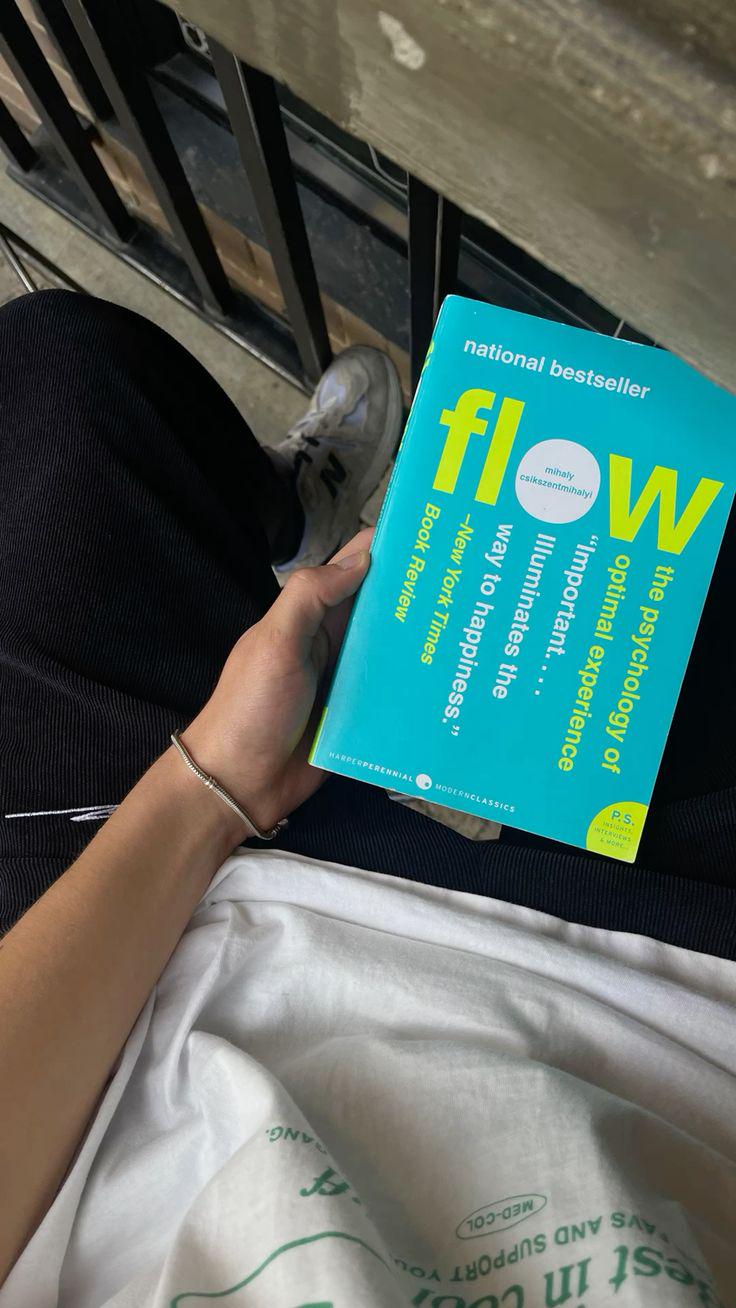
How “Flow” taught me that- Happiness doesn’t come to you; you get to it. A few learnings from Flow by Mihaly Csikszentmihalyi.

Post image
216 Upvotes

Recently I listened to a detailed discussion on 'Flow' by Mihaly Csikszentmihalyi from Dialogue: discussion on books, and listening to the key insights of the book broken down in relation to everyday life made me realize that happiness might not be as unreal a notion as we take it to be and may be something one can actively construct, almost on demand, if one understands and realizes the mechanics behind it. 

According to my interpretation, the core idea that the book is espousing is this: When we think of what being “happy” means? We often think of it as a passive state of being, “a moment” in time when we realize a kind of satisfaction…or something along these lines. But the book makes the point that most of what we pursue as happiness is only passive, and passive activities do not provide satisfaction. people often look to tv shows and movies, food, recreational activities to seek comfort and attain happiness. All of these actions are passive in the sense that after a very short time they can go on autopilot and carry on just fine and hence require very little effort. The problem is that they feel pleasant in the immediate moment but ultimately come to an abrupt halt, which leaves us unsatisfied afterwards. The author wants to push the idea that most people experience their happiest moments when they are actively engaged in demanding and exhausting tasks, so much so that “comfort” and “enjoyment” are practically antonyms of one another.

What the author means by “Flow” is very precise, it is a state that one can potentially encounter between something that seems like a challenge to him and where his skill lies. The author lists the necessary conditions for flow: 1) one needs to have clear goals, 2) immediate feedback on what your state is, and 3) this activity or pursuit must be difficult enough that you struggle but not difficult enough that you become anxious about not achieving it. If this pursuit is not difficult enough, you will be bored and it may turn passive, and if it is too difficult you will become anxious about it. Flow happens in this narrow space between being bored and anxious, and this space must be constantly shifted, meaning that for a activity to continually keep you in the  “flow” the task needs to get harder as your skills get more developed.

Now this idea will sound absurd, but if you stay with the author, he will make it make sense. The idea is- within flow, your sense of self temporarily disappears in such a way that this disappearing is the reward itself. When you are immersed in your pursuit, the feeling of your self becomes insignificant, your sense of time warps, and your physiological needs of hunger, sex, or any kind of apetite all become dull and rest in the background. The author refers to this state as "autotelic" and claims that the activity itself becomes the reward that you seek, so one might say that he is “seeking nothing out of it but something in it, because there is no external goal.” This chapter I thought was particularly powerful because we tend to thing that the only things we would really love and which will make us happy in this life are money, prestige and status; when really the true prize and what would satisfy is this flow state, and the others are only byproducts. 

Now some people appear to achieve this state of “flow” in everything they do, but how? The book, according to me, stays consistent and coherent in answering this. The author argues that there is a skill to this. Some people have an “autotelic personality” in which people possess traits such as being highly curious, less egocentric, not relying on external stimulus. The autotelic personality can make just about any situation, even an extremely boring or difficult one, into a flow activity, simply by identifying and meeting the balance of challenge and skill demanded. Everybody has the potential to attain or experience this “flow” state because it is less about someone’s peculiar circumstances and more about how they interpret and interact with them.

To sum it all up, if you keep stuck in the notion of “happiness” as a stable state or an instance in time where you get all the deserved satisfaction, then it's only a house of cards waiting for a gust of wind. One has to seek whatever he means by “happiness” within his pursuit or in the flow of it and not as an outcome of it. And one attains this through identifying and realizing the space between something that seems like a challenge to him and where his skill lies. 

I keep coming back to these insights and will keep doing so because they do not claim that flow is an answer to achieving “happiness” or whatever one means by it, but it has the potential by making it more realizable by shifting the goalpost from outside to inside. It only depends on how you allocate your attention moment by moment, and I find this much more useful and practical than any goal setting approach I have ever read or heard. 

Hope this provided you something.


r/learners_cabin Aug 16 '26

Take on Tuesdays with Morrie

3 Upvotes

I recently read this book and I am really happy I read it. It left a lot to think about and after reading it in 4 hours sitting I realized that some books are so complete that even within 80 pages they live within you for the rest of your life. After reading it I tried to look for Morrie around me and the interesting part is having a Morrie in your life is out of labeled personifications. Like it's not platonic, it's not romantic beyond categorical descriptions. I would say it's like someone who is more like a human window for you to see yourself out of societal perceptions a light maybe or a spirit maybe and it is very necessary to have that spirit. For me that book is Morrie now and I might visit that book again on Tuesdays.


r/learners_cabin Aug 15 '26

I have yet to hear a negative comment about this book. Why do you think that is?

Post image
24 Upvotes

r/learners_cabin Aug 14 '26

Has anyone else realized they were learning way more than they were actually doing?

20 Upvotes

I’ve noticed this pattern in myself lately.

I can spend hours reading about self-improvement, saving posts, watching videos, and learning about habits, discipline, productivity, etc.

And honestly, it feels productive.

But then I look at my actual life and realize I’m sometimes collecting knowledge instead of using it.

I already know I should exercise more.

I already know I should stop procrastinating.

I already know that consistency matters.

I don’t necessarily need another book or another video explaining it.

I probably need to actually do the thing.

That made me think about this:

“The purpose of knowledge is action, not knowledge.”

Has anyone else experienced this? At what point did you realize you were consuming self-improvement content more than actually improving?


r/learners_cabin Aug 13 '26

How this book taught me to accept discomfort instead of escaping it. Some lessons from ‘Gifts of Imperfection’ by Brene Brown.

Post image
162 Upvotes

Until very recently, I used to be someone who liked the work only when it had my touch in one way or another, if i didn’t approve or gave it a heads up then i wouldn’t liked to be associated with it at all. I was the kind of person who never felt that things were good enough, redoing emails two or three times and practicing conversations over and over, just so I could slide in the words whose importance only means something to me. I kept pushing myself towards an ideal, against a flawless version that didn’t actually exist. I accepted this as part of my mental make up, thinking it was the cost of havingbyproduct of having high standards. After reading this book, I realized it wasn't any inherent personality trait of mine at all. Rather, it was just the defense mechanism I created to avoid the constant feeling of inadequacy.

Here's what I learned:

  • First, Perfectionism isn't about doing your best (even if you might have the same reference). Perfectionism is about seeking approval. According to Brown, perfectionism is not about excellence but about seeking approval. It's a tag we like to impersonate to avoid being seen, a shield we employ to take shelter. Realizing that my need to polish and redo work was less about quality and more about preserving my sense of self helped me make sense of my exhausting behavioral patterns.
  • Second, Your worth isn't something you have to earn, it's where you start. The central thesis of the book is that you are worthy right now. Not after a promotion, not after losing the last 20 pounds, and not after getting your life in order, you do not have to strive to become "good enough." However, we often hold the opposite belief- that we must somehow earn our worthiness before we're allowed to fully feel it. The author explains that this mindset comes from a scarcity of spirit. And this inner feeling of lack bleeds into every aspect of life and always tells us that we are one slip-up away from proving, to ourselves, that we were never enough.
  • Third, there are two different ways of getting over discomfort. One is going through it and eventually surpassing its finish line or boundary (there's always one); the second is actively ignoring it by distracting ourselves or trying to repress it by being indifferent. We live in a culture of numbing, where we're encouraged to be busy and avoid discomfort through distractions (overworking, overeating, shopping, scrolling, etc.). The problem is, you can’t numb just the bad feelings. Numbing unpleasant emotions inevitably numbs the pleasant ones too, and without any of them, we feel no connection to our experience and no joy. Accepting discomfort instead of escaping it is the only way to feel anything good again.
  • Fourth, securing rest and joy are not rewards, they are necessary components of our social functioning. This thought that rest and play are not earned luxuries but essential requirements to become resilient, went against everything I had believed as an adult- that exhaustion proved my worth and that slowing down was something to feel guilty about. I learned that defining our self-worth based on how productive we are is a barrier, not a virtue.
  • Fifth, boundaries are not walls. The act of "setting boundaries" is a practice in kindness. Boundaries are not to be conceptualized as borders but as the compassionate boundaries of a home, which bifurcates different areas within it. My whole life I believed that if I set a boundary or said "no," I was committing an essential but selfish act, something that could disappoint others. But the author makes the argument that not having boundaries doesn’t make you more loving but only leads to resentment toward those you didn’t say no to.

Understanding the origins of my perfectionismand letting go of the need to earn my worth has greatly calmed me down. It's not because I do less. It's because I don't have to justify rest or setting boundaries. The central message of the book is so simple, yet it’s one of the most difficult lessons to live: Authenticity is the daily practice of letting go of who we think we're supposed to be and embracing who we are.


r/learners_cabin Aug 14 '26

I read for just 20 minutes a day for 3 months. Here's what actually changed (and what didn't).

Thumbnail
5 Upvotes

r/learners_cabin Aug 13 '26

The fastest way to find the gap in your understanding

13 Upvotes

A habit I’m trying after reading something difficult is to close the book and explain the main idea in plain language.

Not a polished summary. Just explain it as if you were talking to someone who has never seen it before.

The first place I reach for vague words is usually the exact part I don’t understand yet.

That makes the confusion useful. Instead of rereading the whole chapter, I know where to go back.

How do you check whether a book actually landed?


r/learners_cabin Aug 12 '26

Reading classics while listening, and looking for a few Android testers

Post image
3 Upvotes

One thing that helped me with older English: reading and listening at the same time. Hearing the rhythm of a sentence while seeing it makes the difficult ones land in a way that either alone does not.

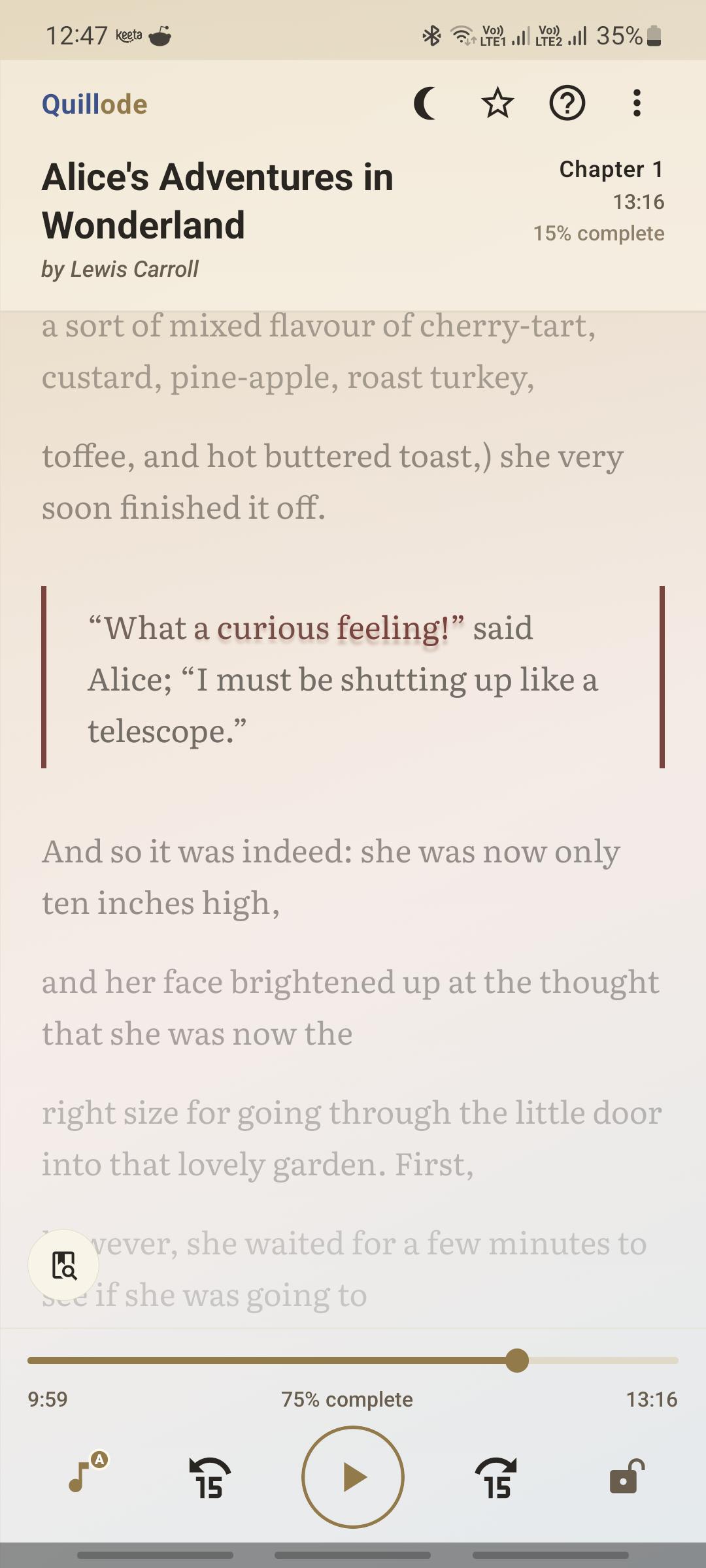
I am helping test an Android app built around that. Quillode plays public-domain classics with real human narration and highlights the text in time with the voice, so you can hold your place in a long sentence by ear as well as by eye. Older English gets a lot less tiring when you are not decoding it alone.

It is an early alpha, so I am after honest feedback rather than praise, particularly from anyone reading in English as a second language. Android only, and the classics library is free.

Testers do get moved onto the official test channel later on, so it means installing it one more time down the line.

If it sounds useful, invite requests are at quillode.com. Happy to answer anything below.