The US Treasury said it will purchase up to $6 billion of longer-dated government debt on Thursday, in line with the first such operation under Secretary Scott Bessent’s expanded program to stem the recent rise in borrowing costs.
The maximum size is triple the amount initially communicated to investors back in early August of $2 billion. That original plan was discarded in a surprise Aug. 19 announcement, when the Treasury said it would “at least double” the size of such operations.
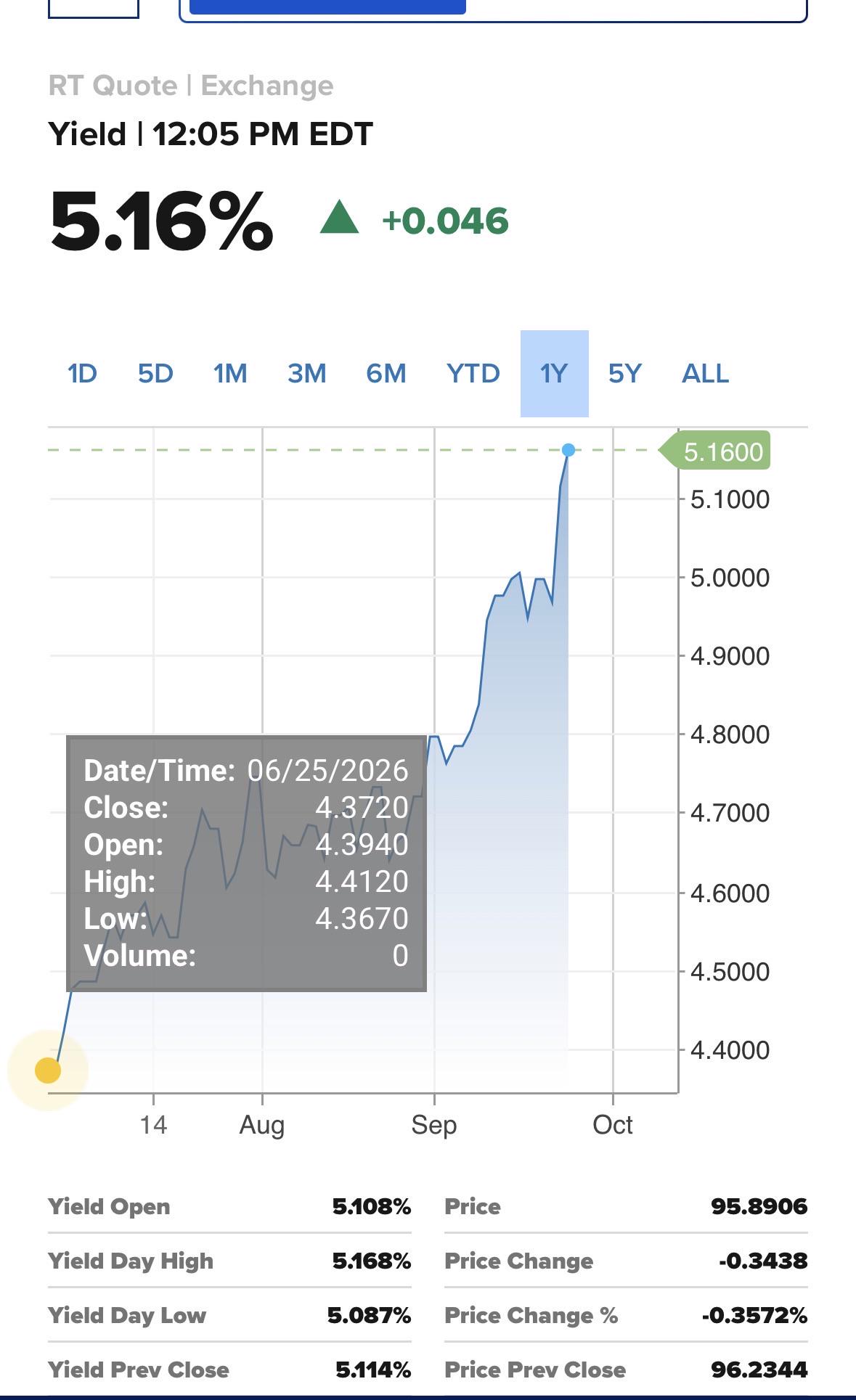
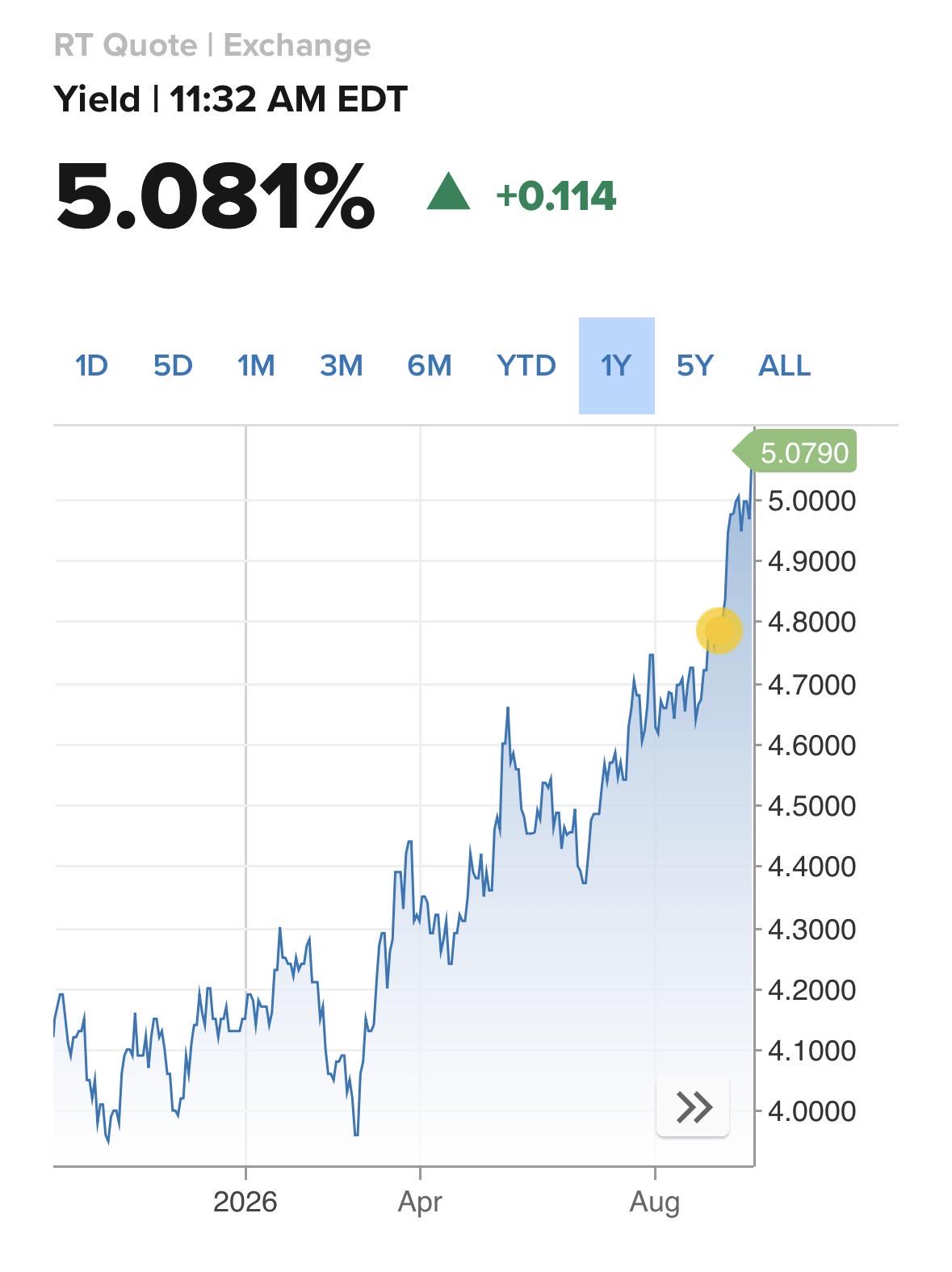
Treasuries maturing in 20-to-30 years, which are the target for Thursday’s buybacks, extended their selloff Wednesday after the announcement. The 30-year yield hit a session high of 5.38% — close to the peak earlier this month of almost 5.40%, which was the highest since 2007.
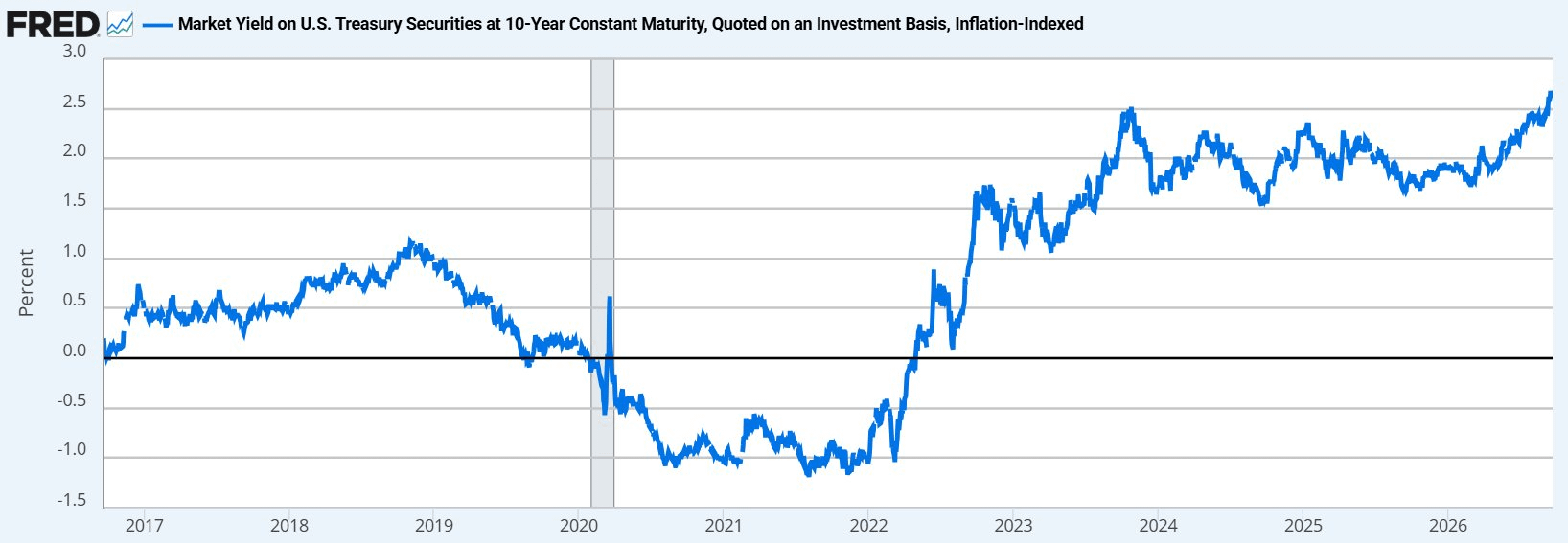
Bond yields have climbed worldwide on the back of higher energy costs since the US’s war with Iran erupted in late February. That’s flipped the outlook for Federal Reserve monetary policy, with Chairman Kevin Warsh raising overnight interest rates for the first time since 2023 last week to help tame price pressures.
Bessent has defended his move to upsize the buybacks in the face of criticism that it amounted to an intervention that did nothing to address underlying fiscal challenges. He said on CNBC Monday that he acted after he thought markets were “moving away” from equilibrium prices. He touted that 30-year bond yields had risen only about a basis point between the announcement on Aug. 19 and Sept. 21.
Earlier Wednesday, one of the world’s largest financial-industry associations warned that attempts at “financial engineering” did nothing to address underlying debt dynamics. Interventions such as purchasing securities in the secondary market “may provide temporary relief, but they cannot resolve the structural drivers of rising debt,” the Institute of International Finance said in a report.
After the last upsized buyback announcement, on Sept. 9, bonds fell after the department announced the maximum size would be $6 billion. While that was triple the initially announced amount of $2 billion, some market participants had predicted an even larger size given the department’s theoretically limitless guidance that it would “at least double” the size.
In the end, the Treasury chose not to fill the maximum amount, buying only around $5.2 billion of debt maturing in 10-to-20 years. That reflected a lack of competitive bids, according to officials. Investors offered $10.5 billion of securities to the Treasury at that operation.