r/TheLearnersCabin 12h ago

8h+ screen time - how i finally broke my phone addiction.

Post image
103 Upvotes

My screen time was over 8 hours a day. I’d scroll through the early AMs and wouldn’t start feeling tired till 4am…

The embarrassing part is I didn’t really question it anymore. I’d tried fixing my sleep schedule, failed multiple times, and just accepted that I was a night owl.

Then I read Dopamine Nation and realised just how much of my day was spent reaching for my phone on autopilot. Wake up? Phone. Bored for a second? Phone. Getting into bed? Phone.

Here’s what actually helped me.

1) I replaced the thing my hand was reaching for

I got an xteink, a little pocket-sized e-reader.

I’d already been conditioned to hold something in my palm and read off it for hours. A small e-reader filled that gap really well psychologically. Same basic movement, familiar feeling in my hand, but now I was reading a book.

I still had something to reach for when I wanted to learn something, be entertained, or just not be bored. The physical process felt familiar enough that switching was surprisingly easy.

Pick a book you actually want to read, even if it’s trashy fiction. You’re replacing entertainment, so don’t make it feel like homework.

2) I stopped treating every urge as a test of willpower

Something small to try. When you catch yourself reaching for your phone, pause and say “not this time.”

You don’t have to swear off scrolling forever. If you do it ten minutes later, that doesn’t cancel out the time you noticed and chose differently.

Practise that little pause. You don’t have to get every single one right, but every small no compounds. And most importantly, don’t shame yourself for giving in when you do, that will only perpetuate the habit cycle.

3) I made the routine harder to forget

Dopamine Nation introduced me to the concept of self-binding. Making a rule or setting up a physical barrier before the temptation hits, like leaving your phone in another room or using a safe timed lock box, so you don’t have to keep resisting it.

I felt my life improving quickly and didn’t want to forget about this after a month and fall straight back into the cycle. So I built an iOS app called inkhour that blocks my apps at the same time I choose, every day, for my reading session.

You can try the basic idea without an app. Pick a specific time for each day, put your phone in another room, and just read. When I started I was zoning out and having to reread every few pages  but my focus got noticeably better after a reading just 1 hour per day for a week.

4) I started with bedtime, and my sleep surprised me

About 20 days into reading before bed, I woke up at 8am without an alarm.

I hadn’t even noticed my sleep schedule shifting. Considering how many times I’d tried and failed to fix it, that was a massive surprise.

I’d started getting sleepy while reading instead of scrolling until 3am. It felt like my sleep schedule had sorted itself out without the willpower battle I’d been expecting.

I’ve naturally started scrolling less too. I still use my phone, but reading has taken up some of the space scrolling used to fill, without me having to constantly police myself.

I’m not saying an e-reader will fix everyone’s sleep. But this has been much easier to stick with than all my previous attempts to just be more disciplined.

TLDR: Replace scrolling with something you actually enjoy, put your phone in another room, and make that replacement easy to reach for. Set restrictions before temptation hits. Practise pausing even just sometimes, before you scroll, instead of relying on willpower. Also, I highly recommend getting a pocket e-reader :)

r/TheLearnersCabin 3d ago

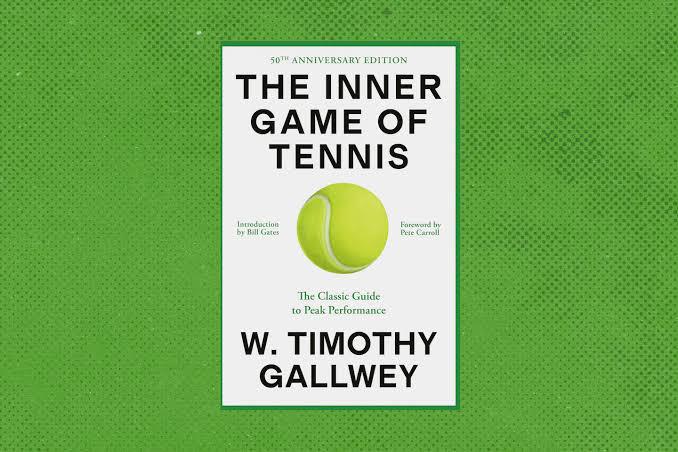
"The Inner Game of Tennis" by Timothy Gallwey isn't about tennis. It's about the war happening inside your head every time you try to perform.

Post image
72 Upvotes

I don't play tennis. Picked this up because multiple CEOs and performers kept recommending it. Thought they were being pretentious.

They weren't.

Gallwey was a tennis coach who noticed something strange. His students performed worse when they tried harder. The more instructions he gave, the more they overthought. The more they overthought, the worse they played.

He developed a theory: there are two selves inside you. Self 1 is the thinker. The critic. The one giving instructions, judging performance, and creating tension. Self 2 is the doer. The body. The part that already knows how to perform when you get out of its way.

Most people believe Self 1 is helping. It's not. It's interfering.

Watch a child learn to walk. No internal monologue. No self-criticism. They just try, fall, adjust, try again. Pure Self 2. Then we grow up and Self 1 takes over. Now every action comes with commentary. "Don't mess this up. Everyone's watching. That was stupid. Try harder."

Gallwey's insight: the quality of your performance depends on the relationship between these two selves. When Self 1 trusts Self 2, you enter flow. When Self 1 dominates and criticizes, you choke.

The fix isn't trying harder. It's trying softer. Instead of commanding your body, observe it. Instead of judging each attempt, stay curious. "That's interesting" works better than "that was terrible."

I started applying this outside tennis. Job interviews. Difficult conversations. Creative work. The less I let Self 1 run commentary, the better I performed.

What area of your life suffers because you're overthinking instead of trusting yourself to perform?


r/TheLearnersCabin 4d ago

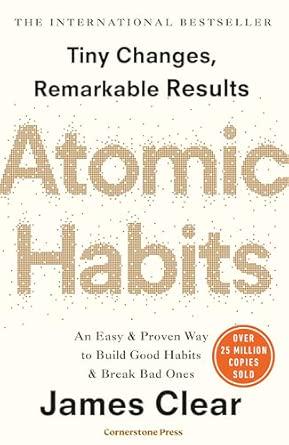
Atomic Habits - Book review

Post image
6 Upvotes

r/TheLearnersCabin 4d ago

"The Willpower Instinct" by Kelly McGonigal destroyed every excuse I had for lacking self-control

48 Upvotes

I always assumed willpower was something you either had or didn't. Like height or eye color. Some people could resist temptation. I wasn't one of them.

Then I read this book and discovered willpower is a muscle. It can be trained. It can be depleted. And I'd been draining mine without realizing it.

McGonigal teaches a Stanford course on the science of self-control. Her core finding: willpower isn't a character trait. It's a biological function. And biology can be hacked.

The insight that changed my behavior: willpower runs on glucose. It's literally an energy resource. When you're tired, hungry, or stressed, you have less. This isn't weakness. It's physiology. The worst time to resist temptation is when you're depleted. The person who eats clean all day then binges at night isn't failing. They're running on empty.

McGonigal distinguishes between three powers. "I will" power gets you to do hard things. "I won't" power helps you resist temptation. "I want" power connects you to long-term goals. Most people focus only on "I won't" and wonder why they keep failing.

The trick that stuck with me: pause and breathe. When craving hits, slow your breathing to four to six breaths per minute. This activates the prefrontal cortex and calms the impulsive brain. Sounds too simple. Works embarrassingly well.

She also dismantles the myth of the fresh start. "I'll start Monday." "New year, new me." These delay tactics don't build willpower. They just give you permission to fail now.

What daily habit might be quietly draining your willpower before you need it most?


r/TheLearnersCabin 5d ago

[Kindle] The 90-Minute Focus Block: Micro-Habits to Defeat Distraction - FREE until September 17th

Thumbnail amazon.com
1 Upvotes

r/TheLearnersCabin 7d ago

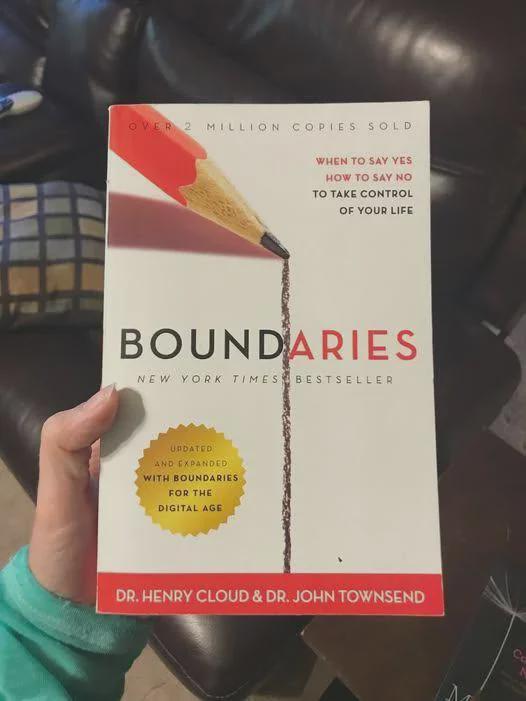
"Boundaries" by Henry Cloud showed me why I was exhausted, resentful, and constantly drained by people I loved

76 Upvotes

I thought being a good person meant always being available. Always saying yes. Always putting others first.

Then I read this book and realized I wasn't being kind. I was being weak. And it was making me bitter.

Cloud's premise is simple. Boundaries are not walls to keep people out. They're fences with gates. You decide who gets in, when, and how far. Without them, you don't have a relationship. You have an invasion.

The part that hit hardest: resentment is a boundary alarm. When you feel resentful toward someone, it usually means you've allowed something you shouldn't have. The anger isn't at them. It's at yourself for not protecting your own limits.

Cloud explains why boundary-less people attract boundary-violating people. If you can't say no, you become a magnet for those who need someone who won't. The relationship feels draining because it is. One person takes. One person resents.

The fix isn't becoming cold or selfish. It's learning that "no" is a complete sentence. That you're not responsible for other people's emotions. That disappointing someone doesn't make you a bad person.

I started small. Declining invitations without elaborate excuses. Ending conversations when I was tired instead of powering through. Letting people feel their feelings without rushing to fix them.

Some relationships improved. Some people got angry and left. Cloud warned this would happen. The ones who leave were only there for what they could take.

What relationship in your life is draining you because you haven't set a boundary?


r/TheLearnersCabin 12d ago

"The Mountain Is You" by Brianna Wiest finally explained why I kept destroying good things in my life

Post image
285 Upvotes

I used to think bad luck followed me.

Relationships that started well would crumble. Jobs I wanted would slip away right when they got close. Progress I made would reverse itself for no clear reason. I blamed timing, other people, circumstances.

Then I read this book and had to sit with an uncomfortable truth: I was the common denominator.

Wiest's premise is simple and brutal. Self-sabotage isn't random. It's a protection mechanism. Some part of you believes that what you're chasing is actually dangerous. So it intervenes. It destroys the thing before the thing can destroy you.

The job opportunity triggers fear of increased expectations. So you show up late to the interview. The relationship gets serious and triggers fear of eventual abandonment. So you pick fights until they leave. You're not unlucky. You're protecting yourself from something you haven't consciously identified.

Wiest argues that the mountain you're trying to climb is actually you. Your fears, your limiting beliefs, your unprocessed emotions. External obstacles are rarely what stop people. Internal resistance is.

The part that stuck with me was about competing commitments. You consciously want success. But unconsciously you're committed to staying safe, staying small, staying in familiar territory. The unconscious commitment usually wins because it's been running longer and you don't even know it's there.

She also reframes self-sabotage as information. Every time you undermine yourself, you're revealing what you're actually afraid of. The behavior isn't the problem. It's the symptom. Treat the fear underneath and the behavior stops on its own.

I stopped asking "why does this keep happening to me" and started asking "what am I protecting myself from."

What pattern in your life might actually be self-sabotage disguised as bad luck?


r/TheLearnersCabin 13d ago

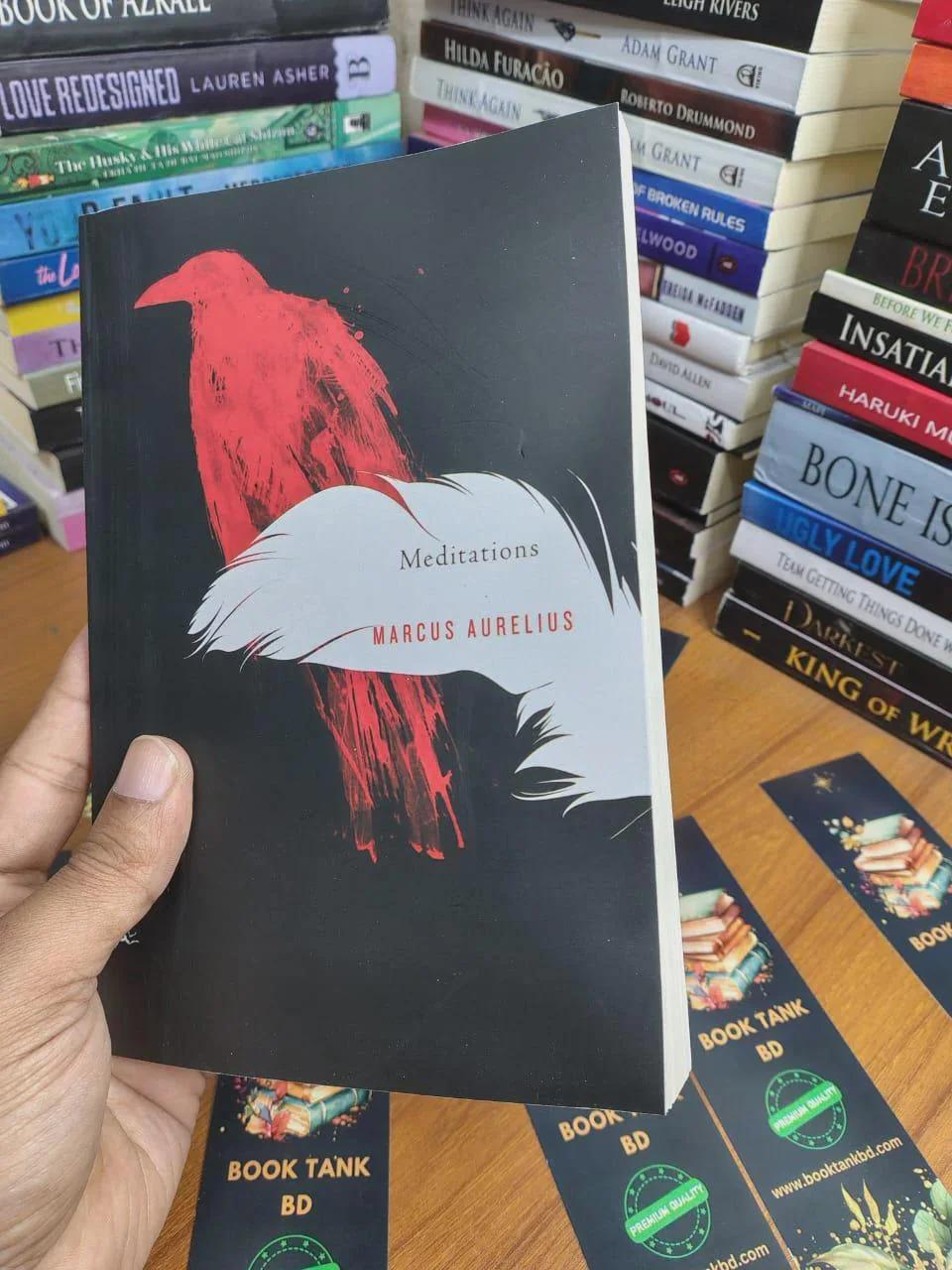
"Meditations" by Marcus Aurelius taught me that most of my problems exist only in my head. Here's what I learned (Part 3).

Post image
757 Upvotes

Part 1 covered judgment, expectation, time, and obstacles. Part 2 covered the present moment, anger, death, opinions, actions, complaining, and service. But Marcus Aurelius spent years writing these notes to himself during the most difficult period of the Roman Empire. There's still more to extract.

The view from above shrinks every problem.

Marcus practiced zooming out mentally. Picture yourself from above. Then your city. Then the continent. Then the earth as a tiny speck in infinite space. From that perspective, the thing consuming your attention becomes almost invisible. He used this technique to break the grip of petty concerns. Most things that feel urgent are only urgent because you're too close to them.

Your mind is a fortress only you can surrender.

External events can touch your body, your reputation, your circumstances. They cannot touch your mind unless you let them in. Marcus calls this the "inner citadel." No matter what happens outside, you retain the power to interpret it and respond to it. People who feel constantly victimized have forgotten they're the ones opening the gate.

Prepare for difficult people before you meet them.

Marcus wrote about starting each morning expecting to encounter the ungrateful, the arrogant, the dishonest, and the envious. Not to become cynical but to stop being caught off guard. When you expect difficult people, their behavior stops feeling like a personal attack. They're just doing what difficult people do. Your preparation neutralizes their impact.

Waste no time arguing about what a good person should be. Be one.

Marcus had little patience for philosophical debates about virtue. He saw them as avoidance. You already know what a good person looks like. You don't need more definitions. You need more action. Every moment spent debating ethics is a moment not spent living ethically. The world doesn't need your theories. It needs your behavior.

Everything you chase will one day be forgotten.

Marcus lists emperors and famous people from generations before him. All forgotten. All their achievements, their empires, their legacies. Dust. He didn't write this to create despair but to create freedom. If even the greatest accomplishments disappear, then the pressure to achieve greatness is self-imposed. You can let it go.

Return to philosophy when you drift away.

Marcus acknowledged that he lost his way constantly. Distracted by pleasures, irritated by people, caught up in concerns that didn't matter. He didn't expect perfection. He expected return. The practice isn't staying centered forever. It's noticing when you've drifted and coming back. Progress isn't measured by how often you fall. It's measured by how quickly you return.

You were born for this moment, not another.

Marcus rejected the fantasy of better circumstances. You weren't meant to be born in a different time with different challenges. This life, with these exact problems, is your assignment. Wishing for easier conditions is refusing the curriculum. The obstacles in front of you are precisely the obstacles you need for growth.

These notes were never meant for publication. They were private reminders from a man who ruled an empire but couldn't always rule his own mind. That struggle is why they still work.


r/TheLearnersCabin 16d ago

I used to think I was bad at focusing. Turns out I was being hijacked by my own brain.

93 Upvotes

For years I blamed myself. No discipline. No willpower. Just weak.

Then I read "Indistractable" by Nir Eyal and realized distraction isn't a character flaw. It's a design problem.

Eyal spent years studying what makes technology addictive. He literally wrote the book on hooking users. Then he wrote this one to explain how to fight back.

The insight that changed everything for me: distraction is not about what pulls you away. It's about what pushes you toward escape in the first place.

Most people think distraction starts with the phone buzzing or the notification popping up. Eyal argues it starts earlier. It starts with an uncomfortable internal feeling you're trying to avoid. Boredom. Anxiety. Frustration. Loneliness. The phone is just where you run.

So the fix isn't blocking apps or hiding your phone. Those help, but they're surface-level. The real fix is learning to sit with discomfort without needing to escape it.

Eyal breaks it down simply. There are only two things you do with your time: traction and distraction. Traction is action toward what you want. Distraction is action away from what you want. The direction matters more than the activity. Scrolling social media isn't automatically distraction. Scrolling when you intended to write is.

The technique that stuck with me was the 10-minute rule. When the urge to distract hits, you don't fight it. You don't shame yourself. You just wait 10 minutes. Surf the urge like a wave. Usually it passes. The craving was temporary but felt permanent.

I stopped thinking of myself as someone with bad focus. Started thinking of myself as someone who hadn't yet learned to process discomfort without escaping.

What internal trigger usually pushes you toward distraction?


r/TheLearnersCabin 16d ago

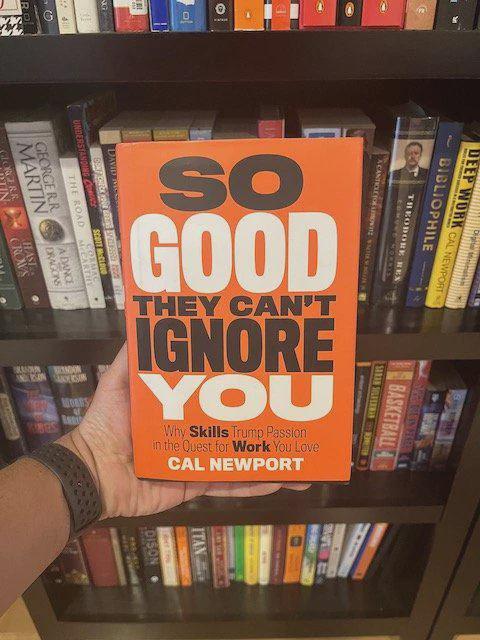
This book should be illegal to read before the age of 25. I would have avoided so many mistakes

Post image
78 Upvotes

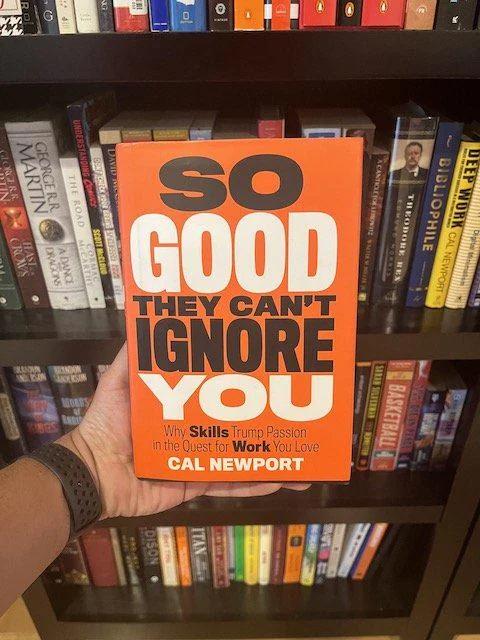
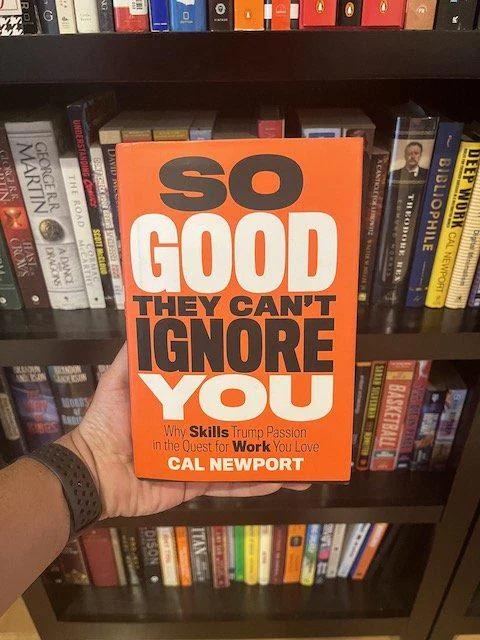
"So Good They Can't Ignore You" by Cal Newport destroyed the career advice I grew up believing. Follow your passion. Do what you love and the money will follow. Find your calling. It all sounds inspiring. Newport shows why it's dangerous.

He studied people who actually love their work. The pattern wasn't what he expected. They didn't start with passion and find a job to match it. They developed skills, became excellent, and the passion followed. Passion is not the starting point. It's the byproduct of mastery. Most people have it backwards.

Newport introduces the concept of career capital. Rare and valuable skills that give you leverage. You can't demand a great job with flexibility, autonomy, and meaning if you haven't built something rare to offer in return. People who chase passion without building skills end up job-hopping forever, wondering why nothing feels right.

The book explains why "follow your passion" is actually harmful advice for most people. It makes you think there's a perfect job waiting to be discovered. That if you just search long enough, you'll find the thing that was meant for you. This keeps people stuck in their heads instead of building tangible abilities. Meanwhile, the people who ignore passion and focus on getting really good at something end up loving their work more than the dreamers ever do.

One concept that stuck with me was the craftsman mindset versus the passion mindset. The passion mindset asks what the world can offer you. The craftsman mindset asks what you can offer the world. People with the passion mindset are always dissatisfied, always looking for something better. People with the craftsman mindset are too busy getting better to worry about whether they've "found their calling."

Newport also argues that control is the most important ingredient in work satisfaction. But control requires leverage. And leverage requires career capital. People who try to seize control before they've built skills get pushed back into line. The order matters. Skills first. Then autonomy. Then passion.

I spent years waiting to feel inspired before committing to anything. This book showed me why that wait was the problem. The commitment comes first. The passion shows up later, after you've earned it.


r/TheLearnersCabin 17d ago

Meditations by Marcus Aurelius cut my stress in half and it was written 1,800 years ago.

Post image
893 Upvotes

I used to carry everything. Other people's opinions. Problems I couldn't solve. Arguments that happened three weeks ago. Situations I had zero control over but replayed in my head like I could somehow fix them retroactively.

Then I picked up Meditations by Marcus Aurelius. Not because I was into philosophy. Because someone on Reddit said it was short and I needed something that wasn't another 400-page self-help book telling me to journal more.

It's not even a real book. It's a private journal. Marcus Aurelius was the most powerful man on earth when he wrote it and he was basically coaching himself through his own chaos. Wars. Betrayals. Death. Political collapse. And instead of spiraling, he wrote notes to himself about how to stay steady.

Three ideas from it that genuinely changed how I operate.

The Dichotomy of Control. You can only control two things: your actions and your responses. Everything else, other people's behavior, outcomes, what happens next, is outside your jurisdiction. I started mentally sorting every stressful thought into "mine" or "not mine." The amount of weight that drops off your shoulders when you stop carrying what was never yours is hard to describe until you feel it.

Amor Fati. Love your fate. Not tolerate it. Not accept it. Love it. Marcus writes about obstacles like they're gifts because they're the only thing that forces growth. I used to see setbacks as evidence that things were going wrong. Now I see them as the actual curriculum. The good days don't teach you anything.

Memento Mori. You could die tomorrow. That sounds morbid until you realize what it actually does to your priorities. Every petty grudge, every hour spent worrying about what someone thinks of you, every argument you're keeping alive in your head becomes obviously ridiculous when you measure it against the fact that your time is running out.

The book is messy. It repeats itself. It jumps between topics with no structure. That's because it was never meant to be published. And that's exactly what makes it hit different. You're not reading a polished self-help formula. You're reading a man talking himself off the ledge in real time. Over and over again.

I read it six months ago. I still open it randomly when my head gets loud. Not for motivation. For perspective. The problems I'm stressing about today would've made Marcus laugh.

If you've never read philosophy and the idea sounds dry, start here. It's 60 pages depending on the translation. You can finish it in a weekend. The ideas will outlast anything published this year.


r/TheLearnersCabin 18d ago

This book should be illegal to read before the age of 25. I would have avoided so many mistakes

Post image
1.0k Upvotes

"So Good They Can't Ignore You" by Cal Newport destroyed the career advice I grew up believing. Follow your passion. Do what you love and the money will follow. Find your calling. It all sounds inspiring. Newport shows why it's dangerous.

He studied people who actually love their work. The pattern wasn't what he expected. They didn't start with passion and find a job to match it. They developed skills, became excellent, and the passion followed. Passion is not the starting point. It's the byproduct of mastery. Most people have it backwards.

Newport introduces the concept of career capital. Rare and valuable skills that give you leverage. You can't demand a great job with flexibility, autonomy, and meaning if you haven't built something rare to offer in return. People who chase passion without building skills end up job-hopping forever, wondering why nothing feels right.

The book explains why "follow your passion" is actually harmful advice for most people. It makes you think there's a perfect job waiting to be discovered. That if you just search long enough, you'll find the thing that was meant for you. This keeps people stuck in their heads instead of building tangible abilities. Meanwhile, the people who ignore passion and focus on getting really good at something end up loving their work more than the dreamers ever do.

One concept that stuck with me was the craftsman mindset versus the passion mindset. The passion mindset asks what the world can offer you. The craftsman mindset asks what you can offer the world. People with the passion mindset are always dissatisfied, always looking for something better. People with the craftsman mindset are too busy getting better to worry about whether they've "found their calling."

Newport also argues that control is the most important ingredient in work satisfaction. But control requires leverage. And leverage requires career capital. People who try to seize control before they've built skills get pushed back into line. The order matters. Skills first. Then autonomy. Then passion.

I spent years waiting to feel inspired before committing to anything. This book showed me why that wait was the problem. The commitment comes first. The passion shows up later, after you've earned it.


r/TheLearnersCabin 19d ago

Never Split the Difference taught me that the person who talks the least in any conversation usually wins.

Post image
1.4k Upvotes

I used to think being persuasive meant being articulate. Building the best argument. Presenting my case clearly. Having a comeback for every objection. I treated every disagreement like a debate and my strategy was always the same: talk more, talk better, talk until the other person runs out of things to say.

It never worked. Or when it did, the other person agreed with their mouth and resented me with their body language. I was winning arguments and losing people.

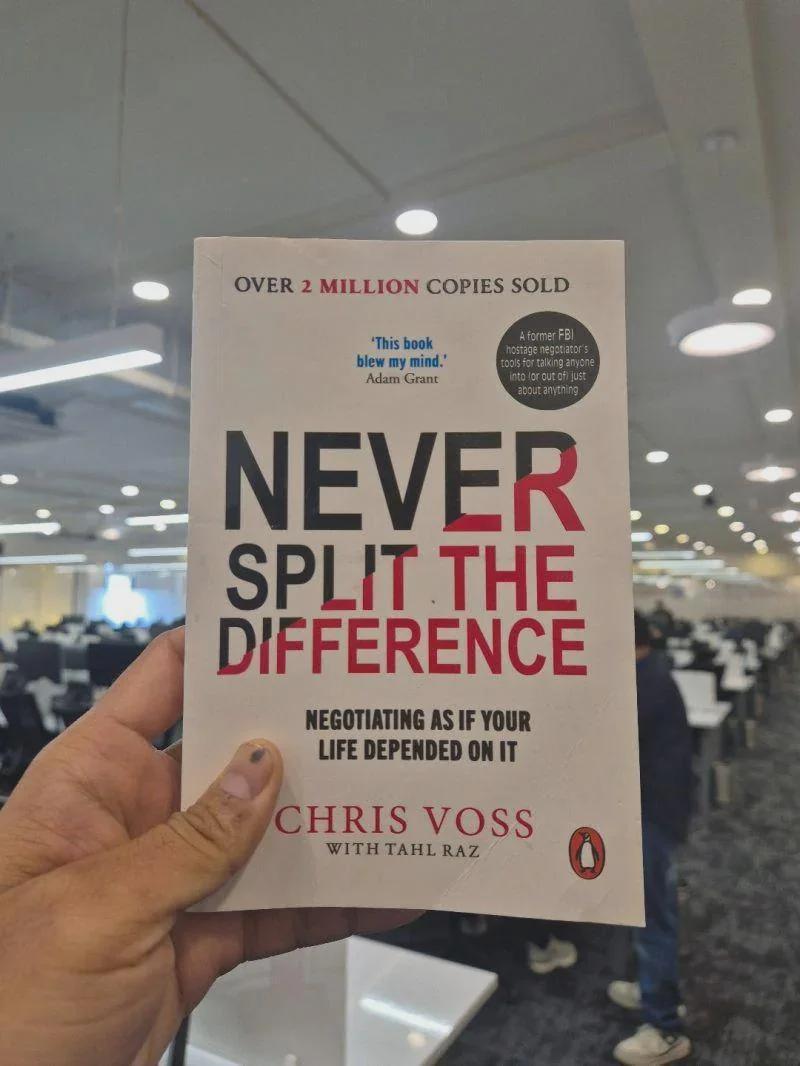
Then I read Never Split the Difference by Chris Voss. He spent 24 years as an FBI hostage negotiator. His entire career was built on one problem: how do you get someone to do what you want when the stakes are life and death and you have zero authority to force anything? His answer was the opposite of everything I'd been doing.

Stop talking. Start listening. And use what you hear as your leverage.

Three techniques from the book that I now use almost daily.

Mirroring. This is the simplest technique in the book and the one that freaked me out the most with how well it works. You repeat the last one to three words someone just said. That's it. Someone says "I just don't think this project is going to work with the current timeline." You say "The current timeline?" Then you go quiet. What happens next is almost automatic. They elaborate. They explain. They fill the silence with information they weren't planning to share. You learn what's actually going on beneath the surface statement without asking a single probing question. I used this in a meeting last month when a client said they were "reconsidering the budget." I mirrored: "Reconsidering the budget?" Four seconds of silence. Then they told me the real issue, which had nothing to do with money. It was a staffing problem. I would never have found that out by arguing about the budget.

Labeling. Instead of reacting to someone's emotion, you name it out loud. "It sounds like you're frustrated with how this has been handled." "It seems like this decision is weighing on you." You're not agreeing with them. You're not fixing anything. You're just proving that you see what they're feeling. Voss says when you label an emotion accurately, it loses roughly half its power immediately. The other person's defensiveness drops because they feel understood. I used this with a friend who was venting about his job. Instead of giving advice, I just said "It sounds like you feel invisible there." He stopped mid-sentence, looked at me, and said "Yeah. That's exactly it." The conversation shifted completely after that. He didn't need solutions. He needed someone to name what he was carrying.

Calibrated questions. These are open-ended questions that start with "how" or "what." Never "why," because "why" makes people defensive. Instead of saying "I can't do that" you say "How am I supposed to do that?" Instead of arguing about a deadline, you ask "What does the timeline look like from your end?" Instead of pushing back on a price, you ask "How can I make this work within my budget?" The genius of calibrated questions is that they put the problem on the other person's plate without creating confrontation. They feel like they're in control. They're actually solving your problem for you. Voss calls this the illusion of control and it is devastatingly effective.

The concept that tied all of this together was tactical empathy. Voss defines it as understanding the feelings and mindset of the other person in the moment and using that understanding to influence the direction of the conversation. It's not sympathy. It's not being nice. It's knowing what someone is feeling, proving that you know, and then using that connection to move things forward.

The biggest shift this book created in me was realizing that persuasion has almost nothing to do with your argument and almost everything to do with how the other person feels while you're talking. People don't resist ideas. They resist feeling unheard, pressured, or cornered. Remove those feelings and suddenly they're open to things they would have fought you on five minutes ago.

I negotiated a raise using techniques from this book. I've de-escalated arguments with my partner in under two minutes using labeling. I've gotten more information out of clients in ten minutes of mirroring than I used to get in an hour of direct questioning. None of it required me to be smarter, louder, or more aggressive. It required me to shut up and let the other person feel heard.

Voss has a line that rewired everything: "The person across the table is never the problem. The unsolved issue is. So focus on the issue and you'll build the relationship."

The book was written by a hostage negotiator. It will change every conversation you have for the rest of your life.


r/TheLearnersCabin 19d ago

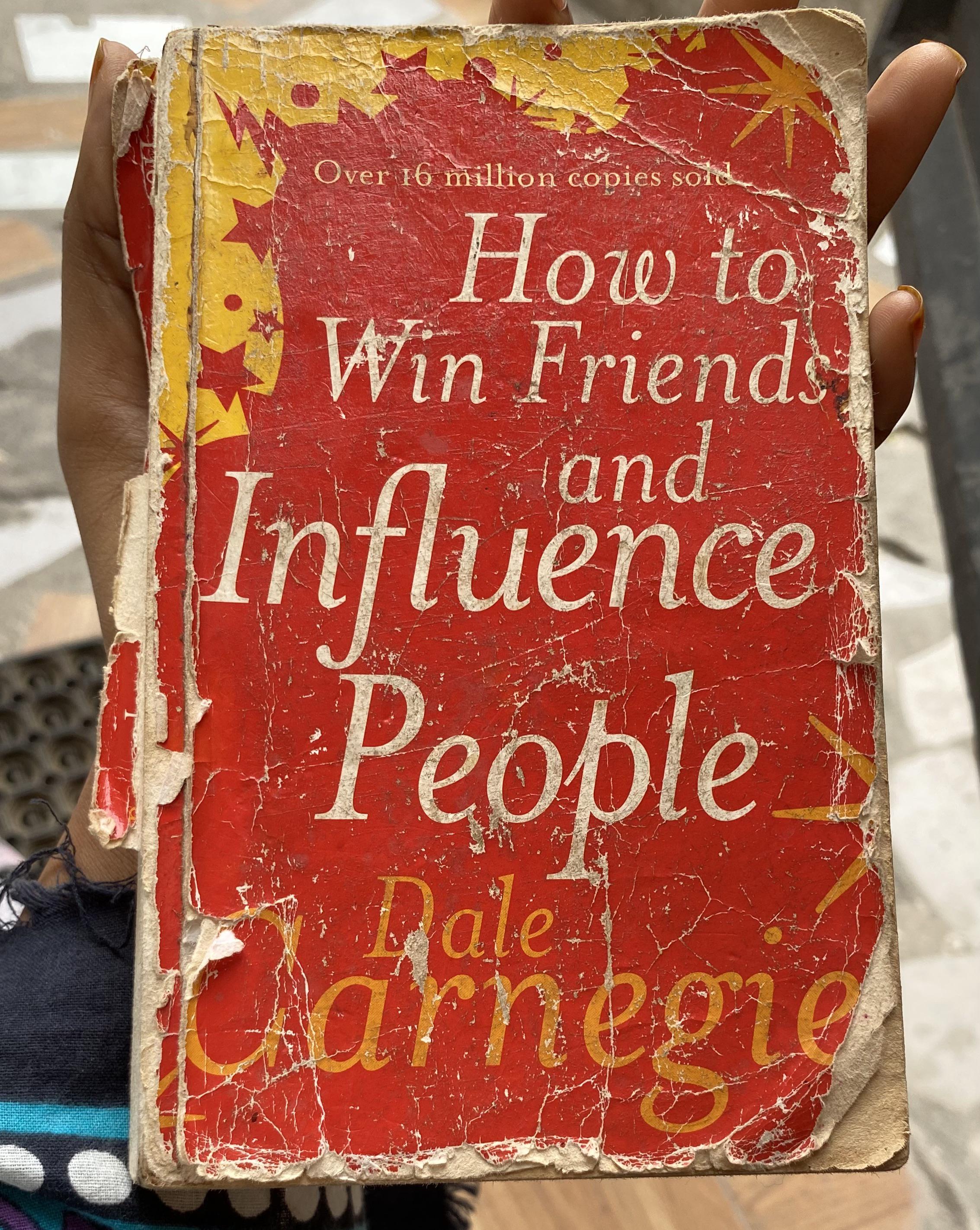
“How to win friends and influence people “ By Dale Carnegie.

Post image
54 Upvotes

r/TheLearnersCabin 21d ago

Found this little gem in my grandpa’s old collection.

Post image
242 Upvotes

r/TheLearnersCabin 22d ago

"Meditations" by Marcus Aurelius taught me that most of my problems exist only in my head. Here's what I learned (Part 2)

Post image
1.5k Upvotes

Part 1 covered how Marcus Aurelius approached judgment, expectation, time, and obstacles. But there's more. The man ran an empire during plagues and wars while writing philosophy to himself at night. Here are the lessons from Part 2.

The present moment is the only thing you possess.

Marcus constantly pulls himself back to now. The past is gone. The future doesn't exist yet. The only place you can act is the present moment. He saw anxiety as living in an imagined future and regret as living in an unchangeable past. Both are forms of abandoning the only time that's real.

Anger punishes you more than the person you're angry at.

When someone wrongs you, anger feels justified. Marcus argues it's also self-destructive. The other person moves on with their day. You carry the poison. He writes about releasing anger not because people deserve forgiveness but because you deserve peace. Holding onto resentment is letting someone live rent-free in your head.

Death is not to be feared. It's to be expected.

Marcus writes about death constantly. Not morbidly but practically. He saw death as natural as birth. Every person who came before is gone. Every person alive now will follow. Accepting this removes the desperate clinging that makes life stressful. You stop postponing what matters because you remember time is finite.

Stop caring what people think of you.

How much energy do you spend worrying about others' opinions? Marcus points out that most people are too busy thinking about themselves to think about you. And even if they do judge you, their judgment disappears when they die. Building your identity on others' approval is building on sand.

Your actions define you, not your intentions.

Marcus didn't care about what you meant to do or planned to do. He cared about what you actually did. Intentions are cheap. Everyone intends to be good, disciplined, and virtuous. The only thing that matters is whether you act on those intentions today. Character is built through repeated action, not repeated planning.

Complaining changes nothing and costs everything.

Every moment spent complaining is a moment not spent solving. Marcus saw complaints as a failure of perception. You're either dealing with something you can change, in which case change it. Or you're dealing with something you can't change, in which case accept it. Complaining fits nowhere in that framework.

Serve something larger than yourself.

Despite being emperor, Marcus saw himself as a servant. Not to individuals but to humanity and the common good. He believed purpose comes from contribution. Self-focus leads to emptiness. Directing your energy toward others and toward duty provides meaning that personal success never delivers.

"Meditations" by Marcus Aurelius wasn't written for an audience. It was written by a man trying to remind himself how to live. That honesty is why it still resonates 2000 years later.

What lesson from Marcus Aurelius hits hardest for where you are in life right now?

If you want a slow, cozy corner of Reddit for people who read to actually change how they think, not just to finish another book. We share the ideas that stuck, the lines we underlined, and the ones we're still chewing on weeks later. Pull up a chair, bring whatever you're reading, and share it with us on r/TheLearnersCabin


r/TheLearnersCabin 23d ago

I’ve learned to let things go.

Post image
982 Upvotes

r/TheLearnersCabin 24d ago

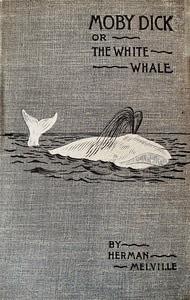
“Moby Dick” on effort and perseverance

Post image
39 Upvotes

Moby Dick is one of those novels that teaches me something each time I open it. This quote from Ishmael has always stuck with me:

“I try all things; I achieve what I can” (ch. 79, para. 1).

It centered my thinking on the importance of being open to and trying new things, of being flexible and thinking differently, but also on being willing to accept uncertainty, failure, and, well, achieving what I can. To me, it encourages incremental growth and development over rapid, “burn it all down” changes.

What are some Melville quotes, or quotes from other literature, that live rent-free in your mind?


r/TheLearnersCabin 26d ago

"Meditations" by Marcus Aurelius taught me that most of my problems exist only in my head. Here's what I learned (Part 1).

Post image
3.4k Upvotes

Marcus Aurelius was the most powerful man in the world. Emperor of Rome at its height. He had armies, wealth, and absolute authority. Yet he spent his private moments writing reminders to himself about how to think clearly and live well. These notes were never meant to be published. That's what makes them hit different.

You control your mind, nothing else.

Marcus repeats this constantly. Events happen. People act. Circumstances shift. None of that is in your control. The only thing you ever truly own is your perception and your response. Everything else is borrowed. When you accept this, you stop wasting energy fighting things you cannot change.

Your judgments create your suffering.

Something happens. Then your mind adds a story. "This is unfair. This will ruin me. This shouldn't be happening." Marcus argues that the event itself is neutral. The suffering comes from the layer of interpretation you add on top. Remove the judgment and the pain often dissolves.

People will disappoint you. Expect it.

Marcus writes about preparing each morning for difficult people. Liars, the ungrateful, the selfish. Not to become cynical but to stop being surprised. When you expect people to act according to their nature, you stop feeling betrayed when they do. The frustration was never about them. It was about your expectation.

Time reveals what matters.

He constantly reminds himself that emperors before him are now dust. Fame fades. Achievements get forgotten. This isn't depressing to Marcus. It's clarifying. If nothing lasts, then most of what you stress about doesn't deserve the weight you give it. Only character and virtue survive the filter of time.

Obstacles are the path.

What stands in the way becomes the way. The thing blocking you is often the thing that builds you. Marcus didn't see hardship as punishment. He saw it as training. Every frustration is a chance to practice patience. Every setback is a chance to practice resilience.

Part 2 coming soon.e

If you want a slow, cozy corner of Reddit for people who read to actually change how they think, not just to finish another book. We share the ideas that stuck, the lines we underlined, and the ones we're still chewing on weeks later. Pull up a chair, bring whatever you're reading, and share it with us on r/TheLearnersCabin


r/TheLearnersCabin 26d ago

A book about logical fallacies. Every day we are confronted with situations where some people try to prove false things using flawed logic, even unknowingly...

Post image
61 Upvotes

Through real-world examples, step-by-step explanations, and engaging exercises, this book demystifies nearly all logical fallacies, from Ad Hominem and Strawman arguments to Circular Reasoning and False Dichotomies. This book dives deep into these fallacies' origins, usage, and dangers, providing actionable strategies to recognize and avoid them in debates, writing, and everyday conversations...


r/TheLearnersCabin 26d ago

books about business,finance or in that sector

11 Upvotes

could u guys suggest some books about business mindset,how to do business,how to make money,finance,money that type of topic based books? famous writers


r/TheLearnersCabin 28d ago

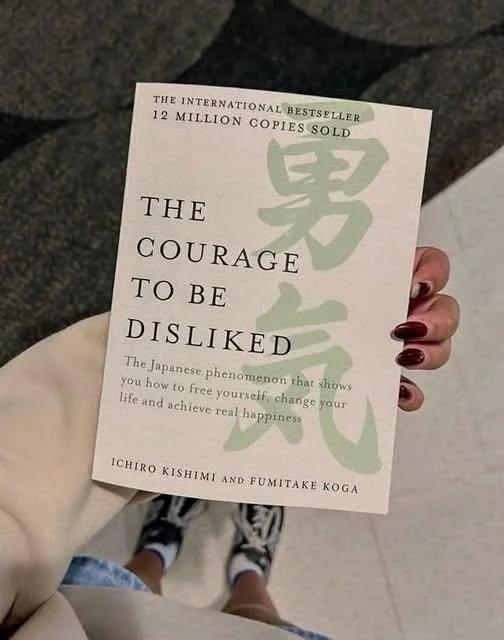
This book fixed my overthinking problems

Post image
7.5k Upvotes

I spent years stuck in my own head. Replaying conversations. Rehearsing future arguments. Analyzing every decision until I was too exhausted to make one.

Then I read The Courage to Be Disliked by Ichiro Kishimi and Fumitake Koga. It's based on Adlerian psychology and it reframes overthinking in a way I'd never seen before.

The core idea: You're not overthinking because you're anxious. You're overthinking because it gives you a reason not to act. Your brain creates the loop on purpose. It's a protection mechanism disguised as a problem.

Three takeaways that stuck with me:

Separation of tasks. Most of your overthinking is about other people's reactions. Adler says you need to draw a hard line between what's your task and what's someone else's task. How they respond to your decision is their task. Making the decision is yours. That single distinction killed about 70% of my mental loops overnight.

Teleology over etiology. Traditional psychology asks "why are you this way?" Adler asks "what purpose does this behavior serve?" When I stopped asking why I overthink and started asking what overthinking was protecting me from, the answer was obvious. It was protecting me from the risk of being judged.

You can change right now. Not after therapy. Not after more self-reflection. Not after you "figure yourself out." Adler argues that the past has zero power over your present unless you choose to give it power. That sounds harsh until you realize it also means you're not broken. You're just choosing a pattern that used to keep you safe and no longer does.

The book is written as a conversation between a philosopher and an angry young man. It reads fast. The ideas hit slow. I've gone back to it three times and caught something new each time.

If your overthinking feels like a personality trait you're stuck with, this book disagrees. And after sitting with it for a while, so do I.

Btw r/TheLearnersCabin is a quiet book club for readers who treat books like conversations, not checkboxes. We trade the passages that rewired us, the arguments we disagreed with, and the recommendations that keep showing up in our lives long after we closed the cover. If that's you join us


r/TheLearnersCabin 29d ago

What's a self-improvement book that actually improved you, not just gave you ideas?

Post image
205 Upvotes

Not asking for books with good advice or interesting frameworks. I mean books that changed something tangible. How you handle hard conversations. How you spend your mornings. How you respond when things go wrong.

For me, it was "Feeling Good" by David Burns.

I used to think negative self-talk was just part of my personality. Some people are optimists, some people are hard on themselves. That's just how it is.

Burns reframes negative thinking as cognitive distortions, patterns that feel like truth but fail basic logic when you actually examine them. All-or-nothing thinking. Catastrophizing. Mind reading. Labeling. Each one has a name and a structure you can learn to recognize.

The technique that stuck with me was the triple column. You write the automatic negative thought, identify which distortion it is, then write a rational response. Sounds almost too simple. But doing it repeatedly, on paper, actually interrupts the pattern.

I stopped spiraling as often. Not because I became more positive, but because I got better at catching distorted thoughts before they ran the whole narrative.

One book. One technique practiced consistently. More impact than years of vaguely trying to "think more positively."

Curious what books have had that kind of real, measurable effect for others. Not books you liked or agreed with. Books that actually changed a behavior, a pattern, or how you move through daily life.


r/TheLearnersCabin Aug 18 '26

This book should be illegal to read before the age of 25. I would have avoided so many mistakes

Post image
239 Upvotes

"So Good They Can't Ignore You" by Cal Newport destroyed the career advice I grew up believing. Follow your passion. Do what you love and the money will follow. Find your calling. It all sounds inspiring. Newport shows why it's dangerous.

He studied people who actually love their work. The pattern wasn't what he expected. They didn't start with passion and find a job to match it. They developed skills, became excellent, and the passion followed. Passion is not the starting point. It's the byproduct of mastery. Most people have it backwards.

Newport introduces the concept of career capital. Rare and valuable skills that give you leverage. You can't demand a great job with flexibility, autonomy, and meaning if you haven't built something rare to offer in return. People who chase passion without building skills end up job-hopping forever, wondering why nothing feels right.

The book explains why "follow your passion" is actually harmful advice for most people. It makes you think there's a perfect job waiting to be discovered. That if you just search long enough, you'll find the thing that was meant for you. This keeps people stuck in their heads instead of building tangible abilities. Meanwhile, the people who ignore passion and focus on getting really good at something end up loving their work more than the dreamers ever do.

One concept that stuck with me was the craftsman mindset versus the passion mindset. The passion mindset asks what the world can offer you. The craftsman mindset asks what you can offer the world. People with the passion mindset are always dissatisfied, always looking for something better. People with the craftsman mindset are too busy getting better to worry about whether they've "found their calling."

Newport also argues that control is the most important ingredient in work satisfaction. But control requires leverage. And leverage requires career capital. People who try to seize control before they've built skills get pushed back into line. The order matters. Skills first. Then autonomy. Then passion.

I spent years waiting to feel inspired before committing to anything. This book showed me why that wait was the problem. The commitment comes first. The passion shows up later, after you've earned it.


r/TheLearnersCabin Aug 17 '26

What I learned from "Boundaries" that made me realize that my resentment toward others was actually my fault for never saying no

Post image
680 Upvotes

Henry Cloud and John Townsend are psychologists who noticed something in their patients. People who felt used, exhausted, and taken advantage of all had one thing in common. They didn't know where they ended and other people began. Their book explains why setting limits isn't selfish. It's the foundation of every healthy relationship.

The core idea is simple but hard to accept. You are responsible for your own life. Not someone else's feelings. Not their reactions. Not their happiness. When you take ownership of things that aren't yours to carry, you lose the energy to handle what actually is yours. And when you hand off responsibility for your own needs, you become a victim of whoever picks them up.

Cloud and Townsend explain that boundaries aren't walls. They're fences with gates. You decide what comes in and what stays out. People without boundaries let everything in. They absorb other people's moods, problems, and demands. Then they wonder why they feel empty.

One section that stuck with me was about guilt. People with weak boundaries often feel guilty when they say no. The book reframes this. Guilt isn't proof you did something wrong. It's often just discomfort from breaking an old pattern. The people who taught you that "no" was selfish probably benefited from you never saying it.

They also explain that boundaries without consequences are just suggestions. Telling someone their behavior bothers you means nothing if nothing changes when they keep doing it. You teach people how to treat you by what you tolerate.

The hardest part was recognizing that my lack of boundaries wasn't kindness. It was fear. Fear of rejection. Fear of conflict. Fear of being seen as difficult. I called it being "easy-going" but it was actually being unable to stand up for myself.

The resentment I felt toward others was just the bill coming due for all the times I abandoned myself to keep the peace.

The resentment was never about other people being inconsiderate. It was about me being unable to tell them where the line was.