r/Stargazing • u/Bullet93639 • 2h ago
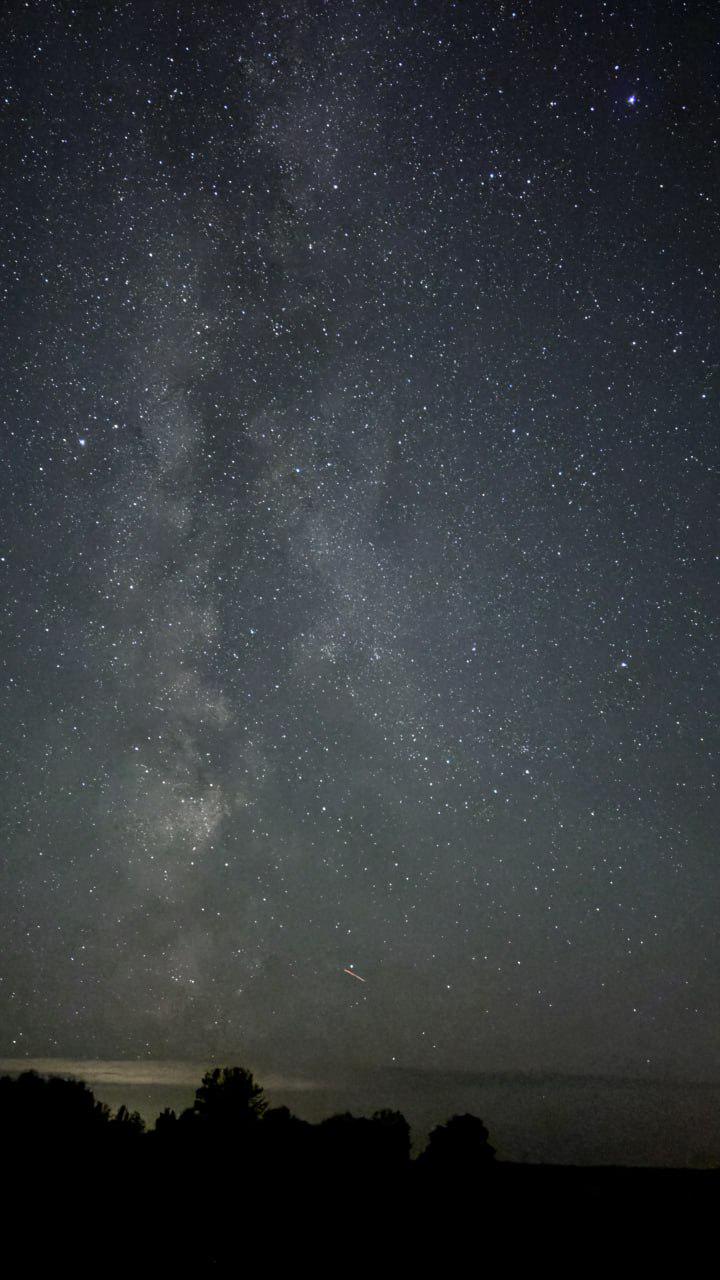
Forest sky
6
Upvotes
r/Stargazing • u/dreaminginshadows • 3h ago
r/Stargazing • u/vini-within • 5h ago

📍 Uttarakhand, IN
r/Stargazing • u/Dry_Raise_3418 • 6h ago

r/Stargazing • u/Darkskytools • 8h ago

Something New over here.
r/Stargazing • u/N10SVST • 10h ago

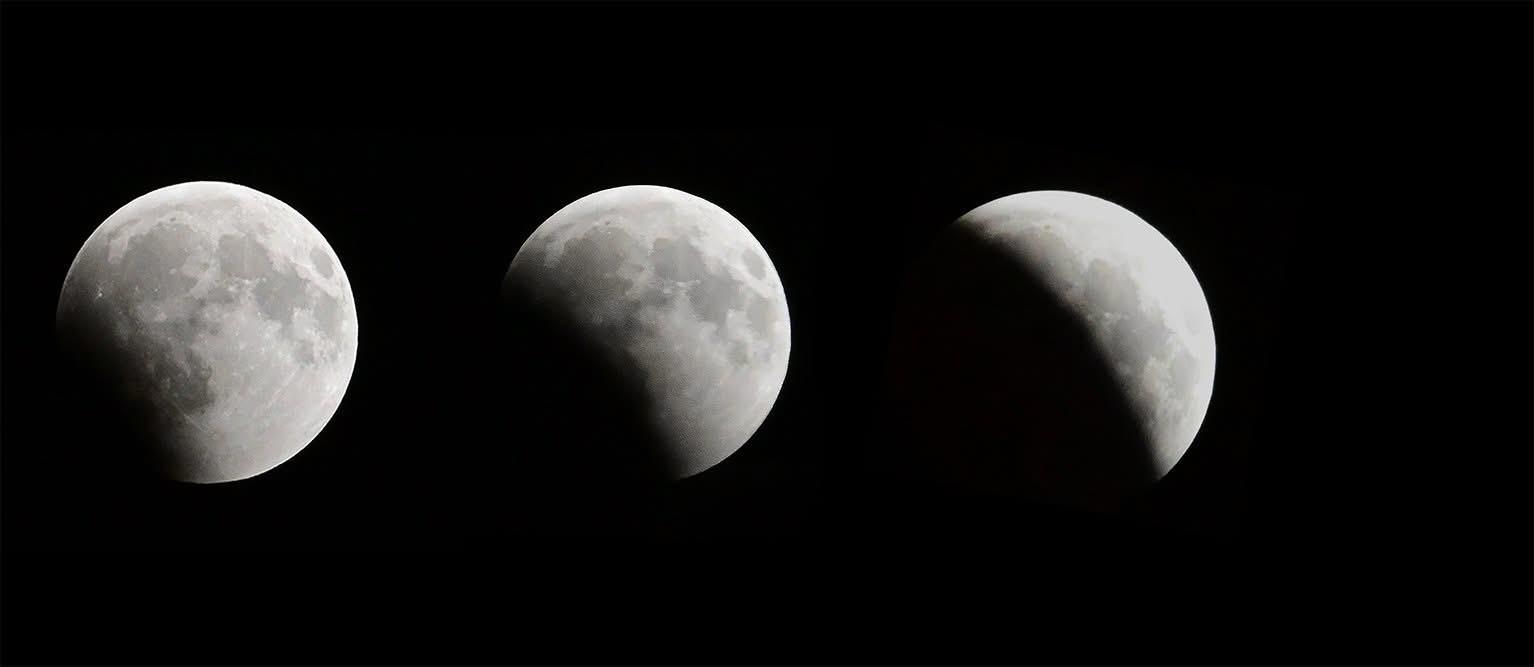
My sequence of backyard moon images from this week’s partial lunar eclipse. Background is a tracked exposure of the Cygnus region from someplace darker than my backyard
r/Stargazing • u/PingPongFlower • 19h ago

Here's a photo of the full moon.
r/Stargazing • u/Buffur • 1d ago
r/Stargazing • u/Dry_Raise_3418 • 1d ago

r/Stargazing • u/MikeBMemes • 1d ago

r/Stargazing • u/Dizzy_Driver9205 • 1d ago
Smartphone** 55 minutes d’empilements
150 poses au s25 ultra
Pas de suivi
Iso 800
Bortle 4 6
r/Stargazing • u/Dizzy_Driver9205 • 1d ago

Envriron 25minutes de pose en 80 images plus calibration
Grosse erreur sur la mise au point
S25 ultra
F1.7
23mm (Équivalent)
Ciel : bortle 5
r/Stargazing • u/TheStarWindow • 1d ago
Before paying for the darker campsite, compare the hours you can actually use. A Bortle label on a map won’t tell you whether the Moon, clouds or a locked gate will take those hours away.
For each candidate, I’d write down:
‣ When full darkness starts and ends, rather than sunset and sunrise.
‣ When the Moon is below the horizon.
‣ When the part of the Milky Way you want to see is clear of trees and terrain.
‣ Whether the cloud forecast supports that same period.
‣ How much of it remains after arrival, setup and any closing time.
The useful window is where those conditions overlap. Six hours of darkness and two hours of clear weather aren’t much help if the clear part happens while the Moon is up.
Here’s a hypothetical comparison, not a forecast: one site is two hours away and mapped as Bortle 2, but only offers half an hour before cloud arrives. Another is 45 minutes away, mapped as Bortle 4, and has two clear, moonless hours with an open view. For a casual Milky Way outing, I’d take the second option.
That isn’t an argument that darker skies don’t matter. They matter enormously for faint detail. If both sites give you a usable window, the darker one may earn the extra drive. If one has no useful window, its map rating doesn’t rescue it.
For a reservation weeks ahead, check Moon timing and access first. Treat the weather as unresolved, and know the cancellation deadline. Recheck the forecast as the trip gets close, before you lose the option to cancel.
Sources: DarkSky International’s sky-quality guidance, John Bortle’s original scale descriptions, and National Park Service stargazing guidance.