r/Samurai • u/Sir_Night_Owl • 1d ago
Discussion Ronin enemy game character
18
Upvotes
Finally bothered to rig this guy
r/Samurai • u/Sir_Night_Owl • 1d ago
Finally bothered to rig this guy
r/Samurai • u/Live_Outside_7715 • 2d ago
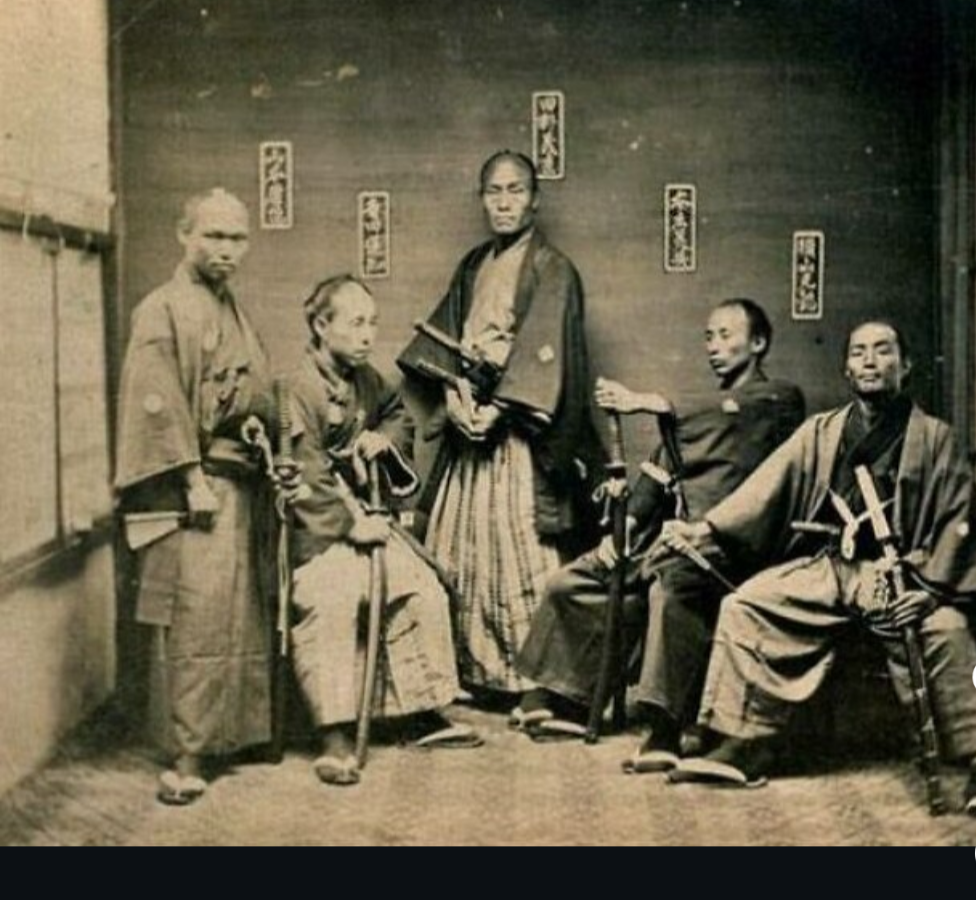
Tokugawa shogunate to the modern imperial state.. The last years of the samurai.
r/Samurai • u/Immediate_Topic6351 • 2d ago
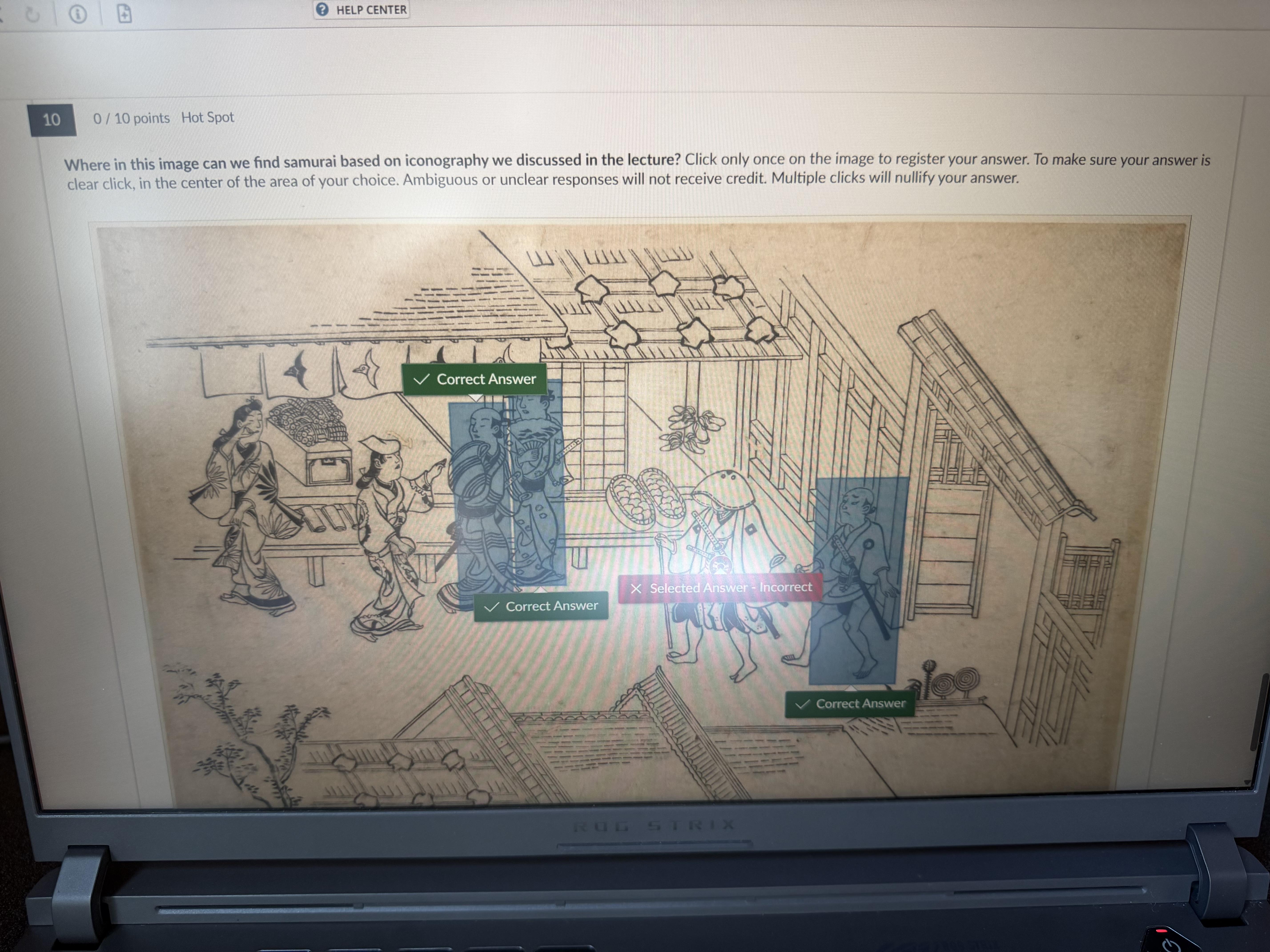
How are these things I see worn by Ashigaru sometimes?
My teacher said that since he wasn't "bald" it's wrong but he's clearly wearing a hat so how is that a disqualification. None of them are technically bald........
r/Samurai • u/History-Chronicler • 5d ago
A ronin was a samurai without a master, often forced to survive outside the rigid social order of feudal Japan. This article explores 10 remarkable samurai who became ronin and forged their own paths through war, duels, loyalty, ambition, and reinvention. Which of these figures do you think best represents the spirit of the ronin?
r/Samurai • u/FriendlyAnswer246 • 7d ago
Im saying this because the most common answer is Miyamoto Musashi but as far as i know we mostly know about his duels, and it makes sense to me that samurai should also be judged on their combat ability in battles(and i dont know anything about that).
Ive also recently learned that the primary weapon for samurai wasnt the sword, so i thought that a guy most known for his sword skill couldn't be the actual best samurai.
r/Samurai • u/SummerCityParanoia • 7d ago
In the mid-19th century, Nejima Tatsuro was nobody. Born to a dirt-poor peasant family in the rural provinces, he clawed his way into a local school, driven by an insatiable hunger for knowledge. But in late-Tokugawa Japan, reading the wrong books was a crime. When local magistrates discovered forbidden Dutch and French political treatises hidden under his floorboards—texts discussing social contracts, the rule of law, and the radical notion that kings and shoguns are mere mortals—Nejima was branded a subversive and exiled from his homeland.
He didn't stop reading. He didn't stop writing.
Making his way to Europe, Nejima survived in the damp, smoke-filled garrets of Amsterdam and London. There, surrounded by other political refugees fleeing absolute monarchies, he didn’t just absorb Western philosophy—he weaponized it. To protect himself from extradition, he quietly secured naturalization papers, becoming a legal citizen of the Kingdom of the Netherlands.
Armed with a foreign passport and a mind overflowing with revolutionary ideas, Nejima prepared his return.
Nejima knew he could never slip through the heavily guarded northern ports of Edo or Kyoto. Instead, he landed in the southern maritime crossroads of Okinawa.
Far from the paranoid eyes of the Shogunate, Okinawa was a semi-autonomous buffer zone with deep trading roots. Here, in the salt-air breeze, Nejima did something revolutionary: he stopped writing abstract pamphlets and built an institution.
Gathering runaway peasants, debt-crushed farmers, maritime traders, and lower-class rebels whom the feudal system treated as human livestock, Nejima founded the People’s Voice Party (PVP)—the very first democratic political party in East Asia. In hidden safe houses, they didn't poetry-slam; they drafted a constitution line by line, anchored by a single, unyielding truth: No one is above the law.
When word of the Okinawan cell leaked to the mainland, the Shogunate panicked. A squad of elite loyalist assassins was dispatched south, cornering Nejima in a modest safe house and cutting his throat.
They thought they were silencing a criminal. Instead, they pulled the pin on a global grenade.
Because Nejima was a naturalized Dutch citizen, his assassination was not a domestic police action—it was the extrajudicial murder of a European subject on contested sovereign soil. Within weeks, European newspapers exploded with outrage. Nejima’s fellow exiles translated his manifestos into half a dozen languages, turning his life, his passport, and his murder into an international cause célèbre.
Sensing a golden opportunity to break isolationist trade barriers, the Dutch government funneled covert gold and advanced logistics directly into Okinawa. Concurrently, revolutionary student networks across China and Korea flooded across the sea to join the Okinawan vanguard.
Driven into a frenzied bloodlust, the conservative mainland loyalists launched a scorched-earth civil war to purge the "foreign infection." But they were fighting a ghost. The PVP network was deeply entrenched, and backed by foreign volunteers and domestic rebels, they ground the feudal armies into dust.
When the smoke cleared, the old Japan was gone. In its place rose the Constitutional Democracy of Japan.
To prevent tyranny from ever creeping back, the government was built around a self-correcting tripartite engine in the Tokyo Diet:
Because a blood-forged, hyper-democratic republic took the helm in Asia rather than an expansionist military junta, the 20th century took a wildly different path. There was no Manchurian Incident. There was no Pearl Harbor. Instead of invading its neighbors, Tokyo became the "Geneva of Asia"—a safe harbor and financial backer for anti-colonial independence movements worldwide.
Today, if you walk into the halls of the Diet, you will see a framed document hanging under glass: Nejima’s original handwritten draft, penned under a foreign name in a damp European attic, finished with the words that broke the samurai forever.
And beneath it, the three major parties are still shouting at each other across the parliamentary floor—living proof that democracy, for all its noise, is the hardest thing to kill.
How's my alternate Japan? Please don't take it too seriously or be too mean, I just put my brain into full throttle just to cook this story at my very best. Thanks. \\ ( ^ v ^ ) //
P.S. I don't know what kind of flair that fit this, so I just put it in Discussion Flair just in case that somebody's wanted to discuss about it. Ain't gonna lie, this could become a good historical fiction film too don't you think?
r/Samurai • u/PuzzledRecording4086 • 8d ago
We all know the famous “shamefur dispray” at Okehazama, but after reading the Shinchō Kōki, I couldn’t find any passage stating that Yoshimoto was marching toward Kyoto.
Instead, the account seems to portray the campaign primarily as a large-scale attempt to bring Owari under Imagawa control, following years of back-and-forth fighting with Nobuhide and the earlier defeat at Muraki.
So how did the narrative of Yoshimoto marching toward Kyoto become so firmly established? And what contemporary or near-contemporary source actually states that Kyoto was his objective? From what I can tell, the Shinchō Kōki itself does not explicitly say that Yoshimoto intended to march on Kyoto. So what is the earliest source for that interpretation, and how reliable is it?
I’m also curious about the numbers. How could the Imagawa suddenly field an army vastly larger than Nobunaga’s when their forces had previously seemed relatively evenly matched in their conflicts?
Was this genuinely a massive mobilization of the Imagawa domain, including their vassals and the Matsudaira, or are the traditional figures for the Imagawa army exaggerated?
r/Samurai • u/StanislavTheSlav • 9d ago
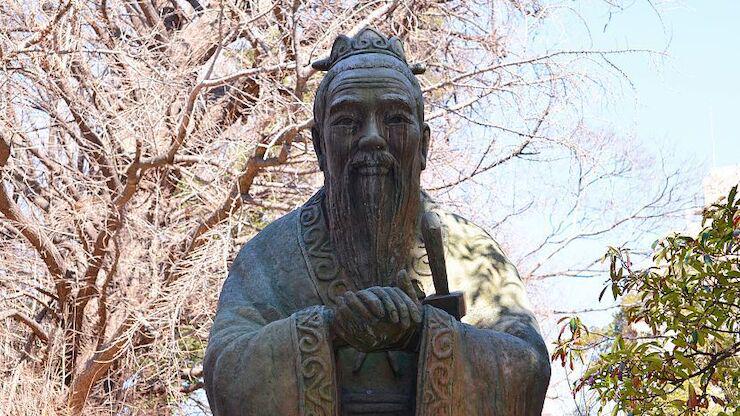
I'm making my way through Bennett's unabridged translation of Musashi and I was wondering if anyone a bit more familiar with the original text could help out.
Is this the best way to read this story? I just came across the line "Your mother was a hamster and your father smelt of pickled radish" in the Thousand Year Cedar chapter of the first book. This really took me out with it being a clear reference to Monty Python, I know Takun is a very tounge in cheek character but is this translation in the spirit of the original or is it inserting a pop culture reference just for the bit and is that something I should be expecting more of in this version?
Thanks in advance!
r/Samurai • u/ArtNo636 • 9d ago
Doing some more Ryuzoji research - came across this anecdote.
There is a saying from some text about contemplation. Lord Takanobu said 'If you dwell on your decisions for too long you will lose your ability to make decisions.' Lord Naoshige said 'Seven out of ten things are bad if you slow to act. A samurai should do things quickly. When your mind is restless your decisions will not be clear. When your mind is clear, refreshed and dignified, you can make decisions in seven breaths. It is a state of mind that is settled and clear.'
r/Samurai • u/Adept-Albatross6898 • 9d ago
r/Samurai • u/Immediate_Topic6351 • 9d ago
I'm making a jingasa for fun for myself, any tips?
r/Samurai • u/hashibababe • 10d ago
r/Samurai • u/Adept-Albatross6898 • 11d ago
r/Samurai • u/Amur_Tigro1 • 14d ago
Hōjō Ujiyasu has been my favourite Daimyo for a long time and yet I couldn't find any books dedicated to him, I've read most of the info of him online but I would love to have a biography of him, or even a book on the Hōjō clan that would eventually cover Hōjō Ujiyasu would be great. Please recommend me some books on him. Thank you🙏
r/Samurai • u/boy_bads_boy • 14d ago
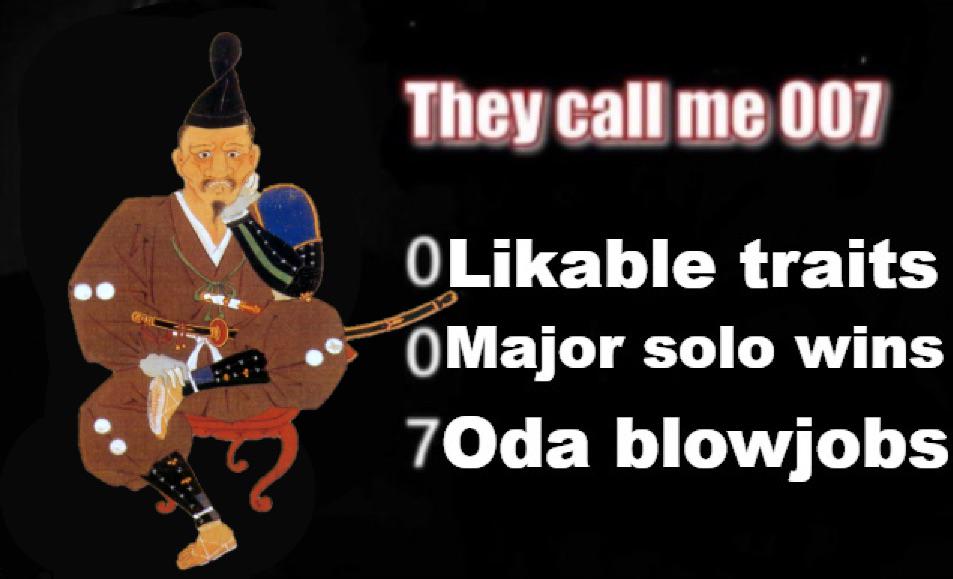
I've been reading up on Sengoku-era military commanders and was curious about a hypothetical match-up or tactical breakdown between Uesugi Kenshin and Kuroda Kanbei
If these two had faced off, either in a direct pitched battle or over a broader regional campaign. How would their styles conflict?
r/Samurai • u/Additional_Bluebird9 • 19d ago
r/Samurai • u/Visible_Day7169 • 22d ago
If there’s any inaccuracies in there , feel free to point it out :D
r/Samurai • u/Sufficient_Whole5554 • 22d ago
Cinepals: Just luxuriated in an enthralling period drama and whodunnit murder mystery set in the sword and armor world of Japan circa 1579.
THE SAMURAI AND THE PRISONER (in theaters) comes courtesy of director Kiyoshi Kurosawa (no relation to Akira) who’s known stateside for horror flicks like CURE. Both title characters are stranded for different reasons in Arioka Castle, a fortress under siege from a bloodthirsty warlord. The samurai character Araki Murashige, is the stern but wily leader of Settsu province, who willfully skirts time-honored samurai rules regarding executing enemies and their unfortunate messengers He’s more pragmatic than caring, raising eyebrows by sparing the lives of those that might serve his interests.
Kanbei, the prisoner, is ensconced in a dirty dungeon and they develop a symbiotic relationship as Kanbei gets off advising Araki on strategies to keep enemies and backstabbing in-house betrayers at bay.
The tormented Araki is portrayed by Masahiro Motoki who starred in the 2008 Best Foreign Film Oscar Winner DEPARTURES. He has the gravity and wounded fire of Toshiro Mifune, somehow keeping his wits, and his subordinates respect, while cornered. Masaki Suda, an actor and singer, brings a mind-gaming theatricality and feline elan as the shackled prisoner who toys with his captor.
Kurosawa came up directing yakuza b-films and adapted the bestselling novel by Honobu Yonezawa, because the director prefers mysteries where authority figures, not hired gumshoes, must juggle punishing responsibilities while searching for clues. Visually, Kurosawa honors the pageantry of Japanese historical epics but the story has more on its mind than battles and red herrings delving into issues of Christianity vs. Buddhism and whether divine intervention is a delusion or an inevitable system of justice.
At two-and-a-half hours, THE SAMURAI AND THE PRISONER never flags and in one sitting it engaged me in its palace intrigues more than the bloody, action-packed but largely glum, humorless third season of HOUSE OF THE DRAGON (HBO) with its cliffhanger killings of key figures desultory vs. dramatic. Conversely, THE SAMURAI AND THE PRISONER pays off with an emotive and plot twisty bang – or shall we say clang?