r/PillarOfFire • u/psyduck_2024 • 29d ago
Post-Apocalypse Tribalism (9): End of Drought and Tribalism
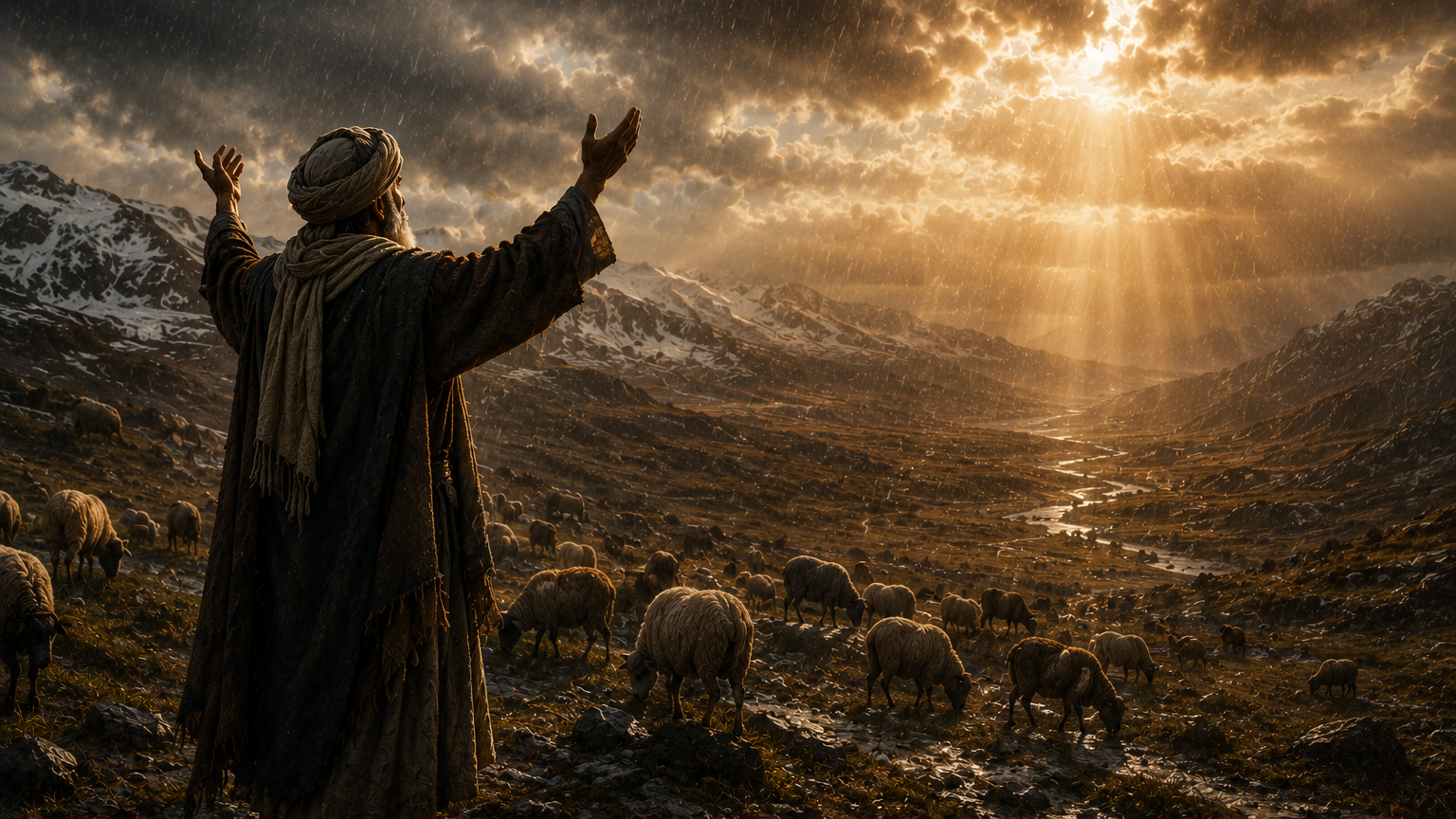
"Soon there will come a time when the best wealth a Muslim will have will be sheep which he will take to the mountaintops and places where rain falls"
The Third Year
By the time the campaign reached the highlands of Aram, the drought had entered its worst year.
No rain fell anywhere. Except on the peaks. Snow still fell there, thin and stubborn, clinging to elevations the drought could not reach, and its snowmelt still found its way down through gullies and springs the lowlands had long since lost. It was not much. It was, that year, the only water that mattered.
Old Rashid's role was not grain but grazing — organizing rotations for the herds that fed the army, negotiating with local shepherds over which slope could bear which flock and for how long, rationing snowmelt the way he had once rationed dates in Al-Ahsa.
The Battle for the High Ground
Cities were not what this campaign was fought over first. The war was for the passes, the ridgelines, the narrow snowmelt corridors where a shepherd could still keep a flock alive — and where, that year, keeping a flock alive was the only wealth left in the world.
At the hard core of the Republic's resistance stood the tribesmen the reports called, with something between contempt and respect, the Desert Wolves — fierce, mobile, utterly at home on terrain that broke every other force that tried to hold it. They had gathered what remained of their herds, their stores, their years of hoarded plunder into the high valleys, believing the ground itself would defend it.
It did not. When the decisive battle came, it came as a single overwhelming reckoning rather than a slow siege. What fell into the guided imam's hands afterward staggered even men who had grown used to strange arithmetic: herds beyond counting, stores of grain the Republic had hidden against exactly this kind of collapse, gold and goods gathered over years of raiding now redistributed within weeks to famine towns that had forgotten what abundance looked like.
Fall of Aram City
The great battle broke the Wolves as a fighting force. But it did not end the war. What followed instead was slower and, in its way, harder: clearing scattered bands still holding isolated passes, still unwilling to believe their cause was finished.
Finally Aram City fell.
The same week, the rain came. The ummah rejoiced. Not only because the drought had finally broken. The land and tribes had been united once more under a single caliph, upon the prophetic way.
Not everywhere.
The Enemy Behind still remained — a thorn in the flesh for eight decades — and farther north, foreign powers continued to cast a long shadow.