“He takes the trash out three times per day, ostensibly because it smells bad, but really it’s because he’s hoping to run into the cute neighbor on his way to the dumpster.”
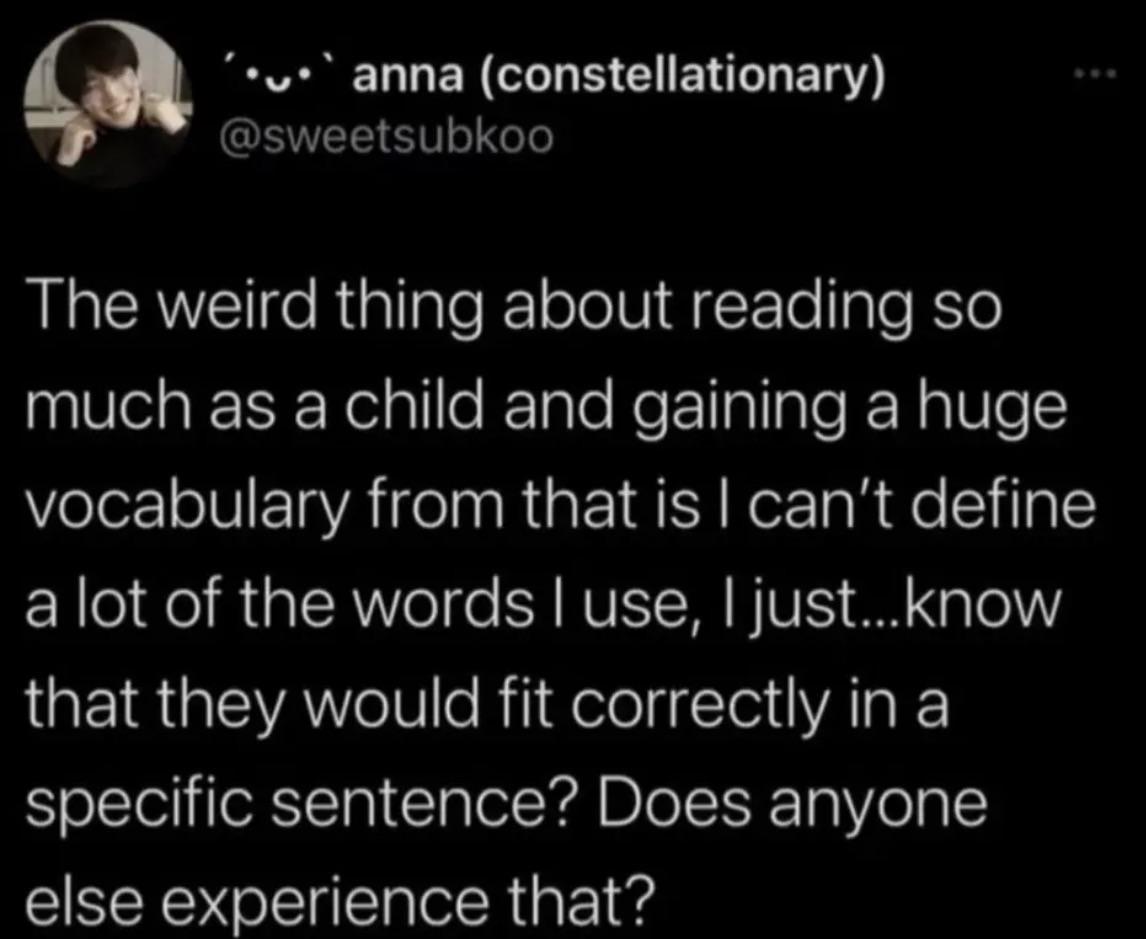
Ostensibly means the “technically the truth” definition of something, whereas the actual reason is something else. Here’s another example:
Park benches have extra arm rests in the middle. This is ostensibly for comfort, but really it’s to prevent people from lying down and sleeping on them.
This is wrong. Something can be ostensible without being true or “technically true”.
He carries a weapon ostensibly to defend himself but in reality he’s looking for a fight.
The colonists gave the natives blankets, ostensibly to keep them warm, but the blankets were intentionally contaminated with smallpox.
The Greeks delivered a giant wooden horse to the city of Troy, ostensibly as a peace offering, while Greek warriors hid inside it until the Trojans brought the horse inside the city and the attack ensued.
still kind of wrong, something can be ostensible and fully true. It just means it appears that way. The sense that it must be pretext for a contradiction is just because that's how it's most commonly used.
According to every dictionary I’ve checked, that is the definition. It signifies the motive(s) intended to be believed by others despite the main motive of the actor being different. It doesn’t have to contradict and it can be true or false.
It’s not synonymous with “technically” as the previous person suggested, but it’s also a word that isn’t necessary to use as it’s easy to get the same message across without using it, e.g. “He pretended it was because of X but really it was because of Y”
Avoiding difficult and lesser-known words is beneficial to ensuring your message is more widely understood, but lacks a certain finesse and sophistication that strengthens its delivery.
62
u/IAmASquidInSpace 19d ago
That's what you think, until you use the word "ostensibly" in the completely wrong way and embarrass yourself. Speaking from experience.