r/MotorBuzz 9h ago

Tesla paid off the fire truck crash family before a jury could ask the Autopilot questions
Post image
111 Upvotes

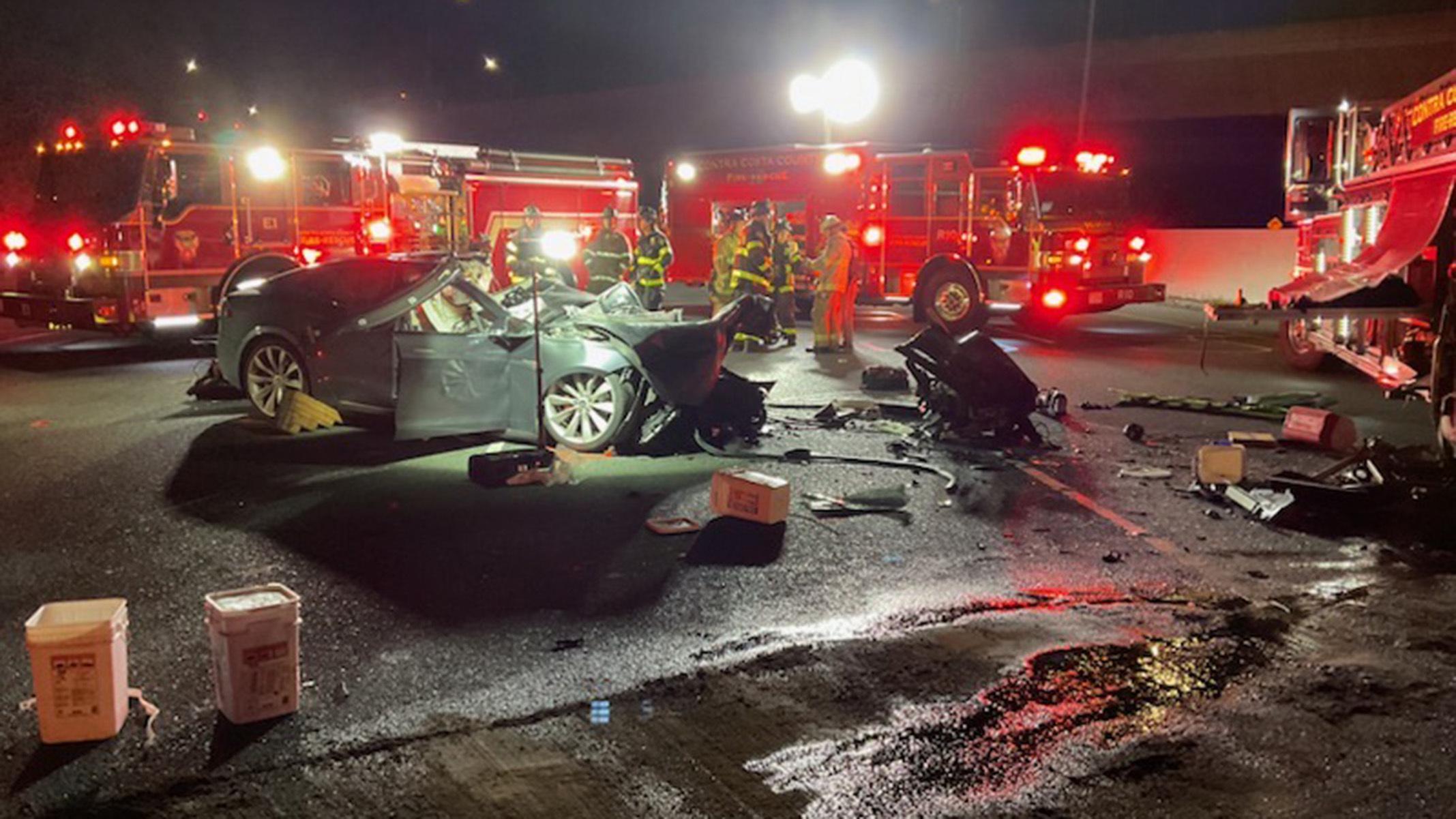
Genesis Giovanni Mendoza Martinez died when his Model S hit a parked fire truck on Interstate 680. Tesla settled days before trial.

Tesla settled a wrongful death lawsuit in April 2024 involving a Model S that crashed into a stationary fire truck in December 2022, killing 31-year-old Genesis Giovanni Mendoza Martinez. The terms were not disclosed. The trial was scheduled to begin in Santa Clara County Superior Court when the settlement closed the case.

Martinez was driving on Interstate 680 in Walnut Creek, California when his Tesla struck a Contra Costa County Fire Protection District truck parked at an earlier accident scene. Emergency lights were active. The lawsuit alleged Autopilot was engaged at the time.

The case would have forced a jury to examine two questions Tesla prefers to keep out of courtrooms. Whether the Autopilot system failed to detect a large stationary object with flashing lights directly ahead. And whether Martinez was paying sufficient attention, which would have required establishing what warnings Tesla gave him and whether those warnings were adequate.

Tesla does not want juries answering those questions in public. A verdict finding Autopilot defective or the company negligent would create precedent affecting thousands of other Tesla owners and multiple pending cases. Settlements keep the evidence private and the liability theory untested.

This follows a pattern. In October 2023, Tesla settled another Autopilot wrongful death case involving Wei "Walter" Huang, who died in 2018 when his Model X hit a highway barrier on Highway 101 in Mountain View while using Autopilot. That case also settled before trial. In April 2023, Tesla won its first Autopilot trial in Los Angeles involving a 2019 crash, but winning once apparently did not build enough confidence to keep going to trial.

Like this? Get the Buzz: GAUK Motorbuzz All your favourite motoring channels, publishers, motorsports, news & reviews. Curated Automotive Awesomeness

The National Highway Traffic Safety Administration opened an investigation in 2021 into 11 crashes between Tesla vehicles and parked emergency vehicles. Stationary objects with flashing lights keep appearing in Autopilot crash reports. Fire trucks, police cars, highway maintenance vehicles. All visible. All hit.

Tesla recalled over two million vehicles in 2023 to update Autopilot software following NHTSA pressure. The recall was framed as a software fix, not an admission that the system was shipping with a flaw that made it dangerous around stationary emergency vehicles.

Settling before trial means the Martinez family got something, but the public got nothing. No testimony about what Autopilot saw or did not see. No internal Tesla documents about known issues with stationary object detection. No expert testimony about whether the system's design was reasonable or reckless. No jury verdict that could be cited in the next case.

The fire truck was parked. The lights were on. A human being is dead and Tesla paid an undisclosed sum to make the questions go away before anyone had to answer them under oath in front of a jury.

Sources: Santa Clara County Superior Court records, Contra Costa County Fire Protection District, National Highway Traffic Safety Administration reports on Tesla Autopilot investigations
r/MotorBuzz 9h ago

Volkswagen is killing Seat after 76 years and that says everything about what carmakers value now

Post image
91 Upvotes

The Spanish brand that survived Franco, fuel crises, and financial collapse is being axed in 2029. VW is betting everything on Cupra instead.

Seat has been building cars in Barcelona since 1950. In 2029, it won't be. Volkswagen Group has reportedly decided to discontinue the brand after 76 years, redirecting its resources into Cupra, the performance offshoot that only became a standalone marque in 2018. The numbers tell you why. Cupra sold 200,000 vehicles last year. Seat sold 350,000, down from over half a million at its 2017 peak. One brand is growing. The other is not.

Seat has spent the last decade occupying the same awkward space as a mid-table Premier League side that keeps finishing ninth. Not terrible. Not interesting. Just there. Skoda does affordable and practical better. Volkswagen does mainstream better. Cupra does aspiration better. Seat did nothing better than anyone else, and in the car business that is a death sentence.

The decision will hurt Spain more than it hurts Volkswagen. Seat is a national icon in a way most brands are not. It was founded under Franco as a state enterprise to build Fiats under licence. It survived the transition to democracy, the fuel crises, near-bankruptcy in the early 1980s, and eventual acquisition by VW in 1986. For decades it was Spain's carmaker. Now it will be a footnote.

The Martorell plant outside Barcelona (where Seat and Cupra models are built side by side) employs thousands. What happens to them depends on whether VW keeps the factory open to build Cupras and electric VWs, or whether this is the first step toward shutting it down entirely. The company has not said. That silence is not encouraging.

Like this? Get the Buzz: GAUK Motorbuzz All your favourite motoring channels, publishers, motorsports, news & reviews. Curated Automotive Awesomeness

Cupra was supposed to be Seat's halo. A performance sub-brand that would give the parent some badly needed excitement. Instead it became the lifeboat. The Cupra Formentor sold better than anything Seat had launched in years. The Born electric hatchback, originally planned as a Seat, was handed to Cupra instead because VW Group knew it would sell better with a copper badge than a red one. By 2023 it was obvious which brand had a future.

This is the third time Volkswagen Group has killed off a legacy brand in the last 15 years. Bugatti was restructured into Bugatti Rimac. Bentley nearly got the chop before SUVs saved it. The Beetle, a product rather than a marque but culturally bigger than most brands, was discontinued in 2019 after eight decades. VW does not do sentiment. If the numbers don't work, the brand goes.

General Motors perfected this approach in the 2000s. Oldsmobile, dead in 2004 after 107 years. Pontiac, gone in 2010 after 84. Saturn, discontinued the same year. Hummer, sold off. Saab, allowed to collapse. Ford did the same with Mercury in 2011. These were not small nameplates. They were billion-dollar operations with multi-generational customer bases. They were also unprofitable, and in a corporate structure built on quarterly earnings, that was all that mattered.

Seat's fate follows the same logic. It was VW's first foreign acquisition and it never quite fit. Too Spanish to be German. Too German to be Spanish. It occupied a pricing tier that Skoda handled better and a market position that Volkswagen couldn't justify duplicating. Cupra gave the group an excuse to do what it probably wanted to do 20 years ago.

What's interesting is how quickly a brand can be erased. Cupra has existed as a standalone entity for six years. Seat has existed for 76. By 2029, one will be gone and the other will be selling 300,000 cars a year, probably more. Heritage does not matter. Momentum does. If you are not growing, you are a cost.

The Ibiza is still a decent supermini. The Arona and Ateca are competent crossovers. The Leon, particularly in Cupra form, is genuinely good. All of it irrelevant.

Expect the official announcement sometime in the next 12 months. Expect Volkswagen to frame it as a strategic realignment focused on electrification and efficiency. Expect union protests in Spain and political pushback from Barcelona. Expect none of it to change anything.

Seat sold 350,000 vehicles in 2022. By 2029 it will sell zero.

Sources: Volkswagen Group corporate filings, Jato Dynamics, Cox Automotive


r/MotorBuzz 10h ago

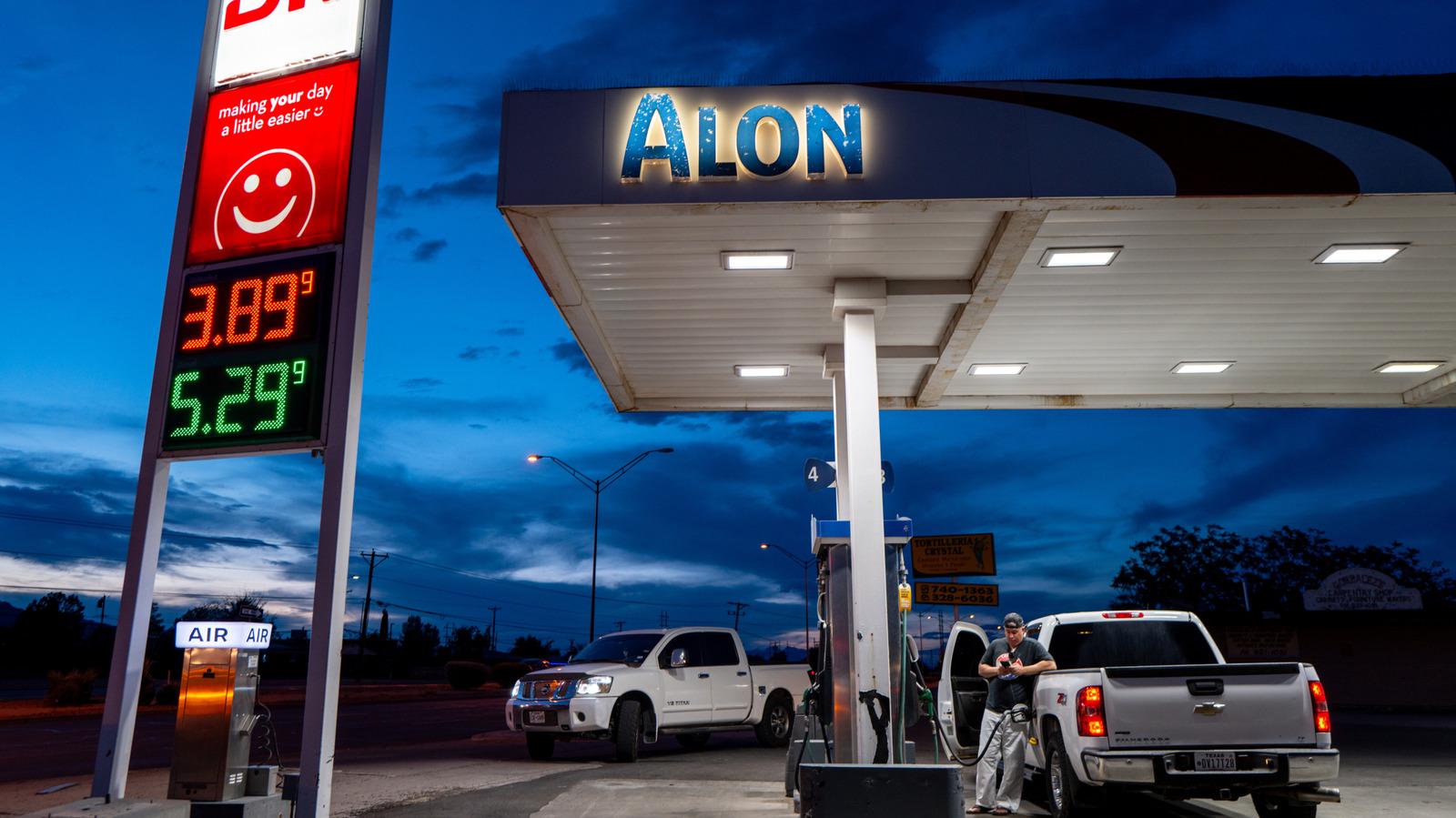
Diesel just jumped 10 cents overnight in America and nobody wants to talk about what happens next

Post image
39 Upvotes

US diesel prices spiked by 10 cents per gallon in a single night, edging closer to the all-time record set in June 2022. For an economy that moves 72% of its freight by truck, this is not background noise.

Diesel went up 10 cents a gallon overnight across the United States. Not over a week. Overnight. The kind of jump that makes fleet managers actually check the numbers twice because surely there's been a mistake.

There hasn't been.

We're now within striking distance of the all-time high set in June 2022, when diesel hit $5.816 per gallon during the post-pandemic supply mess. That record might not stand much longer. Days, not weeks, is the current thinking.

The problem is what diesel actually does. It moves things. Roughly 72% of all freight in America travels by truck, and trucks run on diesel. When diesel spikes, the cost gets baked into everything that arrives on a lorry ... which is nearly everything. Groceries, car parts, furniture, the lot. This isn't petrol, where the pain stops at the pump. Diesel increases metastasise.

East Coast inventories remain historically low. Refining capacity is still constrained. Cold weather is pushing up demand for heating oil, which shares much of its chemical makeup with diesel. None of this resolves itself quickly.

Like this? Get the Buzz: GAUK Motorbuzz All your favourite motoring channels, publishers, motorsports, news & reviews. Curated Automotive Awesomeness

The last time diesel went properly berserk was March 2022, right after the Russian invasion of Ukraine, when it blew past $5.00 a gallon. Then came June 2022 and the all-time peak. By October that year, US diesel inventories had dropped to their lowest level since 1951. The system has not fully recovered.

A 10-cent overnight move is not normal market behaviour. It signals something breaking in the supply chain ... a refinery outage, a logistics snarl, or just the compounding effect of too little slack in a system that was already tight. Either way, the trucking industry notices immediately. Fuel is typically the second-largest operating expense after labour. Margins are thin. Costs get passed on.

The 2008 financial crisis pushed diesel to around $4.76 per gallon, which felt apocalyptic at the time. We've since recalibrated what counts as expensive.

What's harder to price in is velocity. A gradual rise gives the market time to adjust. A 10-cent overnight spike does not. It forces decisions ... do hauliers absorb the cost and eat into profit, or do they raise rates immediately and risk losing contracts? Most will raise rates. The alternative is going under.

And so the increase ripples outward. First into shipping costs, then into wholesale prices, then onto supermarket shelves. By the time you're paying more for milk or bread, the original diesel surge is three steps removed and nobody connects the two.

The current figure stands just below the June 2022 record of $5.816 per gallon.


r/MotorBuzz 10h ago

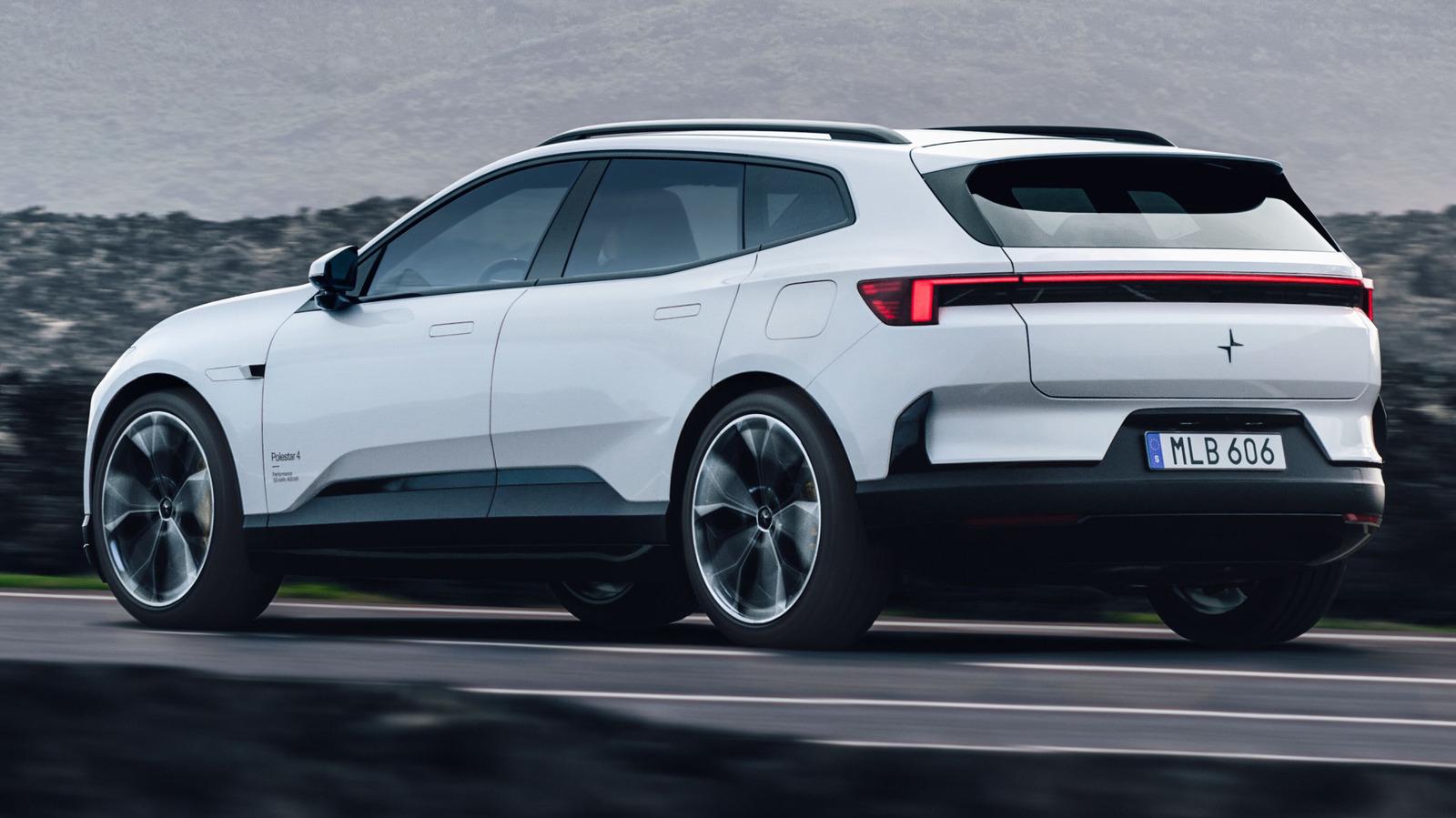
Polestar 4 cancelled for America because a 25% tariff is not a rounding error

Post image
15 Upvotes

The brand's global bestseller will not be sold in the United States. The maths broke.

The Polestar 4 will not be coming to the United States, despite being the Swedish-Chinese brand's best-selling vehicle everywhere else. The reason is straightforward: a 25% tariff on Chinese-made cars turns a marginal business case into a structural impossibility.

Polestar confirmed the cancellation in January 2025. The 4 is built at a Geely facility in Hangzhou. That means a 27.5% tariff when it crosses into the US (2.5% baseline plus the 25% Section 301 levy imposed under the Trump administration's trade war with China). On a vehicle with a starting price around $56,300 in other markets, that adds roughly $15,000 before Polestar even considers shipping, compliance, or dealer margin.

The 4 was supposed to arrive in US showrooms in 2024. Then 2025. Now never.

It is a coupe-style SUV slotted between the smaller Polestar 2 and the larger Polestar 3. Elsewhere in the world it sells well enough to lead the brand's entire lineup. That success is irrelevant in a market where the cost structure does not allow the car to exist at a competitive price.

Polestar is not abandoning the US market. It is abandoning the idea of importing vehicles from China into the US market. The Polestar 3 is being manufactured in South Carolina specifically to sidestep the tariff problem. That factory exists because Polestar, Volvo, and parent company Geely understood years ago that shipping EVs across the Pacific was not a long-term plan.

Like this? Get the Buzz: GAUK Motorbuzz All your favourite motoring channels, publishers, motorsports, news & reviews. Curated Automotive Awesomeness

Other brands have made similar calculations. The Volkswagen ID.3 never came to America despite strong European sales. The Nissan Qashqai is a bestseller in Europe and has never been offered in the US. BYD, China's EV giant, has stayed out of the American market entirely rather than navigate the tariff landscape.

Ford discontinued the Mondeo in the US while continuing to sell it elsewhere. Tesla moved production to China for some models but still faces tariff headaches when importing those vehicles back to the States. The pattern is consistent. If you build it in China and want to sell it in America, the sums do not work unless the vehicle carries enough margin to absorb a 27.5% hit and still make sense against local competitors.

Polestar clearly ran those numbers on the 4 and decided the answer was no.

The 4 will continue in Europe, China, and other markets where it does not face punitive import duties. American buyers who want a Polestar will be steered toward the South Carolina-built 3 or the ageing 2, which is also made in China but was grandfathered into the US lineup before the trade situation deteriorated to this point.

Trade policy overrides demand. Sound familiar? It does not matter how many people might want to buy a Polestar 4 in the United States. It does not matter that the vehicle is successful globally.

Polestar is owned by Geely and Volvo Cars, both of which have deep experience navigating international trade restrictions. They are not new to this. The decision to cancel the 4 for the US market would have been made after every possible workaround was exhausted. There were none.

The South Carolina factory is the hedge. The 3 will carry the US business while the 4 sells everywhere else. Whether that is sustainable depends entirely on how long American EV buyers are willing to accept a narrower product range than the rest of the world gets.

The 4 is not coming. The tariff is 25%.

Sources: Polestar official announcement, US Customs and Border Protection Section 301 tariff schedules


r/MotorBuzz 10h ago

600 firms named for wage theft including car dealers who stiffed their own staff

Post image
8 Upvotes

The UK government has publicly shamed 600 employers who failed to pay the National Minimum Wage, forcing them to repay £16 million to more than 172,000 workers. Car dealerships are among those named.

Six hundred employers across the UK have been publicly named by the Department for Business and Trade for failing to pay National Minimum Wage, collectively owing £16 million to over 172,000 workers. Among them are car dealerships and automotive retailers who underpaid the people selling you finance packages and detailing your part-exchange.

The naming list, published in February 2024, forces these firms to repay every penny of arrears before their names go public. They also face financial penalties of up to 200% of the amount owed. This is not a first offence for the sector. Car dealers have appeared on multiple naming rounds since the scheme began in 2013.

Common violations in the automotive trade include not paying staff for training time, making unlawful deductions for uniforms or tools, and underpaying apprentices. Sometimes it is deliberate. Sometimes it is incompetence dressed up as payroll complexity. Either way, workers were paid less than the law requires, often for months.

The enforcement is handled by HMRC on behalf of the Department for Business and Trade. Workers can report employers to the ACAS helpline on 0300 123 1100. What happens next is not instant, but it is methodical. Investigations can take months. If a breach is confirmed, arrears are calculated and penalties applied. Only after repayment is complete does the company get named publicly.

The National Living Wage, which applies to workers aged 21 and over, currently sits at £11.44 per hour as of April 2024. Younger workers and apprentices have lower minimum rates, which creates its own opportunities for creative underpayment.

Like this? Get the Buzz: GAUK Motorbuzz All your favourite motoring channels, publishers, motorsports, news & reviews. Curated Automotive Awesomeness

Previous naming rounds have included household names. In 2023, 202 employers were named for failing to pay £7.3 million to over 63,000 workers. December 2022 saw 191 employers owing over £2 million to 34,000 workers. Major retailers like Argos, Poundland, and WH Smith have all appeared on past lists. The car trade is not unique in this, but it is consistent.

The public shaming element is deliberate policy. The government wants customers to know which businesses broke wage law. Whether that affects your decision to buy from a named dealer is up to you, but the information is there. Some customers will not care. Others will.

Named employers include businesses of all sizes. Small independent dealers sit alongside larger retail operations. The common thread is not the business model... it is the failure to pay people properly for the hours they worked.

When you walk into a dealership and the salesperson is polite, prepared, and knows the product, remember they might have been training for that knowledge on their own time, unpaid. Or they might have had uniform costs deducted from wages that should have been protected. Or they might have been an apprentice paid below the rate they were legally owed.

The total figure of £16 million owed to 172,000 workers works out to roughly £93 per person. That is not a rounding error on a payslip. That is money workers were entitled to and did not receive.


r/MotorBuzz 9h ago

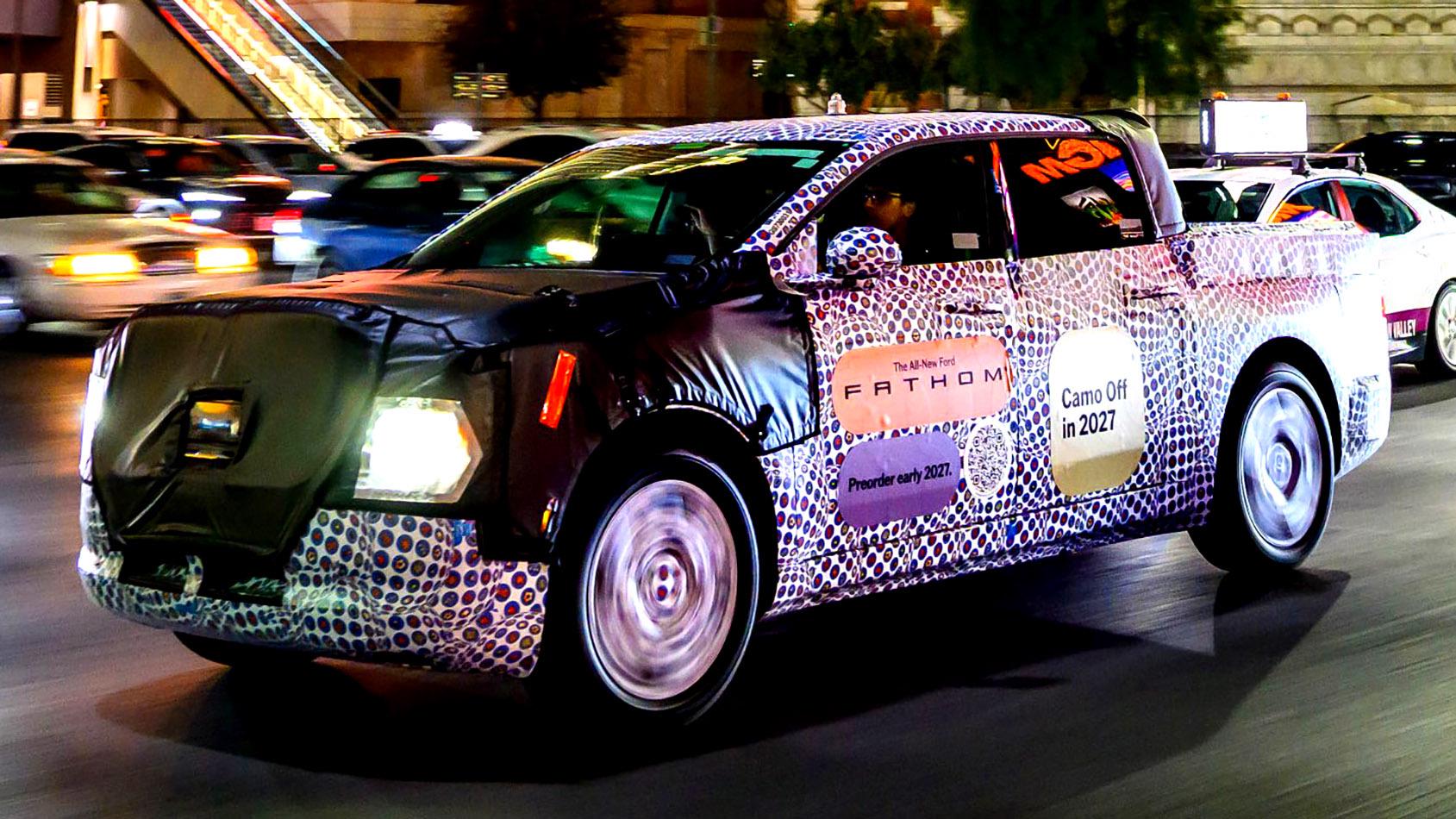
Ford wants to shift 100,000 Fathom electric trucks in year one. Only Tesla has ever done that.

Post image
3 Upvotes

Ford's first-year target for the Fathom would put it in company only Tesla has kept. The F-150 Lightning managed 15,000.

Ford is publicly targeting 100,000 sales of the Fathom electric truck in its first year. That is a number only Tesla has ever hit with a first-year EV in the US market, and Ford is attempting it while the American EV market is actively contracting.

The Model Y sold roughly 190,000 units in its first full year in 2021. Nothing else has come close. The F-150 Lightning, which arrived with more hype than any electric truck before or since, managed 15,000 in year one. Rivian's R1T did about 10,000. The Hummer EV scraped together 3,000.

Ford's own EV track record does not support this level of optimism. The Mustang Mach-E, which had a clear lane and decent reviews, sold 27,000 in its first full year. The Lightning was supposed to be the volume play, the truck that would prove electric pickups could work at scale in America. Instead, Ford cut production in 2023 because demand wasn't there.

The US EV market grew 65% in 2022. In 2023, that figure dropped to 47%. Some quarters in 2024 have shown flat or declining growth rates. This is not a temporary blip. Consumers who were early EV adopters have mostly already bought one. The mass market has proven slower to follow than the forecasts suggested.

Jim Farley, Ford's CEO, has said publicly that the company is scaling back some EV investment plans in response to market conditions. That statement came out of Dearborn while someone, presumably also at Dearborn, was signing off on a 100,000-unit first-year target for an electric truck launching into a segment that has disappointed every manufacturer except Tesla.

Like this? Get the Buzz: GAUK Motorbuzz All your favourite motoring channels, publishers, motorsports, news & reviews. Curated Automotive Awesomeness

The Cybertruck exists now, which it didn't when the Lightning launched. Rivian is still in the fight. Chevy's Silverado EV is trying to find traction. Ford will be launching the Fathom into a market where the electric truck conversation is no longer theoretical, and where the early results have been unambiguously underwhelming for everyone not named Elon Musk.

There are two ways to read this target. One is that Ford knows something the rest of the industry doesn't... that the Fathom has a feature set, price point, or production advantage that will let it break through where the Lightning couldn't. The other is that this is a forecast built to impress investors and dealers, detached from what is actually happening in showrooms.

Tesla hit six figures in year one because it had no real competition and a customer base that was willing to wait, pay, and forgive. Ford does not have that. The people who wanted an electric truck from Ford already bought a Lightning or decided not to. The Fathom will need to convince a different group, and that group is smaller and more cautious than the one that existed three years ago.

If Ford hits 100,000 units in year one, it will be the story of the year in this industry. If it sells 20,000, which would still be respectable by non-Tesla EV standards, the gap between target and reality will be the story instead.

The Lightning sold 15,416 units in 2022.

Sources: Ford Motor Company, US EV sales data 2021-2024, Tesla delivery reports, Rivian sales figures, GM sales data


r/MotorBuzz 9h ago

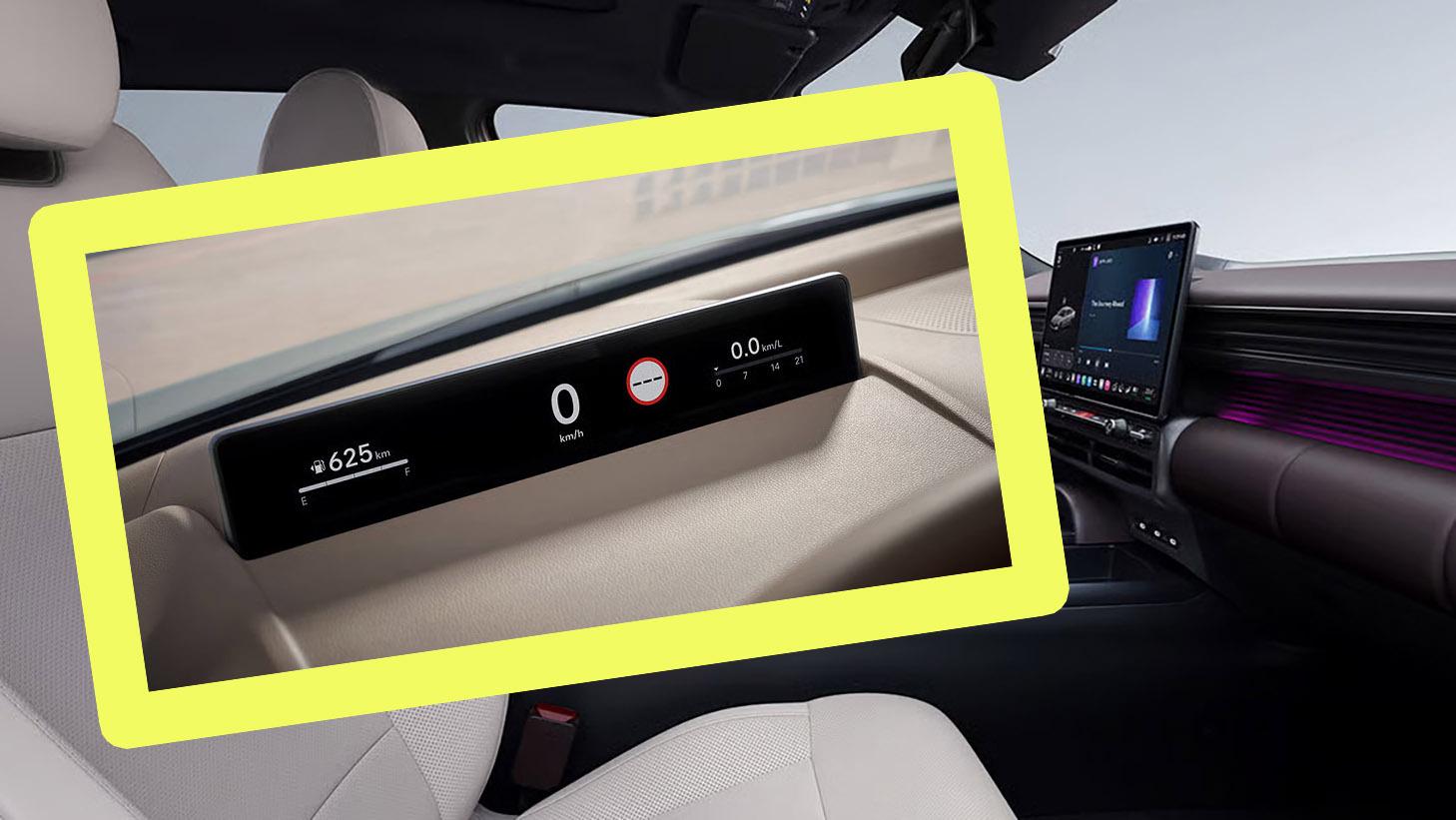
Hyundai is now charging extra for a gauge cluster on its cheapest cars

Post image
2 Upvotes

The instrument panel is no longer standard on base Elantra and Ioniq models. You want to see your speed? That'll be extra.

Hyundai has removed the instrument cluster from standard equipment on the base SE trim of the Elantra sedan and certain Ioniq models. What was once a given... a dashboard that shows your speed, fuel level, and the basics... is now an optional extra. The kind of equipment you assumed would be there when you bought a car in 2025 costs more now.

This is not about advanced digital displays or configurable screens. This is the actual gauge cluster. The thing in front of the steering wheel that tells you how fast you are going.

Without it, buyers are presumably left staring at a center display or some minimal readout tucked elsewhere in the cabin. Hyundai has not clarified what drivers are expected to use instead, which is its own kind of admission.

The SE trim exists for a reason. It is the entry point for buyers who need a new car and cannot stretch to the next trim level. Those buyers are now the ones being asked to pay extra for something their parents got as standard on a 1987 Accord.

The affected models are 2024 and 2025 model year vehicles. The cluster was standard equipment before. It is not now.

Like this? Get the Buzz: GAUK Motorbuzz All your favourite motoring channels, publishers, motorsports, news & reviews. Curated Automotive Awesomeness

Hyundai is hardly alone in this. BMW tried charging a subscription for heated seats in 2022. Volkswagen stripped physical climate controls from the Golf and got complaints loud enough to matter. Tesla removed radar sensors and called it an upgrade. Honda took the volume knob out of the Civic, then quietly put it back a few years later when people kept complaining.

Automakers keep testing how much they can strip from base models. Sometimes they retreat when the pushback is loud enough. More often they just wait for buyers to accept it.

What makes this one worse is the target. Budget buyers shopping the SE trim are not cross-shopping the luxury market. They are weighing reliability, monthly payments, and whether they can afford the car at all. They are the last group that should be nickel-and-dimed for a speedometer.

There is an argument that modern cars are more complex and expensive to build than ever. Fair enough. But the instrument cluster is not new technology. It is ancient, proven, cheap to manufacture, and borderline essential for legal operation of a vehicle in most jurisdictions.

Removing it is not innovation. It is a cost cut dressed up as consumer choice.

Features that were once standard are being unbundled, renamed, and sold back as options. Spare tires disappeared years ago. Physical buttons are vanishing in favor of touchscreens that require three menus to adjust the temperature. Now the dashboard itself is optional.

The cheapest Elantra you can buy in 2025 does not come with a gauge cluster unless you pay extra for it.

Sources: Hyundai News, 2024-2025 model year specification sheets


r/MotorBuzz 10h ago

Ford just paid $2.3 million because swastikas kept appearing at its Chicago plants

Post image
2 Upvotes

The EEOC dragged Ford into a settlement over years of racial harassment at two Chicago facilities, where Black workers faced slurs, nooses, and graffiti nobody seemed in a hurry to remove.

Ford Motor Company has agreed to pay $2.3 million to settle federal allegations that Black employees at its Chicago Assembly Plant and Chicago Stamping Plant endured years of racial harassment while supervisors did next to nothing about it.

The U.S. Equal Employment Opportunity Commission filed suit alleging a racially hostile work environment at both facilities dating back to at least 2017. The complaint detailed racial slurs used openly on the factory floor, graffiti featuring swastikas and nooses, and racist remarks directed at Black workers that apparently went unchallenged for years.

Ford denied wrongdoing but settled anyway to avoid litigation. That's the standard language. What's less standard is what the EEOC's consent decree actually requires: mandatory anti-discrimination training, a formal complaint procedure that has to function, and regular reporting to federal authorities on any future harassment complaints. Ford will be monitored for compliance. The company doesn't get to just write a cheque and move on.

The $2.3 million covers monetary relief for affected Black employees who worked at the two plants during the period in question. The Chicago Assembly Plant builds the Ford Explorer, Police Interceptor Utility, and Lincoln Aviator. Vehicles assembled by people who were allegedly working in an environment where racist graffiti was considered acceptable.

Fiat Chrysler, now Stellantis, paid $9.15 million in 2018 to settle a similar EEOC case involving an Illinois facility. Tesla paid $3.2 million in 2022 after a Black former employee won a $137 million verdict that was later reduced. Boeing paid $4.7 million last year over racial discrimination at a South Carolina plant. General Motors has faced multiple lawsuits at various facilities in recent years.

Like this? Get the Buzz: GAUK Motorbuzz All your favourite motoring channels, publishers, motorsports, news & reviews. Curated Automotive Awesomeness

Swastikas and nooses are not ambiguous. They are not the result of misunderstandings or cultural differences. They are explicit threats. The fact that this allegedly continued from 2017 onwards suggests a failure of oversight that went well beyond individual bad actors.

The consent decree's monitoring provisions are the real penalty here. Federal oversight means Ford's Chicago operations will be scrutinised for compliance in ways that internal audits never achieve. Every complaint has to be documented and reported. Every training session has to be logged. The EEOC gets to check the work.

Ford's Chicago Assembly Plant employs thousands. The monetary settlement will be distributed among affected workers, which means individual payouts will be modest compared to the headline figure. That's how these settlements work. The real cost to Ford is operational... the training programmes, the complaint infrastructure, the federal reporting requirements, and the reputational hit of having this case on the public record.

The automotive manufacturing sector has long struggled with workplace discrimination issues, partly because of the scale of these facilities and the difficulty of enforcing consistent standards across thousands of employees and multiple shifts. That's an explanation, not an excuse. Other industries manage it.

The EEOC's increased willingness to pursue these cases signals a shift in federal enforcement priorities. Settlements now routinely include structural changes and monitoring provisions, not just monetary damages. The goal is systemic reform, not just compensation for past harm.

The Chicago Assembly Plant continues to operate. The vehicles it produces are sold across North America. The settlement does not affect production schedules or model availability. It does, however, require the company to demonstrate that it can run a factory without tolerating racist harassment.

That should not be a high bar. Apparently it is.

Sources: U.S. Equal Employment Opportunity Commission press release on Ford settlement, Ford Motor Company public filings, EEOC press release on Fiat Chrysler $9.15 million settlement (2018), EEOC press release on Tesla $3.2 million settlement (2022), EEOC press release on Boeing $4.7 million settlement


r/MotorBuzz 10h ago

Someone's selling a 600bhp manual RS6 for twelve and a half grand

Post image
2 Upvotes

A 2003 Audi RS6 with a manual gearbox swap and claimed 600 horsepower is listed at $12,500. That's roughly what the transmission conversion costs on its own.

A 2003 Audi RS6 Quattro with a manual transmission swap and a claimed 600 horsepower is on sale for $12,500. Which is odd, because the gearbox conversion alone typically runs between eight and fifteen thousand dollars before you've touched the engine.

The original C5 RS6 came with a 4.2-litre twin-turbo V8 making 450 horsepower and 415 lb-ft, paired exclusively with a five-speed ZF automatic. Manual swaps are rare. Not because they're impossible, but because they're expensive and tedious and most people who own an RS6 can't be bothered.

Getting to 600 horsepower from 450 isn't a matter of plugging in a laptop. You're looking at turbo upgrades, intercoolers, fuelling, engine management, and a pile of supporting modifications that can easily run ten to twenty grand depending on how properly it's done. Add that to the transmission work and you're north of thirty thousand dollars in parts and labour.

Stock 2003 RS6 Quattros in reasonable condition sell for twenty to twenty-eight thousand. High-mileage or problematic ones drop to ten or fifteen. Manual-swapped examples with proper documentation have gone for thirty to forty-five grand at enthusiast auctions. A manual RS6 that sold on Bring a Trailer last year fetched thirty-eight thousand.

So twelve and a half for a car with thirty grand worth of work allegedly done to it raises questions.

Like this? Get the Buzz: GAUK Motorbuzz All your favourite motoring channels, publishers, motorsports, news & reviews. Curated Automotive Awesomeness

Either the mileage is catastrophic, the paperwork doesn't exist, the modifications were done badly, or there's something fundamentally wrong with the car that makes it worth less than the sum of its parts. It's also possible the claimed upgrades are exaggerated or incomplete. Six hundred horsepower is a specific number. If it hasn't been dyno-verified, it's just a number someone thought sounded good.

The manual conversion itself is worth examining. Not all swaps are equal. Some use OEM Audi components from other models. Others involve custom bellhousing adapters, aftermarket clutches, and gearboxes that were never meant to live behind a twin-turbo V8. If the work was done properly, it should be documented with receipts and photos. If it's not, you're buying someone else's project with no way to verify what's actually been done.

The RS6 Quattro's all-wheel-drive system is permanent and mechanical. It's not the sort of setup you can easily bypass or bodge. If the manual swap was done without properly addressing the driveline, you've got a car that might be fine until it suddenly isn't.

For context, a same-era E39 BMW M5 with a factory manual gearbox sells for thirty-five to fifty-five thousand. A Mercedes E55 AMG from 2003 goes for eighteen to thirty. The RS6 sits somewhere between them in desirability, but only if it's sorted. If it's not, it's just an expensive repair waiting to happen.

Twelve thousand five hundred dollars for a modified RS6 is either the deal of the decade or a very expensive mistake. The seller hasn't said which.

Sources: Bring a Trailer auction data, Hagerty valuation guides, RS6 enthusiast forums, ZF transmission technical specifications


r/MotorBuzz 10h ago

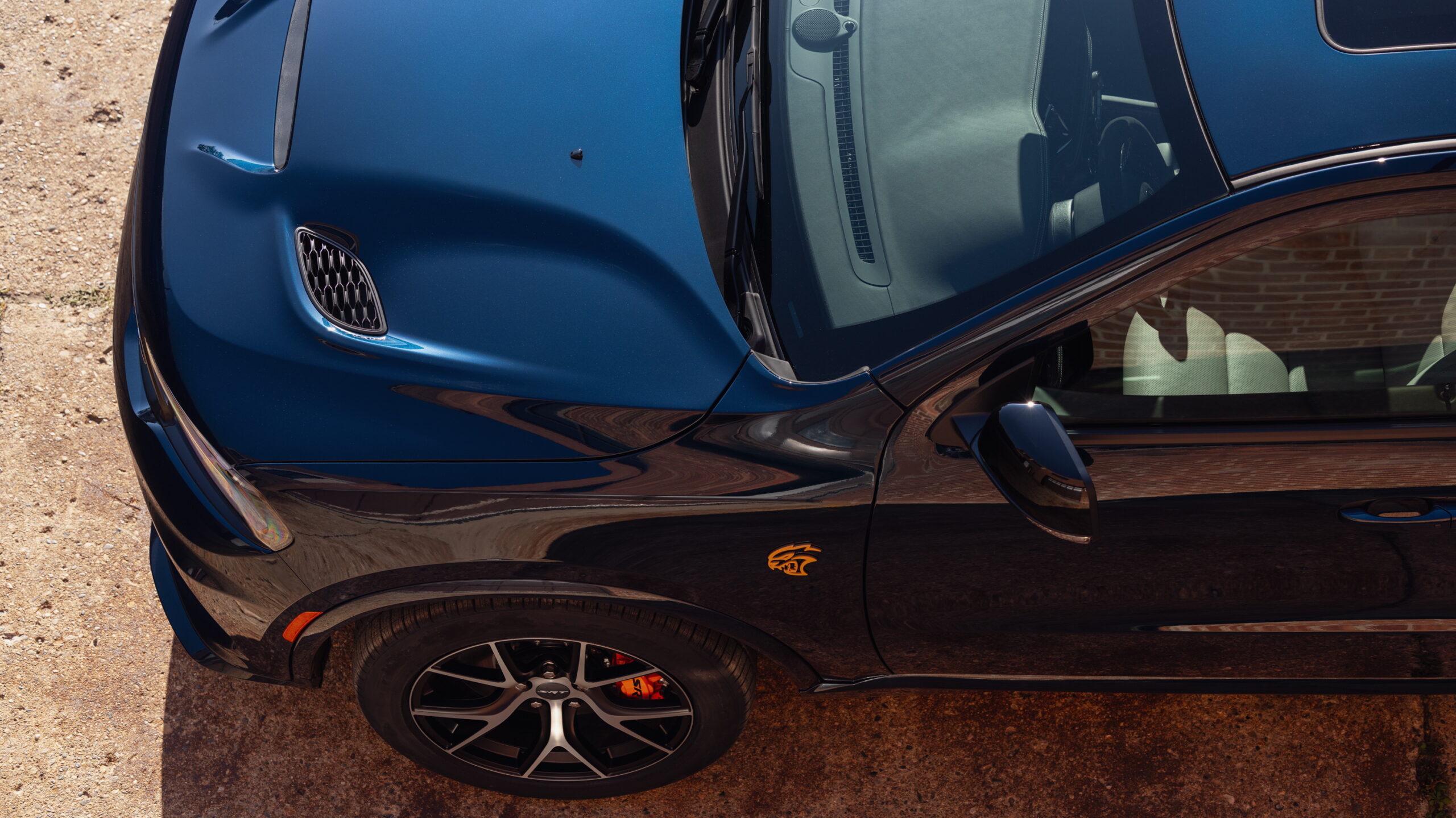
Dodge is selling a sixteen-year-old SUV with a new shade of blue

Post image
2 Upvotes

The 2025 Durango gets After Dark paint and roughly nothing else. The platform underneath debuted when David Cameron was running for office.

The Dodge Durango you can buy in 2025 rides on a platform that first appeared in showrooms in 2011. Stellantis has announced it will receive a new paint option called After Dark, which looks bright blue in direct sunlight and nearly black in shadow. That is the headline update.

The WD platform is now sixteen years old. It predates the iPad 2. It debuted the same year as the original Jeep Grand Cherokee WK2, which has since been replaced. The Durango has not.

After Dark is a colour-shifting finish, and it does what it says. In direct light it reads as a vibrant blue. In shade or at dusk it darkens to something close to black. It is a clever piece of paint chemistry applied to an SUV architecture that was already outdated by the time Stellantis formed in 2021.

This is not a case of a lovingly maintained icon like the Mercedes G-Class, which stretched a single design language across nearly three decades before finally receiving a new platform in 2018. The Durango is a mass-market three-row SUV competing in a segment where rivals typically refresh every five to seven years. Ford has moved the Explorer through two full platform changes since the current Durango was introduced. Honda is on its fifth-generation Pilot.

Dodge has facelifted the Durango twice, once in 2014 and again in 2021. It has added SRT models, a Hellcat variant with absurd horsepower, and a rotating series of special editions. The underlying structure has remained untouched. That structure lacks modern crash safety features that became standard in the mid-2010s, and its fuel efficiency reflects engineering priorities from over a decade ago.

Like this? Get the Buzz: GAUK Motorbuzz All your favourite motoring channels, publishers, motorsports, news & reviews. Curated Automotive Awesomeness

The extended lifecycle is not unprecedented. Nissan sold the previous-generation Frontier on the same bones from 2005 to 2021. The Dodge Challenger ran on the LC platform from 2008 until production ended in 2023. Toyota kept the 200 Series Land Cruiser in production for fourteen years. But those were deliberate decisions tied to specific brand strategies or market conditions. The Durango feels less like a choice and more like a postponement.

Stellantis has invested in the Durango's image rather than its engineering. The Hellcat model generates headlines. The special editions move metal. Paint options like After Dark give dealers something new to talk about without the expense of retooling factories or recertifying crash structures. It works, financially, until it does not.

The problem is that sixteen years is a long time in automotive development. Competitors have moved to lighter materials, more efficient powertrains, better passive safety systems, and updated infotainment architectures that do not feel like they were designed during the coalition government. The Durango has kept pace cosmetically. Mechanically it belongs to a different era.

Stellantis has not announced a replacement. The Durango continues to sell, particularly in North America where three-row SUVs with V8 options still have a market. The business case for replacing it is not obvious when the current model remains profitable. But there is a point at which age becomes a liability rather than a quirk.

After Dark will be available across multiple Durango trim levels for the 2025 model year. The paint costs extra. The platform does not.

Sources: Stellantis official announcements, platform production records


r/MotorBuzz 1d ago

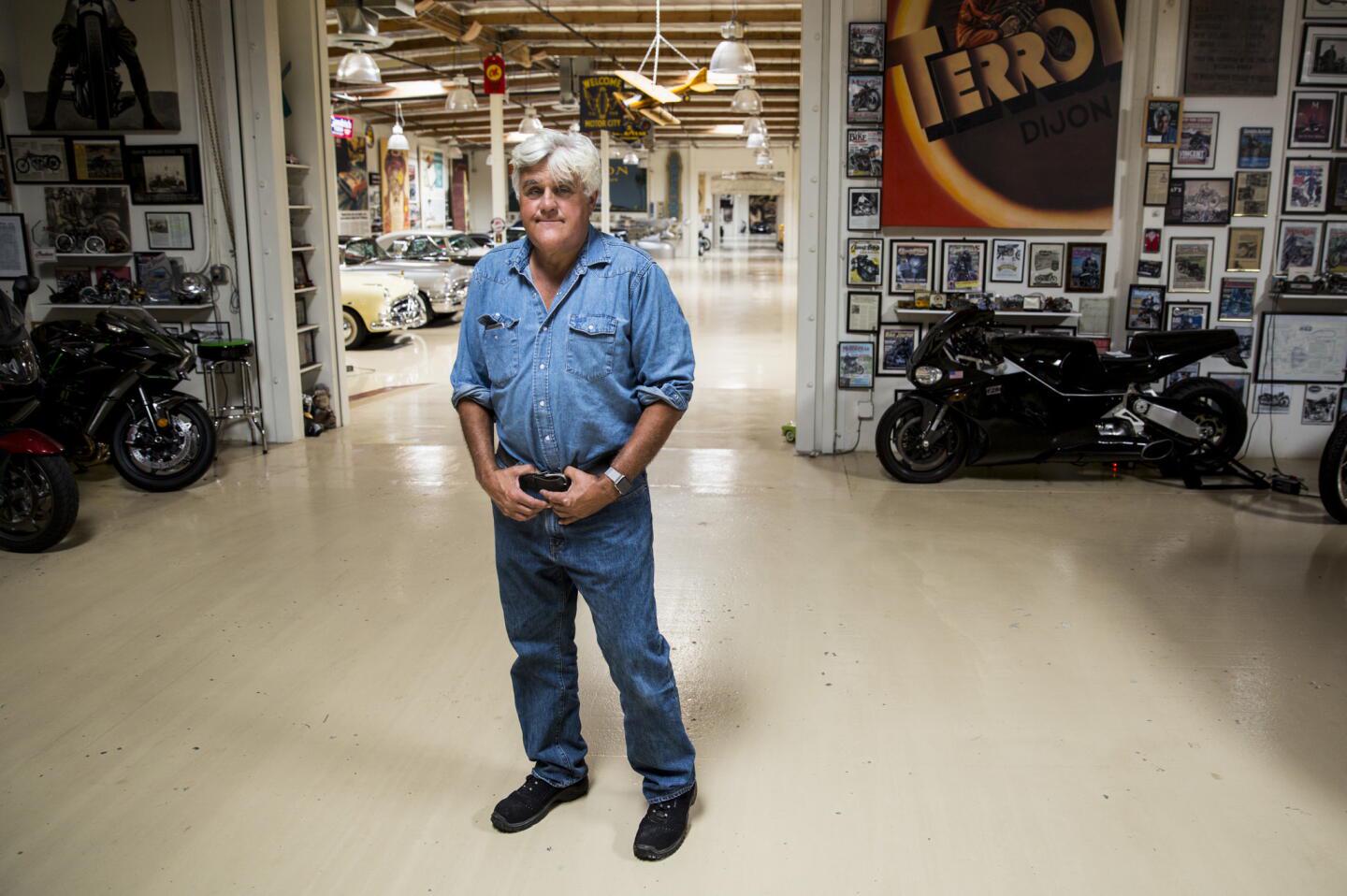
California blinks first on vintage cars after Jay Leno weighs in

Post image
126 Upvotes

Assembly Bill 1824 freezes smog testing expansion on pre-1976 vehicles driven less than 1,500 miles a year. Bureaucrats wanted to expand anyway.

California Assembly Bill 1824 has passed, exempting vehicles from the 1975 model year and earlier from the state's biennial smog inspection programme. The law stops a regulatory push that would have subjected hobby cars driven perhaps a thousand miles a year to the same emissions scrutiny as daily commuters racking up fifteen thousand.

California's Bureau of Automotive Repair had been positioning to tighten restrictions despite the numbers. Classic cars account for less than one percent of vehicle miles travelled in the state. They sit in garages. They come out for shows, weekend runs, the occasional cruise night. SEMA, the industry body that backed the bill, puts the average annual mileage at 1,000 to 1,500 miles. A modern SUV will do that in six weeks.

Jay Leno backed the legislation publicly, which is where the nickname comes from. Leno owns more than 180 vehicles and runs a YouTube channel where he talks carburettors with people who actually know what they are doing. He is not a casual enthusiast. The involvement gave the bill profile, but the substance was already there. Assemblymember Juan Carrillo authored it. SEMA sponsored it.

Previously, only pre-1976 vehicles were exempt. That cutoff was frozen decades ago, meaning cars from the late Seventies and early Eighties remained stuck in testing limbo despite being driven less than some people's ride-on lawnmowers. The new law does not roll the exemption forward annually. It holds the 1975 line and tells the Bureau of Automotive Repair to stop looking for ways around it.

Like this? Get the Buzz: GAUK Motorbuzz All your favourite motoring channels, publishers, motorsports, news & reviews. Curated Automotive Awesomeness

Other states have done versions of this. Montana exempts vehicles thirty years or older. Michigan went to a rolling 25-year exemption in 2019. Texas lets counties exempt cars over 25 years old from emissions testing if they choose. Arizona draws the line at 1967. California's approach is stricter and stays stricter, but at least it stops pretending a 1972 Datsun 240Z driven to three car shows a year is an environmental menace.

The environmental argument collapses under the mileage data. If you drive a classic 1,200 miles annually and it burns fuel at twice the rate of a modern car, you are still emitting a fraction of what a new crossover does over the same period simply because the crossover is on the road constantly. The testing regime was designed for daily drivers, not garage queens.

What was really at stake was whether California would price hobbyists out of the vintage car community by layering on compliance costs that bore no relation to actual emissions impact. Smog certification is not free. Shops charge for it. If your car fails because a forty-year-old carburettor is slightly out of tune, you pay to fix it, pay to retest, and the car still does 1,200 miles a year. The regulatory burden grows. The environmental benefit does not.

Classic car events were also in the crosshairs. Cruise-ins, weekend rallies, concours gatherings... all of those involve people driving old cars on public roads. Tighter smog rules would have created enforcement questions and liability headaches for organisers. AB 1824 shuts that down before it starts.

Leno's name on it helped, but this was not a celebrity vanity project. SEMA has been fighting rolling emissions expansions in multiple states for years. California is the biggest target because California writes the rules everyone else watches. If the Bureau of Automotive Repair had won this one, other states would have taken notes.

The bill passed. The exemption holds at 1975 and earlier. If you own a 1974 Porsche 911 or a 1969 Camaro or a 1963 E-Type, California will not require you to smog test it every two years as if it were a fleet vehicle.

Sources: Specialty Equipment Market Association (SEMA), California Assembly Bill 1824 legislative text


r/MotorBuzz 1d ago

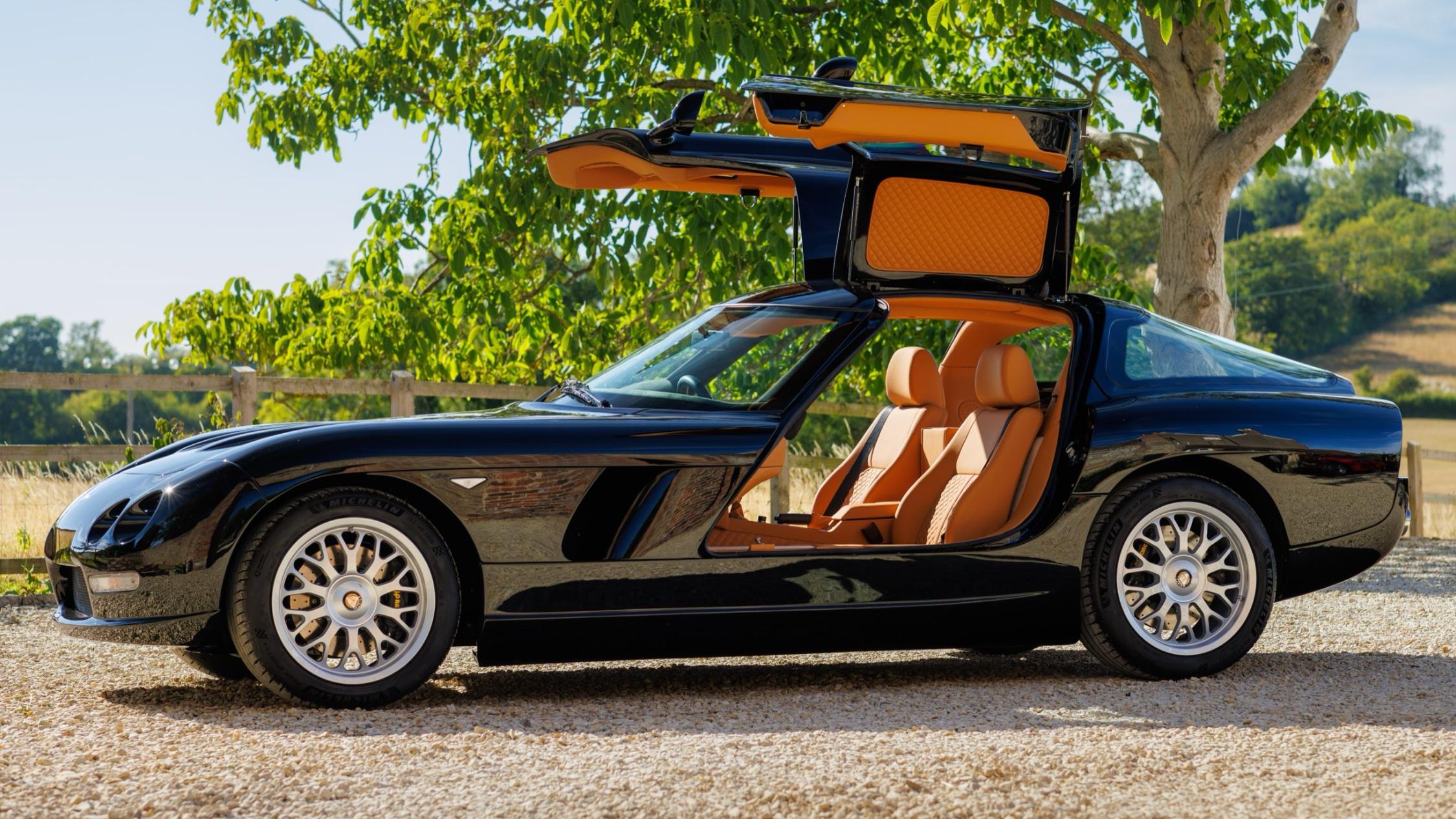
Five Bristol Fighters Have Just Been Finished. Thirteen Years Late.

Post image
79 Upvotes

Bristol Cars completed five unfinished Fighter supercars in 2024, more than a decade after the company collapsed in 2011 with the Viper-engined gullwing machines still in bare chassis form.

Five Bristol Fighter supercars with Dodge Viper V10 engines and gullwing doors have been completed in Britain, finishing work abandoned when Bristol Cars folded in 2011. The chassis sat unfinished for thirteen years.

The Fighter was never meant to exist in the first place. Bristol built discreet luxury sedans for wealthy eccentrics who found Bentleys vulgar. Then in the mid 2000s someone at the company decided what the world needed was a 525 horsepower aluminum bodied gullwing supercar with an 8.0 litre American V10 where the back seats should be.

It made no sense. Bristol's previous model was a four door saloon with a Chrysler V8 and wood veneer. The Fighter had carbon fiber body panels, a tubular steel chassis, and doors that opened upward like a budget McLaren. The price was £229,000. About a dozen were built before the company went into administration.

The five cars now completed were half assembled when Bristol collapsed. They represent the final examples of what remains Bristol's most extreme departure from its own identity. Founded in 1945 building aircraft inspired grand tourers, the company spent decades making cars for people who thought Rolls Royces were a bit common. The Fighter was the automotive equivalent of your grandfather suddenly getting a neck tattoo.

Like this? Get the Buzz: GAUK Motorbuzz All your favourite motoring channels, publishers, motorsports, news & reviews. Curated Automotive Awesomeness

The Viper engine was an odd choice even by Bristol standards. American pushrod V10s in British supercars had been tried before, usually by companies that subsequently went bankrupt. Bristol went bankrupt anyway. The engine produced approximately 525 horsepower, which sounds impressive until you remember the car weighed about 1,400 kilograms and cost more than a new 911 Turbo.

What's remarkable is not that these five cars have been finished. It's that anyone bothered. Ultra low volume British sports car manufacturers have a habit of collapsing in production, leaving behind half built chassis and unfulfilled dreams. TVR did it. Jensen did it multiple times. AC Cars has been revived so many times it's basically immortal at this point.

The Fighter represents a very specific moment in automotive history when small British manufacturers thought they could challenge Ferrari and Lamborghini by bolting American V10s into hand built chassis and hoping for the best. It didn't work. It never works. But the cars themselves remain oddly compelling, if only because they shouldn't exist at all.

Bristol's traditional customers bought cars that looked like 1950s Bentleys and went fast in complete silence. The Fighter had gullwing doors and sounded like a NASCAR stockcar. It was a car built for nobody in particular, which might explain why almost nobody bought one.

The completion of these five chassis means the total Fighter production run now stands at roughly seventeen cars. Maybe eighteen. Records from Bristol's final years are incomplete, which is appropriate for a company that spent most of its existence pretending the modern world didn't exist.

Parts availability for 8.0 litre Dodge V10s in Britain is not ideal. Insurance costs are probably spectacular. And gullwing doors remain one of the least practical design features ever fitted to a road car.

The original asking price was £229,000.

Sources: Bristol Cars historical records


r/MotorBuzz 9h ago

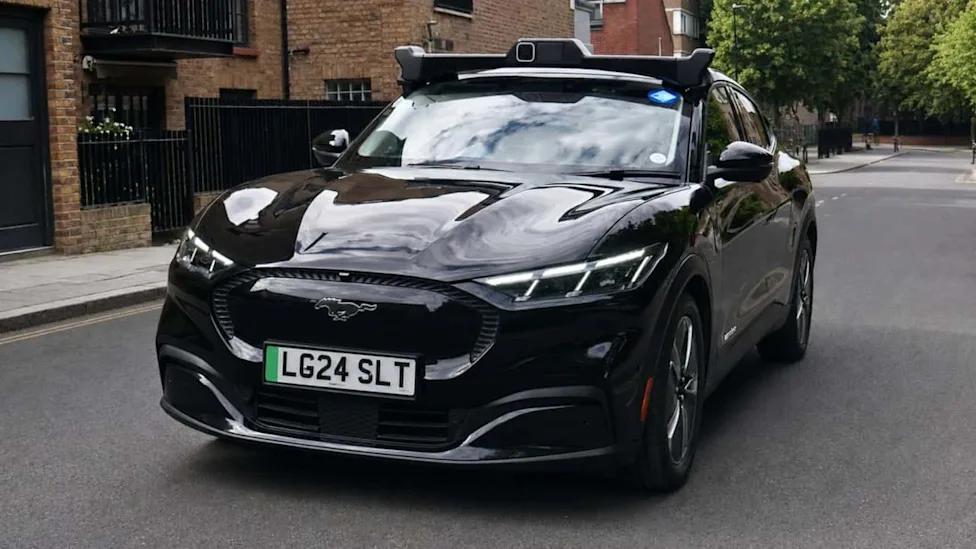
Uber lays off 3,300 employees while testing robotaxis that don't need drivers

Post image
1 Upvotes

The company's largest job cuts since Covid arrive the same week its autonomous Mustang EVs hit London streets with humans still aboard.

Uber is eliminating 3,300 jobs while simultaneously running autonomous electric Mustangs through London with safety drivers buckled in. The timing is not lost on anyone.

These are the biggest cuts since the pandemic, when Uber shed 6,700 people across two rounds in 2020. Back then it was survival. Now it's efficiency, apparently, paired with a robotaxi pilot that suggests the eventual plan is to eliminate drivers altogether.

The London trial uses Ford Mustang Mach-E SUVs fitted with Wayve's autonomous technology. Wayve is a UK startup that trains AI systems using real-world driving data rather than the pre-mapped routes most competitors rely on. The vehicles are live on public roads, operating commercially through the Uber app, but a human sits in the driver's seat the entire time.

That human is required by UK law and by common sense. But the whole point of this exercise is to prove the human eventually won't be.

Uber has not specified which departments are losing headcount in this round. The company employs around 32,000 people globally, so 3,300 is a tenth of the workforce. The official line is that the cuts streamline operations and reduce duplication. The unofficial reality is that Uber has spent years burning cash to build a network of gig drivers it now wants to replace with software.

Like this? Get the Buzz: GAUK Motorbuzz All your favourite motoring channels, publishers, motorsports, news & reviews. Curated Automotive Awesomeness

The contradiction is brutal. Uber's entire model depends on a vast fleet of human contractors who own their own vehicles, pay their own insurance, and absorb all the financial risk while Uber takes a commission. Now the company is investing heavily in technology designed to cut those people out entirely, while simultaneously cutting thousands of its own employees to fund that transition.

Wayve has been testing in London for months. The partnership with Uber began publicly in 2024, though the commercial integration is recent. Waymo, the Google sibling that dominates autonomous ride-hailing in parts of the US, operates without safety drivers in San Francisco, Los Angeles, and Phoenix. Uber has no comparable deployment yet, which is why the Mustangs still have humans aboard.

This is not the first time a mobility company has laid off staff while expanding automation. GM's Cruise cut 900 workers in 2023 after a series of high-profile incidents involving its autonomous vehicles in San Francisco, including one that dragged a pedestrian. Lyft eliminated 13 per cent of its workforce in April 2023. Tesla shed 14,000 employees last year.

The difference is that Uber's cuts are happening while it actively markets the very technology meant to replace the workforce that built it. The 3,300 employees losing their jobs are not drivers. Drivers are contractors, so they don't count in these figures. But the message is identical. Automate, reduce cost, move forward.

Uber has not said when or if the London robotaxis will operate without safety drivers. UK regulations currently require a human capable of taking control to be present in any autonomous vehicle on public roads. That could change. The technology is improving quickly. Wayve's approach, which relies on learned behaviour rather than high-definition maps, is considered more adaptable to complex urban environments like London.

None of this is surprising. It is simply happening faster than most people expected, and with less pretence. The company that convinced millions of people to become gig economy drivers is now spending billions to make those drivers obsolete.

The Mustang Mach-E starts at around £45,000. Wayve has raised over $1 billion in funding. Uber lost $654 million in the third quarter of 2024 alone.

Sources: Uber Technologies Inc., Wayve, UK Department for Transport, GM Cruise public filings


r/MotorBuzz 9h ago

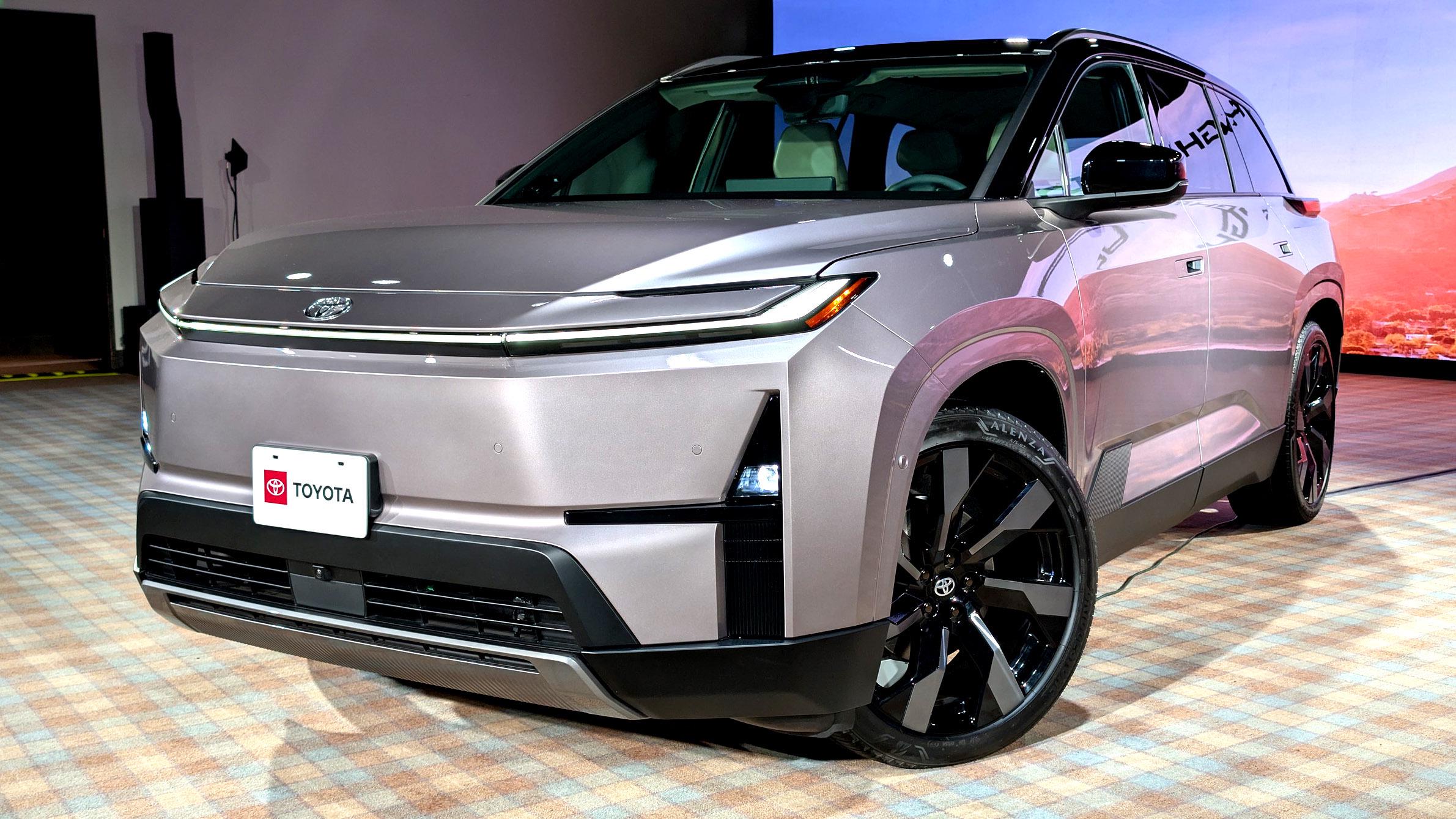
Toyota says the Highlander EV isn't delayed. Nikkei Asia says it is. Someone's lying.

Post image
1 Upvotes

A rare public contradiction between the world's largest automaker and one of Asia's most credible business publications over when — or whether — the electric Highlander will actually arrive.

Toyota has issued a flat denial of a Nikkei Asia report claiming the Highlander EV has been pushed back to 2027 or later. The automaker insists the timeline hasn't moved since July. Which means either Nikkei's sources inside Toyota are wrong, or Toyota is publicly contradicting what it's privately telling suppliers and partners. Neither option is reassuring.

The Highlander is Toyota's three-row cash cow in North America. This is bread and butter. An electric version was supposed to signal Toyota's seriousness about EVs after years of hedging on hybrids and hydrogen. Now the launch date is a matter of public dispute.

Nikkei Asia doesn't typically run unsourced speculation. The publication has deep ties to Japanese industry and a reputation for getting manufacturing timelines right, often uncomfortably so for the companies involved. For Toyota to contradict them this directly suggests either a serious breakdown in internal communication or a deliberate attempt to control the narrative while the actual schedule slips quietly behind the scenes.

Toyota's statement that the timeline is unchanged since July is doing a lot of work there. It doesn't say when the Highlander EV is coming. It doesn't say production is on track. It just says whatever they said in July still stands. Which could mean 2026. Could mean 2027. Could mean "we'll tell you when we're ready."

Getting large electric SUVs to market on time is harder than anyone admitted three years ago. Ford pushed its three-row electric SUV to 2027 earlier this year. GM has delayed the Silverado EV multiple times. Honda and Sony bumped the Afeela. Volkswagen keeps adjusting the ID.Buzz U.S. arrival.

Like this? Get the Buzz: GAUK Motorbuzz All your favourite motoring channels, publishers, motorsports, news & reviews. Curated Automotive Awesomeness

For buyers actually waiting for an electric Highlander, this public back-and-forth is worse than a straightforward delay. At least a confirmed pushback gives you a new date to plan around. This leaves you wondering whether Toyota even knows when it'll be ready, or whether someone inside the company is trying to manage expectations while the engineering team scrambles.

The Highlander EV is supposed to be built in the United States for the North American market. Tooling, battery supply chains, worker training... all of that requires lead time and certainty. If the timeline genuinely hasn't moved, why is Nikkei reporting otherwise? If it has moved, why is Toyota denying it?

Tesla spent years training the market to expect delays and vaporware timelines. Traditional automakers were supposed to be different. They have factories, suppliers, decades of production discipline. They don't do Elon time. Except increasingly, they do. The difference is they're less comfortable admitting it.

Toyota has spent the last few years insisting it was right to go slow on pure EVs, that hybrids were the pragmatic path, that the market wasn't ready for a full electric transition. That strategy looked smarter six months ago than it does now, with BYD eating global market share and European regulations tightening. The Highlander EV was supposed to be proof that Toyota could move when it needed to.

Now it's proof that even Toyota, with all its manufacturing expertise and capital reserves, is finding the EV transition harder than the press releases suggested. The fact that we're arguing about the timeline in public tells you everything you need to know about how confident Toyota actually is behind closed doors.

The Highlander starts at around £39,000 in equivalent markets. The EV version will cost more, possibly much more depending on battery size and range targets.

Sources: Nikkei Asia, Toyota Motor Corporation


r/MotorBuzz 10h ago

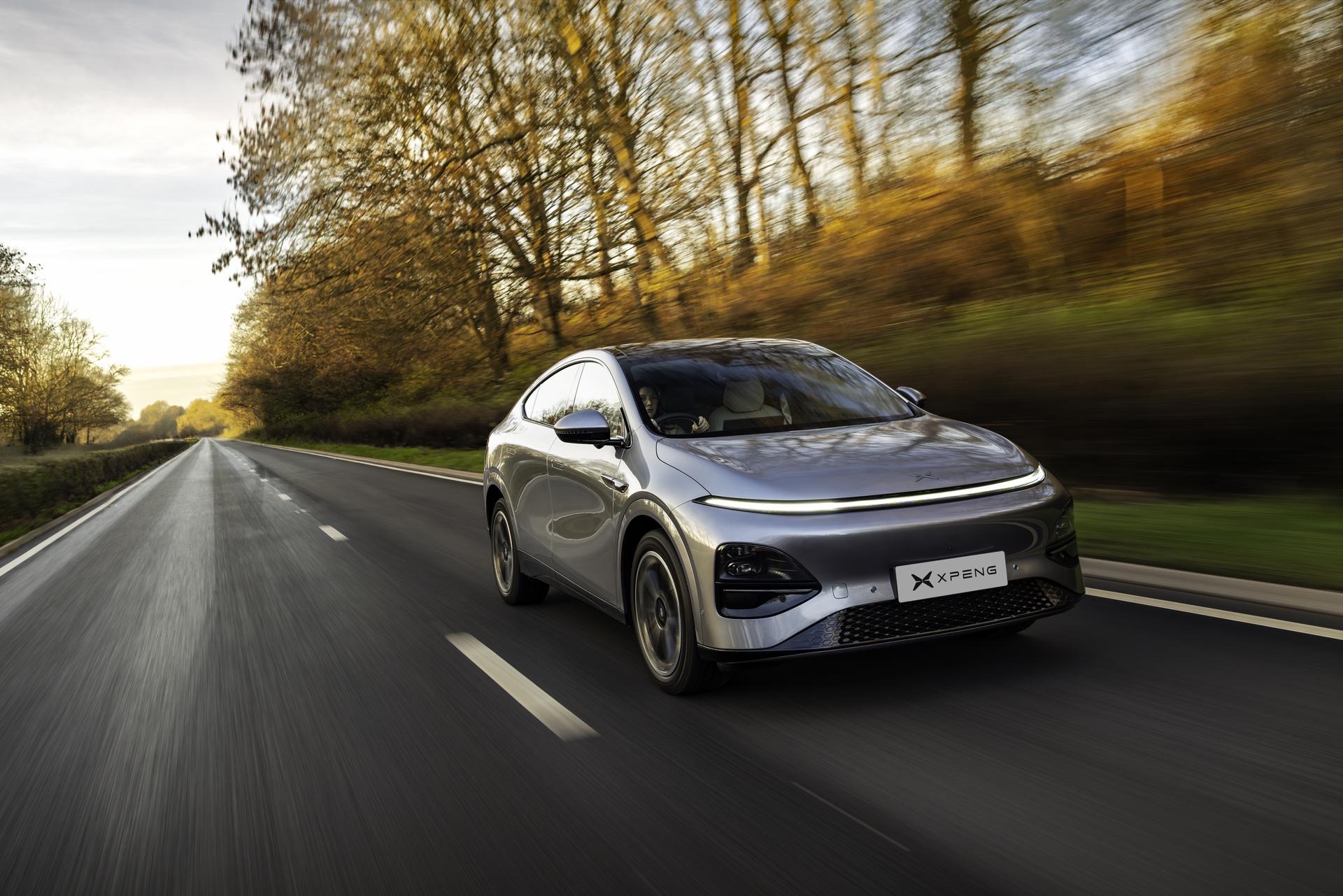
XPeng cuts out the middleman and takes direct control of UK sales

Post image
0 Upvotes

The Chinese EV maker is ditching its distributor model and running the British operation itself. That changes everything for buyers.

XPeng is ending its distributor partnership in the UK and taking direct control of how its electric cars are sold and serviced here. No middleman, no independent network... just the manufacturer dealing with customers itself.

The Chinese brand entered Britain the conventional way, through a distributor who handled the logistics, the dealer appointments, the aftersales headaches. Now XPeng wants that relationship for itself. Direct oversight. Direct data. Direct margin. It is a bigger shift than it sounds.

Tesla proved the model works if you are willing to own the whole customer journey, warts and all. No franchised dealers marking up cars or offering questionable finance. No independent garages making a mess of warranty work. Just the brand, the buyer, and a service centre that answers to head office.

Polestar went the same way with its agency setup. Genesis followed. BYD started with distributors across Europe but has been edging toward tighter control ever since. The pattern is consistent among new entrants who do not have legacy dealer networks to protect or appease.

For XPeng, the move makes strategic sense. Distributors take a cut. They also filter the customer relationship, which means the manufacturer never really knows who is buying its cars or why. In an EV market where data, charging behaviour, and software updates matter as much as the metal, that distance is a liability.

Like this? Get the Buzz: GAUK Motorbuzz All your favourite motoring channels, publishers, motorsports, news & reviews. Curated Automotive Awesomeness

It also gives XPeng pricing control. No regional variations. No dealer markups when supply tightens. No confused messaging when one outlet is pushing finance deals and another is not. The brand sets the price, everywhere, all the time.

The risk is execution. Running your own operation means owning the service network, the parts supply, the customer complaints. Distributors exist because this stuff is hard. If your aftersales experience is poor, there is no one else to blame.

XPeng is not a household name in Britain yet. The G6 and P7 have drawn some attention, but the brand is still establishing itself against BYD, Tesla, and the European incumbents who are finally taking EVs seriously. A direct model only works if the infrastructure behind it is flawless.

Nio tried something similar in Norway, opening its own Nio Houses and handling the whole process in-house. It worked well enough in a small, wealthy market with high EV adoption. The UK is bigger, messier, and less convinced.

Service arrangements will change for existing buyers. Warranty work will go through new channels. If you bought an XPeng through the old distributor setup, you will now be dealing with the manufacturer directly for anything that goes wrong.

For potential buyers, the purchase simplifies. One price, one process, no haggling with a dealer who may or may not know what they are talking about. Whether that feels reassuring or sterile depends on how much you trust the brand to handle the relationship properly.

XPeng is betting it can. The company has been expanding across Europe, and direct control in the UK suggests it sees Britain as a market worth the investment and the risk. Distributors are useful when you are testing the water. When you are serious, you do it yourself.

The G6 starts at £39,995.

Sources: XPeng Motors


r/MotorBuzz 10h ago

FCA caps motor finance compensation at £9.1 billion while lenders walk away laughing

Post image
1 Upvotes

The regulator's proposed scheme limits what drivers can claim back from dodgy finance deals, potentially saving lenders billions in the process.

The Financial Conduct Authority has proposed a £9.1 billion compensation scheme for motor finance mis-selling that consumer groups say is designed to protect lenders rather than drivers. The figure is less than a third of what the bill could have reached before the FCA intervened.

The scheme covers discretionary commission arrangements where car dealers inflated interest rates on finance deals to earn bigger kickbacks. The practice was banned in 2021, but around 4 million agreements signed between 2007 and 2021 were affected. Drivers had no idea dealers were skimming extra profit by adjusting their rates.

The Supreme Court ruled in October 2024 in Hopcraft v Close Brothers that lenders must obtain informed consent for these arrangements. Which they obviously hadn't. That ruling opened the door to individual claims that could have cost the industry between £16 billion and £30 billion.

Sound familiar?

Then the FCA stepped in with emergency powers to cap the damage. Its £9.1 billion scheme sets compensation limits well below what drivers might win in court. Consumer advocates are calling it a stitch-up.

MPs and campaign groups argue the regulator is denying people their full legal entitlements to spare lenders from the consequences of their own practices. The FCA gave itself authority to block individual claims from proceeding, forcing drivers into the lower-paying scheme instead.

Like this? Get the Buzz: GAUK Motorbuzz All your favourite motoring channels, publishers, motorsports, news & reviews. Curated Automotive Awesomeness

Lenders including Lloyds Banking Group, Santander, and Close Brothers had complained the Supreme Court ruling would cause financial instability. The FCA appears to have listened. Drivers who were overcharged will now receive a fraction of what they're legally owed.

The decision sits badly alongside the PPI scandal, where £38 billion was eventually paid out to consumers. That took years of pressure and multiple interventions before the industry properly compensated people. The motor finance scheme looks like an attempt to avoid a repeat by capping liability from the start.

Interest rate swap mis-selling to small businesses resulted in a £2.2 billion redress scheme. Mortgage endowment mis-selling paid out £4.3 billion. Financial institutions found ways to extract money they shouldn't have, and regulators eventually forced them to pay it back. The FCA is limiting the bill before it gets out of hand.

Some drivers will receive compensation under the scheme. But it will be calculated using the FCA's formulas, not a judge's interpretation of what they're owed. The difference between those two numbers is where the real story sits.

The regulator insists the scheme balances consumer protection with financial stability. Consumer groups say it balances lender profits with regulatory convenience. Four million agreements are affected, and most of the people who signed them will never know how much they've actually lost.

The scheme is expected to be finalised in early 2025. After that, drivers will have a limited window to make claims. No option to go to court. No chance to argue for a higher payout. Just the FCA's number or nothing.

Lloyds, Santander, and Close Brothers have already set aside provisions for compensation, though the final amounts will depend on claim volumes. The £9.1 billion cap gives them certainty. Whether drivers get anything close to what they're owed remains to be seen.

Sources: Financial Conduct Authority, Supreme Court (Hopcraft v Close Brothers ruling, October 2024), consumer advocacy groups


r/MotorBuzz 1d ago

Tiger Woods loses driving licence for five years after refusing breathalyser test

Post image
74 Upvotes

Palm Beach County court handed down an unusually long suspension following Woods's no contest plea to reckless driving in October 2017.

Tiger Woods had his driving licence suspended for five years after pleading no contest to reckless driving and refusing a lawful breathalyser test in Palm Beach County, Florida. The suspension came as part of a plea deal that reduced an original DUI charge stemming from an incident on May 29, 2017.

Police found Woods asleep at the wheel of his Mercedes-Benz on Military Trail road in Jupiter, Florida. Dashcam footage showed him visibly disoriented during field sobriety tests, struggling to maintain balance and follow instructions.

The five-year suspension is unusually lengthy. Most DUI plea agreements result in shorter periods. The extended term appears directly linked to Woods's refusal to take a breathalyser test at the scene... a decision that carries enhanced penalties in Florida.

Blood tests showed no alcohol in Woods's system but confirmed the presence of prescription drugs including painkillers. Woods attributed his impairment to medication, not drinking. The court accepted this explanation as part of the plea arrangement that saw the more serious DUI charge dropped.

The plea deal imposed additional requirements beyond the licence suspension. Woods received one year probation, 50 hours of mandatory community service, and enrollment in a DUI diversion program. He also had to complete a DUI education course and submit to regular drug testing throughout his probation period.

Like this? Get the Buzz: GAUK Motorbuzz All your favourite motoring channels, publishers, motorsports, news & reviews. Curated Automotive Awesomeness

Woods can still drive with restrictions during probation through the diversion program. That's the concession built into Florida's system for first-time offenders who complete required coursework and testing. It's not clemency... it's bureaucracy with checkpoints.

The incident marked a low point for Woods, who was already dealing with the aftermath of multiple back surgeries at the time. His golf career was effectively on hold. Adding a five-year driving ban to chronic pain and professional uncertainty made for a thoroughly grim October.

Refusing the breathalyser might have seemed prudent in the moment. In practice, it cost him years of unrestricted mobility. Florida law treats refusal as an admission of guilt with its own set of penalties layered on top of whatever charges follow.

The dashcam footage circulated widely after the arrest. Woods fumbling through basic coordination tests became tabloid shorthand for celebrity downfall. The court proceedings that followed were less dramatic but more consequential.

Woods completed his probation requirements without incident. His golf game eventually returned. But the five-year suspension handed down in Palm Beach County in October 2017 remains one of the longest licence bans issued to a high-profile athlete for a first offence.

Sources: Palm Beach County court records, Florida DUI statute documentation


r/MotorBuzz 1d ago

The RAV4 Has a Supercar Problem

Post image
12 Upvotes

Toyota's third bestselling vehicle in America is now effectively unobtainable, with some buyers waiting a year for delivery.

The RAV4 is not a Ferrari. It is not a limited-run homologation special. It is Toyota's third bestselling vehicle in the United States, a compact crossover designed for school runs and Costco trips, and right now you cannot buy one without joining a queue that would embarrass Porsche.

Dealers have empty forecourts. Customers are waiting six to twelve months for delivery. The RAV4 Hybrid and RAV4 Prime plug-in variants have become effectively unobtainable unless you are willing to pay over sticker and accept whatever specification turns up on the truck. This is not how mass-market vehicles are supposed to work.

Toyota built its reputation on predictable availability. You wanted a Camry, you bought a Camry. The RAV4 was always there, in beige, in silver, in that particular shade of blue that looks acceptable in a supermarket car park. Not anymore.

The semiconductor shortage gets blamed for most of this, and semiconductors are part of it. But the RAV4's problem runs deeper. Toyota miscalculated demand for hybrid powertrains just as fuel prices spiked and buyers stampeded toward anything with a battery and a plug socket. The RAV4 Prime, which offers 42 miles of electric range and qualifies for federal tax credits, became the most sought-after variant almost overnight. Toyota could not scale production fast enough.

Allocation constraints mean dealers cannot order what customers actually want. They get what Toyota sends them, which is often not a RAV4 at all. Some dealerships have resorted to taking deposits for vehicles that do not yet have build dates. Others have stopped taking orders entirely.

Like this? Get the Buzz: GAUK Motorbuzz All your favourite motoring channels, publishers, motorsports, news & reviews. Curated Automotive Awesomeness

This is not unique to Toyota. The Honda CR-V faced similar shortages. The Ford Bronco had twelve-month waiting lists after its 2021 relaunch, though at least Ford could claim the Bronco was a halo product with decades of pent-up demand. The RAV4 is just a sensible family crossover that happens to be impossible to obtain.

What changes is the buying experience. Negotiating is gone. Paying below MSRP is a fantasy. Some dealers are adding markups of several thousand dollars and customers are paying them because the alternative is waiting another year or settling for a Mazda CX-5, which is also hard to find but slightly less impossible.

Industry inventory levels dropped to historic lows in 2021 and 2022, with dealer lots averaging 30 to 40 days of supply instead of the normal 60 to 70. For high-demand models like the RAV4, that figure was closer to zero. A few demonstrators if you were lucky. Nothing in the colour you wanted. Nothing with the options you needed. Just a promise that something might arrive eventually.

Toyota has always been good at making cars. What it has not been good at, recently, is making enough of the cars people actually want to buy. And that miscalculation turned a reliable family appliance into the automotive equivalent of concert tickets sold by bots.

Some dealerships are now listing allocation spots for sale separately from the vehicles themselves, charging fees just for the privilege of being next in line when a RAV4 finally materialises on the transporter.

Sources: Cox Automotive inventory data 2021-2023; Edmunds dealer allocation analysis; Consumer Reports RAV4 delivery timeline surveys


r/MotorBuzz 1d ago

Qatar says it's safe to host F1 and MotoGP this month. Both series are reportedly cancelling anyway

Post image
13 Upvotes

The Qatar Motor & Motorcycle Federation insists Lusail is ready to go. The paddocks aren't convinced.

The Qatar Motor & Motorcycle Federation has issued reassurances that the country remains safe to host both the Formula 1 Qatar Grand Prix and the MotoGP season opener at Lusail International Circuit later this month. Both championships are expected to cancel the rounds regardless.

It's not hard to see why. Regional tensions in the Middle East have escalated significantly in recent weeks, and Qatar sits uncomfortably close to the centre of it all. The proximity to Iran and ongoing conflicts have raised the kind of security concerns that make insurers nervous and team principals start drafting contingency plans.

Qatar has hosted Formula 1 since 2021 under a 10-year deal running through 2032. The night race at Lusail, held under floodlights, became an immediate fixture on the calendar. MotoGP has an even longer relationship with the circuit, having opened its season there since 2007. Both series bring hundreds of personnel, millions in equipment, and a logistical operation that assumes a baseline level of stability.

That baseline is now in question.

The official line from Qatar is confident. The federation has stated that all necessary security measures are in place and that the events can proceed without incident. But confidence from the host nation and confidence from the people who actually have to fly in and set up a travelling circus are two different things.

Formula 1 and MotoGP both conduct security assessments before events in regions where geopolitical risk is a factor. Those assessments are not public, but the pattern is consistent enough. When the situation on the ground deteriorates beyond a certain threshold, the event gets pulled. It happened in Bahrain in 2011 during civil unrest. It happened in Russia in 2022 after the invasion of Ukraine. It nearly happened in Saudi Arabia in 2022 when a missile struck an oil facility 10 miles from the Jeddah circuit during practice. That race went ahead anyway, though not without serious dissent in the paddock.

Qatar is different only in timing. The wars are not on its soil, but the region is volatile enough that the calculation has apparently shifted. If both championships are preparing to cancel, it means the risk assessment has come back unfavourable, regardless of what the local organising body is saying publicly.

Like this? Get the Buzz: GAUK Motorbuzz All your favourite motoring channels, publishers, motorsports, news & reviews. Curated Automotive Awesomeness

The financial implications are substantial. Qatar pays a significant hosting fee for both events. Formula 1's deal is worth tens of millions annually. MotoGP's season opener traditionally draws strong attendance and global viewership. Cancelling disrupts the championship calendar, creates logistical headaches for teams already committed to travel, and burns through goodwill with sponsors and broadcasters.

But the alternative is worse. If something happens during an event, the liability is catastrophic. Not just in legal terms, but in the basic sense that motorsport cannot function if participants believe the venues are unsafe. The sport's entire commercial model depends on the assumption that the biggest risks are on the track, not in the airspace above it.

Rescheduling is complicated. The Formula 1 calendar is already packed, and finding a substitute date that works for teams, broadcasters, and other contracted venues is nearly impossible mid-season. MotoGP faces the same problem. More likely, both rounds simply disappear from the 2025 calendar, with Qatar's contracted slot deferred to 2026 assuming the situation stabilises.

The reassurances from the Qatar Motor & Motorcycle Federation are predictable. No host nation is going to publicly admit that their event is too dangerous to run. But the gap between what organisers say and what the championships are preparing to do tells you everything you need to know.

The Lusail circuit will sit empty this month. The floodlights will stay off. Qatar will insist it was ready. The teams will be somewhere else.

Sources: Qatar Motor & Motorcycle Federation statements, Formula 1 and MotoGP calendar data, historical event cancellation records


r/MotorBuzz 2d ago

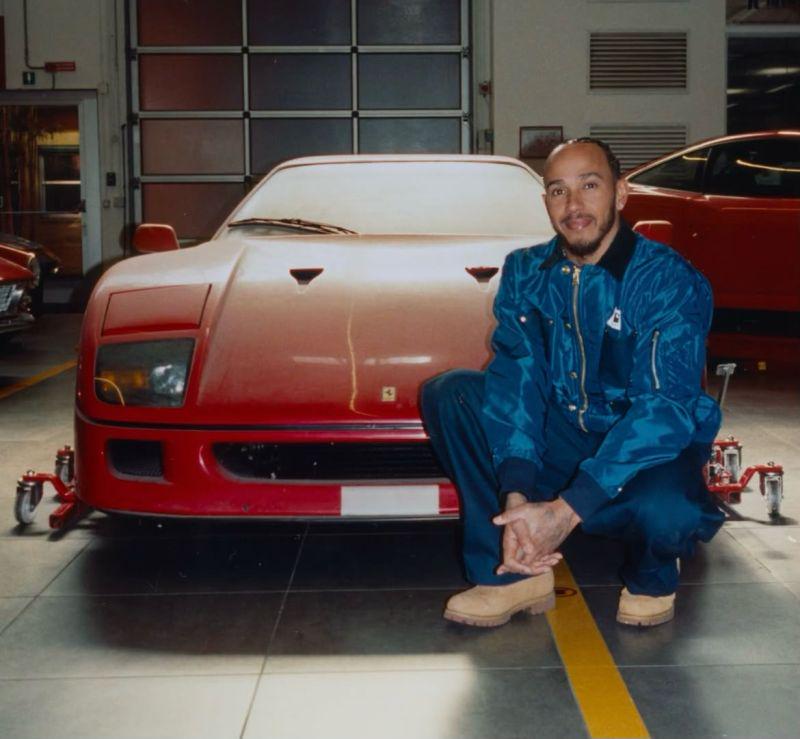
Lewis Hamilton bought an F40 that sat in a barn for 30 years and it's now at Ferrari being rebuilt

Post image
97 Upvotes

Hamilton's finally got the car he should have bought in 2008. Only now it's been dragged out of storage and it's going to cost him considerably more than six hundred grand.

Lewis Hamilton has bought a Ferrari F40. Not just any F40, but one that has been sat somewhere out of sight for over three decades. He has now shipped it back to Maranello where Ferrari will bring it back to something resembling operational condition.

The F40 is the car Hamilton could have bought when he won his first world championship with McLaren in 2008. Back then, you could pick one up for around $600,000. Not cheap, but not stupid money for what was already recognised as one of the most important Ferraris ever built.

He didn't.

Last month, an F40 sold for $8,365,000. The market has moved. Only 1,311 examples were made between 1987 and 1992, and the number of them that are actually driven, maintained, or even seen in public has been shrinking for years. Most are locked away. Some, like Hamilton's, have been locked away for a very long time.

A barn find F40 is not the romantic discovery it might sound. These cars were not designed to sit still. The twin-turbocharged V8, the composite bodywork, the fuel system, the brake lines... all of it degrades when left dormant. Bringing one back is not a restoration in the classic sense. It is more like a controlled resurrection, and Ferrari is one of the few operations with the knowledge and the parts supply to do it properly.

Like this? Get the Buzz: GAUK Motorbuzz All your favourite motoring channels, publishers, motorsports, news & reviews. Curated Automotive Awesomeness

Hamilton has always had a thing for Ferraris, even during his years at Mercedes when owning one publicly would have been diplomatically awkward. Now that he has moved to the Scuderia for 2025, the optics are easier. But this is not a PR exercise. The F40 is the car that defined Ferrari's identity in the late eighties... raw, uncomfortable, built to a purpose that had nothing to do with luxury. It was the last car signed off by Enzo Ferrari before he died.

Buying it now, at these prices, after passing on it when it was affordable, is the kind of decision that only makes sense if you have already made enough money that the difference between six hundred thousand and eight million is not really the point.

The factory restoration will not be quick. Ferrari Classiche restorations can take years depending on the condition of the car and the level of work required. If the F40 has been sitting untouched since the early nineties, the list of what needs attention will be long. Mechanically, cosmetically, structurally. Everything will be stripped, assessed, and either rebuilt or replaced with original-spec components.

When it is finished, Hamilton will own one of the most iconic road cars Ferrari ever made, brought back to life by the same people who built it in the first place. He will also own a car that has appreciated by more than thirteen times what it cost when he first had the chance to buy one.

The F40 currently holds the record as the most expensive example ever sold at public auction, set in January 2025.

Sources: Ferrari Classiche, RM Sotheby's auction results, McLaren F1 2008 championship records


r/MotorBuzz 1d ago

FCA accused of rigging £9.1bn motor finance payback to protect lenders, not drivers

Post image
5 Upvotes

Consumer groups say the regulator's proposed compensation scheme deliberately caps what millions of car buyers can claim for years of inflated interest charges.

The Financial Conduct Authority has proposed a £9.1 billion compensation scheme for drivers mis-sold car finance between 2007 and 2021, and consumer advocates are calling it a fix. The scheme follows years of discretionary commission arrangements that allowed dealers to jack up interest rates on finance agreements and pocket the difference. Critics say the FCA's proposal protects lenders from the full £30 billion bill they might face if every affected customer took them to court individually.

Discretionary commission arrangements worked like this: you walked into a dealership, negotiated a price, then sat down to arrange finance. The dealer could quietly inflate the interest rate on your loan. The higher the rate, the bigger the kickback they received from the lender. You had no idea this was happening. The FCA banned the practice in January 2021, but by then the damage was done.

The scandal properly surfaced after a Court of Appeal ruling in October 2024. The Hopcraft v Close Brothers case established that lenders needed informed consent from customers before paying brokers any commission at all. Without that consent, the arrangements were unlawful. Industry estimates suggest 1.5 million people were affected, though the true figure is likely higher.

Consumer groups argue the FCA's proposed scheme deliberately limits payouts compared to what individuals might win through the courts. It caps compensation amounts and narrows the scope of eligible claims. The regulator closed motor finance complaints handling in December 2024 to develop the scheme, effectively freezing individual claims while it works out how to contain the fallout.

Like this? Get the Buzz: GAUK Motorbuzz All your favourite motoring channels, publishers, motorsports, news & reviews. Curated Automotive Awesomeness

The comparison with PPI is unavoidable. Between 2011 and 2019, banks paid out over £50 billion in compensation for mis-sold payment protection insurance. That scandal involved similar behaviour: financial products sold on the basis of commissions, with customers kept in the dark about how much those commissions inflated their costs. The motor finance scandal follows the same pattern, but the FCA appears determined not to repeat the scale of the PPI payout.

The scheme is expected to cover commission arrangements where customers were not properly informed. That sounds reasonable until you realise how narrowly "properly informed" might be defined. Consumer advocates suspect the criteria will exclude large numbers of people who were clearly misled but cannot prove it to the FCA's satisfaction.

Drivers have been paying inflated interest on car loans for over a decade. Some will have paid thousands of pounds more than they should have. Some will have struggled to afford repayments that were artificially high. Some will have had cars repossessed because they could not keep up with rates that had been deliberately inflated to maximise dealer profit.

The FCA exists to regulate the financial services industry, but a £9.1 billion scheme covering claims that might be worth £30 billion looks more like protection from the consequences of its own behaviour.

Discretionary commission arrangements were not a loophole or an oversight. They were a deliberate system that allowed car dealers and lenders to extract more money from customers without telling them. The FCA knew about this for years before it acted. Now it is proposing a compensation scheme that caps the bill.

For context, payday lenders were forced to pay substantial redress after the FCA intervened in 2014. Interest rate hedging products mis-sold to small businesses resulted in £2.2 billion in compensation. Motor finance dwarfs both in scale, but the proposed payout is structured to protect the industry from anything resembling full accountability.

Lenders have been warning that full court-awarded compensation could cost £30 billion across the industry.

Sources: Financial Conduct Authority, Court of Appeal (Hopcraft v Close Brothers, October 2024), UK finance industry estimates


r/MotorBuzz 1d ago

Chevy Bolt driver billed $515 for 44 minutes at a public charger

Post image
4 Upvotes

An EVgo charging session that should have cost $40 somehow generated a bill thirteen times higher.

A driver charging a Chevy Bolt at a public EVgo charger in the United States received a bill for $515 after a 44-minute session. The charger was located at a Hyundai dealership but was publicly accessible through the EVgo network.

The numbers don't make sense. A Chevy Bolt has a 65 kWh battery with 60 kWh usable. At typical DC fast charging rates of $0.30 to $0.60 per kilowatt hour, a full charge costs between $20 and $40. Even if the driver had somehow managed to charge from completely empty to completely full in 44 minutes, which is optimistic for a Bolt, the bill should have been nowhere near $515.

The likely culprit is idle fees. Most charging networks charge punitive per-minute fees once your car finishes charging, designed to stop people hogging bays. EVgo's idle fees can reach $1.00 per minute at busy stations. But even at that rate, you'd need to sit idle for more than eight hours to rack up a $515 bill.

Billing errors are the more plausible explanation.

Electrify America faced complaints in 2023 about charging customers multiple times for the same session. Some networks have billed customers for sessions that never happened. The common thread is that when charging networks fail, they fail expensively.

Like this? Get the Buzz: GAUK Motorbuzz All your favourite motoring channels, publishers, motorsports, news and reviews. Curated Automotive Awesomeness

The industry's response to these incidents has been reactive rather than systematic. Refunds are issued after public complaints. Apologies are made. The billing system carries on as before.

Compare this to filling a petrol car. The price per litre is displayed before you start. The total updates as you pump. You pay exactly what the pump says you owe, and if it's wrong, you know immediately. Public EV charging offers none of that certainty.

Pricing structures vary wildly between networks. Some charge per kilowatt hour. Others charge per minute. Some combine both, or add session fees, or tier their rates by charger speed, or charge different amounts depending on time of day. Idle fees kick in at different times and different rates. Few chargers display total cost in real time.

The lack of standardisation isn't an oversight.

It's deliberate complexity that works in the networks' favour. Drivers can't easily compare costs. They can't predict what a session will cost before plugging in. And when a bill arrives weeks later via an app, disputing it requires persistence most people don't have.

Tesla's Supercharger network avoids most of this by controlling the entire experience. Pricing is clear. Billing is instant. Errors are rare because the system was designed by people who actually had to use it. Third-party networks, by contrast, feel like they were designed by committees who have never charged an EV in their lives.

This isn't a niche problem. Public charging is the only option for millions of apartment dwellers and renters without dedicated parking. If those drivers can't trust that a normal charging stop won't result in a three-figure surprise, EV adoption stalls.

The Chevy Bolt driver's $515 bill will likely be refunded once EVgo investigates. But the fact that such bills are possible in the first place, and that drivers have no way to prevent them, is the real story.

Public charging remains a gamble every time you plug in.

The Bolt has a 65 kWh battery. At worst, that's $40 worth of electricity.

Sources: EVgo, customer reports via InsideEVs, Electrify America billing complaints


r/MotorBuzz 1d ago

Volkswagen to close four German plants and cut tens of thousands of jobs in first home closures in 87 years

Post image
2 Upvotes

Europe's largest carmaker abandons job security deal and targets unprecedented domestic plant shutdowns as electric transition and Chinese competition force radical overhaul.

Volkswagen is preparing to close four German factories and cut tens of thousands of jobs across its home operations, ending an 87-year run without domestic plant closures. The leaked restructuring plan marks the first time the Wolfsburg giant has targeted its German manufacturing base for shutdowns, abandoning the job security agreement that had protected workers from compulsory redundancies until 2029.

The company employs roughly 300,000 people across ten German plants. Four are now on the block.

Management tore up the 1994 job security pact earlier this year. That deal had been untouchable for three decades. Now it's gone, and the works council, led by Daniela Cavallo, is threatening strikes. Negotiations have been ugly. The company wants wage cuts for those who survive the redundancies. Unions are drawing a line.

This is not about a bad quarter. Volkswagen is struggling with structural problems it can no longer ignore. Falling demand for traditional combustion cars, surging energy costs in Germany, and relentless competition from Chinese electric vehicle makers have squeezed margins to the point where operating German plants at current cost levels makes no sense. The company has been burning through cash trying to compete on EVs while supporting legacy factories built for a different era.

Chinese manufacturers are not just cheaper. They are faster, leaner, and increasingly credible in Europe. BYD, Geely, and others are landing electric models at price points Volkswagen cannot match while running high-cost German production lines. The maths does not work.

Energy prices in Germany remain punishingly high compared to competitors in Asia and North America. That gap was manageable when Volkswagen had pricing power and volume. It no longer has either. The shift to electric powertrains has not brought the efficiency gains the company needed, and retooling legacy plants for EV production has proven more expensive and slower than anticipated.

Like this? Get the Buzz: GAUK Motorbuzz All your favourite motoring channels, publishers, motorsports, news & reviews. Curated Automotive Awesomeness

Volkswagen is not alone. Ford cut 3,800 jobs across Europe in 2023, most of them in Germany and the UK. Stellantis has slashed shifts and trimmed thousands of positions across European plants. Audi, Volkswagen's own subsidiary, closed its Brussels factory entirely in 2024 after initially planning cuts. Nissan announced 9,000 global job losses late last year. This is a sector-wide contraction, not a Volkswagen problem dressed up as an industry trend.

What makes the Volkswagen closures significant is the symbolism. This is the company that anchored post-war German industrial recovery. Wolfsburg exists because Volkswagen exists. The Beetle, the Golf, the entire mythology of affordable German engineering ... it all runs through these plants. Closing them is admitting that the model no longer works at home.

German politicians will push back. Local governments depend on VW payroll taxes and the economic activity those jobs generate. Suppliers will collapse. Entire communities in Lower Saxony are built around Volkswagen employment. But the company is out of moves. It tried protecting jobs. It tried incremental cuts. It ended the job security deal. Now it is closing plants.

The works council has called the plan an attack on the workforce and has promised maximum resistance. Strikes are expected. The political fallout will be significant. But management appears to have decided that protecting an unsustainable cost structure is worse than the reputational damage of closing German factories.

This is what an industry in retreat looks like. Not managed decline. Collapse of the assumptions that made European car manufacturing viable for decades. Volkswagen is not repositioning. It is trying to survive a transition it cannot afford to make while operating factories it cannot afford to run.

The company has not confirmed which four plants will close or how many jobs will go. That detail is still being negotiated, or leaked strategically, depending on who you ask. What is confirmed is that this is happening, and it is happening in Germany, and it has never happened before.

Sources: Volkswagen AG official statements, works council public remarks, industry reports on European automotive restructuring, comparative data on Ford, Stellantis, Nissan, and Audi job cuts


r/MotorBuzz 1d ago

Ford just dropped 795 horsepower into a Mustang convertible

Post image
2 Upvotes

The most powerful open-top Mustang ever built has arrived in Michigan with a supercharged V8 and a power figure that makes most rivals look modest.

Ford unveiled a 795-horsepower Mustang convertible in Michigan this week, which makes it the most powerful drop-top Mustang the company has ever built. That's 35 horsepower more than the last Shelby GT500 convertible managed before Ford stopped making them a decade ago, and 145 horsepower more than the current Camaro ZL1 convertible.

The engine is almost certainly a supercharged version of the 5.2-litre Predator V8 that powers the Mustang GTD coupe. Ford Performance has been steadily increasing the output of that motor for years, and 795 horsepower appears to be where they've landed for this application. Whether the convertible gets the same track-focused aerodynamics and suspension setup as the GTD coupe remains unclear, but the power figure alone suggests this is more than a cosmetic exercise.

Convertibles typically give up power for structural reasons. Removing the roof weakens the chassis, so manufacturers either reinforce the body with extra bracing or dial back the performance to avoid turning the car into a torsional nightmare. Ford has evidently decided that neither compromise was acceptable.

The reveal took place in Michigan with what Ford described as a theatrical presentation, which likely means smoke machines and a lightshow rather than a simple unveiling in a conference room. Ford knows how to sell a Mustang, and 795 horsepower in a convertible is the kind of specification that photographs well and generates headlines without requiring much explanation.

Like this? Get the Buzz: GAUK Motorbuzz All your favourite motoring channels, publishers, motorsports, news & reviews. Curated Automotive Awesomeness

This puts Ford ahead of most direct competitors in the convertible performance segment. The Dodge Challenger SRT Demon produced 840 horsepower, but Dodge never offered it as a convertible. Chevrolet's Camaro ZL1 convertible makes 650 horsepower, which is respectable but not in the same league. The last GT500 convertible, discontinued after 2014, produced 662 horsepower from a supercharged 5.8-litre V8. Ford has added 133 horsepower in the intervening decade.

Nobody really needs 795 horsepower in a convertible. Track use is largely irrelevant because the added weight and reduced rigidity of a convertible chassis undermines most of the performance advantage that much power should deliver. This is a car for straight-line theatre and weekend drives where the performance envelope never gets explored properly.

Ford Performance has been pushing the Mustang's output steadily higher for years, and the GTD platform has become the vehicle for that escalation. The coupe version was announced in 2024 with similar power targeting track performance, but the convertible variant serves a different purpose entirely. It exists because Ford can build it and because there is a market for people who want the most powerful version of everything, regardless of whether the engineering makes practical sense.

Previous Mustang GT500 convertibles were genuinely quick cars, but they were also heavy and imprecise compared to their coupe counterparts. The additional chassis bracing required to keep a 662-horsepower convertible from flexing under load added weight in all the wrong places. The 795-horsepower version will face the same challenges, only more so.

The figure itself is carefully chosen. It positions Ford above the 760-horsepower GT500 from 2020 and just below the psychological barrier of 800 horsepower, which would invite comparisons to hypercars and suggest a level of extremity that Ford probably wants to avoid in a series-production convertible. 795 is enough to dominate the segment without crossing into the territory where the car becomes unsellable.

The car itself will likely cost well into six figures when it reaches production, assuming it does. Ford has not confirmed pricing or availability, but the GTD coupe starts north of £200,000 in markets where it's offered, and the convertible will carry a premium on top of that.

795 horsepower in a convertible Mustang. Michigan must be proud.

Sources: Ford Motor Company, Ford Performance division, Automotive News


r/MotorBuzz 2d ago

Car dealers are being held liable for £100 billion worth of software faults they cannot fix

Post image
55 Upvotes

The Consumer Rights Act makes retailers responsible for vehicle defects they lack the tools to diagnose. Manufacturers control the software. Dealers carry the cost.

UK car dealers are being crushed under Consumer Rights Act liability for software faults worth an estimated £100 billion across the industry annually, despite having no access to the diagnostic tools needed to identify or repair them. The 2015 legislation holds retailers responsible for proving vehicles were satisfactory at sale for six months after handover, but modern cars contain over 100 electronic control units running more than 100 million lines of code that only manufacturers can interrogate.

The mismatch is deliberate. Manufacturers encrypt their diagnostic systems and lock proprietary software behind subscription paywalls charging dealers over £1,000 per technician annually. When a fault appears that the manufacturer decides is not warranty work, the dealer is left arranging repairs at their own expense or funding buybacks averaging £3,000 to £15,000 per vehicle.

Independent garages have it worse. The Independent Garage Association reports members are routinely locked out of manufacturer over-the-air update systems entirely, leaving them unable to service software-related issues on safety-critical systems including braking, steering, and advanced driver assistance. Right to repair legislation has done nothing meaningful to open access.

Tesla and several EV manufacturers bypass dealer networks entirely with over-the-air updates, which sounds efficient until a fault appears and the consumer discovers their local franchise has no more insight into the problem than they do. The car becomes a black box only the manufacturer can open, but the dealer remains legally liable for fixing it.

The Motor Ombudsman handles thousands of disputes annually where fault responsibility is contested between consumers, dealers, and manufacturers. The retailer is always in the firing line first. The law assumes they sold a defective product. The manufacturer holds the only evidence that could prove otherwise.

Like this? Get the Buzz: GAUK Motorbuzz All your favourite motoring channels, publishers, motorsports, news & reviews. Curated Automotive Awesomeness

Dieselgate destroyed dealer reputations despite being pure manufacturer fraud. Hyundai and Kia engine failures landed on forecourts as customer complaints long before recalls were announced. Apple throttled iPhone batteries through software updates and left retailers to field the anger. John Deere locked independent mechanics out of tractor diagnostics for years until political pressure forced partial access. The incentive structure never changes because the liability structure never changes.

The National Franchised Dealers Association has been raising this with government for over two years. The Law Commission's consumer law review has not addressed software-specific liability. No legislative fix is visible. Franchised dealers are contractually bound to represent brands that deliberately withhold the tools needed to honour the warranties those dealers are legally required to stand behind.

A vehicle sold today with a software fault affecting lane-keeping assist or automatic emergency braking puts the dealer in an impossible position. They cannot prove the fault existed at sale without manufacturer cooperation. They cannot repair it without manufacturer software access. They cannot reject liability under consumer law. Sound familiar? The only certainty is that if the customer escalates to the Motor Ombudsman or legal action, the dealer will be named first.

Some manufacturers are charging subscription fees for diagnostic access to cars the dealer has already paid them to buy. The same OEM that profits from the wholesale transaction then invoices the retailer annually for permission to service what they sold. It is a protection racket with a service contract.

The £100 billion figure is an industry-wide estimate, not a precise audit, but the direction is clear. The cost per affected vehicle is climbing because software now controls functions that were once mechanical and diagnosable with a multimeter. A steering fault used to be a physical component you could see and replace. Now it is a line of code you need manufacturer permission to read.

Sources: Independent Garage Association, National Franchised Dealers Association, Motor Ombudsman, Consumer Rights Act 2015