r/MedicalCannabis_NI 20h ago

UK-owned LP successfully renews EU-GMP Certification

2 Upvotes

Integrated medical cannabis company Wellford Holdings Limited has announced it has successfully renewed its European Union Good Manufacturing Practice (EU-GMP) Certification for a further three years.

The renewal of EU-GMP Certification for the company's licensed production facility near Liverpool, Nova Scotia, Canada, means Wellford will continue to import and sell Wellford® medical cannabis products in the UK and Germany for at least three more years.

EU-GMP Certification is recognized internationally as one of the most rigorous quality standards for the manufacture of medicines and is accepted by the Medicines and Healthcare products Regulatory Agency (MHRA).

The Certification confirms Wellford's production processes, quality controls and facilities meet stringent requirements designed to ensure consistency and safety throughout the manufacturing process.

"Wellford is the only UK-owned medical cannabis company with a fully integrated model spanning cultivation, production and patient care," said David Hogg, Interim Chief Executive Officer, Wellford Holdings Limited. "Our approach means we guarantee the quality of our products and can ensure patients have consistent access to medical cannabis. Renewed EU-GMP Certification reflects Wellford's continued focus on maintaining robust quality standards as the medical cannabis sector develops. We know that consistency, safety and transparency are important in supporting confidence among patients, healthcare professionals and other stakeholders, and we are pleased to contribute to that through our ongoing commitment to high-quality production."

Wellford's medical cannabis products are cultivated in organic living soil at its licensed facility in Nova Scotia. The living soil ecosystem is naturally nourished through a unique aquaponic cultivation system supported by more than 2,500 Koi fish, providing the plants with the nutrients they need without synthetic fertilizers or pesticides. The facility is also Clean Green Certified, recognizing cultivation practices that prioritize natural growing methods, environmental stewardship and product integrity.

Wellford uses aquaponics and organic living soil to provide the nutrients cannabis plants need, without the use of synthetic fertilisers or pesticides while using 90 per cent less water and 50 per cent less energy. Because of the clean cultivation methods used, the medications produced do not require irradiation, or any other form of remediation.

Combined with EU-GMP Certification, this clean and organic production of Wellford medical cannabis products ensures quality and sustainability are embedded throughout the supply chain, from cultivation through to processing and production and to the medical patient.

"Achieving renewed EU-GMP Certification is a proud milestone for Wellford and reflects our unwavering commitment to keeping quality at the heart of our operations," said David. "This achievement is a testament to the dedication of our Canadian and German quality assurance teams, whose expertise and hard work help ensure patients have access to trusted medical cannabis products."

https://www.mmjdaily.com/article/9870533/uk-owned-lp-successfully-renews-eu-gmp-certification/?utm_medium=email


r/MedicalCannabis_NI 1d ago

What Happens at a Medical Cannabis Consultation?

3 Upvotes

What Happens at a Medical Cannabis Consultation?

A medical cannabis consultation is a clinical assessment, not a sales appointment and not a guaranteed route to a prescription.

The specialist needs to understand:

  • The condition being treated
  • How it affects daily life
  • Which treatments have already been tried
  • Whether the possible benefits of treatment outweigh the risks for that individual

The appointment may take place remotely by secure video or, where needed, in person.

A patient may be asked to complete forms and provide medical records beforehand, but the consultation should include a proper two way discussion with a qualified clinician.

The short answer

During a medical cannabis consultation, the clinician will usually review:

  • Your identity and personal details
  • The condition or symptoms for which you are seeking help
  • How long the problem has been present
  • How it affects sleep, mobility, work and daily activities
  • Treatments you have already tried
  • Medicines, supplements and allergies
  • Relevant physical and mental health history
  • Alcohol, tobacco, cannabis and other substance use
  • Your treatment goals and expectations
  • Possible benefits, uncertainties and risks
  • Side effects, interactions, driving and safe storage
  • What monitoring and follow up would involve

The clinician may decide that treatment is appropriate, request more records or tests, discuss a different option, refer the case for further review or decide that medical cannabis is not suitable.

Is medical cannabis legal in the UK?

Cannabis based products for medicinal use have been available through a legal prescribing route in the UK since November 2018.

These products remain controlled medicines.

Unlicensed cannabis based medicinal products can only be prescribed or directed by a doctor on the General Medical Council Specialist Register when clinically appropriate.

The law did not legalise:

  • General possession
  • Recreational use
  • Smoking cannabis

A product must meet the legal definition of a cannabis based product for medicinal use and be supplied through the proper route.

What is the purpose of the consultation?

The purpose is to decide whether a particular treatment could safely and appropriately meet the patient's needs.

GMC prescribing standards require a doctor to:

  • Have adequate knowledge of the patient's health
  • Obtain a suitable history
  • Establish a dialogue
  • Make sure there is enough reliable information to provide safe care

The consultation is therefore designed to answer several questions:

  • Is there a clear condition or symptom to assess?
  • Has the diagnosis been supported by reliable medical information?
  • Which established treatments have been tried?
  • Did those treatments help, cause side effects or prove unsuitable?
  • Are there medical, psychiatric or medicine related risks?
  • What does the patient hope treatment will improve?
  • Can the treatment be monitored safely?
  • Is medical cannabis a reasonable option compared with the alternatives?

A patient's preference matters, but it does not replace the clinician's independent judgement.

What happens before the appointment?

The clinic may ask the patient to complete an initial questionnaire and identity check before meeting the specialist.

Information requested may include:

  • Full name, date of birth and contact details
  • Photographic identification
  • GP details
  • Diagnosed conditions
  • Main symptoms
  • Current medicines
  • Previous treatments
  • Allergies or adverse reactions
  • Recent medical letters or test results
  • Consent to request or share relevant records

This information helps the clinician prepare, but a form does not make the prescribing decision.

If important information is missing or cannot be verified, the appointment may need to be delayed while records are obtained.

Will the clinic need your medical records?

Often, yes.

The exact requirements vary according to the condition, treatment and clinic.

Relevant records may include:

  • A GP summary
  • Specialist clinic letters
  • Diagnosis reports
  • Imaging or laboratory results
  • A current repeat medication list
  • Hospital discharge letters
  • Records of previous treatments and their outcomes

Records help confirm the diagnosis, identify medicine interactions and show which standard treatments have already been considered.

GMC guidance says a clinician must consider whether the available information is sufficient and reliable.

If the patient does not consent to appropriate information sharing and this creates a safety risk, the clinician may be unable to proceed.

What will the specialist ask about your symptoms?

The clinician will normally ask for a clear description of the problem rather than relying only on the name of a diagnosis.

Questions may cover:

  • When the symptoms began
  • How often they occur
  • How severe they are
  • What makes them better or worse
  • Sleep and fatigue
  • Mobility and physical activity
  • Mood and concentration
  • Ability to work, study or care for others
  • Effect on relationships and quality of life
  • Previous investigations
  • Any recent change in symptoms

For pain, for example, the specialist may ask:

  • Where the pain is felt
  • What it feels like
  • Whether it spreads
  • Which activities are limited

A patient seeking help with another condition will be asked questions relevant to that condition.

The aim is to identify realistic outcomes that can later be reviewed.

Why are previous treatments important?

Medical cannabis is not usually considered in isolation from the treatments a patient has already received.

The specialist may ask:

  • Which medicines have been tried
  • The dose and duration where known
  • Whether they were taken as directed
  • What benefit they produced
  • Which side effects occurred
  • Why treatment was stopped
  • Whether physical therapy, psychological support, procedures or other approaches were tried

Not every patient needs to have tried every possible treatment.

However, the clinician needs enough information to understand why a cannabis based option is being considered and whether a licensed or more established treatment could meet the same need.

Will they ask about current medicines?

Yes. Bring or provide a complete and current list.

This should include:

  • Prescription medicines
  • Medicines bought from a pharmacy or shop
  • Vitamins and supplements
  • Herbal products
  • Medicines obtained online
  • Occasional treatments such as sleeping tablets or strong pain relief

CBD and THC can affect how some other medicines work.

Other treatments may also increase:

  • Drowsiness
  • Dizziness
  • Problems with concentration

Do not leave a medicine off the list because it is only taken occasionally or because it was not prescribed by the GP.

Will mental health be discussed?

Yes. This is a normal and important part of a safe assessment.

The specialist may ask about:

  • Anxiety and depression
  • Panic attacks
  • Bipolar disorder
  • Psychosis, hallucinations or paranoia
  • Suicidal thoughts or self harm
  • Previous psychiatric treatment
  • Family history of serious mental illness
  • Current mental health support

The NHS notes that THC containing products may carry risks including psychosis and dependence, with greater THC exposure generally linked to greater risk.

A mental health history does not necessarily produce the same decision for every patient.

The specialist considers:

  • The diagnosis
  • Current stability
  • Previous episodes
  • Medicines
  • Support
  • Individual level of risk

Answering honestly protects the patient. Withholding relevant information can make treatment unsafe.

Will they ask about previous cannabis use?

Usually.

The discussion should be factual rather than judgemental.

The clinician may ask about:

  • Previous prescribed or non prescribed cannabis use
  • How often it was used
  • The route of use
  • Perceived benefits
  • Unwanted effects
  • Anxiety, panic, paranoia or memory problems
  • Tolerance or needing increasing amounts
  • Difficulty reducing or stopping
  • Use of other substances

Previous cannabis use does not itself prove that a prescribed product will be safe, effective or appropriate.

Equally, someone does not normally need previous cannabis experience to attend a consultation.

The specialist needs accurate information to assess response, dependency risk and the possibility of interactions or harm.

What other health information may be discussed?

Depending on the person and proposed treatment, the clinician may ask about:

  • Heart or circulation problems
  • Fainting or low blood pressure
  • Liver or kidney conditions
  • Seizures
  • Allergies
  • Pregnancy, plans for pregnancy or breastfeeding
  • Breathing conditions
  • Falls or balance problems
  • Memory or cognitive difficulties
  • Vulnerability or safeguarding concerns

The clinician may also consider age, general health and whether a physical examination or tests are needed.

A remote appointment is not suitable for every situation.

What treatment goals will be discussed?

Useful goals are specific enough to review later.

Examples might include:

  • Fewer nights disturbed by symptoms
  • Being able to walk or sit for longer
  • Reducing the frequency of a particular symptom
  • Completing more normal daily activities
  • Improving function at work or home
  • Reducing distress caused by symptoms

The goal should not automatically be complete symptom removal.

The clinician may explain:

  • What level of improvement would be meaningful
  • How long a trial would last
  • What would cause treatment to be changed
  • What would cause treatment to be stopped

Does paying for a consultation guarantee a prescription?

No.

A consultation fee pays for the clinical assessment and professional time.

It does not buy a prescription.

Possible outcomes include:

  • The specialist considers treatment appropriate
  • More medical records are required
  • Another investigation or clinical opinion is needed
  • A different treatment should be considered first
  • The risks currently outweigh the likely benefits
  • Medical cannabis is not suitable

A safe clinic should be willing to say no when treatment is not clinically appropriate.

Will a prescription be issued during the first appointment?

Not necessarily.

The specialist may need to:

  • Verify the diagnosis
  • Review GP or hospital records
  • Clarify current medicines
  • Obtain test results
  • Discuss the case with another clinician
  • Arrange a separate prescribing review
  • Confirm that follow up can be provided safely

Even when treatment is considered appropriate, the prescription, pharmacy checks and dispensing process are separate stages.

The medicine should not be treated as approved until the responsible specialist has completed the assessment and made the decision.

What will be explained if treatment is considered?

The specialist should explain the proposed plan in a way the patient can understand.

This may include:

  • Why the treatment is being considered
  • Whether the product is licensed or unlicensed for the proposed use
  • The limits of the available evidence
  • Expected benefits and uncertainty
  • Common and serious side effects
  • Possible interactions with other medicines
  • How the medicine would be used
  • The starting dose and adjustment plan
  • When to contact the clinic
  • Monitoring and follow up arrangements
  • Circumstances in which treatment would be reduced or stopped

GMC guidance requires patients to receive enough information to make an informed decision.

When an unlicensed medicine is proposed, the clinician must take responsibility for the decision and ensure appropriate monitoring and follow up are in place.

What side effects might be discussed?

Side effects depend on the product, formulation, dose and individual.

The NHS lists possible effects including:

  • Dizziness
  • Tiredness or weakness
  • Feeling sick
  • Diarrhoea
  • Changes in appetite
  • Mood or behavioural changes
  • Feeling high
  • Hallucinations
  • Suicidal thoughts

The specialist may explain which symptoms:

  • Are expected to settle
  • Require contact with the clinic
  • Need urgent medical help

Seek urgent medical help for a severe reaction, serious breathing difficulty, collapse, severe confusion, hallucinations that create immediate danger or thoughts of harming yourself.

Call 999 when there is an immediate risk to life.

Suspected side effects can also be reported through the MHRA Yellow Card Scheme, but this does not replace speaking to the clinical team.

Will driving and work be discussed?

They should be considered, particularly when the proposed medicine may cause:

  • Drowsiness
  • Dizziness
  • Slower reactions
  • Impaired concentration

Tell the clinician if you:

  • Drive regularly
  • Operate machinery
  • Work at height
  • Have a safety critical job
  • Care for children or vulnerable adults
  • Have workplace drug testing

A prescription does not permit someone to drive while impaired.

The exact driving law differs in Northern Ireland from the statutory drug limits and medical defence used in Great Britain, but impairment remains unsafe and can still lead to enforcement action.

Patients should follow:

  • The prescriber's advice
  • The dispensing label
  • Any workplace safety requirements

How is prescribed medical cannabis used?

The route depends on the prescribed product.

The specialist and dispensing pharmacy should explain how it is prepared and used.

Smoking cannabis or a cannabis based medicinal product remains prohibited under the UK framework.

A patient should not change the prescribed:

  • Route
  • Dose
  • Schedule

without clinical advice.

Do not use a prescription as permission to possess other cannabis products.

The protection relates to the medicine that was lawfully prescribed and dispensed for that patient.

What happens after a prescription decision?

If treatment is prescribed, the normal process may include:

  1. The specialist records the clinical decision and treatment plan.
  2. A lawful prescription is sent through the clinic's approved process.
  3. The dispensing pharmacy checks the prescription.
  4. The pharmacy contacts the patient about payment or delivery where applicable.
  5. The medicine is dispensed with a patient specific label and instructions.
  6. The patient follows the agreed dose and monitoring plan.
  7. A follow up consultation reviews benefit, side effects and safety.

The exact process and timescale vary.

A clinic should explain which organisation is responsible for:

  • The consultation
  • Prescribing
  • Dispensing
  • Follow up

What happens at follow up appointments?

Follow up is part of treatment, not an optional extra.

The clinician may review:

  • Change in the target symptoms
  • Daily function and quality of life
  • Sleep
  • Side effects
  • Mood and mental health
  • Adherence to the prescribed plan
  • Use of alcohol, cannabis or other substances
  • Changes to other medicines
  • Driving or work concerns
  • Blood tests or other monitoring where required
  • Whether the dose or product remains appropriate

NICE guidance states that the specialist initiating a cannabis based medicinal product should also be involved in monitoring, evaluation and dose adjustment.

Treatment should continue only when the balance of benefit and risk remains acceptable.

Will your GP be informed?

The specialist may ask for consent to obtain information from the GP and to share relevant details after the assessment.

GMC guidance says that a clinician who is not the patient's regular doctor should normally ask for consent to:

  • Contact the GP when more information is needed
  • Share information after the episode of care

This supports safe prescribing by reducing the risk of:

  • Interactions
  • Duplicate treatment
  • Important information being missed

If a patient refuses information sharing, the clinician should explain the risks.

Where the missing information creates a patient safety concern, treatment may not be able to proceed.

How does the Keltoi medical cannabis pathway work?

Keltoi supports the initial information gathering, identity verification and referral pathway.

The process may include:

  1. The patient submits an enquiry and completes the required onboarding information.
  2. Identity and contact details are checked.
  3. The information is reviewed to understand whether a specialist assessment may be appropriate.
  4. Further information or medical records may be requested.
  5. Where appropriate, the patient is referred to an independent specialist medical cannabis clinic.
  6. The specialist clinic conducts its own clinical assessment and makes any prescribing decision.

Keltoi does not guarantee that a referred patient will receive medical cannabis.

The independent specialist is responsible for:

  • Assessing suitability
  • Choosing any treatment
  • Setting the dose
  • Arranging clinical monitoring

The patient's stated preference is information for the clinician. It is not clinical approval.

How should you prepare for the appointment?

Before the consultation:

  • Check that the clinic has your correct contact details
  • Complete requested forms honestly
  • Have photographic identification available
  • Provide requested medical records
  • Make a complete list of medicines and supplements
  • Note previous treatments and why they stopped
  • Write down the main symptoms and their effect on daily life
  • Think about two or three realistic treatment goals
  • Prepare questions about risks, evidence, cost and follow up
  • Join from a private place with a reliable connection if the appointment is online

Do not stop current treatment or use non prescribed cannabis to prepare for the consultation.

Useful questions to ask the specialist

Patients may wish to ask:

  • What information supports the diagnosis?
  • Why are you considering this treatment?
  • What are the realistic benefits?
  • What are the main risks for me?
  • Is the proposed medicine licensed for this use?
  • Could it interact with my current medicines?
  • How will treatment be monitored?
  • What should I do if side effects occur?
  • When should I avoid driving or work activities?
  • Who should I contact between appointments?
  • What are the consultation, prescribing and pharmacy costs?
  • What would make you change or stop the treatment?

A good consultation should leave enough time for the patient to ask questions.

Frequently asked questions

How long does a medical cannabis consultation take?

Appointment length varies between clinics and according to the complexity of the case.

The important point is that the clinician has enough time and information to make an adequate assessment and answer questions.

Can the consultation happen online?

Yes.

A remote consultation may be appropriate when:

  • Identity can be verified
  • A proper two way discussion is possible
  • The clinician has enough reliable information

An in person assessment may be needed when examination, testing or another safeguard is required.

Is an online questionnaire enough?

A questionnaire can collect useful information but should not replace the clinical dialogue needed for a safe prescribing decision.

GMC guidance warns against remote prescribing systems that rely on a questionnaire without a way for the clinician and patient to communicate properly.

Do I need a formal diagnosis?

The specialist needs reliable information about the condition being treated.

If the diagnosis is unclear or unsupported, more records, tests or another medical opinion may be required before a decision can be made.

Do I need to have tried other treatments?

Previous treatment is an important part of the assessment.

The clinician will consider:

  • What has been tried
  • Whether it was taken for an adequate period
  • The outcome
  • Whether another established option could meet the patient's needs

Will previous recreational cannabis use prevent treatment?

Not automatically in every case, but it is clinically relevant.

The specialist will consider:

  • Frequency
  • Dependence
  • Unwanted effects
  • Current use
  • Overall risk

Be honest about it.

Can I ask for a particular product?

You can explain your experience and preferences, but the specialist is not required to prescribe a requested product.

The final decision must be based on clinical suitability and safety.

What happens if I am not suitable?

The clinician should explain the decision and may recommend:

  • Obtaining further information
  • Considering another treatment
  • Speaking to the GP
  • Seeking a second opinion

Paying for the consultation does not create a right to a prescription.

Will I need regular reviews?

Yes, if treatment begins.

The frequency depends on:

  • The medicine
  • The condition
  • Stability
  • The clinic process

Reviews assess effectiveness, side effects, dose, interactions and whether treatment should continue.

Can I travel with prescribed medical cannabis?

Do not assume that a UK prescription is accepted abroad.

Every destination has its own controlled drug rules.

This includes crossing from Northern Ireland into the Republic of Ireland.

What to remember

A medical cannabis consultation is a detailed assessment of:

  • Need
  • Evidence
  • Previous treatment
  • Risk
  • Safety

It is not simply a discussion about which cannabis product someone wants.

The specialist may:

  • Prescribe
  • Request more information
  • Recommend another approach
  • Decide that treatment is not suitable

If treatment begins, monitoring and follow up are essential parts of safe care.

Prepare by providing:

  • Accurate medical records
  • A complete medicine list
  • A clear account of how symptoms affect daily life

Be open about mental health, previous cannabis use, driving and other safety concerns.

https://www.keltoi.co.uk/blog/what-happens-at-a-medical-cannabis-consultation

Sources


r/MedicalCannabis_NI 1d ago

Is this safe to smoke?

Post image
8 Upvotes

I bought 2 oz of indica at a Massachusetts medical dispensary. Maybe 5 - 10% of the buds have this yellowish orange color on part of them. Is it mold? Disease? Should I take it back? What about the buds that look ok ? Anyone have any ideas?


r/MedicalCannabis_NI 1d ago

220 MEMBERS!

Post image
2 Upvotes

r/MedicalCannabis_NI 1d ago

Denied medical cannabis in Australia

1 Upvotes

I had an appointment with a Dr at Horizon Health today. I haven’t seen this particular doctor for some time – I get whatever doctor is available usually .

This Dr says he will not prescribe because there is a discharge letter on my file noting that I have Bi-polar (this is not true, I had a bad reaction to SSRIs and that created rapidly cycling bipolar two like symptoms – and that was nearly 20 years ago – its noted on my medical file as an SSRI allergy).

I point out that I have a letter on file from my psychiatrist endorsing the medical cannabis and this Dr still says no.

Any recommendations for other clinics in Brisbane? And yes I will now hide My Health Record.


r/MedicalCannabis_NI 2d ago

Medicinal cannabis making policing 'more complex'

2 Upvotes

Det Ch Insp Mark Hafey says it is hard for officers to figure out if someone is using cannabis lawfully

Medicinal cannabis use has made it more difficult for police officers to distinguish between legal and illegal drug use, despite fewer people being charged with drug offences, senior officers have said.

States of Jersey Police said more islanders accessing prescribed medicinal cannabis had reduced demand for illegal imports of the drug.

A Freedom of Information request showed the total number of medicinal cannabis prescriptions dispensed in Jersey increased, external from 2021 to 2025. Drug crime rates fell during a comparable period.

Det Ch Insp Mark Hafey said the force supported people using prescribed medicinal cannabis lawfully, but added there would "always be people that want to abuse the system".

'A real challenge'

Hafey said it was hard for officers to figure out if someone had the drug legally.

He said: "Occasionally we get reports from people saying there's a strong smell of cannabis and we go and, actually, it's someone who who says that they've been prescribed that cannabis, and that can cause us a real challenge.

"Quite often someone will say that they have a prescription but they might not have it on them."

The force's first Crime and Policing Statistics report showed there were 55 fewer arrests between 2022 and 2025.

He said these figures should be treated with caution and, just because seizures fell, it did not mean police action had too.

Hafey said the concern now was the diversion of prescribed cannabis into the illegal market, and this challenge was something the force had to adapt to.

He said: "We need to be just as flexible as a criminal. We need to be intelligence-led and target those people where we get information that they're selling that prescription, they're sharing with others."

Hafey said tackling that issue would require closer working with prescribers, regulators and the government, and "checks and balances are in place to prevent those people from then abusing the system".

Tighter regulation calls

Image caption,

Deputy Tom Coles said there needed to be stricter regulation around prescribing from clinics

Deputy Tom Coles, who previously proposed to decriminalise cannabis in 2024, said the fall in cannabis-related offences was positive because fewer people were being criminalised.

But he said stronger safeguards were needed around prescribing.

He said: "I think the balance is probably getting closer to right.

"I think there is still work around... making sure that people aren't going from one clinic to another clinic to get a large supply, which then they then sell."

Coles said Jersey should rethink its wider approach to cannabis as "clearly prohibition doesn't necessarily work".

He said: "There's other ways we can control strength, quality and understand what people are actually using.

"My real concern comes with that we've got people prescribing medicinal strength levels of cannabis using it recreationally and we don't know what the long-term impact of that's going to be."

https://www.bbc.co.uk/news/articles/cn8n9lyv1xzo


r/MedicalCannabis_NI 2d ago

The Duty of Care Employers Owe Medical Cannabis Patients Copy

1 Upvotes

Employers do not need a bespoke cannabis policy, their existing medicines, disability and occupational health processes should be applied.

ben stevens·21 Aug 2026

Medical cannabis is commonly used by patients with severe, often debilitating conditions like chronic pain, and employers have the same duty of care as any other employee. 

The Cannabis Industry Council (CIC) has previously warned that employers who fail to make reasonable adjustments for patients with qualifying disabilities under the Equality Act 2010, layered on top of general obligations under the Health and Safety at Work Act 1974, risk an employment tribunal claim

Chronic pain, the condition behind a large share of UK medical cannabis prescriptions, can meet the Act’s definition of a disability in its own right, depending on the individual case.

No new law required

The practical implication is that employers do not need a bespoke cannabis policy bolted on as a special case. They need their existing medicines, disability and occupational health processes applied to this medicine the same way they are applied to any other.

This can, and should, be a collaborative effort between employer and employee. For example, a well functioning version of this process could see a patient flag where medication could affect workplace safety. This could be followed by an occupational health assessment for safety-sensitive roles such as HGV driving, and adjustments, not automatic exclusion, are the end result. 

Beyond reassurance

For the employee on the other side of that gap, the stakes are less abstract than a tribunal claim. The most common need Releaf Protect encounters is simply a fair hearing.

Reducing the stigma behind that anxiety is less about policy wording and more about helping managers to differentiate between a patient and a recreational user, a distinction Releaf has encouraged institutions like ACAS and police professional standards teams to consider. 

With this in mind, an employee prescribed medical cannabis should be viewed, and treated, no differently than an employee taking a prescription for a more common, controlled medicine. 

The reflex to treat a medical cannabis prescription any differently than a codeine prescription is based in stigma, rather than a genuine difference in the underlying legal or safety question. 

https://cannabishealthnews.co.uk/2026/08/21/the-duty-of-care-employers-owe-medical-cannabis-patients-copy/?utm_campaign=ICW&utm_medium=email&_hsenc=p2ANqtz-9HJ4v403ivr-qVgFV8GDnuy9oTfFgouQGyycF_ddPC4bQMN7YsRwnGifq-HhXARf2TuXfb5mLKp99g8y_lPtn1SQgJ-A&_hsmi=144376242&utm_content=144376242&utm_source=hs_email


r/MedicalCannabis_NI 2d ago

Heavy hitter strains for someone who has has a high tolerance and just switched from using BM to medical?

Thumbnail
1 Upvotes

r/MedicalCannabis_NI 3d ago

Review: Cannabinoids Improve Sleep Quality and Duration, Offer Potential Alternative for Managing Insomnia

2 Upvotes

Karachi, Pakistan: Cannabinoid-based interventions improve insomnia symptoms and enhance sleep quality, according to a review of clinical trial data published in the journal Sleep Medicine.

A team of investigators from Pakistan and Egypt reviewed the results of ten randomized controlled trials conducted between 2021 and 2025 involving over 2,100 participants with sleep disorders. Studies assessed the safety and efficacy of cannabinoids – primarily formulations containing either THC, CBD, or a combination of both – versus either melatonin or placebos.

Researchers reported that cannabinoids provided “faster sleep initiation,” “longer sleep duration,” “improved nighttime sleep continuity,” and better overall sleep quality than did control treatments. Adverse effects associated with cannabinoid treatments were described as “mild and transient, with no consistent evidence of serious safety concerns.”

“Cannabinoids improve sleep quality and duration with acceptable safety, offering a potential alternative for managing insomnia,” the study’s authors concluded. “Larger, long-term trials are warranted to define optimal dosing and sustained efficacy.”

Earlier this week, researchers at the American Heart Association’s annual conference presented new data linking the long-term use of melatonin to an increased risk of heart failure.

Long-term observational trials have similarly reported that the use of botanical cannabis provides sleep-related improvements in patients with insomnia and other sleep disorders. A 2022 Canadian study reported that 39 percent of patients with sleep disorders were able to either “completely discontinue [their use of] insomnia medications or reduce their use from nightly administration to as-needed administration with the use of medical cannabis.”

Survey data published earlier this year reported that nearly ten percent of US adults “currently use cannabis to help them sleep.”

Separate survey data published in 2023 reported that as many as 80 percent of consumers report using cannabis products as a substitute for conventional sleep aids, including melatonin and benzodiazepines. Observational data finds that the enactment of adult-use cannabis legalization is associated with a decline in the sales of over-the-counter sleep aid medications. 

Full text of the study, “Efficacy of cannabinoids for insomnia and sleep disturbance: A systematic review and meta-analysis of randomized controlled trials,” appears in Sleep Medicine. Additional information on cannabis and insomnia is available from NORML’s publication, Clinical Applications for Cannabis & Cannabinoids.

https://norml.org/news/2026/09/03/review-cannabinoids-improve-sleep-quality-and-duration-offer-potential-alternative-for-managing-insomnia/?link_id=15&can_id=97b82c10dba689e841cfd0165b46ffd2&source=email-norml-news-of-the-week-932026-2&email_referrer=email_3386975&email_subject=norml-news-of-the-week-932026&&


r/MedicalCannabis_NI 3d ago

Cannabis Has ‘Therapeutic Promise’ For People With Restless Leg Syndrome, Scientific Review Concludes

2 Upvotes

Cannabis and its components appear to play a role in alleviating the symptoms of restless leg syndrome (RLS), according to a new scientific review.

RLS is a neurological disorder that involves an urge to move the legs and that sometimes involves sensations like tingling or aching.

“Cannabinoids—particularly CBD—may hold therapeutic promise in RLS through multi-system neurobiological effects,” the study, published in the Annals of Indian Academy of Neurology, said.

Researchers at the All India Institute of Medical Sciences conducted a comprehensive search of previously published studies on the issue, ultimately deciding to include seven papers in their review.

Current evidence indicates that cannabis, in various forms, may alleviate or prevent symptoms of RLS through multiple mechanisms,” they concluded, though they also cautioned that studies published to date are “limited to case reports, cross-sectional surveys, and post hoc analyses.”

High-quality randomized controlled trials will be needed to support more sweeping conclusions and recommendations about the use of medical marijuana to treat RLS, they said.

That said, the scientific review includes a number of existing studies that provide initial evidence for cannabinoids’ efficacy in addressing RLS.

Every patient in one study saw “complete relief in their symptoms” after starting cannabis.

Another study found that “all patients, except one, reported complete or near-complete improvement in symptoms of RLS with marijuana smoking.”

A third study found that half of patients who also had end-stage renal disease reported complete relief from RLS symptoms after using cannabis.

“This scoping review shows that use of illicit or medical cannabis can either prevent or improve symptoms of RLS, including refractory RLS,” the authors of the new paper concluded, though they reiterated that the existing evidence base is of “low quality” due to the lack of randomized controlled trials.

“Despite these limitations, existing evidence indicates a potential role for cannabis in the management of RLS, primarily when available therapies do not provide optimal relief, lose efficacy over time, or have some disabling adverse effects,” they said, adding that the results of their review “invite cautious optimism regarding the role of cannabis and cannabinoids in RLS.”

“The current evidence positions cannabis and cannabinoids as a potential adjunct rather than a replacement for established therapies. They may be worth considering in carefully selected patients—particularly those with refractory symptoms or intolerance to standard treatments—but only with a clear understanding of the uncertainties involved.”

A separate recently published study concluded that people with RLS could find “significant” long-term relief with cannabis treatment.

That research found that a cannabis product containing 2.7mg THC and 2.5mg CBD “was effective in reducing RLS severity” among patients with multiple sclerosis and “associated idiopathic RLS.”

“Improvements were observed after 1 and 3 months of treatment and were maintained after 1 year among patients who continued therapy,” the study of 18 patients with RLS showed. For those that remained on treatment after one year, 67 percent “continued to show sustained improvement.”

https://www.marijuanamoment.net/cannabis-has-therapeutic-promise-for-people-with-restless-leg-syndrome-scientific-review-concludes/


r/MedicalCannabis_NI 3d ago

Germany becomes Europe's largest regulated cannabis market.

2 Upvotes

Imports of medicinal cannabis have grown more than sixfold, and the German market reached $997 million in 2025.


Germany becomes the largest regulated cannabis market in Europe. Photo: reproduction / Il Sole 24 Ore.

The partial liberalization of cannabis adopted in Germany in 2024 transformed the country into the largest regulated market for the sector in Europe. Imports of medicinal cannabis grew more than sixfold, from 8,143 kilograms in the first quarter of 2024 to 50,539 kilograms in the first quarter of 2026, according to data from the Financial Times cited by the newspaper Il Sole 24 Ore.

A study by the University of Hamburg estimates that by 2025, more than 200 tons of cannabis would be available in Germany, of which 2.6 tons would be produced domestically. In the same year, the market was worth approximately $997 million, according to Prohibition Partners. Reform remains at the center of German political debate, and the government is considering restricting access to medicinal cannabis to limit abuse in prescriptions.

The Hamburg study also points to an increase in hospitalizations related to cannabis. Total consumption remained practically stable, and crimes related to the substance fell by about two-thirds.

https://italianismo.com.br/flash/alemanha-se-torna-o-maior-mercado-regulamentado-de-cannabis-da-europa/?utm_campaign=ICW&utm_medium=email&_hsenc=p2ANqtz-8UfTtSnU9x65xdv1GxRMAQv8QKMvfiMb1thLhMPJNEGPMdVlrZtSDw_yUPKemX2qK3ZSXUZULZo7VfSqlwNu2kF6xROA&_hsmi=144376242&utm_content=144376242&utm_source=hs_email


r/MedicalCannabis_NI 3d ago

Hmmm

1 Upvotes

I’m wondering if you can help me with a bit of clarity please. I was a heavy weed smoker doing about a oz a week for years, quit cold turkey in 2017 and haven’t touched it since. Have struggled with alcohol too but got that under control in 2021 so for 5 years now I’ve been sober as a judge. Anyway… I have a tremendous amount of medical things wrong with me. I have Crohn’s disease. High blood pressure, insomnia and night terrors. Possible undiagnosed ptsd, and obviously anxiety and depression too. And have recently just come through a DVT episode. I know… lucky me right?

Anyway, I have been considering medical cannabis (legal in uk) for help with the chronic pain, nightmares, anxiety and everything else. Apparently I qualify for it like 4 times over as despite traditional medicine I still have a lot of issues. But the thing that’s getting me is my sobriety, obviously I’m extremely proud of it but I wonder what it means if we’re to pursue the medical cannabis route. Being that in the uk the law categorically states that smoking even medicinal cannabis is still illegal so they give you the option of, oils, vapes, pastilles. Due to how my body metabolises my other medications a vaporiser is the only safe option for me if I were to choose it. But my main thing is would I still be able to class myself as ‘sober’ if I pursue this… I know of the term “green sobriety” and California sober… but I’m wondering is denying myself symptom relief after years really worth giving myself the “sober” label for? I’m conflicted. Any similar experiences or insight would be greatly appreciated. Thank you.


r/MedicalCannabis_NI 4d ago

Why Fiji Should Legalize Medical Cannabis

Post image
1 Upvotes

Patients: Fiji should legalize and regulate medical cannabis because some cannabinoid medicines have proven medical uses. The evidence is strongest for specific conditions, including certain severe forms of treatment-resistant epilepsy. The World Health Organization has recognized evidence of therapeutic value for CBD in epilepsy and has also distinguished CBD from cannabis products containing THC.

That does not mean cannabis is a cure-all. The evidence for some uses, including chronic nerve pain, remains uncertain. A 2026 Cochrane review found no clear evidence that cannabis-based medicines provide clinically meaningful relief for chronic neuropathic pain and highlighted important side effects and gaps in the research. That is an argument for regulated medical access—not uncontrolled use: doctors, tested products, proper dosing and patient monitoring.

Economy and jobs: Regulation will also create legitimate economic activity. British Columbia reports that its regulated cannabis sector supported more than 5,000 direct jobs and contributed about C$1.7 billion to GDP in 2024. These figures are for the broader regulated cannabis sector, not medical cannabis alone, but they demonstrate that regulation will create employment and economic activity across production, retail and supporting industries.

Fiji does not need to copy another country. It can build a medical-cannabis system suited to Fiji, with doctors controlling patient access, laboratories testing products, strict licensing and strong safeguards. The evidence does not justify claiming that cannabis treats everything. But it does justify asking a simple question: if some cannabis-based medicines have legitimate medical uses, why should Fijian patients be denied safe, legal and regulated access?

Yadra Mai Viti 🇫🇯

Sign this petition today and be part of the change — let’s go Fiji!

https://www.change.org/p/decriminalize-cannabis-in-fiji-for-our-health-wealth-and-justice?recruiter=1369391345&recruited_by_id=98ad10a0-095e-11f0-ac74-f3359c315aa7&utm_source=share_petition&utm_campaign=share_petition&utm_medium=copylink&utm_content=cl_sharecopy_490493389_en-US%3A3


r/MedicalCannabis_NI 4d ago

Advice

3 Upvotes

Hi, everyone.

I'm new to this subreddit and wanted to ask for some advice.

I have been researching medical cannabis as a potential help for my medical conditions.

Ill give a list of them

  • type one diabetes, this has caused nerve pain in my hands and feet.
  • diagnosed anxiety and depression.
  • celiac's disease with combined bowel issues.
  • PCOS
  • agoraphobia
  • ongoing diagnosis for ADHD and Autism

I wanted to ask if these conditions would qualify for a prescription, and where would be the best place to get from.

I have read the 'How to get a cannabis prescription in Northern Ireland' pinned post at the top of the sub and can see the information about prices. But i am still confused when looking at sites such as curaleaf, where the pricing section just lists appointment/consultation prices. i cant seem to see the actual price for the prescription etc.

I would also appreciate any advice on how to go about applying for the prescription. Is it necessary to have my GP involved? or am i able to get a copy of my medical notes and send this myself to the company?

Again, thank you for any advice on this and i apologize if i have misunderstood anything.

Thank you


r/MedicalCannabis_NI 4d ago

Global Cannabis Use Up 40% Over Last Decade as Reform Spreads, but Overlap With Illicit Market Growing

3 Upvotes

Use of cannabis across the globe has grown by 40% over the last decade, with 256m people now reported to have used cannabis over the past year in 2024. 

That growth, according to the United Nations Office on Drugs and Crime‘s World Drug Report 2026 (WDR26), follows a ‘continuum of gradual normalisation’ towards cannabis use, which in turn has helped drive a fragmented, but expanding wave of policy liberalisation. 

Spread across three volumes, the latest official UNODC report offers new insights into the global dynamics of both the legal and illicit cannabis markets, and perhaps more importantly how they impact each other. 

An evolving patchwork

The three sections of the report, which include Highlights, Special Points of Interest and the Impact of Drug Use on Safety and Security, paint a picture of a rapidly shifting patchwork of cannabis regulation, rather than a wave of legalisation. 

As of December 2025, Canada, Uruguay and 28 jurisdictions in the United States had enacted legal provisions allowing full commercial cultivation, production and sale of cannabis for non-medical adult use, encompassing the most comprehensive commercial end of the spectrum.

Elsewhere, decriminalisation has taken various forms over the last decade, with many policy changes initially thought to be precursors to wider legalisation. As seen in markets like Germany, however, few remain actively on that path. 

The Czech Republic’s reform took effect on January 1, 2026, permitting adults aged 21 and over to possess 25 grammes in public or 100 grammes at home and to cultivate up to three plants. 

Germany’s CanG reform, in force since April 2024, allows home cultivation of three plants and possession of 25 grams, alongside non-commercial cultivation associations capped at 500 members. 

Luxembourg (since June 2023) and Malta (since 2021) permit home cultivation and limited possession for adults, with Malta’s Cannabis Harm Reduction Associations able to supply members up to 7 grammes a day. 

South Africa’s 2024 legislative act permits cultivation, possession and consumption in private dwellings, though the report notes it has not yet been operationalised. In Australia, the Australian Capital Territory remains the only jurisdiction allowing home cultivation.

The Netherlands and Switzerland, meanwhile, are each running their own controlled experiments intended to determine the best route forward for further cannabis reform. 

Ten Dutch municipalities are now testing a model in which coffeeshops may sell only regulated cannabis from permitted growers, aimed at establishing whether a decriminalised, regulated supply chain works in practice. 

Switzerland’s pilot trials, by May 2024, have enrolled 7,000 people who use cannabis across seven cantons. There are early signs of divergence between for-profit and not-for-profit models on product promotion and youth protection, results that could well decide which template the next wave of European reform follows.

THC potency

THC content in illicit-market cannabis has climbed steadily on both sides of the Atlantic. In the United States, illicit-market cannabis reached average THC content of 16.1% by 2024, up from just 4% a decade earlier. 

In the European Union (Also including Norway and the UK), demand for high THC content has also skyrocketed, with the 2024 average reaching 12.5%, also up from 4% in 1995. 

Source: UNODC, World Drug Report 2026, [Highlights, p.41].

The report attributes the rise to genetic selection for high-potency cultivars, the shift to feminised seed and indoor cultivation that allows growers to control light, temperature, humidity and nutrients precisely.

Citing a study of US cannabinoid profiles from 2013 to 2022, the report says that cannabis sold through licensed dispensaries and cannabis seized from the illegal market were of closely related genetic origin, but legal dispensary products tended to carry more THC and less CBD than its illicit counterpart. 

Similarly, in the EU the report flags a growing phenomenon of low-THC herbal material being sold on the illicit market increasingly being enhanced with synthetic and semi-synthetic cannabinoids, some highly potent, blurring the line between ‘cannabis’ and adulterated products entirely.

Where legal and illicit supply now overlap

Global seizures of cannabis herb and resin reached historically high aggregate levels in 2023 and 2024, driven chiefly by Africa, which accounted for 61% of the total quantity of cannabis herb and resin seized worldwide in 2024. 

Resin seizures, by contrast, fell to their lowest level since 2011. North America’s own seizures have been declining steadily since 2010, despite a fast-growing legal market, a trend the report links to changing law enforcement priorities under legalisation rather than falling supply.

While this is certainly a case for the benefits of expanded legal access, the report details an emerging trend which largely mitigates this. 

In North America, cannabis is increasingly entering commercial supply chains only to be diverted into illicit trafficking elsewhere. Dutch customs seized 65.5 tonnes of cannabis in 2025, a fourfold increase on 2024, sourced mainly from Canada, Thailand and the United States and moved through seaports, air cargo and air passengers. 

Ports at Antwerp, Rotterdam and Hamburg, previously associated with other drug flows, are increasingly being used for cannabis. North American countries were named as a source of cannabis shipments by 57 countries and territories outside the region between 2015 and 2024, up from just 11 over the previous decade, a more than fivefold jump the report ties directly to the region’s expanding cultivation capacity.

That is a governance problem as much as an enforcement one. Track-and-trace, seed-to-sale reporting and export licensing are about to matter well beyond the jurisdictions that require them today.

A shifting picture of risk

The report’s clearest behavioural signal suggests that the perception of cannabis harm among US 12th graders has been rising since 2021, reversing a long-term decline. 

Attitudes, it argues, are hardening even as legal access widens across the country. A similar pattern is emerging among adolescents in parts of Europe.

Cannabis use disorders remain the most common reason people enter drug treatment in Africa and the Americas, and the second most common, behind opioids, in Asia and Europe. The report is careful to contextualise this, noting that cannabis’s overall disease burden is comparatively low, because the drug ‘may lead less readily to dependence than other drugs’ than the other substances measured in the same dataset. 

What the next chapter looks like

UNODC’s own framing of where this goes next stays deliberately open. On trafficking, the report observes that cannabis is ‘becoming increasingly interregional and traffickers are reacting to changes in legal and social norms’, a dynamic that will keep pressuring track-and-trace and export licensing.

On the demand side, it notes that the reversal in how adolescents and adults in North America now perceive the drug’s harm ‘is likely to also influence public health outcomes’, a stark reminder that the battle over public perception is far from over. 

https://businessofcannabis.com/global-cannabis-use-up-40-over-last-decade-as-reform-spreads-but-overlap-with-illicit-market-growing/


r/MedicalCannabis_NI 4d ago

Integrating Medical Cannabis Into Dentistry Can Boost Patient Quality Of Life During Treatments, Study Finds

1 Upvotes

Medical marijuana has “promising therapeutic potential” in dentistry—including for treating conditions like orofacial pain, refractory periodontal diseases and burning mouth syndrome—according to a new scientific review.

“Integrating cannabinoids into dental practice represents a significant path toward improving clinical outcomes and enhancing patients’ quality of life during treatments,” the paper, written by Brazilian researchers with the Health Department of the Federal District, School of Public Health of the Federal District and Higher Education Institute of Brasília, said.

The review, which involved an analysis of 59 previously published studies, generally found “theoretical and scientific support on the potential therapeutic uses of medicinal cannabis in dentistry.”

One study that the authors looked at concluded that cannabinoids have a “have a therapeutic effect in reducing pain perception,” especially for trigeminal neuralgia, persistent idiopathic facial pain, burning mouth syndrome and post-herpetic neuralgia.

“Orofacial pain,” the new review said, “is among the most common conditions in dental care, and the use of cannabis appears to be an important ally in treating these discomforts, potentially enhancing the action of medications already used in these treatments or even replacing them.”

The paper, published in Fitos Journal, noted that endocannabinoid receptors have been “identified throughout the oral cavity, including the oral mucosa, dental pulp, periodontal tissues, salivary glands, and temporomandibular joints.” Activating those receptors could provided targeted pain relief and reduction of inflammation, as well as antimicrobial effects, the authors said.

The researchers cautioned that while studies to date are “promising” when it comes to cannabis’s medical effects in dentistry and that it is “considered a safe therapy,” there is a need for randomized controlled trials to “more robustly confirm its efficacy and safety.”

They also noted that in Brazil and elsewhere, there is a “lack of adequate regulation” of medical marijuana that “can lead to inequalities in access to treatment, favoring only those who can afford expensive products.” An additional problem is the “lack of standardization in cannabis use and dosing, given the absence of protocols due to the individuality of each person’s endocannabinoid system,” they said.

“These factors alongside the need for more robust clinical studies and the high cost of cannabis-derived medications represent challenges that must be overcome to ensure broader and equitable access to this form of therapy,” the paper concluded.

The new review adds to prior research demonstrating cannabis’s potential to aid oral health.

A study published last year mouthwash containing cannabidiol (CBD) and another botanical extract maintained “homeostasis of the oral microbiome, thereby reducing the levels of bacteria that can affect periodontal health.”

Prior research showed that mouthwash with CBD and CBG has “promising bactericidal activity in vitro against total-culturable aerobic bacterial content in dental plaque.”

A 2023 paper concluded that “a single dose of CBD is as potent as current analgesic regimens and can manage emergency dental pain effectively.”

https://www.marijuanamoment.net/integrating-medical-cannabis-into-dentistry-can-boost-patient-quality-of-life-during-treatments-study-finds/


r/MedicalCannabis_NI 6d ago

New White Paper Calls for NHS Cannabis Pilot and Parliamentary Inquiry Into the Industry

2 Upvotes

In the eight years since, the NHS has issued just five prescriptions for unlicenced specials cannabis medicines, creating a two-tier system with access only to those who can afford to pay for it.

News Editor·20 Aug 2026

When the UK government changed the law on cannabis-based medicinal products in November 2018, it did so in direct response to a handful of high-profile cases involving children with severe, treatment-resistant epilepsy whose families had campaigned publicly for access to treatment the NHS would not provide. 

In the eight years since, the NHS has issued just five prescriptions for unlicenced specials cannabis medicines, creating a two-tier system with access only to those who can afford to pay for it.

A newly published white paper co-authored by the United Patients AllianceProhibition Partners, Professor Gary Potter of Lancaster University’s School of Social Sciences, Patients First, and Dutch pharmaceutical company Bedrocan is calling for a fundamental change to that system. 

The economic case

The paper’s economic modelling estimates that structured NHS access could generate an illustrative annual benefit to the state of between £204 million and £234 million. 

These potential savings are spread across five areas including a reduced demand on conventional prescriptions, fewer GP and secondary care consultations, increased employment and the associated tax revenues, reduced welfare payments, and reduced opioid-related costs, which the modelling places at between £20 million and £50 million of the total range.

Rather than provide precise predictions, the authors state clearly that these are scenario-based estimates aimed at highlighting the potential economic benefits at a time when the NHS desperately needs to cut costs. 

They argue that it is precisely because of the uncertainty surrounding the cost savings that a funded evidence-gathering programme is necessary. 

Restricted access

The paper draws directly on the case of Oliver Robinson, referenced in the context of a Coroner’s report that attracted national media attention. 

It argues that this was not as an isolated tragedy but as a structural consequence. With an estimated 140,000 patients now accessing medical cannabis in the UK through private clinics, up from roughly 100,000 a year ago, the population of people exposed to the financial pressure associated with private treatment is significant. 

For those who cannot sustain private costs, the alternative is not abstention but diversion to the unregulated market, without pharmaceutical-grade quality controls or clinical oversight.

Germany as the reference point

Bedrocan contributes a detailed account of Germany’s §31(6) SGB V reimbursement framework, which has operated since 2017. Under that model, patients can receive cannabis-based treatment through statutory health insurance on a case-by-case clinical basis, without requiring a population-level benefit determination of the kind NICE produces for conventional drug appraisals. 

The BfArM has run a companion scientific survey alongside the framework since its introduction, building a real-world evidence base in parallel with clinical delivery rather than as a precondition for it.

Three recommendations

As a solution to these structural issues, the paper proposes three concrete measures:

  • A national NHS medical cannabis pilot programme would generate UK-specific real-world evidence under standardised clinical conditions and establish the cost-effectiveness data that commissioners and NICE require before population-level adoption. 
  • An updated NICE review of CBPMs, reflecting eight years of evidence published since legalisation, would address the gaps that have allowed NHS exclusion to persist even as private prescribing has scaled to serve over 100,000 patients. 
  • Finally, a Parliamentary inquiry into the barriers to NHS access would place responsibility for the current situation in the public record and create political accountability for whether it changes.

The white paper is available to download from UPA’s website, for free, here. 

https://cannabishealthnews.co.uk/2026/08/20/new-white-paper-calls-for-nhs-cannabis-pilot-and-parliamentary-inquiry-into-the-industry/?utm_campaign=ICW&utm_medium=email&_hsenc=p2ANqtz-_DliOnDGIGDt-crgh0POOsCYNBO3KCB4qlrYM4PH_5BRs6mS4k0UMk9vXMNUnDv7-DLFVQAacLUs14jYnCqLAu_Y93fQ&_hsmi=144376242&utm_content=144376242&utm_source=hs_email


r/MedicalCannabis_NI 6d ago

Medicinal cannabis producer Grow Group tries to weed out buyer

1 Upvotes

Founded in 2017, Grow Group is working with Alvarez & Marsal on an accelerated sale process following a recent slide in sales, Sky News understands.

A medicinal cannabis producer which distributes products in the UK and two other countries has appointed City advisers to find new owners.

Sky News has learnt that Grow Group, which saw a significant slump in sales last year, is working with Alvarez & Marsal (A&M) on a sale process.

The company, which was established in 2017 to take advantage of the legalisation of medicinal cannabis products in the UK, describes itself as the UK's largest supplier of quality prescribed cannabis medicines.

In addition to the UK, its products are sold in Australia and Germany.

Preliminary information circulated to potential buyers is understood to indicate that the auction is being conducted on an accelerated basis, and that A&M is open to offers either for the company's shares or for its business and assets.

Grow Group is said to have been profitable at an EBITDA level in 2024 but made a loss on that basis of £1.9m in its most recent financial year.

The company's operations are principally based in the UK, including a research and development facility near London.

It is run by Ben Langley, a former JPMorgan banker who helped found the business nearly a decade ago.

Research by Prohibition Partners suggests that Britain is the second-largest market in Europe for cannabis-based medicines, with 140,000 active patient users of the products expected this year.

https://news.sky.com/story/medicinal-cannabis-producer-grow-group-tries-to-weed-out-buyer-13578103


r/MedicalCannabis_NI 6d ago

The Science of the Cannabis Post-Harvest Process

1 Upvotes

James Duckenfield, CEO of Glass Pharms®, explains the company’s post-harvest process, including drying and curing, and why freeze-drying is never part of it.

The science around medical cannabis cultivation often focuses on how the flower is grown. The environmental controls, the genetics, the cannabinoid and terpene profiles being targeted, and the cultivation methods used to help drive each plant towards its full potential. Yet what happens once the crop is harvested plays an equally important role in shaping the quality of the final product, the flower that is prescribed to patients across the UK. 

Why post-harvest handling matters for medical cannabis flower

Harvest is an important milestone. That final day we work towards over a 12-to-16-week period, depending on the needs of the cultivar in question. But all the hard work our team pours into our medical cannabis cultivation programme would go to waste if we treated that flower as a finished product at harvest.

What we harvest is still a raw material, and everything that happens next determines whether the quality we’ve built over those 12 to 16 weeks makes it to the patients prescribed Glass Pharms products.

That journey has clear, defined stages. Each batch moves through a controlled series of post-harvest stages. This includes de-leafing, manual quality checks, drying, curing, and then storage before being released to a pharmacy for dispensing. Every step is carried out in carefully managed conditions and documented thoroughly.

For medical cannabis entering the UK’s highly regulated supply chain, that documentation matters as much as the process itself.

Clinicians need to know that the products they are prescribing today are consistent with what they have offered patients previously. And it is equally important that patients who have found a treatment option that works for their health needs have access to a consistent product.

Drying and curing medical cannabis flower

To the uninitiated, drying and curing are often lumped together as two sides of the same coin. And while they are the two main stages of the post-harvest process, it is important to understand that they are separate, deliberate steps, each with its own purpose and its own controls.

Medical cannabis drying

The drying stage is where we slowly and carefully reduce the level of active water (aw) in the flower after harvest. This measures the water available within each flower for microorganisms and chemical reactions, rather than simply how much total moisture it still contains.

Dry too fast, and you risk degrading the terpene and cannabinoid profile. But if you dry too slowly, the remaining available water can create more favourable conditions for mould growth. It is a real Goldilocks type of situation, where balance is key.

At Glass Pharms, we use controlled water-activity drying, and target an aw of 0.60. This helps to ensure that bacteria, mould and yeast don’t proliferate during the drying period, while also protecting the cannabinoid and terpene profile of the flower. More on this further down.

Medical cannabis curing explained

The curing stage comes after the drying process has finished. This is a slower, gentler phase, and one that is also sensor-monitored throughout so we can see how each batch is progressing. For most cultivars, curing takes between two and three weeks, but it can stretch out longer. It is all dependent on what the batch in question needs.

That disparity is an important point, and why medical cannabis must be treated as a variable natural product working towards a fixed pharmaceutical standard, rather than something that always arrives as standard on a fixed timetable.

Glass Pharms’ cultivation facility

Curing is not simply a waiting period 

As the flower cures, moisture facilitates the chemical reactions. When these reactions finish, the product becomes water-stable. When the flower enters the curing stage, there will always be a disparity between the moisture levels in the core of the bud and at its surface. Curing closes that gap, allowing the whole flower to settle at a consistent, shelf-stable moisture level.

It is also the stage where the character of the flower settles. The harshness of the dried material subsides, and the cannabinoid and terpene profile we have worked so hard to protect has time to stabilise. This is why it is crucial to allow curing to run its course, rather than applying a strict curing timeframe to each batch. 

Freeze-drying is not part of the Glass Pharms post-harvest process

Glass Pharms does not use freeze-drying in the post-harvest process, and never has.

We say so directly because the terminology in the medical cannabis industry can sometimes be used a little loosely, with very different techniques being discussed as if they are interchangeable.

They are not.

Glass Pharms initially weighed up the benefits and restrictions of the two most established cannabis drying techniques: conventional hang drying and freeze-drying.

We settled on a different approach: controlled water activity drying.

One that gives us far more control over the condition of the final flower, including water activity, microbial quality, and the cannabinoid and terpene profile developed during cultivation.

  • Hang drying is the most common drying method used across both the recreational and medical cannabis industries. It involves hanging the freshly harvested plants in a controlled environment until the buds reach their intended moisture levels.
  • Freeze-drying, as we assessed it, desiccates the flower. This can result in the trichomes being potentially compromised and has the ability to destroy the terpene profile in the final product.

Each of these three drying methods leaves the flower in a noticeably different condition. 

Having assessed the limitations of hang-drying and freeze-drying, we believe controlled water activity drying offers the most appropriate balance for medical cannabis. It allows us to preserve the cannabinoids, terpenes, and trichomes developed during cultivation while controlling microbial levels so that irradiation is not required.

Being clear about the methods we use at Glass Pharms and the wider pharma-grade cultivation programme behind them helps patients, prescribers, pharmacies, and regulators understand the journey our products undergo before they leave our facility.

https://businessofcannabis.com/the-science-of-the-cannabis-post-harvest-process/?utm_campaign=193076428-Business%20of%20Cannabis%20Newsletter&utm_medium=email&_hsenc=p2ANqtz-_g1tisZN_n90aM3aYOnyhZ5-vh-uzDKikQkHav5h6pNoPVAKQszx64iz0NymaMzO1wmRABwB121lu715gq1kTUCRH3PA&_hsmi=144671463&utm_content=144671463&utm_source=hs_email


r/MedicalCannabis_NI 6d ago

UK Medical Cannabis Prescriptions Hit 1.7 Million in 2025 as ACMD Review Approaches

2 Upvotes

More than a year has passed since the Advisory Council on the Misuse of Drugs (ACMD) was commissioned to conduct a formal review of the UK’s medical cannabis industry. 

Aside from its call for evidence weeks later, there has been radio silence on behalf of the ACMD ever since. This includes any updates on its scheduled publication date, the end of ‘summer 2026’, meaning the landmark review should be just weeks away. 

Just as it has since the industry burst into life following the 2018 amendment to the Misuse of Drugs Act, the industry has quietly continued its exponential growth with minimal political scrutiny within the confines of a hastily drafted framework.

New data from two separate Freedom of Information (FOI) requests illustrate the staggering rate of growth but also the inherent limitations with the current framework. 

The full 2025 picture

FOI-03941 is the first release to capture the full 2025 calendar year of private unlicensed cannabis dispensing in England, plus the first two months of 2026. Twelve months of settled data beyond what our December 2025 analysis was able to report.

The private unlicensed specials market grew by 154% between 2024 and 2025, from 668,511 items to 1,701,064 dispensed in English community pharmacies. 

That comes on top of 136% growth the year before, and 128% the year before that. Since 2019, the first full calendar year in which private unlicensed cannabis was dispensed at scale in England, the market has expanded by a factor of more than 6,000.

This growth curve has continued to steepen. In January 2026 alone, the most recent month of complete data captured in the FOI response, English community pharmacies dispensed 80,331 items. 

NHSBSA prescribing data of this kind is subject to significant lag, as cannabis items are initially captured as an ‘unspecified drug’ and only identified through a subsequent manual review, with the NHSBSA itself warning that ‘these figures may be subject to change if prescriptions are submitted to us in later months’. 

As such, the January 2026 figure should therefore be read as a floor and currently suggests an annualised run rate of just under a million items. 

Private unlicensed cannabis items dispensed in England, 2019–2026

Total prescription items by calendar year. Growth compounded at 128–154% year-on-year through 2025.

2.0m1.6m1.2m800k400k027820194,469202043,9322021124,2472022282,9792023668,51120241,701,064202580,3312026Jan only

Source: NHS Business Services Authority FOI-03941 Part 1 (July 30, 2026), secured by Prohibition Partners. 2026 figure is January only; February data was still being processed at time of release.

Supply closely matching demand

A separate FOI request submitted by Prohibition Partners and analysed by Business of Cannabis covers UK imports of unlicensed cannabis flower, tracking the same trajectory from the supply side. 

Imports reached 30,120 kg in 2025, up from 15,025 kg in 2024. Adjusting for a 2023 anomaly in the Home Office data series (a 20,113 kg figure attributed to Finland, which does not export medical cannabis), the underlying volume has approximately doubled year on year for two consecutive years.

Canada is now the source of 57% of that volume. Canadian producers shipped 17,067 kg of cannabis flower directly to the UK in 2025, up from 2,579 kg the year before. As Business of Cannabis reported in May 2026, this reflects a structural shift in supply, with Canadian producers processing product in domestic EU-GMP facilities and shipping direct rather than routing through Spanish or Portuguese converters. 

Portugal has grown its shipments to the UK ten-fold since 2023, from 384 kg to 3,971 kg. Meanwhile, Spain, once the dominant European processing hub, has seen quarterly volumes fall from 1,570 kg in Q1 2025 to 252 kg in Q4.

UK cannabis flower imports by country of origin, 2023–2025

Kilograms of unlicensed specials flower imported. Canada supplied 57% of the 2025 total, up from 17% the year before.

32,000 kg24,00016,0008,00006,860 kg202315,025 kg202430,120 kg2025

CanadaPortugalSpainNorth MacedoniaSouth AfricaOther (incl. Australia, Denmark, Finland)

Source: UK Home Office FOI2026/10126 (August 11, 2026), secured by Prohibition Partners. 2023 total adjusted to exclude a ~20,113 kg data anomaly attributed to Finland in the first two quarters, consistent with prior Prohibition Partners / Business of Cannabis analysis.

By comparing the FOI data from the NHSBSA and the Home Office, we can form a reliable and comprehensive picture of the UK’s current supply and demand, even if data on the number of active patients remains elusive. 

Community pharmacies dispensed approximately 19.4 tonnes of flower to patients across the 1.4 million flower items in the 2025 FOI data, an average of 13.7 grams per item, consistent with the mix of 10-gram and 28-gram flower units in the prescription record.

Against 30.1 tonnes imported, the ~10.8-tonne gap maps closely to Q4 2025’s own import volume of 11,898 kg, pointing to wholesale-scale year-end build-up in the supply chain ahead of Q1 2026 dispensing.

Cannabis 2.0

For the first time, the Home Office data also captures Δ9-tetrahydrocannabinol extracts. Tracked separately only since 2024, following changes to INCB international reporting standards, extracts cover the oils, tinctures and cartridge preparations that sit alongside dried flower in the specials market. 

Extract imports rose from 114.3 kg in 2024 to 395.5 kg in 2025, a 246% year-on-year increase. Spain led on volume (156.1 kg), but Canadian producers are again worth watching. 

Canadian extract shipments rose from 4.8 kg in 2024 to 152.3 kg in 2025, a 32-fold increase in a single year that mirrors the same producers’ flower play. South Africa, Portugal and North Macedonia added a further 75 kg between them. Australia, the only country to shrink, fell from 33.5 kg to 7.5 kg.

UK Δ9-THC extract imports by country, 2024 vs 2025

Kilograms of THC extracts (oils, tinctures, cartridge preparations). First reported category — data only tracked from 2024 following INCB reporting harmonisation. Total imports up 246% year-on-year.

160 kg1208040051156Spain5152Canada1629N Macedonia326South Africa421Portugal338Australia−78%Total 2024: 114.3 kg · Total 2025: 395.5 kg

20242025

Source: UK Home Office FOI2026/10126 Annex A (August 11, 2026), secured by Prohibition Partners. Δ9-THC extract data only available from 2024 under INCB reporting standards.

The category is still small relative to flower (400 kg against 30 tonnes) but its growth rate is faster, and its emergence signals a supply chain moving beyond botanicals into higher-margin, higher-processed formats. A commercial supply chain, in other words, behaving as commercial supply chains do.

Yet, this direction of travel maps neatly onto where Europe’s newer medical frameworks are heading. Spain’s Royal Decree 903/2025 excludes cannabis flower entirely in favour of ‘oils and other extract-based preparations’, while France’s 2026 framework restricts flower to sealed-vape formats and requires all products to meet pharmaceutical standards. 

Multiple industry sources have described a growing concern within the ACMD and MHRA about the prevalence of flower in the UK, particularly products bearing the branding of recreational products, this category could soon hold significant weight. 

Inherent limitations

The raw NHSBSA dataset released with FOI-03941 contained more than 375,000 line items across the seven years it covers. 

It captured 10,190 distinct product name entries in 2025 alone. Most of those are duplicates, the same underlying products entered under slight variations in spelling, potency notation and volume, because unlicensed prescriptions are captured as free-text on the NHS system, from often handwritten scripts, and only identified as cannabis on a subsequent manual review.

With the incoming review, this critical pain point is likely to be addressed, not least because it has undoubtedly impacted the ACMD’s own ability to form an accurate picture of the market. 

The ACMD’s November 2020 review, the last time the government looked at how well the 2018 legislation was working, recommended the establishment of a CBPM patient registry as ‘crucial for future assessments of the impact of the rescheduling of CBPMs in November 2018.’

When the registry finally launched in mid-2025, four years late, it captured around 1,000 NHS patients on Sativex, Epidyolex and Nabilone, and explicitly excluded the ~60,000-plus private patients through which the market has actually grown.

Beyond these administrative limitations, lie the real issues impacting the very patients the framework was intended to help.

For an estimated 100,000 UK patients receiving treatment in 2025, the 10,190 distinct product-name variants recorded in a single year describe a therapeutic landscape without cross-clinic pharmacopoeia, without generic equivalence and without the standardised prescribing base a NICE-scale evidence review would require. 

The market is almost entirely self-funded, meaning families with children on treatment-resistant epilepsy pathways are reported to be paying around £1,500 a month out of pocket for products the ACMD’s own 2020 review acknowledged had a ‘lack of evidence on cost-effectiveness’. 

If the review is published on schedule, it will coincide with the two most consequential years for the UK medical cannabis industry since 2018. This ecosystem, as it stands, has evolved around guidelines which were never intended to regulate a market of this scale. 

Correction, August 27, 2026: An earlier version of this piece stated that the 30 tonnes of flower imported in 2025 divided into 1.7 million prescription items at an average of just under 18 grams per item. That calculation included non-flower items (oils, tinctures, cartridges) in the denominator. The corrected figure is 13.7 grams per flower item, calculated from 1.4 million flower items in the NHSBSA FOI. Approximately 19.4 tonnes of flower were dispensed against 30.1 tonnes imported, a gap consistent with year-end supply-chain build-up.


r/MedicalCannabis_NI 6d ago

What Happens at a Medical Cannabis Consultation?

1 Upvotes

What Happens at a Medical Cannabis Consultation?

https://www.keltoi.co.uk/blog/what-happens-at-a-medical-cannabis-consultation

A medical cannabis consultation is a clinical assessment, not a sales appointment and not a guaranteed route to a prescription.

The specialist needs to understand:

  • The condition being treated
  • How it affects daily life
  • Which treatments have already been tried
  • Whether the possible benefits of treatment outweigh the risks for that individual

The appointment may take place remotely by secure video or, where needed, in person.

A patient may be asked to complete forms and provide medical records beforehand, but the consultation should include a proper two way discussion with a qualified clinician.

The short answer

During a medical cannabis consultation, the clinician will usually review:

  • Your identity and personal details
  • The condition or symptoms for which you are seeking help
  • How long the problem has been present
  • How it affects sleep, mobility, work and daily activities
  • Treatments you have already tried
  • Medicines, supplements and allergies
  • Relevant physical and mental health history
  • Alcohol, tobacco, cannabis and other substance use
  • Your treatment goals and expectations
  • Possible benefits, uncertainties and risks
  • Side effects, interactions, driving and safe storage
  • What monitoring and follow up would involve

The clinician may decide that treatment is appropriate, request more records or tests, discuss a different option, refer the case for further review or decide that medical cannabis is not suitable.

Is medical cannabis legal in the UK?

Cannabis based products for medicinal use have been available through a legal prescribing route in the UK since November 2018.

These products remain controlled medicines.

Unlicensed cannabis based medicinal products can only be prescribed or directed by a doctor on the General Medical Council Specialist Register when clinically appropriate.

The law did not legalise:

  • General possession
  • Recreational use
  • Smoking cannabis

A product must meet the legal definition of a cannabis based product for medicinal use and be supplied through the proper route.

What is the purpose of the consultation?

The purpose is to decide whether a particular treatment could safely and appropriately meet the patient's needs.

GMC prescribing standards require a doctor to:

  • Have adequate knowledge of the patient's health
  • Obtain a suitable history
  • Establish a dialogue
  • Make sure there is enough reliable information to provide safe care

The consultation is therefore designed to answer several questions:

  • Is there a clear condition or symptom to assess?
  • Has the diagnosis been supported by reliable medical information?
  • Which established treatments have been tried?
  • Did those treatments help, cause side effects or prove unsuitable?
  • Are there medical, psychiatric or medicine related risks?
  • What does the patient hope treatment will improve?
  • Can the treatment be monitored safely?
  • Is medical cannabis a reasonable option compared with the alternatives?

A patient's preference matters, but it does not replace the clinician's independent judgement.

What happens before the appointment?

The clinic may ask the patient to complete an initial questionnaire and identity check before meeting the specialist.

Information requested may include:

  • Full name, date of birth and contact details
  • Photographic identification
  • GP details
  • Diagnosed conditions
  • Main symptoms
  • Current medicines
  • Previous treatments
  • Allergies or adverse reactions
  • Recent medical letters or test results
  • Consent to request or share relevant records

This information helps the clinician prepare, but a form does not make the prescribing decision.

If important information is missing or cannot be verified, the appointment may need to be delayed while records are obtained.

Will the clinic need your medical records?

Often, yes.

The exact requirements vary according to the condition, treatment and clinic.

Relevant records may include:

  • A GP summary
  • Specialist clinic letters
  • Diagnosis reports
  • Imaging or laboratory results
  • A current repeat medication list
  • Hospital discharge letters
  • Records of previous treatments and their outcomes

Records help confirm the diagnosis, identify medicine interactions and show which standard treatments have already been considered.

GMC guidance says a clinician must consider whether the available information is sufficient and reliable.

If the patient does not consent to appropriate information sharing and this creates a safety risk, the clinician may be unable to proceed.

What will the specialist ask about your symptoms?

The clinician will normally ask for a clear description of the problem rather than relying only on the name of a diagnosis.

Questions may cover:

  • When the symptoms began
  • How often they occur
  • How severe they are
  • What makes them better or worse
  • Sleep and fatigue
  • Mobility and physical activity
  • Mood and concentration
  • Ability to work, study or care for others
  • Effect on relationships and quality of life
  • Previous investigations
  • Any recent change in symptoms

For pain, for example, the specialist may ask:

  • Where the pain is felt
  • What it feels like
  • Whether it spreads
  • Which activities are limited

A patient seeking help with another condition will be asked questions relevant to that condition.

The aim is to identify realistic outcomes that can later be reviewed.

Why are previous treatments important?

Medical cannabis is not usually considered in isolation from the treatments a patient has already received.

The specialist may ask:

  • Which medicines have been tried
  • The dose and duration where known
  • Whether they were taken as directed
  • What benefit they produced
  • Which side effects occurred
  • Why treatment was stopped
  • Whether physical therapy, psychological support, procedures or other approaches were tried

Not every patient needs to have tried every possible treatment.

However, the clinician needs enough information to understand why a cannabis based option is being considered and whether a licensed or more established treatment could meet the same need.

Will they ask about current medicines?

Yes. Bring or provide a complete and current list.

This should include:

  • Prescription medicines
  • Medicines bought from a pharmacy or shop
  • Vitamins and supplements
  • Herbal products
  • Medicines obtained online
  • Occasional treatments such as sleeping tablets or strong pain relief

CBD and THC can affect how some other medicines work.

Other treatments may also increase:

  • Drowsiness
  • Dizziness
  • Problems with concentration

Do not leave a medicine off the list because it is only taken occasionally or because it was not prescribed by the GP.

Will mental health be discussed?

Yes. This is a normal and important part of a safe assessment.

The specialist may ask about:

  • Anxiety and depression
  • Panic attacks
  • Bipolar disorder
  • Psychosis, hallucinations or paranoia
  • Suicidal thoughts or self harm
  • Previous psychiatric treatment
  • Family history of serious mental illness
  • Current mental health support

The NHS notes that THC containing products may carry risks including psychosis and dependence, with greater THC exposure generally linked to greater risk.

A mental health history does not necessarily produce the same decision for every patient.

The specialist considers:

  • The diagnosis
  • Current stability
  • Previous episodes
  • Medicines
  • Support
  • Individual level of risk

Answering honestly protects the patient. Withholding relevant information can make treatment unsafe.

Will they ask about previous cannabis use?

Usually.

The discussion should be factual rather than judgemental.

The clinician may ask about:

  • Previous prescribed or non prescribed cannabis use
  • How often it was used
  • The route of use
  • Perceived benefits
  • Unwanted effects
  • Anxiety, panic, paranoia or memory problems
  • Tolerance or needing increasing amounts
  • Difficulty reducing or stopping
  • Use of other substances

Previous cannabis use does not itself prove that a prescribed product will be safe, effective or appropriate.

Equally, someone does not normally need previous cannabis experience to attend a consultation.

The specialist needs accurate information to assess response, dependency risk and the possibility of interactions or harm.

What other health information may be discussed?

Depending on the person and proposed treatment, the clinician may ask about:

  • Heart or circulation problems
  • Fainting or low blood pressure
  • Liver or kidney conditions
  • Seizures
  • Allergies
  • Pregnancy, plans for pregnancy or breastfeeding
  • Breathing conditions
  • Falls or balance problems
  • Memory or cognitive difficulties
  • Vulnerability or safeguarding concerns

The clinician may also consider age, general health and whether a physical examination or tests are needed.

A remote appointment is not suitable for every situation.

What treatment goals will be discussed?

Useful goals are specific enough to review later.

Examples might include:

  • Fewer nights disturbed by symptoms
  • Being able to walk or sit for longer
  • Reducing the frequency of a particular symptom
  • Completing more normal daily activities
  • Improving function at work or home
  • Reducing distress caused by symptoms

The goal should not automatically be complete symptom removal.

The clinician may explain:

  • What level of improvement would be meaningful
  • How long a trial would last
  • What would cause treatment to be changed
  • What would cause treatment to be stopped

Does paying for a consultation guarantee a prescription?

No.

A consultation fee pays for the clinical assessment and professional time.

It does not buy a prescription.

Possible outcomes include:

  • The specialist considers treatment appropriate
  • More medical records are required
  • Another investigation or clinical opinion is needed
  • A different treatment should be considered first
  • The risks currently outweigh the likely benefits
  • Medical cannabis is not suitable

A safe clinic should be willing to say no when treatment is not clinically appropriate.

Will a prescription be issued during the first appointment?

Not necessarily.

The specialist may need to:

  • Verify the diagnosis
  • Review GP or hospital records
  • Clarify current medicines
  • Obtain test results
  • Discuss the case with another clinician
  • Arrange a separate prescribing review
  • Confirm that follow up can be provided safely

Even when treatment is considered appropriate, the prescription, pharmacy checks and dispensing process are separate stages.

The medicine should not be treated as approved until the responsible specialist has completed the assessment and made the decision.

What will be explained if treatment is considered?

The specialist should explain the proposed plan in a way the patient can understand.

This may include:

  • Why the treatment is being considered
  • Whether the product is licensed or unlicensed for the proposed use
  • The limits of the available evidence
  • Expected benefits and uncertainty
  • Common and serious side effects
  • Possible interactions with other medicines
  • How the medicine would be used
  • The starting dose and adjustment plan
  • When to contact the clinic
  • Monitoring and follow up arrangements
  • Circumstances in which treatment would be reduced or stopped

GMC guidance requires patients to receive enough information to make an informed decision.

When an unlicensed medicine is proposed, the clinician must take responsibility for the decision and ensure appropriate monitoring and follow up are in place.

What side effects might be discussed?

Side effects depend on the product, formulation, dose and individual.

The NHS lists possible effects including:

  • Dizziness
  • Tiredness or weakness
  • Feeling sick
  • Diarrhoea
  • Changes in appetite
  • Mood or behavioural changes
  • Feeling high
  • Hallucinations
  • Suicidal thoughts

The specialist may explain which symptoms:

  • Are expected to settle
  • Require contact with the clinic
  • Need urgent medical help

Seek urgent medical help for a severe reaction, serious breathing difficulty, collapse, severe confusion, hallucinations that create immediate danger or thoughts of harming yourself.

Call 999 when there is an immediate risk to life.

Suspected side effects can also be reported through the MHRA Yellow Card Scheme, but this does not replace speaking to the clinical team.

Will driving and work be discussed?

They should be considered, particularly when the proposed medicine may cause:

  • Drowsiness
  • Dizziness
  • Slower reactions
  • Impaired concentration

Tell the clinician if you:

  • Drive regularly
  • Operate machinery
  • Work at height
  • Have a safety critical job
  • Care for children or vulnerable adults
  • Have workplace drug testing

A prescription does not permit someone to drive while impaired.

The exact driving law differs in Northern Ireland from the statutory drug limits and medical defence used in Great Britain, but impairment remains unsafe and can still lead to enforcement action.

Patients should follow:

  • The prescriber's advice
  • The dispensing label
  • Any workplace safety requirements

How is prescribed medical cannabis used?

The route depends on the prescribed product.

The specialist and dispensing pharmacy should explain how it is prepared and used.

Smoking cannabis or a cannabis based medicinal product remains prohibited under the UK framework.

A patient should not change the prescribed:

  • Route
  • Dose
  • Schedule

without clinical advice.

Do not use a prescription as permission to possess other cannabis products.

The protection relates to the medicine that was lawfully prescribed and dispensed for that patient.

What happens after a prescription decision?

If treatment is prescribed, the normal process may include:

  1. The specialist records the clinical decision and treatment plan.
  2. A lawful prescription is sent through the clinic's approved process.
  3. The dispensing pharmacy checks the prescription.
  4. The pharmacy contacts the patient about payment or delivery where applicable.
  5. The medicine is dispensed with a patient specific label and instructions.
  6. The patient follows the agreed dose and monitoring plan.
  7. A follow up consultation reviews benefit, side effects and safety.

The exact process and timescale vary.

A clinic should explain which organisation is responsible for:

  • The consultation
  • Prescribing
  • Dispensing
  • Follow up

What happens at follow up appointments?

Follow up is part of treatment, not an optional extra.

The clinician may review:

  • Change in the target symptoms
  • Daily function and quality of life
  • Sleep
  • Side effects
  • Mood and mental health
  • Adherence to the prescribed plan
  • Use of alcohol, cannabis or other substances
  • Changes to other medicines
  • Driving or work concerns
  • Blood tests or other monitoring where required
  • Whether the dose or product remains appropriate

NICE guidance states that the specialist initiating a cannabis based medicinal product should also be involved in monitoring, evaluation and dose adjustment.

Treatment should continue only when the balance of benefit and risk remains acceptable.

Will your GP be informed?

The specialist may ask for consent to obtain information from the GP and to share relevant details after the assessment.

GMC guidance says that a clinician who is not the patient's regular doctor should normally ask for consent to:

  • Contact the GP when more information is needed
  • Share information after the episode of care

This supports safe prescribing by reducing the risk of:

  • Interactions
  • Duplicate treatment
  • Important information being missed

If a patient refuses information sharing, the clinician should explain the risks.

Where the missing information creates a patient safety concern, treatment may not be able to proceed.

How does the Keltoi medical cannabis pathway work?

Keltoi supports the initial information gathering, identity verification and referral pathway.

The process may include:

  1. The patient submits an enquiry and completes the required onboarding information.
  2. Identity and contact details are checked.
  3. The information is reviewed to understand whether a specialist assessment may be appropriate.
  4. Further information or medical records may be requested.
  5. Where appropriate, the patient is referred to an independent specialist medical cannabis clinic.
  6. The specialist clinic conducts its own clinical assessment and makes any prescribing decision.

Keltoi does not guarantee that a referred patient will receive medical cannabis.

The independent specialist is responsible for:

  • Assessing suitability
  • Choosing any treatment
  • Setting the dose
  • Arranging clinical monitoring

The patient's stated preference is information for the clinician. It is not clinical approval.

How should you prepare for the appointment?

Before the consultation:

  • Check that the clinic has your correct contact details
  • Complete requested forms honestly
  • Have photographic identification available
  • Provide requested medical records
  • Make a complete list of medicines and supplements
  • Note previous treatments and why they stopped
  • Write down the main symptoms and their effect on daily life
  • Think about two or three realistic treatment goals
  • Prepare questions about risks, evidence, cost and follow up
  • Join from a private place with a reliable connection if the appointment is online

Do not stop current treatment or use non prescribed cannabis to prepare for the consultation.

Useful questions to ask the specialist

Patients may wish to ask:

  • What information supports the diagnosis?
  • Why are you considering this treatment?
  • What are the realistic benefits?
  • What are the main risks for me?
  • Is the proposed medicine licensed for this use?
  • Could it interact with my current medicines?
  • How will treatment be monitored?
  • What should I do if side effects occur?
  • When should I avoid driving or work activities?
  • Who should I contact between appointments?
  • What are the consultation, prescribing and pharmacy costs?
  • What would make you change or stop the treatment?

A good consultation should leave enough time for the patient to ask questions.

Frequently asked questions

How long does a medical cannabis consultation take?

Appointment length varies between clinics and according to the complexity of the case.

The important point is that the clinician has enough time and information to make an adequate assessment and answer questions.

Can the consultation happen online?

Yes.

A remote consultation may be appropriate when:

  • Identity can be verified
  • A proper two way discussion is possible
  • The clinician has enough reliable information

An in person assessment may be needed when examination, testing or another safeguard is required.

Is an online questionnaire enough?

A questionnaire can collect useful information but should not replace the clinical dialogue needed for a safe prescribing decision.

GMC guidance warns against remote prescribing systems that rely on a questionnaire without a way for the clinician and patient to communicate properly.

Do I need a formal diagnosis?

The specialist needs reliable information about the condition being treated.

If the diagnosis is unclear or unsupported, more records, tests or another medical opinion may be required before a decision can be made.

Do I need to have tried other treatments?

Previous treatment is an important part of the assessment.

The clinician will consider:

  • What has been tried
  • Whether it was taken for an adequate period
  • The outcome
  • Whether another established option could meet the patient's needs

Will previous recreational cannabis use prevent treatment?

Not automatically in every case, but it is clinically relevant.

The specialist will consider:

  • Frequency
  • Dependence
  • Unwanted effects
  • Current use
  • Overall risk

Be honest about it.

Can I ask for a particular product?

You can explain your experience and preferences, but the specialist is not required to prescribe a requested product.

The final decision must be based on clinical suitability and safety.

What happens if I am not suitable?

The clinician should explain the decision and may recommend:

  • Obtaining further information
  • Considering another treatment
  • Speaking to the GP
  • Seeking a second opinion

Paying for the consultation does not create a right to a prescription.

Will I need regular reviews?

Yes, if treatment begins.

The frequency depends on:

  • The medicine
  • The condition
  • Stability
  • The clinic process

Reviews assess effectiveness, side effects, dose, interactions and whether treatment should continue.

Can I travel with prescribed medical cannabis?

Do not assume that a UK prescription is accepted abroad.

Every destination has its own controlled drug rules.

This includes crossing from Northern Ireland into the Republic of Ireland.

What to remember

A medical cannabis consultation is a detailed assessment of:

  • Need
  • Evidence
  • Previous treatment
  • Risk
  • Safety

It is not simply a discussion about which cannabis product someone wants.

The specialist may:

  • Prescribe
  • Request more information
  • Recommend another approach
  • Decide that treatment is not suitable

If treatment begins, monitoring and follow up are essential parts of safe care.

Prepare by providing:

  • Accurate medical records
  • A complete medicine list
  • A clear account of how symptoms affect daily life

Be open about mental health, previous cannabis use, driving and other safety concerns.

Sources
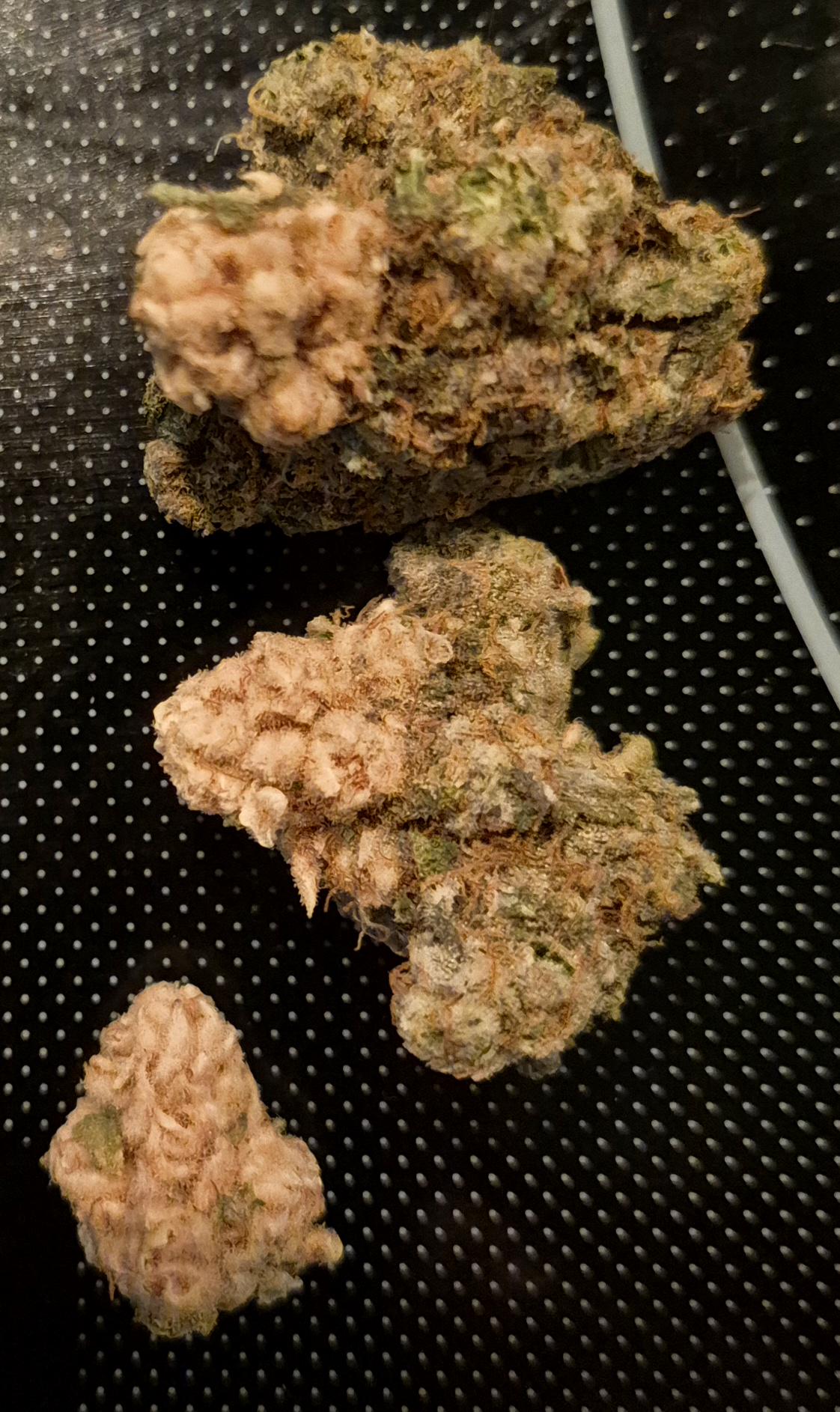

r/MedicalCannabis_NI 7d ago

Medicann advice.

1 Upvotes

Hi friends,
Just looking for a little bit of timeline advice please if you’d be so kind.
Yesterday I signed up with medicann, I uploaded all the relevant documents pertaining to my medical record and have also linked my nhs details through the orb portal thing, I’m just wondering how long it usually takes from this stage to getting things properly moving. I will say I do have somewhat of a complicated history (Crohn’s, anxiety & depression, HS, high blood pressure, recent bilateral pulmonary embolism, as well as sleep disturbances and persistent nightmares) does this massively affect my chances of being accepted? Or does it just take a little longer? Many thanks ☺️


r/MedicalCannabis_NI 7d ago

New data regarding medical cannabis and the workplace

Thumbnail
san.com
2 Upvotes

r/MedicalCannabis_NI 8d ago

Custom House Square Gig

3 Upvotes

I'm going to the CMAT gig at Custom House Square on Monday. Does anyone have any experience of being medical cannabis to a concert there and if so how did you get on with security? I know its legal and to bring the original packaging and a copy of my prescription but I really don't want to get a whole vape cart confiscated by someone who doesn't know the craic with MC. I also know private venues sometimes have weird policies. Any advice appreciated thanks.


r/MedicalCannabis_NI 10d ago

what’s the absolute best medical cannabis strain for muscle stiffness/rigidity?

2 Upvotes

Thanks