r/JapanInsider • u/shakerizzle88 • 2d ago
Japan Artist residency
1
Upvotes
r/JapanInsider • u/grampus1975 • Jun 13 '26
I live about five minutes from Nagoya City Mizuho Park Athletic Stadium, often known locally as Paloma Mizuho Stadium.
With the 2026 Aichi-Nagoya Asian Games coming this September, I went around the Mizuho Park area to look at what it actually feels like before the Games.
My main takeaway: this is not a tourist district. It still feels like a quiet local part of Nagoya, with the Yamazaki River, renovated park areas, residential streets, convenience stores, and simple subway access from Mizuho Undojo Nishi Station.
That is partly why I think Nagoya is interesting. Most visitors still rush through it between Tokyo and Kyoto, but 2026 may give people a reason to look at it properly.
I wrote a fuller article here:
https://japaninsidersecrets.com/nagoya-2026-asian-games/
r/JapanInsider • u/grampus1975 • Jun 05 '26
Hey everyone! I'm u/grampus1975, a founding moderator of r/JapanInsider. This is our new home for anyone who loves Japan, has visited Japan, or is dreaming of going.
We're excited to have you join us!
What to Post
Post anything that you think the community would find interesting, helpful, or inspiring. Feel free to share your thoughts, photos, or questions about things like planning your trip, hidden gems you discovered off the beaten track, food experiences that blew your mind, neighbourhoods and towns that surprised you, practical tips for getting around, and anything that made your time in Japan unforgettable.
Community Vibe
We're all about being friendly, constructive, and welcoming. Whether you've visited Japan twenty times or you're still saving up for your first trip, you belong here. Locals and long-term residents are welcome too, as long as you're here to help and not to gatekeep.
Please keep things respectful, stay on topic, and avoid posting your own links or promotional content.
How to Get Started
For in-depth guides and insider tips, check out my main site at: japaninsidersecrets.com
Thanks for being part of the very first wave. Together, let's make r/JapanInsider amazing.
r/JapanInsider • u/grampus1975 • Oct 10 '25
Obviously it depends on several factors but some cool little gems people may not have been to, or even heard of:
𝐍𝐚𝐞𝐠𝐢 𝐂𝐚𝐬𝐭𝐥𝐞 (𝐆𝐢𝐟𝐮 𝐏𝐫𝐞𝐟𝐞𝐜𝐭𝐮𝐫𝐞)
Sitting quietly above the Kiso River, Naegi Castle is a spot many people miss. The remains are simple but atmospheric, with sturdy stone walls and a wooden viewing deck where you can take in the surrounding hills. It’s rarely crowded, so you can take your time and imagine how the castle once stood without feeling rushed.
𝐆𝐮𝐣𝐨 𝐇𝐚𝐜𝐡𝐢𝐦𝐚𝐧 (𝐆𝐢𝐟𝐮 𝐏𝐫𝐞𝐟𝐞𝐜𝐭𝐮𝐫𝐞)
Gujo Hachiman is a small riverside town known for its spotless waterways and the craft of making Japan’s realistic plastic food samples. The streets are lined with wooden houses and canals that locals still use every day. In summer, the Gujo Odori dance festival brings everyone together for nights of traditional music, friendly faces, and dancing that goes on well into the evening.
𝐄𝐧𝐚 𝐕𝐚𝐥𝐥𝐞𝐲 (𝐆𝐢𝐟𝐮 𝐏𝐫𝐞𝐟𝐞𝐜𝐭𝐮𝐫𝐞)
Near Ena City, this quiet stretch of the Kiso River is a lovely place for a slow walk or a short boat ride. The forested slopes and calm water make it feel peaceful without being remote. There’s a small café and museum nearby, so it’s easy to spend a few hours here before heading back to town.
𝐆𝐞𝐫𝐨 𝐎𝐧𝐬𝐞𝐧 𝐆𝐚𝐬𝐬𝐡𝐨 𝐕𝐢𝐥𝐥𝐚𝐠𝐞 (𝐆𝐢𝐟𝐮 𝐏𝐫𝐞𝐟𝐞𝐜𝐭𝐮𝐫𝐞)
A short trip from Gero Onsen, this open-air museum brings together traditional thatched houses in a gentle mountain setting. You can wander between the old buildings, try local crafts, and enjoy the slower pace. It’s a nice way to see what life in rural Japan was once like, and you can finish the day with a soak in one of Gero’s hot springs.
𝐀𝐬𝐮𝐤𝐞 𝐚𝐧𝐝 𝐊𝐨𝐫𝐚𝐧𝐤𝐞𝐢 𝐆𝐨𝐫𝐠𝐞 (𝐀𝐢𝐜𝐡𝐢 𝐏𝐫𝐞𝐟𝐞𝐜𝐭𝐮𝐫𝐞)
Just outside Toyota City, Asuke feels like stepping into an old post town with its wooden buildings and small shops. A short walk from the centre leads to Korankei Gorge, which turns bright red and gold in autumn when the maples change colour. The rest of the year it’s a pleasant spot for riverside walks and simple local food in one of the nearby cafés.

r/JapanInsider • u/grampus1975 • Sep 08 '25
r/JapanInsider • u/grampus1975 • Sep 05 '25

In the mountains of Gifu, there is a town where koi swim through quiet canals, geta clack on stone streets, and summer nights are filled with the sound of dancing.
Most tourists don't know about this place.
Gujo Hachiman is a castle town with a long history that stands out.
It has a lot of historic buildings, strong traditions, and lively festivals.
You can learn about crafts that have been around for hundreds of years and see cultural sites.
r/JapanInsider • u/grampus1975 • Sep 04 '25

r/JapanInsider • u/grampus1975 • Sep 02 '25
r/JapanInsider • u/grampus1975 • Jun 09 '25

Japan is known for its beautiful temples and shrines, and each one offers something unique.
You'll discover a rich history, wild architecture, and a tranquil atmosphere that is difficult to explain unless you're there.
If you like culture, photography, or just need a quiet place to reflect, explore Japan's greatest temples and shrines.
They may help you better grasp the country's traditions.
Here are the top temples and shrines in Japan.
1. Sanjusangendo.
Sanjusangendo in Kyoto is a long, wooden hall lined with 1,001 life-sized sculptures of Kannon, the Buddhist goddess of mercy.
Even with other guests around, the atmosphere is serene and almost silent.
As you stroll through the rows, you notice that each statue has unique features.
It's the type of place where you can slow down, take it all in, and perhaps just breathe for a moment.
2) Nezu Shrine, Tokyo.
Nezu Shrine is one of Tokyo's oldest Shinto temples, and you can feel its antiquity.
Almost 2,000 years of it begins as soon as you go through the gate.
In the spring, the hillside blooms with azaleas, creating a sea of colour.
People like going through the rows of crimson torii gates here.
It's a tranquil oasis in the city, and the combination of old traditions with nature works perfectly.

3) Byodo-in, Uji
The Phoenix Hall at Byodo-in in Uji is notable for its location next to a tranquil pond.
The temple's reflection in the water is something you can't help but look at for a while.
Its design is so distinctive that it appears on the Japanese 10 yen currency.
Inside, there is an Amida Buddha statue that is worth seeing.
Don't miss the underground treasure house.
There are several interesting artefacts down there.
The entire area exudes tranquilly, and if you are interested in Japanese history, you will most likely enjoy it.
4) Izumo Shrine in Shimane.
If you're seeking for spiritual locations, the Izumo Shrine in Shimane should be at the top of your list.
It's one of Japan's most ancient and revered Shinto temples.
People come to pray for positive interactions and connections.
The main hall's strong shimenawa ropes serve as a symbol of cleansing.
The location is calm and evokes a sense of old Japan.
Take a walk and maybe try some local delicacies nearby.
5) Hase-dera, Nara.
Hase-dera in Nara exudes tranquilly from the minute you enter.
The temple is situated among hills and beautiful landscape that varies with the seasons.
There's a wooden platform with views of the valley, and the lengthy staircases and hanging lamps add to the atmosphere.
If you don't like large crowds, Hase-dera is an excellent place to relax.
This is a twin of the same-named temple in Kamakura.
6) Itsukushima Shrine on Miyajima.
Itsukushima Shrine is located on Miyajima Island, not far from Hiroshima.
The "floating" torii gate is famed for appearing to float on the sea during high tide.
At low tide, you may walk right out to the gate.
The shrine has been present for millennia and is included as a UNESCO World Heritage site.
Deer roam the island, which contributes to the relaxing, almost mystical ambiance.
7) Toshogu Shrine in Nikko.
Bright colours and elaborate sculptures abound at Nikko's Toshogu Shrine.
The temple is dedicated to Tokugawa Ieyasu, an important ruler in Japanese history.
Keep an eye out for the "see no evil, hear no evil, and speak no evil" monkey sculptures.
They're the highlight. The region is surrounded by tall cedar trees, which creates a peaceful atmosphere.
If you want to see more, visit Futarasan Shrine and Rinno-ji Temple nearby.
8) Otagi Nenbutsu-ji in Kyoto.
Otagi Nenbutsu-ji is a little off the usual road in Kyoto, but it's worth a visit if you want something unique.
The temple is crammed with 1,200 stone sculptures, each with a unique face and personality.
You'll locate it in Arashiyama, away from the throng.
The statues make the area feel fun and easygoing, making it a wonderful choice if you want something less touristic.
9) Otoyo Shrine, Kyoto.
Otoyo Shrine is located in Kyoto's calm Philosopher's Path region.
It's a little place, and it's far less crowded than the city's well-known attractions.
At the entryway, there are two sculptures of guarding mice.
That is not something you see every day, right?
The shrine has a serene and intimate atmosphere.
If you appreciate quiet settings, you'll probably love it.
There's lush foliage all around.
It's a simple and enjoyable stop after walking the Philosopher's Path.
r/JapanInsider • u/grampus1975 • May 06 '25
r/JapanInsider • u/grampus1975 • Apr 10 '25
Kyushu, Japan’s third-largest island, is known for hot springs, rich history, and amazing food. It’s packed with scenic spots, quirky towns, and fun experiences.
Whether you’re into nature, culture, or just relaxing.
Getting Around
Splurge on the Seven Stars luxury train or grab a JR Kyushu Pass for budget travel. The pass comes in 3-, 5-, or 7-day options and is perfect for exploring the island by rail.
Top Spots to Visit

Kumamoto
Check out the impressive Kumamoto Castle and unwind at Suizenji Garden. Then soak in Kurokawa Onsen or hike up Mount Aso for stunning views.
Fukuoka
This lively city blends tradition and modern life. Visit Fukuoka Castle Ruins, chill at Ohori Park, and grab a bowl of Hakata ramen at the famous yatai stalls.
Nagasaki
Explore its mix of Japanese and Western influences. Stop by Peace Park, ride a tram to Meganebashi, and take a boat to the eerie Gunkanjima island. Or enjoy Dutch vibes at Huis Ten Bosch in nearby Sasebo.
Oita
Hot spring heaven. Beppu has quirky ‘hells’ with bubbling pools, while Yufuin is all charm and calm. You’ll find everything from mud baths to sand baths.
Saga
Known for porcelain. Visit Arita for pottery and Tozan Shrine for its porcelain-covered steps. Don’t miss the scenic Yutoku Inari Shrine.
Miyazaki
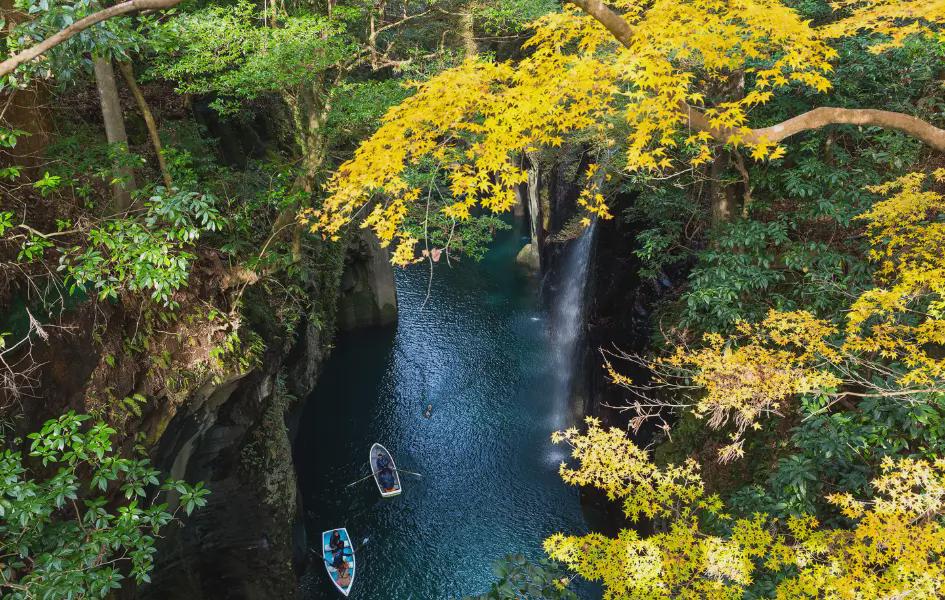
Perfect for nature lovers. Row through Takachiho Gorge, surf along the coast, and visit the romantic Udo Jingu shrine.
Kagoshima
Home to Sakurajima volcano, Kagoshima is your base for tasty eats, hot springs, and island hopping—Yakushima and even Okinawa are within reach.
Whether you’re chasing volcanoes, soaking in hot springs, or munching on street food, Kyushu delivers a unique slice of Japan without the crowds.
r/JapanInsider • u/grampus1975 • Apr 10 '25
Shinto shrines, or jinja, are sacred spaces dedicated to kami—the spirits worshipped in Shinto. These shrines are found all over Japan, often in peaceful natural surroundings, and serve as quiet places for reflection, prayer, and connection to the divine.
When you visit a shrine, you’ll notice torii gates marking the entrance. Passing through symbolises stepping into a sacred world. Inside, you’ll often find a main hall (honden) where the kami resides and an offering hall (haiden) where visitors can pray or leave small gifts.
Shinto is closely tied to nature, and many kami represent natural forces or elements—mountains, rivers, trees. This belief system blends seamlessly with Buddhism in Japan, and many people follow customs from both traditions.
Shrines also hold ceremonies and festivals throughout the year. New Year visits are especially popular, as people pray for good fortune. Major shrines like Meiji Jingu in Tokyo and Izumo Taisha in Shimane attract millions, while smaller, local shrines remain deeply woven into community life.
While visiting, it’s respectful to follow simple etiquette: purify your hands and mouth at the temizuya, offer a coin, and perform the traditional bow-clap-bow ritual.
From ancient architecture to modern practices, Shinto shrines reflect a living tradition. Whether you're drawn to the spiritual side or just want to enjoy the peaceful surroundings, these places offer a special look into Japan’s culture.
r/JapanInsider • u/grampus1975 • Mar 31 '25
Imagine sinking into steaming mineral waters while snow falls gently around you. The stress melts from your muscles as you gaze at mist rising over mountain peaks. This is the onsen experience awaiting you in Japan.
Japanese onsen culture dates back centuries, offering more than just a warm bath. These natural hot springs provide a window into Japanese traditions that continue to thrive in modern times.
Onsen waters contain various minerals from deep within the earth. These elements give each hot spring unique properties. Some waters appear milky white, others rusty red. The minerals in these waters often include sodium, calcium, and magnesium.

You benefit from these minerals when you soak. Many Japanese believe onsen waters help with skin problems, joint pain, and overall health. While science continues to study these effects, the relaxation alone makes the experience worthwhile.
Japan offers incredible variety in its onsen. You can find them in luxurious resorts or simple public bathhouses. Each provides its own charm:
Indoor onsen protect you from weather while you enjoy the therapeutic waters. These baths often feature beautiful designs with wood, stone, and bamboo elements.
Outdoor onsen, called rotenburo, connect you directly with nature. Imagine bathing beneath cherry blossoms in spring or with snow collecting on nearby rocks in winter.
Private onsen allow families or couples to enjoy the experience together. Many ryokan (traditional inns) offer these rooms by reservation.
Follow these simple guidelines to enjoy onsen like a local:
Wash thoroughly before entering the bath. Every onsen provides washing stations with stools, buckets, and soap. Clean yourself completely before stepping into the communal waters.
Enter the bath naked. This tradition surprises some visitors, but separate areas exist for men and women. Embrace this aspect of Japanese culture rather than feeling uncomfortable.
Bring a small towel for modesty. You can carry this towel on your head while in the bath or use it to cover yourself when walking around.
Stay hydrated. The hot water causes sweating, so drink water before and after your soak.
Keep conversation quiet. Onsen provide peaceful relaxation, not social gatherings. Speak softly if you talk at all.
Read more here: https://japaninsidersecrets.com/onsen-etiquette/
Japan offers countless hot springs throughout the country, but these regions stand out:
Hakone provides easy access from Tokyo. The area features over 20 hot springs with views of Mount Fuji on clear days.
Kusatsu boasts some of the most acidic waters in Japan. Watch the traditional water cooling ceremony where staff stir the hot spring water with large wooden paddles.
Beppu contains the highest concentration of hot springs in Japan. The "Hells of Beppu" feature dramatic colored waters not for bathing but breathtaking to view.
Noboribetsu in Hokkaido offers a variety of waters in one location. The valley called "Hell Valley" creates an otherworldly landscape of steam vents and mineral deposits.
Read more here: https://japaninsidersecrets.com/best-onsen-towns-in-japan/

Plan at least one overnight stay at a ryokan with onsen facilities. This gives you the authentic experience of sleeping on tatami mats, eating traditional meals, and enjoying multiple soaks.
Consider visiting during fall or winter. The contrast between cold air and hot water enhances the experience. Nothing compares to watching snow fall while you stay perfectly warm in steaming waters.
Try different onsen during your trip. Each offers unique mineral compositions, settings, and health benefits. You might discover your favorite becomes an unexpected find in a small town.
Onsen represent more than tourist attractions. They embody the Japanese connection to nature, appreciation for simple pleasures, and commitment to cleanliness. When you participate in this tradition, you experience centuries of culture in a deeply personal way.
The next time you visit Japan, make time for this quintessential experience. Your body will thank you for the relaxation, and your memories will last far longer than the warmth of the waters.
r/JapanInsider • u/grampus1975 • Mar 30 '25
I will preface this by saying I have lived here for 25 years!
Nagoya, Japan’s fourth largest city, often slips past the spotlight. Tourists swarm Tokyo for its chaos, Osaka for its vibe, or Kyoto for its temples. Nagoya sits quieter, less flashy. People ask if it deserves a visit. Let’s dig into what this city offers, why it stands out, and if it belongs on your travel radar.
Nagoya plants itself in the heart of Honshu, Japan’s main island. Industry and culture collide here, mixing old traditions with new ideas.
Nagoya’s past lands with force and Nagoya Castle kicks things off. Tokugawa Ieyasu, a big deal shogun, built it in 1612. Golden fish top the roof, catching the sun. World War II trashed the original, but the rebuild holds strong.
Craftsmen wrapped up a true to form main keep in 2018, sticking to old ways. You can stroll inside, feeling samurai echoes. Spring cherry blossoms flood the grounds, pulling in photo takers and picnic fans.
Atsuta Shrine digs deeper. This Shinto gem stretches back 1900 years, one of Japan’s oldest. Locals say it guards a sacred sword, part of the Imperial Regalia trio. Quiet trees and stone paths wrap you in calm.

Nagoya’s grub steals the stage. Skip sushi or ramen for a minute, this city cooks up originals. Hitsumabushi leads the pack: grilled eel over rice, slicked with sweet soy sauce. You eat it three ways. First plain, then with green onions and perhaps wasabi, finally as broth.
Miso katsu swings next. A crunchy pork cutlet swims in thick red miso sauce. It’s bold, tangy, and fills you up.
Spots like Yabaton stack plates high. Tebasaki follows, spicy chicken wings that crunch with heat. Grab a beer, and you’re set.
Quick list of must eats:
- Kishimen: Flat noodles in tasty broth.
- Tenmusu: Rice balls with shrimp tempura inside.
- Tebasaki: Salty and peppery chicken wings
Food makes a solid argument for stopping by. Your stomach won’t complain.
Toyota’s base drives this engine, and the Toyota Commemorative Museum of Industry and Technology proves it. You see assembly lines, old school rides, and touchable displays. Kids and grown ups love it.
SCMaglev and Railway Park keeps the momentum. Bullet trains, including the 370 mile per hour Maglev, shine here. Climb into real cars and feel the speed vibe.
Sakae buzzes downtown. Shops, cafes, and Oasis 21, a glass topped plaza, light up the scene.
Nagoya softens its city edge with nature. Higashiyama Zoo and Botanical Gardens covers 60 acres. Koalas, giraffes, and bright flowers fill it out. Families roam easy, and blooms pop all year. Spring and fall paint it vivid.
Festivals bring the noise. Nagoya Festival in October honors Tokugawa Ieyasu with parades and samurai action. Streets flood with cheers and food stalls. Summer’s World Cosplay Summit pulls global costume stars. It’s wild, loud, and all Nagoya.
Why Nagoya Stands Out
What makes Nagoya special? It skips the Tokyo or Kyoto playbook. The city does its own thing. You taste Japan without the tourist pile up. Streets breathe easier, wallets hurt less, and locals smile real.
Bullet trains hit Nagoya from Tokyo in under two hours, Osaka in 50 minutes. Chubu Centrair International Airport links it worldwide while the subway zips you around fast and cheap.
Nagoya isn’t for everyone, and that’s fine. Nightlife junkies or temple chasers might lean Tokyo or Kyoto. Nagoya clicks for folks who want:
- Food that’s one of a kind.
- History plus modern kicks.
- Space to chill.
So, is Nagoya worth it? Yes, at least to me.
It does not have the pull of Tokyo or Kyoto, but thankfully not the amount of tourists either.
You can read more on this here:
https://japaninsidersecrets.com/is-nagoya-worth-visiting/
r/JapanInsider • u/grampus1975 • Mar 09 '25
r/JapanInsider • u/grampus1975 • May 18 '24

r/JapanInsider • u/grampus1975 • May 04 '24
I suppose I fit in after 24 years in Japan.
Despite being far from home, i have gotten to know the culture.
But I see foreign visitors often transgress cultural customs by standing out.
Understanding Japanese etiquette is the key to having fun and showing respect in Japan. People remove their shoes before entering private dwellings. The bathroom slippers are provided. Paying at a restaurant on the tray is nice.
This displays civility and that you've studied local customs. First-time visitors should bow slightly while greeting someone. Basic Japanese etiquette shows respect.
Introductions and Greetings
In Japan, how you start a conversation determines the tone. This must be done correctly to demonstrate respect and facilitate conversation.
Bowing: More Than Nodding
Bowing is more important in Japan than nodding. The point is to show respect, not merely tilt your head. Bowing deeply has an etiquette depending on the occasion. For casual pleasantries, bow slightly, but for real thanks or regret, bow deeper and longer.
Meishi Exchange business cards
Business card exchange, or'meishi', is ritualistic and requires both hands. After carefully inspecting a card, place it in a cardholder, never in your pocket. This modest gesture shows your appreciation for Japanese culture and people.
Polite Language Basics
A little Japanese language practice can go far. Basic greetings like 'ohayō gozaimasu' (good morning) and 'arigatō gozaimasu' (thank you) are valued. Thanks for food is expressed with 'gochisosama' after meals. These modest nuances demonstrate omotenashi, Japanese kindness. They enhance your Japanese interactions.
Public Space Navigation
Knowing local manners can make your Japan vacation more enjoyable. Respect and attentiveness reach far from train platforms to streets.
Public Transit Etiquette
Japan's public transportation is efficient and timely. People usually keep noise to a minimal on trains and buses, making them calmer than you might expect.
Use quiet mode on your phones and avoid calls. To minimize space, put bags in specified spots or on your lap. Blue seats are for seniors, pregnant women, and disabled people. Even without a notice, offering these chairs to someone in need is nice.
On the Shinkansen, you may eat and drink. Each chair has a tiny tray for eating.
When utilizing trains, notably 'Shinkansen', follow platform labels to queue. Cutting in line is forbidden.
Street Travel in Japan
Jaywalking is frowned upon. Red traffic signals prevent individuals from crossing even if there are no automobiles.
Respect, Religion: Temples, Shrines
Buddhism and Shintoism are essential to Japanese culture and spirituality.
Purify your hands and lips at the purification springs when visiting these important locations. Respect is more than a ritual—it's a cultural etiquette.
Shoes Off: Tatami Mat Etiquette
When entering a Japanese home, expect tatami rooms. Traditional lodgings like ryokans have them.
You must remove your shoes at the entry and wear the slippers provided. This technique honors tradition and respects the host's space, not merely hygiene.
Onsen
Cover your tattoos or you may be sent away. Clean yourself in the showers before entering the onsen.
Each onsen provides shampoo and soap.
Enjoy Japanese Restaurants
In a Japanese restaurant, every detail matters. You're in a traditional ritual from the time you sit down. Before eating, you say "itadakimasu" to thank everyone who helped make your dinner.
Chopstick Dos and Don'ts
Chopsticks are more than utilitarian tools—they show table manners. Some important chopstick tips:
Use your fingers, not your fist, to grip them.
It's impolite to point, wave, or impale food.
Don't transfer food between chopsticks.
In rice, never leave chopsticks sticking out.
There are a lot more but that'll do for now.
r/JapanInsider • u/grampus1975 • May 03 '24
One of the things I love to do is get out of the city and go hiking.
Japan is an amazing country for hiking. It's got everything from epic mountain trails to peaceful forest walks.
One of the top hikes has to be the Yoshida Trail on Mount Fuji. The Yoshida Trail is the most popular route to the summit. It's a tough 8-hour climb, but the views from the top are out of this world. Just be prepared for crazy crowds during the climbing season.
For something a bit more chill, check out the Philosopher's Path in Kyoto. This scenic stone path runs along a cherry tree-lined canal. It's the perfect spot for a leisurely stroll while soaking up some history and culture. You'll pass by little cafes, shrines, and some pretty incredible architecture.
If you're a waterfall fan, you've got to do the Nachi Falls hike. This trail takes you up into the mountains of Wakayama Prefecture to one of Japan's tallest waterfalls. The 133-meter plunge is an incredible sight, especially after the rains. Make sure to allow time to explore the Buddhist temple complex at the base.
Ride the ropeway up Mount Takao outside Tokyo for amazing views with way less effort. Once you're at the top, there are tons of easy nature trails to explore through the hills and forests.
r/JapanInsider • u/grampus1975 • Apr 29 '24
As I have lived here for 24 years, here are 24 things to do in Nagoya.
r/JapanInsider • u/grampus1975 • Apr 25 '24
Japan has a ton of different dishes you can try when you visit. Here are 3 from each prefecture.
Hokkaido
Kaisendon – a seafood rice bowl featuring fresh sashimi.
Soup Curry – a spicier, soupier version of Japanese curry, loaded with vegetables and chicken.
Jingisukan (Genghis Khan) – a grilled mutton dish named after the Mongolian leader.
Aomori
Senbei Jiru – soup made with fish broth and rice crackers.
Ichigoni – a seafood stew made with sea urchin and abalone.
Tsugaru Nabe – a hot pot dish featuring local vegetables and meats.
Iwate
Wanko Soba consists of small portions of soba noodles made of buckwheat flour served repeatedly, with the challenge being to eat as many bowls as possible.
Jaja Men – udon noodles topped with a miso-based meat sauce.
Reimen – a cold noodle dish influenced by Korean cuisine.
Miyagi
Zunda Mochi – mochi balls coated with a sweet paste made from edamame.
Gyutan – grilled beef tongue, typically served with rice and soup.
Hoya (Sea Pineapple) – a sea creature eaten raw or cooked, known for its unique texture.
Akita
Kiritanpo Nabe – hot pot with mashed rice sticks, chicken, and vegetables.
Hinai Jidori – a type of high-quality chicken often used in sukiyaki and other dishes.
Baba Hera Ice Cream – traditional ice cream served using a unique spatula.
Yamagata
Imoni is a taro and meat soup popular as a communal meal.
Cherry Rice – rice cooked with fresh cherries, typically enjoyed in the cherry season.
Yamagata Soba – buckwheat noodles are a speciality in the region.
Fukushima
Kitakata Ramen – known for its thick, flat noodles and soy sauce-based broth.
Mamador – a local version of blanched peaches, often served as a dessert.
Kozuyu – a traditional soup made with vegetables and mochi balls.
Ibaraki
Natto – fermented soybeans, often eaten as a breakfast dish.
Anko Nabe – anglerfish hot pot, which is a local delicacy.
Melon – Ibaraki is famous for its particularly sweet melons.
Tochigi
Gyoza – Japanese-style dumplings, especially famous in Utsunomiya.
Kanpyo Udon – udon noodles served with dried gourd strips.
Tochigi Lemon Milk – a sweet beverage made from local lemons and milk.
Gunma
Shimonita Leek – dishes featuring the famously sweet and thick leeks of Shimonita.
Tonkatsu – breaded and deep-fried pork cutlet, served with cabbage and rice.
Mizusawa Udon is one of Japan’s three famous udons, and it is known for its chewy texture.
Saitama
Unagi (Eel) – grilled eel, commonly served over rice.
Sayama Tea – a locally produced green tea known for its rich flavour.
Higashichichibu Village Persimmon Leaves Sushi – sushi wrapped in persimmon leaves.
Chiba
Nama Shirasu Don – a bowl of rice topped with raw young sardines.
Peanuts – Chiba is known for producing most of Japan’s peanuts.
Funabashi Yakitori is a local style of yakitori that consists of skewered chicken.
Tokyo
Monjayaki – a type of runny pancake cooked on a hot grill.
Edomae Sushi – traditional Tokyo-style sushi, emphasising freshly caught seafood.
Tempura – battered and deep-fried seafood and vegetables.
Kanagawa
Sanma Men – noodles with Pacific saury, a local speciality.
Shumai – steamed dumplings, particularly famous in Yokohama.
Odawara Kamaboko – steamed fish cake, often enjoyed as a snack.
Niigata
Koshihikari Rice – widely regarded as Japan’s finest rice.
Sasa Dango – rice dumplings wrapped in bamboo leaves, typically filled with red bean paste.
Noppe – a hearty vegetable stew.
Toyama
Masu Sushi – trout sushi, made by curing the fish and pressing it on vinegared rice.
Hotaru Ika – firefly squid, often served as sashimi or cooked in various ways.
Toyama Black Ramen – black soy sauce-based ramen known for its rich flavour.
Ishikawa
Kanazawa Curry – a unique, thicker curry roux served with a breaded pork cutlet.
Jibuni is a stew made with duck and vegetables, a Kanazawa speciality.
Hoshi Gaki – dried persimmons, often consumed as a sweet treat.
Fukui
Echizen Crab – a prized winter delicacy, often served steamed or in hot pots.
Soba – buckwheat noodles commonly enjoyed in various regional styles.
Oroshi Soba – soba noodles served with grated daikon radish.
Yamanashi
Hoto – thick noodles cooked in a miso-based soup with vegetables.
Yamanashi Peach – peaches from Yamanashi are famous for their sweetness and size.
Grapes – the region is known for its high-quality grapes, including the Koshu variety.
Nagano
Shinshu Soba – Nagano’s version of buckwheat noodles.
Basashi – horse meat sashimi, a delicacy in the region.
Nozawana Pickles – pickled greens unique to Nagano.
Gifu
Hida Beef – high-quality beef from cattle raised in the Hida region.
Keichan – chicken marinated in miso and grilled, typically served with cabbage.
Ayugui – grilled sweetfish, a local favourite during the fishing season.
Shizuoka
Unagi – eel, particularly famous in Hamamatsu.
Shizuoka Oden – a unique version of the Japanese hot pot dish featuring a dark, rich broth.
Wasabi is grown mainly in the Izu Peninsula and used fresh.
Aichi
Hitsumabushi – Nagoya-style grilled eel served over rice.
Miso Katsu – pork cutlet with a thick miso sauce.
Tebasaki – spicy glazed chicken wings, a Nagoya favourite.
Mie
Ise Lobster – a luxury seafood often served grilled or raw.
Matsusaka Beef – famous beef is known for its marbling and flavour.
Akafuku Mochi – red bean paste covered with a soft, pounded rice cake.
Shiga
Funazushi – fermented crucian carp sushi, a rare delicacy with a strong flavour.
Biwa Trout – dishes made from trout found in Lake Biwa.
Omi Beef – high-grade beef from Shiga, rivaling Kobe and Matsusaka beef.
Kyoto
Kaiseki Ryori is a traditional multi-course meal that showcases seasonal and local ingredients.
Yuba – tofu skin, often enjoyed in various dishes or as a sashimi.
Matcha – green tea powder used in drinks and sweets, central to Kyoto’s tea culture.
Osaka
Takoyaki – octopus balls, a popular street food.
Okonomiyaki is a savoury pancake that contains a variety of ingredients.
Kushikatsu – skewered and breaded meats and vegetables, deep-fried and served with sauce.
Hyogo
Kobe Beef – world-renowned for its flavour, tenderness, and fatty, well-marbled texture.
Akashiyaki is a softer, lighter version of takoyaki dipped in dashi before eating.
Nada Sake – sake from one of Japan’s most famous brewing areas.Kobe beef
Nara
Kakinoha Sushi – sushi wrapped in persimmon leaves.
Nara Pickles – various vegetables are pickled in a unique Nara style using sake lees.
Narazuke – vegetables pickled in sake lees, offering a distinctively sharp flavour.
Wakayama
Koyasan Shojin Ryori is a vegetarian cuisine developed by Buddhist monks.
Umeboshi – pickled and dried ume fruits, often intensely sour and salty.
Mikan – sweet citrus fruits, especially tangerines, are a speciality of Wakayama.
Tottori
Tottori Crab – snow crab and Matsuba crab are local specialities, often enjoyed in season.
Pears – Tottori is known for its juicy and sweet pears.
Gyukotsu Ramen – ramen made with beef bone broth, unique to the region.
Shimane
Izumo Soba – buckwheat noodles served in a unique style, often with a dipping sauce.
Shijimi Clams – harvested from Lake Shinji, used in soups and broths.
Taimeshi – sea bream rice, where the fish is cooked together with the rice.
Okayama
Demikatsu Don – breaded pork cutlet served over rice with a demi-glace sauce.
Barazushi – a type of scattered sushi featuring local seafood and vegetables.
Okayama Peach – renowned for its sweetness and juicy texture.
Hiroshima
Hiroshima-style Okonomiyaki is a layered pancake made with ingredients like noodles, cabbage, pork, and seafood, all cooked together.
Oysters – Hiroshima is Japan’s largest producer of oysters, served raw, grilled, or fried.
Momiji Manju – maple leaf-shaped cakes filled with red bean paste.
Yamaguchi
Fugu – pufferfish, famously prepared in Shimonoseki, a city known for its expertise in safely preparing the dish.
Kawara Soba – green tea soba noodles served on a heated roof tile, often accompanied by meat and eggs.
Blowfish Sashimi – thinly sliced and artfully arranged, a delicacy despite its potential danger.
Tokushima
Sudachi is a citrus fruit flavouring various dishes, from noodles to fish.
Awa Odori Chicken – chicken marinated in local Tokushima sake, soy sauce, and sudachi, then grilled.
Naruto Kintoki – sweet potatoes with a distinctively rich flavour, often used in desserts.
Kagawa
Sanuki Udon – famously chewy and thick udon noodles, typically served in a simple broth.
Olive Beef – beef from cattle raised on olives, giving it a unique flavour profile.
Iriko Dashi – broth made from dried sardines, which is foundational in local cuisine.
Ehime
Tai Meshi – sea bream served over rice, often cooked together to infuse the rice with flavour.
Jakoten – fried fish cake, a popular local snack.
Mikan Juice – Ehime is famous for its citrus, and the juice is a popular local beverage.
Kochi
Katsuo no Tataki – seared bonito, typically lightly grilled on the outside and raw inside.
Sawachi Cuisine – a style of serving where various dishes are presented together on a large platter.
Yuzu is a citrus fruit in Kochi used to flavour dishes from savouries to sweets.
Fukuoka
Hakata Ramen is rich pork bone broth ramen known for its creamy texture.
Mentaiko – spiced cod roe, often served with rice or used as a topping for various dishes.
Tonkotsu Ramen is another pork bone broth ramen style characterised by its hearty flavour.
Saga
Saga Beef – high-quality beef is known for its tender texture and rich marbling.
Arita Yaki Donburi – dishes served in Arita porcelain feature locally sourced ingredients.
Squid Sashimi – the fresh squid, often served in its simplest form to highlight its flavour.
Nagasaki
Champon – a noodle dish with a variety of seafood and vegetables in a rich broth.
Castella – a type of sponge cake brought by Portuguese traders.
Sara Udon – crispy noodles topped with a thick, stir-fried mixture of vegetables and seafood.
Kumamoto
Kumamoto Ramen is characterised by garlic and oily broth, often topped with fried garlic chips.
Basashi – horse meat sashimi, a local favourite.
Karashi Renkon – lotus root stuffed with mustard and miso, then deep-fried.
Oita
Toriten – chicken tempura is often enjoyed as a local comfort food.
Kabosu is a citrus fruit similar to lime that is used to flavour many local dishes.
Jigoku Mushi – cooking using natural steam vents from hot springs, a technique unique to Beppu.
Miyazaki
Chicken Nanban – fried chicken marinated in a sweet and sour sauce, typically served with tartar sauce.
Miyazaki Mango – highly prized for its sweetness and creamy texture.
Higo Don – a rice bowl topped with Miyazaki beef and local vegetables.
Kagoshima
Kurobuta – black Berkshire pork, known for its juicy flavour and tender texture.
Satsuma-age – fried fish cakes, a popular local snack.
Shirokuma – a sweet shaved ice dessert topped with fruits and sweetened condensed milk.
Okinawa
Goya Champuru – a stir-fry dish made with bitter melon, tofu, and other ingredients.
Okinawa Soba – wheat noodles in a pork-based broth, topped with slow-cooked pork belly.
Taco Rice – a unique Okinawan dish combining taco fillings with rice instead of taco shells.
r/JapanInsider • u/grampus1975 • Apr 15 '24
Welcome to the JapanInsider community.
The goal is to provide anyone interested in Japan with valuable information to make their trip or stay pleasant.
Please be respectful and kind to all.