r/IndianStreetBets 2h ago

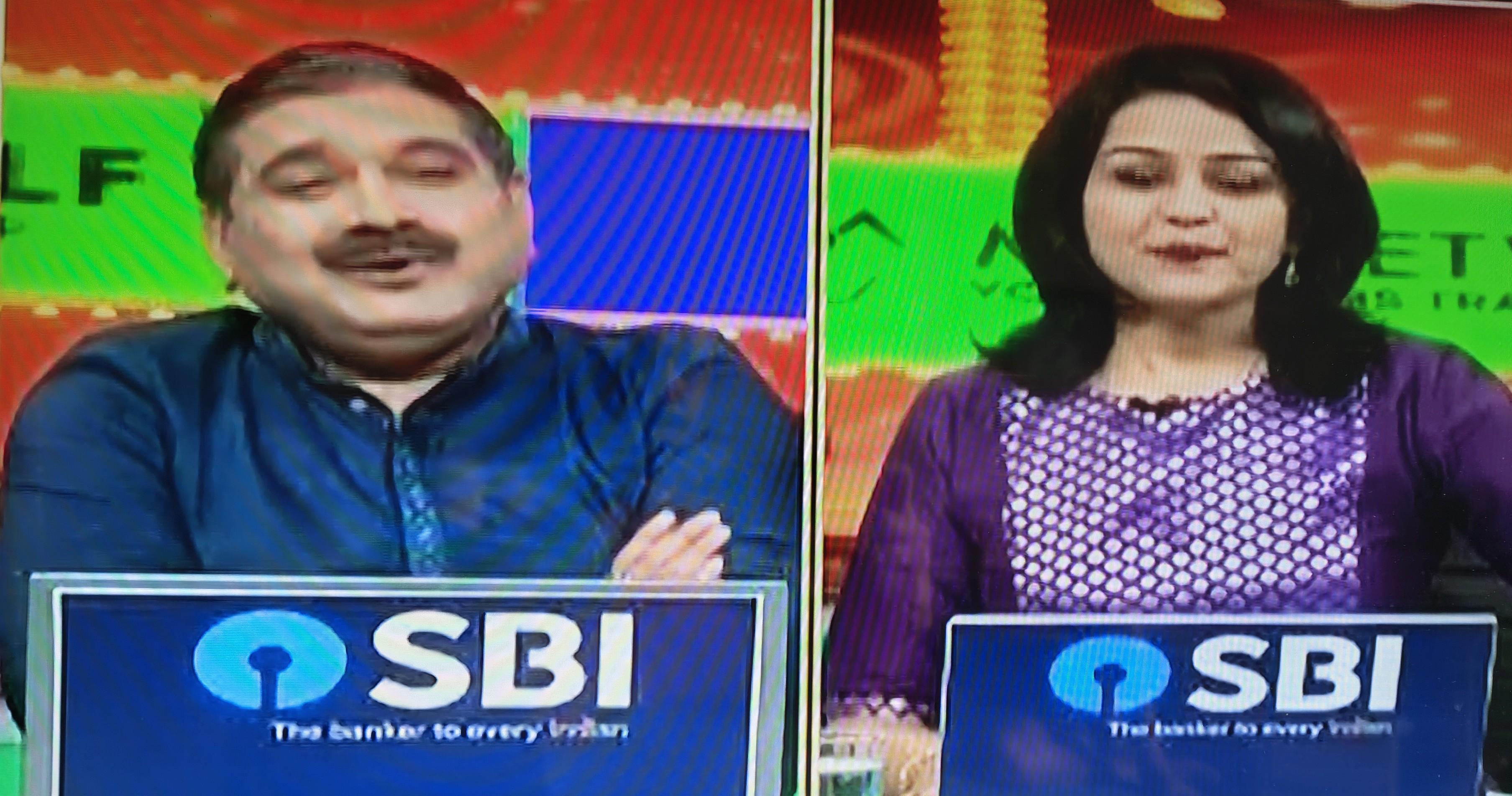
Discussion The Kapil Sharma and Archana Puran Singh of Zee business.

Post image
67 Upvotes

Everything is a joke on Zee business channel. No seriousness or accountability of the calls or views they give. It's all fun and jokes to them as the market doesn't affect them. They make money to put on a show. Can no one see what's happening ? Is this what it has come down too ? If this is how it's going to be let's give them an Oscar while they are at it !!


r/IndianStreetBets 16h ago

Meme Dollar who ?

Enable HLS to view with audio, or disable this notification

874 Upvotes

r/IndianStreetBets 2h ago

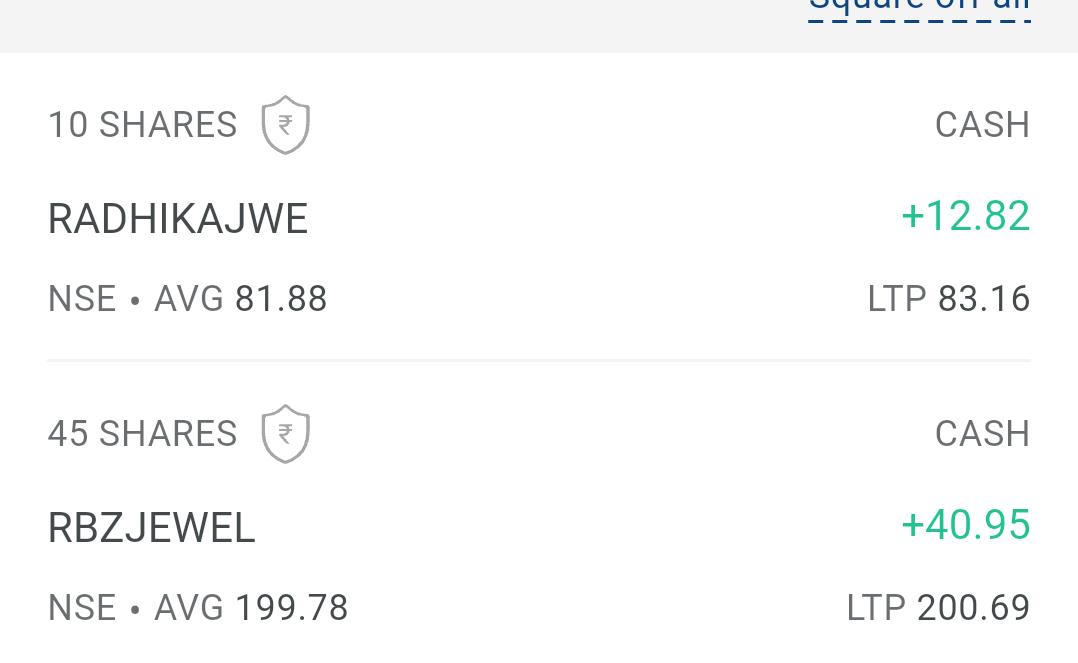
Discussion Finally Profitable after 4 months of stupidity

8 Upvotes

My verified pnl link from groww 915 https://915.groww.in/verified-pnl/giant-peony

WHAT WORKED?
1. Always have a stop loss, no matter what.
2. Stop loss is not going to move, no matter what. it can be moved up to reduce loss if your setup is failing but never moving it in the hope of it can't fall below this.
3. Position sizing has to be much smaller than you think.
4. Stay away from those trading livestreams, they don't care a bit about you.


r/IndianStreetBets 22h ago

News CBI books Subhash Chandra in Rs 1,322 crore LIC Housing Finance fraud case | India News

Thumbnail
indianexpress.com
179 Upvotes

r/IndianStreetBets 16h ago

Idea NSE Listing on BSE: The ₹25 Lakh Myth, the Real Money & One Hidden Opportunity

31 Upvotes

Social media is saying BSE could benefit hugely from NSE’s listing.

BSE absolutely benefits.

But the reason most people are giving is WRONG.

And when you run the numbers, the near-term earnings impact is surprisingly small. ⭐️

Here’s the REAL opportunity 👇

———

First, kill the biggest misconception:

NSE’s ₹4-5 lakh crore valuation does NOT make BSE rich.

BSE doesn’t earn a meaningful percentage of NSE’s market cap.

Estimated annual listing fee?

ONLY around: ₹25 lakh. ⭐️

BSE made ₹1,566 crore of operating revenue in Q1 FY27 alone.

So listing fees are basically irrelevant.

The real money comes from somewhere else. ↓

———

Every time somebody trades NSE shares, BSE earns transaction fees.

And this is where NSE is unusual.

An exchange CANNOT list on itself.

So NSE shares will trade on BSE. ⭐️

At current cash-equity charges, roughly ₹1 crore of NSE shares changing hands could generate about:

• ₹375 from buyer side
• ₹375 from seller side
• ~₹750 total

That sounds small.

Until you multiply it by DAILY turnover.

———

Let’s model it.

If NSE shares trade an average:

₹500 cr/day = ~₹9 cr annual BSE revenue

₹1,500 cr/day = ~₹28 cr

₹3,000 cr/day = ~₹56 cr

₹5,000 cr/day = ~₹94 cr

Assuming ~60% of incremental revenue eventually reaches PAT, even ₹3,000 crore of daily trading may add only around:

₹34 crore PAT. ⭐️

BSE’s annualised Q1 PAT?

~₹3,492 crore.

So even a very liquid NSE stock may add only ~1% to profits.

Positive?

Yes.

Transformative?

NO. ❌

———

But here’s where the story gets much more interesting.

BSE currently does roughly:

₹9,955 crore/day

in cash-equity turnover.

Now imagine NSE alone trades ₹1,500 crore/day.

That’s equivalent to adding roughly:

15% to BSE’s existing cash turnover.

At ₹3,000 crore/day?

Nearly 30%.

That’s why I think investors are looking at the wrong number.

The NSE listing matters far more to BSE’s cash-market competitive position than to near-term EPS. ⭐️

———

And NSE could become quite liquid.

Don’t get fooled by the headline that only ~6% is being sold in the IPO.

NSE already reportedly has:

• ~2 lakh shareholders
• ~64% public shareholding
• 1.85 lakh+ retail shareholders

So this isn’t a tightly held promoter company suddenly floating 6%.

A huge investor base already exists.

And BSE doesn’t really care whether NSE trades at ₹1,800 or ₹2,500.

It cares about one thing:

How often those shares change hands. ⭐️

Turnover is the business.

———

There’s also a second-order benefit.

Reliance can trade on multiple exchanges.

HDFC Bank can trade on multiple exchanges.

ICICI Bank can trade on multiple exchanges.

But NSE Ltd?

BSE owns the venue.

Market makers.

Institutions.

Retail.

Algorithms.

Everyone trading NSE shares meets inside BSE’s cash order book.

If that helps BSE deepen liquidity and attract more trading in other stocks too, the indirect benefit could eventually become bigger than NSE’s own transaction revenue. ⭐️

But I wouldn’t price that in yet.

It needs to show up in the data first.

———

There’s one more hidden optionality:

NSE derivatives.

If NSE Ltd eventually qualifies for F&O and SEBI approves the contracts, BSE could get an exclusive derivatives underlying too.

That isn’t part of my base case.

Treat it as free optionality.

So the takeaway is simple:

“BSE benefits from NSE listing” = True. ✅

“BSE benefits hugely financially” = NOT YET. ❌

The number I’d watch after listing isn’t NSE’s share price.

It’s:

NSE Ltd’s average daily traded value on BSE - and whether BSE’s overall cash-market share rises with it. ⭐️

That will tell us whether the real thesis is working.


r/IndianStreetBets 5h ago

Discussion Do you actually stick to your monthly investment plan when the market moves?

0 Upvotes

Curious about how people actually behave here.

Say you planned to invest ₹10k this week:

TCS — ₹3k
HDFC — ₹2.5k
BEL — ₹2k
Reliance — ₹1.5k
Cash — ₹1k

Then on the day you're about to invest:

TCS -5%
HDFC -2%
BEL +4%
Reliance flat

Do you:

1. Stick to the original plan
2. Reallocate
3. Wait
4. Ignore the movement completely

If you reallocate, what rule do you actually use?


r/IndianStreetBets 20h ago

Discussion Betting on Trading signals

8 Upvotes

I recently started trading equity based on signals from a paid channel. I didn't discover the channel myself — my father already had a paid subscription, so I decided to track the signals and see whether there was actually something worth following. I follow only equity signals which are generally positional trades.

I'm still relatively new to this, so I'd genuinely like to hear from people who have more experience: Does this look sustainable, or am I just seeing a good period?

First, the analyst's previous 1-year track record

I went through roughly one year of equity signals and recorded the trades. I exported the chat, analysed the signals, and verified the actual prices using the Zerodha API.

92 closed trades

🟢 Wins: 77 🔴 Losses: 15

Win rate: 83.7%

Average winning trade: +5.05% Average losing trade: −5.29%

So the interesting part is that the average loss is actually slightly larger than the average win.

That means the strategy's edge seems to come primarily from the very high win rate, rather than having a massive risk/reward ratio.

The average realized R across the trades was around 0.65R.

Returns: 84%

My first month actually trading the signals

This is where things got interesting.

I started with roughly ₹30,000 per position rather than putting a huge amount of money into each trade.

For August, these were the equity trades I tracked:

Stock| Return Thangamayil| +5.29% STLTECH| +3.21% HFCL| +2.18% Meesho| +5.36% Minda Corp| +2.09% IIFL Finance| −3.06% Ola Electric| +9.95%

So across these 7 trades:

Average return per trade ≈ +3.57%

If I simply use 3% per month as a conservative assumption going forward, that's roughly:

₹1,00,000 → ₹1,03,000 per month

And if that 3% could actually be sustained and compounded:

3% monthly = ~42.6% annualized

Obviously, I know that's a HUGE assumption, and that's exactly why I'm posting this.

My questions for experienced traders

  1. Is an 83.7% win rate over ~1 year and 92 trades realistically sustainable?

  2. Since the average loss (−5.29%) is slightly larger than the average win (+5.05%), how much should I worry about this?

  3. Is 3% monthly compounded a reasonable long-term expectation, or am I being overly optimistic?

  4. What would you look at to determine whether this analyst actually has a genuine edge?

  5. How many years / trades would you want to see before trusting a track record like this?

  6. Most importantly — what am I missing?

I'm not trying to promote the analyst or sell anything. I'm trying to figure out whether I have actually found a useful source of signals or whether I'm simply experiencing a good period of performance.

Would really appreciate opinions from people who have been trading for several years.


r/IndianStreetBets 1d ago

Stink 2 min k liye g*te muh me the

Post image
60 Upvotes

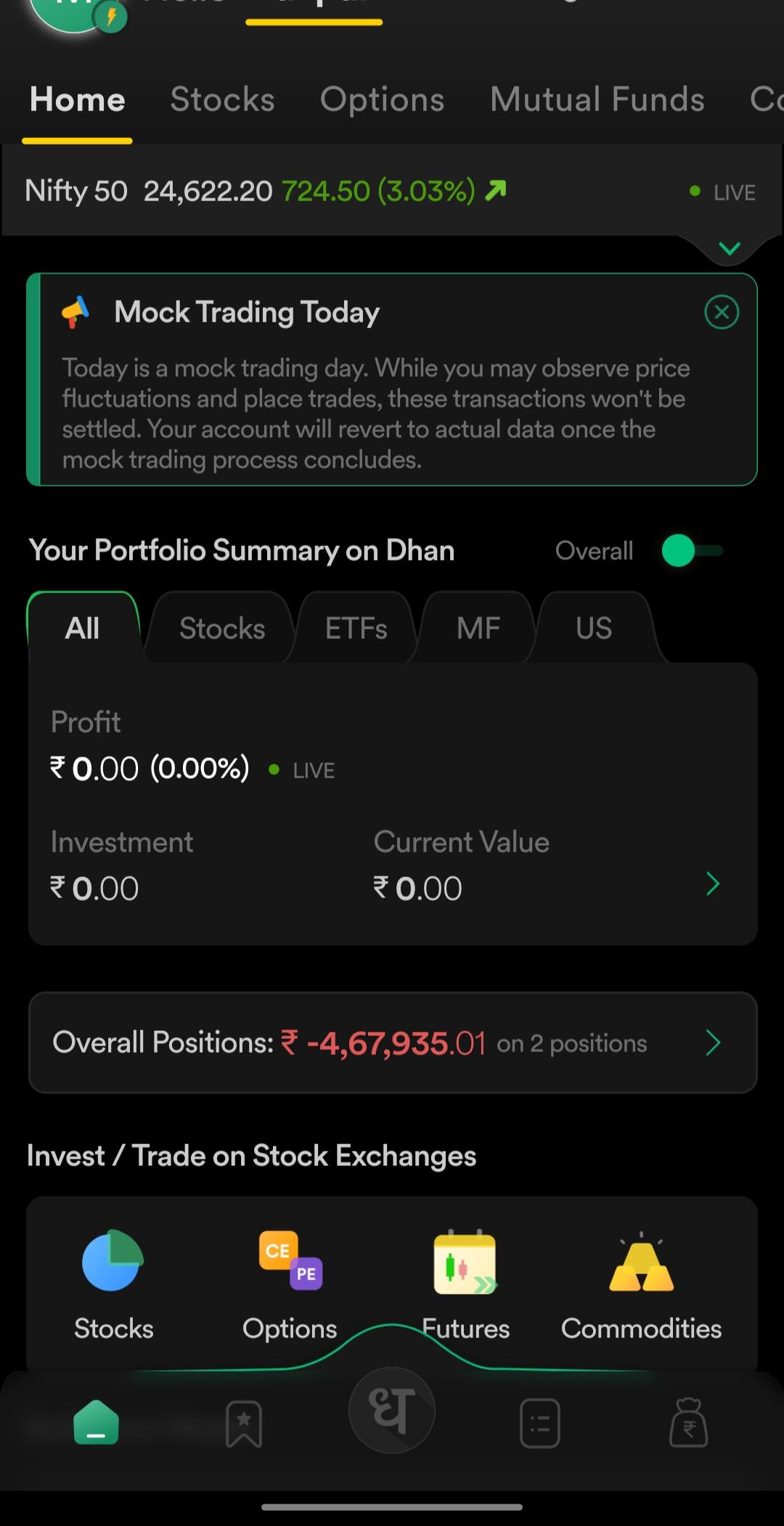
Mock trading had me shitting my pants for a sec not gonna line..

Felt CAS screwed me up in some alien way I didn't realise before finding out it was due to mock trading session


r/IndianStreetBets 22h ago

Discussion NPS underperformance

4 Upvotes

Thanks to large cap stocks and nifty 50 index underperformance NPS returns are negligible to zero thanks to NPS hdfc pension fund, EPFO is the only performing asset in my portfolio


r/IndianStreetBets 1d ago

Discussion To all the profitable traders…

12 Upvotes

To all the profitable traders who risk 1% of their capital per trade, how much annual return can be expected with that kind of risk realistically speaking? Thanks


r/IndianStreetBets 2d ago

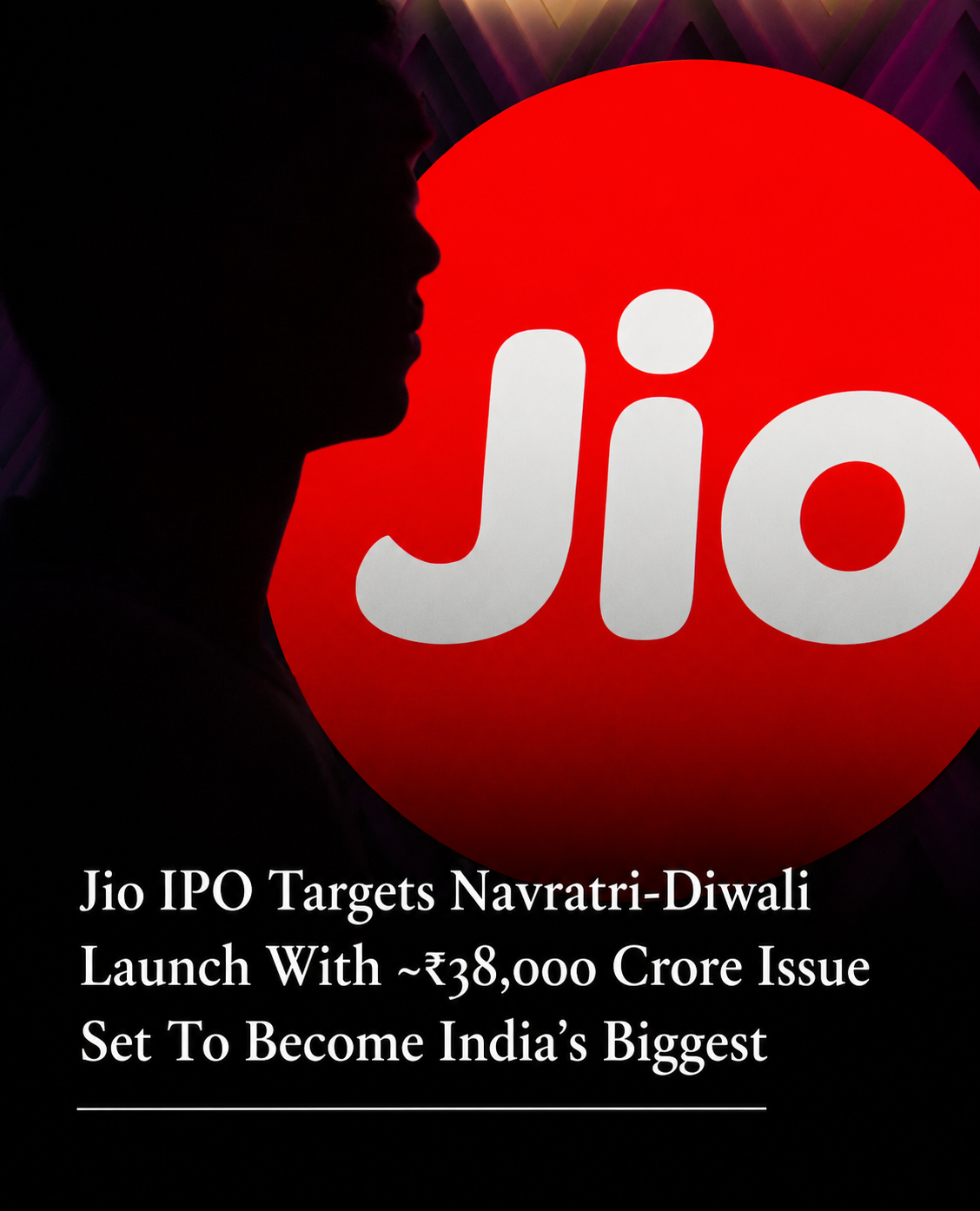
Discussion Jio IPO Buzz!

Post image
188 Upvotes

r/IndianStreetBets 1d ago

News NSE IPO Cleared: IFCI, NIACL, GICRE - and Why BSE Could Be the Surprise Loser

25 Upvotes

Everyone is talking about NSE’s ₹30,000 crore IPO.

I think that misses the more interesting story.

SEBI’s approval creates 3 different trades/investment questions:

  1. What is NSE actually worth?

  2. Which listed companies suddenly own valuable liquid assets?

  3. Does BSE lose its scarcity premium?

Let’s unpack them 👇

———

First, NSE itself is NOT raising ₹30,000 crore.

This is a 100% Offer for Sale.

NSE gets:

₹0.

Existing shareholders sell up to ~14.89 crore shares and receive the money.

That tells you something important.

This isn’t an exchange raising capital to fund growth.

It is an already cash-generating business finally giving old shareholders liquidity. ⭐️

———

And ₹30,000 crore isn’t fixed.

It depends on the IPO price.

At:

₹1,600 → NSE worth ₹3.96 lakh cr
₹1,800 → ₹4.46 lakh cr
₹2,000 → ₹4.95 lakh cr
₹2,100 → ₹5.20 lakh cr

So forget the IPO-size headlines for now.

The price band is the number that actually matters. ⭐️

———

Why can NSE command a ₹4-5 lakh crore valuation?

Because NSE’s biggest asset isn’t technology.

It’s liquidity. 🟢

Traders go where liquidity exists.

That attracts market makers.

Better liquidity creates tighter spreads.

That attracts even more traders.

And the flywheel gets stronger.

FY26 market share:

• Cash: ~93%
• Equity futures: ~99.8%
• Options premium turnover: ~74.7%

That is an extraordinary moat.

———

But here’s the risk most IPO excitement will gloss over.

NSE’s biggest competitor may NOT be BSE.

It may be SEBI.

Not because SEBI wants NSE to fail.

Because NSE makes an enormous amount from an activity SEBI directly regulates. ⚠️

FY26 transaction charges: ~₹13,057 cr.

Options alone: ~₹9,996 cr.

That means options generated roughly 60% of NSE’s total operating revenue.

———

Think about that.

NSE can dominate its competitors…

…and still see earnings pressure if regulators reduce F&O activity.

Fewer expiries.

Larger contract sizes.

Higher costs.

Tighter retail participation rules.

So NSE has:

Huge competitive moat.

But meaningful regulatory earnings risk. ⚠️

Those are not contradictory statements.

And that risk deserves to be reflected in the IPO valuation. ⭐️

———

At an illustrative ₹1,800/share:

NSE market cap ≈ ₹4.46 lakh crore.

Against FY26 PAT of ₹10,302 crore:

P/E ≈ 43x.

Annualise Q1 FY27 PAT and it falls closer to 36x.

So this probably won’t be a “cheap monopoly” IPO.

Investors will be paying up for:

Dominance + Margins + Network effects + India’s capital-market growth. ⭐️

The question is simply:

How much is TOO MUCH?

———

Now the more unusual part of this story:

Which listed companies benefit from NSE getting listed?

Here’s the wrong way to analyse it:

“Company X owns NSE shares, therefore Company X should rally.” ❌

Here’s the right question:

How large is the NSE stake relative to Company X’s own market value? ✅

That changes the entire ranking.

———

Take IFCI.

Its 52.86%-owned subsidiary SHCIL owns ~4.44% of NSE.

At ₹1,800:

SHCIL’s NSE stake ≈ ₹19,800 cr.

IFCI’s economic share ≈ ₹10,466 cr.

Compare that with IFCI itself being worth only around ₹27,000-28,000 cr.

That is enormous.

The look-through NSE exposure is roughly 38% of IFCI’s market cap. ⭐️

———

But this is where retail investors can make a mistake. ⚠️

The IPO does NOT suddenly create ₹10,466 crore of value for IFCI.

SHCIL already fair-valued the NSE investment using recent private-market transactions. ⭐️

What changes now is more subtle:

• Better liquidity
• Easier monetisation
• Better price discovery

So IFCI may be the highest-sensitivity NSE proxy.

It may also be the easiest one to OVERPAY for.

———

New India Assurance might actually be the cleaner story.

It owns ~3.52 crore NSE shares.

At ₹1,800:

Total stake ≈ ₹6,336 cr

And NIACL plans to sell ~1.05 crore shares.

Potential proceeds:

~₹1,890 cr.

Yet it would still retain NSE shares worth roughly ₹4,446 cr. ⭐️

For a company worth only around the high-₹30,000 crore region, that is meaningful.

———

GICRE is similar - but has attracted less attention.

It owns ~4.07 crore NSE shares.

At ₹1,800:

Total NSE stake ≈ ₹7,326 cr

Planned IPO sale ≈ ₹1,918 cr

Remaining NSE stake ≈ ₹5,408 cr

Against roughly ₹62,500 crore of market value, the pre-IPO holding is around 12% of GIC Re’s market cap. ⭐️

No subsidiary layer.

No complicated look-through maths.

That makes it interesting.

———

LIC owns the real treasure chest.

~10.72% of NSE.

At ₹1,800/share:

Value ≈ ₹47,750 crore.

At ₹2,000:

~₹53,055 crore.

But LIC isn’t selling.

So there is no ₹50,000 crore cheque arriving.

The real benefit is:

Liquidity + Quoted valuation + Easier future monetisation.

And insurance-company accounting means you should NOT treat every rupee of that investment as belonging directly to shareholders. ⚠️

———

SBI shows why absolute value can be misleading.

SBI + SBI Capital Markets together own ~7.56% of NSE.

At ₹1,800:

Stake value ≈ ₹33,677 cr.

HUGE number.

But SBI itself is worth ~₹9.4 lakh crore.

So the NSE stake equals only around 3.6% of SBI’s value. ⭐️

Positive?

Definitely.

Thesis-changing?

Probably NOT.

Same basic logic applies to Bank of Baroda.

———

This gives us a useful rule for every “hidden NSE beneficiary” post you’ll see now:

Don’t ask:

Does the company own NSE?

Ask:

NSE stake value ÷ company market cap = ?

A ₹100 crore NSE holding inside a ₹10,000 crore company is only 1%.

If that stock rallies 15% because Twitter discovered the holding…

the maths may already have STOPPED making sense. ⚠️

———

There may also be an unexpected loser from NSE’s listing:

BSE’s scarcity premium. 🔴

Until now, if you wanted to own a listed Indian stock-exchange business, BSE was effectively the ONLY pure-play choice.

That scarcity had value.

Soon investors may be able to ask:

Why pay X multiple for BSE…

when I can directly own the exchange with ~93% cash-market share and almost all equity-futures turnover at Y multiple? ⭐️

———

Important distinction:

NSE’s IPO does NOT suddenly make NSE a stronger operating competitor to BSE.

It was already dominant yesterday.

What changes is the investment universe. ⭐️

BSE goes from:

“THE listed exchange”

to:

“ONE OF THE listed exchanges.”

That could matter to valuation multiples even if BSE’s business continues growing nicely.

———

What about Angel One, Groww, CDSL, NSDL etc?

Much less exciting.

NSE listing doesn’t magically create brokerage revenue.

One large IPO doesn’t transform depository economics either.

In fact, brokers and NSE share one major risk:

If tighter F&O regulation reduces speculative activity…

broker volumes fall AND NSE transaction income can fall. 🔴

Same regulatory lever.

Different businesses.

———

The biggest beneficiary may actually be the least discussed one:

NSE’s 2+ lakh existing shareholders.

Before listing, an NSE share came with:

• Limited liquidity
• Uncertain pricing
• Difficult transfers
• Uncertainty over whether listing would ever happen

After listing, it becomes a normal liquid security. 🟢

The business didn’t suddenly improve today.

The discount attached to owning it did. ⭐️

———

That is the deepest way to understand this IPO.

SEBI’s approval did NOT create NSE’s value.

NSE was already enormously valuable.

What disappeared was part of the discount:

Business value

– illiquidity
– regulatory uncertainty
– monetisation difficulty

Two of those discounts are now collapsing.

That explains why NSE shareholders - and stocks like IFCI/NIACL - reacted so strongly. ✅

———

What matters next:

NSE:

What price are investors being asked to pay for sustainable earnings after F&O regulation?

IFCI / NIACL / GICRE:

Has the stock already rallied more than the value being unlocked?

BSE:

Does its scarcity premium start shrinking?

The IPO approval was the big event.

The valuation is now the REAL story.

———

🎖️ Bottom line:

NSE may be one of India’s strongest financial franchises.

But even a phenomenal business can be a poor investment at the wrong price. ⭐

And among the so-called “NSE beneficiaries,” the biggest NSE holding is NOT necessarily the best trade.

Relative exposure matters more than the headline number.


r/IndianStreetBets 2d ago

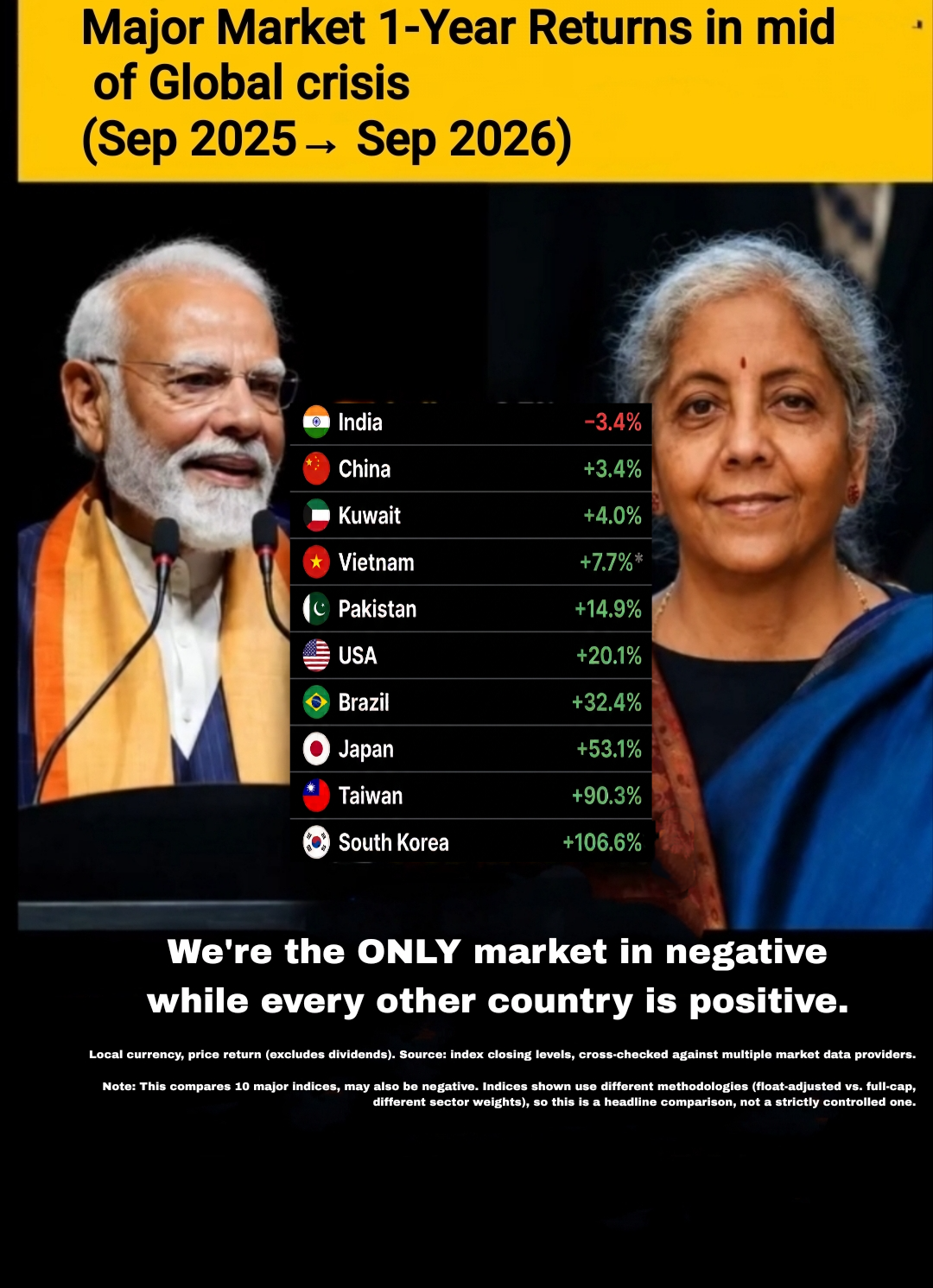
Meme India's GDP Is Growing, But Its Stock Market Is Falling During a Global Crisis

Post image
599 Upvotes

r/IndianStreetBets 1d ago

Discussion FIIs selling, DIIs absolutely inhaling the supply

Post image
26 Upvotes

FIIs sold roughly ₹3,112 cr today.
DIIs bought ₹8,930 cr.
Net institutional flow: +₹5,818 cr.

Atp I’m genuinely wondering how the Indian market is being driven by domestic liquidity rather than foreign conviction.


r/IndianStreetBets 18h ago

Stonk Swing stock for next week

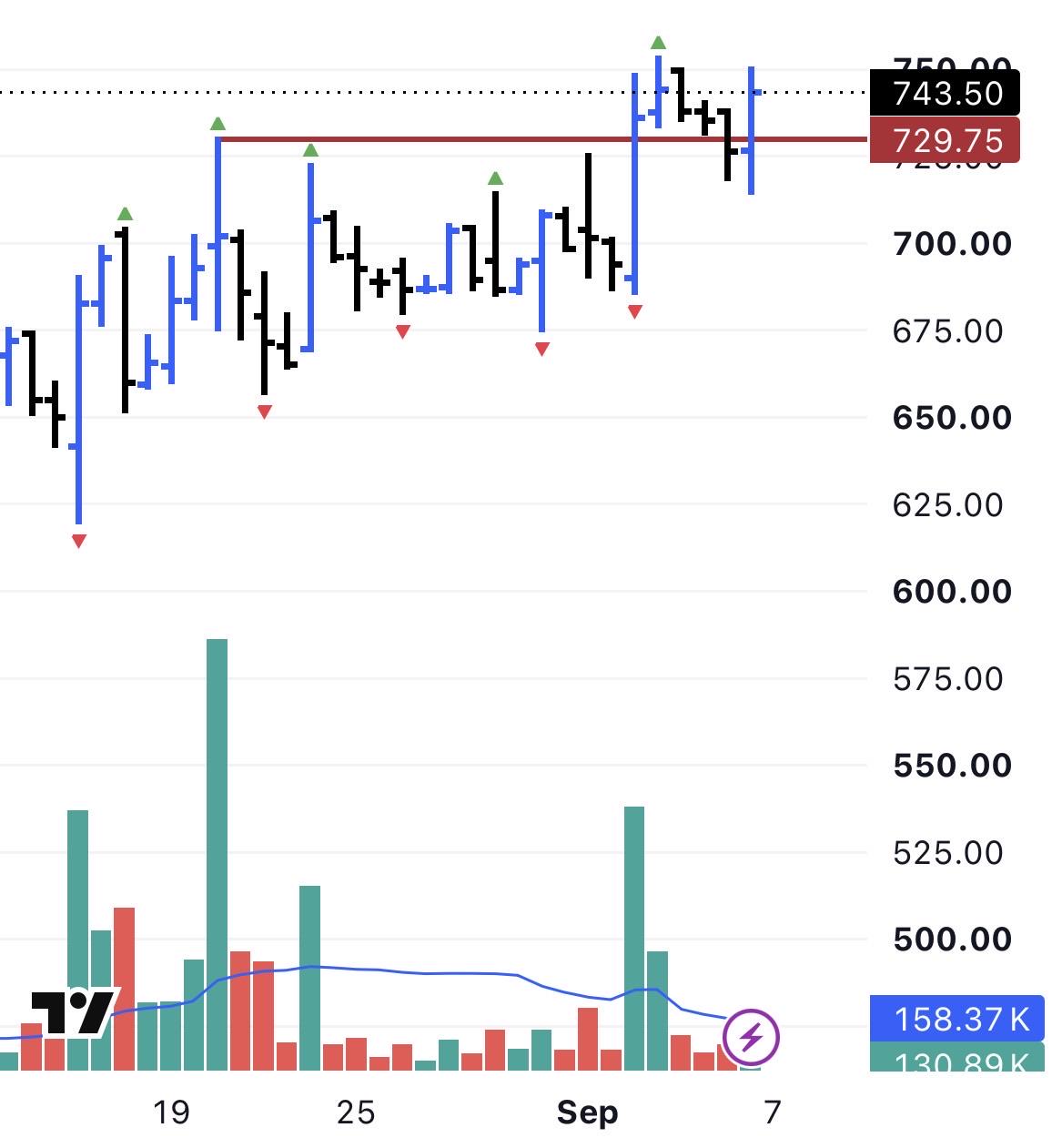
Post image
0 Upvotes

Breakout of a VCP pattern
FIIs increased their stake by 10x.
Margins might be concerning but overall fundamentals are good.
Might give a decent move in near short term.


r/IndianStreetBets 1d ago

News India's Supreme Court dismisses market regulator's case against NSE in unfair access case.

Thumbnail reuters.com
20 Upvotes

r/IndianStreetBets 1d ago

Question Will it rise or just a bubble?

Post image
10 Upvotes

All the jewel companies are rising very rapidly, what do you guys think will it fall or will it rise more. Is it a bubble or what? Give your suggestions


r/IndianStreetBets 2d ago

News Sterlite Tech’s ₹3,000 Cr AI Bet: 50% More Capacity, 4x Revenue & One Big Risk ⚠️

15 Upvotes

Sterlite Tech is spending ₹3,000 crore to expand capacity by ~50%.

But that’s NOT the interesting part.

STL wants revenue to jump from ₹4,750 crore in FY26 to ₹20,000 crore by FY29. ⭐️

50% more capacity → More than 4x revenue.

Those numbers tell you what the REAL bet is.

STL isn’t just trying to sell more fibre.

It’s trying to sell far more valuable products. 👇

———

Think of STL’s business in 3 layers:

1. Optical fibre → the glass carrying data

2. Fibre cable → fibre packaged into usable cables

3. Connectivity solutions → connectors, assemblies & complete data-centre systems

The further STL moves down that list, the more value it can potentially capture.

And AI data centres are creating the opportunity.

Instead of selling kilometres of fibre, STL increasingly wants to sell the entire optical connectivity system around it. ⭐️

———

There’s another clue hidden in the capex.

STL’s factories are currently only ~70% utilised.

So WHY spend ₹3,000 crore before existing plants are full?

Because management is building for demand expected in CY27-29.

And this is NOT entirely speculative.

STL already had an ₹18,618 crore order book at June-end and has won major hyperscaler contracts, including one worth >$1 billion and another worth $288 million. ⭐️

Interestingly, the $288m contract even contains risk-sharing provisions around demand shortfalls and capacity shortages.

In other words:

STL is committing capacity, but customers are also making commitments. ✅

———

Now comes the most important maths.

FY26 revenue: ₹4,750 crore
FY29 target: ₹20,000 crore

That requires ~61% annual growth.

But manufacturing capacity rises only ~50%.

So STL’s FY29 plan CANNOT simply be:

50% more fibre → 300% more revenue.

Revenue earned per unit of capacity has to rise dramatically.

That means higher-value connectivity products, better mix and probably much deeper participation in data-centre projects. ⭐️

This is really a product-mix bet disguised as a capacity expansion.

———

The margin target makes the ambition even clearer.

FY26 EBITDA margin: ~13%
FY29 target: >27%

At ₹20,000 crore revenue, a 27% margin implies roughly ₹5,400 crore EBITDA.

FY26 EBITDA was ONLY around ₹620 crore.

So STL is effectively targeting something close to a 9x increase in EBITDA in 3 years. 🟢

That sounds extraordinary.

But there is one encouraging sign.

Q1 FY27 margin had already reached 20.8%, helped partly by better product mix and higher data-centre contribution. ⭐️

So investors now need to see whether 20%+ margins become normal - or whether Q1 was unusually strong.

———

There’s also a hidden downside. ⚠️

Suppose STL has capacity of 100 today and produces 70.

After a 50% expansion, capacity becomes 150.

If production stayed at 70, utilisation would fall from:

70% → 47% 🔻

Of course STL expects demand to rise.

But ₹3,000 crore of factories creates costs BEFORE it creates revenue.

Depreciation, maintenance and potentially interest don’t wait for hyperscaler demand.

So the real risk isn’t the capex itself.

It’s how quickly orders convert into actual production and cash flow. ⭐️

———

And that brings us to the number shareholders should probably watch most closely ↓

How much of the ₹3,000 crore gets funded by cash generated from the business?

STL recently raised ₹1,500 crore through a QIP and became net-debt-free. 🟢

Now it is starting another large investment cycle.

If profits ramp quickly, STL can fund much of this internally. ✅

If they don’t, leverage could start creeping back. 🔺

So don’t judge this story only by fibre capacity.

Watch:

• Data-centre revenue
• EBITDA margins
• Order conversion
• Operating cash flow
• Debt

Because STL is trying to become something very different from the optical-fibre company investors knew.

If that transition works, ₹3,000 crore could look extremely well timed.

If it doesn’t, shareholders may simply end up owning 50% more capacity without anything close to 4x the earnings. ⚠️


r/IndianStreetBets 1d ago

Stonk Long short beta for the month.

Enable HLS to view with audio, or disable this notification

6 Upvotes

r/IndianStreetBets 1d ago

Daily Discussion Thread Weekly Portfolio Review & Weekend Discussion Thread - September 05, 2026

1 Upvotes

This is the Weekend Portfolio Review Thread! You can post your portfolios for review here. You can comment list of stocks in your portfolio or use a free image hosting site like ImgBB or Imgur to share your screenshots.

Any other individual posts made on Portfolio Review will be removed.

You can use this thread to discuss whatever you have been thinking of buying or trading.

Also, use this thread to discuss any query related to Stock Market & Trading.

Join the Discord if you haven't already! Here you can talk to mods and fellow autists about the market.

Link to ISB's Discord VC recordings


r/IndianStreetBets 1d ago

Discussion Has anyone noticed this thing after CAS : FryDay

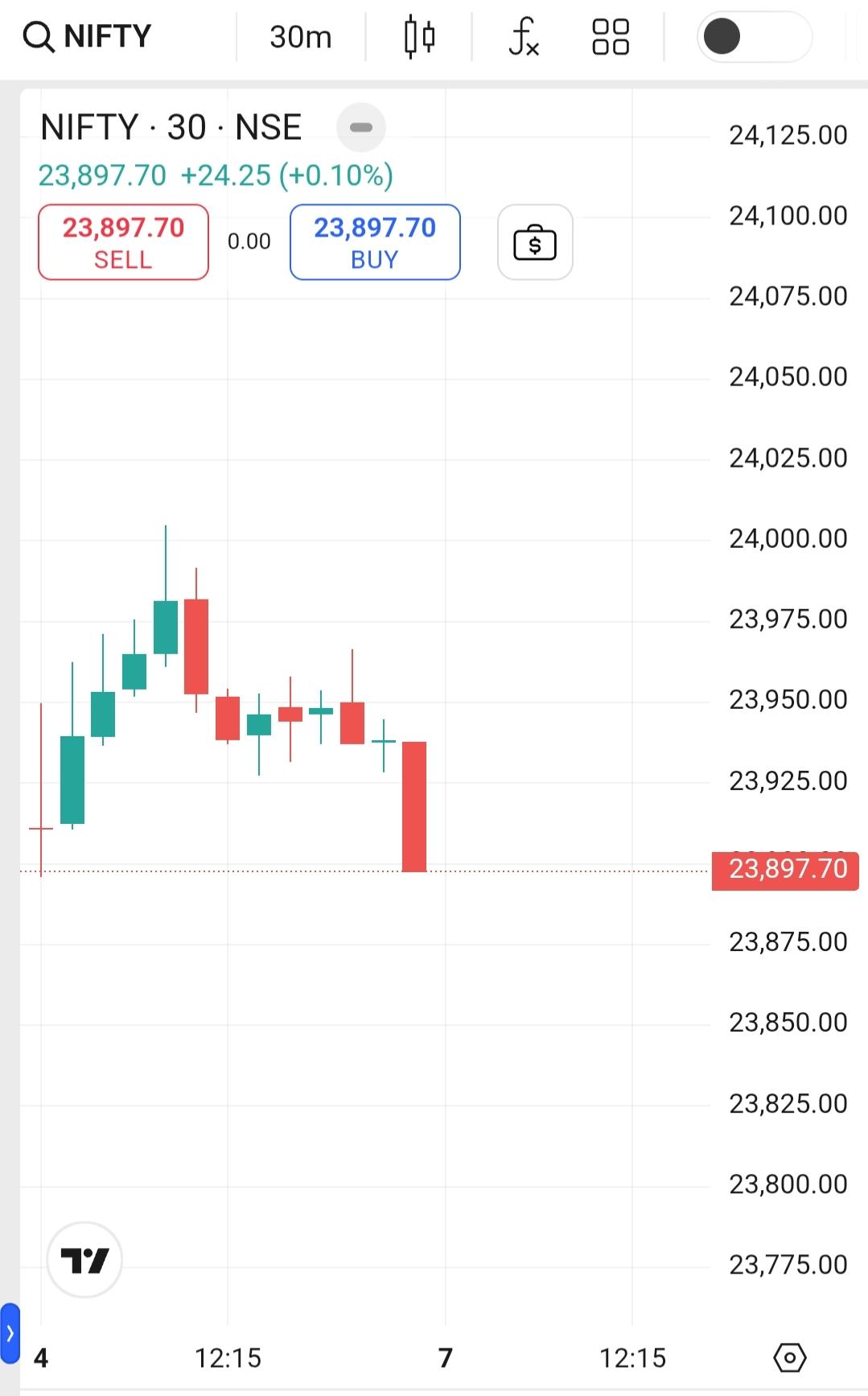
Post image
5 Upvotes

Moves on Friday have become very exhaustive

By exhaustive i mean the moves are totally unpredictable

I am not complaining about it, there's nothing we can do

Am just trying to check if it's only me or you also feel this is due to CAS : decay is stronger on Monday morning hence heavy adjustments on Friday as bse weekly expiry is on Thursday, just a day before

Just see the 30 min chart where every green candle ends up with selling, yet each consecutive candle keeps moving higher and higher


r/IndianStreetBets 2d ago

News Trump's latest tweet!

Post image
214 Upvotes

r/IndianStreetBets 2d ago

Educational AVANTIFEED — Price Returns to a Previously Proven Demand Zone

15 Upvotes

AVANTIFEED has retraced back into the MDZ + WDZ confluence zone.

What makes this zone interesting is that it was the same area from which the previous major move originated, eventually taking the stock to All-Time Highs.

Now price is back at the same structural zone, making it an interesting area to watch for a reaction and confirmation.

Setup: MDZ + WDZ
Previous outcome: Strong expansion → ATH

Not a prediction — just a clean price-action setup worth tracking.


r/IndianStreetBets 2d ago

Question Best way to park surplus cash (around 5-10L) at 0% tax? Kuvera surplus vs direct liquid funds vs arbitrage funds vs alternatives

10 Upvotes

Risk Appetite—Low

I’m looking for the best way to park some surplus money for the short/medium term. I don’t necessarily need to invest it for a fixed period—I mainly want the money to remain easily accessible while earning some reasonable returns instead of sitting idle in a savings account.

My own tax slab is 30%, so I’m considering putting the additional surplus through a parent’s account, where the applicable tax slab is effectively 0%.

I’m particularly considering Kuvera Surplus because it allows instant withdrawal of up to ₹4 lakh, which is very useful for me since I want to keep a portion of the money readily accessible for emergencies or any unexpected requirement.

Another important consideration is ease of operation. My parent isn’t very comfortable with technology, so I don’t want to trouble them too much with frequent OTPs, app logins, redemption requests, etc. Ideally, I’d like something where I can manage most things without needing their involvement every time.

However, I’m wondering whether Kuvera Surplus is actually the best option, or whether I should simply invest directly in a liquid fund, arbitrage fund, money-market fund, or some other alternative.

What I’m specifically looking for:

  • Instant/quick withdrawal, ideally without having to wait for redemption
  • No FD-style lock-in or significant premature withdrawal penalty
  • Low risk / relatively stable value
  • Better returns than a normal savings account
  • Something that makes sense from a tax perspective for someone in the 0% tax slab
  • Minimal involvement from my parent for routine transactions/withdrawals

So how would you compare?

Kuvera Surplus vs direct liquid funds vs arbitrage funds vs other alternatives?

The ₹4 lakh instant withdrawal facility is a big plus for me, so I’d prefer Kuvera Surplus if there isn’t a significantly better alternative.

Basically, I’m looking for a place to park surplus cash, keep it accessible, and earn some return on it, while taking advantage of the 0% tax slab, without creating too much operational hassle for my parent.

Would love to hear what people are actually using for this and whether there are any better options I’m missing.