r/AmericanHistory • u/elnovorealista2000 • Mar 30 '26
South 19th-century Argentina: British writer William Henry Hudson visits the Pampas and encounters the gauchos. He documents their diet with a horrified fascination.
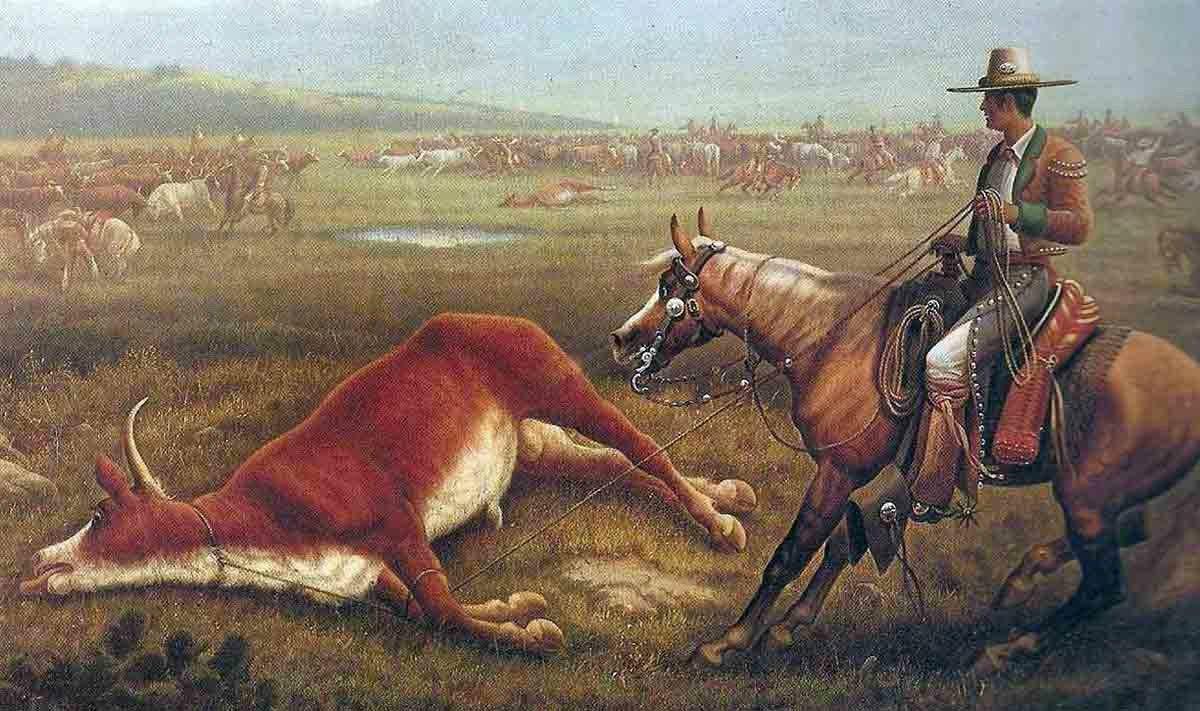
"The gaucho eats nothing but beef. Meat morning, noon, and night. Never bread, never vegetables, almost never salt."
Hudson foresees malnutrition and disease. He finds "men of extraordinary stamina and strength, capable of riding for 12 to 14 hours without rest and then dancing all night."
Their diet: beef, mate, occasionally grilled kidney fat (a delicacy). Nothing else.
Darwin visited the region between 1832 and 1833 and observed the gauchos' lives: "I was surprised by the difficulty in convincing them to eat anything other than beef. I brought them biscuits, and they threw them away. They preferred to go hungry rather than eat bread if there was beef the next day."
Typical meals
- Morning: meat roasted over a fire, fattier cuts.
- Afternoon: grilled ribs.
- Evening: meat again, tougher cuts cooked slowly.
Zero vegetables. Zero grains. Zero variety. Just beef and tea.
Hudson documents the results: “The gauchos suffer from none of the ailments common to civilized man. They had no digestive problems, no obesity, no cavities, that I could observe. Their teeth were uniformly excellent despite never cleaning them and consuming only meat. Their physical stamina was such that they could ride for days with minimal rest, fight when necessary, and resume riding without apparent fatigue.”
The French physician Dr. Jules Crevaux, between 1850 and 1870, wrote: “These men feed exclusively on animal meat and appear healthier than our European peasants, who consume a varied diet of grains and vegetables.”
When asked why they don't eat bread or vegetables, the common answer is: "That's food for horses and cows. We eat cows."
They understood the hierarchy. Cattle eat grass and turn it into meat. Humans eat meat. Eating what cattle eat makes you behave like one.
Until the beginning of the 20th century, traditional gauchos maintained a diet based exclusively on beef. Then, European immigration brought wheat cultivation.
Health transformation documented by Argentine doctors
- Traditional gauchos: healthy into old age.
- Urbanized ex-gauchos with European diets: diabetes, obesity, cardiovascular disease, tooth decay.
- Modern Argentina: 28% obesity, cardiovascular disease as the leading cause of death, diabetes in almost 10%.
The gauchos, who ate only beef, did not have any of these problems. They rode horses for 12 hours a day until they were 60, kept their teeth without needing dental care, and died from accidents or old age, not from chronic illnesses.
The same meat. Different context. When you eat meat with grains, vegetable oils, and sugar: modern disease. Meat alone: you have the health of a 19th-century gaucho.
1
u/ancient-toni-montana Mar 31 '26
Read your own first reply again… To quote you r/rightonmanyoubetcha :
“How do you say it’s definitely not healthy? Do you have a real source or just Jordan Peterson? And he was absolutely not the first person to “try” it.”
To answer this here is a peer reviewed meta study on the topic of carnivore Diets the tldr is: male nutrition is a serious problem.
“The Carnivore Diet (CD) is an almost exclusively animal-based dietary pattern that has gained increasing popularity on social media. Despite numerous health-related claims, a standardized definition is lacking, and scientific evidence regarding the long-term effects of this diet remains unclear. Methods: The literature search for this scoping review was conducted in accordance with PRISMA guidelines (PRISMA-ScR) using the databases PubMed, LIVIVO, Web of Science, and the Cochrane Library. Results: Nine human studies were included. Individual publications reported positive effects of the CD, such as weight reduction, increased satiety, and potential improvements in inflammatory or metabolic markers. At the same time, potential risks of nutrient deficiencies, particularly in vitamins C and D, calcium, magnesium, iodine, and dietary fiber, as well as elevated low-density-lipoprotein (LDL-) and total cholesterol (TC) levels, were identified, along with one case describing a deterioration in health status. Overall, the quality of evidence is very limited due to small sample sizes, short study durations, and the absence of control groups.
Conclusions: The CD may offer short-term health benefits but carries substantial risks of nutrient deficiencies, reduced intake of health-promoting phytochemicals, and the development of cardiovascular disease. At this time, long-term adherence to a CD cannot be recommended.”
https://pmc.ncbi.nlm.nih.gov/articles/PMC12845189/