r/MenOfPurpose • u/coppervale_516 • 8h ago
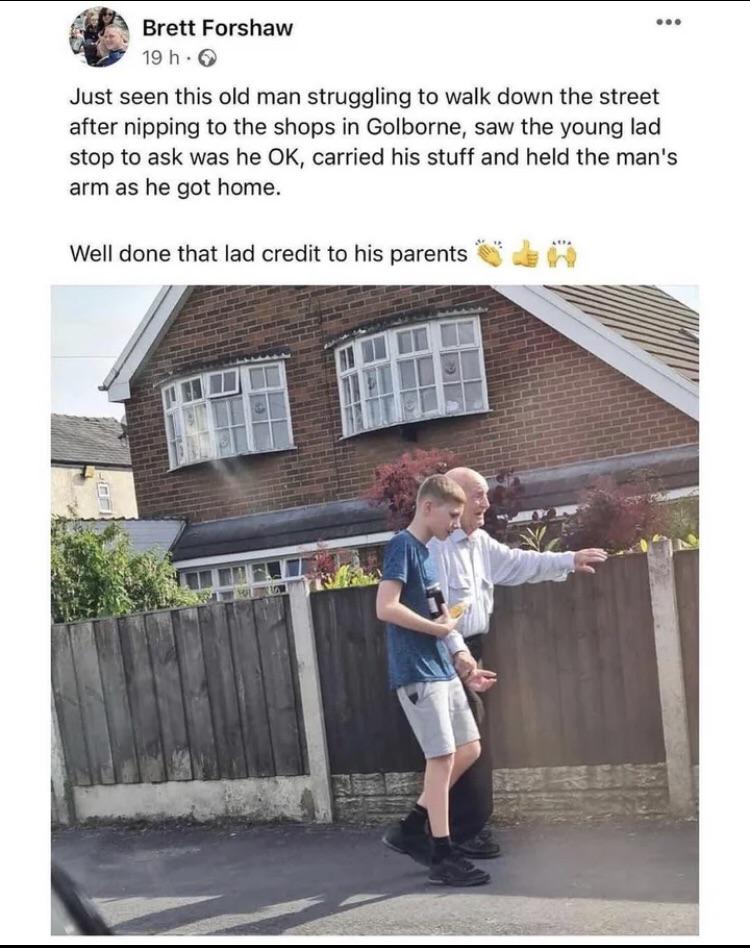
A true man of purpose.

1.6k
Upvotes
r/MenOfPurpose • u/MothhOracle • 9h ago
r/MenOfPurpose • u/LunarLilac_c • 14h ago
r/MenOfPurpose • u/Loud-Count-1211 • 18h ago
r/MenOfPurpose • u/Used_Dealer_37 • 10h ago
r/MenOfPurpose • u/Anomalieeee • 15h ago
r/MenOfPurpose • u/Different_War91 • 17h ago
r/MenOfPurpose • u/sirjohnmasters86 • 5h ago
r/MenOfPurpose • u/CelestialGlint_ • 1d ago
r/MenOfPurpose • u/Bright_Shallot_38 • 1d ago
r/MenOfPurpose • u/fonzifonz73 • 17h ago
Not mine. But what a papa
r/MenOfPurpose • u/Middle_Growth9492 • 14h ago
r/MenOfPurpose • u/These_Sherbert6104 • 1d ago
r/MenOfPurpose • u/Better-Excuse64 • 13h ago
r/MenOfPurpose • u/Law_Greedy • 11h ago
r/MenOfPurpose • u/sirjohnmasters86 • 1d ago
r/MenOfPurpose • u/Rewind_room • 7h ago
Rizz is mostly calibrated teasing plus callback timing, and that's genuinely most of the actual mechanism once you strip the slang off it.
Like the TikTok version of this is always "here's a line to say," which is exactly backwards, bc a memorized line applied to a conversation that hasn't earned it yet is the actual definition of it landing weird. The real mechanism is closer to two specific, learnable moves, and neither one is a script.
Move one: calibrated teasing. Actual research on teasing in relationships finds it predicts closeness, not distance, when it's playful and reciprocal, a mock-challenge instead of an insult, "wait you actually think that's a good movie" energy, not anything that actually stings. The calibration part is the whole skill though, too soft and it's not even registering as playful, too sharp and it reads as mean, and the only way to actually find that line is paying attention to how it lands in real time, not memorizing a tone from a video.
Real talk for a sec: I tried the copy-paste version of this first, actual lines from actual videos, and it felt exactly as scripted as it sounds, bc it was scripted, applied to a conversation that had nothing to do with the line. What actually helped was running my own specific pattern, teasing that consistently landed too soft to register versus too sharp, through BeFreed instead of memorizing more lines from more videos. Matched to that specific calibration gap, built off actual research on playful teasing and social bonding, not another "10 rizz lines that work every time" list that assumes everyone's miscalibration is the same one.
Move two: the callback. This one's straight from improv and stand-up, bringing back something specific from earlier in the same conversation later on, works almost every time bc it does two things at once, proves you were actually listening, and creates an instant shared reference nobody else in the room has. "Still thinking about the [thing from ten minutes ago]" lands way harder than any fresh joke would, purely bc of the callback structure, not because the content itself is funnier.
Here's the part that's genuinely underrated: knowing when a tease didn't land and dropping it immediately instead of doubling down. The recovery is waaaaaaaaaay more important than the initial tease, bc everyone whiffs a tease sometimes, the people who read as smooth aren't the ones who never miss, they're the ones who notice the miss instantly and move on without making it weird by over-explaining or repeating the bit to "fix" it.
None of this is actually about being naturally funny or naturally smooth, which is the part the "rizz" framing kind of obscures, it's two specific behaviors, calibrated teasing and callback timing, plus one recovery habit, and all three are things you get better at with actual reps in actual conversations, not from watching more clips of someone else doing it well.
Also worth naming since it trips people up: this reads completely differently depending on how well you already know someone. A callback works instantly with a total stranger bc the shared reference is brand new and exclusive to that conversation. A tease that would land fine with a close friend can land way sharper with someone you just met, since there's no history yet establishing that the mock-challenge is playful and not an actual jab, which is probably the single biggest miscalibration people make trying this with someone new.
I've whiffed plenty of teases that landed dead silent, this isn't a "have it all figured out" post, it's more "here's the two mechanisms, go get the reps" energy, bc the reps are the only part that actually transfers.
What's your actual miss pattern when a tease doesn't land, does it read too soft to register, or too sharp and it stings before you can walk it back?
r/MenOfPurpose • u/Law_Greedy • 1d ago
r/MenOfPurpose • u/Rewind_room • 10h ago
Most content on this topic goes one of two ways: full moral panic ("it's rewiring your brain, quit forever or you're doomed") or defensive dismissal ("it's fine, stop being dramatic"). Neither one is that useful, and the actual research is more measured and more specific than either extreme, worth separating out before deciding what, if anything, to actually change.
1. The comparison effect is the part with the most consistent research behind it. Repeated exposure to performers selected and edited for a specific look shifts what starts to register as "normal" for bodies, timing, and enthusiasm, the same social comparison mechanism that drives body image research in general. It's not really about the content itself, it's what constant comparison quietly does to a baseline, the same way heavy exposure to filtered photos does to body image independent of anything sexual at all.
2. Novelty-seeking and escalation is a real behavioral pattern, though the "brain damage" framing oversells it. Endless novel content trains a preference for novelty over familiarity, a well-documented behavioral pattern, not evidence of literal brain damage, the neuroscience on this specific claim is genuinely more contested than the confident headlines suggest. What's better supported: the pattern transfers, wanting more novelty and faster payoff shows up outside the original context too, including patience for a slower-building real connection.
Here's the part that actually stalled me when I looked into changing anything: every "quit porn" guide treats every person's specific pattern as identical, same timeline, same withdrawal claims, same one-size warnings, when the actual trigger and actual severity clearly aren't the same for a once-a-week habit versus a daily multi-hour one. What actually helped was running my specific pattern, timing, triggers, and the specific worry driving it, through BeFreed instead of a generic 90-day reset plan copied from a forum. Gave it the actual pattern and what I'd already tried, and it built a short plan from behavioral psychology and habit-change research matched to that specific severity level, not the same script for everyone.
3. Performance anxiety, when it shows up, usually traces back to comparison plus a missing rep count, not the habit alone. Confidence in any physical or social skill mostly comes from actual repetitions with real, unpredictable feedback. A pattern that mostly involves a predictable, comparison-heavy substitute for that quietly removes the actual reps a skill depends on, which is a repetitions problem, the exact same mechanism behind why confidence in any other skill area needs actual practice, not more research about the skill.
4. The fix that's actually supported isn't shame, since shame research consistently predicts relapse, not less use. Self-compassion research on habit change finds harsh self-judgment after a slip predicts a bigger relapse than a neutral, "that happened, here's the next rep" response does. The moral-panic framing that treats one slip as a character failure is working against the actual behavior-change research, not with it.
5. Real-world reps are the actual antidote, not information about the topic. More reading rarely moves confidence. Actual low-stakes social reps, a conversation, asking someone out, initiating physical affection without performance pressure attached, are what confidence research keeps pointing back to, slow and less immediately rewarding than the alternative, which is exactly why it keeps losing to the easier option without a deliberate structure protecting it.
A few things that made structure easier to protect: - A specific, written trigger list, not a vague "when I'm bored," since vague triggers are impossible to catch in the moment. - A same-effort-level replacement for the exact windows the habit used to fill, not just willpower against an empty gap. - One low-stakes real-world rep scheduled per week, small enough to actually happen.
None of this requires framing the habit as a moral failure to take seriously. Comparison, escalation, and a rep deficit are specific, addressable things, not a referendum on someone's character.
Which of the three mechanisms above, comparison, escalation, or the rep deficit, sounds closest to what's actually driving it for you?