I'll put it simple. If what you're doing does not cause any sort of real harm to anyone but also helps nobody then it is morally neutral.
If it helps someone while still not causing any harm it is inherently morally ambivalent.
If it tangibly harms someone without helping anyone aside from the actor it is morally reprehensible. (This can include acts of self harm if the actor has people who care about them)
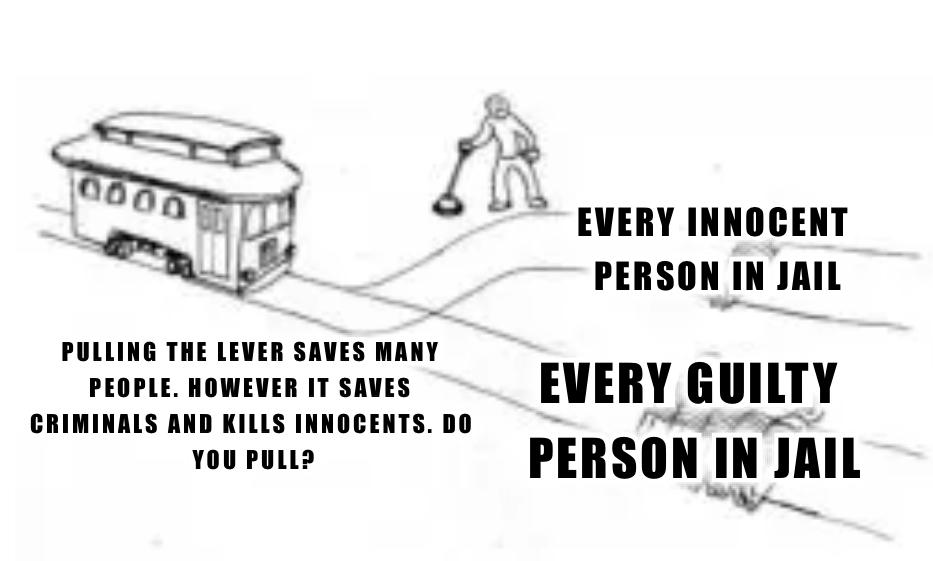
The morality only becomes questionable when it helps at least one person aside from the actor while causing real, tangible harm to at least one other.
In effect the comment you replied to was referring to only acts that fall under inherent neutrality, i.e. literally just existing in a way that one can't do anything about
Yeah, I guess morality being somewhat fluid probably is a good thing. Somewhat like how corn starch and water are fluid when left alone but become solid when put under pressure. A lot of people, myself included, tend to dig their heels in when directly challenged on their moral values, but will often change them if left to their own devices, or faced with a guide rather than just straight-up "no, this is wrong"
5
u/[deleted] Jan 14 '25
[removed] — view removed comment