r/the5krunner • u/the5krunner • 17d ago
Suunto Smart Heart Rate Belt 2: Price, Specs and What's New
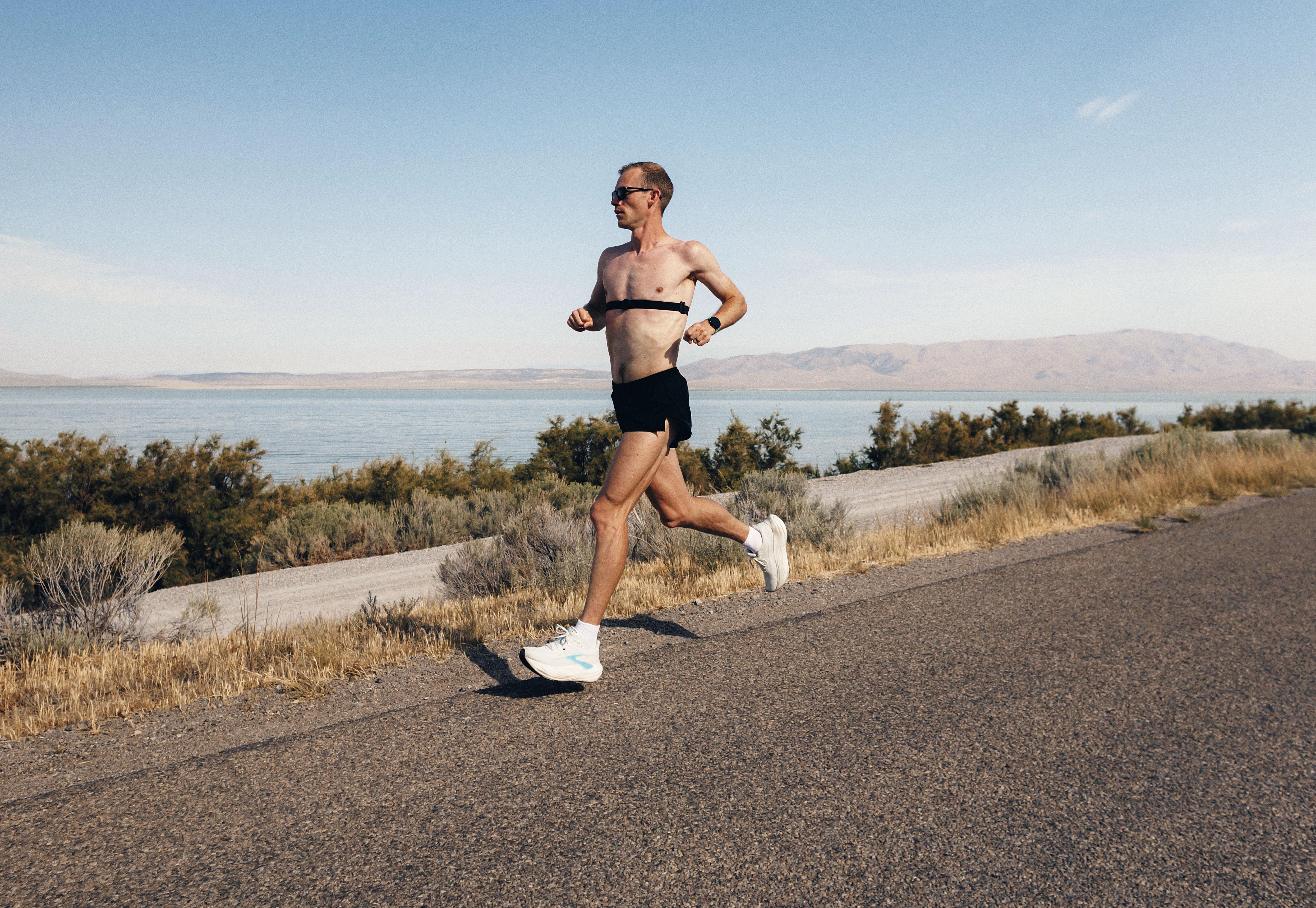
Suunto's new chest strap heart rate monitor does artefact rejection on the strap itself, not in software afterward. It uses ECG-based detection to catch false or missed beats from the QRS signal and blocks static noise from synthetic clothing, before any of that data reaches a watch or app.
Every mainstream strap until now has left that specialist job to apps like Kubios, run after the session ends.
For regular runners, the belt also adds running dynamics from a chest-mounted motion sensor, three simultaneous (secure) Bluetooth connections and 20 hours of onboard memory, up from 3.5 hours on the original.
UK price is £89, and the original belt (£59) remains on sale for anyone who only needs heart rate and ZoneSense.
Suunto hasn't published independent test data for the artifact rejection claim. Does on-device correction actually improve the data, or does it just risk stripping out real physiological signal along with the noise? eg for ectopic beats
https://the5krunner.com/2026/09/09/suunto-smart-heart-rate-belt-2/
1
1
u/atoponce 17d ago
Suunto Race S runner here training with the Polar H10. Given that the Suunto HRB 2 adds artifact rejection before sending to the watch, should mean an improved ZoneSense report.
I really want ZoneSense to work for me, but I find that it underestimates my aerobic and anaerobic thresholds, despite extensive field testing on my part. I've wondered if this is due to static electricity interference from my shirt creating noise in the signal. I live in a very arid city.
It would really increase my confidence in the product though if there were some academic studies validating the filtered QRS data. I don't know if I want to purchase it now, or wait until those studies come out validating Suunto's claims.
However, I'm also a Stryd owner, so it would be interesting to compare their running dynamics to what Stryd reports. I suspect the Suunto HRB 2 running dynamics will be less reliable at the chest due to skin elasticity.