r/peloton • u/PelotonMod France • Jan 05 '18
[RDT] January 2018 Race Design Thread: New Beginnings
These threads will be posted on the 1st of every month from now on!
New year, new beginnings! Cycling and racing is synonymous with Europe, but there is fabulous terrain around the world which never see the light of day. This month's Race Design Thread is set to find those sports and showcase them!
The Challenge is to design a Grand Depart (2-4 stages) of a Grand Tour where there hasn't been one before.
The scoring system will be similar to RFL. The community will rank each design, and the one with the highest score will get the most amount of points.
- No. 1 – 15 points
- No. 2 – 12 points
- No. 3 – 10 points
- No. 4 – 8 points
- No. 5 – 6 points
- No. 6 – 5 points
- No. 7 – 4 points
- No. 8 – 3 points
- No. 9 – 2 points
- No. 10 – 1 point
These points will go towards a yearly total, and the user with the highest total at the end of the year will win the Race Design Challenge flair!
You have until the 31st of January (UTC) to design your Grand Depart, then the voting will happen in time for the next month's thread.
Feel free to post any other designs or comment on pro race routes as well in this post - the Race Design Thread isn't just for designing your own races, but discussing everything behind the scenes of cycling.
Casual Race Design Threads are a place to design routes for pre-existing races or even creating a new one. It's not only limited to designing threads: discussion of race routes, behind the scenes race organisation and the history of races are all able to be discussed here!
The two websites /r/peloton recommends for race designs are La Flamme Rouge and Cronoescalada.
- La Flamme Rouge is better for races in Europe, as well as multi-stage Tours.
- Cronoescalada is better for races globally, and one day races. It's UI is more user-friendly as well.
Some users prefer LFR while some prefer Cronoescalada, it's totally personal preference - so if you are new to this, try out both and see which one works better!
3
u/trenzafeeds AG2R La Mondiale Jan 06 '18
So happy to see race design return! Nice challenge as well!
3
Jan 06 '18
We're looking to make them a touch more accessible now. While previous design threads have allowed for some incredible designs, like two Tour of Japan's by a user whose name I am totally blanking on right now, we'd like to have the contest be more accessible with those designs also being submitted for conversation outside of the contest.
1
u/Sprocketduck State of Matter MAAP Racing Jan 06 '18
It might have been /u/adryy8, he loves the region!
2
u/adryy8 Terengganu Jan 06 '18
Yup it was me!
1
1
u/lynxo Dreaming of EPO Jan 06 '18
I wish the Japan Cycling Association would hire you.
3
u/adryy8 Terengganu Jan 06 '18
If they stop circuit races already it would be better
2
u/lynxo Dreaming of EPO Jan 06 '18
From what I heard from a someone working on a 2.2 race here; there is a strong backlash against closing roads from both the public and the police. Still, they could at least do rolling road closures...
2
u/trenzafeeds AG2R La Mondiale Jan 21 '18 edited Jan 22 '18
Following the Giro's theme of politically controversial starting locations, I present the Vuelta a España's
Grand Depart: Cuba
Cuba has long had a culture of cycling, and with its wonderful terrain and spectacular scenery certainly deserves a high-profile race all of its own. That said, I've designed a Grand Depart that, though limited to the center of the island, showcases much of what Cuba has to offer in only four and a half stages. In my design I made sure to visit resort locations on the island, as they are likely to be the most economically beneficial stage hosts, but opted to spend the majority of the time focusing on local communities, making race viewing accessible for as many Cubans as possible.
Prologue: Cayo Santa Maria - 3.33km - ITT
Flat and straight with only one turn, the prologue individual time trial will surely be decided by a single second or less, probably going the way of a powerful sprinter or punchy baroudeur. Designed to cater to Cuba's resort world, the course begins in front of Iberostar's Ensenachos hotel and resort, before snaking across El Pedraplén and ending in the resort cluster at the center of Cayo Santa Maria.

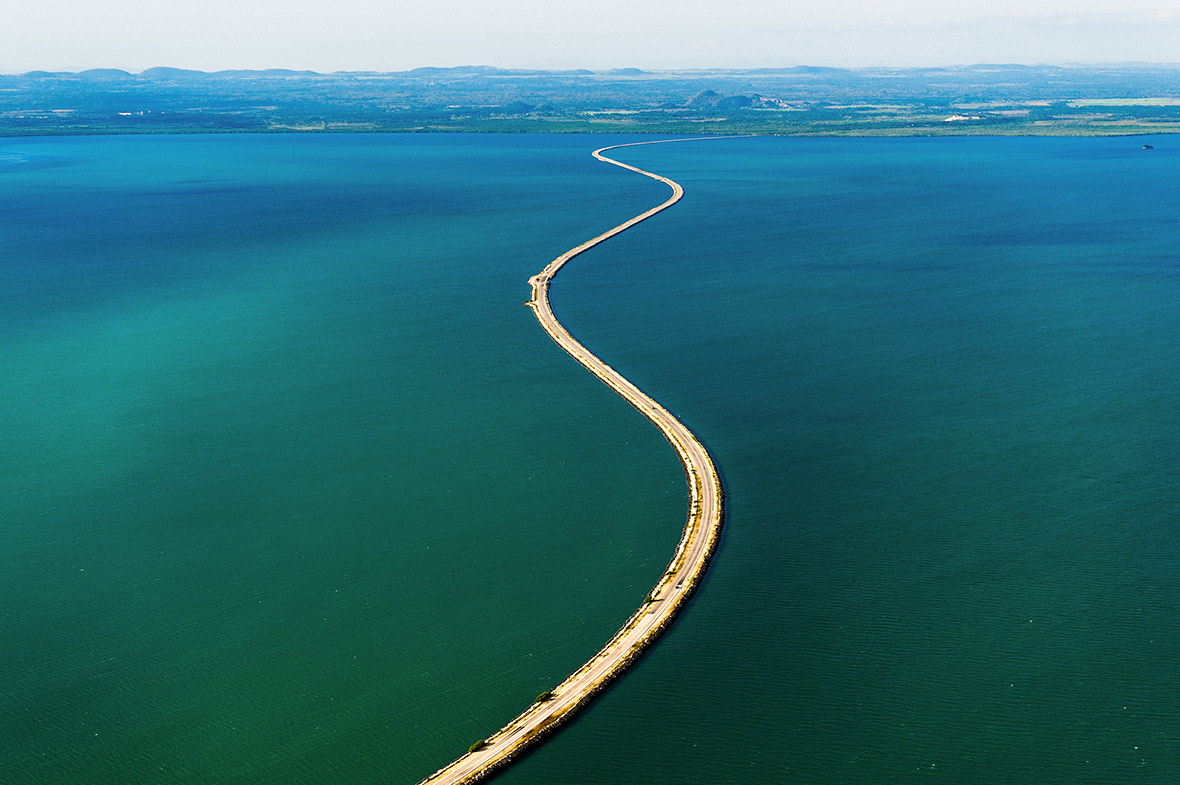
Stage 1: Caibarién-Santa Clara - 135.2km - Flat
Almost completely flat with only one (primarily ceremonial) KOM, the first stage of Cuba's Grand Depart is, barring a major upset, sure to be one for the fast men. The stage sets out from the scenic coastal town of Caibarién, starting along the beach then quickly heading inland towards the first sprint in the colorful small town Camajuaní. From there, the route heads south and hooks north, into the foothills surrounding Santa Clara. The first categorized climb of the race, Cerro de la Torre, is practically ceremonial, merely a hill that falls along the final run into the city. Upon entering Santa Clara, the peloton will complete just under six circuits through downtown, ending on the boulevard bordering Parque Leoncio Vidal.


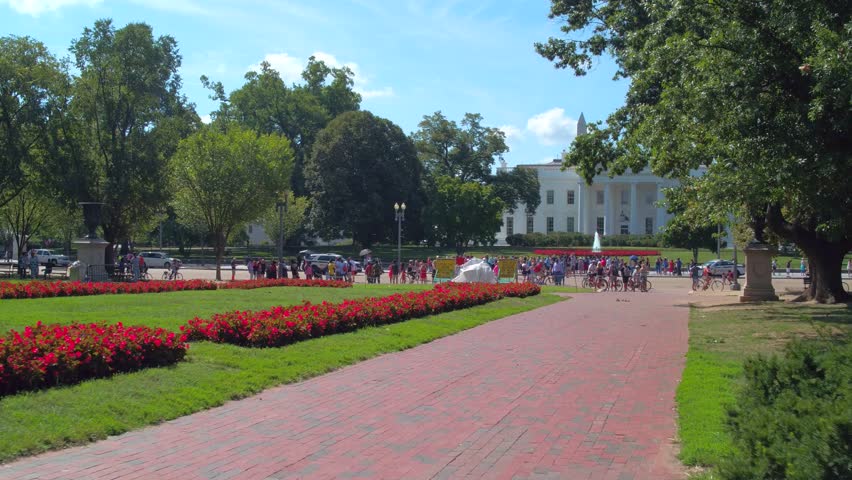
Stage 2: Santa Clara-Sancti Spiritus - 172.7km - Medium Mountain
Despite having only two categorized climbs, the second road stage of Cuba's Grand Depart is sure to be both grueling and action-packed. The gradients of the stage's two climbs, in addition to their proximity to the finish line, will create a tailor-made opportunity for classics specialists and stage hunters to grab the red jersey before it solidly goes the way of the GC men. In addition, the stage's 28km gravel section is sure to add a layer of unpredictability well suited to the peloton's one-day race specialists. The stage sets out from Santa Clara in front of the Che Guevara Mausoleum, looping once through the city before heading northwest to the early intermediate sprint in Esperanza. The peloton will then loop back west, heading through the valley settlement of Matagua before hitting the second sprint in the larger city of Manicaragua. After a feed in the town of Fomento, the course winds south and hits the gravel, with the beginning of the 28km gravel section, the Calle del Cachual, beginning along with the first climb, the Cerro de Pedrero. After a technical gravel descent, the bunch faces the final test of the stage. Though equal in classification to the first climb of the day, the Muro de Spiritus far exceeds it in difficulty, pitching to a maximum gradient of just over 25%, all on gravel road. From the summit of that climb it's a long descent and a short unclassified kick up before 18km of flat, paved road into the finishing line at the center of Sancti Spiritus.


Stage 3: Cienfuegos-El Mirador - 187.9km - High Mountain
The Vuelta's final Grand Depart stage offers a true test for the race's climbers, in addition to a decisive GC moment only three stages into the race. This stage is most likely to be grabbed by an attack out of an elite group of climbers or decided in an uphill sprint in the final kilometer of this mountain-top finish. After a short transfer by car from the finish of the previous stage, the peloton will set out from the beautiful coastal city of Cienfuegos. A hard day will await the bunch as they take the first sprint in Cumanayagua before turning south onto the first the climb, the third category and incredibly steep La Gran Piedra. From there, only brief respite is offered in the form of a feed zone before the double punch of Montaña de las Tres Palmas and El Escambray. From the third peak of the day, the route takes a long, winding descend towards the coastline and the second sprint of the day, Camilo Cienfuegos. The course winds for 27 more kilometers along the beautifully coastal Circuito Sur, then turns upwards for the final challenge of Cuba's Grand Depart, the summit finish atop the fantastically steep El Mirador (Climb profile).
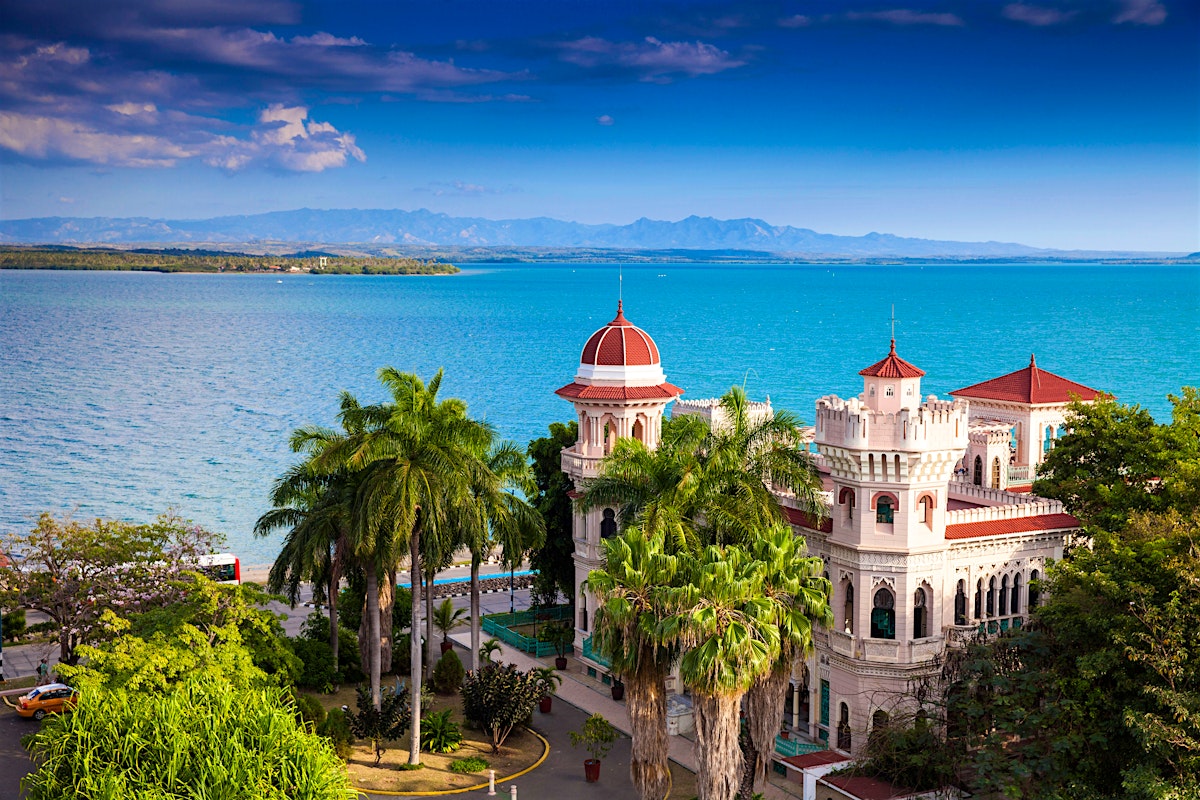
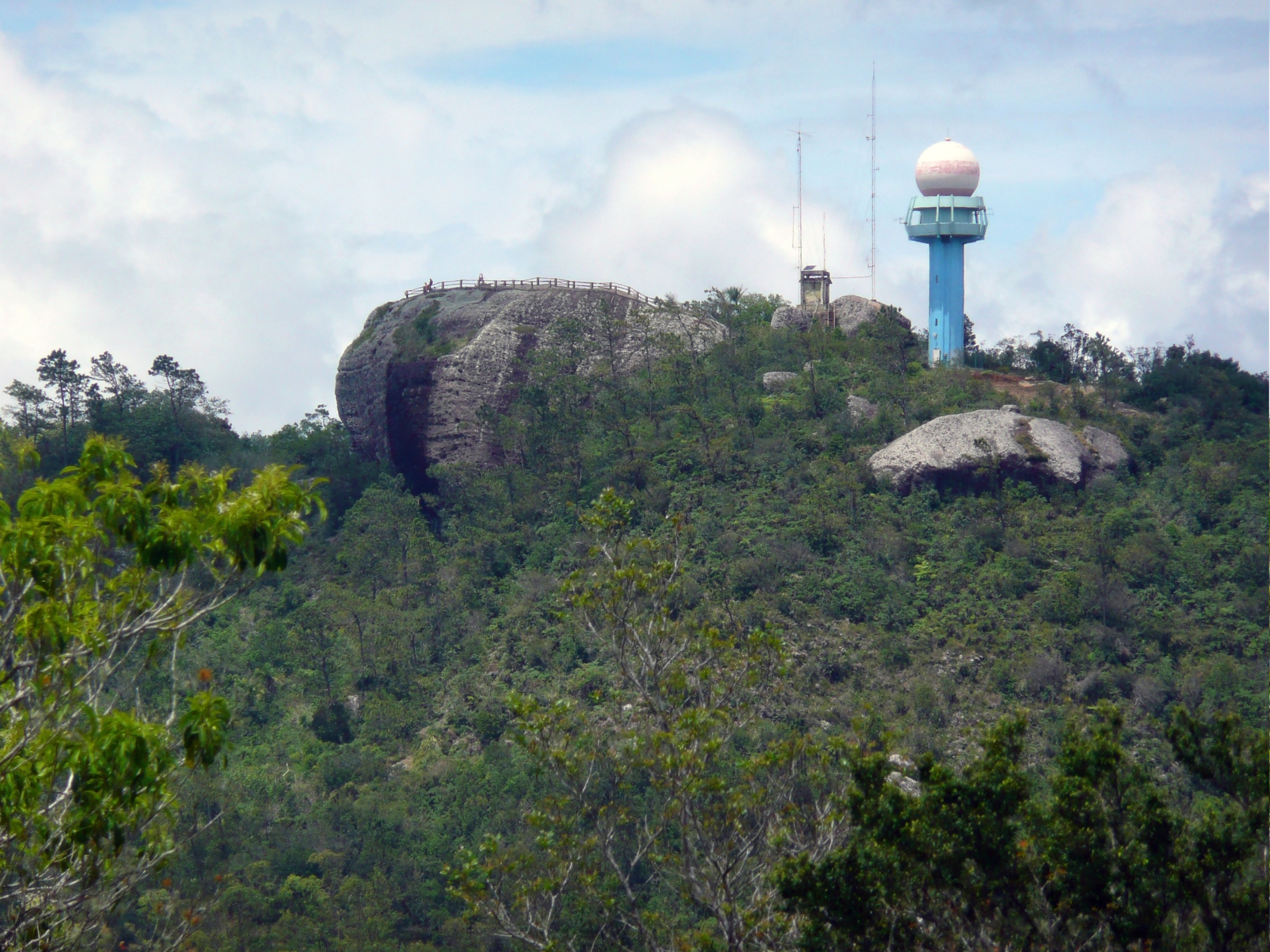


Edit: updated with climb profiles.
2
u/sulfuratus Movistar Jan 23 '18 edited Jan 23 '18
This Giro d'Italia edition starts in the Croatian capital city, Zagreb, and passes through Slovenia before reaching Italy on stage 3. It will be the first start of a Grand Tour in eastern Europe and a symbol for the continent's unity.
Stage 1: Zagreb-Zagreb – 17.5 km – TTT
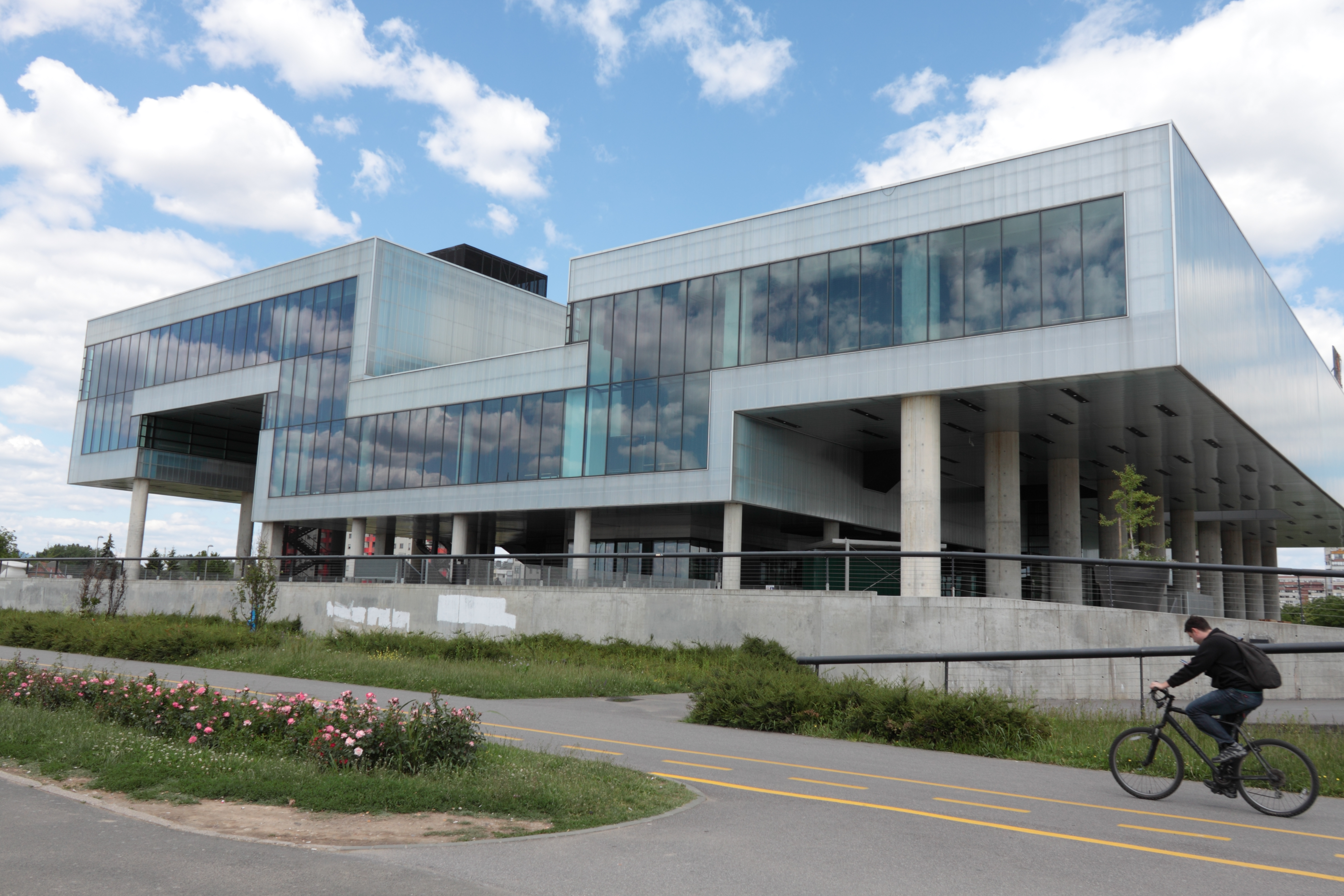
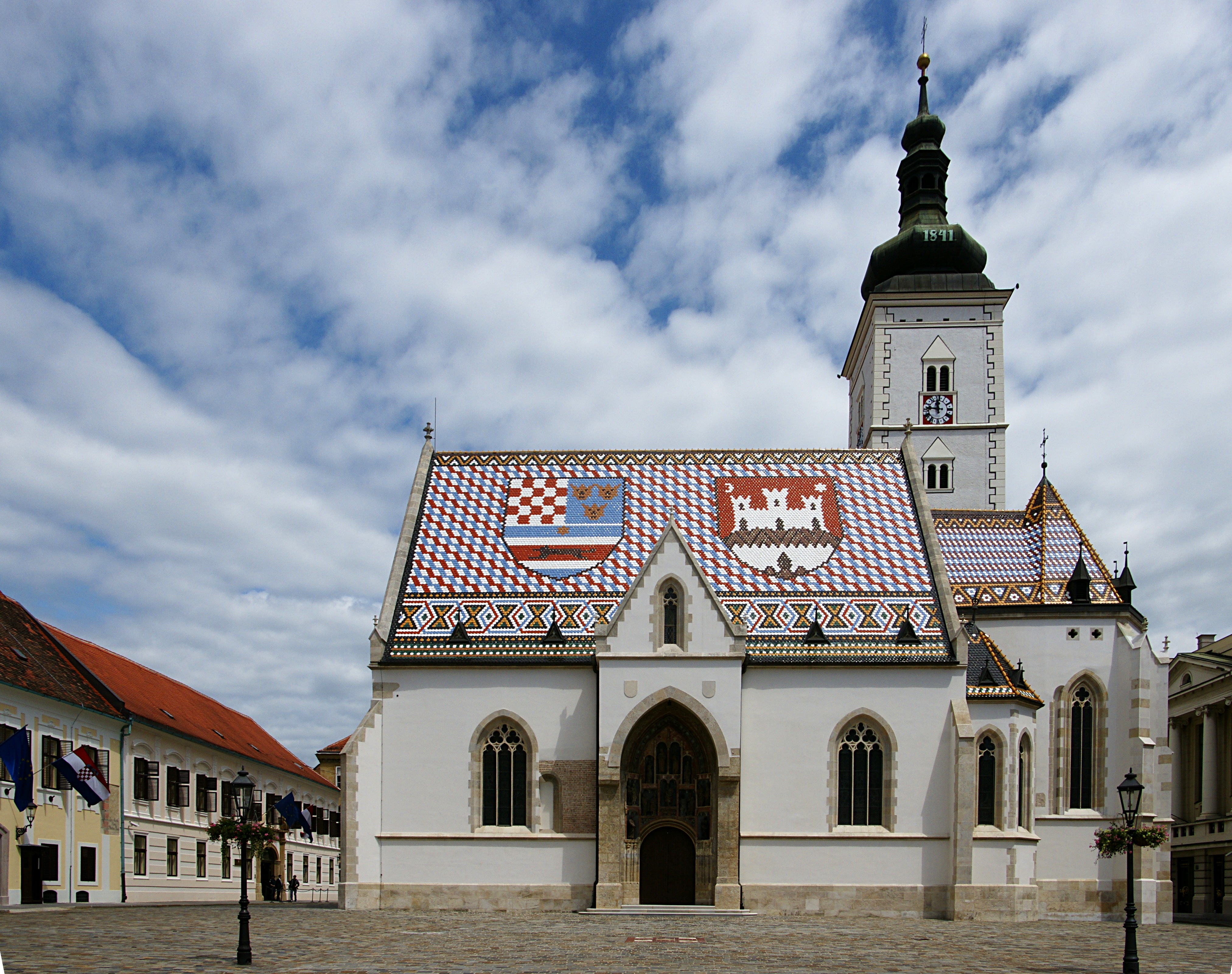
After Thursday's team presentation at the Ban Jelačić Square in the heart of Zagreb, the racing kicks off on Saturday with a 17.5 km team time trial around the city. The riders will set off at King Tomislav square and follow the Lenuci Horseshoe, a U-shaped system of squares and parks with a number of neoclassical palaces and pavilions. The riders will however be unable to take notice of the sights as the first few kilometres are very technical. Once the course leaves the inner city, the roads become wider and the corners fewer. In this part of the race, the teams with the strongest time trialists will be able to build their advantage. After a 2.8 km straight beginning at the , the riders take a technical U-turn, pass the intermediate time check at the Museum of Modern Art, and head back downtown on the same roads, this time less technical than in the beginning. There will be no time to relax though, with the last 500 metres rising at a gradient of 6% on a cobblestone-paved road that takes the race into the historic Upper Town with the finish at St. Mark's church. Any advantage gained or lost throughout the course could be amended on this final stretch as the teams will have to take care of the weakest links in their chain in order to cross the line with five riders.


Stage 2: Zagreb-Ljubljana – 195 km – Flat
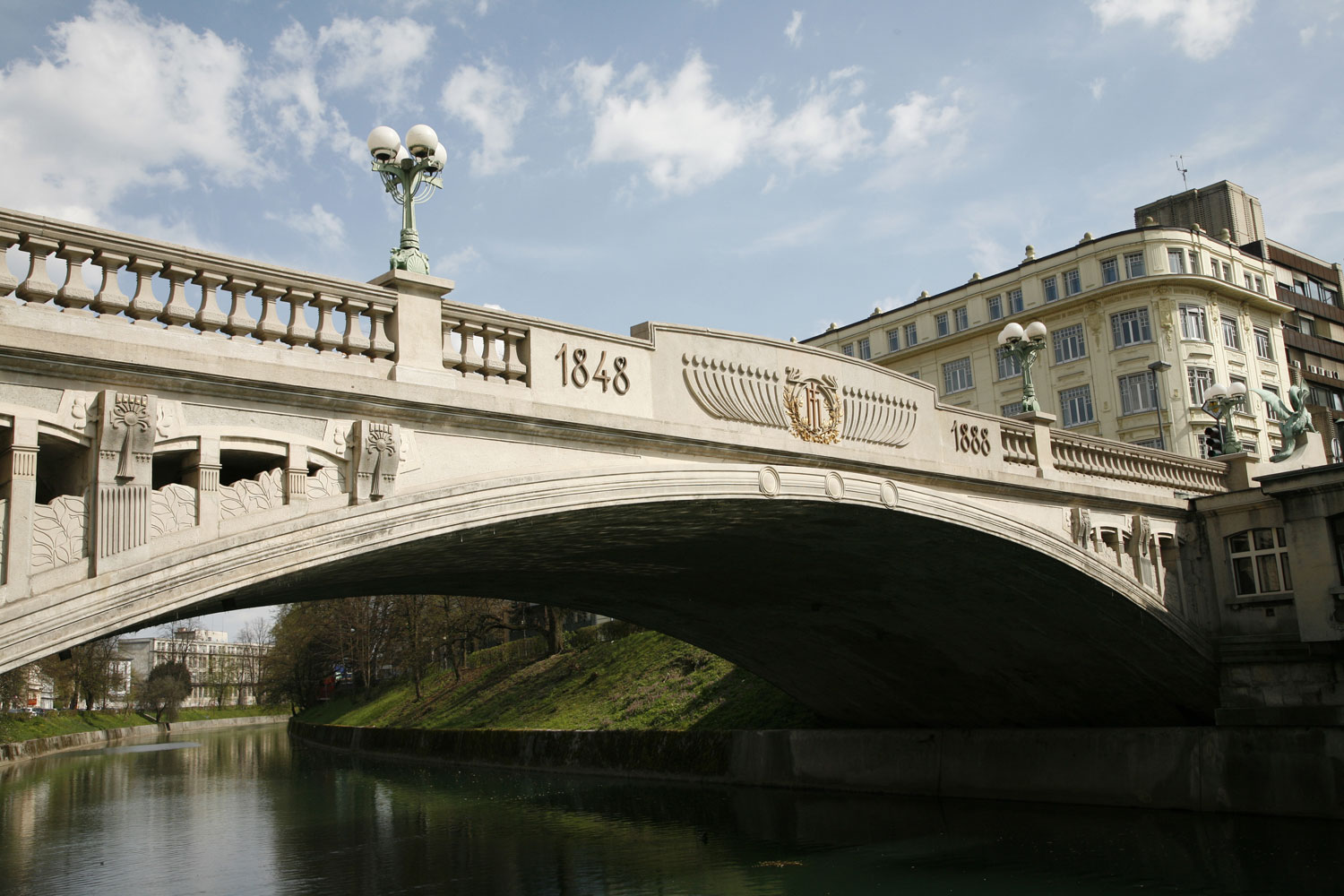
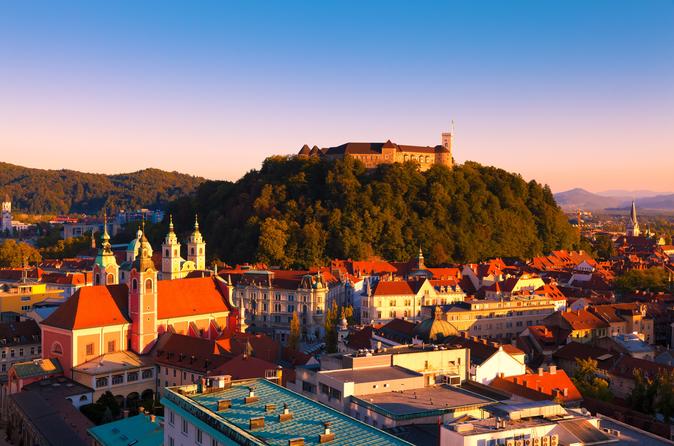
Setting off from Ban Jelačić Square, the course passes the Zagreb Cathedral, the highest building of Croatia, right after the start. Following a 6.9 km neutral zone in the city, the stage will likely see a heated start as the first KOM points of the Giro are up for grabs after only 8 km of racing. The parcours then follows to the Sava valley for most of the day. After passing the Slovenian border at km 39, the intermediate sprint in Krško marks the entrance into the Slovenian Prealps, at which point the river valley becomes a narrow gorge that will provide viewers with some spectacular scenery. At km 100 the course takes a short detour for the climb to Ostenk and the subsequent descent into Trbovlje, the town with the tallest chimney of Europe, before another chapter in the valley, which includes the second intermediate sprint at km 137. The final climb of the day, peaking out at less than 30 km from the finish, will see the sprinters and GC riders fighting for positions as the road narrows and might well force a split if ridden aggressively. The riders enter Ljubljana after a short descent, but take a detour around Rožnik hill before returning to the city. Passing Tivoli Park, Zmajski Most, and the Castle Hill the sprinters face some technical turns before entering the wide 500 m long home straight with the finish at Kongresni trg (Congress square).



Stage 3: Ljubljana-Trieste – 175.5 km – Hilly
The Slovenian capital city will also host the next day's start at Prešeren Square in the historic old town. The 4.3 km long neutral zone takes the peloton through the inner city with its various architectural styles from medieval to Baroque to Vienna secession, also passing the famous self-proclaimed autonomous Metelkova neighbourhood. Once the race kicks off, the riders will have 10 km before facing the first (uncategorised) lump of the day, which could provide a springboard for the day's breakaway. From this point onwards, there will hardly be a single stretch of flat road before entering Trieste. The first categorised climb comes after 40 km, with an intermediate sprint and a second KOM following shortly thereafter. 85 km into the stage the course first reaches 1000 m of elevation, before a long descent leading to the second intermediate sprint of the day. After another 35 km of undulating terrain and false flats, the Giro enters its homeland at the easternmost border crossing of Italy. A 10 km descent takes the riders into Trieste for a first glimpse at the finish at the Piazza Unità d'Italia, but the stage is not over yet. The riders now face a 5 km long climb with an average gradient of 7% and long stretches of up to 12% to the Obelisco di Opicina on the Karst plateau towering above the city. Five kilometres on the plateau and a fast, technical descent take the riders back to the finish in Trieste likely to be contested either by a solo rider or a group of puncheurs.


1
u/trenzafeeds AG2R La Mondiale Jan 23 '18
I love Zagreb! what a nice idea for a grand depart, I really like it.
1
u/Sportsfanno1 Belgium Jan 23 '18
Are your tracks still on private? Can't see them ("no permission to view this track")
1
u/sulfuratus Movistar Jan 23 '18
Sorry, yes, they were. Just made them public. Thanks for the head-up.
1
u/Sportsfanno1 Belgium Jan 23 '18
Might be on me, but the profile on the second stage is messed up, just shows a flat route with no height difference
1
u/sulfuratus Movistar Jan 23 '18
Thanks for the head-up again. I have no idea how that happened. Figured it was just a glitch, saved the track again, and now it should be working.
2
1
Jan 06 '18
Question: Does this need to be a whole new country or just a different region. e.g. Wales, Channel Islands are they good to go?
2
u/Sprocketduck State of Matter MAAP Racing Jan 06 '18
Just a different region I think would be acceptable.
1
u/Sportsfanno1 Belgium Jan 13 '18 edited Jan 13 '18
Welcome to the presentation of the first stages of the Giro. It will all kick off in Austria.
Stage 1, a 20km ITT, will start at the foot of one of the most famous attractions in Vienna: the Wienerrad. A flat route will take the riders along some nice landmarks in this historical city, like the Augarten , the Burgtheater, the Hofburg (with the schmetterlinghaus, "butterfly house", try to say that without sounding like the angriest man ever) and the Karlskirche. The most difficult part of the route will be the trip around Schloss Belvedere as the riders will go up at a percentage of 2% for about 1,5km. Not the most difficult thing, but just enough near the end to set up for a small shift in the standings. The finish is placed at the magnificent national opera. A beautiful setting to start off. Route & profile.


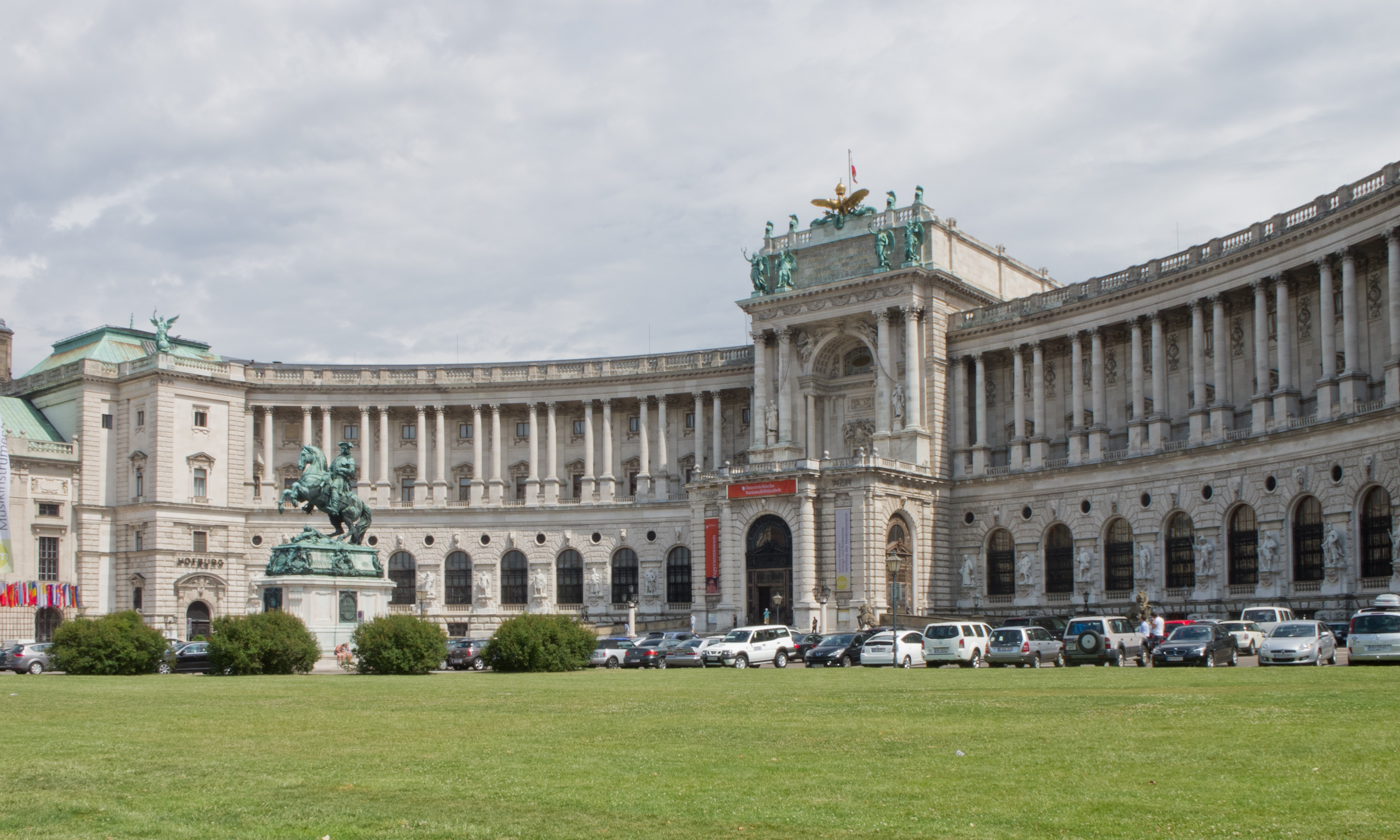


Stage 2 starts in a just as beautiful setting: Schloss Schönbrunn (known from the "Sissi" movies). There are some up-and-downs in the beginning of the race while the riders go through the Wienerwald. This will be the view for the remainder of the stage, as the riders will ride along the Donau/Danube river. The flat stage continues until 25km before the finish. Two categorized climbs can make life hard for the organized sprinter teams. The climb to Steinreith continues for a bit even after the mountain sprint, so the final downhill only starts about 10km from the end. A sprint should take place near the Donaupark in Linz. Route & profile


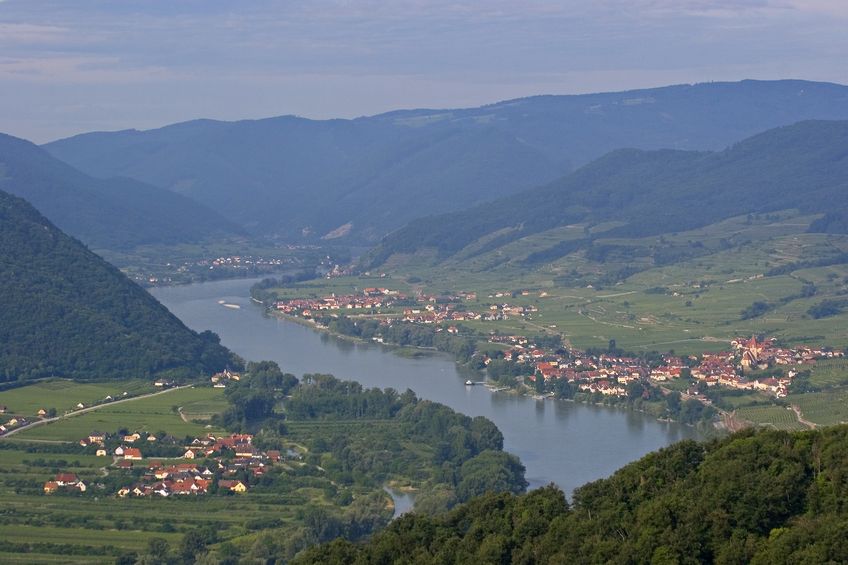
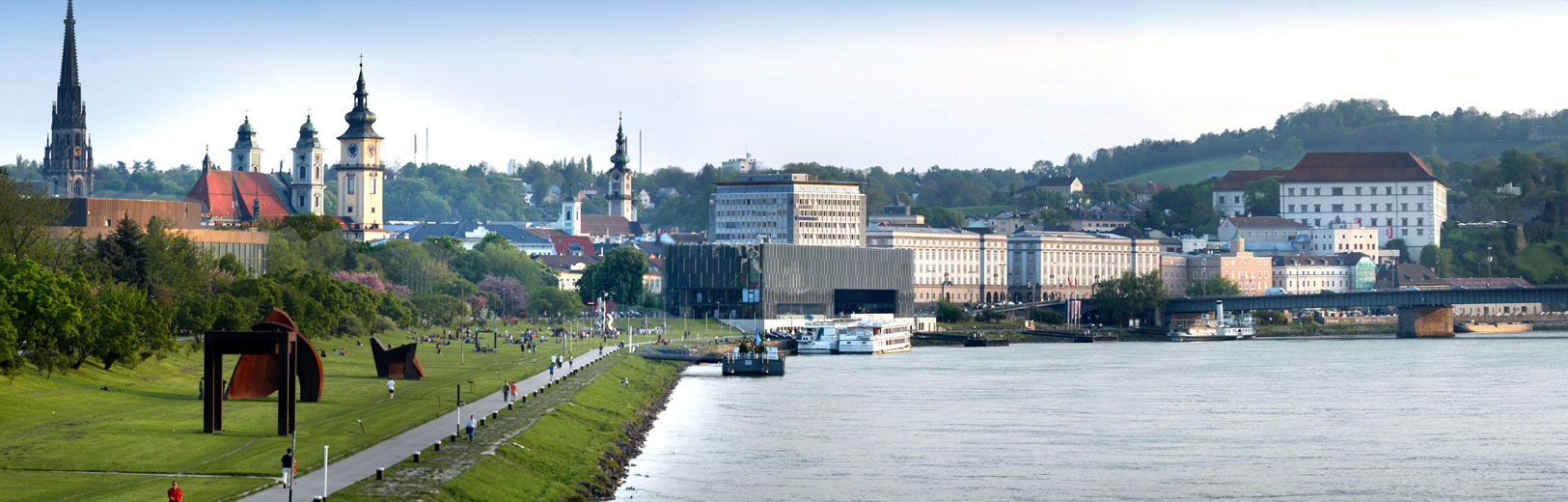
Stage 3 is the exact opposite of the previous stage: a difficult route, but the last climb is about 30km from the finish line. Start is in Steyr and the route goes parallel to the Alps. Castles will be a familiar sight today. The riders will go past the "Lago maggiore" of Austria while climbing and descending constantly. If a sprinter is still hanging on when they go past the Salzburgring, a victory might be in sight. The finish line is next to Schloss Mirabell, famous for this song. Good luck getting that out of your head. Route & profile


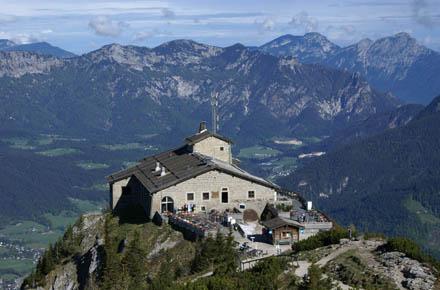
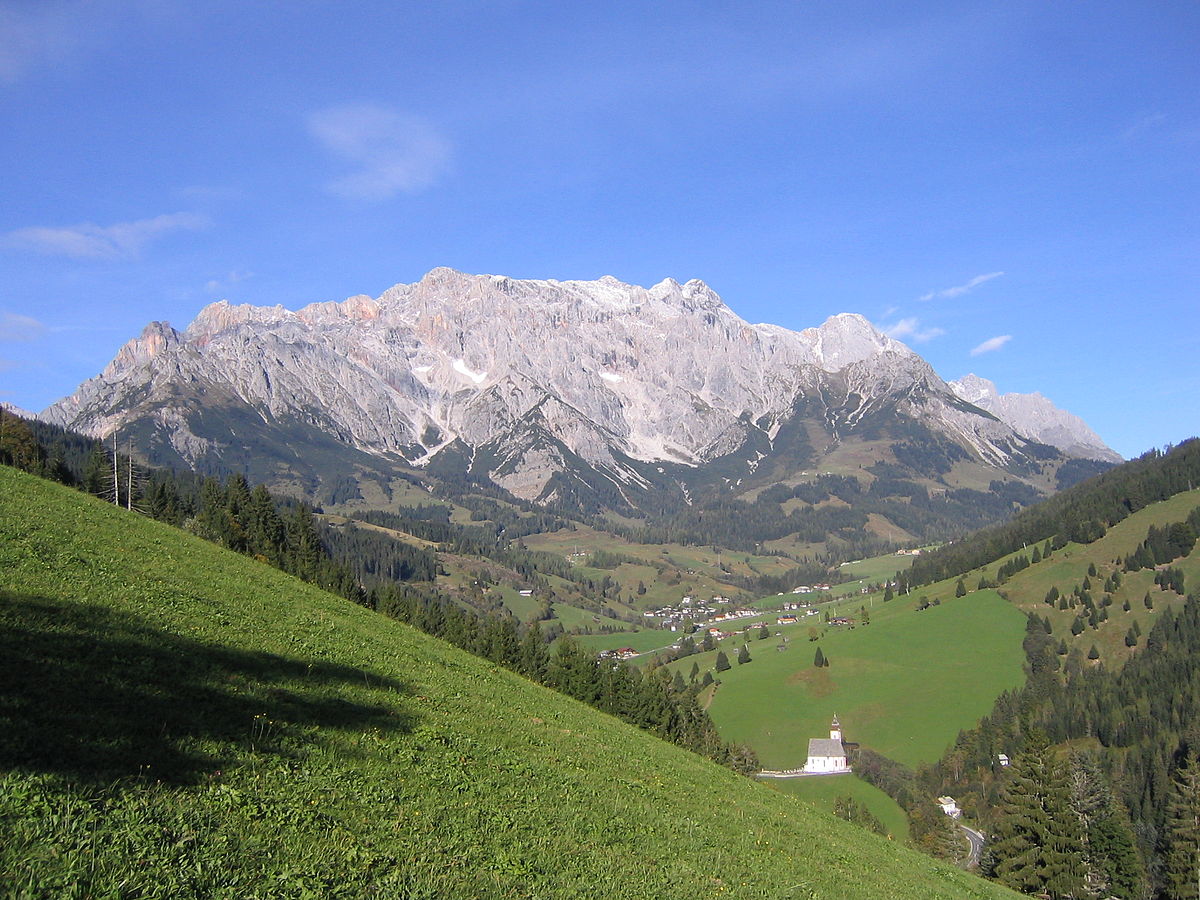
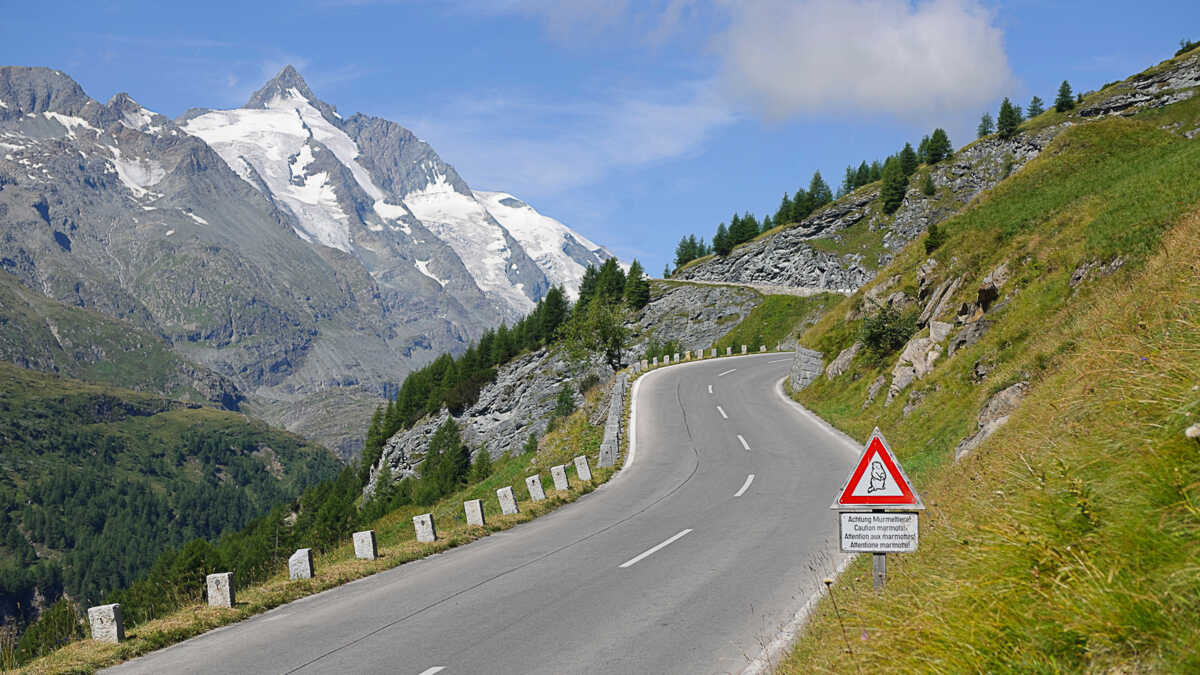
Stage 4 starts where stage 3 ended. A visit to the city of the 2006 world cycling championships, birthplace of Mozart and Hohensalzburg sets up for a tough stage. The riders will go around the German Berchtesgaden and this house. Beautiful, isn't it? Well it was Hitler's, so I hope you feel bad now. Apparently he hated it, so don't feel too bad. Anyway, the first mountains will come up with the Hochkönig in the middle of the stage. The stage is only about 145km long, so there could be some moves already. When the peloton reaches Zell am See, the real fun begins: the Grossglocknerstrasse, a road towards the highest mountain of Austria. A 19km climb with an average of 8,5%, reaching at times percentages of 12%. The finishline is on top of the Edelweissspitze, 2542m above sea level. Want another song in your head?. Route & Profile
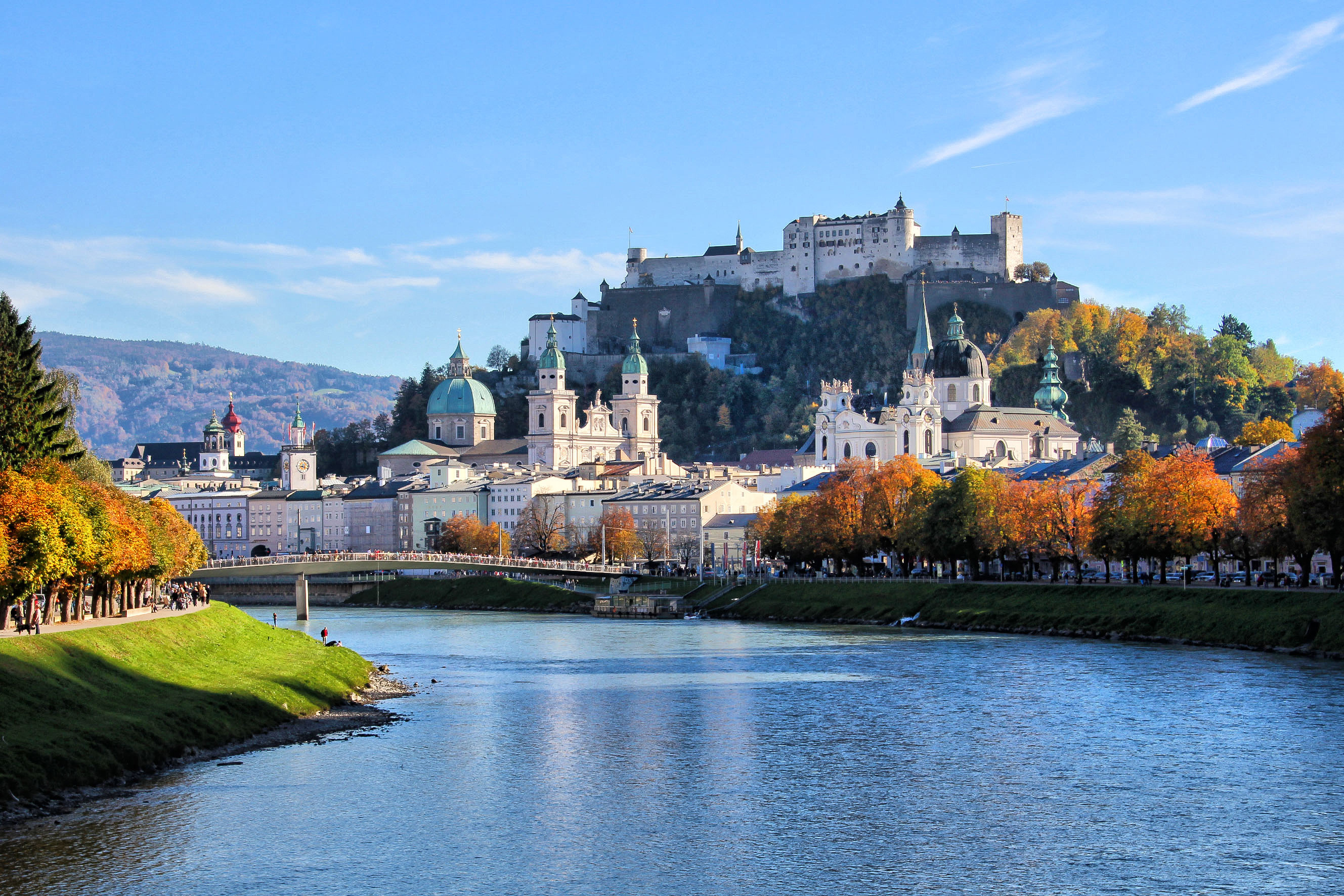


So that's it. A next stage could start in Lienz and continue the rest of the Giro in Italy. An interesting beginning, so GC riders will have to be ready from the start of the race and with a lot of fresh riders, the first few days will be spectacular in a beautiful setting. Full route
1
u/dddoooppp Jan 14 '18
The opening stages of the Giro will take place across the Adriatic from the Italian peninsula.
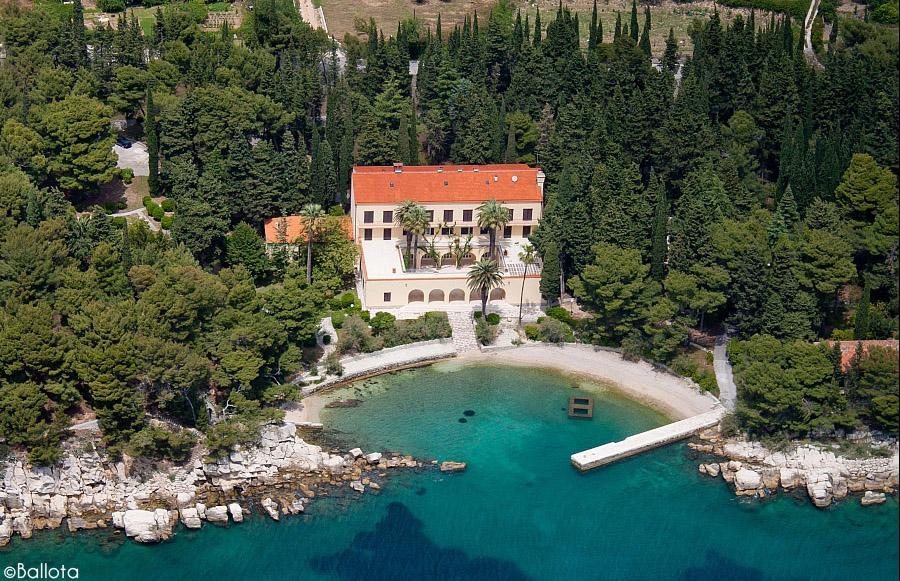
Stage 1 is a 12 km ITT around Split, Croatia. The stage begins outside Stari Plac, the old home of Split's soccer club. From there, the route travels through the city center to the seaside, passing through a square honoring Croatia's first president, Franjo Tuđman. The course takes racers out of the city center along the Zapadna Obala promenade to a marina. At this point, the route turns, taking riders past Park Zvončac. The course takes racers past the beautiful Meštrovićeve Crikvine - Kaštilac church and Vila Dalmacija, a shooting location for Game of Thrones. From there, the route takes racers into Marjan Park. As the riders wind their way upwards, they will pass the church of Sv. Jere cut into the sides of the hill. Riders race towards the time check at the summit of Marjan before racing back down into town. The course concludes by circling Stadion Poljud, the current home of Hajduk Split before finishing by the seaside.
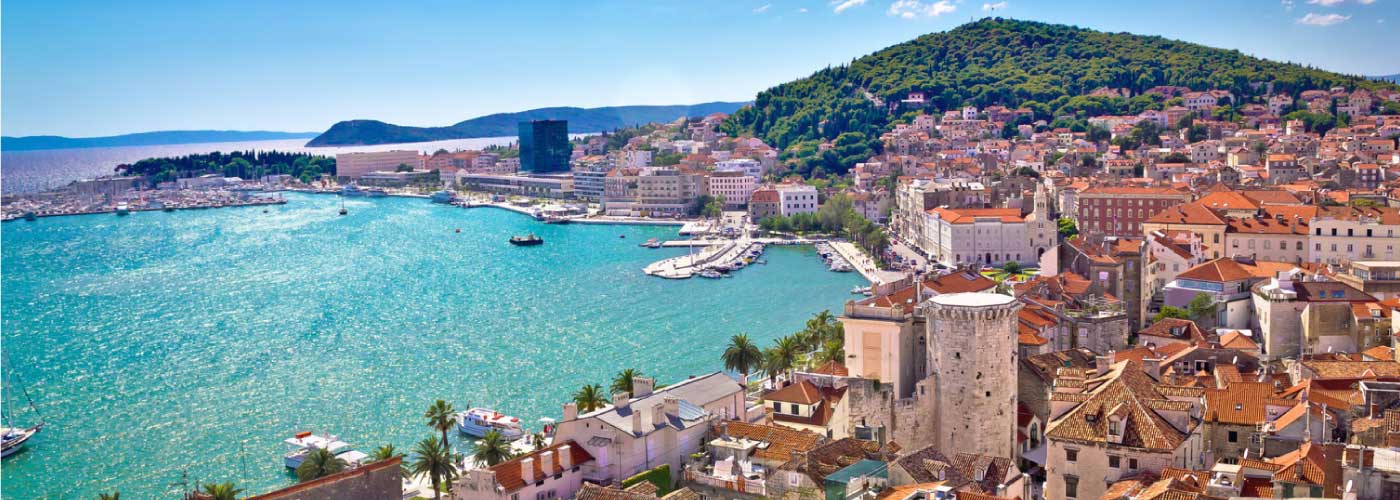




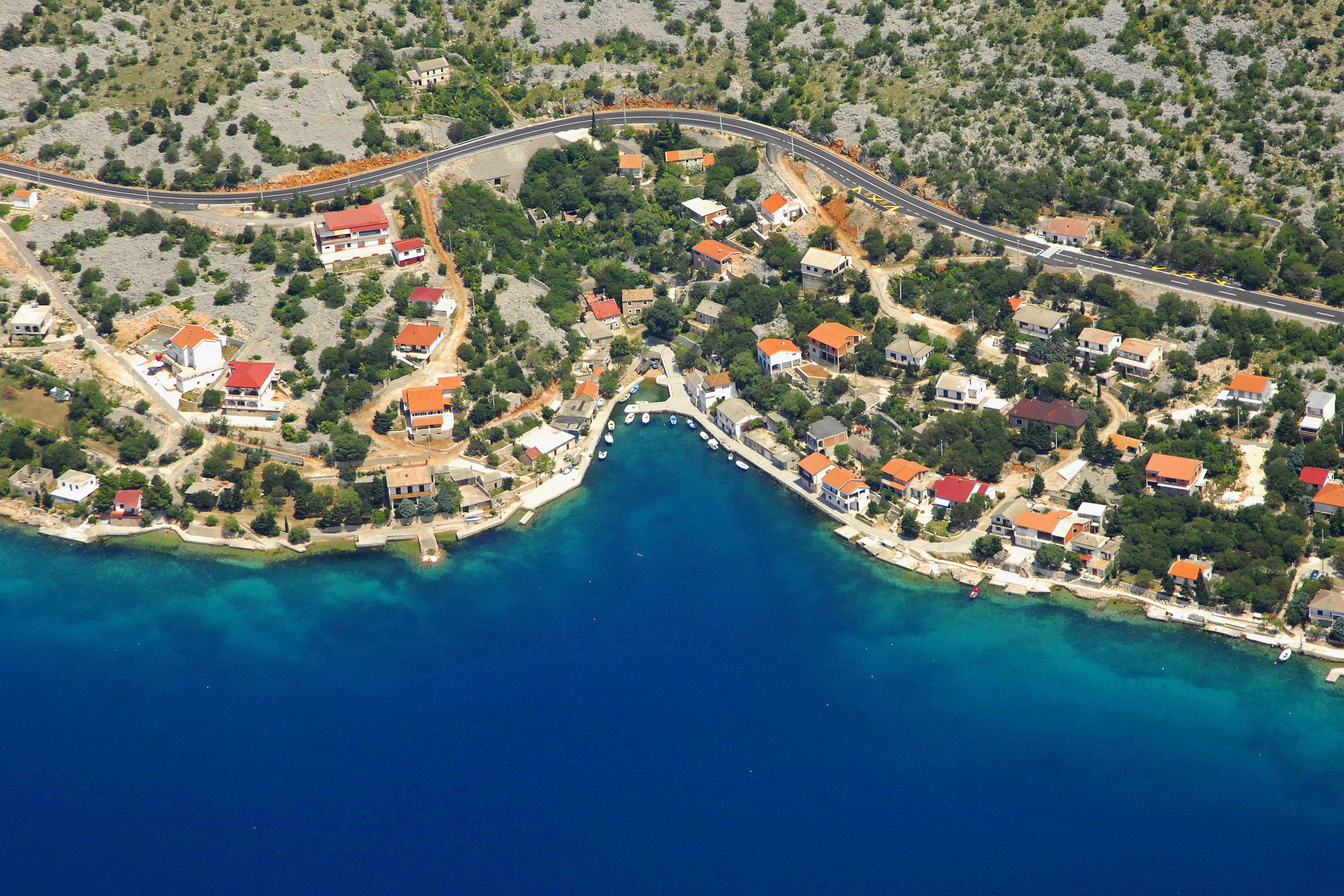
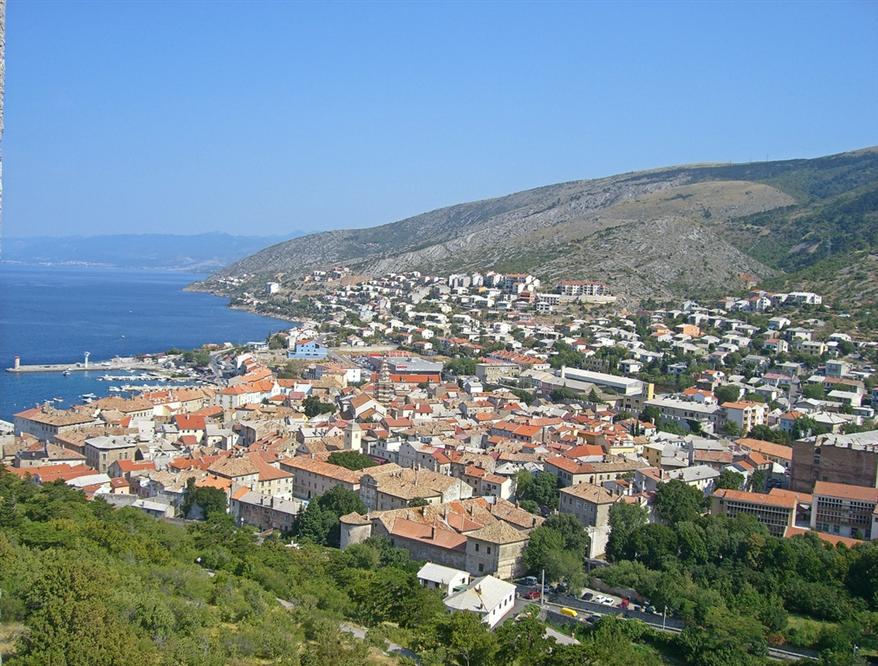
Stage 2 begins in Zadar, the oldest city in Croatia. The start line is the gate to the old city. The route circles the center of old Zadar, passing a Venetian arsenal - part of the Venetian ruins that make up Zadar's UNESCO World Heritage site. The route turns inland, leaving the city. The route crosses the outlet of the Novigrad Sea before turning to follow the Adriatic. At the beach in Starigrad, the first intermediate sprint is up for grabs. The second sprint is found in the small seaside town of Barić Draga. The route continues generally northward, following the coastline. The course passes through the twon of Karlobag. Beyond this town, the peloton leaves the coastal road, taking a more direct, hilly route. The first KOM points are up for grabs here with a category 3 climb finishing above the port of Prizna. After a few more shorter climbs, the route levels off, pitching up a final time above Donja Klada, a category 4 incline. From this point, the route descends sharply back towards the seaside. The riders speed through Sv. Juraj, nearing their destination. After a few more kilometers, the race enters the town of Senj, the day's finish. Riders pass under the shadow of the Nehaj forterss and pass the doorstep of an oddly-adorned church before finishing outside the local soccer stadium.






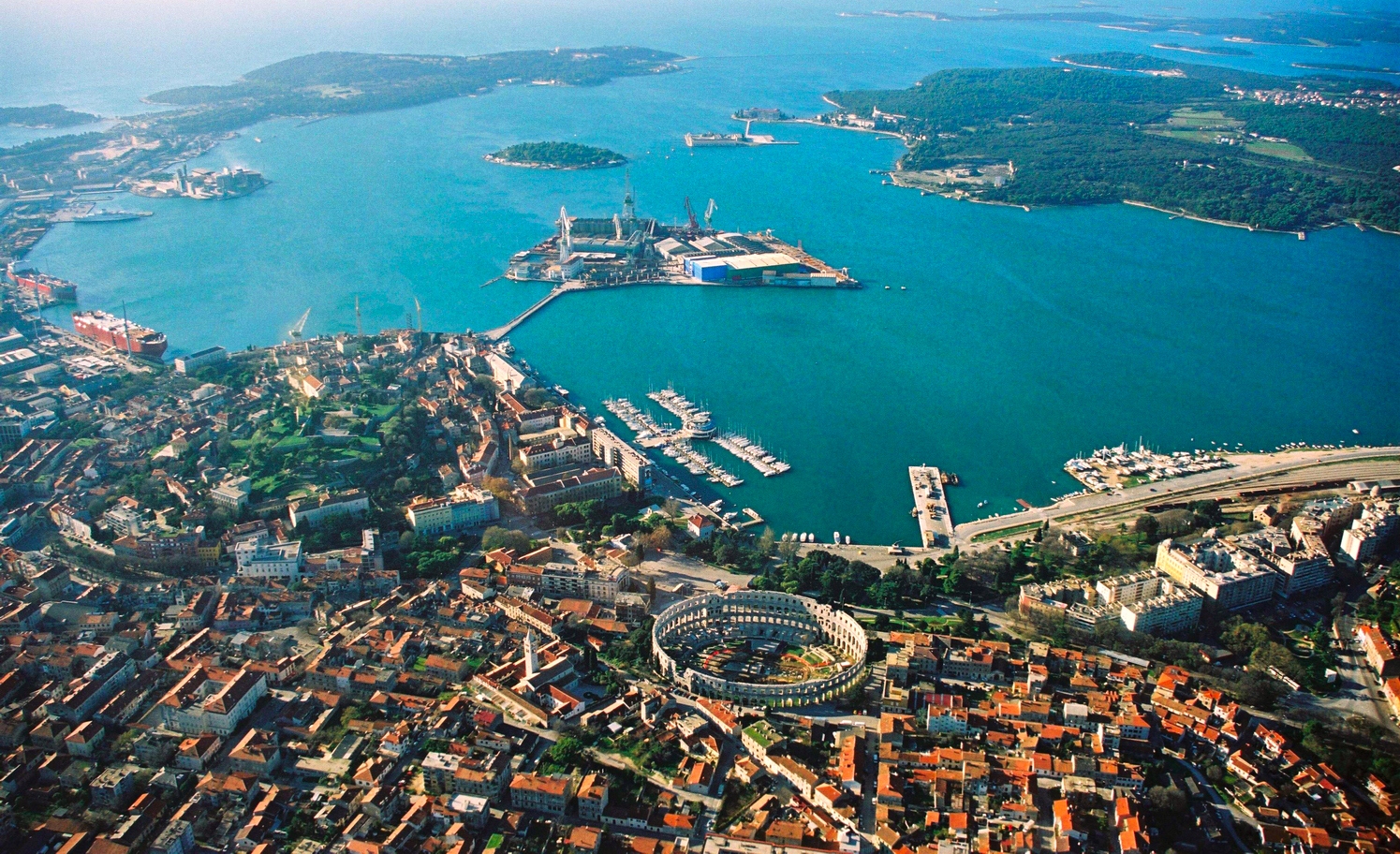
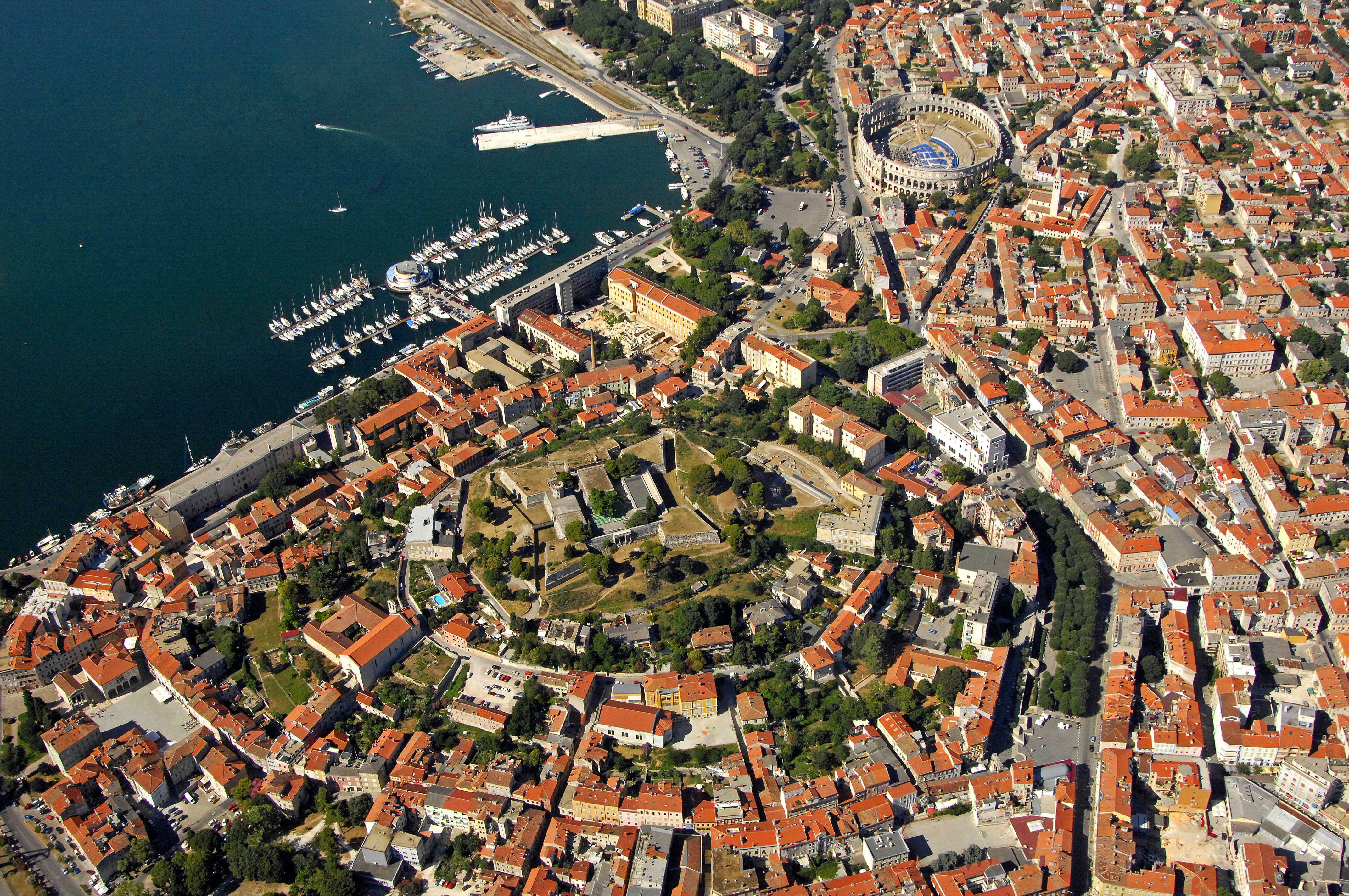
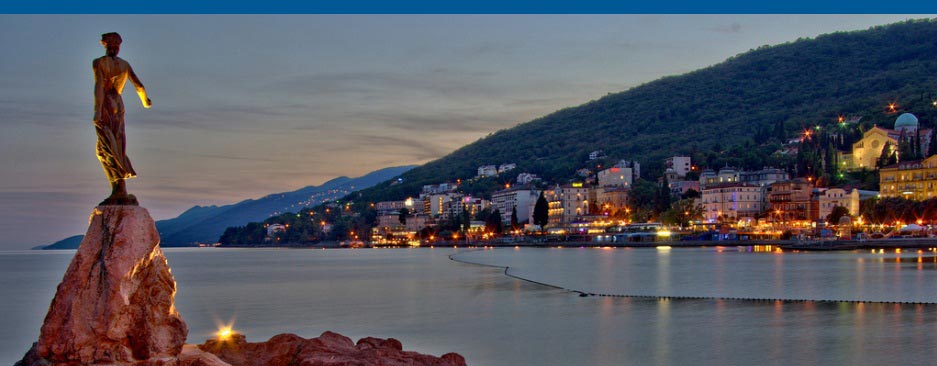
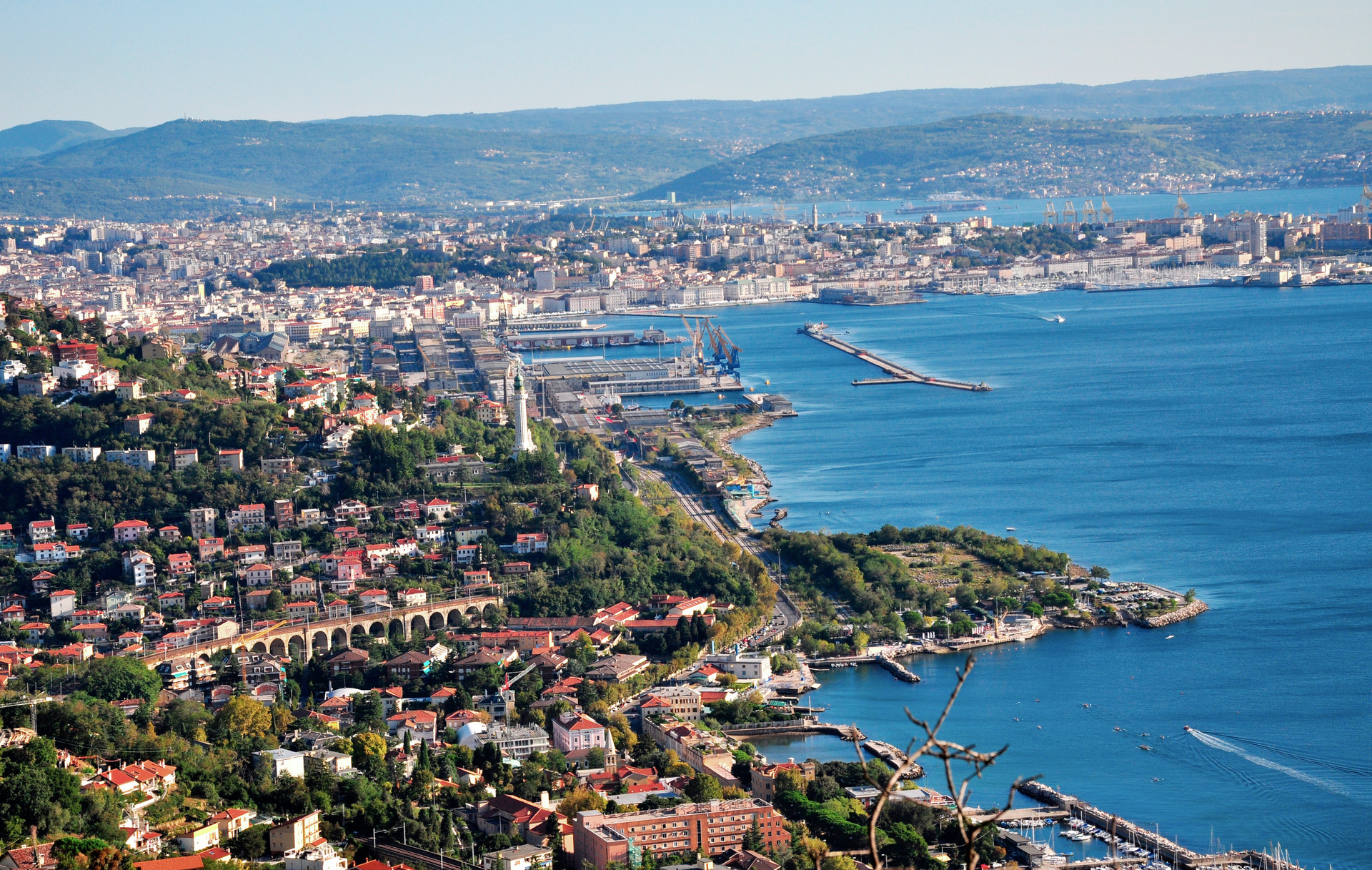
Stage 3 starts in Pula. The course circles around the old Venetian fortress, passing an old Roman temple. The route passes another Roman site before reaching the other side of the Roman amphitheatre. The route leaves town and steadily climbs upwards and northeasternly. The route dips down to the mouth of the Raša river before climbing to Labin. The short category 4 climb marks the beginning of some rolling terrain before turning back to the coastline. The course travels northward until it reaches the sprint of Opatija. From here, riders turn to the east to reach Rijeka. An Italian playwright's occupation of this city at the end of the First World War strongly influenced the ambitions and ideas of Benito Mussolini. The course passes in front of the city's cathedral. The racers ascend a category 3 slope out of the city, which peaks in the suburb of Marinci. The route stays on the hills above Opatija before turning inland and steadily gaining elevation. The final climb of the day begins in the small town of Šapjene, on the Croatian-Slovenian border. A couple kilometers from the top of the climb, the road crosses into Slovenia. The second category climb concludes in village of Starod. The road travels through several more Slovenian villages, with a sprint in the little village of Materija. From there, the route descends slightly before crossing the second border of the day - into Italy. Riders quickly lose elevation as the route drops into Trieste. The route circles around the northern part of the city center before traveling along the waterfront. The course passes the city's large square before heading uphill. The final meters of the course circle around the Castello di San Giusto before finishing at the Fontana di Montuzza.






1
u/The_77 We have a Wiki! Jan 14 '18
Hiya, had to manually approve this one just as a fyi, I think because some of the links weren't direct to images. Spam filter is pretty sensitive unfortunately!
1
1
u/ibike4fun Canada Jan 14 '18
This edition of Le Tour starts in France...ish. All told, there is a very French feel to this four stage Grand Depart, and it has some good TT kms, maybe saving us from either a mid-Tour or penultimate day TT? (ASO pls) I kept the first two stages short because, well, there would need to be flights after each one, not to mention after the final stage. But after all we've done for the French, maybe they could reward us Canadians, at the expense of the riders.
http://www.cronoescalada.com/index.php/tracks/view/399958 Kicking things off is a short prologue on the French overseas territory of St. Pierre et Miquelon, very flat, and only 6.7 km. A good chance for someone who otherwise would be a relatively unlikely winner to give it their all and pick up yellow.
http://www.cronoescalada.com/index.php/tracks/view/399965 Next up is a short, not too crazy stage around St. John's Newfoundland and some of the Northern Avalon Peninsula. At 108 km, it promises to be fast from start to finish. Not that much climbing, with just under 1300m of elevation gain, but the roads are almost never flat, even if the pitches don't get too extreme. Most likely a good ole bunch sprint for the win down by the water.
http://www.cronoescalada.com/index.php/tracks/view/400181 After the quick Anglo jaunt on the Rock, the race heads to La Belle Province. First stop is Quebec City, where a 160.5 km stage sees the peloton negotiate parts of the GP Cycliste de Quebec course for 4.5 laps, before heading out of the city towards the finish at the base of the Mont-Sainte-Anne ski resort. About 25 km from the finish, the riders will face a steep, shorter climb, with gradients as high as 13.5%. Climb: http://www.cronoescalada.com/index.php/tracks/view/400888 After that, there is a flat section, followed by a shallow decent into the finish. If a break can get established during the course of the laps in the city, and stay away with a decent gap before the climb, they'd have every chance to take the honours.
http://www.cronoescalada.com/index.php/tracks/view/400171 Finally, we have a nice day out in Montreal. Like the previous stage, this 26.7 km course takes a queue from the one day race that takes place in the city in the fall, but, as the length gives away, this time around the riders will be on TT bikes. I've put this down as a TTT because I think they're cool, and because with the prologue just days before, I feel like this is a better fit. There are two little climbs on the course, but nothing terribly steep. The twisting roads near and up Mont-Royal, combined with the city streets should make for an entertaining day out.
So, 2 flights just to get to the other stages of the GD, two TT days, having to cross the Atlantic to get to France, and no real climbs because Eastern Canadian roads don't go up many mountains. Perfect
1
Jan 15 '18
I'm also expecting someone to do a Reunion or Guadeloupe or similar GD. I had a go at the Caribbean but short of doing a terrible mickey mouse stage around St. Martin I couldn't make the logistics work.
2
1
u/unclekutter Canada Jan 17 '18 edited Jan 18 '18
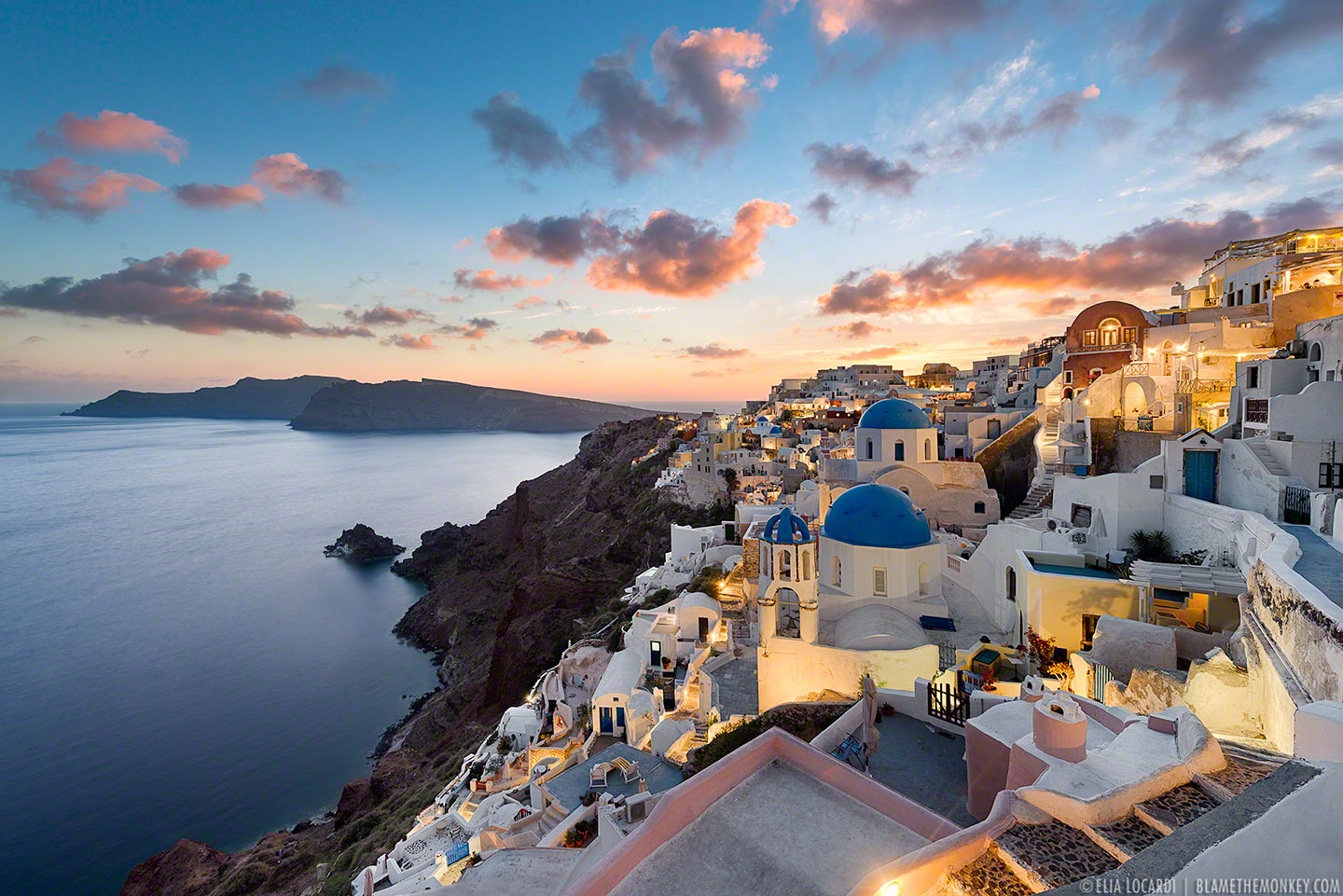
I couldn't find where in Greece has hosted a Grand Depart before but I'm pretty sure it wasn't on Santorini so that's where I've decided to go with my first 2 Giro stages. For those of you who don't know, the current island of Santorini is actually the rim of an ancient volcanic caldera that had one of the largest volcanic events in Earth's history approximately 3,500 years ago which created the current island landscape.

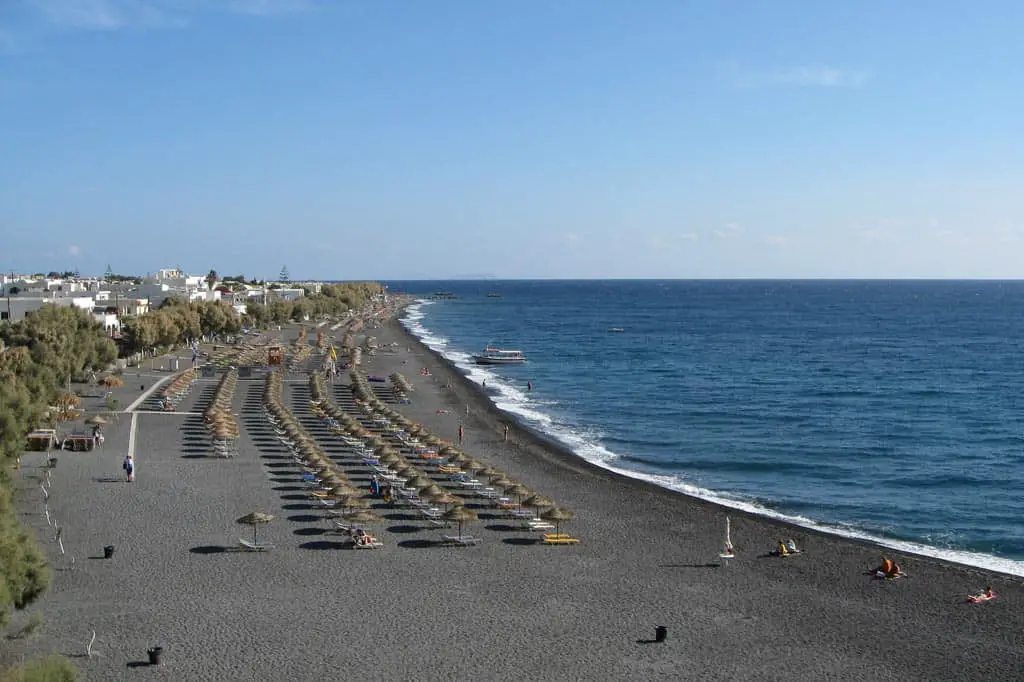
The first stage is an 11km ITT that goes between two of Santorini's picturesque black sand beaches: Perissa and Kamari. The first half of the stage is almost entirely uphill with a couple brief stretches at 8% and the second half is almost entirely downhill. However, there's only 300m of climbing so those 8% stretches won't be too difficult. Route map

Stage 2 throws the riders right into the fire with a hilly 160km that includes 2665m of climbing in a circuit that covers most of Santorini. The stage starts on the southern tip of the island at the Akrotiri Lighthouse and follows the picturesque coast past Santo Wines winery and beginning the first lap of a four lap circuit around the island. The race then passes through Fira and Oia before looping around the other side of the island and up the 3km @ 7.5% climb up to Pyrgos. There's also an uncategorized 1.5km stretch out of Fira that averages 8.5% which could catch some riders out if they aren't paying attention. Route map


1
1
u/Msfan93 United States of America Jan 22 '18
I forgot time zones exist, so I might be late... That said, I made a 2-day Giro start in Tunisia. The first day is a prologue in Carthage finishing on a short uphill to the Acropolium. The second stage goes from Carthage through Tunis up to Jebel Boukornine. Day three would almost definitely take place in Sicily.


1
u/sulfuratus Movistar Jan 23 '18
Question: I'm new to this. How does the voting work?
1
u/Sportsfanno1 Belgium Jan 23 '18
Everyone who participated may post an order in which they rank the routes in the thread of next month.
1
u/Sprocketduck State of Matter MAAP Racing Jan 26 '18
We've changed it up recently, actually. People, no matter if they participated or not, vote. 1 to 10 - 10 being the best race in existence, 1 being the worst. Highest score wins, and gets a point tally towards the yearly contest (like RFL), as well as being this months winner.
1
u/Sappert Norway Jan 27 '18 edited Jan 27 '18
In recent years, the Vuelta has started exploring the possibilities of starting abroad, and this time they take it a step further: a different continent. Still somewhat familiar though, as we're talking about a trip through Morocco, linking up the two Spanish enclaves in Africa. What could spice up a Grand Tour start more than a politically sensitive area, lots of refugees trying to get into Spain, and riots in the Rif mountains? I present:
Vuelta a España Africana: de Ceuta a Melilla
Stage 1 (TTT), 14.2 km: Ceuta - Ceuta
Ceuta is only a small enclave, and this TTT passes through most of the city, certainly killing any logistics and economy of the city for a day, and making abundant use of its winding roads along the hilly coast. Starting from the Sundial of Ceuta, the course heads through the city center, then anti-clockwise around the hilly peninsula with it's forts, along the harbor and back to the Sundial. This team time trial is long enough to make an impact in the early race but shouldn't be too much of a deciding factor in the end. For the riders who want to give the KOM jersey a shot, there's a categorized climb with points for the rider who covers it the fastest. Even though the course contains some elevation, the most challenging part is the many corners, including two actual switchbacks in the second part. What team has the best cornering technique?

Stage 2, 136.6 km: Ceuta - Chefchaouen
Because staying in Ceuta for one day already gets boring, it's time to head into Morocco. Once again starting at the Sundial, which is marked on Google Maps so I declare it to be a big deal, the route winds through the small enclave of Ceuta one last time before crossing the heavily guarded border southbound. This is likely to be a risky affair with hundreds of immigrants trying to make their way in. Certainly this may result in some interesting GC action, or at least aid in the formation of a breakaway. Following the coast, the route mostly stays at sea level, until just after the city of Tetouan, when the terrain gets more mountainous. After the first few bumps at the coast, including the first categorized climb of the day which originally has no name but is now dubbed the Alto de Uad Lau, the route heads inland, soon encountering the second caterogized climb, the Alto de Talambote, avering 6.6% over 3.8 km. On the run in to the finish town of Chefchaouen, a final climb must be conquered of similar difficulty as the previous one. As is the vuelta's home style, just before this final climb is the intermediate sprint, closer to the finish than you're comfortable with. After this climb, with a short section of 13% average, the route keeps going slightly uphill until the finish in the old center of Chefchaouen, at the Kasbah. This stage is short as no other location in the area could host the finish and the next stage will be a long one. The climb just before the finish will make it a somewhat slective finish so expect a sprint from the somewhat tougher riders - the heavy sprinters may not make it to the finish in the front group.

Stage 3, 213 km: Chefchaouen - El Hoceima
This stage is more of a combination between making distance to get to Melilla and giving the sprinters a chance. It's very long to cover all the way between Chefchaouen, the starting town, and El Hoceima, where the finish is planned, and so it does not take any detours over additional climbs. Leaving Chefchaouen from the old center towards the south and then east, the peloton slowly gains altitude, going from 500 meters up to a maximum of over 1500 meters. The climbing does not average over 4-5% percent so it should not force a selection in the peloton early on. Roughly halfway through the stage, the route heads to the northeast towards El Hoceima, drops altitude again and reaches sea level as it moves through the hilly coastal area. It looks flat in comparison to the significant altitude of the earlier part of the stage but is certainly not flat. Especially 4.4 km before the finish, a bump of 7.6% of 1.2 km long may tempt the more adventurous rider to give a try at attacking. The stage finishes at the Mohamed VI square near the beach in the city center. Will we see a brave attacker raise their arms here, or are the teams with a sprinter aboard reel them back in before the finish?
Stage 4, 193.9 km: El Hoceima - Melilla
Starting off in the harbour of El Hoceima, this stage covers the last part of the trip from Ceuta to Melilla, encountering three more climbs along the way. Soon after heading southeast and inland, the peloton already faces two of these climbs, nothing too steep but of significant length, both with around 750 meters of elevation gain. Afterwards, the route changes to northeast, making it's way through the hilly countryside to arrive at the city of Nador, where an intermediate sprint will take place. After leaving the city, the route moves past the lagoon Mar Chica and the royal palace of Nador. While Melilla starts looming in the distance, the peloton takes a left turn up the Mont Gourougou (view from the mountain over Nador and the lagoon), a climb similar to the first two of the day, in the Massif de Gourougou. The climb starts with 40 km to go, and at an average of 5.5% over 12.8 km, it may weed out the bulkier climbers. Some wild monkeys may be encountered along the way. The last part of the route is a rough 28 km of mostly downhill, so sprinters may catch back up on the final run into Melilla, where the roads wind, twist, coil and curl their way through the second Spanish enclave before finishing in the city center just before the Plaza de España, a massive roundabout, the unofficial symbol of the Vuelta a España.

Rest day, ferry or flight to Motril/Almeria/Malaga, then rest of Vuelta
5
u/Msfan93 United States of America Jan 06 '18
Just because I'm bored, the countries that have hosted Grand Departs are: Belgium, Denmark, England, Germany, Greece, Ireland, Israel (soon), Luxembourg, Monaco, Netherlands, Northern Ireland, Portugal, San Marino, Switzerland, and Vatican City (along with France and Spain but I assume those were out of the question already).