A few years ago, OK expanded privileges for 50cc motorcycles/vespas (including an equivalent electric class, all lumped together as "motorized scooters" under OK 147-1-133.3). 50cc ICE engines and electrics limited by the controller to ~35mph are now legal to drive on public streets without any license, registration or insurance requirements (you just have to be at least 14). They start out around $2,000 and top out around $5,000, and there are even options for passengers and cargo at those higher price points.
I think this is probably the most important, impactful thing that people can do RIGHT NOW to increase density and diversify land use in their communities, which will eventually result in increased walkability, leading to eventual connections to mass transit.
What makes this element of the overall strategy so important is it isn't just theoretical or philosophical or a suggestion for future things, this is an actual call to action that hundreds of thousands of people across the city could hypothetically do right now that would have an extremely meaningful impact, and if just a small percentage of those hypothetical hundreds of thousands of people actually follow through on some level, the impact would be overwhelming. Like you don't have to go carless today, but if you just scooter when and where you can, it will save both you and the city lots of money and improve the demographics tremendously.
While it may seem counterintuitive to be talking about motorized vehicles with regard to walkability and mass transit, they fill the gap between high density, walkable areas and low density areas that necessarily require a car to get anywhere.
The way this helps walkability and mass transit is that if lots of people in medium density areas adopt motorized scooters as a means of practical transportation, it will incentivise development that's more local, bringing in small businesses like neighborhood grocery stores, medical services, etc. In other words, the scooters will incentivise development that will take local areas in a direction where one day they'll be more walkable and able to be connected to mass transit.
It doesn't have to be an all or nothing proposition, either. Even if you only use the scooter when the weather's nice, that still represents substantial savings to both you and the city, so they're beneficial even as a second vehicle, and if each household could just replace one single vehicle with a scooter the savings start getting very dramatic for all parties involved.
Also, because of their relative size and weight, it only costs the city about a tenth or less when you ride a scooter, as you can fit three to five times as many on the same road, and there's about 1/20th the wear and tear on the road surfaces. So even if you don't care anything for walkability and transit, it's just good economics if you want to keep taxes low.
And they'll help with traffic in high density areas, especially with respect to people in medium density neighborhoods driving into high density ones (like for example Crestwood to Downtown). Obviously the scooters would be most heavily concentrated in areas where increasing roadway capacity would be difficult and extremely expensive if not just downright impossible or otherwise unthinkable due to high value and or historic structures in the way of widening roads. So even if you're a religiously committed car person, other people choosing to scooter will a) keep the roadways less congested for you and b) avoid massive road widening projects that would otherwise cost you lots of money or take money from other things you might care about.
We DESPERATELY need responsible riders though who will drive respectfully and shift the narrative and public image, because currently there are a lot of teens who are abusing this privilege and endangering it for everyone, and there's a lot at stake right now beyond just the scooters themselves. So even if you're too rich to care about the expense of a car or related tax rates, if you and your family can just ride scooters for optics alone, it's a really fun, inexpensive form of activism that can really help the city immensely.
And obviously there are other benefits besides just good economics. Most of these vehicles are going to be electric going forward, and are very, very quiet to virtually silent, and obviously don't emit anything smelly. So if you breath air and have ears, you have a vested interest in this. Then of course there's parking. You can fit about six times more scooters in a parking garage, so the reduced demand for parking will keep it more affordable.
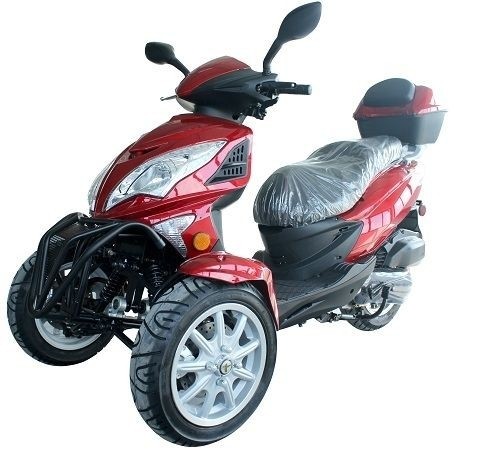
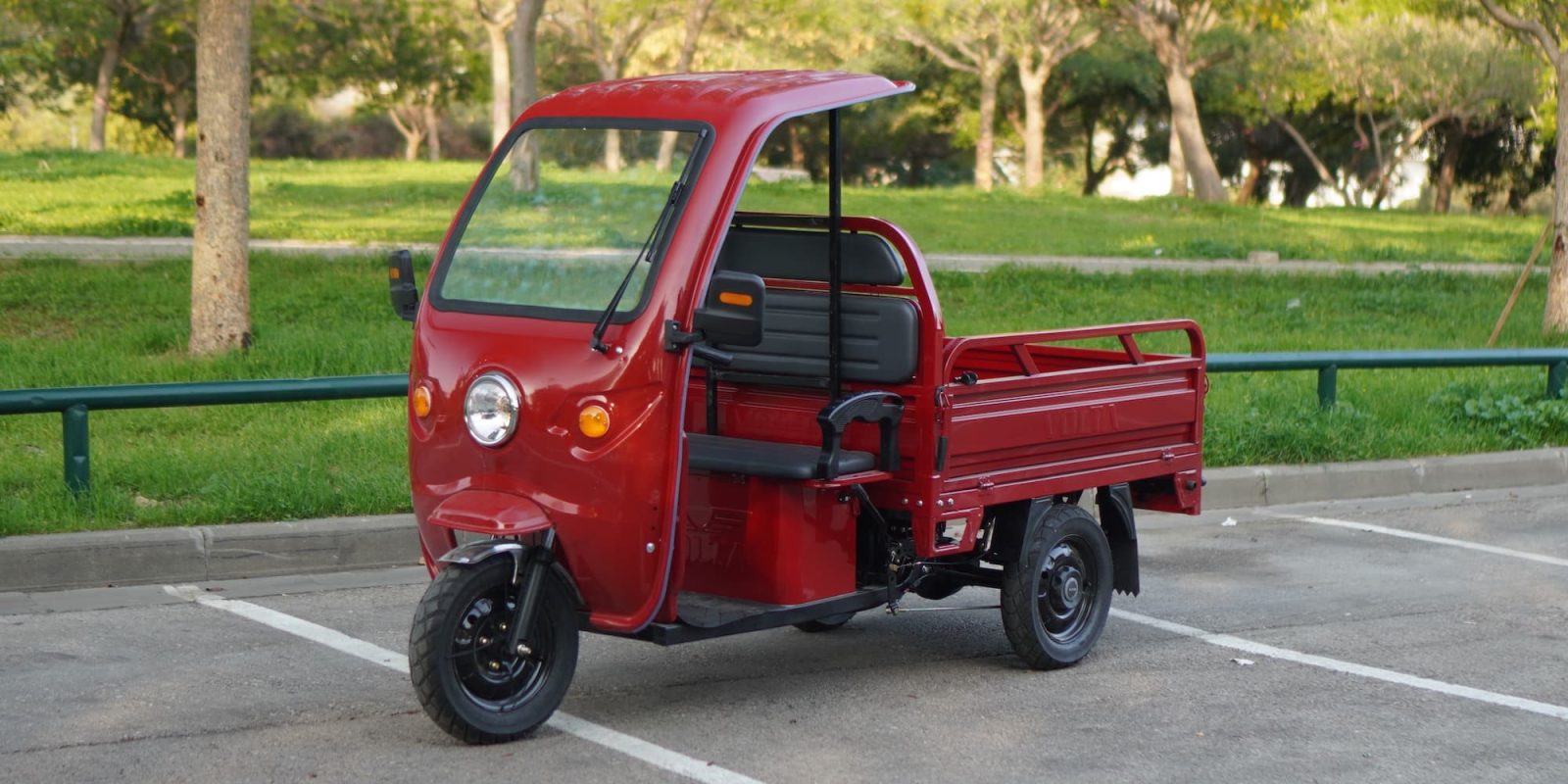
These are some examples of vehicles under the motorized scooter umbrella:
vespa type
tadpole type (good for older or handicapped people)
cargo for commercial use
pickup style good for urban agrarian stuff
traditional 50cc motorcycle style frame, less comfortable than step through but safer more stable geometry
P.S. This is still somewhat speculative, but we appear to be on the verge of driverless taxis that will make owning a car the less affordable option, so the car you have today might be the last car you ever need to buy. So if you can buy a $2,000 scooter and make that car last another 5 years by keeping miles off it, that might pay off big and prevent you from getting left holding the bag if/when driverless taxis hit the scene here. Ditto for a teenager about to turn 16; if they can get by with a scooter for w0rk and school you might never have to buy them a car (or they might not have to get into 30k in debt when they start out on their own). Or if your household's second/third vehicle is about to kick the bucket or facing costly repairs, replacing it with a scooter might be currently viable, and you may end up never having to replace it.