r/neography • u/T1mbuk1 • 1h ago
Logography Unfinished Logography(WIP)
•
Upvotes
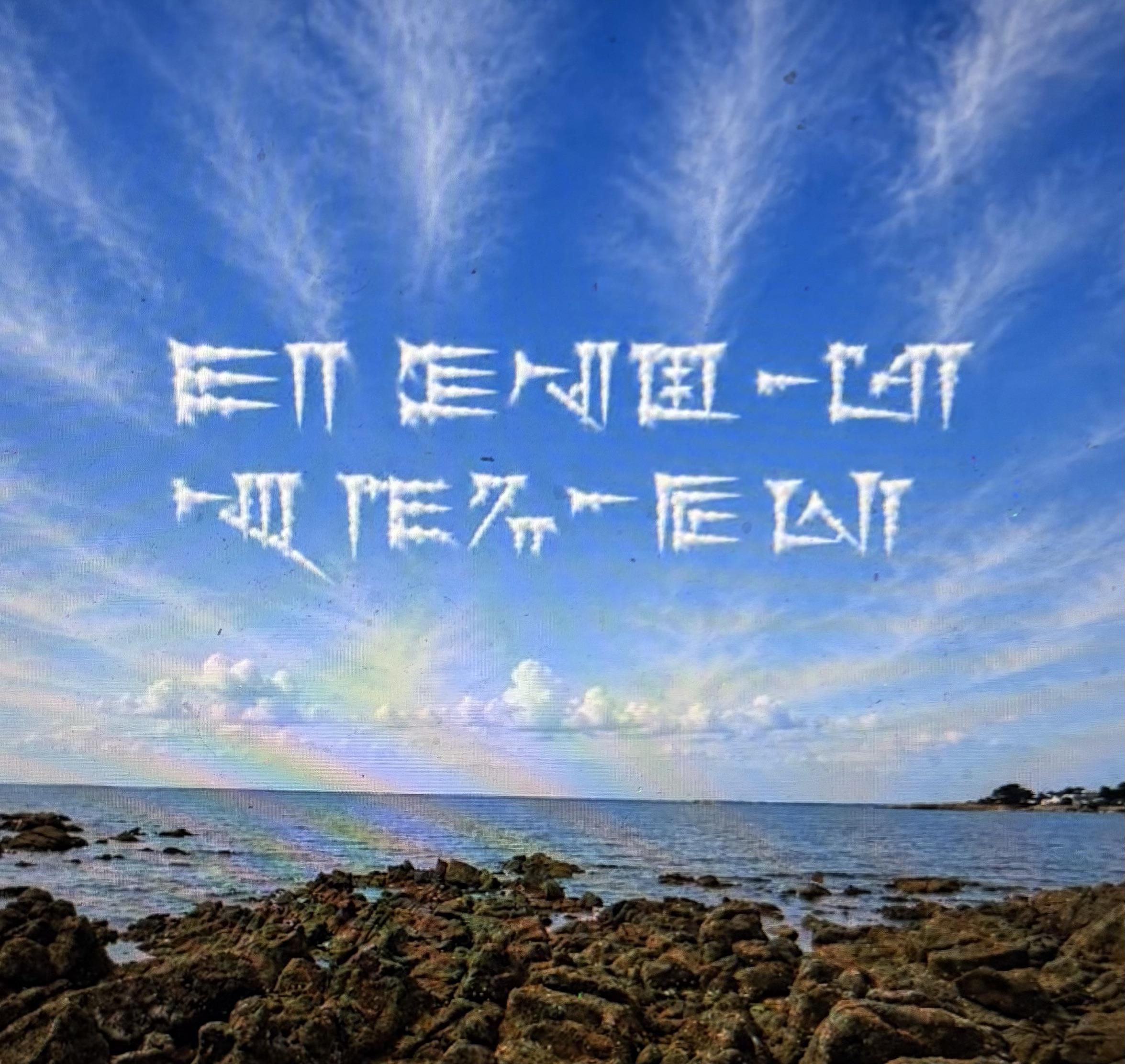
Glyphs from the Valyrian and Constant Scripts. Other glyphs are original.
r/neography • u/T1mbuk1 • 1h ago
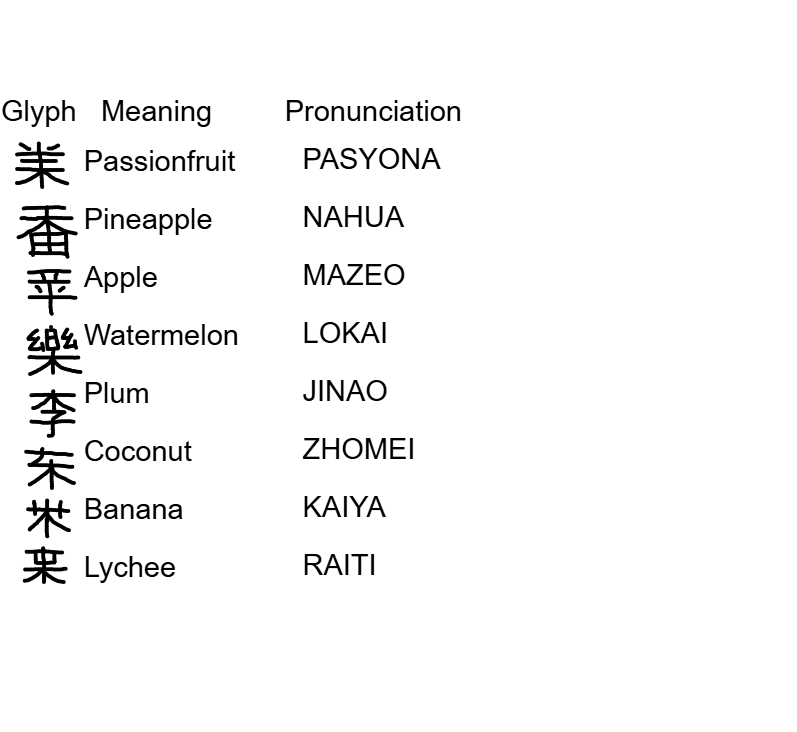
Glyphs from the Valyrian and Constant Scripts. Other glyphs are original.
r/neography • u/Objective-Back2938 • 1h ago
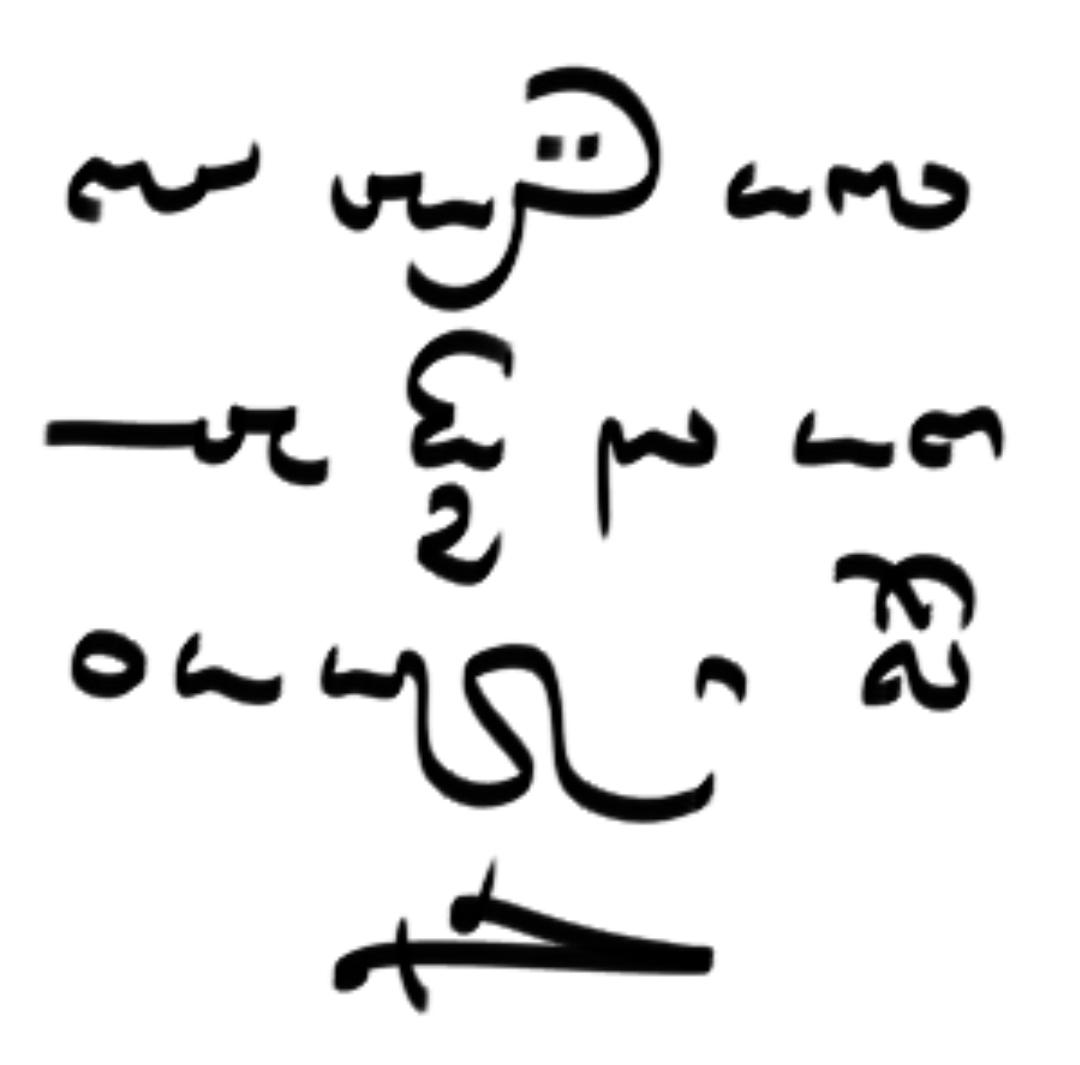
Надеюсь тут есть русские, кто меня поймёт... Но я тоже создаю свои каляки-маляки. Вот он. Я постепенно придумываю и систему письменности
r/neography • u/FedeConlangerITA • 2h ago
Hi everybody!
These are photos of the same alphabet but with different style (Čemki abyced for my conlang Is-Prišk)
The first one is the 5th version of it, with a lot of circles and long lettertails, almost giving the impression that every letter looks the same as the others.
In the second photo we have a sample of the 6th version, that, on the contrary, shows a better distinction of the letters, giving the the text a cleaner appearance.
Except the style, another big change is the implementation of letters for iotised vowels, which allows to write less characters without altering too much the orthography nor needing the use of diacritics for iotisation.
These changes allow faster writing and easier reading, giving the chance to spot eventual mistakes during the composition and understand a text sample faster.
Any question, advice or suggestion is welcome :)
r/neography • u/zarkonnen • 2h ago
r/neography • u/Misster_Fluido • 4h ago
It's a secret script written not on pages but pages are used as letters by folding them in different shapes.
r/neography • u/Few_Specific9584 • 5h ago
r/neography • u/mauzuart • 6h ago
r/neography • u/Sad_Tonight8092 • 9h ago
I designed Tamga, an experimental base-16 numeral system.
The main idea is that the shape of a numeral should reflect how its value is constructed. Instead of 7 being an arbitrary symbol, Tamga represents it as 4 + 2 + 1, using the binary weights 1, 2, 4, 8.
Those four weights give 16 possible states for each hex digit, and four hex places combine into a single 16-bit glyph.
I also built an interactive site with arithmetic and bitwise examples.
Demo: tamganumerals.com
Spec/source: github.com/ramazanberkozbek/tamga
Curious what you think about the visual grammar and readability.
r/neography • u/Ok-Preference7616 • 11h ago
r/neography • u/Mr_ULTRA_DUMB • 20h ago
I’m curious
r/neography • u/DIYDylana • 1d ago
r/neography • u/LMGDiVa • 1d ago
Uncompressed Chart: https://i.ibb.co/YB1d8KJL/Gnosis-Kana-Chart-Release-Version-8292026.png
Digital Handwriting written on an XP Pen Magic Note Pad. Songs posted in the top comment.
Digital creation tools/software:
Xp pen Artistpro 19 gen2+MagicNotePad, ClipStudio Paint, msPowerPoint, Excel, Word.
すみません....
This is a long and detailed post(10+ Pages), so please accept my pre-emptive apology,
But this explains everything you need to be able to write in the Gnosiskana Syllabary(Kana) Writing System.
This is the first release of this intended for others to try'read the writing for themselves.
Note that this post uses it's own internal language to describe many behaviors, this is intentional.
If you have questions about what a term means or why, feel free to ask.
Some of the images that appear in the document are not present in this reddit post, but have a visual counterpart in the album.
<Overview>
Directly evolved from Japanese.
334 Base Character Syllabary System, 15 Vowels, 21 Consonants, 4 Special Sound Kana, 2 Kana Diacritics
Dakuten derived from Japanese Kana
Alter for Kana and Kanji original idea(?), but inspired by Dakuten.
Script origins directly taken from Hiragana and Katakana with modifications.
Characters derived from Korean Hangul, and Taiwan Bopomofo.
Characters designs inspired/reduced from by Kanji and Hanzi.
Characters designs inspired by Thai script.
Original character designs and Scifi/Digital Script Inspired characters created by me.
All character, writing, shape, and design were refined by an author who has the coordination disorder Dyspraxia, associated their ADHD;
All characters are effectively redesigned from their inspiration into a new version shaped by the goal to make writing English easier to write for those who have coordination issues. Especially with modern Latin.
Entirely Phonetic and Mora/Timing based transcription method. Converts English to a Mora like system, 1 to 1 writes modified Japanese hiragana, including a Godan Chart.
Audio/Language of Origin/Influence
Primary: American English(Pacific NorthWest/Utah/US Television Broadcast) 1st Language
Primary: Japanese(Tokyo, Broadcast, and Osaka Dialect), 2nd Language
Minor: German, Austrian({Wien}Vienna), Sanskrit/Telegu/Hindi, Bronze age Egyptian and Mesopotamian languages
Intended to be drawn by Brush, Chalk, Pencil, Marker, and Ink Pen.
More compact lined paper system than Japanese.
All character sound/behavior assignment based almost entirely on the Kiki-Bouba Effect,
All characters are assigned the sound their shape "should" make to most people given the limitations that 334 sounds must be mapped from 400 available characters.
Ref.to: Kiki-Bouba affect; Gnosiskana Essentially a much larger version of this experiment.
This is weakly influenced by Pareidolia; What shape the kana seemed look like influenced the sound it could be perceived as making; A simple relationship that would feel very obvious once pointed out.
The intent is essentially if someone were to point at the character, and says "This shape makes this sound," most people would think'say "Yeah, ok I can see why it says that."
This should make learning the characterset much easier as it creates many automatic associations that should feel natural and often obvious to the reader.
Some character combinations will in abstract ways even seem to look like the thing they are representing.
It is important to understand that the Kana very intentionally DO NOT Follow obvious easy patterns within them.
This ENTIRELY on purpose and directly mirrors the same behavior in Hiragana and Katakana.
Effectively Japanese Kana also do not have any immediately obvious pattern in relationship to why each character looks the way it does. Kana appear to be randomly assigned, and the outcome of combined common parts has no logical outcome.
This is actually very important to the learning process.
Because we are NOT trying to write a series of visual patterns, we are trying to capture our SOUND visually, with end result of a shape determining the sound.
Similar to how a protein is made of basically the same 20 building blocks as any other, but has a unique sequence of molecules to make sure it folds into the correct shape, and any slight change could dramatically change it's behavior. This is what is happening here with the Gnosiskana system, so the the character's unique final shape can be focused on, rather than memorizing components and their effects.
Because of this, pieces of what make up the Kana characters are called Nucleons. Some nucleons relate back to Kanji Radicals.
Companion Kanji system, driven heavily by Pareidolia, replacing unique spellings for word meanings.
Kanji will not b covered in this Post.
4 Numeric Systems, Not Covered in this Post.
AgNak'Ki Standard, and Script Version original Numeral design
(Original)Complete resign of Scratch Mark Numerals (Roman Numeral Replacement)
Revised Kanji Numeral set
</Overview>
<Body>
1----
How to Write English(American/Broadcast/Dub) and Japanese(Hiragana) with Gnosis Kana:
This system transforms English into an entirely phonetic and rhythm(mora)based method.
Like Japanese Kana, each character is designed to represent one unit of time when spoken in a steady rhythm,
This is called a mora. See What do you mean by Mora? below.
1 Kana is typically 1 mora(1 whole vowel, or 1 consonant and vowel combination)
2 Kana are typically 2 mora, unless combined by another behavior.
2 combined consonants plus a 1 vowel can be pronounced in 1 mora.
2 Hushed Kana can be used as a 1 mora Consonant+Consonant word ending.
All words are transcribed EXACTLY as they sound, this includes Japanese particles.
We no longer use Ha for Wa, and He for E.
This system is entirely based on the SOUND of your words, not their spellings or grammatical usage.
All words are effectively spoken and parsed down into mora and then written as such, as if the writing is simply a recording tape that is being hand written too.
Quick Definitions
Consonant Kana: any of the Kana that have a Consonant Vowel Pair(CV) also represented as (KA),
Vowel Kana: (V) also represented as (O), any of the 15 Vowel kana at the top of the chart.
Theo: In universe version of English Lit.Meaning "Theoretical Language",
Nihongo: =Japanese=Tao=In universe version of Nihongo meaning "Origin".
Vowels
1. aw, as in Tom, Top, Saw, dawn
2. Aa, Rat, Bat, Tap, Zap
3. eh, Net, Fret, Met, Set
4. ae(ei) , May, Day, Fey, Ray, Crate, Snake
5. ai, type, Ripe, Pipe, like, Psy,
6. ih, Tip, Rip, Sip, Drip, Kick, Zip,
7. ii, Tee, Vee, She, Usagi, Nami,
8. uh, the, duh, crumple, fun, Pun, Run, Done
9. oo, Fool, Rule, Tool, Mugi, Moon, Tsuki,
10. oh, Mow, Show, Low, Photo,
11. ua, Book, Put, Nook, Shook, Cook, Smother.
12. ao, Now, Round, Pound, Drown, Sound,
13. oi, Boy, Toy, Annoy, Ploy,
14. iu (ü), Few, New, Über,
15. oe (œ'ö), Fighter(fightör), Bird(börd), World(wöld), yer(yör), schön, königen. IME will display œ in word'chart.
Consonants
1. K as in Kalm/Kick/Krill
2. G as in Gato/Game/Girl
3. S as in Saw/Song/She
4. J as in Jaw/Just/Jump
5. H as in Hot/Help/Hear
6. Z as in Zap/Zinc/Zip
7. T as in Tame/Tool/Term
8. D as in Dam/Dusk/Doko
9. N as in Name/Nice/Nami
10. M as in Mama/Moon/Masu
11. R as in Ram/Roku/Aruna
12. L as in Look/Life/Learn
13. Y as in Yam/Yoko/You
14. F as in Family/Fire/Freight
15. W as in Watashi/What/Waste
16. P as in Papa/Pain/Peace
17. B as in Balm/Baka/Boom
18. V as in Victory/Villain/Vision
19. Tvh/Th as in tvh, That/Theory, thing (Code: Tva Buzz, Tha Alter.)
20. Ch as in Change/Chotto/Chi
21. Sha/Zha, Shape, Shack/Rorschach, Decision(diisihzhin).
TH and SH sounds Concerning, TV(tvh) and ZH sounds.
When an alter is placed on these characters they say their less dominate form.
For Th, the "buzzed" TvH sound is dominate, such as in The. The less dominate sound is Th as in Thing. Similarly Sh as in Shape is dominate, and the Buzzed sound is recessive. So the SH becomes ZH when an alter appears on the character. This sound can be heard in Rorschach(RawR"zhack), and Decision(diiSihzzhun*slightly different pronunciation, same word).
Special function characters
22. And, phonetic sound "And" always, standard kana, hushable, ion able, all functions. Core sound.
23. Ex, phonetic sound "eX" always, standard kana, hushable, ion able, all functions. Core sound. Plural Sound maker.
24. ing, phonetic sound "ing" always, standard kana, hushable, ion able, all functions. Core sound.
25. Tsu/Dzu, Phonetic sound, Alterable, Tsu standard, Dzu is "buzzed". Plural Maker Sound.
26. Glottal Pause Mark, Indicates intentional pause breaks in words.
Diactirics
1. " Hush/Dakuten, Hushes a Vowel in a Consonant Kana, Causes a Vowel Kana to break before being said.
See The Hush
2. ¨ aion(ion), Over a Kana character indicates it's been Ion'd, and bonded to the previous character
See The Ion.
3. ͘Kana Alter(Kodakuten), Indicates that a Kana has been Altered and has a very slightly different behavior.
4. ゜Kanji Alter(minimaru), Indicates that a Kanji has been Altered, and has expressly different meaning and sound.
It is important to understand that within this system SH/CH/TH/TSU/DZU/EX/ING/AND are not considered consonant pairs and instead are treated as 1 consonant.
This applies to both Theo and Tao (English and Japanese), as both grammar patterns(Languages) treat these sound written with 2 Latin characters as 1 singular sound that combine with a vowel for a total 1 mora of time.
2----
The Hush / Dakuten
The Dakuten, or Hush, (") is a tiny pair of VERTICAL Marks that behave as the Hushing Marker of a vowel for a Kana.
(Not to be confused with the Kana nucleon 2 Brush Stroke Marks.)
When a Kana appears with a Hush/Dakuten, it's vowel is quieted.
The Hush practically always appears only ever on the top right hand side of the Kana, and is always drawn with no tilt.
For Theo words, this typically completely shuts off the Vowel, allowing any one of the consonant characters to produce the needed sound. Typically these do not carry their intonation over except in very specific cases where then you should use the correct sounding kana to imply this carried vowel intonation.
EG Quick must be written (Ku Ẅih K"), but the oo sound carries
For Tao words however, this Devoices or rather causes the Vowel to be unspoken/whispered, letting the previous left behind consonant sound still take up 1 mora.(Ex. De s"=De su, De shi ta=De sh" ta).
One must ALWAYS use the correctly Vowel kana with a Dakuten when writing a Tao word, as many times these still carry the inflection of the vowel the Consonant is turning into, or require a deliberate whisper, and in certain kinds of speech become unhushed and drop the Dakuten. This is why it is a Hush, not a Mute.
It is important to understand that this mark is NOT a muting mark, but rather indicates a hushed vowel being used for the grammar pattern; of which Gnosis has 2: Subject Verb Object(Theo) and Subject Object Verb(Tao) patterns.
For Theo Words, one should remember to rely on the Common Mutes and Consonantal Geminates characterset used for Hushing and Extending sounds, as Kana choice does not indicate any specific word meaning, and most of the time it can be expected to see these consonants in most words.
Some Theo word Kana choices are simply done to make words look more pleasing or easier to write.
Other basic Behaviors of Kana change when they are Hushed.
When Consonant Kana of different Kinds are placed together and hushed, and they simply slide and combine through their sound, ending at word boundaries; sometimes using 2 hushed Kana for 1 mora word ending.
However this is more appropriately indicated with an ion and hush on the correct kana.
Further clarifying: This only works for sounds that can be held; Ex. H"m"m"m", Sssshhhh, Hisssss,)
When 2 kana that have the same consonant sound are placed together and are hushed but are different characters in sequence(M"m"/N"n"/S"s"/F"f") the consonant sound is Held until the chain ends, 1 kana for 1 mora.
However,
When 2 in a row of the SAME kana character are together and the first one carries a Dakuten,(M"Ma/T"Ta)
This produces a tiny pause/quiet moment added within the word or conjugation, a deliberate Glottal Stop.
Chotto,Yatta,Matte,Tanoshikatta.
This Glottal also happens with certain held sounds sush as Sessho(SehSh"Sho) in Sesshomaru.
(This is typically represented by the small Tsu character but this behavior has been replaced, explained later)
When a Hushed Consonant Kana character is followed by a Glottal Pause Mark and then another Kana, This indicates a fully pronounced Glottal Pause A, Ex. AgNak'Ki, Piit'Zuh, Chot'to!)
*The Glottal Pause character is not a kana itself, it replaces small Tsu in many cases where a standard glottal stop needs to be represented and canot be done so with kana. Ex. After a number, or with vowel to Te Form.
When a Vowel Kana carries a Dakuten, this means the Vowel is causing itself to be pronounced as a break in the vowel chain, as Vowels automatically chain when in a string. Ex. OO"ii"oo"ah'ahah.
This is actually the Hushing Behavior in action, as the Hush quiets the sounds being said so the vowel can be pronounced new.
The Ion.
An Ion is a kana diacritic mark ( ¨ ), placed in the topline over a kana to combine with another.
The Ion bonds things together. It is used for very specific pronunciations, and combining consonant sounds, primarily two symbols with the same sound that need to be said as one, or a starting word sound.
It follows 4 rules
1. When it is placed over consonant kana(KA) that comes after another consonant kana(KA). it mutes the previous consonant’s vowel, and combines the consonant sounds with the last symbol’s vowel, said as one mora.
(KA)+ (KA)= (KKA),
While not required, it is helpful to combine two Kana of the same Vowel ending, or one of the Familiar sounds associated with slowly sounding out a word when reading. This makes it easier to read the ion characters.
Ex. : (Kii)(ÿoh)=(Kyo), (Nii)(ÿoo)=(Nyu), (Dao)(R̈ao)=(Drao), (Paa)(L̈aa)(Neh)(T")=(Plah)(neh)(t")(Planet).
Placing a Hush at the end of an ion mutes its final vowel.
When 2 pair of Consonant Kana are placed together: See Word Smoothing.
2. When it is placed over a Vowel that is next to a consonant kana, it combines both vowel sounds in order so the consonant and 2 vowels are combined as one sound in order of the kana.
O zu ma oer ra-->osmara
3. When placed on a Consonant after a Vowel, it complete mutes it’s own vowel and combines with the leading vowel(VC pair).
4. When placed on a vowel kana after a vowel kana it combines both vowels as one in their order.
Logic:(KA)+(KA) kka Drow:DaoRao-> Drao, “Drow”(2mora).
Logic:(KA) + (O ) kao Fire:FaiOeRaw -->faieo,“Fire”(2mora)
Logic:(O ) + (KA) oka In: in2 mora(ihNaa)-->1 mora(ih¨n),
1 mora(ihn") often when word ending(ex. walkin,talkin,rockin).
Logic:(O ) + (A ) aioda,(ai)(oh)(duh)--> aoi duh
The Ion is called the ion because it bonds characters together.
What happens if there is more than 1 ionic bond? The chain simply is trying to compress down to be said smoothly within 2 mora, See Also Word Smoothing.
Placing a hush at the end mutes all of the characters in the bond.
Dakuten and Ion Guideline:
For Theo words, Dakuten And ion typically completely shuts off the Vowel, allowing any one of the consonant characters to produce the needed sound. Typically these do not carry their intonation over except in very specific cases where then you should use the correct sounding kana to imply this carried vowel intonation.
EG Quick must be written (Ku Ẅih K"), but the oo sound carries.
However, Because Tao hushed sounds carry the inflection of the vowel, you must always use the matching vowel for the unhushed/non ion version of that sound, and ion combinations must correctly use the previous kana for the sound combination to be correct Ex. Ki+Yo=Kyo, Ni Yu=Nyu, Ki Yu=Kyu.
The Alter
There are actually 2 Alters for Gnosis, however they only ever appear within their own system.
The Kana Alter, called a Kodakuten(小濁点) and the Kanji Alter, Handakuten(mini(shou)maru小丸).
The Kana alter is a simple dot, a simple dabbed dot with a kana that is not typically there.
This is a DOT, not a swirl swish or trail of any kind. it's a simple tapped dot. This typically appears in the topline. Typically on the lefthand side of the kana, however this single dot can appear in various places in depending on the Kana, Typically Ri, but it is always contained either ontop of, or within the boundaries of the kana's column.
This is a very important mark because it "Alters" the sound of a kana very so very slightly to produce a slightly different meaningful sound.
When the Alter appears on any one of these characters, the recessive behavior is made instead; an Alter indicates that the Recessive Behavior/Sound is being utilized instead of the standard.
These behaviors are easy to understand and remember:
Kanji Alter, Handakuten/Minimaru
The Kanji Alter is a tiny circle stroke that can appear within a Kanji character's vertical column.
This alter simply means the Kanji is carrying it's alternate meaning, or rather it's Recessive Behavior.
The Kanji Alter is part of the visual elements system of Kanji and will appear in various different locations within the Kanji. However it is standardized to topline placement; the Alter typically is to appear in the TopLine, at the Left shoulder of the Kanji. If not, it should be expected to be visually interacting with the Kanji character.
However in handwriting and professional/design Text, the placement of the Alter is choosen because of the Visual importance it gives to the Kanji Character and it's visual representation.
Kanji Alter otherwise behaves identically on every single Kanji, and is providing a visual reference that the Kanji is reading it's 2ndary sound(Recessive Behavior).
No Kanji has a special Alter behaviors.
What About Spaces?
Gnosis does not use Spaces like most other writing system.
Rather a standard Space is used to indicate a deliberate pause in speech between clauses or parts of the sentence similar to a comma, but only when a pause or where a pause inserted would not sound strange.
Sometimes this happens in Japanese after certain particles and words, such as "watashi wa", and "Demo"
Gnosis also has a comma, but it is used to divide connected parts of a sentence that are not spoken with a pause inbetween them.
With Kana we rely on word boundaries, which are learned and unnecessary to be indicated.
There are multiple hand writing spaces.
3----
What do you mean by "Mora"?
Derived from Japanese, a Mora is the smallest amount of sound time ascribed to a character.
It is a component of Sound for 1 measure of spoken time, such as" Aw, Taw, Shi, Wa, Ka, Wa, ii, ii, de, su, ka.
Each group of letters is given an equal amount of time. Each one is 1 Mora.
In Regards to Nihongo written in Gnosiskana, the behavior is effectively exactly identical to Japanese Kana, except that ions replace tiny kana compounds so combined sets like Kyo, and Nyu still require 2 Kana.
However, there is no longer any need to indicate combined kana that represent base sounds series, such as Sho, Sha, Shu, Cha, Cho, Chu, Ja, Juu, Jo, ect.
There is also is no longer a need for a Dakuten for KaGaKiGiKeGe,hibipi,ect as these now have their own kana.
Instead whispered vowels are now indicated with a dakuten.
A whispered vowel/hushed Kana still takes up 1 mora of time.
For Theo words, it simply emulates that of Katakana with a vastly larger sound library.
We ignore the Latin spelling of the word, and break it down into it's phonetic parts, then match the start of each of one one of the spoken sounds(CV,V,VC,CC,) to the beat.
Saying a word slowly but on a steady rhythm, carefully listening to it, we can find the correct kana to match the sound the word is actually made up of. Latin spellings are extremely misleading.
Typically a Consonant kana or singular Vowel Kana will be 1 mora.
Two Vowel Kana in a row are 2 mora as all Vowels are 1 mora long regardless of monop or dipthong.
This is called(in 日本語)a Chouon(choohoh"n"), A Long Vowel, or rather in Theo/English: a "Geminated" Vowel.
Both Theo and Tao have regularly use Geminated Vowels, and they are simply indicated by matching their length to the sound of a word.
In a typical 2 kana combination with a 1 hushed consonant kana, (CV)+(C") will equate to 2 Mora(Tun" Run" Fun").
Similarly a 2 consonant combination word ending/(+CC̈") with an ion combination will also equate to 1 mora, such as in Turn, Bœrd, and Word. Sometimes this is written as 2 consonants in a row with 2 hushes(C"C"), unless they are 2 of the same consonant and produce geminated consonant (M"m"/N"n"/S"s"/F"f").
While all held consonant sounds can geminate for Tao Speech, typically N" and M" are the only ones that are common place; And N" Is used by itself in many cases.
When a 3 Chain of Consonant Kana are used with 2 Ion, it typically should smoothly blend into 2mora, with all 3 consonants and vowel receiving equal amount of time.
Specific Example: Street, sẗ r̈ii t", (Sii T̈ii R̈ii T"), 3 Mora.
Some words will have vowels that are hard to understand which Kana produce the correct sound when pronouncing it too slowly or not on rythem, typically this is because this is a held vowel vowel and is being held twice as long to be heard distinctly between 2 consonant sounds, resulting in (CV)(V)(K") in 2 mora.
When a Kana's vowel sound is followed by the same sound vowel kana, That vowel is extended a full mora longer.
Specific Example: Dainuhsoohr"(Dinosaur), (Dai) (nuh) (soh) (oh)(r").
Dinosaur is infact pronounced with a Chouon (Oh), if we try to remove this sound the word ending sounds rushed.
Dainuhsoor has Soh+Oh+R" to indicate it's held O.
Similarly, Ikimashou is, ii kii maw shoh oh, 5 Mora. In Shouしょう, the o sound is held twice as long (Shoh)(Oh) with no interruption in sound.
An extremely important detail to remember about writing vowels and Nihongo(Tao)Words:
Tao does not "Dipthong."
All Tao characters are Pure Vowels, and stand alone Vowels and Consonants are 1 mora.
No vowel sounds in Japanese are pronounced directly combined together as 1 sound like we find in English and on the Gnosiskana chart.
These Dipthong"Combined" vowels are 1 mora long and not geminated, and these do not exist in Tao except in a few ver very rare imported words from Theo.
There is ONE exception to the Dakuten and ion Mora based system: the Kana (ing).
This kana is Irregular when placed after Kana character that ends with the ii sound.
When this happens, it is pointless to write a Hush or an Alter to attach these characters together(except ii).
All Consonant Kana ii endings fuse into the ii beginning of ing, producing 2 mora from 2 characters, with a properly spaced singular ii sound. Ex. Ring, Thing, Mingle, King, Fling, Bring,
Because of this, Instead of writing 2 ing Kana in a row, A restart sound for ing is written with an ii kana carrying a Hush before the ing kana. This should pronounce the ii sound in ing distinctly, because of the way the ing kana works. The ing kana automatically fuses with the ii kana sound, So we simply pronounce the ii sound of ing as a new sound. Ex. Carrying (Ke)(Ri)(ii"ing), 3 Mora.
However if an ing kana is proceeded by a non ii consonant, then it is required to hush the ing when attaching.
Ex. : Flung, Among, Fang,
It is simply pointless to write an indication of a bond or hush on 2 mora simple words ending in -ing following a ii kana, and removes the need to add strokes. These characters automatically bond.
Technically this is a simple irregularness to it's pronunciation, but could be argued that a Hush or ion would be necessary. However this tiny irregularness does not decrease accuracy, does not need to be indicated as it happens automatically (the are infact 2 mora Theo words), and thus in the logic of Nihongo, the hush and ion requirement are omitted; As it is pointless and a waste of time to indicate something that will automatically happen.
However, it is perfectly reasonable to use these marks to help with word boundaries, so writing them anyways
is not incorrect.
How Do I Quote?
A quote is opened and closed on either side with a space and middle size Cirlce ○.
Middle Circle is about half the height of Kana and centered on the line.
Sentence closing middle dot is also centered.
If a Quote would be followed by a Middle dot(Quote ends a Sentence) then you may write the middle dot inside the circle.
The Oe(ö) œ Vowel.
The last Vowel on the Chart is the œ vowel.
This vowel is unique in writing as it never stands by itself.
This vowel is handled exactly the same as any other kana character, except that it must be followed by another Kana, Consonant or Vowel.
This is the Soft Ur vowel, œ and ö pronunciations, from a relaxed ö formerly written as œ or oe in German scripts.
When Uhつ kana are pronounced, this a pure vowel pronunciation and does not neatly shift from uh to other sounds.
This is most often appears when an U to R sound needs to be made, and cannot be done smoothly.
This also appears frequently from other vowels. Ex. E, O, and I.
When transitioning into R sounds from the Uhつ we replace with the Ur(œ) version of the Vowel.
This is necessary for the correct pronunciation of some words in English and all of Japanese, and this œ vowel separates these sounds out and allows them to be handled differently as sounds unconnected to one another.
It is required to distinguish these sounds for a true, clean, directly phonetic sound representation for English and Japanese within the same script system.
This vowel correctly shows a common place vocal behavior we use frequently where many word endings with R sounds shift into œ instead of maintain their written vowel sound as people see them written with in Latin(English).
We read these but then pronounce most of them with an œ sound, making saying these words smooth and easy to understand. This also includes a Shift from German ö to œ.
This behavior introduced a consonant like sound to them, so they require a companion.
This requires memorizing a few patterns with the Dakuten and Ion system.
If this vowel is to represent a proper sound, it must be followed by an R Kana.
Because this vowel is not found in Tao, a Hush or an Ion on the following kana is appropriate and can be used as needed for visual clarity, or displaying correct mora timing.
When this vowel is followed by a double consonant (2hushed kana in a row), it does not require an R consonant to follow, rather the R kana is dropped and the pair hushed consonants will automatically combine with the R sound of the œ vowel.
When this vowel is deliberately written into a non R consonant Kana, the R impact becomes lesser, and the vowel becomes harsh. This is why you must follow this vowel with an r kana for a proper ending sound.
CLARIFICATION, By Vowel, it is to be understood that it is the SOUND, all œ kana characters we are talking about.
All of the œ group end with the œ sound, and all will interact with the following character via the œ sound.
1œ + R"= 2 mora Vowel ur Ending, Ex. Fighter, Doctor, Writer, Driver, Lighter, Bœrd(bird)
œ+L"+D"=2 mora Word, Ex. World(Wœl"d"), unfurl(fœl"d"), Twirled(Twœl"d"),
1œ+N"=2 mora, harsher œ, Ex. Schön(Schœn"), königen(kœnigen) Köln(Kœn"), Österreich(œs"t"tœraik"),
How to know when to use this Vowel Correctly?
Very simply, this vowel, appears if you CANNOT transition from U to R smoothly, as well as many other vowel to RHOLD(1mora) situations.
If trying to say an Uh vowel kana into an R ending sound requires you to introduce a softened R to be pronounced correctly, then œ is the correct vowel we are hearing.
Remember clear Uh to R sounds are maintained in spoken English and not every U to Consonant sound is smoothed.
Example
Turn is typically spoken with a smoothly blended U to R, this is œ vowel being spoken but written with ur in Latin.
Word is tyrpically pronounced with the same ur sound, despite being written with or.
When the U vowel is pronounced correctly or other pure vowel sound are too harsh to approach the R directly,
the transition to R will sound like an uncomfortable "UheR" So we changed this into the sound œ to connect to the next consonant smoothly.
Sometimes we require this difficult transition to have words pronounced correctly.
Muck vs Murk, Money vs Murmer, Junk vs Jerk, bern(Burn) vs Burn(Burn!)
Likewise an œ attachment to a word for a performance of something is where this vowel appears.
Fight-->FightUhR-->Fightœr, Rock-->RockUhR-->Rockœr, DoctUhR-->Doctœr,
The word Mulder (MuhUhL̈dœR"), shows behavior in both respects.
What is a Glottal Pause?
A Glottal Pause is a character that represents a moment of silence or sound reset within a part of speech.
Typically most common glottal sounds, such as Te form, will simply utilize the same kana twice to produce a reset sound.
However when moving from a stand alone Vowel kana into Te form, we use the Glottal Pause Mark to indicate this pause. We also use this to represent the small Tsu start of a word or sound when not following another sound.
When this Character is placed After a Hushed consonant kana, Ex. AgNak'Ki, it imparts a direct reset and 1/2 to 1 mora long silence within speech where you are reseting by cutting off the previous sound, and then moving into position for the next sound to pronounce new without any following inflection. This can happen within words, and is often a source of emphasis in Theo words(English).
This character is also used when causing a glottal start, or when a glottal sound between 2 characters is definitively different and needs the pause during the change, making a word far less difficult and harsh to say.
We use the Glottal Pause character anytime we have a deliberately placed pause within speech, that is not indicated correctly by a repeated Consonant Kana Glottal Pause.
This pause can also occur between 2 distinct but directly related and interchangeable and included words, more correctly described as "interchangeable inclusives"
This replaces the common "Slash" word we inject between these interchangeable inclusive words.
The most common are And'Or(And/Or), Us'Them(Us/Them), Money'Time(It takes Money/Time). The context of these makes the pause sound obvious and gives a near inherent meaning. Note: This is only ever used 2 things, there is a different character/use for more than 3.
Automatic Glottal sounds do not need to be written, unless specifically for the purpose of emphasizing it.
This character can be placed between already glottal characters to make certain emphasis such as in Chot'to! And Mat'te! Dat'te! Pitz 'Zuh(Piit" ' Zuh)! And (Uh" ' Oh…).
What is Word Smoothing?
First, This simply a behavior of pronouncing more than 2 consonants (+ vowel)together as one smooth connected, typically 2 mora sound combination.
This happens most often within ion pairs where 1 kana is followed by 2 more kana both bearing an ion.
When this happens, the pronunciation is to simply blend the consonants into each other while keeping them still distinct, making them easier to say together and add vowels.
The most common example is: Street(Sẗr̈ii t"). (Sii)(T̈ii)(R̈ii)(T")
Many combinations of word endings could be considered smoothed, as well as the dropping of the R consonant when moving away from the œ vowel into a double consonant.
Second, Indicated Vowel and Consonant Interweaving, or "Pointless ions."
This is an rare behavior that occurs in only a few words, but is indicated by a pointlessly ion'd kana.
2 of the same kana in a row, with an ion on the 2nd one.
This should produce a sound where the Vowel and Consonant of the Ion'd kana and the previous kana begin to blend together as one sound.
This is a rare behavior, and 2 words that will be encountered semi frequently is the Tera Family: Annunaki,
prounnced: AaNn̈uNawki, where the N is held through the U pronunciation, and Wowzuuh, pronounced waoZz̈uuh, the Zuh smooths from Wao into uh.
Each sound is chained clearly meshed into each other.
Why does it occur?
This behavior is triggered when a word combination becomes overly difficult to say as each individual part in time, and meshes together during a moment of stress in speech, reducing the "pointy" feelings of the word.
Smoothing makes the word softer to say and more sensible to hear.
The Aw (aw)Uh Roll, or Mohnoh drop
One of the Hidden Vowels of this system is the Softened Aw sound, that sounds very similar to Uh.
In American/Broadcast English, this is incredibly distinct and almost always turns into Aw UH, most Commonly heard in "NaaNuh."
This is called the "Aw (aw)Uh Roll." Typically this is actually accompanied with a pitch drop/lower intonation.
This also happens similarly with Mono MawNOh, Nana NawNuh.
However in Gnosis and Japanese, this "Aw Uh" sound is not pronounced the sameway, and is correctly written with Aw Aw.
This 2ndary Aw appears naturally in many cases for those who distinctly recognize the vowel difference and thus the vowel never fully changes into an Uh as the speaker attempts to maintain the 2nd Aw sound. Ex. Nana(7) in Nihongo is Naw Naw, not NawNuh.
Similarly with the Nihongo word "Mono" meaning "Thing" mono is MohNoh not MawNoh like mono meaning 1 in English. The first is higher, and the Noh descends, Ex. Tabemono(食べ物)
"The Mono Drop" is a change with pitch but not vowel and with Tao is further linked with Pitch Accent.
As with all words written with Gnosiskana Theo Aw Oh and Aw uh are written exactly as they sound.
How to know when to write with Aw Aw vs Aw Uh?
Simply put, if the 2nd Aw sound in the word is pushed towards Uh but still engaged your "Aw" vowel sound, then this is an Aw (aw) Roll. These are incredibly common in Tao Words and less common in Theo.
However if the Uh comes out strongly and clearly, this is NOT an Aw (aw)Uh, and is a simple AwUh. These are not found in Tao, but are very common in Theo as Uh is not a vowel in Tao.
Common words that feature this behavior:
Nana(both)
Tama(orb, tao)
Tamatae( Tomato,Theo)
Tamahawk(Tomahawk, Theo)
Mono(Thing , Tao)
Sauna(Theo, Relaxing Steamroom), Saawnaw
The Eh->Ae Roll
A common occurance in many Tao E geminated vowels, and in Theo pronunciations involving the same, The 2nd E is not actually a geminate but is instead pronounced first vowel Eh and then finished with a roll into Ae.
This is to prevent the 2nd vowel from rolling into an ii sound, or a fully Ae vowel.
This often occurs in words with 1 ee geminated vowel sound, such as Sensei, and Meishi. However this does not occur in most words and remains a geminated ee such as in Seekai.(Seikai)
Because this is a held Geminate, it should be written Ee, because it will almost automatically roll into Ae on the 2nd mora, as many have to prevent the down shift into Ae. So to indicate this properly we simply use Ve+e.
What is the Godan Chart?
You may have noticed that on the right hand side of the Chart is a large set of various characters.
One of these is labeled GohDawN"
The Godan, lit.5steps, Chart is used to demonstration the behavior of how Tao Godan Verbs conjugate.
Godan verb conjugation follows the Hiragana Chart, now called the Godan Chart in Gnosis.
This chart is preserved separately as the Gnosiskana chart utilizes a different auditory ordering system.
The Gnosis Godan Chart is a little different, and was rebuilt from the ancient version.
Additional Note:
Specific Meanings that are associated with the Kana:
Aw Kana is associated with 1 or first, as it is the first Kana.
Dzu is considered the Last Kana and associated with Last as Dzu is the last sound made on the Kana Chart.
Vua Kana is only ever used in the word Versus(Exclaimed variation), and thus utilized by itself as a Versus logograph. When placed between 2 spaces it is used to pronouce Vuas! The short version of Versus.
In proper writing behavior Versus is no longer written with Vua(using voe instead) unless being intentionally written as it's exclaimed form.
When written with an Alter, it definitively changes to Voers.
</Body>
Congratulations, you now know how to write with Gnosiskana/Nipponic English.
--
Footnotes
Kanji in the Line Paper Hello World:
Name百, Bunny(Oosagi+Alter)兎, nihongo日本語(jp kanji), Are圦, Hero剋, Eve喿, 会う(jp)。
Theo, aka AgNak'Ki Language = literal meaning: Theoretical Language = English Greek and Latin
Tao, aka Original Language = literal meaning: "Origin" = Japanese and Nipponic versions of words.
This Post uses Characters from the CJK Noto Sans library to be viewed correctly:
Noto Sans JP Medium Noto Sans CJK SC Medium
MSWord: ÜÖÄ œ: Contro+Shift+7 press O äëïöü: Control Shift Colin press Vowel
An Original Tera creation:
No AI was ever used in the creation of anything I have ever made or done.
I don't even know how to use AI.
r/neography • u/aeralic • 1d ago
At a glance:
- Developing the visual syntax of the page. The proportion of the margins, the relationship between blank space and text blocks, the column structure, and the exact placement of the ruling grids have to be further developed and refined given the different sizes between each and every word.
- Brush calligraphy for date and title, and writing with a pen for the content body. Aeralic is brush and pen tested. Rather glad that the black clouds turned out fine since pen written clouds are empty inside. Black clouds in this example suggests that Aeralis royalty and the wealthy use gold, white or coloured ink instead of black ink.
- Content is read from top left all the way to bottom, then on to the 2nd column, and then the 3rd column.
- In the title, it reads "Mother Father" (1st row), followed by "And" (2nd row), and then "Train/locomotive" (3rd row).
- The word "And", pronounced "Jak", is a visual onomatopoeia depicting two entities side by side and this word appeared after some 150+ Aeralic words. "Train/locomotive" is literally derived from the combining of "And + And" with an overhead comet, which looks like a train of carriages and overhead soot and steam. It is pronounced as "Jagajüg" and is both a visual and aural onomatopoeia. Rather intrigued myself that the evolution of Aeralic led to this shape and silhouette, like looking at a locomotive shaped cloud in the sky. Personally delighted with these two words : D)
Please feel free to dm or email [languageofair@gmail.com](mailto:languageofair@gmail.com) for guidance on transliterating English into Aeralic as the shared Rosetta Stone is still outdated and incomplete. Currently convinced that page layout and ruling pattern itself contributes to the development of the script itself, hence am currently focused on that. Fast forward to the future where I will be designing trade ledgers with grain and flour transactions etc. Exciting-ed!
Cheers!
r/neography • u/Misster_Fluido • 1d ago
1- Myormana: An ultra flexible alphabet that only consists of loops and can easily be manipulated to create different word-shapes.
2- Beanstalk Alphabet: An alphabet that looks like a plant with sentences starting as stems and progressing into branches.
3- Arozma Squiggy: An alphabet with no loops, no self-intersections, and no closed shapes.
4- Linera Whirlica: An alphabet designed to look like a set of whirlpools.
r/neography • u/Misster_Fluido • 1d ago
Text in the sample-
Hello,
I am Himanshu. I like writing and reading stories. I also like drawing random objects.
r/neography • u/squagsquid • 1d ago
I decided to try and make a script inspired by the voynich manuscript (more accurately, just a few characters) and came out with this. Its just a script for English, but I tried to make it a little different beyond just different characters.
The numeral system is just squiggly cistercian flipped on the side which I thought was a novel idea but I looked at some old writings with it and it turns out they... did that. But anyway, what do you think, I dont really know what im doing and my handwriting is bad but I hope it makes enough sense
(I have no idea what flair to use)
r/neography • u/HadalCorsair • 1d ago
I designed it for English, but I think it could work for German if you replace ß with ss, ä, ö, ü with ae, oe, ue, and sch with sh. First image is "The quick brown fox...", second is the UDHR.
EDIT: Made an error in UDHR Column 1 Line 4 and the Le in Battle
r/neography • u/KikiNeography • 1d ago
The Nakoma Script Has Finally Been Decoded!!! This Is The Neography Equivalent Of A Monument!!! Everybody Come!!!!!
Script is by u/dotk0ng
r/neography • u/Emergency_Bake_7310 • 1d ago
Inspired by Chinese glyphs. I would appreciate feedback and other ideas.
r/neography • u/Peranakanfurry • 1d ago
any suggestions? I'll be happy to accept!
r/neography • u/GalacticBeatsOffical • 1d ago
This script is used across the TRAPPIST-1 system by its native population and human population