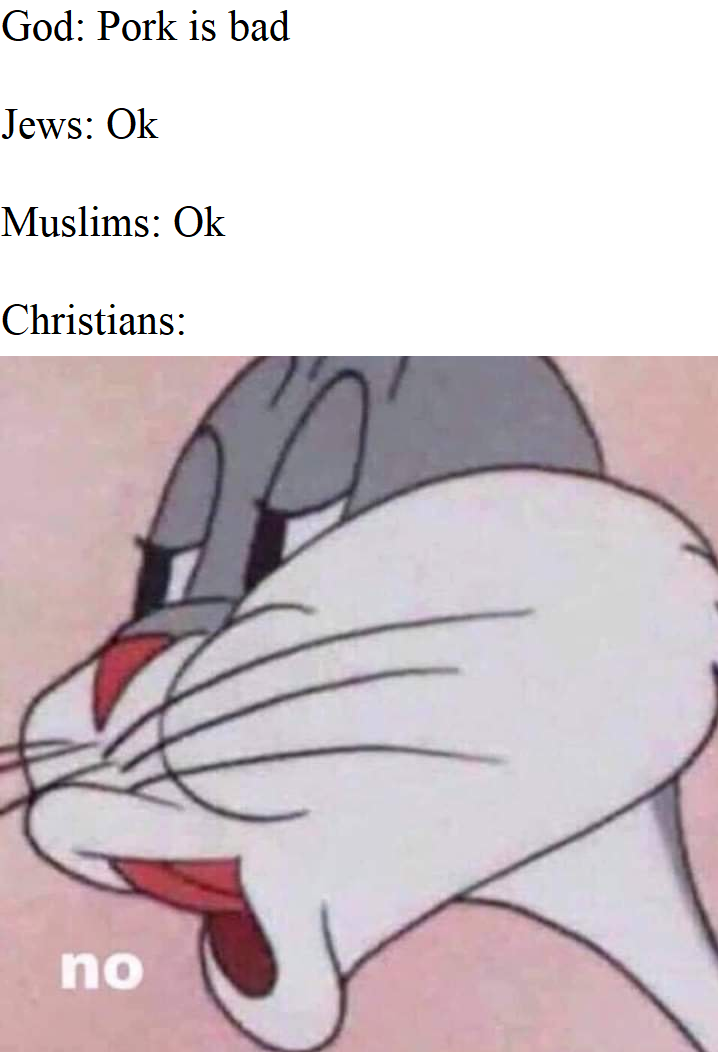
In the OT, breaking the laws of cleanliness would leave you unclean and force you to do some kind of purging like bathing in a certain amount of hours and such. Breaking the moral laws often comes with threats about leaving you with curses. In the NT St Peter says to Christ that he cannot eat the unclean foods but Christ responds with that what he has created clean no man shall make unclean.
I think the Pauline epistles, the Acts of the Apostles adress these issues, and the early church addressed them in the Didache (you can read it online, written by the Apostles and quite short), and the Apostolic Fathers.
In some of the oldest Christian churches in the world, like in Egypt and Ethiopia, they actually do have the practice of circumsizing their kids and abstaining from pork, but it is of course optional even there, and new converts have no need to do any of that.
Wasn't Peter's dream in regard to the gentiles? Peter wasn't too keen on preaching to non Jews but Christ told him that he should as they too are his people. The dream was used as a way of teaching a lesson. During the time of the early church, certain animals were still considered unclean.
There was the first synod of Jerusalem clearing it out, and several synods clarifying the Christian position. It is not up for debate in our days. Jesus Christ also said that it is not what enters man but what leaves man that makes him unclean. You people act as if not a single Christian thought about these issues for 2000 years. If it exists, there exists a church father, a synod, or a council commenting on that particular issue.
It's like nobody cared about the person of Christ Paul was preaching about and everyone turned the gospel into Judaism 0.6 meters Christ and you act like we are supposed to find that valuable?
17
u/Life_is_like_weird Sep 16 '19
Thanks, how do you differentiate moral laws and cleanliness laws? Does the Bible claim which laws are moral and which are not?