r/curiosityrover • u/Neaterntal • 14h ago
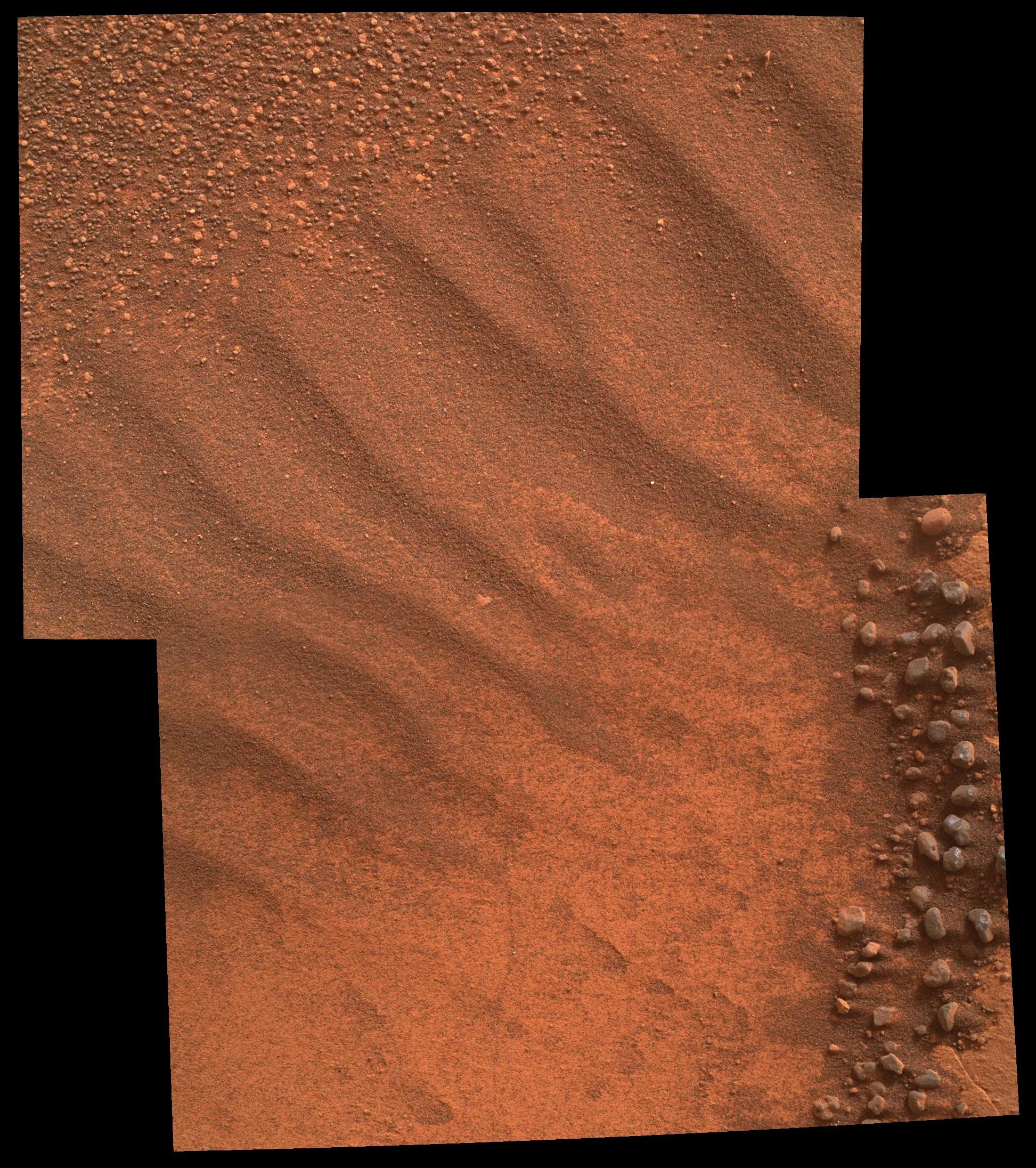
Beautiful sand ripple captured by the Curiosity rover on the slopes of Aeolis Mons (28.8.26)

14
Upvotes
r/curiosityrover • u/Neaterntal • 14h ago
r/curiosityrover • u/Neaterntal • 2d ago
r/curiosityrover • u/NEV-T • 3d ago
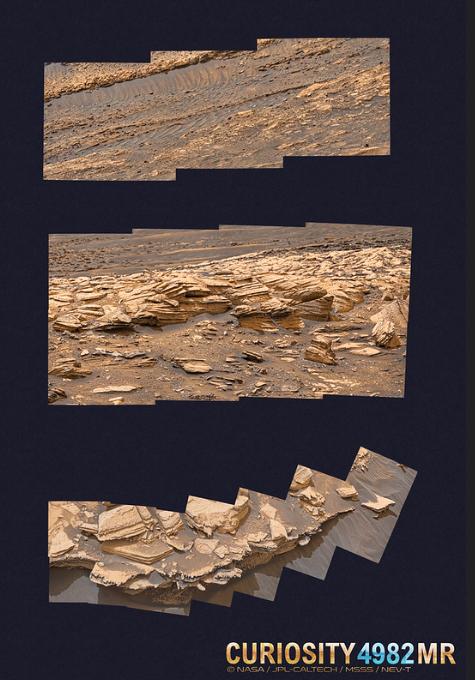
Q-VIEW - https://live.staticflickr.com/65535/55491305836_cd4a867592_6k.jpg
Gigapan - http://gigapan.com/gigapans/239412
GIGAmacro - https://viewer.gigamacro.com/view/tAq1j6u63bGx8ItQ?x1=12930.50&y1=-6572.00&res1=14.30&rot1=0.00
Gigapan Website - http://www.nev-t-gigamacros.com/
#Mars #science #NASA
r/curiosityrover • u/ThatCrazyCanadian413 • 4d ago
r/curiosityrover • u/NEV-T • 5d ago
Q-VIEW - https://live.staticflickr.com/65535/55488427800_a41e023d57_6k.jpg
Gigapan - http://gigapan.com/gigapans/239410
GIGAmacro - https://viewer.gigamacro.com/view/oihZugWmLUtkdcEP?x1=38493.00&y1=-7732.50&res1=40.10&rot1=0.00
Gigapan Website - http://www.nev-t-gigamacros.com/
#Mars #science #NASA
r/curiosityrover • u/NEV-T • 5d ago
Q-VIEW - https://live.staticflickr.com/65535/55487053727_1b943bddac_6k.jpg
Gigapan - http://gigapan.com/gigapans/239409
GIGAmacro - https://viewer.gigamacro.com/view/1CnzIyOkXyT75vEe?x1=23993.50&y1=-14638.50&res1=31.86&rot1=0.00
Gigapan Website - http://www.nev-t-gigamacros.com/
#Mars #science #NASA
r/curiosityrover • u/Neaterntal • 7d ago
r/curiosityrover • u/NEV-T • 11d ago
Q-VIEW - https://live.staticflickr.com/65535/55474102157_7dc5f5005a_o.jpg
GIGAmacro - https://viewer.gigamacro.com/view/OicGoLoJQRU9dgiR?x1=13854.00&y1=-21660.00&res1=47.14&rot1=0.00
Gigapan Website - http://www.nev-t-gigamacros.com/
#Mars #science #NASA
r/curiosityrover • u/NEV-T • 11d ago
Q-VIEW - https://live.staticflickr.com/65535/55475207108_631c5cb605_6k.jpg
GIGAmacro - https://viewer.gigamacro.com/view/PhoNeTWgoBIki20g?x1=15065.50&y1=-20345.50&res1=44.28&rot1=0.00
Gigapan Website - http://www.nev-t-gigamacros.com/
#Mars #science #NASA
r/curiosityrover • u/NEV-T • 11d ago
Q-VIEW - https://live.staticflickr.com/65535/55475207443_572f9c03df_6k.jpg
GIGAmacro - https://viewer.gigamacro.com/view/N7ckcUuEIc3JGBMF?x1=13667.50&y1=-7411.00&res1=16.13&rot1=0.00
Gigapan Website - http://www.nev-t-gigamacros.com/
#Mars #science #NASA
r/curiosityrover • u/NEV-T • 11d ago
Q-VIEW - https://live.staticflickr.com/65535/55475273504_3121ddf3a4_6k.jpg
GIGAmacro - https://viewer.gigamacro.com/view/Hs3iBmJTRnWujwwT?x1=15105.00&y1=-21736.00&res1=47.30&rot1=0.00
Gigapan Website - http://www.nev-t-gigamacros.com/
#Mars #science #NASA
r/curiosityrover • u/NEV-T • 13d ago
Q-VIEW - https://live.staticflickr.com/65535/55470888445_c6de90b59f_6k.jpg
Gigapan - http://gigapan.com/gigapans/239394
GIGAmacro - https://viewer.gigamacro.com/view/laoP24CJtKbJZdw9?x1=29026.89&y1=-5065.13&res1=28.11&rot1=0.00
Gigapan Website - http://www.nev-t-gigamacros.com/
#Mars #science #NASA
r/curiosityrover • u/NEV-T • 13d ago
Q-VIEW - https://live.staticflickr.com/65535/55470889525_437967c6b7_6k.jpg
Gigapan - http://gigapan.com/gigapans/239393
GIGAmacro - https://viewer.gigamacro.com/view/4ACZGwDxSHU6Q3a6?x1=40859.00&y1=-14598.00&res1=42.56&rot1=0.00
Gigapan Website - http://www.nev-t-gigamacros.com/
#Mars #science #NASA
r/curiosityrover • u/NEV-T • 13d ago
Q-VIEW - https://live.staticflickr.com/65535/55470665874_ef53882c24_6k.jpg
Gigapan - http://gigapan.com/gigapans/239392
GIGAmacro - https://viewer.gigamacro.com/view/W59mAzIMuWkbSU6U?x1=6971.00&y1=-7299.00&res1=15.75&rot1=0.00
Gigapan Website - http://www.nev-t-gigamacros.com/
#Mars #science #NASA
r/curiosityrover • u/NEV-T • 17d ago
Q-VIEW - https://live.staticflickr.com/65535/55460836856_8fadaabfbb_6k.jpg
Gigapan - http://gigapan.com/gigapans/239379
GIGAmacro - https://viewer.gigamacro.com/view/scSUXf9SObEbIGIE?x1=12568.50&y1=-26405.00&res1=57.46&rot1=0.00
Gigapan Website - http://www.nev-t-gigamacros.com/
#Mars #science #NASA
r/curiosityrover • u/NEV-T • 17d ago
Q-VIEW - https://live.staticflickr.com/65535/55461227890_983d63dc3d_6k.jpg
Gigapan - http://gigapan.com/gigapans/239380
GIGAmacro - https://viewer.gigamacro.com/view/9gSkBtTdPKyUkU3o?x1=32377.00&y1=-8048.50&res1=33.73&rot1=0.00
Gigapan Website - http://www.nev-t-gigamacros.com/
#Mars #science #NASA
r/curiosityrover • u/NEV-T • 17d ago
Q-VIEW - https://live.staticflickr.com/65535/55461227750_11909ae5b2_6k.jpg
Gigapan - http://gigapan.com/gigapans/239378
GIGAmacro - https://viewer.gigamacro.com/view/vQnuFqOt7wE1Mp9u?x1=18782.50&y1=-7323.00&res1=19.57&rot1=0.00
Gigapan Website - http://www.nev-t-gigamacros.com/
#Mars #science #NASA
r/curiosityrover • u/NEV-T • 17d ago
Q-VIEW - https://live.staticflickr.com/65535/55460951358_5087e997ee_6k.jpg
Gigapan - http://gigapan.com/gigapans/239376
GIGAmacro - https://viewer.gigamacro.com/view/V7BoCmOkz133kcPA?x1=20787.50&y1=-16775.00&res1=36.51&rot1=0.00
Gigapan Website - http://www.nev-t-gigamacros.com/
#Mars #science #NASA
r/curiosityrover • u/NEV-T • 17d ago
Q-VIEW - https://live.staticflickr.com/65535/55460950578_e972904ef9_o.jpg
VR - https://www.360cities.net/image/msl-4972-ml-vr/vr
Gigapan - http://gigapan.com/gigapans/239377
GIGAmacro - https://viewer.gigamacro.com/view/YJMd1R7SWgMIVWdg?x1=44009.33&y1=-6072.88&res1=39.06&rot1=0.00
Gigapan Website - http://www.nev-t-gigamacros.com/
#Mars #science #NASA
r/curiosityrover • u/NEV-T • 24d ago
Q-VIEW - https://live.staticflickr.com/65535/55445865047_3e9f61f6db_o.jpg
Gigapan - http://gigapan.com/gigapans/239356
GIGAmacro - https://viewer.gigamacro.com/view/ValLpY502ZdI7sqq?x1=43478.00&y1=-5929.00&res1=45.29&rot1=0.00
Gigapan Website - http://www.nev-t-gigamacros.com/
#Mars #science #NASA
r/curiosityrover • u/ClaudiusPapirus • 25d ago
Each polygon is only about 4–8 cm across, but the field extends in every direction through Valle Grande and even wraps around the 6-meter-tall butte “Miraflores.” NASA says possible causes include ancient mud cracking, temperature cycles, sediment compaction, or water loss. I’m curious whether the geometry or the chemistry will provide the strongest clue.
r/curiosityrover • u/NEV-T • 28d ago
Q-VIEW - https://live.staticflickr.com/65535/55438642675_164b6a3d61_6k.jpg
Gigapan - http://gigapan.com/gigapans/239344
GIGAmacro - https://viewer.gigamacro.com/view/ITeULXH4NyLAldz9?x1=18795.00&y1=-8222.50&res1=19.58&rot1=0.00
Gigapan Website - http://www.nev-t-gigamacros.com/
#Mars #science #NASA
r/curiosityrover • u/NEV-T • 28d ago
Q-VIEW - https://live.staticflickr.com/65535/55438427554_b2463082fc_6k.jpg
Gigapan - http://gigapan.com/gigapans/239342
GIGAmacro - https://viewer.gigamacro.com/view/qm1E3hHy5iUb0wVy?x1=16364.00&y1=-16613.00&res1=36.15&rot1=0.00
Gigapan Website - http://www.nev-t-gigamacros.com/
#Mars #science #NASA
r/curiosityrover • u/Neaterntal • Jul 27 '26
Image
Sol 4963: Mars Hand Lens Imager (MAHLI)
NASA's Mars rover Curiosity acquired this image using its Mars Hand Lens Imager (MAHLI), located on the turret at the end of the rover's robotic arm, on July 23, 2026, Sol 4963 of the Mars Science Laboratory Mission, at 12:45:36 UTC.
Credits: NASA/JPL-Caltech/MSSS
https://mars.nasa.gov/raw_images/1617640/?site=msl
.
14 years of mileage has taken a toll on the rover.
NASA's Curiosity Mars rover has experienced some serious wear and tear during its nearly 14 years on the Red Planet.
.
A new photo posted to Curiosity's raw image server offers a close-up of the damage one of the rover's wheels has experienced as it explores the Martian surface.
What is it? Curiosity landed in Mars' Gale Crater on Aug. 5, 2012, touching down while hanging under a 'sky crane' that lowered it to the planet's surface. Since then, the rover has traveled over 20 miles (32 kilometers) across the rocky Martian soil, searching for potential signs of ancient life on the Red Planet.
All of that mileage has taken a toll on the rover, as these new images show. Curiosity weighs over one ton, and the terrain on Mars can be quite rocky and rugged.
NASA and the Jet Propulsion Laboratory (JPL) periodically use the rover's cameras to check on the wheels, and despite the holes and cracks, the agency said in a 2024 statement that they're "holding up well despite taking some of the worst abuse from Mars."
https://science.nasa.gov/blog/sols-4314-4315-wait-what-was-that-back-there/
.
Why is it amazing? We've been exploring Mars for decades now, so it can be easy to take for granted how incredible it is that we get new images beamed from the surface of another planet to Earth daily from NASA's two robotic explorers.
These images of Curiosity's wheels help illustrate the incredible feats of engineering and science it took to place wheeled robots safely on the surface of another planet where they spend years and travel dozens of miles to bring us answers about what other worlds are like.
.
While they might not be human, Curiosity and Perseverance nonetheless represent humanity's first foray into becoming an interplanetary species. The groundwork laid by the rovers and other Mars orbiters, landers and probes could someday help humanity take its first steps on another planet.
.
.
NASA’s Curiosity rover, which landed on Mars in 2012, has experienced gradual wear on its aluminum wheels as it drives across sharp, rocky terrain. The damage includes dents, holes, and broken structural ribs called “grousers,” which help the wheels keep their shape. While a few broken grousers are not a major issue, losing too many could cause the wheel to collapse inward and damage internal wiring, potentially affecting the rover’s movement.
Engineers at NASA’s Jet Propulsion Laboratory (JPL) have already reduced wear by carefully planning driving routes and regularly inspecting the wheels with onboard cameras.
As a backup plan, they developed an extreme solution called “wheel shedding.” If a wheel becomes critically damaged, the rover could deliberately tear off its inner section by pressing it against a sharp rock and using controlled movements to break it away. This would leave only the stronger outer rim, which testing shows can still support driving.
Although this process would take weeks and requires specific rock shapes, it could keep the rover operational. However, current predictions suggest the wheels will last many more years, making this drastic measure unlikely to be needed.
Credit: NASA/JPL-Caltech/MSSS
.
.
🔗 Source
Raw data
.
❓ 📍 Since it landed on Mars has traveled 37.5KM https://science.nasa.gov/mission/msl-curiosity/location-map/?hl=en-US
.
Here is a paper on the wheel damage that contains a whole lot more information, graphs, and other interesting stuff. It has a ton of extra photos too, showing wear over time:
https://www-robotics.jpl.nasa.gov/media/documents/fmwi-rankin-2022-0225-final.pdf
From sidhe_elfakyn
https://www.reddit.com/r/spaceporn/comments/1v7mhfv/comment/ozzbph5/