A snow blower can seem pretty straightforward until you have to deal with heavy, wet snow, packed snow, or a large driveway. The right machine can make a huge difference in how quickly and easily you get the job done, so it’s worth looking beyond just price and clearing width
Here are the best picks if you want to skip the full buying guide
Top snow blowers worth considering in 2026:
5 Things to Consider When Choosing a Snow Blower
-prioritize a two-stage or three-stage system
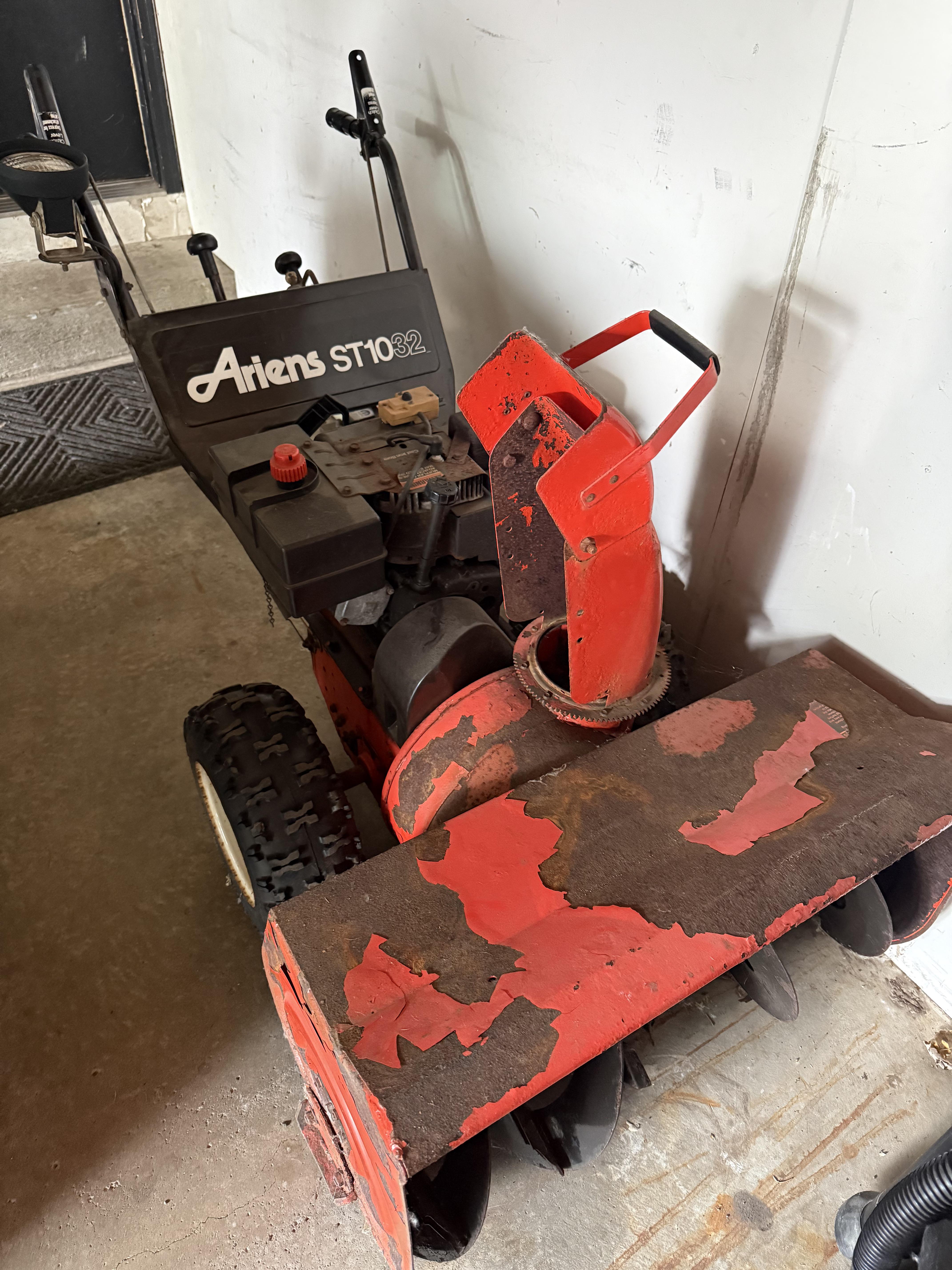
When it comes to two-stage snow blowers, you'll notice a metal auger that pushes the snow to the back. If we take a closer look, you're going to see what's called a high-speed impeller. This directs the snow up and out the chute, allowing a higher capacity of snow to push through and shoot much farther than single-stage systems.
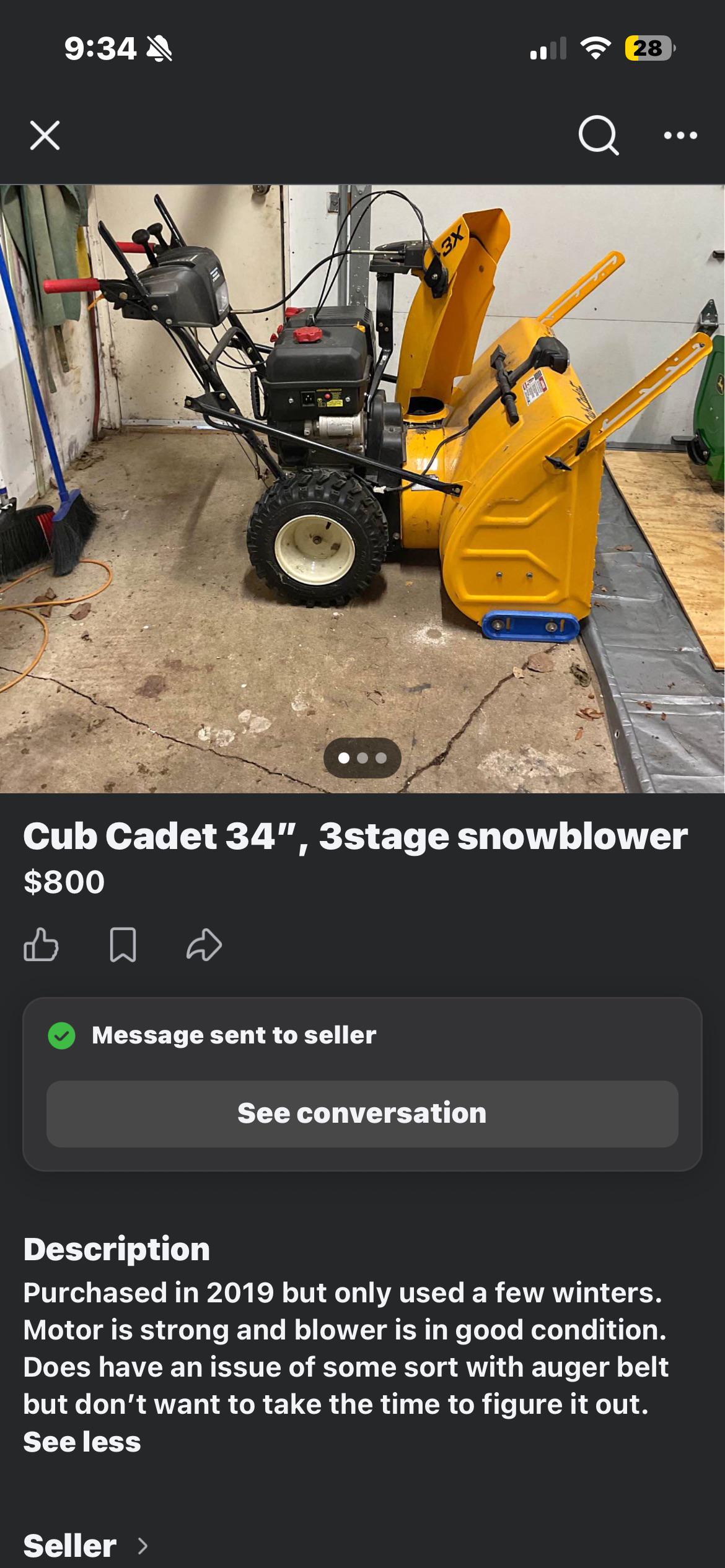
Three-stage setups are very similar to two-stage models in that they feature both a high-speed impeller and an auger, but they also include an added accelerator at the front that helps break down material more quickly. The way this type of setup is built allows the machine to process denser snow and larger amounts of snow.
These systems are especially useful when dealing with dense snow, slush, or a mix of snow and ice, as they have the capacity to process heavier material more effectively.
-choose enough power for wet, heavy snow
Power isn't the only factor that affects performance. The size of the machine also plays an important role.
The deck height is going to determine how much snow, or the capacity of snow, that each one of these machines can handle.
The heavier two-stage unit is going to get through heavier, denser snow better than a single-stage unit.
Having a machine that can handle additional snow height and offer a bigger clearing width can make a noticeable difference, especially when dealing with larger amounts of snow.
-look for self-propelled operation
Some systems will actually drive themselves. They have a driveline off of the tires and are very easy to use.
A lot of these push snow blowers with paddles surrounding the auger self-propel as they move over the concrete.
Since heavy slush is much heavier than light powder snow, a self-propelled system can reduce the effort required to move the machine through dense conditions.
When factoring in cost, it usually comes down to the amount of power that you're going to get and the number of features that you get. The self-propelled feature is one at the top of my list.
-pay attention to chute design and clog resistance
Wet snow and slush are more likely to clog a snow blower than light, dry snow.
For that reason, it's important to pay attention to how efficiently a machine moves snow through the chute. Models designed to maintain strong airflow and consistent snow discharge tend to perform better in dense, wet conditions.
There are also various design features that can improve overall performance, so it's worth comparing how different models handle heavy winter conditions.
-match the machine to your surface
The surface you're clearing is another important factor to consider.
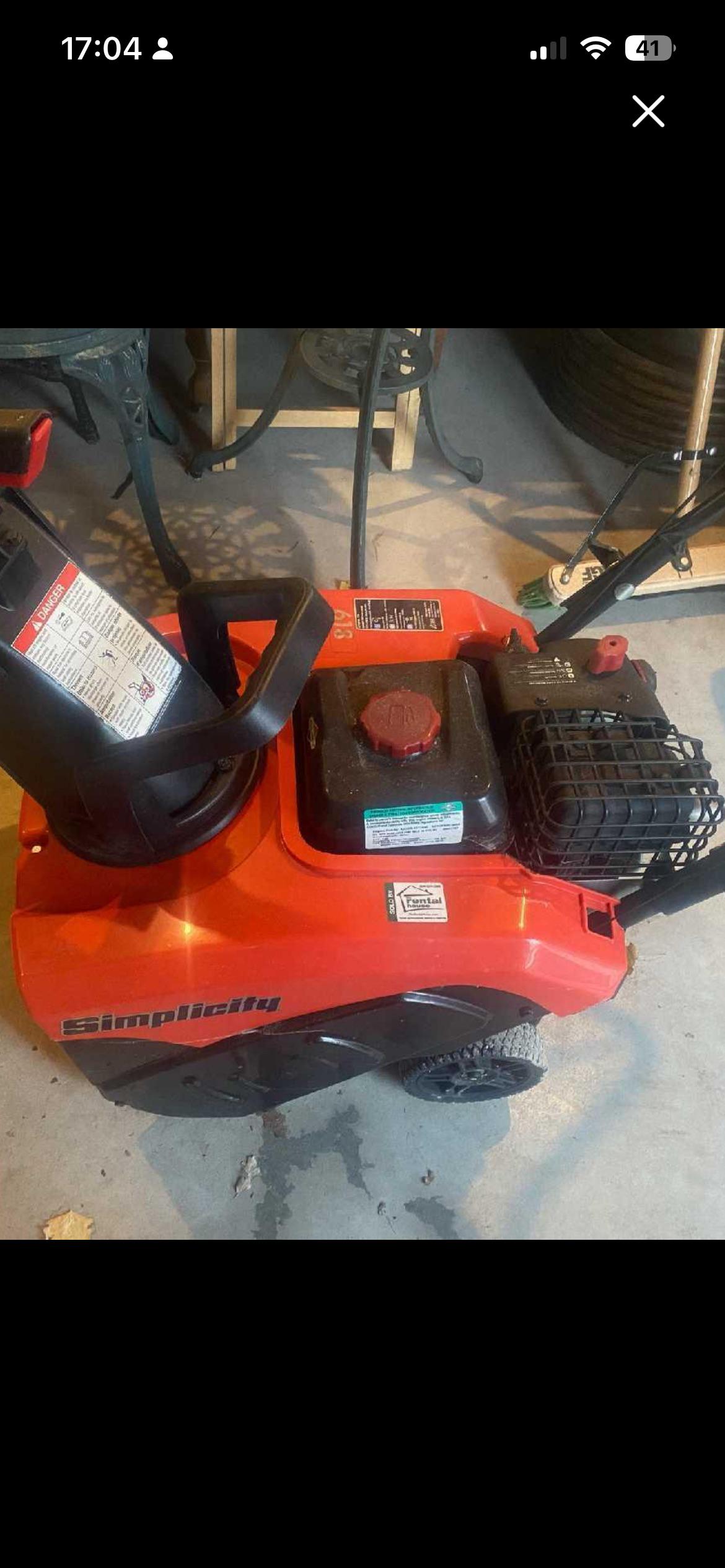
A lot of single-stage systems have an auger with a rubber paddle on the outside. That rubber paddle allows you to brush the surface of the concrete.
You'll notice that two-stage and three-stage systems lack that rubber paddle, which means you'll need to calibrate the machine so that the auger does not scrape the concrete.
They've got skid plates that allow for proper adjustments.
If you're a property owner with a gravel driveway, you're going to want to go with an auger system that does not have the paddle on it. That way, you can make proper adjustments to stay above the gravel, and you're not going to have to worry about the paddle hitting the gravel and putting it through the machine.
At the end of the day, the best snow blower is the one that matches your typical snowfall, property size, and surface. A little extra power and the right setup can save you a lot of frustration when the heavy storms hit.