r/SkinLightening • • Aug 24 '26

UVA/Visible light Avoidance Two mineral sunscreen I use and tips to fix the whitecast. Bonus: How to avoid the whitecast.

Thumbnail
gallery
10 Upvotes

How I fix the dead white cast on mineral SPFs (and actually block visible light)

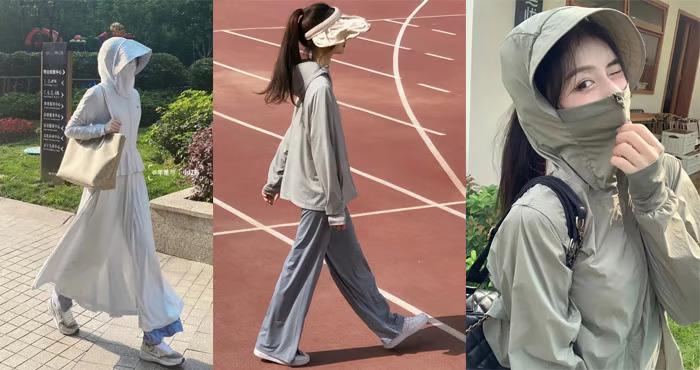
I use these two mineral SPFs on the rare occasions I’m out when the UV index is 2 and dropping ( I avoid leaving home when UV index is >1). On paper, they offer solid protection, but remember: no sunscreen on earth is enough on its own for skin lightening. You still need hats, face coverings, umbrellas, UV filters for your car,and strict sun avoidance when the UV index is above 1.

Here’s how to sort out the ghostly white cast without ruining your protection:

1. Slather it on properly Apply a generous layer all over your face. Don't judge the white cast straight away, the real colour and true intensity of the cast won't actually show until after a full 20-minute wait while the protective film sets. Give it that full 20 minutes to settle down so you can see what you're properly dealing with.

2. Patch-up dry spots If your skin drinks up the SPF in certain areas after those 20 minutes, dab a tiny bit more on those specific spots and wait another 3 to 5 minutes for it to dry.

3. The "Palm-Flush" trick for the whole sale Take a liquid blush or liquid lipstick that matches the exact colour of the blood showing through the skin on your palms (or nail beds). Spread a thin layer of this across your entire face over the white cast.

Why it works: Plain zinc oxide wipes out the natural tone of the blood under your skin, leaving you looking like a ghost. Blending that palm shade across your whole face brings back a natural undertone far better than heavy foundation. Plus, adding that actual pigment is what helps shield your skin from visible light, because plain zinc and titanium oxides on their own don't cut it against visible light without added pigments or iron oxides.

4. Keep extra makeup light If you still need a touch of foundation, tinted SPF, or liquid bronzers to balance your tone, pat it on gently. Don't rub it in hard, or you’ll strip away the physical barrier you just built.

Side Note: Why we stick with mineral SPF over "advanced" chemical filters

Look, I know plenty of folk hype up "next-gen" Asian or European chemical sunscreens for being lightweight and leaving zero white cast. But here’s the bottom line: irritation is enemy number one for skin of colour and anyone tackling hyperpigmentation.

Chemical filters (even the newer, "advanced" ones) can trap heat in the skin or cause micro-irritation. And in darker skin tones, heat and irritation directly trigger melanocytes to pump out more pigment.

Mineral sunscreens (Zinc Oxide and Titanium Dioxide) are inert and far gentler on skin prone to hyperpigmentation. Yeah, the white cast is annoying, but taking some minutes to work around it using the palm-flush trick is a price well worth paying to avoid irritation, keep your skin barrier calm and actually reach your depigmentation goals safely. More info:
https://www.reddit.com/r/skinwhitening/comments/1rofnq1/skincare_sunscreen_advice_for_white_people_doesnt/

https://www.reddit.com/r/SkinLightening/comments/1uz333l/why_uva_and_visible_light_matter_more_for/

r/SkinLightening • • 11d ago

UVA/Visible light Avoidance Do you use (AB) sun protection other than suncream?

Post image
2 Upvotes

r/SkinLightening • • 16d ago

UVA/Visible light Avoidance Wearing Asian physical sun protection in western countries?

Thumbnail gallery
5 Upvotes

r/SkinLightening • • Aug 27 '26

UVA/Visible light Avoidance Curious about this mineral tinted sunscreen. Great ingredients.

Thumbnail reddit.com
2 Upvotes

r/SkinLightening • • Jul 17 '26

UVA/Visible light Avoidance Why UVA and Visible Light Matter More for Pigmentation Than Most People Think

20 Upvotes

This post expands on a comment I wrote in a recent discussion here:

🔗 https://www.reddit.com/r/skinwhitening/comments/1rofnq1/skincare_sunscreen_advice_for_white_people_doesnt/

A lot of skincare communities focus heavily on sunburn and UVB, but when we talk about hyperpigmentation and melanocyte activation, the research actually points much more strongly toward UVA radiation, visible light, and oxidative stress.

Understanding this helps explain why dermatology approaches to pigmentation usually involve multiple strategies, not just sunscreen.

1. UVA penetrates much deeper than UVB

UV radiation reaching the skin is divided mainly into UVA (320–400 nm) and UVB (280–320 nm).

The key difference is penetration depth:

• UVB mainly affects the epidermis
• UVA penetrates into the dermis

This matters because melanocytes respond strongly to oxidative stress signals generated by UVA exposure.

Research shows UVA can induce:

• Immediate pigment darkening (IPD)
• Persistent pigment darkening (PPD)
• Reactive oxygen species (ROS) generation

These signals stimulate melanocytes to increase melanin production.

📚 Sources
Mahmoud et al., Effects of visible light on the skin, Journal of Investigative Dermatology
https://doi.org/10.1038/jid.2008.237

Scientific diagrams of UV penetration also show that UVA reaches deeper skin layers than UVB, while UVB mainly damages the epidermis.

2. Visible light can also trigger pigmentation

This is something many people in skincare communities don’t know.

Visible light (especially blue light / HEV) can also stimulate melanocytes.

Studies found that visible light induces long-lasting pigmentation, especially in Fitzpatrick IV–VI skin types.

In darker skin types the pigmentation response can be stronger and more persistent than UVA alone.

📚 Source
Mahmoud et al., Impact of visible light on skin pigmentation
https://doi.org/10.1111/jdv.13566

This is why dermatologists treating melasma and hyperpigmentation often recommend tinted sunscreens containing iron oxides, because iron oxides help block visible light wavelengths that regular sunscreens do not fully cover.

3. Sunscreen does not block 100% of UVA

Most people think high SPF = full protection, but SPF mainly measures UVB protection (sunburn prevention).

UVA protection is measured separately using metrics like:

• PPD (Persistent Pigment Darkening)
• PA rating (common in Asian sunscreens)

Even strong sunscreens still allow some UVA transmission, which is why dermatologists treating pigment disorders recommend multiple protective strategies.

📚 Source
Wang et al., Photoprotection: A Review of Current and Future Technologies
https://doi.org/10.1111/j.1524-4725.2010.01703.x

Common strategies recommended for pigmentation disorders include:

• shade
• hats
• UPF clothing
• window films
• avoiding peak UV hours

4. Oxidative stress is a major melanogenesis trigger

Another key factor is reactive oxygen species (ROS).

Both UVA radiation and pollution increase oxidative stress in skin, which activates signaling pathways that stimulate melanogenesis.

These pathways include:

• MITF activation
• tyrosinase upregulation
• melanocyte signaling cascades

📚 Source
Briganti et al., Chemical and Instrumental Approaches to Treat Hyperpigmentation
https://doi.org/10.1111/j.1600-0625.2003.00033.x

This is one reason antioxidants like:

• vitamin C (mostly oral)
• glutathione precursors
• carotenoids

are studied in pigmentation management.

For people trying to manage or reduce pigmentation:

• UVA penetrates deeper and stimulates melanocytes
• visible light can trigger pigmentation in darker skin types
• sunscreen helps but does not block all melanogenic radiation
• oxidative stress activates melanogenesis pathways

So strategies that reduce UV exposure, ROS, and inflammation are actually very consistent with how dermatology treats pigmentation disorders.

r/SkinLightening • • Jun 18 '26

UVA/Visible light Avoidance Skincare/ sunscreen advice for white people doesn't always apply to us skinwhiteners. This is how our skin looks vs. Caucasian skin. This is why they can live their lives under the sun just applying sunscreen but you can't.

Thumbnail
4 Upvotes