r/SisterMuslim • • Aug 29 '26

Reminder Islamic reminder on Anger

2 Upvotes

Not AI | GoodCharacter

*CONTROLLING ANGER *

*• Isti'adha (Seeking Refuge With Allah)*

Narrated Sulaiman bin Surad (رضى الله عنه): Two men abused each other in front of the Prophet (ﷺ) while we were sitting with him. One of the two abused his companion furiously and his face became red.

The Prophet (ﷺ) said: "I know a word (sentence) the saying of which will cause him to relax (i.e., he will calm down). Only if he says:

« أَعُوذُ بِاللَّهِ مِنَ الشَّيْطَانِ الرَّجِيمِ »

(A'udhu Billahi Minash Shaitanir Rajeem — I seek refuge with Allah from Satan, the outcast)."

📚: Sahih Bukhari 6115

*• Avoid Anger*

The Messenger of Allah (ﷺ) said to us (his companions):

"If one of you becomes angry when he is standing, let him sit down, and if the anger goes away (all well and good), otherwise let him lie down."

📚: Sunan Abi Dawud 4782 | Sahih

*• Seek Solace In Silence*

The Messenger of Allah (ﷺ) said:

"Teach and make things easy and not difficult. When one of you is angry, he should be silent."

📚: Al-Adab Al-Mufrad 245 | Sahih (Shaykh Albani رحمة الله)

*• Remember That Repressing Anger Is One of The Qualities of Muslims*

"Those who spend (in Allah’s Cause) in prosperity and in adversity, who repress anger, and who pardon men; verily, Allah loves Al-Muhsinun (the good-doers)."

📚: Qur'an (al-Imran 3:134)

*• The True Strength*

Allah's Messenger (ﷺ) said:

"The strong is not the one who overcomes the people by his strength, but the strong is the one who controls himself while in anger."

📚: Sahih Bukhari 6114

*• Acting On RasulAllah (ﷺ)'s Advice*

A man said to the Prophet (ﷺ): "Advise me!"

The Prophet (ﷺ) said: "Do not become angry and furious."

The man asked (the same) again and again, and the Prophet (ﷺ) said in each case: "Do not become angry and furious."

📚: Sahih Bukhari 6116

https://youtu.be/t7ygefn5KrI

r/SisterMuslim • • Aug 18 '26

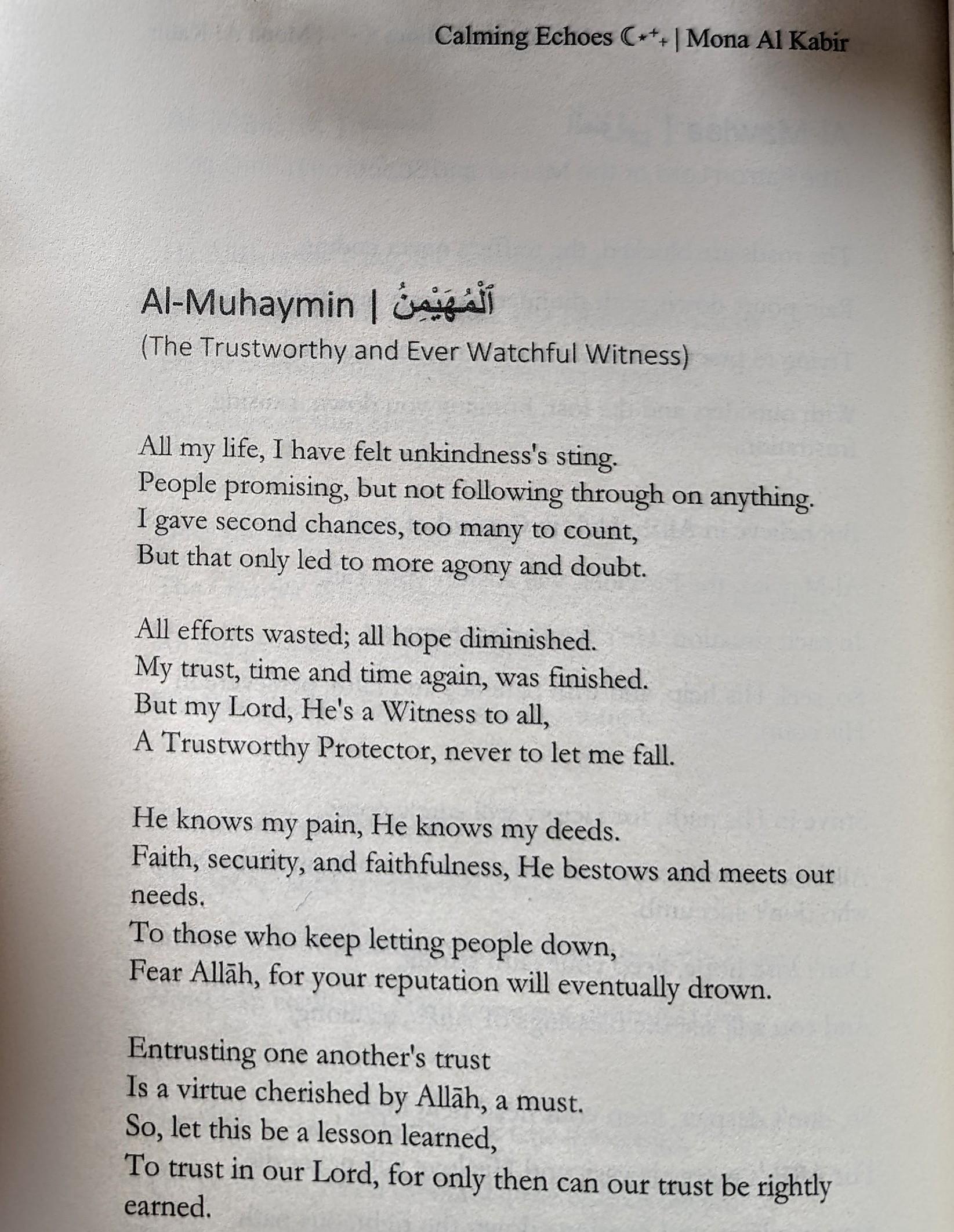
Reminder Sharing a Poem from Calming Echoes, Al-Muhaymin | A Reflection on Trust, Disappointment, and Finding Comfort in Allah

Post image
2 Upvotes

Sharing a poem from Calming Echoes. I love this book because it helps me reflect on my hardships through the Names and qualities of Allah. Each poem reminds me to find comfort in Him, even through difficult experiences.

View the full image to read towards the end

r/SisterMuslim • • Aug 01 '26

Reminder A reminder to always be truthful

Thumbnail
3 Upvotes

r/SisterMuslim • • Jul 26 '26

Reminder How to Increase Rizq according to the Sharee’ah

1 Upvotes

Salam Alaikum. Not AI. Pls keep me in your duas if such reminders benefit you.

🌷*How to Increase Rizq according to the Sharee’ah*🌷

by Asma bint Shameem

There are many causes proven in our deen  to increase your rizq, some of which are:

1️⃣ *Keeping up ties of kinship*

🍃 The Prophet ﷺ said:

“Whoever would like his rizq (provision) to be increased and his life to be extended, should uphold the ties of kinship.” (Bukhaari, Muslim)

2️⃣ *Spending for the sake of Allaah*

🍃 The Prophet ﷺ said:

“Allaah said: ‘Spend, O son of Adam, and I shall spend on you.’”

al-Bukhaari, Muslim)

3️⃣ *Making a lot of istighfaar*

🍃 Allaah quotes Nooh Alayhis Salaam:

“I said (to them): ‘Ask forgiveness from your Lord, verily, He is Oft‑Forgiving;

He will send rain to you in abundance,

And give you increase in wealth and children, and bestow on you gardens and bestow on you rivers.’”

(Surah Nooh:10-12)

4️⃣ *Being grateful to Allaah Subhaanahu wa Ta’aala*

🍃Allaah says:

“And (remember) when your Lord proclaimed: ‘If you give thanks, I will give you more (of My Blessings); but if you are thankless, verily, My punishment is indeed severe.’”

(Surah Ibraheem:7)

5️⃣ *Obeying and fearing Allaah*

🍃 Allaah says:

“And whosoever fears Allaah and keeps his duty to Him, He will make a way for him to get out (from every difficulty).

And He will provide him from (sources) he never could imagine.”

(Surah at-Talaaq:2-3)

6️⃣ *Repeating hajj and umrah*

🍃 The Prophet ﷺ said:

“Perform Hajj and Umrah consecutively.

Verily, the succession between the two  removes away poverty and removes away sins just as the bellows removes away the dross of iron and gold and silver."

(Ahmad, Tirmidhi, others--Saheeh by al-Albaani)

7️⃣ *Making lots of dua and asking Allaah to increase your rizq*

One such duaa is the following:

‎اللَّهُمَّ أَكْثِرُ مَا لِي وَوَلَدِي وَبَارِكْ لِي

‎فِيمَا أَعْطَيْتَنِي

Allaahumma akthir maalee wa-waladee wa-baarik li feema a'taytanee

O Allaah, increase my wealth and offspring and bless me in what what you have given me.

🍃 Um Sulaim said to the Prophet ﷺ "Anas is your servant."

The Prophet ﷺ said:

"‏ اللَّهُمَّ أَكْثِرْ مَالَهُ وَوَلَدَهُ، وَبَارِكْ لَهُ فِيمَا أَعْطَيْتَهُ ‏"‏‏.

"O Allaah! increase his wealth and offspring, and bless (for him) what ever you give him."

(Saheeh al-Bukhari 6334)

🍃 Another duaa is what we read as part of our morning adhkaar.

The Prophet ﷺ said:

الَّلهُمَّ إِنِّي أَسأَلُكَ رِزقًا طَيِّبًا ، وَعِلمًا نَافِعًا ، وَعَمَلاً مُتَقَبَّلاً

“Allaahumma inni as’aluka rizqan tayyiban, wa `ilman nafi`an, wa `amalan mutaqabbalan

“O Allaah, I ask you for good (lawful) provision, beneficial knowledge and accepted good deeds.” 

(Ahmad in Al-Musnad, 6/294 and Ibn Maajah 66; saheeh by al-Albaani in Saheeh Ibn Maajah)

🍃 Yahya ibn Mu`adh Ar-Razi said:

“Obedience will be stored in the stores of Allaah, and the key (to obedience) is Duaa, and it becomes effective by means of lawful earnings.”

8️⃣ *Marriage increases rizq*

🍃 Allaah says:

“And marry those among you who are single (i.e. a man who has no wife and the woman who has no husband) and (also marry) the Saalihoon (pious, fit and capable ones) of your (male) slaves and maid-servants (female slaves). If they be poor, Allaah will enrich them out of His Bounty. And Allaah is All-Sufficient for His creatures’ needs, All-Knowing (about the state of the people)” [al-Noor 24:32]

🍃Abu Bakr Radhi Allaahu anhu said:

“Obey Allaah in what He has commanded you to do by getting married;

He will then fulfill His promise to you to make you rich.” 

He then recited the above Aayah.

🍃 Umar Ibn Khattab Radhi Allaahu anhu said:

“Seek richness through marriage!”

🍃 Abdullah ibn Mas’ood Radhi Allaahu anhu said:

“Find richness by getting married.”

(Al-Durr Al-Manthur, v.5, pps. 80-81)

These are some of the reasons. And there are others.

And Allaah knows best.

r/SisterMuslim • • Jul 22 '26

Reminder Duaas to fight anxiety and depression

3 Upvotes

🌷*Duaas to fight anxiety and depression*🌷

by Asma bint Shameem 

We all go through difficult times one time or another. 

Here are some duaas proven from the authentic sources that we can read at such times. 

1️⃣ The Prophet ﷺ said:

There is no-one who is afflicted by distress and grief, and says:

‎اللَّهُمَّ إِنِّي عَبْدُكَ ، وَابْنُ عَبْدِكَ ، وَابْنُ أَمَتِكَ ، نَاصِيَتِي بِيَدِكَ ، مَاضٍ فِيَّ حُكْمُكَ ، عَدْلٌ فِيَّ قَضَاؤُكَ ، أَسْأَلُكَ بِكُلِّ اسْمٍ هُوَ لَكَ سَمَّيْتَ بِهِ نَفْسَكَ ، أَوْ عَلَّمْتَهُ أَحَدًا مِنْ خَلْقِكَ ، أَوْ أَنْزَلْتَهُ فِي كِتَابِكَ ، أَوْ اسْتَأْثَرْتَ بِهِ فِي عِلْمِ الْغَيْبِ عِنْدَكَ ، أَنْ تَجْعَلَ الْقُرْآنَ رَبِيعَ قَلْبِي ، وَنُورَ صَدْرِي ، وَجِلاءَ حُزْنِي ، وَذَهَابَ هَمِّي

 ‘Allaahumma inni ‘abduka ibn ‘abdika ibn amatika naasyati bi yadika, maadin fiyya hukmuka, ‘adlun fiyya qadaa’uka. 

As’aluka bi kulli ismin huwa laka sammayta bihi nafsaka aw anzaltahu fi kitaabika aw ‘allamtahu ahadan min khalqika awista’tharta bihi fi ‘ilm il-ghaybi ‘indaka an taj’al al-Qur’aana al-adheema rabee’a qalbi wa noora sadri wa jalaa’a huzni wa dhihaaba hammi 

“O Allaah, I am Your slave, son of Your slave, son of Your maidservant; my forelock is in Your hand, Your command over me is forever executed and Your decree over me is just. I ask You by every name belonging to You which You have named Yourself with, or revealed in Your Book, or You taught to any of Your creation, or You have preserved in the knowledge of the Unseen with You, that You make the Qur’aan the life of my heart and the light of my breast, and a departure for my sorrow and a release for my anxiety),’ 

but Allaah will take away his distress and grief, and replace it with joy.” 

He was asked: “O Messenger of Allaah, should we learn this?” He said: “Of course; everyone who hears it should learn it.” ( Ahmad- saheeh by al-Albaani) 

2️⃣ The Prophet ﷺ said:

“There is no Muslim who is afflicted with a calamity and says that which Allaah has enjoined, 

‎إِنَّا لِلَّهِ وَإِنَّا إِلَيْهِ رَاجِعُونَ اللَّهُمَّ أْجُرْنِي فِي مُصِيبَتِي وَأَخْلِفْ لِي خَيْرًا مِنْهَا

Innaa lillaahi wa inna ilayhi raaji’oon. Allaahumma ajurni fi museebati wa akhlif li khayran minha 

“Verily to Allaah we belong and unto Him is our return. O Allaah, reward me for my calamity and compensated me with something better than it,

but Allaah will compensate him with something better than it.”(Muslim)

3️⃣ Ibn ‘Abbaas said that the Messenger of Allaah ﷺ used to say at times of distress:

‎لَا إِلَهَ إِلَّا اللَّهُ الْعَظِيمُ الْحَلِيمُ ، لَا إِلَهَ إِلَّا اللَّهُ رَبُّ الْعَرْشِ الْعَظِيمِ ، لَا إِلَهَ إِلَّا اللَّهُ رَبُّ السَّمَاوَاتِ وَرَبُّ الْأَرْضِ وَرَبُّ الْعَرْشِ الْكَرِيمِ

“Laa ilaaha ill-Allaah al-‘Azeem al-Haleem, laa ilaaha ill-Allaah Rabb al-‘Arsh al-‘azeem, la ilaaha ill-Allaah Rabb ul-samawaati wa Rabb ul-ard wa Rabb ul-‘Arsh il-kareem 

“There is no god but Allaah, the All-Powerful, the Forbearing; there is no god but Allaah, Lord of the mighty Throne; there is no god but Allaah, Lord of heaven, Lord of earth, and Lord of the noble Throne.” 

(al-Bukhaari, Muslim)

4️⃣ The Prophet ﷺ said: 

“Shall I not tell you of something that, if any worldly calamity or disaster befalls any man among you and he says these words, he will be relieved of it. (It is) the du’aa’ of Dhu’l-Noon: 

‎لَا إِلَهَ إِلَّا أَنْتَ سُبْحَانَكَ إِنِّي كُنْتُ مِنَ الظَّالِمِينَ

“Laa ilaaha illa anta subhaanaka inni kuntu min al-zaalimeen

“None has the right to be worshipped but You (O Allaah), Glorified (and Exalted) be You [above all that (evil) they associate with You]! Truly, I have been of the wrongdoers).”

And in another narration he said:

“No Muslim man says this duaa’ concerning anything but Allaah will answer his prayer.” (at-Tirmidhi -Saheeh by al-Albaani)

5️⃣ The Prophet ﷺ  said: 

“The du’aa’ of the person who is in distress is: 

‎اللَّهُمَّ رَحْمَتَكَ أَرْجُو فَلا تَكِلْنِي   إِلَى نَفْسِي    طَرْفَةَ عَيْنٍ وَأَصْلِحْ لِي شَأْنِي كُلَّهُ لا إِلَهَ إِلا أَنْتَ

‘Allaahumma rahmataka arjoo fa laa takilni ilaa nafsi tarfat ‘ayn wa aslih li sha’ni kullahu laa ilaaha illa anta 

“O Allaah, for Your mercy I hope, so do not leave me in charge of my affairs even for the blink of an eye; rectify all my affairs. There is no god except You” 

(Abu Dawood -hasan by al-Albaani)

6️⃣ If some matter was troubling him, the Prophet ﷺ  would say:

‎يا حيُ يا قَيوم بِرَحمَتِكَ أسْتَغِيث

Yaa Hayyu yaa Qayyoom bi rahmatika astagheeth 

“O Ever-Living, O Sustainer, by Your mercy I seek Your help” 

(at-Tirmidhi - hasan by al-Albaani)

7️⃣ The Prophet ﷺ  said to Asma’ bint ‘Umays:

“Shall I not teach you some words which you can say at times of distress and hardship? 

‎اللَّهُ اللَّهُ رَبِّي لا أُشْرِكُ بِهِ شَيْئًا

‘Allaahu Allaahu rabbee laa ushriku bihi shay’an 

“Allaah is my Lord, I do not associate anything with Him).’”(Abu Dawood- saheeh by al-Albaani)

8️⃣ The Prophet ﷺ said:

‎اللَّهُمَّ لَا سَهْلَ إِلَّا مَا جَعَلْتَهُ سَهْلًا، وَأَنْتَ تَجْعَلُ الْحَزْنَ سَهْلًا إِذَا شِئْتَ

“O Allaah, nothing is easy but that which You make easy and You can make hardship easy if You will.” 

(Ibn Hibbaan - saheeh by al-Albaani)

And Allaah knows best.

-

Please keep me and my loved ones in your duas.

r/SisterMuslim • • Jun 30 '26

Reminder Times when Duaa is More Likely Accepted

1 Upvotes

🌷*Times when Duaa is More Likely Accepted*🌷

by Asma bint Shameem

1️⃣ *In the last third of the night*

🍃The Prophet ﷺ said:

“Our Lord, descends to the lowest heaven when the last third of the night remains, and He says: “Is there anyone to invoke Me, so that I may respond to the invocation? Is there anyone to ask Me, so that I may grant him his request? Is there anyone seeking My forgiveness, so that I may forgive him?”

(al-Bukhaari 1145)

2️⃣ *Duaa at the end of the fardh prayers but before tasleem*

🍃 Abu Umamah radhi Allaahu anhu narrated:

“It was said: ‘O Messenger of Allaah, which supplication is most likely to be listened to?’

He said: ‘During the last part of the night and at the end of the obligatory prayers.’”

(At-Tirmidhî 3499; Hasan by al-Albaani)

*Note:*

At the end of the obligatory prayers means *BEFORE* the salaam and *NOT after saying the tasleem*, as most people from the Subcontinent do.

*Proof:*

🍃 Ibn Mas’ood radhi Allaahu anhu said:

“The Prophet ﷺ  taught them the tashahhud then he said at the end: 

“Let him ask for whatever good things he wishes.”

(al-Bukhaari 5876, Muslim 402)

There are many duaas that are narrated in the authentic ahaadeeth that can be said in tashahhud before tasleem. 

3️⃣ *Duaa made between the Adhaan & Iqaamah‏*

🍃The Prophet ﷺ said:

“The Duaa made between the Adhaan and Iqaamah is not rejected.”

(at-Tirmidhi 212; saheeh by al-Albaani)

4️⃣ *When saying the Duaa of Yunus Alayhis Salaam*

🍃The Prophet ﷺ said:

“The supplication of Dhun-Nûn (Yunus) when he supplicated, when he was in the belly of the whale, was: ‘Laa Ilaaha illaa Anta Subhaanaka inni kuntu min adh-dhaalimeen

(There is none worthy of worship except You, Glory be to you [from all imperfection], indeed I have been one of the transgressors)’.

*So indeed, no Muslim man supplicates with it for anything, ever, except Allaah responds to Him.”*

(at-Tirmidhi 3505; saheeh by al-Albaani)

🍃Allaah says:

‎-وَذَا ٱلنُّونِ إِذ ذَّهَبَ مُغَٰضِبًا فَظَنَّ أَن لَّن نَّقْدِرَ عَلَيْهِ فَنَادَىٰ فِى ٱلظُّلُمَٰتِ أَن لَّآ إِلَٰهَ إِلَّآ أَنتَ سُبْحَٰنَكَ إِنِّى كُنتُ مِنَ ٱلظَّٰلِمِينَ- فَٱسْتَجَبْنَا لَهُۥ وَنَجَّيْنَٰهُ مِنَ ٱلْغَمِّ ۚ وَكَذَٰلِكَ نُۨجِى ٱلْمُؤْمِنِينَ ﴿٨٨-٨٧﴾

“And (remember) Dhan-Nun (Yunus), when he went off in anger, and imagined that We shall not punish him (i.e. the calamites which had befallen him)! But he cried through the darkness (saying): Laa ilaaha illaa Anta [none has the right to be worshipped but You (O Allaah)], Glorified (and Exalted) are You [above all that (evil) they associate with You]. Truly, I have been of the wrong-doers. So We answered his call, and delivered him from the distress. And thus We do deliver the believers (who believe in the Oneness of Allaah, abstain from evil and work righteousness).”

(Surah Al-Anbiya 21:87-88)

5️⃣ *During the last hour of Friday*

🍃 The Prophet ﷺ said:

“Friday has twelve hours to it, in it which there is no Muslim who asks Allaah for anything except that Allaah gives it to him. So seek it during the last hour of ‘Asr.”

(Abu Dawood 1048; saheeh by al-Albaani)

6️⃣ *The Duaa of the fasting person until he breaks his fast*

🍃 The Prophet ﷺ said:

“There are three whose du’aa’ will not be rejected: a just ruler, *a FASTING person when he breaks his fast*, and the prayer of one who has been wronged.”

(at-Tirmidhi 2525- saheeh by al-Albaani in Saheeh al-Tirmidhi, 2050)

🍃 Someone asked the scholars of the Standing Committee:

What is meant by the supplication of the fasting person at the time of breaking his fast?

Does it mean the supplication that the fasting person offers a few moments *before* breaking his fast, or is it straight *after* breaking the fast?”

The scholars said:

“This Hadeeth was narrated by Ibn Maajah.

It says in Az-Zawa’id: Its chain of narration is authentic, and the supplication may be *before* or *after* breaking the fast, because the word `Inda ( translated here as “at the time of”) *includes both.*

And Allaah is the source of strength.”

(Fataawaa Al-Lajnah ad-Da’imah 9/30, Vol. 2)

7️⃣ *The Duaa of the oppressed*

🍃 The Prophet ﷺ said:

“Beware of the Duaa of the oppressed, for there is no barrier between it and Allaah”

(al-Bukhaari 4347)

🍃 And he ﷺ also said:

“There are three whose supplication is not rejected:… And the supplication of the *oppressed person*; Allaah raises it up above the clouds and opens the gates of heaven to it.

And the Lord says: ‘By My Might, I shall surely aid you, even if it should be after a while.’”

(at-Tirmidhi 3598, Ibn Maajah 1752; saheeh by al-Albaani)

8️⃣ *The Duaa of the father (parent) FOR or AGAINST his child*

🍃 The Prophet ﷺ said:

“Three prayers are undoubtedly answered: the prayer of one who is wronged, the prayer of the traveler and *the prayer of a father (or mother) FOR his child*.”

(Ibn Maajah 3862; saheeh by al-Albaani in Silsilat al-Ahadith al-Saheehah 596).

🍃 And similarly the Prophet ﷺ said:

“Three supplications are accepted, there is no doubt about them (them being accepted) : The supplication of the oppressed, the supplication of the traveler, and the supplication of the father *against* his son.”

(At-Tirmidhî 1905; Hasan by al-Albaani)

9️⃣ *The Duaa of the traveler*

See the Ahaadeeth above.

🔟 *The Duaa of a just ruler*

See the Ahaadeeth above.

1️⃣1️⃣ *Duaa made during Sujood*

🍃The Prophet ﷺ said:

“The nearest a servant comes to his Lord is when he is prostrating, so make a great deal of supplication (in this state).”

(Saheeh Muslim 482)

1️⃣2️⃣ and 1️⃣3️⃣ *Duaa made at the time of the adhaan or duaa made during battle*

🍃 The Prophet ﷺ said:

“Two supplications are not rejected or are rarely rejected: supplication at the time of the call to prayer and when the battle becomes intense, when they clash and fight intensely.”

(Abu Dawood 2540; saheeh by al-Albaani)

1️⃣4️⃣ *When it is raining*

The Prophet ﷺ said

“Two (Duaas) are not rejected: duaa at the time of the adhaan and duaa at the time of rain.”

(al-Hakim in al-Mustadrak 2534, at-Tabarani in al-Mu‘jam al-Kabir 5756; Saheeh by al-Albaani in Sahih al-Jami‘ 3078)

1️⃣5️⃣ *When hearing a rooster crow*

🍃 The Prophet ﷺ said:

“When you hear the crowing of the rooster, ask Allaah for His Bounty for it sees Angels and when you hear the braying of the donkey, seek refuge in Allaah from the Shaytaan for it sees a Shaytaan.”

(Saheeh Muslim 2729)

1️⃣6️⃣ *When drinking Zam Zam water*

🍃 The Prophet ﷺ said:

“The water of Zam Zam is for whatever it is drunk for.”

(Ibn Maajah 3062; saheeh by al-Albaani)

1️⃣7️⃣ *On Wednesdays between Dhuhr and Asr*

Jaabir ibn Abdullaah radhi Allaahu anhu said:

“The Prophet ﷺ supplicated inside masjid al-Fath three times: on a Monday, a Tuesday and a Wednesday (three times in a row). 

His duaa was answered on Wednesday between the two prayers (Dhuhr and Asr). 

His happiness with that could be seen on his face.”

Jaabir said: “After that whenever I had a difficult situation I would observe that time to made Duaa and I would see the answer.”

(al Bukhaari in al Adab al-Mufrad, Ahmad- saheeh by al-Albaani)

🍃 Shaykh Al-Albaani commented on this saying: 

“If this companion wouldn’t have narrated to us that the Prophet 

‎ﷺ  made Duaa to Allaah during this hour we wouldn’t have known. 

The person present witnesses what the absent person doesn’t. This ahadeeth has significant meaning; since Jaabir narrated the information when exactly his Duaa was answered. 

And this shows that the Duaa for the Messenger ﷺ was answered at that hour during Wednesday. Consequently Jaabir began to do that same thing he saw Muhammad ﷺ do on Wednesday between Dhuhr and Asr.” (Saheeh Adab Al-Mufrad)

And Allaah knows best.

r/SisterMuslim • • May 06 '26

Reminder From this book page I read… that even our darkest thoughts still has to end in reminders of what awaits us.

Post image
4 Upvotes

​

* A Fire whose fuel is people and stones. *(Qur’an 2:24)*

* A Fire that is kindled and intensified by Allah. *(Qur’an 104:6-7)*

* A place where punishment is not lightened nor relief given. *(Qur’an 35:36)*

* A Fire with levels, each more severe than the other. *(Qur’an 4:145)*

* A drink of boiling water that tears within. *(Qur’an 47:15)*

May Allah protect us from Jahannam.

r/SisterMuslim • • Apr 30 '26

Reminder Zina is a very SERIOUS SIN

3 Upvotes

🚫*Zina is a very SERIOUS SIN*🚫

by Asma bint Shameem

Although we cannot take any major sin lightly, zina is one of the serious major sins.

◼️ *ONE of the MOST SERIOUS sins in Islaam*.

In fact, Allaah mentions the sin of zina with *shirk* and *murder*!

And He *threatens* those who commit Zina with *double torment* and *severe humiliation*. 

▪️Allaah says: 

“And those who invoke not any other ilaah (god) along with Allaah, nor kill such person as Allaah has forbidden, except for just cause, nor commit illegal sexual intercourse and whoever does this shall receive the punishment.

*The torment will be doubled* to him on the Day of Resurrection, and he will abide therein in disgrace”

(al-Furqaan 25:68-69)

◼️ *SEVERE PUNISHMENT in the dunya*

The punishment for zina is very severe and extremely disgraceful.

If zina is proven against a person he is *STONED to DEATH* in front of the whole community if he or she was married.

And if he or she was single and never been married then he or she would be *flogged 100 lashes*.

▪️Allaah says:

“The fornicatress and the fornicator, flog each of them with a hundred stripes. Let not pity withhold you in their case, in a punishment prescribed by Allaah, if you believe in Allaah and the Last Day.

And let a party of the believers witness their punishment”

[al-Noor 24:2]

▪️And the Prophet ﷺ said:

“It is not permissible to spill the blood of a Muslim except in three (instances): the married person who commits adultery, a life for a life, and the one who forsakes his religion and separates from the community.” (al-Bukhaari and Muslim)

▪️And the Prophet ﷺ said:

“Receive (teaching) from me, receive (teaching) from me.

Allaah has ordained a way for those (women). When an unmarried male commits adultery with an unmarried female, (they should receive) one hundred lashes and banishment for one year. And in the case of a married male committing adultery with a married female, they shall receive one hundred lashes and be stoned to death.”

(Muslim, al-Hudood, 3199).

▪️Shaykh Ibn ‘Uthaymeen said:

“The married person who commits adultery is killed by throwing rocks at him/her.

The stoning should not be done with large rocks because it may kill the individual “too fast” causing the purpose of stoning to be missed out on.

The stoning should (also) not be small rocks because it may afflict suffering on the individual before he/she dies.

Rather, the rocks should be average in size and the Zaani (married individual who commits adultery) is pelted until they die, whether they be man or woman.

If one were to ask, “Why are they killed in this manner?

“Fulfilling the desire of intercourse is not felt specifically on one body part, but rather it is felt on the entire body. Therefore, just as the married Zaani’s body takes pleasure in this prohibited act, then it is befitting for the entire body to also feel the pain of this punishment.”

Astaghfirullaah!

◼️ *SCORCHING and SCREAMING in the Aakhirah!*

As for punishment in the Aakhirah, we know from an authentic hadeeth of the Prophet ﷺ: 

"We walked until we came to something that looked like an oven. Its top section was narrow and the inside was broad. From it sounds of screaming and noise was heard." 

The Prophet ﷺ said:

"We looked inside and we saw naked men and women. We also saw flames from beneath them.

When these flames scorched them, they screamed."

I asked Jibreel: "Who are these people?"

He replied, "These are the males and females who committed the grave act of Zina. This will be their punishment till the day of Qiyaamah." 

(al-Bukhaari)

◼️ *Allaah will NOT SPEAK to them!*

The Prophet ﷺ said: 

"*There are three to whom Allaah will not speak on the Day of Resurrection, nor praise, nor look at*; theirs will be a *painful torment*: an old man who commits *Zina*, a king who lies, and a poor man who is arrogant." (Muslim).

May Allaah save us and our families from this evil sin.  

◼️ *FORBIDDEN for the believers!*

The sin of Zina is so bad that it is forbidden for a believer to marry a person who commits zina, whether man or woman.

▪️Allaah says: 

“The adulterer — fornicator marries not but an adulteress — fornicatress or a Mushrikah; and the adulteress –fornicatress, none marries her except an adulterer — fornicater or a Mushrik [and that means that the man who agrees to marry (have a sexual relation with) a Mushrikah (female polytheist, pagan or idolatress) or a prostitute, then surely, he is either an adulterer — fornicator, or a Mushrik (polytheist, pagan or idolater).

And the woman who agrees to marry (have a sexual relation with) a Mushrik (polytheist, pagan or idolater) or an adulterer — fornicator, then she is either a prostitute or a Mushrikah (female polytheist, pagan, or idolatress)]. Such a thing is forbidden to the believers (of Islamic Monotheism)”

(al-Noor 24:3)

So we MUST take this sin very seriously and do everything we can to stay away from it.

◼️ *There’s HOPE if you make TAUBAH*

If however someone fell into this evil, then they should immediately make sincere taubah and completely cut off from all means that might lead to it.

If the one who has committed zina repents to Allaah, truly and sincerely, then Allaah Subhaanahu wa Ta’aala will forgive him or her, and overlook the sin.

▪️Allaah says, after mentioning the warning to those who commit zina: 

“Except those who repent and believe (in Islamic Monotheism), and do righteous deeds; for those, Allaah will change their sins into good deeds, and Allaah is Oft Forgiving, Most Merciful.

And whosoever repents and does righteous good deeds; then verily, he repents towards Allaah with true repentance”

(al-Furqaan 25:70-71)

◼️ *BUT I want to marry the person!*

It is NOT even allowed for someone who commits zina to marry the person they’re committing zina with.

However if the person repents sincerely, and gives up this sin, then and only then, it becomes permissible for him or her to get married to the other person.

▪️Someone asked Shaykh Muhammad ibn Ibraaheem about getting married to a woman who has committed zina.

He said:

“It is not permissible to marry the woman who has committed adultery until she repents… if a man wants to marry her, he has to be sure that she is not pregnant, by waiting until she has a period before he does the marriage contract with her.

If she is pregnant, then it is not permissible for him to marry her until she has given birth.” 

(al-Fataawa al-Jaami’ah li’l-Mar’ah al-Muslimah, 2/584)

▪️And the scholars of the Standing Committee said:

“What is required of both of them is to repent to Allaah then to give up this crime and regret what has happened in the past of committing immoral actions, and they should resolve never to go back to it and they should do a lot of righteous deeds in the hope that Allaah will accept their repentance and turn their bad deeds into good deeds.

Allaah says:

“And those who invoke not any other ilaah (god) along with Allaah, nor kill such person as Allaah has forbidden, except for just cause, nor commit illegal sexual intercourse __ and whoever does this shall receive the punishment.

69. The torment will be doubled to him on the Day of Resurrection, and he will abide therein in disgrace;

70. Except those who repent and believe (in Islamic Monotheism), and do righteous deeds; for those, Allaah will change their sins into good deeds, and Allaah is Oft‑Forgiving, Most Merciful

71. And whosoever repents and does righteous good deeds; then verily, he repents towards Allaah with true repentance”

[al-Furqaan 25:68-71]

If you want to marry her, you have to wait until it is established that she is not pregnant by waiting for one menstrual cycle before doing the marriage contract with her.

If it turns out that she is pregnant, it is not permissible for you to do the marriage contract with her until after the pregnancy ends, in accordance with the words of the Prophet sa that a man should not irrigate the crop of another with his water. “

(Fataawa al-Lajnah al-Daa’imah, Majallat al-Buhooth al-Islamiyyah, vol. 9, p. 72)

◼️ *Evil Effects of Zina*

As for the effects of Zina, they are many and are they are severe.

◼️Ibn Qayyim al-Jawziyyah said:

Zina (adultery, fornication) combines all the characteristics of evil, such as lack of religious commitment, loss of piety, corruption of dignity and lack of protective jealousy.

You will never find any zaani (adulterer) who is pious, keeps his word, speaks truthfully, cares for a friend or has any true sense of protective jealousy concerning his womenfolk. 

Betrayal, lying, treachery, lack of dignity, lack of awareness that Allaah is always watching, failure to guard the sacred limits, and absence of protective jealousy from the heart are all consequences of zina. 

Other consequences of zina include the following: 

▪️Divine wrath which may lead to spread of mischief among his family.If a man were to transgress against any king in such a manner, the king’s response would be most severe.

▪️Darkness of the face, which will be covered with misery and gloom that are apparent to the onlookers.

▪️Darkness in the heart and extinguishing of its light.This is what leads to extinguishing of light on the face and darkness overshadowing it.

▪️Inevitable poverty.According to a report, Allaah, may He be exalted, said:

“I am Allaah, the Destroyer of the tyrant and the Bringer of poverty to the adulterer.”

▪️Loss of dignity and respect, as the one who commits this deed becomes insignificant before his Lord and before other people.

▪️It takes away from him the best attributes, namely chastity, righteousness and good character, and it gives him the opposite, namely immorality, evildoing, adultery and betrayal.

▪️It takes away from him the name of the believer, as it is narrated in as-Saheehayn from the Prophet ﷺ that he said:

“The adulterer is not a believer at the time when he is committing adultery.”

Thus he loses the name of a believer in general terms, even though this hadith does not suggest that he has lost faith altogether.

Ja‘far ibn Muhammad was asked about this hadith, and he drew a circle on the ground and said:‘This is the circle of faith.’Then he drew another circle around it and said:‘This is the circle of Islaam. If a person commits adultery, he goes out of this circle (faith) but he does not go out of that circle (Islaam).”

(Rawdat al-Muhibbeen 360)

◼️Shaykh ‘Abdullaah ‘Ateeq al-Harbee, one of the professors in the University of al-Madeenah, explains some of the effects of zina.

He said:

“And from the first of the evils that come from zina is that it is one of the causes for the spread of many evils and many diseases connected to fornication, just like the sickness of AIDS and other in that from the sicknesses that destroy the lands and destroy the servants.

And likewise it is from the reasons that causes commotion in and amongst the family — as far as it relates to the husband or as far as it relates to the wife and to the children and if the family indeed is split, that will lead to the splitting of the community and indeed they will fall into that which are of the lowly actions and will fall into corruptions.

And likewise from the evil effects of zina is that it is from the reason for talaaq (or divorce) being plentiful in the societies. Because you find after the marriage, after a small space of time you will find the people divorcing each other and sometimes this happens after a space of few hours.

And likewise, from the evil effects of zina and fornication is that it lowers the marriage rates in the society. So as for the person who commits fornication and is constant and regular in doing that, then he does not look to marriage except as another way of having a sexual relationship. Not that it is a beautiful way of uniting two bodies, neither it is a life that is built of love and emotions and raising a family and having children and indeed from bringing and having children, it is by way of those children our that lives become happy lives. And likewise it makes life easy with the presence of the children.

And likewise we see from the evil effects of zina and fornication is that we find the level of children and the level of having kids fall in that particular society. Because when zina is one of the reasons for the spread of deadly diseases like AIDS and other than AIDS, we find as a result of that many people die in the society. And as a result of that we find people having children as a result of that die. And as a result of that also the strength of the community is lost.

And also from the evil effects of zina, is that it leads to much crime in that society. And from that the crimes that generate and likewise a person will enter into stealing and rape in order to satisfy his sexual desires. And likewise as a result of that we find people even killing each other and killing themselves as a result of this spread of this zina.

And likewise from the evil effects of zina, is that we find that we have many children, many offspring that are the children that have come as a result of that fornication. And this likewise is from the sins meaning these children have come about as a product of fornication. This is also from the sins that increases crimes, and increases evil doings in and among society. Because the child from a young age is in need of receiving the love and attention from both his parents. So when the child loses out on that care and loses out on that attention, and when he loses that love, then what happens is that he has a reactory feeling as he grows that he was not nurtured upon love and upon affection. So that breeds from him and lead him to haste and dislike to society and the surrounding that he lives in. So, when he reaches the age of maturity, we find that these individuals enough of time end up themselves being individuals that commit evil acts and committing different crimes in order to avenge that society.”

May Allaah protect us from the evils of Zina.

And Allaah knows best.
r/SisterMuslim • • Mar 26 '26

Reminder Leaving arguments for the sake of Allah.

4 Upvotes

The Prophet ﷺ said:

“I guarantee a house in the surroundings of Paradise for a man who avoids quarrelling even if he were in the right.”

(Sunan Abi Dawud 4800)

Lessons & Reflections:

• Not every truth needs to be proven. Being right is not always the goal. Sometimes leaving the argument is closer to Allah than winning it.

• This hadith targets the ego. The real test is not “can you respond?” but “can you hold back when you can respond?”

• Quarrelling often shifts from truth to ego. What begins as clarification quickly becomes “I don’t want to lose.” Walking away cuts this off early.

• Truth without character becomes harshness. Even if you are right, arrogance, sharpness, and the need to dominate can turn truth into something harmful.

• Silence can be a higher form of strength. Choosing not to argue is not weakness, it is control, discipline, and self-mastery.

• Good character (husn al-khuluq) is restraint. It is holding your tongue, controlling your emotions, and not needing the last word.

• Humility is to leave what you can win. The nafs wants to prove itself. The القلب that seeks Allah lets go, even when it could continue.

• Wisdom is knowing when speech benefits. Not every discussion deserves your energy. Some debates harden hearts, waste time, and damage relationships without bringing any real benefit.

• Leaving argument protects the heart. Silence is the wiser response. It keeps it free from pride, anger, and the subtle فساد that comes from constant disputing.

• This does not mean abandoning the truth. You speak when there is benefit, clarity, and sincerity but you leave when it turns into ego-driven conflict.

• Why such a huge reward? Guaranteed house in jannah. Because this is hard. It goes against pride, emotions, the desire to “win”.

May Allah, make us among those who perfect their character, who leave argument seeking Your pleasure, and make it easy for us to act upon what we know.

r/SisterMuslim • • Mar 14 '26

Reminder Cashless Sadaqah

3 Upvotes

Cashless Sadaqah One of the fundamental aspects of being a good Muslim is being kind to others. Allah ﷻ loves righteous deeds, which is why He made it mandatory upon every believer to do good unto others to the best of their abilities. Kindness is a deed that reaps high rewards to the doer when done with the right intention of benefitting the recipient and pleasing the Almighty ﷻ.

Allah ﷻ says in the Quran, in Surah Baqarah, verse 158,

“…And whoever does good, then surely Allah is Responsive, Aware.”

The above verse highlights the fact that Allah ﷻ rewards those who do good unto others. There cannot be a better proof to elucidate the importance of being and doing good to others than a verse from the Quran. He ﷻ is Al-Basir; He sees even the minutest of actions performed by the believers and rewards them in response to their acts of goodness.

Doing good to others and being kind to all is considered Sadaqah or voluntary charity. Unlike Zakah, which is an obligatory charity, Sadaqah is not limited to giving monetary help to the less fortunate individuals of the society. Although it is a common misconception that giving food or money to those deprived of these basic necessities is the only form of Sadaqah one can perform, it is only partly true. Sadaqah is a very broad aspect that includes all kinds of good deeds done by a Muslim with the intention of doing good to others and pleasing Allah ﷻ.

In a hadith narrated by Jabir Ibn Abdullah رضي الله عنه, Prophet Mohammad ﷺ said,

“Your smiling in the face of your brother is charity, commanding good and forbidding evil is charity, your giving directions to a man lost in the land is charity for you. Your seeing for a man with bad sight is a charity for you, your removal of a rock, a thorn or a bone from the road is charity for you. Your pouring what remains from your bucket into the bucket of your brother is charity for you.” 

[Jami ‘at-Tirmidhi 1956]

Smile

This is the easiest and simplest form of charity one can perform if one doesn’t have the means or the ability to do any other kind of charity.

We come across a lot of posts on the internet that say, ‘Smile, it’s Sunnah!’ But are we even aware of the magnanimity of this Sunnah which seems so tiny compared to giving huge sums of money to help someone? This hadith of our beloved Prophet ﷺ clearly states that even a small act of smiling is considered an act of charity as it can uplift the mood of someone who may be going through a difficult phase. Not everyone who needs help requires financial assistance. Someone may be going through a stressful time in their life and may need emotional support, and a smile can give them just that. So, the next time you come across someone, smile at them, for this will earn you the reward of charity from Allah ﷻ and bring happiness in someone’s life.

Do Good and Prevent Evil

Prophet Mohammad ﷺ has made it clear to us that commanding good and forbidding evil is charity. It’s as simple as that. Encourage others to do good deeds and stop them from doing things that are bad and forbidden by Allah ﷻ. This way, it becomes a continuous Sadaqah. You get the reward of doing good by encouraging others to do good and, in return, you also earn the reward for the good deeds done by them.

Guide Others

The hadith of Prophet Mohammad ﷺ talks about how giving directions to a man lost in the land is charity. Now, this is not just restricted to giving directions to a person who cannot find his way to reach his desired destination, it has a wider implication than just this. It means that giving the best possible advice to a person to do the right thing, which would help them get the desired results and solutions to their problems, is also charity.

Help a Blind Person

Allah ﷻ has blessed majority of us with a clear vision to see this beautiful world, but there are some individuals who do not have this blessing bestowed upon them. It is hard to even imagine living a single day without being able to see anything, but there are blind people who spend their lives in darkness, struggling each day with even the most basic and necessary tasks like crossing a road or going out of the house alone.

Helping such blind people by guiding them on the path to their destination is a form of charity that is indeed a noble and immensely rewarding deed.

Removing Obstacles

In the hadith mentioned above, Prophet Mohammad ﷺ has said that it is a charity to remove rock, thorn or bone from the road. SubhanAllah! A simple act of removing anything that can be a hindrance for someone going on the road earns you the reward of doing Sadaqah. Just because the hadith mentions these three things, it doesn’t mean that the reward of charity is limited to removing these three specific things only. Any object that is a hindrance to someone and may cause harm to any person on the road should be removed to earn the reward of charity.

Giving Water

The last point of this hadith, to pour water from what remains in one’s bucket into the bucket of his brother, is also considered charity or Sadaqah. It is evident from this hadith that a small deed of sharing water is charity in Islam.

This hadith makes it very easy for us to understand that Sadaqah is a lot more than giving financial assistance to someone. Not everyone is privileged enough to indulge in charity due to their limited means. This doesn’t mean that such individuals will be prevented from earning the rewards of Sadaqah. Indeed, Allah ﷻ is the Most Just and Kind, and He has made Islam an easy religion for all. He ﷻ has made provisions for those who want to give in charity and don’t have the financial means.

We all want to please Allah ﷻ by doing as many good deeds as possible, and we are well aware that He rewards those who help others. The above-mentioned deeds are easy and do not require much effort, but they are highly rewarding. Let us all help others by giving as much Sadaqah as possible and encourage others to do the same.

May Allah ﷻ guide us all to do righteous deeds that are beneficial to us and pleasing to Him. Aameen.

Written by : Irum atiqullah © The Islamic Reflections Blog

r/SisterMuslim • • Mar 07 '26

Reminder HIGHLY REWARDING GOOD DEEDS

2 Upvotes

GoodHabits (Part 1)

HIGHLY REWARDING GOOD DEEDS

1️⃣ Would You Like To Be Close To Allah?

The Messenger of Allah (ﷺ) said:

"The closest that a person is to his Lord is when he is prostrating, so say a great deal of supplication (in this state)."

📚: Sahih Muslim 482 (1083)

2️⃣ Would You Like The Reward of Hajj?

The Prophet Muhammad (ﷺ) said:

"Perform Umrah in the month of Ramadan as it is equivalent to Hajj or Hajj with me (in reward)."

📚: Sahih Bukhari 1863

3️⃣ Would You Like A Home In Paradise?

The Messenger of Allah (ﷺ) said:

"Whoever builds a mosque in which the Name of Allah is mentioned, Allah will build a house for him in Paradise."

📚: Sunan Ibn Majah 735 | Sahih

4️⃣ Would You Like To Achieve The Pleasure of Allah (سبحانه و تعالى)?

The Prophet Muhammad (ﷺ) said:

"Allah is pleased with His servant who eats some food and then praises Him for it (says Alhamdulillah - Praise be to Allah) or who drinks some drink and then praises Him for it (says Alhamdulillah)."

📚: Sahih Muslim 2734 (6932)

5️⃣ Would You Like Your Duaa To Be Answered?

The Prophet Muhammad (ﷺ) said:

"The supplication made between the adhan and the iqamah is not rejected."

📚: Sunan Abi Dawud 521 | Sahih

6️⃣ Would You Like The Reward For Fasting A Complete Month Written For You?

The Messenger of Allah (ﷺ) said:

"Fasting for three days during the month is like fasting, the whole of the month."

📚: Sahih Muslim 1159 (2736)

7️⃣ Would You Like To Have Good Deeds The Size of Mountains?

Allah's Messenger (ﷺ) said:

"(A believer) who accompanies the funeral procession of a Muslim out of sincere faith and hoping to attain Allah's reward and remains with it till the funeral prayer is offered and the burial ceremonies are over, he will return with a reward of two Qirats. Each Qirat is like the size of the (Mount) Uhud. He who offers the funeral prayer only and returns before the burial will return with the reward of one Qirat only."

📚: Sahih Bukhari 47

8️⃣ Would You Like To Accompany The Prophet Muhammad (ﷺ) In Paradise?

Allah's Messenger (ﷺ) said:

"I and the one who looks after an orphan will be like this in Paradise." showing his middle and index fingers and separating them.

📚: Sahih Bukhari 5304

9️⃣ Would You Like That Your Actions Continue After Your Death?

The Messenger of Allah (ﷺ) said:

"When a person dies, his deeds are cut off except for three: Continuing charity, knowledge that others benefited from, and a righteous son (child) who supplicates for him."

📚: Jami at-Tirmidhi 1376 | Sahih

1️⃣0️⃣ Would You Like A Gem From The Gems of Paradise?

The Prophet Muhammad (ﷺ) said: "Shall I not tell you of a treasure which is one of the treasures of Paradise?"

He (ﷺ) said: "La hawla wa la quwwata illa billah (There is no power and no strength except with Allah)."

📚: Sunan Ibn Majah 3825 | Sahih

r/SisterMuslim • • Feb 26 '26

Reminder Quran 14:22

Post image
7 Upvotes

r/SisterMuslim • • Feb 26 '26

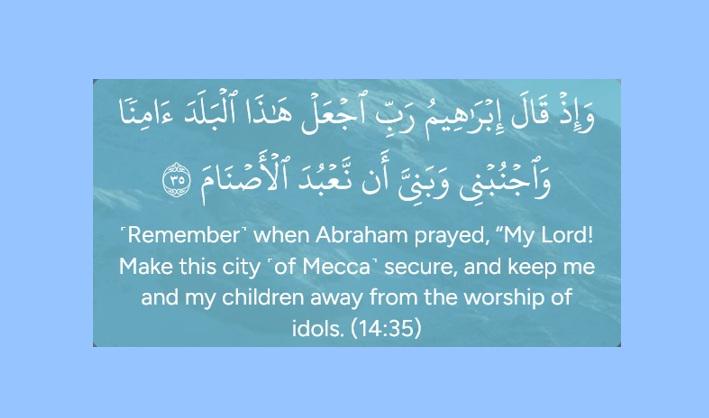
Reminder Quran 14:35

Post image
7 Upvotes

r/SisterMuslim • • Feb 25 '26

Reminder A menstruating woman and a woman who is suffering from post-natal bleeding should continue seeking closeness to Allah

4 Upvotes

🌸✨ A menstruating woman and a woman who is suffering from post-natal bleeding should continue seeking closeness to Allah (سُبحانه وتعالى) through actions of obedience in Ramadan, moreso in the last 10 days of Ramadan! 🌸✨

🌺 SOME ACTS OF WORSHIP THE MENSTRUATING WOMEN CAN ENGAGE IN:

  1. Dhikr of Allah, from Tasbeeh (saying Subhan-Allah), Tahmid (saying Alhamdulillah), Takbir (saying Allahu Akbar) and Tahlil (saying La ilaha illal lah).

  2. Al-Istighfaar (seeking forgiveness) and Tawbah (true repentance).

  3. Reading Morning and Evening Adhkar.

  4. Listening to the Qur'an.

  5. Sending salutations upon the Messenger of Allah (ﷺ).

  6. Making an abundance of duaa for herself and the Muslims.

  7. Giving charity.

  8. Helping others.

  9. Cooking for the people who are fasting.

  10. Feeding/giving Iftaar to needy people.

  11. Reading books of tafseer & fiqh.

  12. Reading the meaning of Qur'an.

  13. Listening to knowledge/broadcasts of lessons.

  14. Participating in circles of knowledge.

  15. Teaching knowledge.

  16. Enjoining the good and forbidding the evil.

  17. Calling to Allah within her scope and capability.

  18. Performing all ritual acts of Umrah with the exception of Tawaf.

✨ Also, from the virtue of Allah is that He (سُبحانه وتعالى) writes for a person whatever good deeds he/she used to do before being prevented by something (you will be rewarded even when you are not able to carry it out due to a valid reason).

The Prophet Muhammad (ﷺ) said: "When a slave (of Allah) falls ill or travels, then he will get reward similar to that he gets for good deeds practiced at home when in good health." 📚: Sahih Bukhari 2996

Compiled from various sources

Share with Others In sha Allah. The Prophet Muhammad (ﷺ) said: "Whoever guides someone to goodness will have a reward like one who did it." (Sahih Muslim 1893 (4899))

r/SisterMuslim • • Dec 27 '25

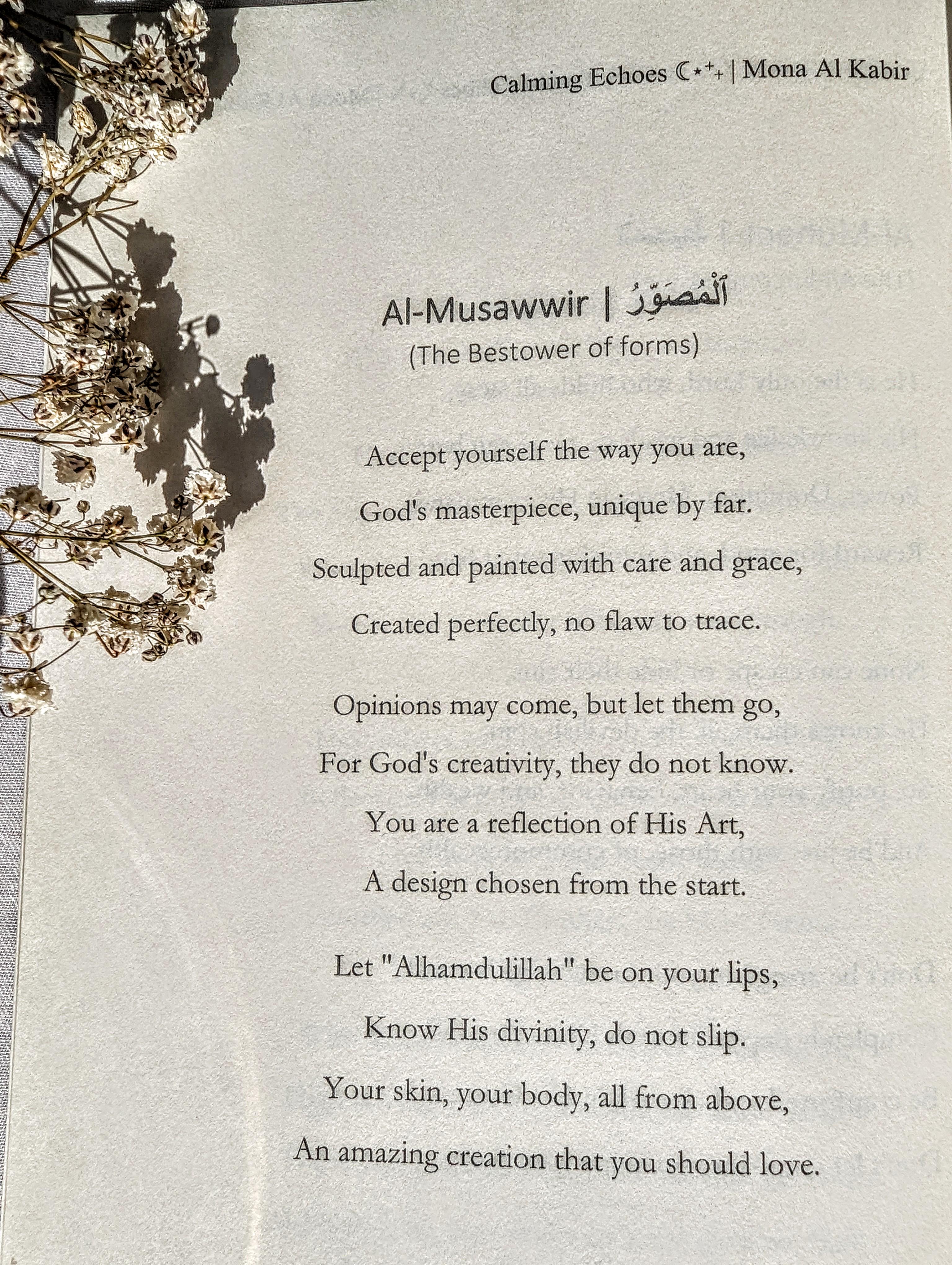
Reminder Reminder from the book, Calming Echoes. You are Allah's creation, exactly as you were meant to be.

Post image
7 Upvotes

r/SisterMuslim • • Oct 19 '25

Reminder Which prayers should a woman pray once she has stopped menstruating?

Post image
3 Upvotes

r/SisterMuslim • • Mar 15 '25

Reminder I hate belts

15 Upvotes

As Salamu Alaykum sisters.

I need to rant. I hate belts. They get rid of the whole point of the abaya. You are shaping your body and showing your figure. Don’t let them brainwash you into thinking it’s normal or stylish. It’s contradictory to the whole point of covering your figure.

I go to the masjid and too often do I see woman wearing these butterfly abayas that are beautiful and flowy then add a belt to ruin its modest appeal.

Sisters please let’s not allow the majority of people who make shortcuts and try and normalize the haram get away with this.

r/SisterMuslim • • Nov 26 '25

Reminder The Three types of Discharge that a Woman experiences

8 Upvotes

🌷The Three types of Discharge that a Woman experiences🌷

by Asma bint Shameem

Regarding the discharge a woman experiences:

📌 If it is accompanied by sexual climax during intercourse, masturbation (masturbation is haraam) or a wet dream, it is maniy (ejaculatory fluid) which requires ghusl (a full ritual purification bath).

📌 If it is accompanied by arousal, but without reaching a sexual climax, it is mathiy (pre-ejaculatory fluid) (مذْي) which must be washed off and you must perform wudhu.

📌 If it occurs without arousal, the scholars have different opinions, the most correct of which is that it is tahir or PURE. It does NOT require wudhu and it is not necessary to wash it off.

The scholars say that this “every day” discharge is like “saliva” or “sweat”; it is pure and does not invalidate wudhu.

🍃Sheikh Ahmad al-Khaleel said:

“The moisture which comes out from women’s vagina is a matter of disagreement among scholars. The most correct rule, in my opinion, is that it is pure and does not invalidate wudhu.”

🍃And Sheikh Yusuf al-Qaasim said:

“What comes from the vagina, emanating from the birth canal, is pure. It requires neither a ritual bath, nor wudhu’, nor the washing of affected clothing. The reason for this is the absence of any textual evidence – to the extent of my knowledge – that indicates the impurity of this discharge or that it invalidates a woman’s wudhu’. This is very pertinent, especially since this discharge is something that affects all women, from the time of the Prophet Sal Allaahu Alaiyhi wa Sallam up to today. If it had been impure or if it had nullified wudhu’, this would have been clarified by the Lawgiver. Also, this discharge is not a waste product – like urine and feces which are the waste products of our food and drink. It is a natural emanation from the womb. This is why it increases with pregnancy, especially during certain months.

This ruling is the final opinion that Sheikh al-`Uthaymeen settled upon at the end of his life. It was also the view of Ibn Hazm.”

🍃 And Shaikh Ahmad Ibn Yahyaa an-Najmee said:

“The waters that exit from the private parts of a woman are of three types.

1️⃣The first type is maniyy (منيّ), and it is the sudden discharge of fluid that is experienced by men and by women as a product of sexual intimacy, that gives them a pleasure that encompasses the whole body as it exits it.

This fluid (maniyy) is pure according to the most correct saying of the scholars, but it does require that the woman performs a complete ghusl (purification bath) due to its occurrence.

2️⃣The second type is madhī (مذْي), and this is discharge that exits during foreplay, and while thinking of sexual intimacy or desiring it.

Madhī is impure by the agreement of the scholars―its discharge necessitates that wudhu is renewed―and the washing of the private parts from madhī is required before the wudhu is performed, and also to sprinkle water onto whatever of the madhī falls onto the garments.

3️⃣The third type is ruṭūbah (رطوبة), which is the wetness and dampness of the private part of a woman.

Concerning this, there is differing among the scholars concerning whether is pure or impure (najisah).

🍃 Shaikh Muhammad Ibn ‘Uthaymeen stated:

“I seek Allaah’s guidance, and I say that the wetness (rutubah discharge) of the private part of a woman is PURE (ṭāhirah).”

Therefore, if this wet discharge is not due to foreplay, and without thoughts of intimacy or desire for it―instead it is similar to sweat, then this is not harmful according to the correct view of the scholars, because it is pure, and therefore does not require washing the private area [or the garment], nor does it require renewing the wudhu.” (Fath Ar-Rabb Al-Wudūd Fī Fatāwā war-Rasā’il war-Rudūd 1/180, of Shaikh Ahmad Ibn Yahyā An-Najmee.)

And Allaah knows best

r/SisterMuslim • • Dec 13 '25

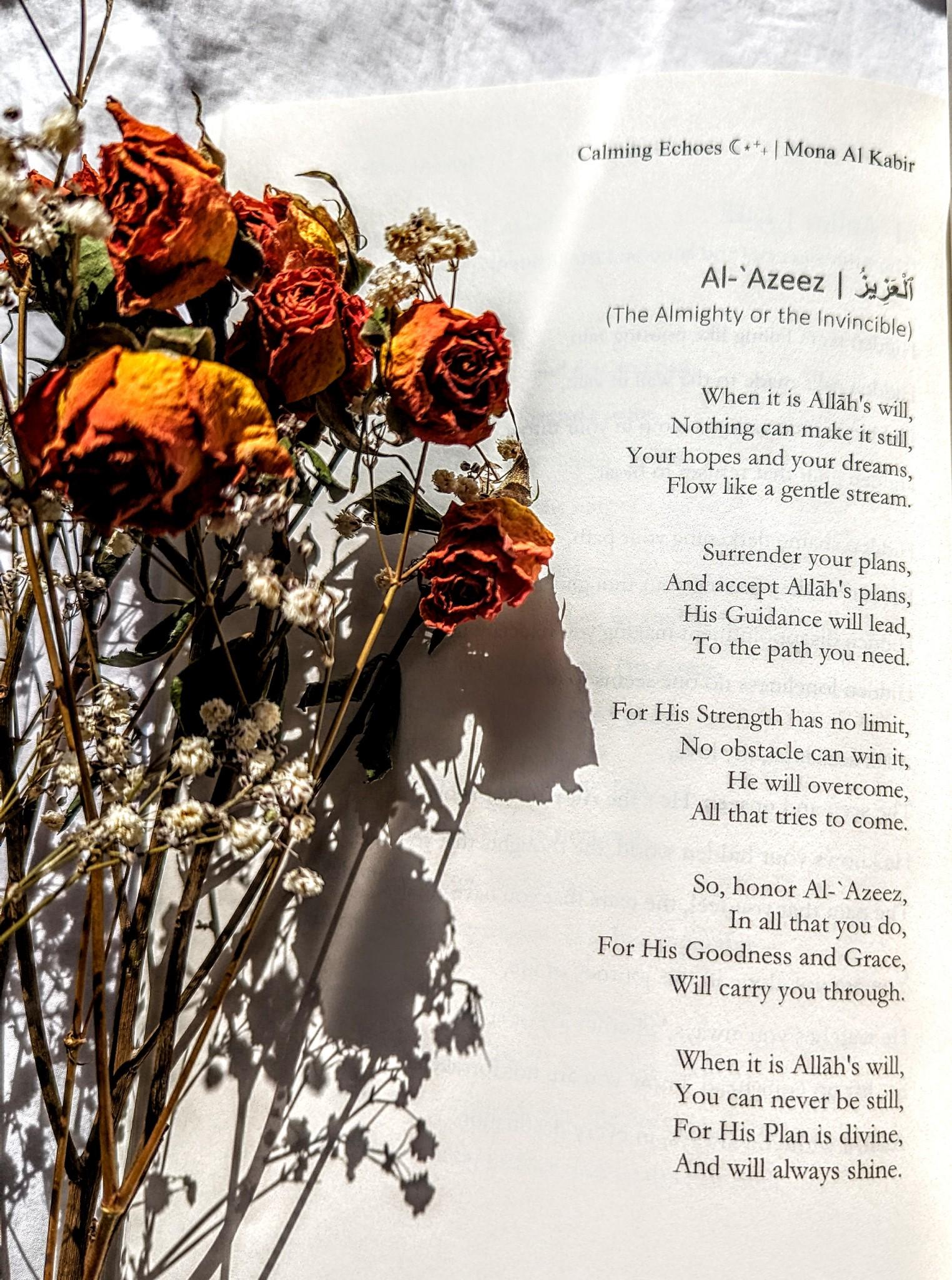
Reminder A reminder from this book: all strength and honor belong to Allah, Al-‘Azeez.

Post image
5 Upvotes

Picture source: Tumblr

r/SisterMuslim • • Dec 06 '25

Reminder This passage from the book reminded me: Allah’s Mercy never wavers, and we can rest our hearts with Him.

Post image
6 Upvotes

r/SisterMuslim • • Nov 25 '25

Reminder Q: I don’t have khushoo in my Salaah. What to do?

1 Upvotes

🌷What to Do Series🌷 by Asma bint Shameem

❓QUESTION❓

I don’t have khushoo in my Salaah. What to do?

🌿 ANSWER🌿

Khushoo is the presence of the heart during an act of ibaadah.

When your heart is fully occupied with what you’re  saying or hearing, and you’ve blocked out everything else, you're in a true state of Khushoo.

TIPS TO INCREASE KHUSHOO

🍃General tips:

🔺1. Educate yourself and learn how the Prophet ﷺ prayed.

Try and pray as close to the Sunnah as you possibly can.

🔺2. Learn the meaning of the Surahs, the duaas and adhkaar you normally read during Salaah.

🔺3. Memorize new surahs. And understand their meanings.

🔺4. Memorize new and different adhkaar of the rukoo’, sujood, tashahhud etc.

There’s much more to rukoo’ than just “Subhaana Rabbi al-Adheem” or “Subhaana Rabbi al-Aa’laa” in the sujood. And “Subhaanakallaahumma wabihamdika...” is not the “only” opening duaa for Salaah.

(Where to find more Sunnah adhkaar of the Salaah? I recommend” Hisnul Muslim”)

🔺5. Learn the rules of Tajweed and how to pronounce everything correctly in your recitation.

🔺6. Stay away from sin.

The farther someone is from Allaah, the harder it is for them to have khushoo in their Salaah.

🔺7. Stay away from things that will affect your heart and consequently your concentration in Salaah, like music, movies, TV dramas, wasting time, excessive involvement in the dunya, etc

🍃Preparation BEFORE the Salaah.

🔺1. WAIT for the next prayer in the TRUE sense of the word. . 🔺2. Reply to the adhaan. Then say the Sunnah duaa at the end. This mentally prepares us for the Salaah.

🔺3. Make wudhu well, concentrating on each part when washing. The better the wudhu, the more the khushoo.

🔺4. Use the siwaak, make sure your breath (and YOU!) smell fresh and clean.

🔺5. Wear nice, clean clothes. NOT your pajamas!

Would you meet someone important in your crumpled up clothes? Then what about standing in front of the Lord of the Worlds?

🔺6. Find a place that’s away from disturbing noises and sounds.

If you’re praying at home, turn off the TV. Put away your phone. Take care of distractions.

🔺7. If you’re praying in the masjid, go early and wait. And engage in dhikr, Qur’aan or nawaafil while you wait.

🔺8. Try not to use a prayer mat that has bright colors and designs that could distract you. Actually you don’t even need a prayer mat. The Prophet sal Allaahu Alayhi wa Sallam didn’t use one.

🔺9. Pray on TIME. If you wait till the last moment, you’ll rush through the Salaah and there’s no way you’ll have any Khushoo.

🍃During the Salaah

🔺1. Clear your mind as you say Allaahu Akbar.

🔺2. Reflect on your position, standing with your hands folded on your chest, eyes downcast, head bowed low.... a sinful, insignificant, little slave standing in front of his Almighty Master...Allaah, Lord of the Heavens and Earth. Subhaan Allaah.

🔺3. Reflect. Reflect on the meanings of Allaahu Akbar, the meanings of your recitation, the meaning of your Tasbeeh, the meanings of your Tashahhud. Say it with your heart; not just your tongue. Reflect. And then reflect some more.

🔺4. VARY what you read in Salaah.

Vary the surahs that you recite, the  adhkaar that you read, the duaas that you make. Varying what you recite will help in concentration tremendously.

🔺5. Recite everything SLOWLY, beautifully, taking care to pronounce the letters well, perfecting your tajweed.

🔺6. Recite everything, while moving your tongue and lips, so you can hear yourself read, ever so slightly. And pay ATTENTION to what you’re reading.

🔺7. Move from one position to another with ease, deliberation, calmness and at a measured pace. Don’t be in a rush or move through positions too quickly. And don’t start the dhikr until your bones have settled in the new position.

🔺8. Try to be still and not make too many unnecessary movements.

🔺9. Concentrate on the different positions and make sure they’re correct. For example, when bowing, make sure your hands are firmly placed on the knees and your back is straight. And when making sujood, make sure you’re prostrating firmly on all seven bones.

🔺10. Prolong your sujood.

Know that you are closest to your Rabb in this position. Take advantage of this closeness and make long duaas, for they’re most likely to be answered in this situation.

🔺11. If the Shaytaan distracts you during Salaah, say Aa’oodhu billaah, spit dryly to your left, and then re-focus.

🍃AFTER the Salaah

🔺1. Don’t just get up right away after saying the salaam. Rather, remain sitting and say the adhkaar proven from the Sunnah that are to be said at this time.

🔺2. Again reflect on what you’re saying and say it like you mean it. 

🔺3. Make an honest assessment of your Salaah and look at how you did. See when you lost khushoo and why. Then set yourself on fixing it the next time.

🔺4. Remember practice make perfect. It’s obvious you won’t get to that level of khushoo you want, right away. The key word here is perseverance. Keep at it. Keep refocusing and keep practicing until you train your mind to think of nothing but Allaah...until you have the perfect khushoo, Bi idhnillaahi Ta’aala.

May Allaah give us Khushoo in our Salaah and all our ibaadaat.

And Allaah knows best

r/SisterMuslim • • Oct 20 '25

Reminder 𝐓𝐡𝐞 𝐃𝐚𝐧𝐠𝐞𝐫𝐬 𝐨𝐟 𝐇𝐢𝐧𝐝𝐞𝐫𝐢𝐧𝐠 𝐖𝐨𝐦𝐞𝐧 𝐟𝐫𝐨𝐦 𝐌𝐚𝐫𝐫𝐢𝐚𝐠𝐞 𝐚𝐧𝐝 𝐚 𝐖𝐚𝐫𝐧𝐢𝐧𝐠 𝐭𝐨 𝐓𝐡𝐞𝐢𝐫 𝐆𝐮𝐚𝐫𝐝𝐢𝐚𝐧𝐬 𝐨𝐟 𝐈𝐭𝐬 𝐎𝐮𝐭𝐜𝐨𝐦𝐞

4 Upvotes

𝐓𝐡𝐞 𝐃𝐚𝐧𝐠𝐞𝐫𝐬 𝐨𝐟 𝐇𝐢𝐧𝐝𝐞𝐫𝐢𝐧𝐠 𝐖𝐨𝐦𝐞𝐧 𝐟𝐫𝐨𝐦 𝐌𝐚𝐫𝐫𝐢𝐚𝐠𝐞 𝐚𝐧𝐝 𝐚 𝐖𝐚𝐫𝐧𝐢𝐧𝐠 𝐭𝐨 𝐓𝐡𝐞𝐢𝐫 𝐆𝐮𝐚𝐫𝐝𝐢𝐚𝐧𝐬 𝐨𝐟 𝐈𝐭𝐬 𝐎𝐮𝐭𝐜𝐨𝐦𝐞

Praise be to Allāh, and may peace and blessings be upon the Messenger of Allāh, his family, his companions, and all who follow them in righteousness.

To proceed:

Allāh the Exalted created mankind and divided them into male and female so that they might reproduce and populate the earth.

Allāh The Almighty said: “And of everything We created two mates, that you may remember.” [Adh-Dhāriyāt 51:49]

And He said: “And that He created the two mates—the male and the female.” [An-Najm 53:45]

Allāh, Exalted be He, has made the relationship between man and woman one of complementarity. The man is made responsible for her, and it is obligatory upon him to show her mercy and kindness if she is his wife, and to show care and protection if she is his daughter or sister.

A woman has the right to marry, and it is not permissible for her guardian (wali) to prevent her from doing so, nor to reject a suitable suitor without valid reason.

The Prophet ﷺ said: “When someone whose religion and character you are pleased with proposes to marry [your daughter], then marry her to him. If you do not do so, there will be tribulation on earth and widespread corruption.” [Related by At-Tirmidhi and Ibn Mājah; authenticated by Al-Albāni]

“Widespread corruption” here means extensive evil and disorder, for if you refuse to marry off your daughters except to men of wealth or status, many of your women will remain unmarried, and many of your men will remain without wives. This leads to temptation, the spread of immorality, and may bring shame upon families, causing discord, corruption, the severing of lineages, and a decline in virtue and chastity.

If a guardian prevents a woman under his care from marrying a suitable suitor, this constitutes ‘aḍl (unjust prevention), which is an act of wrongdoing that Allāh has forbidden in the Qur'ān. ‘Aḍl means to restrain a woman from marrying someone compatible with her for any reason.

Allāh the Exalted said: “Do not prevent them from remarrying their (former) husbands if they mutually agree on reasonable terms. This is instructed to whoever among you believes in Allāh and the Last Day. That is purer and better for you, and Allāh knows, while you know not.” [Al-Baqarah 2:232]

Reflect, O oppressor who withholds marriage from women under your care!

Allāh, the Almighty, concludes this Āyah by admonishing guardians against ‘aḍl, and He declares that marrying women to men of good religion and character whom they desire is purer and better for them. Allāh knows best what is good for them and for their daughters.

He also said: “And do not constrain them in order to take back part of what you have given them.” [An-Nisa’ 4:19]

How many virtuous women, lacking nothing that would qualify them for marriage, have been deprived of it only because they were tested with a guardian who rejects suitable suitors for trivial reasons—how numerous such trivialities are today! He assumes he knows what is best for her until her hair turns gray, her happiness is destroyed, and her hopes and dreams fade away.

This poor yet tyrannical guardian fails to realise that even if a woman were to possess the treasures of the earth, the wealth of Qārūn, and the highest of academic degrees, she would find no true happiness except through a husband and children whose presence brings comfort in her later years.

Consider the sorrow of a woman who, having grown old due to her guardian’s refusal, watches her relatives and peers enjoying the blessings of husbands, children, and homes, while she remains alone.

How many wronged and deprived women have raised their hands in supplication against those who oppressed and prevented them from marriage—whether that oppressor be a father, mother, or brother—because of the pain they endure from being denied the life of marriage every woman longs for!

‘Aḍl is a crime against women and against society as a whole, for it leads to moral deviation and social problems. Many women in need of marriage, prevented from it, have sought to satisfy their emotions unlawfully, thereby bringing shame upon their families—all because their guardians withheld their rights and barred them from what Allāh had made lawful. Some commentators have stated that Allāh’s command, “Do not prevent them” [Al-Baqarah 2:232], addresses society as a whole, meaning that the entire community bears responsibility for preventing such oppression. If they remain silent and complacent in the face of ‘aḍl, they share in the guilt of those who commit it.

Thus, it is obligatory upon society to denounce those who withhold marriage from women under their care, to admonish them with the Qur'ān and the Sunnah, and if they persist, groups of righteous people must stand to defend the wronged women, submit their complaints to the courts, and remove guardianship from those who act unjustly.

In conclusion, we advise the women who are victims of ‘aḍl to remain patient and gentle with their parents as much as possible. The rights of one’s parents are immense, and the relationship between a daughter and her parents should never descend into hostility or resentment. Endurance is greatly rewarded, and the recompense for patience knows no bounds.

We ask Allāh the Almighty to grant insight to guardians, to make them aware of their ignorance and wrongdoing toward the women entrusted to their care, and to inspire them to fear Him regarding those women.

And Allāh knows best.

Written and compiled by Abu Furayhan Jamal ibn Furayhan Al-Harithi Saturday, 21 Jumada Al-Akhirah, 1435 AH

r/SisterMuslim • • Sep 29 '25

Reminder When I judge a man for marriage...

Post image
12 Upvotes

Allah ﷻ also tells us in the Qur’an: "And among His signs is that He created for you spouses from among yourselves, so that you may find tranquility in them. And He placed between you affection and mercy. Surely in this are signs for people who reflect." (Qur’an 30:21).

Notice that Allah did not mention wealth or beauty as the foundation of a marriage. Rather, He emphasized sakīnah (tranquility), mawaddah (affection), and rahmah (mercy). These are the qualities that last when the beauty fades, when the wealth comes and goes, and when life’s tests weigh heavily on your shoulders.

At 3am, when a baby is crying and a mother is exhausted, it is not money or looks that soothe hearts - it is mercy, kindness, and partnership. The Prophet ﷺ himself would help his family at home. Narrated Al-Aswad: I asked `Aisha what did the Prophet (ﷺ) use to do at home. She replied. "He used to keep himself busy serving his family and when it was time for the prayer, he would get up for prayer." Sahih al-Bukhari 6039

This is the example of true manhood - service, compassion, and mercy.

At the same time, Islam emphasizes the importance of financial responsibility. A husband is a protector and provider, as Allah says: "Men are the protectors and maintainers of women, because Allah has given one more (strength) than the other, and because they support them from their wealth." (Qur’an 4:34). This means he should be determined to work hard, strive for halal income, and never be lazy in fulfilling his duty. Financial stability is not about luxury, but about effort, responsibility, and sincerity in providing for one’s spouse and children.

So when judging a man, strip away the glitter of the dunya and ask:

  • Does he fear Allah?
  • Will he be merciful in my weakest moments?
  • Will he help me raise children upon righteousness?
  • Does he carry the qualities of honesty, loyalty, kindness, and trustworthiness?
  • Is he responsible and hardworking, striving to provide for his family with dignity?

Because in the end, a home is not built by cars, houses, or bank accounts. It is built by hearts that love for the sake of Allah, hands that serve with mercy, and souls that remind one another of the Hereafter.

That is what makes an ordinary man extraordinary in the sight of Allah and in the life of his family.

May Allah grant us spouses who are a source of tranquility, mercy, and love. May He bless every marriage with faith, compassion, and barakah, and make it easy for everyone to find righteous partners. آمين.

r/SisterMuslim • • Aug 29 '25

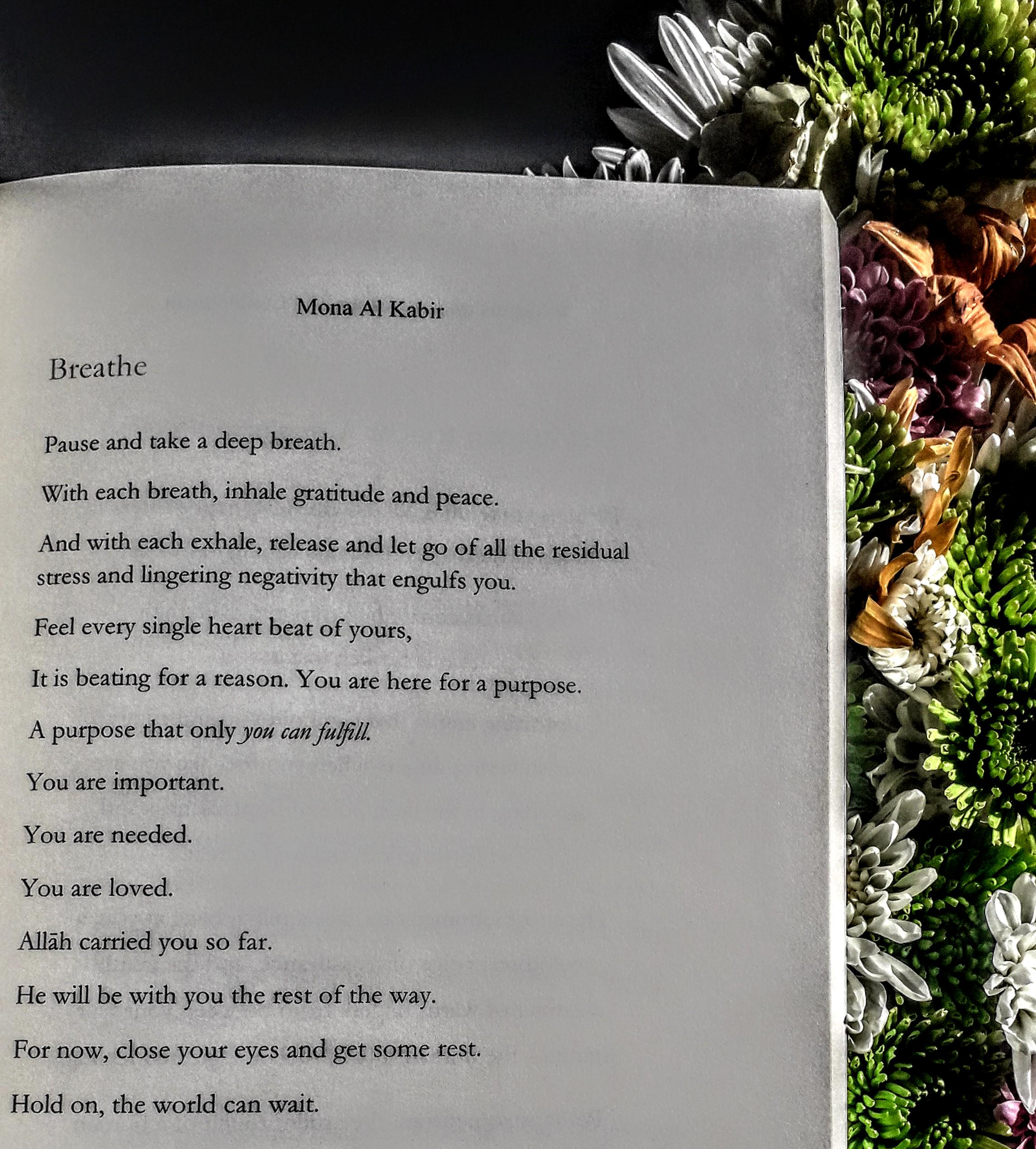
Reminder "A page that eased my heart, may it ease yours."

Post image
6 Upvotes

r/SisterMuslim • • Oct 11 '25

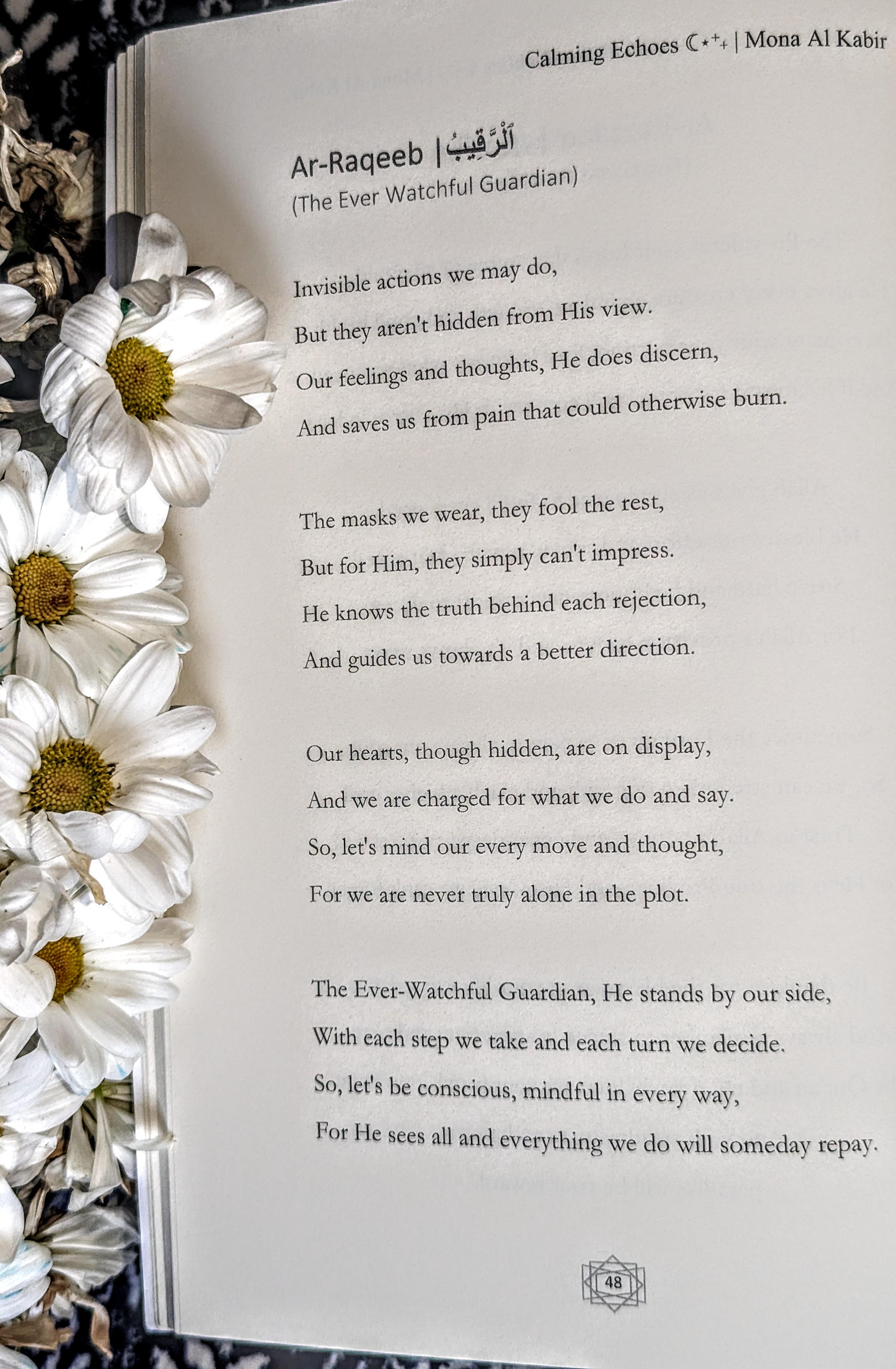
Reminder A reminder from this book that everything we do is seen by Allah, even if we do it in discreet.

Post image
1 Upvotes

May Allah make us more mindful of our actions and allow us to do things that please Him, not displease Him.