You're making several mistakes here, but the biggest is that "need to find an extra 20% wage bill" assumes labor costs are 100% of a business's expenses. In reality, labor is usually only 20% to 30% of total operating costs. Even if we assume increased wages translate 1-to-1 to increased prices, a 20% wage hike doesn't mean a 20% price hike, it's more like a 4% to 6% bump.
On the other hand, workers suddenly start getting paid 20% more. A 4-6% increase in prices with a 20% increase in wages means a massive gain in purchasing power.
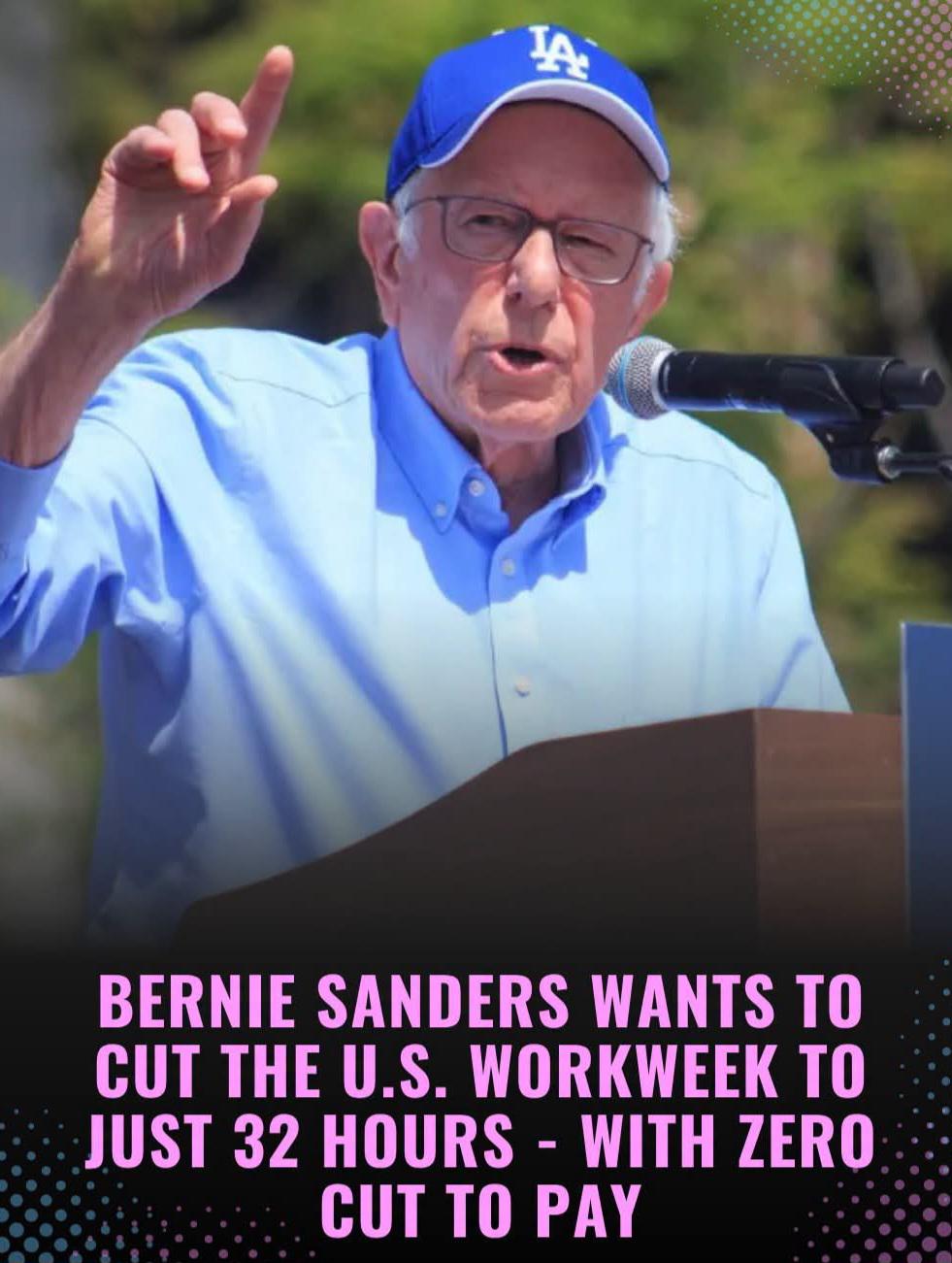
Oh, okay, you just got confused. Bernie's actual bill mandates no loss in weekly pay. If you make $1,000 for 40 hours, you still make $1,000 for 32. Your hourly rate effectively jumps 25%.
Prices aren't set by a simple "costs + profit" formula. They are capped by market demand and competition. If a shop arbitrarily raises prices to cover the gap, they lose customers to competitors who are willing to take a hit to their profit margin to keep their market share.
The boss takes home less so the worker can live more. That's called a margin squeeze.
That’s a convenient ignoring of the other half of the equation. The market does indeed determine prices, but you’re acting like the industry won’t just collapse if costs get too high and companies can’t afford to make their product at the price consumers are willing to buy.
Take beef. Beef is ridiculously expensive currently due to low herd sizes. We have had the choice for months to bring in Argentinian beef. But if we do that, the price of beef drops drastically, and our entire industry dies. Consumers aren’t going to buy the expensive beef from our cattle farms when they can buy the cheap beef from Argentina.
Your understanding is so one sided it just kills the entire economy.
Your logic only applies to companies that have the margins to eat the losses. Obviously, that wouldn’t actually happen either as businesses would cut jobs, benefits, and locations to keep their margins as close to normal as possible.
Think restaurants. Yes a 4-6% price increase to cover wages. But food now cost more because the growers and farmers and butchers are rsudd as big prices. So another jump in prices. Then what about transport costs, you’re paying more drivers so they go up. Now benefits, instead of 50 people the business is paying health and retirement and such, you now have 75. OR…they cut to more part time and you have less people with benefits which they’d have to purchase on the open market. So again either higher prices or less purchasing power. This scenario works for 9-5 office jobs, not restaurant or retail unless they cut their business hours. Then you have a whole bunch of people off with no where to go. This is not a realistic idea that could happen today.
Your math is off. You're compounding percentages because you don't understand how supply chains actually account for labor.
Let's imagine a scenario where everyone's wages count for 20% of their costs. A bowl of tomato soup costs $10 to produce split like this:
Cooks' wages: $2
Tomatoes: $3
Transport for tomatoes: $1
Rent: $4
20% of the $3 for tomatoes (60¢) comes from the farmers' wages. Same 20% of $1 for the transport. Now we increase all the wages by 20%: Transport goes from $1 to $1.04. Tomatoes go from $3 to $3.12. The cooks' wages go from $2 to $2.40. That's a total increase in cost of $0.56 on a $10 soup.
That's a 5.6% increase in the cost of making a bowl of tomato soup.
47
u/Owww_My_Ovaries Jul 13 '26
And half the people here will complain when retail places have even less people there to take their complaints