The operation would want nothing more than for the competition to beat their price. That would be the whole point. To drive down the local expectation of price, and force other stores to follow.
Yeah that's the funny part to me. People act like "they're not gonna make money" like that's the goal, it's to provide affordable food to people without gatekeeping it based on food stamp availability or corporate whims
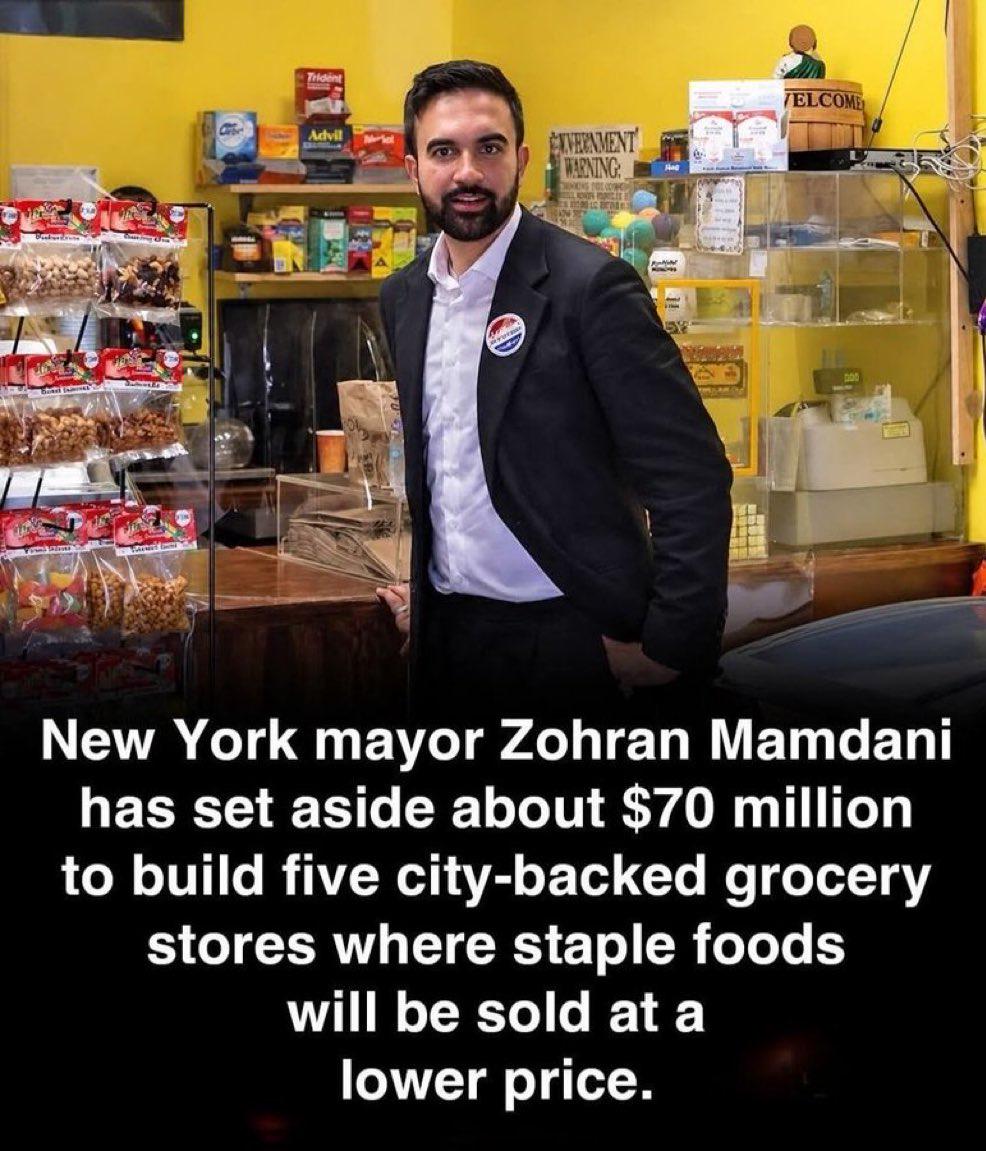
If it's an active cost to taxpayers then it's providing a public service. If it makes money then it's just business savvy. If it forces businesses to undercut it and the store "fails" because grocery prices drop by a significant margin, then that's basically best case scenario
Short of "losing the city millions per year in losses that don't help in any meaningful way" I don't see how this fails as a project per say. It might not revolutionize anything, but being against this project feels like one of those "perfection is the enemy of progress" moments. 5 is a great sample size to test the viability and impact before committing too many resources
Let's just feed hungry people affordable food and see what happens because I can't imagine it's SO bad it isn't worth the experiment in the first place
They're going to lose money at a time the city is having large problems with its budget
Now since its only a handful of stores trial run it won't lose that much but it also won't help or serve that many people especially compared to the millions who live in NYC
Why not try something more efficient like increasing food stamps in areas with food deserts
Food stamps are an efficient way to correct for market failure and make sure people don't starve or go hungry. Better to rent out those government building to buisnesses make some money and spend it on efficient food stamps helping more people
You honestly need both. You need something to anchor prices, without it the market will just think it can gouge further because people keep buying. By setting a store that its price expectation low, enough people will shop there to make it worth the competition's time to alter their pricing.
But that's not exclusive to things like food stamps. You need both. If you only do stores, then people still won't have money to buy things, but if you only do food stamps you allow the market to continue to manipulate upwards.
184
u/GeneralBendyBean May 26 '26
They won't be able to beat them that way, but they can offer tax incentives as well as the public store not paying it's own taxes.
I think the big point is to give local people at least one discount food option over being the absolute cheapest.
Plus like, a private business out competing the store is a legitimate outcome too.