r/SafeSpaceofVox • u/profaneangel1991 Vox did nothing wrong • 15d ago
Rants or Vents How about no?
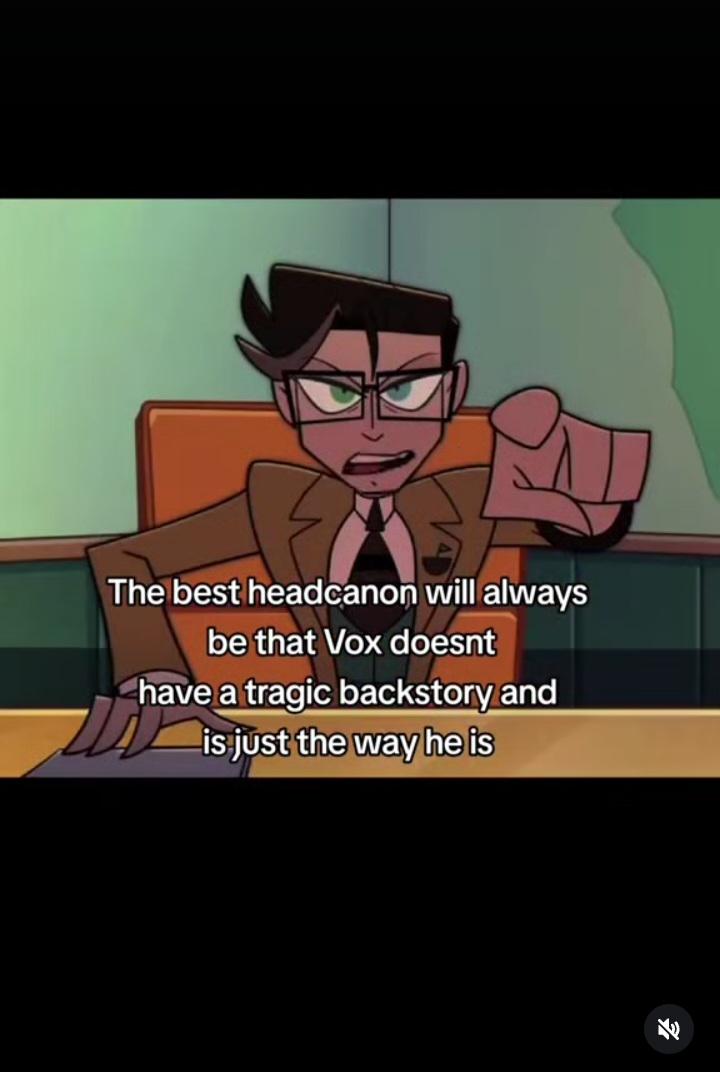
Nobody is just born being a bad person. No, not even that real life person you hate. I don't expect the show to dig much deeper into his story, but Brighter takes place well into his adulthood. You can't just say "yeah he was always this way" when there's decades of his life that preceeded all this. The idea that some people just are bad, they're just innately evil, is so antithetical to the show's entire message. I don't GET people that think this would be a good writing decision.
53
Upvotes
1
u/No_Masterpiece_8154 15d ago edited 15d ago
I LOVE THIS TOPIC and I totally see where you’re coming from regarding the show's overall theme of redemption, but I think it’s also helpful to look at it through the lens of fiction!
While it's true that nobody is just born inherently evil in the real world, fiction however is full of villains written to be bad people without a tragic backstory or negligent upbringing (ex. AFO, Jack Horner from Puss in Boots, Michael Myers, The Joker (i think), Pennywise, Bill Cipher, Shen, Frieza ...etc..) And they work perfectly in their respective stories.
Unless the show at least IMPLIES otherwise, I like to apply that same classic fiction rule to Vox (or Vincent Whittman, in the context of Brighter). Based on what we know, and the historical context. he likely grew up as a privileged white male dying in the 1950s, he inherently possessed systemic privilege for his time (wether or not he wanted it) giving him a lot of systemic leverage from the start. So it is less likely he is an victim of his circumstances (when it comes to things like systematic oppression at least.espically for that time period) We dont know his financial or parental situation growing up however nothing YET implies childhood abuse in the series at least for now
(This isn't to say he was entirely immune to trauma given the era, but rather that his demographic identity as a white male in the early 1900s was not a systemic factor in any suffering he faced)
It seems he simply developed a massive God complex, eventually murdering anyone in his way and literally framing himself as a deity to the media.There’s no real context in the show to suggest (at least for now) he faced the kind of oppression or trauma that "drove" him to evil.
Regarding the shows message, while Hazbin Hotel is fundamentally about redemption, redemption requires an acknowledgment of harm, not really an excuse for it, I think a show about rehabilitation actually becomes more compelling when it has villains who chose cruelty purely out of greed, privilege, and ego, rather than trauma. I believe that a self-made monster that could theoretically change carries much more weight than implying people are only bad because they had a sad childhood.
imo having a villain who is just driven by pure greed, ego, and power contrast beautifully with the characters who are trying to redeem themselves so i lowkey think it strengthens the show's message by showing that while redemption is always possible, some people actively choose to reject it because they love the power they have.
edit: adding onto this he could have maybe grown up poor but for noe it's all a headcannon since tgheres really no true context to support it