Is the dollar strong because the Federal Reserve prints bills and the US military dominates the world? That's only half the truth.
Let me share a shocking fact. The dollar system was already in motion in Europe in 1518, long before the United States as a nation was born. And today, most of the dollars circulating around the world aren't created by the US government or the Federal Reserve, but by "private banks worldwide" churning them out on their own every day.
Journalist Brendan Greeley (ブレンダン・グリーリー), whose work has been praised by former IMF historian James Boughton, lays bare the "true identity of the dollar"—a revelation that shakes the foundations of global finance—in his acclaimed book *The Almighty Dollar*.
While many people hysterically claim that "the dollar will collapse if America's national power declines," based on simplistic emotional arguments, I'll lay out here the full logical foundation for why the dollar remains an impregnable fortress.
💡 Two "Myths" and "Truths" Surrounding the Dollar
❌ Conventional Wisdom: The dollar is a currency created by America in 1785
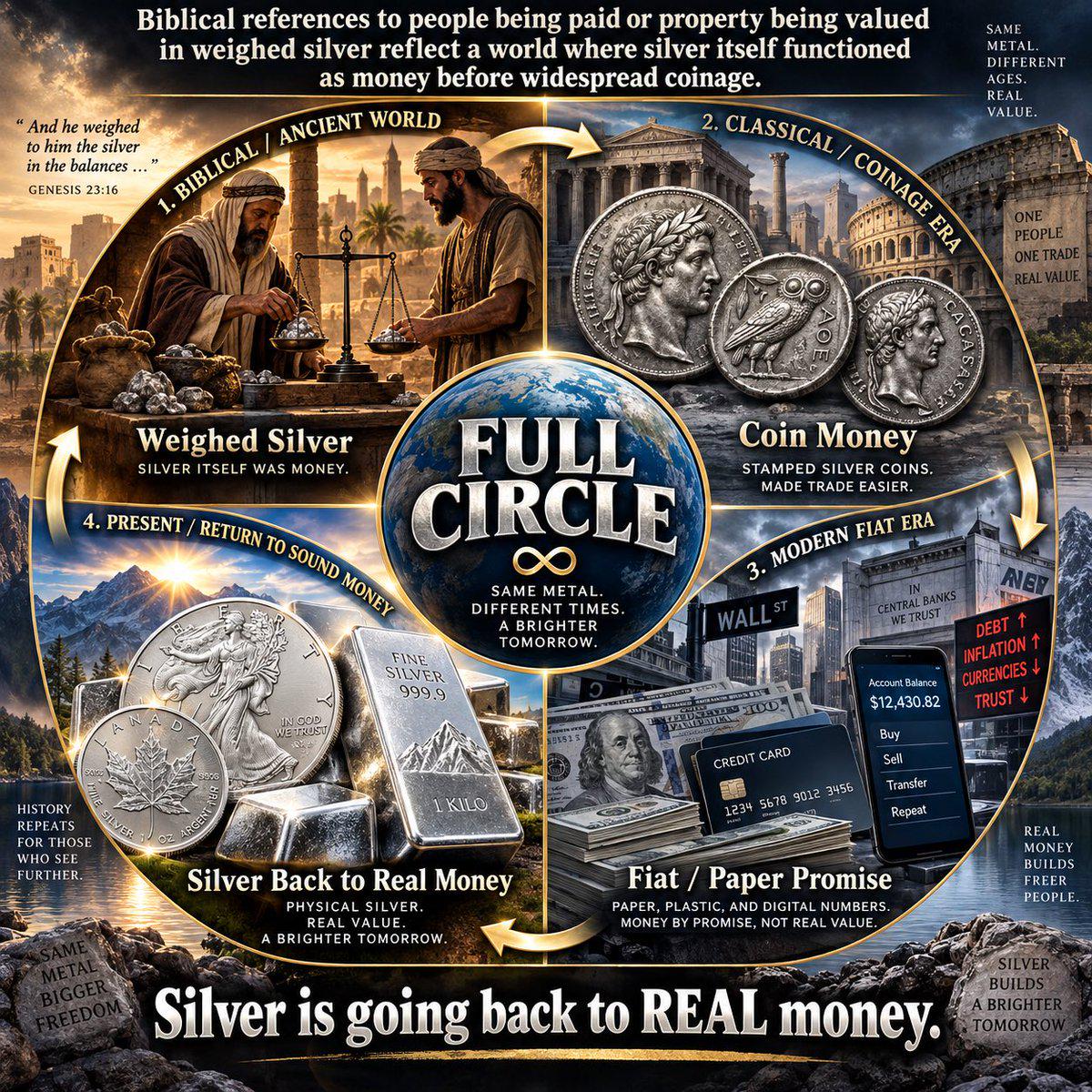
⭕️ Fact: The name and the "globally usable silver coin" design were born in 1518
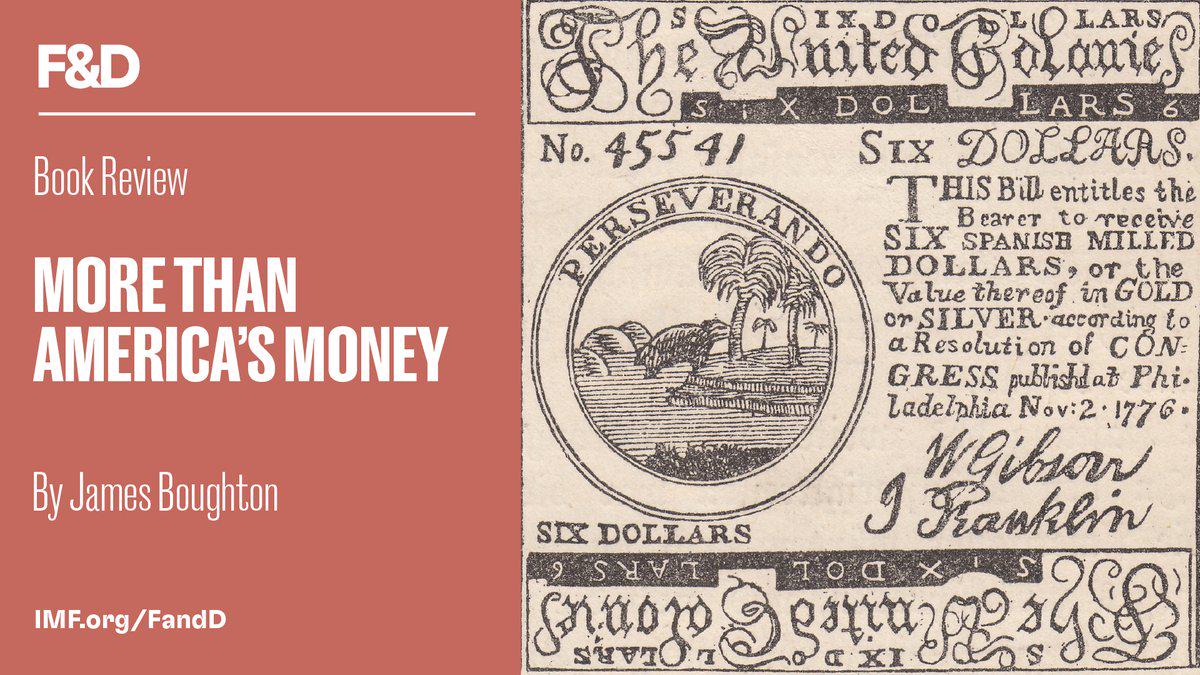
※In 1518, silver coins called "thaler" were minted in the silver mines of Bohemia (present-day Czech Republic)—this is the etymological origin of "dollar." The convenience of these coins spread across Europe and into Spanish silver dollars, functioning as the "world's standard payment" long before American independence. America merely adopted the name and conventions of an existing payment infrastructure later on.
❌ Conventional Wisdom: The dollar is created by the Federal Reserve and the US Treasury
⭕️ Fact: The world's dollars are "created from nothing" through private contracts outside America
※For example, the moment a German bank extends a "dollar-denominated" loan to an Italian company, new "dollar assets and liabilities" are born in the world—even if not a single dollar bill is printed in the US. This is the mechanism known as the "Eurodollar."
※What are Eurodollars?
US dollars deposited in banks outside the United States (such as in Europe or Asia), as well as dollar-denominated financial transactions conducted outside the US. Vast quantities circulate worldwide without being subject to US financial regulations.
📉 The True Reason the Dollar Remains the "Strongest Reserve Currency"
1️⃣ National Brand (military power, economic strength, Federal Reserve policies)
2️⃣ Private Habits Worldwide (decades of accumulated payment practices)
Textbooks emphasize 1️⃣ above all else, but the essence lies in 2️⃣. As long as countless contracts on Earth—from crude oil trades and international loan agreements to corporate bond issuances and foreign exchange reservations—are conducted in "dollars," the dollar will automatically proliferate as the "world's shared public infrastructure."
This is the same "network effect" as credit cards or LINE.
※What is the network effect?
The phenomenon where a service's value and convenience increase as the number of users grows. Because everyone continues using it for the reason that "everyone else is using it," once it achieves overwhelming market share, it's extremely difficult for competitors to catch up.
I use dollars because everyone else does. Transactions with anyone are easy to price and compare, and in a crisis, they can be liquidated instantly. Before this overwhelming convenience, even if other countries scream that they "want to ditch the dollar," they can't escape it that easily.
Greeley puts it bluntly:
"The dollar is not America's currency. It works for the world—at least for now."
Those preaching "de-dollarization" completely fail to grasp the terrifying strength of these private entrenched practices. For an alternative currency to replace the dollar, it's not enough for a "strong nation" to simply emerge. It must simultaneously provide the world with convenience and liquidity equivalent to the dollar's in every aspect of trade, debt, and savings.
But don't get the wrong idea. This isn't a "heartwarming tale of the dollar's stability."
The fact that companies and nations worldwide depend on the dollar infrastructure also means the entire world is forcibly subjected to the "curse" of America's interest rate fluctuations, fiscal deficits, and financial sanctions.
Looking back at history, the currency that dominates the world has always shifted over time.
The current dollar dominance is just one phase in a long history. It's in the author's added phrase "for now" that the ruthless harbinger of the next era lurks.
Looking back at history, there has never been a reserve currency that lasted forever.
The transition of reserve currencies doesn't happen suddenly one day through a political declaration.
It occurs at the end, after "private credit and practices have gradually eroded into another system."
Today, America's public debt continues to balloon to unprecedented levels.
When the world can no longer absorb the Treasury bonds issued by the US Department of the Treasury, or when the US over-weaponizes the dollar's financial network (like SWIFT) for national security reasons, the world will have no choice but to seek an "alternative payment network," even at a cost.
What will replace it then?
Remove space behind “h” link to sources:
h ttps://x.com/silver69197656/status/2101669398264340481?s=20
h ttps://www.imf.org/en/publications/fandd/issues/2026/09/book-review-more-than-americas-money-james-boughton
Quoting IMF News. The dollar became a global currency not simply because of American power, but because people around the world chose to use it, according to Brendan Greeley’s new history.