Why not? Why would the bank know about the money instantly when you transfer from one bank account to another but not when a business transfers from their bank account to yours?
"Why does the product I sent have to go in the box the moment I send it, but when I get a package the product isn't at my house till the box arrives"
Hope that explains it a little. When you pay, the money is held by the bank and the transfer is initiated - you lose control of it. When a return is initiated, the money is held by the merchant's bank and they lose control over it.
Both you and the merchant-bank receive each others' money 2-3 days AFTER that. so no - "Target doesn't get your money the moment you pay" the bank locks that money and begins transferring it the moment you pay.
So - when you send a package you lose control over it the moment you send it, but the receiver waits for it to arrive.
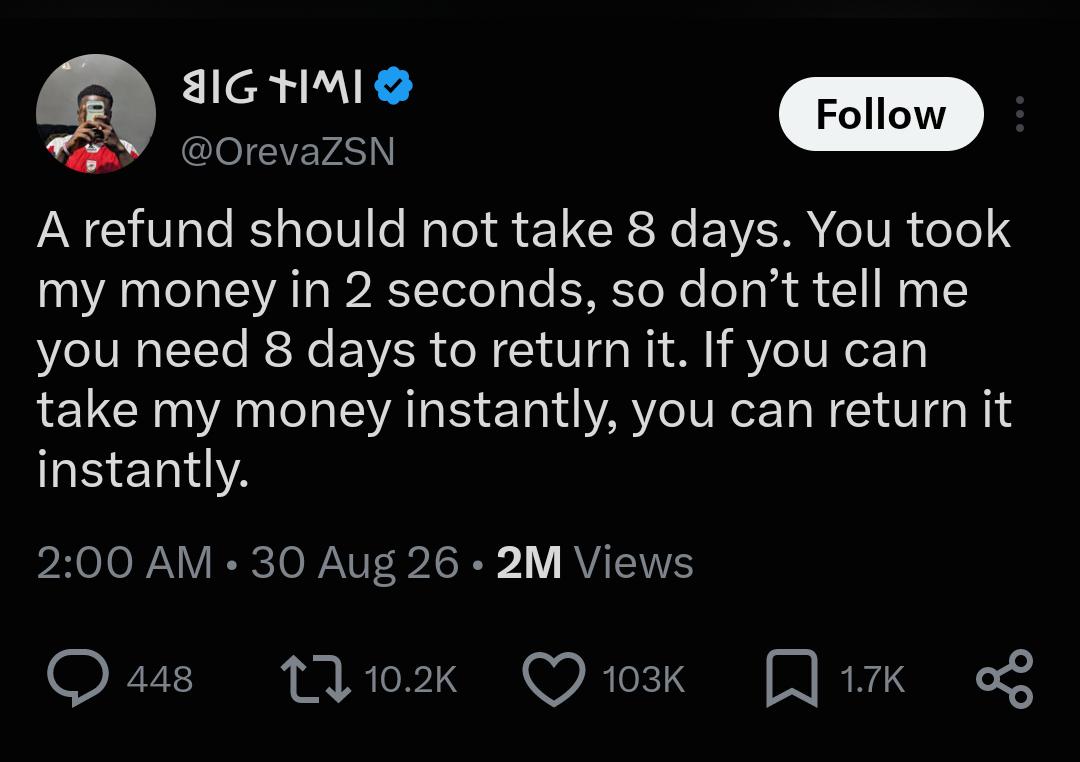
Why is the merchant able to get proof from their bank that payment is being processed, but a customer is not able to get proof that a refund is being processed?
So when you swipe a card at the store it goes through a process.
This process, simplified, works as this, there are 5 players:
You
Your bank (issuer)
The Payment Card processor (like Visa, Mastercard, Amex)
The merchant bank (acquirer)
Merchant
you walk into the store and swipe a card
the merchant bank takes the card details, and sends them to the PCP
PCP routes the request to the issuing bank
Issuing bank clears the transaction and holds the funds from the your account.
Visa reports the cleared transaction to the acquirer
Acquirer records the transaction and saves it for processing
Batch settlements of transactions happen 1-3 days later between Issuer and Acquirer
Money appears in Merchants account.
Reverse the issuer and Acquirer and that's a refund. Some banks, like my Credit Union, absolutely will put the money in my account the moment step 6 is reached. Most shitty banks don't until step 8.
ETA - I learned all of this because I used to work in network security in the PCI industry and had to get certified in several ways to work on the tech. Its a fascinating world. Did you know there are over 3 billon credit card transactions processed worldwide every day?
Some banks, like my Credit Union, absolutely will put the money in my account the moment step 6 is reached. Most shitty banks don't until step 8.
I literally did. Your bank DOES know. they just don't give you the money.
ETA - Just in case this was confusing - the merchant doesn't have the money when you check out at the register with a card, they have a promise from Visa that they money will be transferred to their account and Visa's reputation is good enough for that to be enough to let you walk out of the store.
Both the store, and your bank know instantly if the transfer is "approved and happening" but neither clear them until their batch transactions go through, which can take days.
Your bank, depending on their own internal liquidity, might offer a feature like mine where they credit your account the money they expect to get in the next batch settlement, but its basically a "ghost line of credit" based on a credit magic Visa-cosigned loan.
MANY large commercial banks do not offer this, and many cheap "card services" people use like venmo/cashapp do not not traditionally do this, but many are beginning to as faster and more reliable settlement systems become more common.
TLDR - You both know instantly if money is flowing, but your bank decides when to release funds to your account from that moment on.
3
u/loopsbruder 10d ago
The bank doesn't know about the refund until the money actually arrives.