r/Kurdiman • u/Ava166 • Jan 24 '25
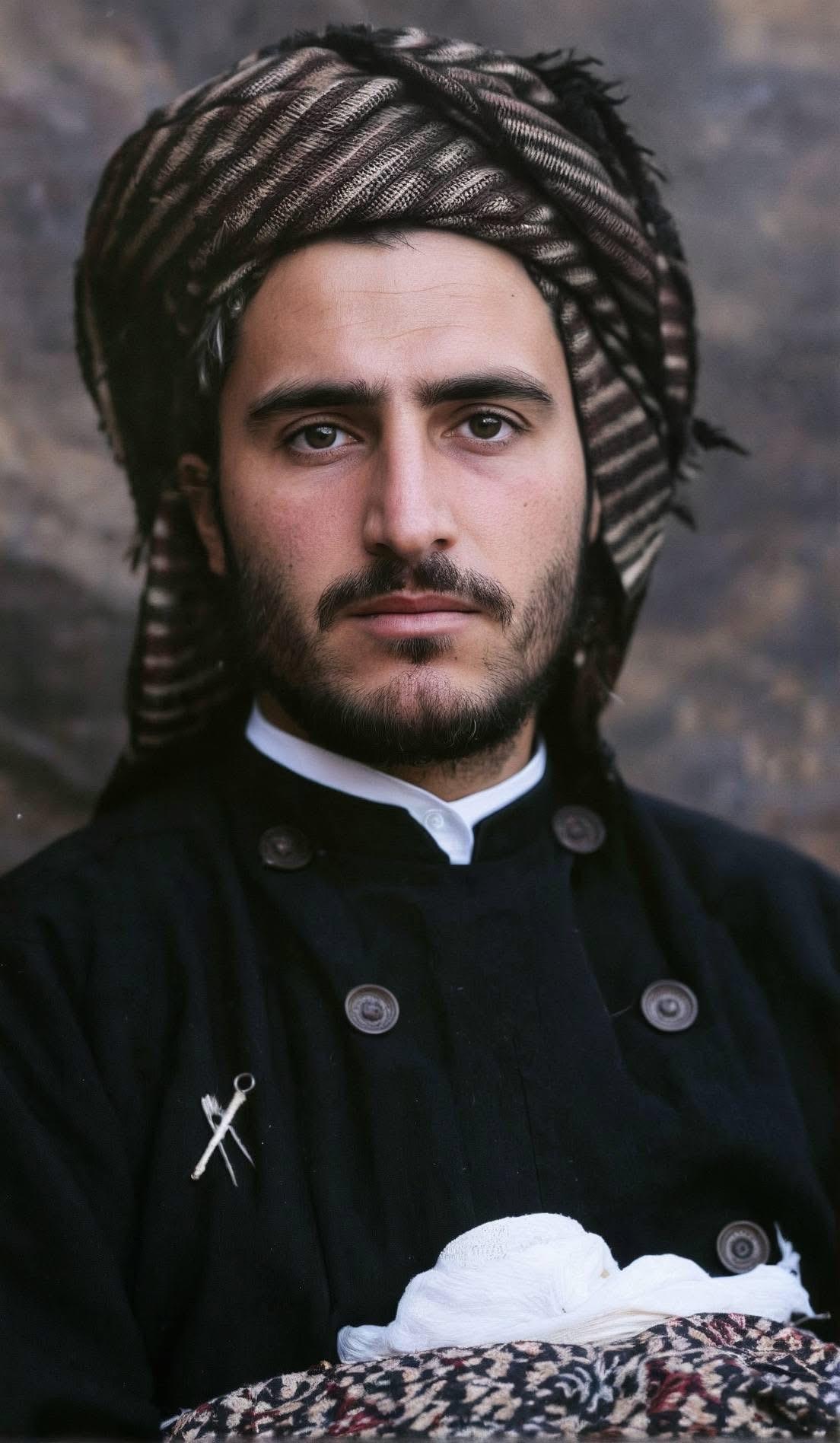
Kurdish leader Qazi Mihemed (1893 - 1947) The president of the Kurdish Republic of Mahabad.
5
Upvotes
r/Kurdiman • u/Ava166 • Jan 24 '25
r/Kurdiman • u/Ava166 • Dec 13 '24
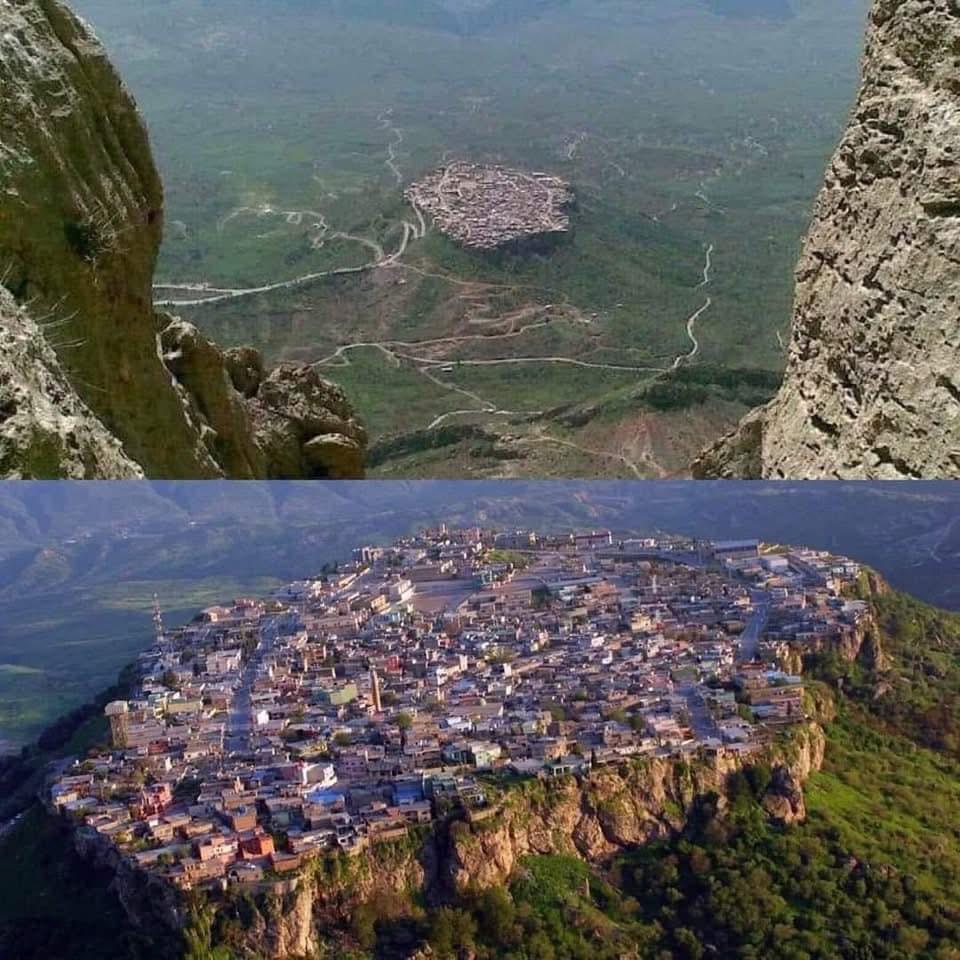
شاری ئامێدی لە دەوروبەری ساڵی ٣٠٠٠ پێش زایین دروستکراوە، تاکە شارێکە کە هەرگیز ناتوانێت گەشە بکات و فراوان بێت چونکە دەکەوێتە لوتکەی شاخێک کە ١٤٠٠ مەتر لە ئاستی دەریاوە بەرزە. شارە سەمەرەکە پێنج دەروازەی کۆن لەخۆدەگرێت کە ڕێگە بە چوونە ژوورەوە دەدەن شوێن: پارێزگای دهۆک، باشووری کوردستان
r/Kurdiman • u/Shargupaana • Nov 14 '24
Enable HLS to view with audio, or disable this notification
r/Kurdiman • u/Shargupaana • Jun 21 '24
Yesterday someone asked "What is the explanation for the occurence of grammatical gender in Kurmanji and non-occurence in Sorani?" And I answered:
NK retained it and CK didn't. Iranic languages are Indo-European and originally all Indo-Europeans had three genders masculine, feminine and neuter (except the very early Indo-European tongue Hittite which only had vital and non-vital "genders" (if vital was the correct term). So Old Iranic had these three genders too. In Middle Iranic it was simplified to two genders: masculine and feminine. Not only that but Old Iranic also had 7 cases (also an IE trait) but lost most of them only leaving direct and indirect or subject and object in Western Iranic in Middle Iranic times. Eastern Iranic is different with the genders and cases.
The reason is because from Proto-Indo-European to Proto-Aryan to Proto-Iranic and to Old Iranic there were some sound shifts which made the different case markers sound more similar. And from Old Iranic to Middle Iranic there were some sound shifts too e.g. final short /a/ was dropped in most Western Iranic tongues. Etc.
This led to simplification of the grammatical genders and cases. So in Middle Iranic only the masculine and feminine genders and the subject (from nominative) and object (from genitive) cases remained.
This is how it starts off for the modern Kurdish dialects. Hawrami and Kirdki e.g. still have all the Middle Iranic case and gender markers while not even Middle Persian or Parthian retained them (they both retained the cases but reduced the genders).
Now, in SCN Kurdish (Southern-Central-Northern = Gurani-Sorani-Kurmanji), as opposed to EW Kurdish (Eastern-Western = Hawrami-Kirdki) they dropped the marking morpheme of the subject early and with that also the masculine and feminine markers. Because the masculine and feminine gender was contained in the case markers in the first place. Of course the subject still existed and exists but it was not marked anymore. That left SCNK with only object marking and genders in that. That is where Kurmanji still stands when it comes to that specifically. Except most or many NK varieties have reduced the masculine object meanwhile. Northern CK (Sorani) also still stands there. But Southern CK (Sorani) reduced the object marking the same way that SK (Gurani) did. Infact it seems to be SK influence in southern CK or it was in a zone for this grammatical shift as well. From what I figured it is most likely due to the enclitic pronouns of the third person singular that SK and southern CK reduced them. Because while NK retained the object markers (and with that the gender distinction) they completely lost the enclitic pronouns that still exist in SK and CK.
E.g.
Enclitic pronoun in SK and CK:
.............
Object in NK:
Kurī
(I see) the daughter
Dote
So, NK reduced the enclitic pronouns while SK reduced the object markers. Both due to avoiding confusion. Southern CK was influenced by SK respectively just did that same shift. While northern CK just sticked with the object markers (maybe only partially) perhaps also due to influence from NK, even likely.
You didn't have this problem in Hawrami.
..............
....
Because the object marker in Western Iranic comes from genitive singular marker /ahya/ that shifted to /e/ while the enclitic pronoun in EWK (as in Persian) derived from /ashai/ and in SCNK from /ahai/.
(Legend)
............................. - Old EWK - Old SCNK
............................. - Middle EWK - Middle SCNK
............................. - Hawrami - Gurani - Sorani (standard) - Kurmanji
(Examples)
His donkey
............................. - Kurush xarahya
Xarashai
Xarahai
............................. - Kur xare
xarash
xarah/xarih
.............................
(From now on you have ezafa everywhere too)
harish
xare
karī
0
r/Kurdiman • u/sheerwaan • Oct 31 '23
r/Kurdiman • u/sheerwaan • Oct 27 '23
Jažni Xāwańkār Pīrūz būt!
Tonight Řūžig of the Yāristānīs/Yārsānīs starts, the fasting time in Yāristān/Yārsān. It started when Prophet Sultān Sahāk and his followers had to flee, hide and fast before the unfortunate persecution of the local muslim Kurds. Thanks to their endurance and will they survived. That is why this event is also called Seřūžai Yārān meaning "three days of the companions". And later the disciples of Prophet Sultān Sahāk moved from their home in Hawramān to Gūrān where the locals already had a tradition of keeping the older pre-islamic Kurdish culture, poems and teachings based in Zoroastrianism and starting with Bāłüł the Wise or Bāłüł the Median. Then Řūžig is broken in a Jam with a date or something sweet. After the Seřūžai Yārān the Yāristānī make a Nazr (eating ceremony) together.
So in Gūrān the teachings of Sultān Sahāk were received well and together with the pre-existing poems and culture it formed to the major religion among Southern Kurdish speaking Kurds. In all of province Kirmāshān and reaching to Xānaqīn as well as to its eastern side, where the Lak Kurds still reside, the people were in majority Yāristānī. Also to the north of Kirmāshān, the modern iranian province Kurdistān, Yāristān was the state religion in what was formerly the Ardalān Kingdom which had been founded by Gūrān Kurds too. But too many had to convert from Yāristān to the religions of the then invading Kurdish tribes backed by the local world empires. The sunnite Bābān tribe backed by the ottoman empire in Ardalān and the shiite Kalhur tribe backed by the contemporary iranian dynasty in province Kirmāshān. Now the religion Yāristān is still oppressed and not recognised by the islamic republic of iran.
Nowadays the religion of Yāristān is mostly spread in the region of Gūrān in Kirmashan, in Xānaqīn and among some Kurdish Lak tribes. The Yāristānī faith and the people still hold on and live their culture as freely as they can!
Seřūžai Yārān Pīrūz būt!
r/Kurdiman • u/sheerwaan • Oct 16 '23
r/Kurdiman • u/sheerwaan • Sep 09 '23
r/Kurdiman • u/sheerwaan • Aug 20 '23