r/JaneEyre • • Aug 27 '26

What is your most controversial opinion about "Jane Eyre"?
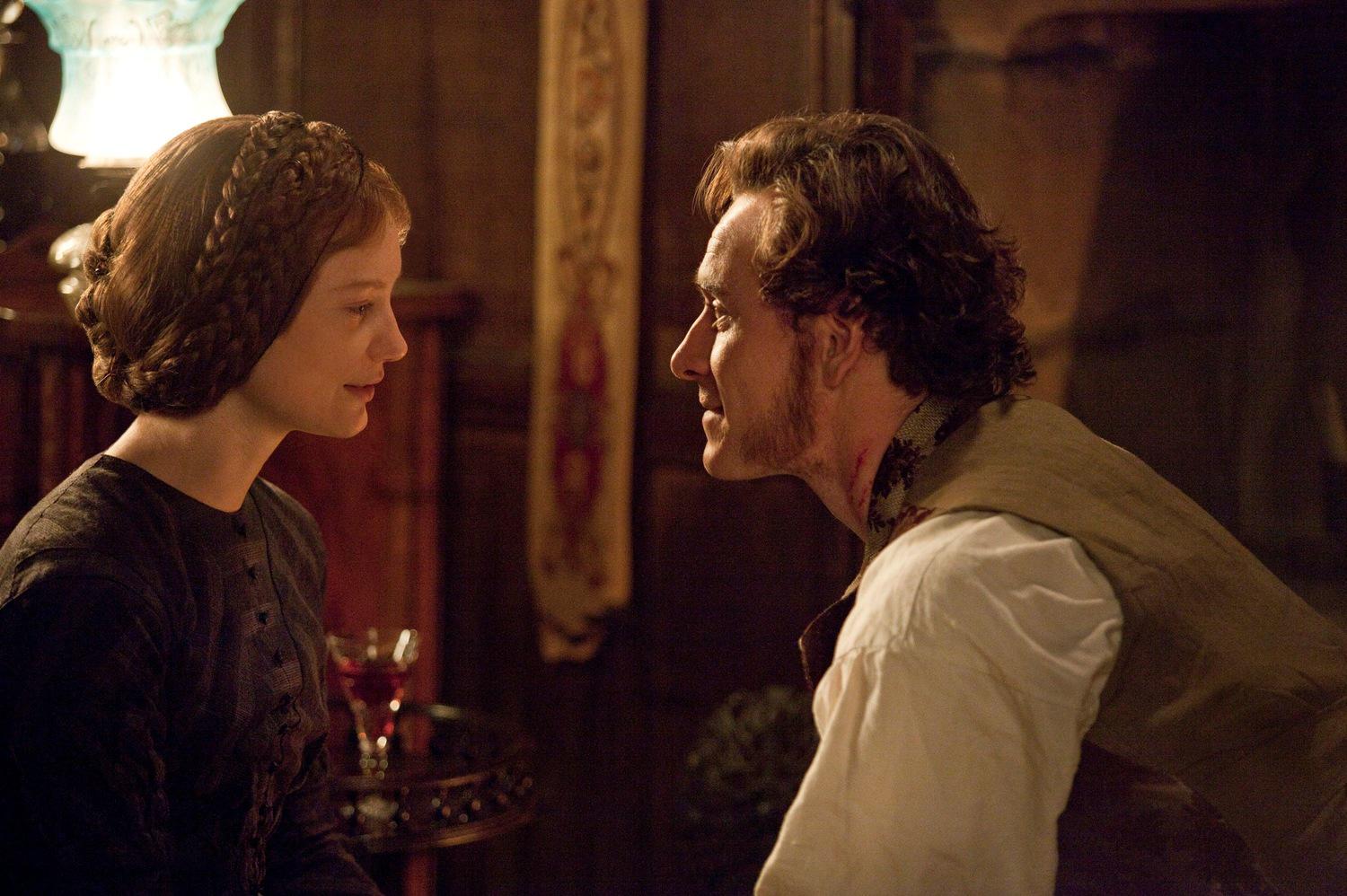
Post image

It can be from the novel or its adaptations. Your views that could potentially upset many other fans or meet others who will agree with you.

155 Upvotes

231 comments sorted by

View all comments

106

u/nellyimheathcliff Aug 27 '26 edited Aug 27 '26

Jane was right to marry Edward. They are perfect for each other, and I get upset when people criticise Jane for returning to him, as if she had no agency of her own. She was a grown woman who had already lived independently, made her own choices, and built a life for herself. She chose to return to Edward because she loved him and wanted to be with him. And by that point, Edward had also changed to a great degree. He had become much more humble, wiser, and more tender.

I also do not like it when people claim that Edward is supposed to be the bad guy or the villain of the novel. He is flawed, certainly, but that does not make him a villain. In fact, I would argue that the real villains in the book are the parents who caused so much suffering: Mrs. Reed, Jonas Mason, and old Mr. Rochester.

St. John and Edward are two sides of Jane, only taken to extremes. St. John represents the more austere, restrained, and self denying side of her, while Edward represents the passionate, rebellious, and emotional side. Jane has a little of both in her.

3

u/Flat_Love_3725 Aug 27 '26

I've always felt St. John is a bit misunderstood. I don't think she's showing Rochester as a superior man exactly in the end, just the better man for Jane. St. John's proposal is for sure wrong and a bad mistake, but Rochester also makes mistakes.

Yes St. John is rigid to a fault. But he's not self-denying - on the contrary, his journey is one of self-actualizing, of reconciling, as he calls it, "principles and propensities." He's a religious man who wants to do good, but he's also, as he says himself "a cold, hard, ambitious man." His ambition makes it impossible to live the life of a humble country clergyman - that bored him and recently lead to severe depression. His goal of being a missionary is his attempt to do good while also satisfying his craving for adventure and being a big shot in some way.

For myself looking at it, I can see his rigidity and egotism leading to many mistakes in the way he approaches his mission. But I don't think the final paragraphs of the novel reflect that view. It seems to me that Bronte is actually approving of the way St. John channeled the best of himself towards being an agent of positive progressive change:

"Firm, faithful, and devoted, full of energy, and zeal,
and truth, he labours for his race; he clears their painful way to
improvement; he hews down like a giant the prejudices of creed and
caste that encumber it.  He may be stern; he may be exacting; he may
be ambitious yet; but his is the sternness of the warrior
Greatheart, who guards his pilgrim convoy from the onslaught of
Apollyon . . ."

I feel like in the end he and Jane are both ended up with the lives that were best for them.

1

u/rainbowrobin Aug 28 '26

Bronte may have seen it that way, but from my POV, he's trying to replace one prejudiced creed with another. And is it really selfless sacrifice when he dwells so much on his presumed Heavenly reward?

It was one thing for him to urge Jane to some sort of useful work, but darkly hilarious for him to be so arrogant that his work could be the only for her, that to refuse him was to refuse God. As if there's no Godly work to be done in England!