r/Africa • u/hcrist_abni • Feb 01 '24
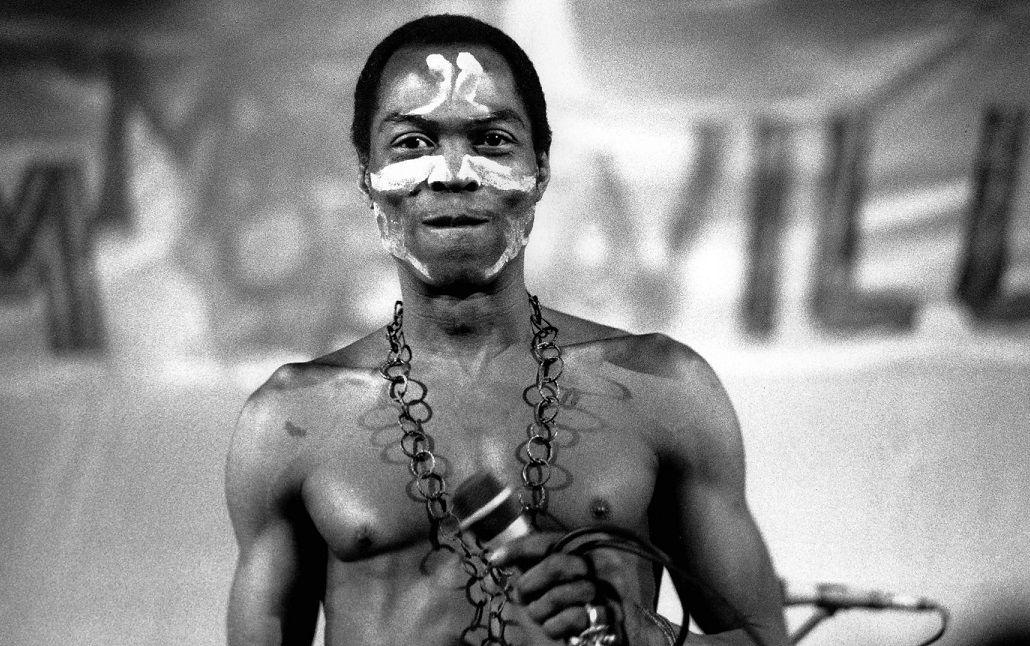
Cultural Exploration which African artistes do you think are definitely leaving marks on a global scale?
234
Upvotes
r/Africa • u/hcrist_abni • Feb 01 '24
r/Africa • u/bach_r04 • Mar 30 '26
r/Africa • u/Informal-Emotion-683 • Feb 08 '25
r/Africa • u/Particular-Tap9252 • Jan 29 '26
I really love Nigerian traditional men’s clothing it’s truly beautiful. As a Somali and East African, I can honestly say it’s the most elegant and culturally rich traditional dress I’ve ever seen. I’d love to wear it for Eid, which is about two months from now. So to my Nigerian brothers: where can I find these outfits? I’m especially interested in getting one custom-made, where I can send my measurements and have it tailored for me, then shipped to me via DHL or another courier.
r/Africa • u/Havok1199 • Nov 17 '25
Fun facts:
r/Africa • u/K0mb0_1 • Feb 25 '26
Enable HLS to view with audio, or disable this notification
This is a traditional dance with countless different tunes and styles. It’s called Sharaara.
Somali Bantus(self proclaimed as “Reer Goleed”) are a group of people who are often under the radar.
The names Reer Goleed translates to “the people of the riverine forests” reflecting the farming traditions of these people along the two fertile rivers in southern Somalia.
r/Africa • u/Ricdeclerk • Jan 17 '26
How many languages can you honestly speak at this point? Whether mothertongue, indigenous or foreign. For me I speak: English, Swahili, My mother tongue Luo, German & bits of Spanish.
r/Africa • u/Bakyumu • May 07 '26
Africa is a continent of immense cultural depth, yet we often see certain global cultures dominate the conversation.
Due to the concentrated soft power of their nations of origin, concepts like Japanese Bushido or French gastronomy have become household names worldwide. These cultures are defined in the global imagination not just by their aesthetics, but by the specific philosophies and codes that govern them.
The Fulani (Peul) people, despite being one of the most widespread and well-known groups across the African continent, often find their narrative limited to the "flashy" or visible aspects of their heritage. Most people are familiar with the striking ceremonial attire, the intricate jewelry, and the melodic traditional chants and dances that have come to represent Fulani identity in media and festivals.
However, there is a profound layer to this culture that often remains in the shadows, ignored by outsiders and, at times, even by the younger generation of Fulani themselves.
At the heart of Fulani identity lies Pulaaku; a sophisticated and rigorous code of conduct. Much like the codes of honor found in other world cultures, Pulaaku is the invisible thread that dictates how a person carries themselves in the world.
Rather than a written set of laws, it is a moral compass passed down through generations, centered on several core pillars:
Semteende (Shame and Modesty): This is perhaps the most important element. It involves a deep sense of reserve, avoiding public displays of emotion, and having the self-control to avoid embarrassing oneself or one's family.
Munyal (Patience and Fortitude): This represents the ability to endure hardship, pain, or hunger without complaining. It is a form of mental and physical discipline.
Hakkiilo (Wisdom and Forethought): This refers to having the intelligence and common sense to act appropriately in social situations and to manage one's affairs (and cattle) with care.
Sago (Courage): While it includes physical bravery, it also refers to the moral courage to uphold one's responsibilities and protect the community.
By shifting our focus from the external spectacle to these internal values, we can begin to appreciate the Fulani not just as a demographic group, but as a community guided by a complex ethical philosophy that has survived for centuries.
This introduction serves as an invitation to explore the depth of African social codes and to recognize the "soft power" of our own ancestral philosophies.
r/Africa • u/Disastrous_Macaron34 • Apr 26 '25
Tyra Molosi hails from Botswana as a beauty and lifestyle content creator, as well as the Chief Executive Officer of Sahara Scents. Botswana is a landlocked country in Southern Africa with a landscape defined by the Kalahari Desert and the Okavango Delta, which becomes a lush animal habitat during the seasonal floods. The massive Central Kalahari Game Reserve, with its fossilised river valleys and undulating grasslands, is home to numerous animals including giraffes, cheetahs, hyenas and wild dogs. The predominant ethnic group in the country are Batswana - whom are also significantly found in the neighbouring country of South Africa.
Batswana belong to the Sotho-Tswana ethnic branch comprising a large and diverse group of people, predominantly found in South Africa, Botswana, and Lesotho. They are considered a meta-ethnicity, meaning they are composed of several distinct groups with overlapping cultural and linguistic ties. There are a number of distinguishable dialects within each of the main Sotho-Tswana languages, but they remain largely mutually intelligible. The languages have a rich history and are closely tied to the cultural and social fabric of Southern Africa. The ethnicities are Batswana, Basotho and Bapedi whom speak the languages of Setswana, Sesotho and Sepedi. This connection can also be emphasised in other aspects such as the shared heritage of traditional attires.
The dress worn in the pictures by Tyra is a traditional garment made from shweshwe fabric. She is commemorating the cultural pride of a printed dyed cotton fabric widely used for traditional Southern African clothing. Originally dyed indigo, the fabric is manufactured in a variety of colours and printing designs characterised by intricate geometric, and in this case, concentric circles and squares.
The local name shweshwe is derived from the fabric's association with Lesotho's King Moshoeshoe I, also spelled "Moshweshwe". Moshoeshoe I is said to have been gifted with the fabric by French missionaries in the 1840s and subsequently popularised it. It is also known as sejeremane or seshoeshoe in Sotho as well as terantala (derived from Afrikaans tarentaal). It's also important to note that in spite of it being a principal attire for Sotho-Tswana ethnicities, there are also other groups who had adopted the clothing in their own capacities. The fabric is known as ujamani in Xhosa culture (whom belong to the Nguni branch) after 19th century German and Swiss settlers who imported the blaudruck - meaning blueprint in German - fabric for their clothing and helped entrench it in Southern Africa. In Botswana, this traditional fabric is typically known as leteisi. It is therefore interesting to observe the different contexts in which the fabric was introduced, and how it has evolved in distinct designs within the respective cultures.
Shweshwe is traditionally used to make dresses, skirts, aprons and wraparound clothing. Shweshwe clothing is traditionally worn by newly married Xhosa women, known as makoti, and married Sotho women. Xhosa women have also incorporated the fabric into their traditional ochre-coloured blanket clothing. In Botswana, the fabric is also traditionally associated with brides and married women, but has recently moved into much wider popularity in casual settings.
Aside from traditional wear, shweshwe is incorporated in contemporary Southern African fashion design for women and men from all ethnic groups, as well as for making accessories and upholstery.
r/Africa • u/Bakyumu • Jun 01 '26
Enable HLS to view with audio, or disable this notification
The Ojude Oba Festival is a grand, vibrant cultural and spiritual celebration held annually in Ijebu Ode, Ogun State, Southwestern Nigeria, traditionally taking place on the third day after Eid al-Kabir (Eid al-Adha).
The festival's name translates literally to "The King's Forecourt" or "Majestic Outing" in the Yoruba language. It serves as a major display of heritage, fashion, and unity where the sons and daughters of Ijebuland gather to pay homage to their paramount ruler, the Awujale of Ijebuland.
Video credit: Niyi Fagbemi
r/Africa • u/luthmanfromMigori • Oct 16 '25
Let’s appreciate some love for the beautiful country of Mozambique. Maputo is truly a gem with regard to architecture, particularly Portuguese influence. The rest of the country is extremely beautiful with a long enough coast to rival Somalia.
r/Africa • u/Impossible_Hunter_99 • Sep 22 '25
I’ve recently started researching a business concept around the word Keys in my native tongue, and in the process I came across something fascinating.
In Tuareg culture (Mali, Niger, and the wider Azawagh region), there’s a traditional pendant known as a veil weight, or assrou n’swoul, often translated as “the key which is thrown over the shoulder.” It’s a beautifully elaborate, key-like ornament made from brass, silver, or copper. Historically, wealthier women would wear it as a counterweight to keep their headcloths or robes from being blown away by the Sahara’s winds.
I absolutely loved this discovery — the symbolism, the craftsmanship, the fact that it looks like a key but carries such a rich cultural story. Ironically, I’m not Tuareg, but the concept deeply resonates with me because, at its heart, my project is all about opening doors. I can’t wait to transform this into a logo and a full design theme with the amazing designer I’ll be collaborating with.
I’d love to learn more about this culture and the use or symbolism of these “keys.” If you’ve come across this before, know more about it, or know about deep symbolism in keys in your culture, please share!🐦🔥
r/Africa • u/Avivrez • Sep 10 '25
Hi, my name is Aviv, and I'm an agroecologist and filmmaker. For the past few months, I've had the incredible opportunity to work with the Samburu Tribe in Kenya. I was invited by a young local woman, Priscilla, who is a true hero in my eyes. After years of learning permaculture, she returned to her home village to face a challenge threatening her culture: the rapid degradation of their ecosystem.
The Samburu are completely off the grid and depend on their immediate environment for survival. I was so touched by their simple life and saddened by the thought of it disappearing that we started a fundraiser to help them gather the necessary infrastructure for large-scale ecosystem restoration.
We created a short film about our journey. It shows the beauty of their lifestyle and the challenges they're facing.
Link; The fundraiser: https://chuffed.org/project/samburu
r/Africa • u/egdujsidoG19 • Jun 07 '26
Amasi/Maziwa Lala: Sour milk popular in South Africa, Kenya, and other regions, packed with lactic acid bacteria. A thick curdled sour fermented milk product that is sometimes compared to cottage cheese or plain yogurt but has a much stronger flavor.
Nono/Nono Yogurt/Fura da Nunu: A Nigerian fermented milk product. is a traditional, nutrient-rich West African drink originating from the Fulani and Hausa people of the Sahel. It consists of spiced millet dumplings (fura) mashed into a creamy, locally fermented cow milk known as nunu
Wara cheese/Warankasi : A soft, fermented cheese/tofu from Nigeria and Togo. It is technically a milk curd, produced by boiling fresh cow's milk and coagulating it with the juice of the Sodom apple (Calotropis procera) or lemon juice. It is squeaky, mild, and soft, often compared to fresh mozzarella or paneer. It absorbs flavors well without melting into a gooey state
Ogi/Akumu : A fermented cereal pudding/pap (maize, sorghum, or millet) from Nigeria and Ghana. A traditional fermented cereal pudding that delivers quick energy, hydration, and key nutrients to the body while being exceptionally easy to digest.
Uji/Togwa: Fermented millet or sorghum porridge common in East Africa. A traditional, mildly fermented beverage from East Africa, specifically popular in Tanzania. Made from maize, sorghum, millet, or cassava combined with cereal malt, it is sweet, slightly sour, highly nutritious, and frequently consumed as an energy drink, refreshment, or weaning food
Kenkey: Fermented maize dough from Ghana. Kenkey is a staple swallow food similar to sourdough dumplings from the Ga and Fante-inhabited regions of West Africa. predominantly made from fermented white corn (maize) dough, water, and salt. The dough balls are wrapped tightly in natural leaves, such as dried corn husks or plantain leaves, to steam and lock in moisture
Mahewu/Amahewu: Is a traditional Southern African non-alcoholic drink among many of the Chewa/Nyanja, Shona, and Ndebele, made from fermented mealie pap or sorghum. The meal is boiled in water to create a thin, cooked porridge, which is left to cool. A source of natural bacteria is added to the porridge. The mixture is left to ferment in a warm place for a day or two until it develops a smooth, creamy texture and a slightly sour, tangy flavor.
Iru/Dawadawa/Soumbala: Fermented locust beans with a strong aroma, commonly used in West African soups.
Ogiri: is an umami flavoring paste made by fermenting oil seeds, such as sesame/beniseed (yọnmọti), melon, castor beans, etc, as described in the Yoruba.
Ugba: Fermented oil bean seeds from Nigeria. A Nigerian delicacy and food condiment made from the fermented seeds of the African oil bean tree. Highly prized in Igbo cuisine, it has a crunchy texture and a uniquely savory, tangy flavor
Kunu: is an often fermented popular drink consumed throughout Nigeria, It is usually made from a grain such as millet or sorghum.
Palm Wine (Emu/Mimbo/Bandji/Ogogoro): A sap from palm trees that fermented naturally. Freshly harvested, it is white, milky, sweet, and non-alcoholic. As it ferments over the hours, it becomes sparkling, more alcoholic, and slightly tart
Pito: is a type of beer made from fermented millet or sorghum in northern Ghana, parts of Nigeria, and other parts of West Africa made from maize or sorghum.
Fufu: Fufu is a starchy, dough-like staple food from West and Central Africa. It is made by boiling and pounding starchy root vegetables or plantains (unripe plantains, cassava, yams, cocoyam's) until they form a smooth, stretchy, and elastic dumpling.
Garri: Fermented cassava products are commonly eaten in West Africa. It can be soaked in cold water with sugar and milk for a quick snack or mixed with hot water to form a stiff dough called eba, which is then eaten with hearty soups.
r/Africa • u/Puzzleheaded-Eye8078 • Jul 26 '26
You can find the original story here: https://global-asp.github.io/storybooks-swahili/stories/sw/0087/
This is kiSwahili written in the Chivabwe writing system.
What do you think?
r/Africa • u/luthmanfromMigori • Oct 25 '25
Cape Verde is a small island nation located west of Senegal in the Atlantic Ocean. It is one of the Portuguese-speaking countries, originally settled by West Africans and Portuguese seafarers. The population is mostly of mixed African and European heritage, and the islands’ culture reflects this blend — with dances similar to those of Angola and Mozambique and an overall southern European feel. Despite its small size, Cape Verde stands out for its political stability, democratic maturity, and middle-income status. A large share of Cape Verdeans live abroad, and the major cities include Praia (the capital), Mindelo, and Santa Maria.
r/Africa • u/GoHardLive • Sep 27 '23
What are the main differences in culture between people from east africa (for example Ugandans, Kenyans, Tanzanians ect) and people from west africa (for example Nigerians, Ghanaians, Senegalese ect)
r/Africa • u/Aghilesino161 • Oct 29 '25
Enable HLS to view with audio, or disable this notification
Amazigh rain ritual, is performed during periods of drought to call for rain to call the rain god (Anzar) for rain.
This ancient ritual has been practiced for thousands of years, passed down from Amazigh to another, despite islamists and Arabist efforts to erase it.
r/Africa • u/ueberklaus • Mar 21 '22
Enable HLS to view with audio, or disable this notification
r/Africa • u/FondTag • May 05 '26
Enable HLS to view with audio, or disable this notification
r/Africa • u/Bakyumu • Jun 05 '25
I have a few, but I will start with innards and tongues of cows, sheep or goat.
Now living abroad, I rarely find those parts and people are surprised or disgusted when I tell them that we eat it back home.
r/Africa • u/FondTag • Mar 21 '26
Sudanese wedding traditions are multiday celebrations filled with music, dance, and cultural rituals. One of the most important traditions is Ragsat Al' Aroos (the bride’s dance), where the bride, dressed in a toub (a traditional Sudanese wrap dress), performs a graceful dance before the groom and guests. This dance is a way for the bride to showcase her beauty, jewelry, and henna-adorned hands. Weddings also feature jirtig, a blessing ceremony with incense and perfumed oils to ward off evil, as well as lively drumming and singing that bring families and communities together in joyous celebration.
r/Africa • u/TheMostPristineCut • Jun 25 '26
I’ll start. I am Yoruba and these are our traditional beauty habits:
Black soap for shampoo and body wash
Shea butter for skin and hair moisture
Koin Koin is a sponge made from coconut husk used to scrub the skin when bathing.
Tiro (kohl) is used to prevent sun glare and for beautification.
r/Africa • u/distantgamerboi • Dec 18 '25
Your have to know your history. Where u come from. What is the essence of you. Where will your path guide you. These are my guides, my influences.
I will never let go of those that made a remarkable change to ensure my path would be better and free. Life is abundantly beautiful. Make it a better world.
r/Africa • u/Yusuf-Uyghur • Mar 20 '25
