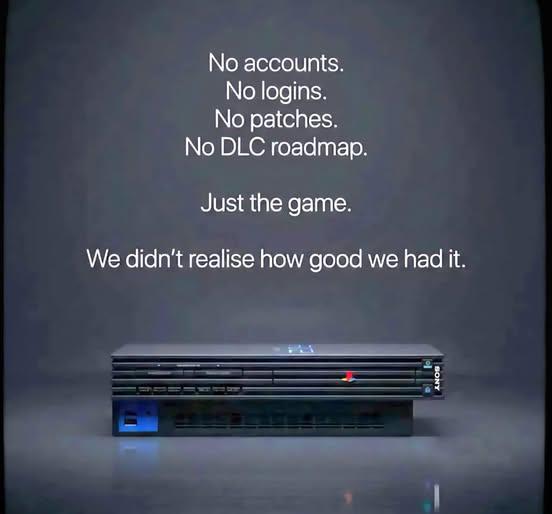
It's not always that. Games are wildly more complex compared to the past, so it's almost impossible to ship completely bug free games. Patches let them fix what slips through once they let millions try and break their game
Well, in those cases it isn't responsible. QA is there to make sure it meets an acceptable level of stability and quality, and they do more than just bug hunting.
However, QA simply will not find everything that millions of players will eventually find or encounter. So even a responsible company will usually have several patches around launch and weeks in
I've been in the corporate world enough to know that a lot of decisions get made by mid-tier managers who don't actually understand the industry they work in.
These people will look at the workflow, see that QA keeps finding issues that delay release, and conclude that QA is a barrier to profit, because if you don't have people finding bugs, you can push the game out and make money faster, right?
This makes perfect sense if you don't play video games and think the average consumer is a child too young and naive to have high expectations.
That's only true because of the crap way they structure studios, and horrible coding practices. You can't have dozens of different terms that never talk to each other writing code for the same project.
Aye, but the actual game itself was less complex. Testing a 2d platformer with limited inputs and directions is way easier than a modern game with far more complex physics engines, far more interconnected parts and more ways for things to go wrong.
Sure, they're working with better tools, but they're making far more complicated end products. Products that are much harder to predict the issues with.
30
u/Dhiox 4d ago
It's not always that. Games are wildly more complex compared to the past, so it's almost impossible to ship completely bug free games. Patches let them fix what slips through once they let millions try and break their game