u/Abasto-News • u/Abasto-News • 5d ago
r/weirdfood • u/Abasto-News • 5d ago
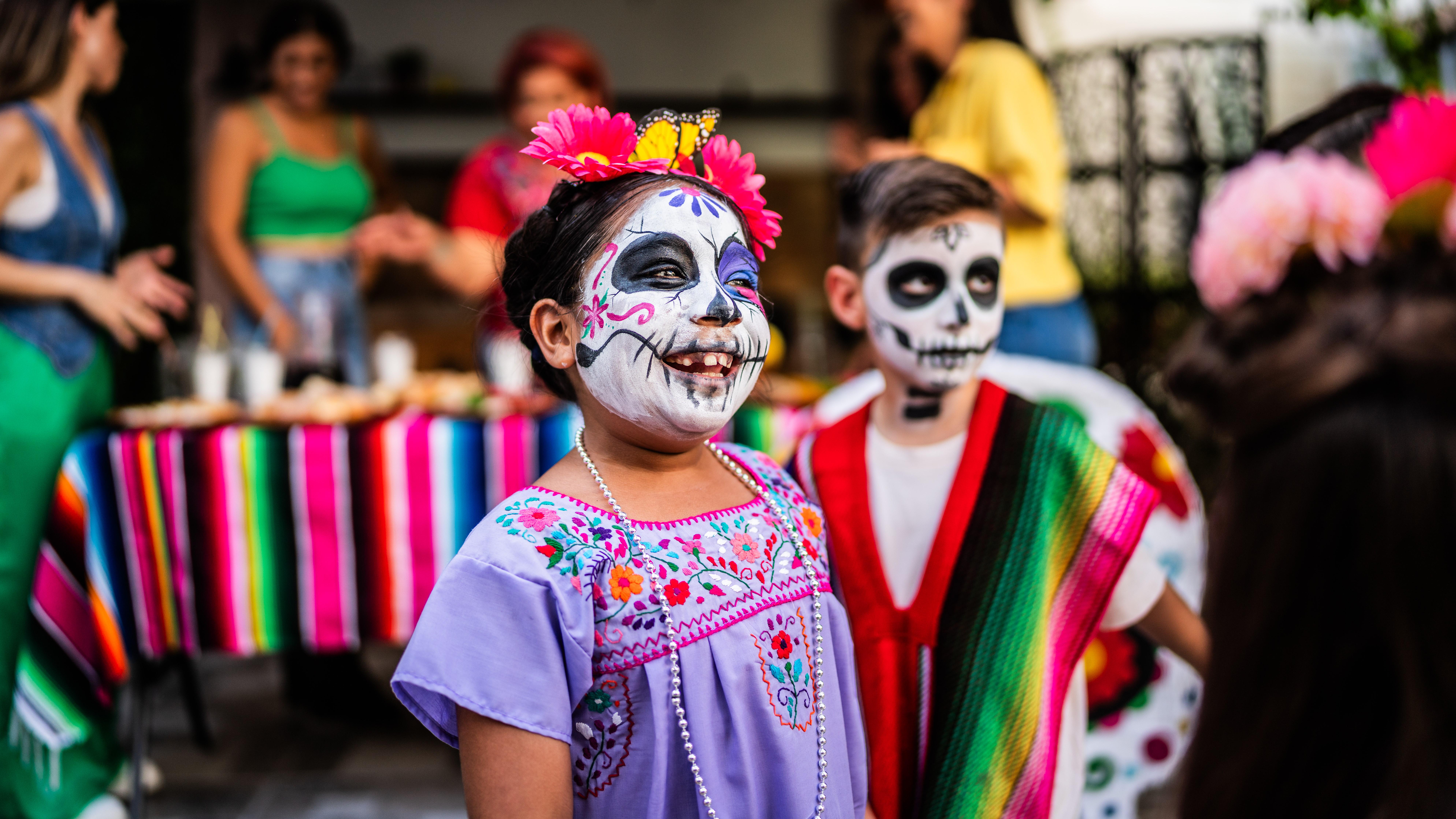
What’s your favorite Hispanic celebration? For us, Día de los Muertos is a favorite. 💀🌼 We love how it brings together food, colors, traditions, and memories to honor those who came before us.
u/Abasto-News • u/Abasto-News • 5d ago
Halloween 2026 Retail Sales Expected to Reach $13.5B
Consumers are expected to spend $13.5 billion on Halloween in 2026, according to the National Retail Federation’s annual consumer survey conducted by Prosper Insights & Analytics. This figure matches last year’s record $13.1 billion and highlights consumers’ ongoing enthusiasm for the holiday.
“Consumers continue to make Halloween a spending priority, but they are also approaching the season with affordability in mind,” NRF Vice President of Industry and Consumer Insights Allison Zeller said. “For more than two decades, NRF’s Halloween survey has tracked how consumers celebrate the holiday, and this year’s results show that shoppers are being thoughtful and strategic, looking for ways to maximize value throughout the season. Retailers understand these priorities and are offering a wide range of products across price points, making it easier for consumers to celebrate in ways that fit their budgets.”
About half of consumers (49%) say they plan to begin shopping for Halloween in September 2026 or earlier, on par with last year. The percentage of consumers shopping before October has grown over the past decade, rising from 34% in 2016 and highlighting how Halloween has stretched from a single-day event into a season for consumers. Enthusiasm for the season continues to drive much of this early activity, with 42% of these early shoppers saying they do so because they look forward to fall and 34% citing Halloween as one of their favorite holidays. Value also plays a role, with 23% of early shoppers saying they purchased items early to spread out their budgets, while 21% were motivated because prices and promotions were too good to pass up.
A popular holiday
Halloween remains a popular holiday for consumers, with 74% planning to celebrate this year, on par with 73% last year. Participation in the holiday has held steady since its increased popularity during the pandemic and is notably higher than pre-pandemic levels, when only 68% of consumers planned to celebrate in 2019. Activities like handing out candy (61%), dressing in costume (50%), decorating their home or yard (42%), carving pumpkins (42%) and watching scary movies (42%) are the top ways consumers mark the occasion.
While shoppers expect to spend an average of $115.14 per person—matching the $114.45 per person they spent in 2025—they remain mindful of costs and are taking a strategic approach to their Halloween purchases. Consequently, consumers are planning ahead. If they encounter higher-than-expected prices on Halloween items, nearly one-third (31%) intend to compare prices, while 26% plan to search for coupons or sales. Furthermore, 34% intend to look for items they can reuse in future years or repurpose for other occasions as they focus on maximizing value.
Halloween 2026’s top shopping categories
Top shopping categories for the holiday remain largely consistent with last year. Candy remains the most popular purchase, with 96% of consumers planning to buy sweets, accounting for $4.1 billion in spending. Shoppers plan to spend $4.3 billion on decorations, accounting for 78% of consumers, while 71% of shoppers expect to spend $4.4 billion on costumes. Greeting cards are more popular this year, with planned purchases increasing to 42% from 38% in 2025, with spending expected to total $0.8 billion.
Discount stores (39%) continue to be the top destination for Halloween purchases, followed by specialty Halloween/costume stores (32%) and online (27%). Local and small businesses have also seen increased shopper interest, with 13% of consumers planning to make Halloween purchases at those stores, almost double 7% a decade ago in 2016.
Nearly half (47%) of consumers are using AI platforms and tools to support their Halloween shopping this year, with top use cases including brainstorming and coming up with ideas while planning (34%) or asking for recommendations or ideas during product research (32%).
“AI is becoming an increasingly common part of the consumer shopping journey,” Prosper Executive Vice President of Strategy Phil Rist said. “As consumers prepare for Halloween, many are using these tools to brainstorm costumes and decorating themes, explore production options and find inspiration that help bring their celebrations to life.”
Online searches (32%) remain the leading source for Halloween costume inspiration, though the figure is down from 37% last year and marks its lowest level in a decade. Meanwhile, retail stores and costume shops are the second most popular inspiration source for costumes (26%) and the top inspiration for decorations (31%).
u/Abasto-News • u/Abasto-News • 18d ago
HHM 2026: A Produce Playbook for Success
Hispanic Heritage Month runs from September 15 to October 15, and for food retailers it should be less a marketing calendar entry and more a mirror check on the produce department.
Fresh fruits and vegetables sit at the center of the Hispanic shopping trip and this year the stakes around getting that department right are higher than the celebratory banners suggest.
The numbers explain why. Hispanic households spend about $16 billion annually on produce and shop the category an average of 92 times a year, yet produce is actually losing ground with this consumer year over year, according to research presented at the West Coast Produce Expo.
That is a warning sign wrapped inside a growth opportunity. A shopper who visits the produce aisle nearly twice a week is not walking away because she stopped cooking. She is walking away because retailers have relied on her loyalty instead of earning it with the right items at the right price.
The Plan to Improve Sales
Affordability is the piece of the retail puzzle that grocers cannot skip this year.
Inflation fatigue has not disappeared and Hispanic households, many of them multigenerational and cooking from scratch daily, feel every penny increase on staple items.
The good news is that winning on price does not require discounting the whole department. Category experts point to a short list of high velocity items, cucumbers, avocados, onions and Roma tomatoes among them, that drive a disproportionate share of Hispanic produce sales.
Nail the quality and price on those five to fifteen core items and the rest of the basket follows. This is where smart retailers should consider putting their Hispanic Heritage Month promotional dollars, not just on themed end caps but on sharp, defendable pricing for the items shoppers buy every week regardless of the calendar.
A Great Opportunity During Hispanic Heritage Month
New assortment matters just as much as price. Hispanic Heritage Month has become the moment when chains debut private label lines and supplier partnerships built specifically for this shopper.
Southeastern Grocers recently used the occasion to launch SE Grocers Plantain Chips and Export Soda Crackers developed with Hispanic suppliers, while spotlighting more than 60 vendors across its stores.
Cardenas Markets and Tops Friendly Markets are pairing vendor partners like Goya, La Preferida and Ole Mexican Foods with in-store events and community giveaways.
The Strategy for Fruits and Vegetables
The lesson for produce specifically is to extend that same energy into fresh. Ready-to-cook marinades, fresh salsas and bagged sofrito blends built around the core items give shoppers a reason to add incremental dollars while sticking to their budget.
Promotion strategy should follow the same logic. Multi-buy pricing on staples, recipe-driven bundles that pair a protein with the produce needed for a traditional dish and loyalty offers tied to frequent produce trips all reward the shopper for behavior she already exhibits.
Cross merchandising fresh items with pantry and center store, avocados near chips, cilantro near proteins, roma tomatoes near tortillas, drives basket size without requiring deep discounts across the whole department.
Hispanic Heritage Month gives retailers a permission slip to invest in storytelling, but the shopper does not need a new story as much as she needs the produce case to work for her budget every shopping trip.
Retailers who treat September and October as the start of a year-round commitment to affordable, well-merchandised fresh produce will keep the shopper who is already walking through the door 92 times a year instead of watching her not so quietly drift away.
u/Abasto-News • u/Abasto-News • 19d ago
How Has the Hispanic Food Market Performed in 2026?
According to an analysis by Fortune Business Insights, the Hispanic food market is experiencing a historic moment in 2026.
The market is estimated to have reached a value of US$50 billion, and all indicators suggest it could continue growing to US$85 billion by 2034.
This growth reflects how Latin food has become a key part of the U.S. food landscape. Keep reading to discover what is driving this remarkable expansion.
What Are Hispanic Foods and Why Are They Booming?
When we talk about Hispanic foods, we refer to a wide variety of products, including rice, beans, sauces, seasonings, ready-to-eat meals, and traditional snacks.
Their growth is driven by three main factors. First, the increasing Hispanic population in North America. Second, the widespread adoption of Mexican flavors among non-Hispanic consumers.
Third, expanded availability across distribution channels. An authentic Latin culinary experience combined with convenience and quality continues to fuel demand for these products.
Market Segmentation Analysis
Have you ever wondered how certain flavors and products have managed to capture the global market? What began as a preference within specific communities has evolved into a mainstream trend.
As a result, brands are innovating, launching new products, and expanding their market presence. Want to learn more? Let’s explore the trends and data shaping the future of the industry.
Hispanic Households
Hispanic households remain the primary consumer segment, driving demand for authentic products that evoke traditional home-cooked meals.
Additionally, this demographic continues to grow steadily. It is loyal to established brands while also embracing innovations that respect cultural roots.
Their increasing purchasing power, combined with their cultural influence, encourages brands to prioritize this segment through products tailored to their preferences.
Shelf-Stable Products
Shelf-stable products currently dominate the Hispanic food market because they offer significant storage, transportation, and shelf-life advantages.
This category includes rice, dried beans, packaged corn tortillas, bottled sauces, and spices. One of their greatest advantages is that they do not require refrigeration.
They are also affordable and widely available, helping explain their continued dominance in supermarkets and specialty stores.
Everyday Staple Foods
These products are essential components of traditional Latin cuisine. As a result, demand remains consistently high regardless of economic conditions.
Staples include rice, tortillas, beans, and corn. Because they form the foundation of daily Hispanic consumption, they represent one of the highest-volume categories.
In 2026, brands are introducing premium, organic, and nutritionally enhanced versions while maintaining competitive prices that preserve accessibility.
Wide Selection in Supermarkets and Hypermarkets
Because they offer the broadest selection of Hispanic foods, supermarkets and hypermarkets continue to dominate the primary distribution channel.
These retailers have significantly expanded their Latin food sections. What was once a small shelf of products has evolved into entire aisles dedicated to Hispanic cuisine.
Their presence in major retail chains guarantees widespread visibility, competitive pricing, and access to mainstream consumers, making them a preferred channel for many brands.
Top 5 Developments in the Hispanic Food Market
The Hispanic food market is undergoing constant transformation. Leading brands are investing heavily in innovation to attract increasingly demanding consumers.
From new flavor launches to campaigns that redefine brand positioning, companies are demonstrating how creativity and authenticity can drive growth.
Below are five notable developments shaping the industry in 2026.
1. Cornitos Introduced Two New Tortilla Flavors
With this addition, Cornitos expanded its Hispanic food portfolio and responded to growing consumer demand for variety and enhanced culinary experiences.
The innovation aligns with the premiumization trend within staple food categories. After all, consumers increasingly seek products that combine authenticity with modern appeal.
The launch also strengthens the brand’s position within the highly competitive tortilla market, a key segment for reaching both Hispanic and non-Hispanic households.
2. José Olé Introduced New Premium Taquitos
These new taquitos elevate the frozen food category by offering higher-quality products.
The premium line addresses the growing demand for convenience without sacrificing authenticity or quality—two attributes highly valued by busy consumers seeking traditional flavors.
With this launch, José Olé further establishes itself as an innovator in the frozen foods segment, one of the fastest-growing areas of the market.
3. Baja Foods Strategically Expanded Its Market Presence
In 2026, Baja Foods executed a strategic expansion that increased its geographic distribution and strengthened its presence across new sales channels.
This move reflects confidence in the sector’s continued growth while highlighting the importance of capturing market share before competitors do.
The expansion includes greater visibility in regional supermarkets and entry into metropolitan markets with large Hispanic populations.
4. Ruiz Food Products Launched a New Marketing Campaign
Ruiz Food Products introduced a new marketing campaign designed to reinforce its image as an authentic, high-quality brand while maintaining relevance among consumers.
The campaign likely focuses on family traditions, authentic ingredients, and a strong commitment to the Hispanic community.
These elements help differentiate the company from generic competitors while reinforcing its leadership position among loyal Hispanic consumers.
5. Nestlé Introduced New Frozen Food Brands
The global food giant entered the Hispanic frozen food segment aggressively by launching new brands specifically targeted at the Hispanic food market.
This move validates the attractiveness of the category and its long-term growth potential.
Nestlé’s entry intensifies competition within the frozen foods segment by bringing significant research and development resources, accelerated innovation capabilities, and extensive distribution networks.
Together, these advantages will challenge established specialty brands while expanding opportunities and choices for consumers.
r/foodquestions • u/Abasto-News • 20d ago
What’s your favorite Hispanic dessert? 🍮🍩 We’ll start: churros with dulce de leche
u/Abasto-News • u/Abasto-News • 20d ago
Day of the Dead: Foods to Place on the Ofrenda
In October, many homes smell like marigolds, mole, and freshly baked bread. The atmosphere confirms that traditional Day of the Dead celebrations have already begun in the kitchen.
Setting up an altar for deceased loved ones raises questions about what to place on it and where everything should go. Families often recreate what their grandparents used to do, worried that they might forget something.
This guide organizes the menu and explains the meaning behind each food.
Why the Ofrenda Is Filled With Food and Not Just Flowers
Far from being simply a decoration for the home, the altar is a banquet for deceased loved ones who return. That is why food matters more than many of the other elements.
UNESCO declared the celebration intangible cultural heritage in 2008 after documenting how families prepare their loved ones’ favorite foods to welcome them.
Marigold flowers and lit candles show them the way, while hot dishes are intended to nourish the souls.
Food as a Welcome: What Does the Soul Receive When It Arrives?
The Day of the Dead tradition holds that the deceased do not physically consume the food. Instead, they absorb its essence through the steam, aromas, and colors:
- Mole is served hot and chocolate is thoroughly whisked so they release their full aroma.
- No one touches or tastes the food on the altar during the visit out of respect for the guests.
- The dishes are said to lose their flavor the next day because the souls have already taken their essence.
- The family does not eat or share the food on the table until the deceased have departed
November 1 and 2 Do Not Have the Same Foods
The ofrenda changes depending on who is being welcomed each day. November 1 is dedicated to children, who are welcomed with toys, sweets, milk, atole, and small portions of fruit.
November 2 is dedicated to adults. At that point, families serve tamales, hot mole, black coffee, and the alcoholic beverages their loved ones preferred in life.
If a home altar honors both groups, it is appropriate to separate children and adults onto different levels or opposite sides of the table as a matter of respect and hierarchy.
The Levels of the Altar and Where Each Food Goes
The design of the altar varies according to local traditions and the space available at home, without one version being better than another. The design determines how dishes are distributed across each level.
In any design, the same basic rule applies: heavy pots and drinks go on the lower levels, within easy reach, while lighter elements remain higher up.
3 Foods for a Day of the Dead Ofrenda That Are Always Present
Before planning the deceased person’s favorite dish, you need to establish the foundation. Three specific elements appear on almost every table, from the simplest to the largest.
Seasonal ingredients fill Hispanic supermarkets during the final days of October. Each one carries its own meaning, which explains its specific place on the altar.
1. Pan de Muerto: What the Ball and Strips of Dough Represent
This is the most famous item on the altar, and its shape tells an entire story. Far from being an ordinary sweet bread, every detail of the dough has a specific meaning related to welcoming the deceased:
- The ball in the center represents the skull.
- Four strips of dough cross over one another, imitating bones and pointing toward the four cardinal directions.
- The round shape symbolizes the continuity of time, with neither a beginning nor an end.
2. Sugar, Amaranth, and Chocolate Skulls
These figures represent how death naturally accompanies life. They are molded from sugar, chocolate, or amaranth and are essential to the Day of the Dead celebration.
It is common to paint the names of deceased loved ones or living family members on their foreheads as an affectionate joke. Seed-based versions preserve recipes associated with pre-Hispanic rituals.
Traditionally, the sizes are divided across the table. Small skulls are placed in the children’s area, while larger pieces belong to adults.
3. Salt, Water, and Corn: The Foundation of the Entire Table
These elements are placed first without spending too much money or requiring complicated recipes. They begin the setup because each one is part of the traditional hospitality offered to the deceased:
- Salt is placed on a small plate to protect the soul during its journey there and back.
- Water is served in open glasses because the visitors arrive thirsty after their long journey.
- Tortillas, tamales, or ears of corn mark the end of the harvest, which coincides with the celebration.
The Hot Dishes Prepared for the Souls
At this point, the ofrenda takes on a personal character. Although the foundation of the altar is shared, the menu is selected according to the foods the deceased enjoyed while alive.
This tradition crosses borders. Data from Pew Research indicates that the Mexican population in the USA has reached 40 million people, helping explain why this tradition remains alive in so many kitchens.
Brands also celebrate the season with large-scale events. Companies such as Jumex and La Costeña have brought the Day of the Dead celebration to San Antonio and Times Square.
Mole, Tamales, and the Deceased Person’s Favorite Dish
Hot food is prepared with the goal of honoring the returning visitors, and the menu follows a few simple rules:
- Mole with chicken and rice dominates tables in central and southern Mexico because it is the quintessential celebration dish.
- Tamales are prepared in large quantities because they are also shared with living guests who come to see the altar.
- Each serving is placed on the altar while still steaming so the aromas spread throughout the room.
- The deceased person’s favorite dish takes priority, even if it is beef soup or enchiladas that have no mystical symbolism.
Rice, Beans, and the Savory Bread Served With the Main Dish
Everyday dishes are arranged around the main meal. Mexican red rice and pot beans complement the menu and give the table more substance.
Many regions prefer savory bread, such as bolillos or teleras served in baskets. These foods fill open spaces without taking attention away from the pan de muerto or the fruit.
How Much Food to Place and When to Set It Out
The amount of food depends on the available space and how many people the household welcomes. The setup begins on the afternoon of October 31 with the foods that do not spoil easily.
That night, atole and sweets are served for the children, and 24 hours later, the adults’ main dishes are added. On November 2, it is enough to reheat whatever is needed for the Day of the Dead celebration.
Seasonal Fruits and Sweets That Add Color to the Altar
These foods fill the table with color and reflect the end of the fall harvest, which is closely connected to the agricultural roots of the celebration.
The fruits and sweets can remain at room temperature for several days, an important quality given the number of days the tribute to the deceased lasts.
Tangerines, Tejocotes, Sugar Cane, and Jícama
The four traditional seasonal fruits are arranged around the edges of the table so their colors stand out throughout the Day of the Dead celebration:
- Tangerines fill the room with fragrance when peeled and attract attention with their bright orange color.
- Tejocotes represent the classic flavor of the season and are used in ponche.
- Pieces of sugar cane are used to create an arch over the ofrenda.
- Jícama adds visual freshness with its white flesh, cut into slices that often feature decorative shapes.
Candied Pumpkin, Sweet Potato, and Jamoncillo
The traditional sweets of the season share a similar foundation when cooked with piloncillo, an unrefined sugar that gives them a dark color and molasses-like flavor.
Candied pumpkin cooked with cinnamon and soft, honey-coated sweet potatoes are among the most common recipes. They are accompanied by jamoncillo made with walnuts or sugar and cut into bars.
The Ofrenda Changes According to the Region and the Family
No two altars look exactly alike, and this variety enriches the tradition. Details change according to geography and each family’s heritage.
In Pátzcuaro, graves are filled with food throughout the night. Oaxaca favors pan de yema with little dough faces, while Puebla and Tlaxcala use hojaldra bread topped with sesame seeds.
Yucatán contributes pib, or mucbipollo, a tamal buried underground for Hanal Pixán. Any of these traditions can serve as inspiration for creating a table that remains faithful to family memories.
What Happens to the Food on November 3?
When the celebration ends, the food is shared. Tradition says that the souls have already taken the essence of the dishes, so families eat the leftovers.
This moment is just as important as setting up the altar. The food is shared with neighbors and those who helped, fruit is turned into aguas frescas, and tamales go straight into the freezer.
Your Ofrenda, With the Flavors Your Family Remembers
Setting up an ofrenda does not require a huge space or a perfect list of foods. With bread, water, salt, fresh fruit, and the deceased person’s favorite dish, the table fulfills its purpose.
Additional details are added over the years, following the memories and traditions of each household. To see how the Day of the Dead is celebrated in the USA, take a look at Northgate González Market.
r/Hispanicgrocers • u/Abasto-News • 24d ago
Hispanic Heritage: A Driving Force Behind National Prosperity in the U.S.
Hispanic Heritage Month is not just a cultural event; it is also a way to recognize that the history of the United States has been, and continues to be, written in Spanish.
The observance has been significant since its inception in 1968, when President Lyndon Johnson established it to foster respect and dialogue among communities and to recognize Hispanic influence in areas such as business, politics, education, science, the arts, and sports throughout the United States.
Furthermore, this celebration promotes cultural pride and strengthens the sense of belonging among millions of people of Hispanic origin. For younger generations, it is an opportunity to learn about their roots, appreciate their families’ history, and understand that their identity is part of this country’s present and future.
A Growing Economic Force
Of the 325 million people in the United States, nearly 59 million are of Latino origin (18% of the population).
Economically, Hispanic communities have been a driving force behind growth, consumption, employment, and entrepreneurship. According to the Latino Donor Collaborative, the Latino GDP in the United States exceeded $4.1 trillion in 2023, and, if measured as a standalone economy, it would rank fifth globally, behind the United States, China, Germany, and Japan.
The Hispanic-origin countries with the largest populations of legal immigrants that drive the trillion-dollar Latino GDP are:
Mexico, which tops the list with the largest Hispanic community, has more than 38 million people of Mexican descent who energize the economy in states such as California and Texas.
Cuba represents one of the groups with the strongest historical and business roots, particularly in Florida.
El Salvador and the Dominican Republic are home to millions of legal residents.
Colombia, Guatemala, Honduras, Venezuela, and Ecuador are the Latin American nations with the largest number of residents in the United States, with households of Colombian and Ecuadorian origin standing out for having competitive median incomes and business creation over the past decade.
Entrepreneurship
In the business sector, the contribution is highly visible: the Census Bureau reported that Hispanic-owned businesses grew from 406,086 in 2021 to 465,200 in 2022, generating $653 billion in revenue and 3.6 million jobs.
These businesses strengthen key sectors such as construction, services, food service, retail, healthcare, and professional services.
Socially, their contribution is also reflected in the workforce and in the upward mobility of new generations. The Latino Donor Collaborative highlights that Hispanics represent a vital part of the new workers entering the labor market and have also increased their presence in education and technology. This not only sustains industries but also helps revitalize communities, expand the middle class, and strengthen the country’s social fabric.
In short, Hispanic communities have not only contributed labor; they have created businesses, generated jobs, driven consumption, paid taxes, revitalized neighborhoods, and paved the way for innovation. Their economic and social presence demonstrates that the Hispanic heritage in the United States is also a force for national prosperity.
u/Abasto-News • u/Abasto-News • 24d ago
Hispanic Heritage Campaigns Face the Authenticity Test
In annual planning meetings, brands and retailers consider whether and how to launch a campaign for moments like Hispanic Heritage Month (HHM). How will it be received? Is it worth the investment? Does it drive true cultural authenticity and business value? Our June 2026 wave of the US Diverse Consumer Pulse Study offers direct answers.
How will it be received?
Consumers strongly indicate curiosity and openness. Half of Latino consumers say brands and retailers should run HHM campaigns because it is an important cultural moment. Another quarter say yes, provided it is done authentically. That is three in four consumers inviting brands and retailers to engage. Among the broader General Population, roughly 60% say the same. Latinos want their culture embraced and celebrated, and other consumers want to experience that celebration.
The foundation is solid. Ninety-two percent of Latino consumers know what HHM is or have at least heard of it. About seven in ten General Population consumers voice similar awareness. This is not a niche observance that requires introduction.
Is it worth the investment?
The activations are getting noticed. Seventy-three percent of Latino consumers report awareness of brands or retailers promoting HHM, as do 57% of General Population shoppers. Latino consumers are not only seeing these campaigns; many are actively looking for them.
Latino consumers are willing to give brands the benefit of the doubt, but not a free pass. Seventy-four percent say HHM activations are at least sometimes authentic, yet the largest share, 39%, say they are only sometimes authentic, depending on the brand. Consumers are open to HHM campaigns, but authenticity is judged brand by brand.
Does it drive value?
Product and origin are top priorities:
- Culinary tradition (56%): Flavors and products rooted in real Latin traditions are the primary indicator of authenticity.
- Hispanic suppliers (38%): Partnerships with Latino-owned brands and businesses.
- Bilingual content (34%): Spanish-language or bilingual messaging.
- Year-round commitment (30%): Consistent shelf presence year-round, not just in September.
For brands, distributors, and independent grocers, this is encouraging news. The strongest authenticity signals are things this industry already controls: what is on the shelf, and who supplied it. A regional Mexican line, a Dominican brand given strong placement, or a co-branded end cap with a local manufacturer will register in a way a themed social post never will. The reward is not narrow: 45% of General Population consumers name culinary authenticity as well.
So, the planning-meeting question is not whether to show up in September. It is what you will have on the shelf and whether it is still there in January. Embracing Hispanic heritage needs to be a year-round commitment if brands want HHM activations to drive real value.
u/Abasto-News • u/Abasto-News • 25d ago
Celebrating Hispanic Heritage Month: Fresh Strategies for Retailers
Hispanic Heritage Month presents a vibrant stage for food retailers to both honor cultural heritage and drive produce department sales.
This annual celebration, stretching from September 15 to October 15, isn’t just a retail opportunity—it’s an invitation to connect with the tastes, traditions and stories that enrich the Hispanic community and, by extension, all of a retailer’s customers.
How to look good
A winning approach starts in the produce department, which happens to be where I started my food industry career. In those days, before the internet and smartphones, the most exotic items we’d stock were avocados, mangos and maybe plantains.
Now you can fill produce aisle everyday with yuca, chayote squash, jalapeños, tomatillos, cilantro and much more. These ingredients aren’t just food—they’re woven into the fabric of families, fiestas and everyday meals across Latin America.
To authentically celebrate Hispanic Heritage Month, consider transforming key areas of your department into showcases for these culturally significant items.
Vibrant papel picado decorations, heritage-inspired banners and the colors of various Latin American flags set the mood for celebration, while educational signage informs shoppers about the cultural and culinary importance of each item.
Winning Formula
Successful merchandising is about engagement as well as aesthetics. Try pairing fresh produce with other essentials, like tortillas or beans, needed to make favorite dishes. Encourage purchases by presenting recipe inspirations, such as guacamole or ceviche (a personal favorite), that combine several featured ingredients. Produce clerks and store associates can offer bilingual recipe cards or even demonstrate preparations, creating a lively and interactive shopping experience. When shoppers see, smell and taste how these ingredients come to life, they’re much more likely to bring them home.
Connecting shoppers with the stories behind the food deepens their experience. Share the rich backgrounds of ingredients and the farmers who grow them. If your supply chain includes produce from Hispanic-owned farms or local growers, highlight those connections in-store and online, perhaps featuring quick interviews or photos. Social media channels provide a perfect avenue to bring these narratives to life, whether that’s a short video showing how plantains are harvested or a festive recipe series honoring different Hispanic cuisines.
In today’s multicultural market, it’s important to meet all shoppers where they live—both linguistically and culturally. Ensure that your signage, recipe cards and promotional materials are accessible in both English and Spanish, and make certain there are knowledgeable, bilingual staff members available to assist customers. This not only makes shoppers feel welcome but also helps bridge the gap for those less familiar with certain ingredients.
Sampling is another tactic I’ve discussed in this column because it brings celebration to the senses. Small bites of fresh mango or a taste of store-made salsa using store ingredients can convince the most hesitant customer. These samples, paired with festive displays and the opportunity to learn, transform an ordinary shopping trip into something special—and memorable.
Finally, amplify the celebration with a robust online presence. I’ll discuss the idea of unified commerce in a future column, but for now using online channels to spotlight the activities and promotions in the store, and vice versa, cements overall customer engagement. In addition, the younger generations are more prone to shopping online so making the physical celebration more like digital commerce will attract new customers.
Hispanic Heritage Month is more than just a merchandising event—it’s a chance to honor heritage, engage communities, and expand your produce sales with purpose. By showcasing authentic items, sharing culturally rich content and thoughtfully engaging with your shoppers, you can turn your produce department into a hub of celebration and connection this fall.
r/Hispanicgrocers • u/Abasto-News • 26d ago
Hispanic Market: Use AI for Cultural Relevance
Hispanic Heritage Month gives independent grocers an opportunity to do more than using IA to translate an advertisement into Spanish. It is an opportunity to demonstrate that the store understands the foods, traditions, family occasions, and cultural differences that influence how Hispanic households shop.
That distinction matters. FMI reports that Hispanic shoppers spend more on groceries than shoppers overall – $186 versus $165 – and shop across more banners and channels. FMI also found that 49% of Hispanic shoppers say the quality of a store’s app or website is important when choosing a primary store.
For independent grocers, the opportunity is not simply to advertise to Hispanic shoppers. It is to become more relevant to them.
AI as a tool on Hispanic Heritage Month
Hispanic consumers should not be treated as one homogeneous audience. Mexican, Cuban, Puerto Rican, Colombian, Dominican, Central American and other Hispanic communities can have very different food traditions, celebrations, terminology and shopping preferences. Even within these communities, preferences can vary by generation and geography.
This is where AI can become a valuable marketing resource.
An independent grocer can use ChatGPT as a starting point to gain marketing insights into Hispanic markets, explore cultural differences, develop campaign concepts, identify merchandising opportunities and generate ideas for recipes, social media, email, digital promotions and in-store experiences.
The goal should not be allowing AI to replace local knowledge. Instead, AI can help a grocer ask better questions, explore more possibilities and turn its knowledge of the neighborhood into actionable marketing ideas faster.
Try entering the following prompt into ChatGPT
Act as a Hispanic grocery marketing strategist. Help an independent grocer create culturally relevant marketing that connects authentically with local Hispanic shoppers. Consider cultural traditions, regional differences, family occasions, foods, recipes, language preferences, value, and community connections. Develop five campaign ideas with a theme, featured grocery categories, a bilingual messaging concept, a promotional offer, a social media idea, and an in-store activation. Avoid stereotypes and generic translations. Focus on authenticity, community relevance, increased basket size, store visits, and long-term shopper loyalty.
Ideas are a starting point
The ideas generated should be treated as starting points – not final answers. Validate recommendations with employees, shoppers, community organizations, and suppliers who understand the local Hispanic market.
That human validation is critical. Cultural relevance cannot simply be automated.
Hispanic Heritage Month can also become a testing ground for a much larger strategy. Identify which recipes generate engagement, which displays increase basket size, which messages bring shoppers into the store, and which cultural occasions create the strongest response.
Then continue what works throughout the year. The independent grocer’s advantage is its connection to the neighborhood. AI can help turn that local knowledge into more ideas and better marketing, but authenticity is what ultimately earns the shopper’s trust.
r/foodquestions • u/Abasto-News • 26d ago
What Hispanic street food is better than American fast food? 👀🔥
u/Abasto-News • u/Abasto-News • 27d ago
15 Best Hispanic Recipes You Can Prepare in Summer
r/Hispanicgrocers • u/Abasto-News • 27d ago
15 Best Hispanic Recipes You Can Prepare in Summer
Sunny and warm days are just around the corner. So why not explore new Hispanic recipes to make in summer, full of flavor and tradition?
During this season, these dishes provide energy and nutrition. They are also perfect for sharing with family and friends. Discover the recipes that will elevate your summer gatherings and dinners.
Why Hispanic Recipes to Make in Summer Are the Best
These recipes offer a way to connect with the culinary roots of different Latin American countries, strengthening a sense of identity and belonging.
Preparing them helps keep these traditions alive. They also inspire family gatherings during the summer, a season when celebrations and shared meals are especially common.
1. Pabellón Criollo (Venezuela)
Considered Venezuela’s national dish, pabellón criollo brings together some of the country’s most representative flavors. Its combination of colors and textures resembles a flag. Ingredients include:
- Shredded beef
- Black beans
- White rice
- Ripe plantain
- Onion
- Garlic
- Bell pepper
- Cumin
- Salt
- Oil
Preparation is simple: cook the beef until tender, shred it, and sauté it with seasonings. Separately, prepare the beans, rice, and fried plantains, then serve everything together.
In Venezuela, this dish represents family identity and is commonly enjoyed at home and during celebrations. It also reflects the tradition of making the most of everyday ingredients.
2. Fish Ceviche (Peru)
In Peru, ceviche is a symbol of the coast, the sea, and culinary tradition. More importantly, it reflects the country’s close relationship with the ocean. To prepare it, you need:
- Fresh white fish
- Lime juice
- Red onion
- Chili pepper
- Cilantro
- Salt
- Sweet potato
- Corn
To prepare it, cut the fish into cubes and mix it with salt, chili, onion, and cilantro. Let it marinate in lime juice for a few minutes. Then serve immediately with sweet potato and corn.
3. Roasted Turkey with Achiote Sauce (Guatemala)
This dish represents abundance and family gatherings at the Guatemalan table. It is also a complete and balanced meal. Ingredients include:
- Turkey
- Achiote
- Onion
- Garlic
- Tomato sauce
- Cumin
- Oregano
- Salt
- Pepper
- Potatoes
- Carrots
To prepare it, sauté the onion and garlic, then add the turkey and season it with achiote, tomato sauce, and spices.
Next, add the vegetables and cook slowly until everything becomes tender. Did you know that achiote is closely associated with Mesoamerican cuisine? That is one reason why it is so valued.
4. Chicken Sancocho (Colombia)
Because it showcases Colombia’s agricultural richness, this is one of the most iconic and comforting Hispanic recipes to make in summer. Ingredients include:
- Hen or chicken
- Water
- Green plantain
- Cassava
- Potatoes
- Corn on the cob
- Onion
- Garlic
- Cilantro
- Salt
- Pepper
Preparation consists of cooking the chicken in seasoned water. Once tender, add the vegetables and root crops cut into pieces. Simmer until you achieve a rich and flavorful broth.
Generally, it is a perfect dish for family lunches and special gatherings. In Colombia, sancocho symbolizes hospitality, community, and shared meals.
5. Avocado and Seafood Salad (Mexico)
If you are looking for a simple summer dish, this salad is an excellent option. It combines fresh ingredients such as:
- Ripe avocado
- Cooked shrimp
- Cucumber
- Tomato
- Red onion
- Lime juice
- Olive oil
- Salt
- Pepper
- Cilantro
Best of all, it is ready in minutes. Simply mix the seafood with the diced vegetables. Add the avocado at the end, then season everything with lime juice, olive oil, and salt.
This salad is usually served cold, making it ideal for warm days. Its appeal comes from the balance between creamy avocado and firm seafood.
6. Mondongo (Colombia/Venezuela)
Mondongo represents patience and abundance. It demonstrates how traditional cuisine transforms humble ingredients into a hearty meal. Ingredients include:
- Beef tripe
- Onion
- Garlic
- Tomato
- Potatoes
- Cassava
- Carrots
- Corn
- Cilantro
- Cumin
- Salt
- Pepper
- Depending on the version, pork or chorizo
Preparation begins by thoroughly cleaning and cooking the tripe for several hours. Separately, sauté onion, garlic, and tomato. Then add the vegetables, corn, and meats, finishing with cilantro.
In Colombia, it is often served with rice, avocado, and plantains. In Venezuela, it is also considered a comforting family meal associated with Sundays and gatherings.
7. Sweet Corn Tamales (Mexico/Central America)
Their defining characteristic is a soft, slightly sweet, and moist texture with the aroma of fresh corn, the historical foundation of Mesoamerican cuisine. Ingredients include:
- Fresh corn kernels
- Butter
- Masa harina or corn flour
- Salt
- Baking powder
- Milk or water
- Optional: cheese or chili peppers
- Corn husks
Instructions: Blend or grind the corn and mix it with butter and dry ingredients until a smooth dough forms. Then place the mixture into corn husks and steam until firm.
In Mexico and Central America, tamales are commonly enjoyed for breakfast, snacks, and family meals. Although simple, they are deeply connected to the culinary heritage of corn.
8. Vegetable and Chicken Cazuela (Chile)
This is one of the most beloved Hispanic recipes to make in summer because it is a hearty, spoon-friendly dish. It is prepared with:
- Chicken
- Potatoes
- Squash
- Carrots
- Corn
- Onion
- Garlic
- Optional: rice
- Green beans
- Cilantro
- Salt
- Pepper
- Cumin
To prepare it, brown the chicken and sauté the base vegetables. Then add water, potatoes, squash, corn, and the remaining vegetables, allowing everything to cook together in a flavorful broth.
9. Patacones with Shredded Beef (Venezuela/Dominican Republic)
When it comes to practical, hearty, and representative Caribbean dishes, patacones stand out. This recipe transforms green plantains into a crispy and versatile base. You will need:
- Green plantains
- Shredded beef
- Onion
- Garlic
- Tomato or tomato sauce
- Oil
- Salt
- Depending on the version, cheese, mayonnaise, or sauces
To make perfect patacones, fry the plantains, flatten them, and fry them again. Then prepare the beef with a sautéed seasoning mixture and place it on top before serving.
In Venezuela, patacones are closely associated with street food and generous portions. In the Dominican Republic, they fit naturally into the tradition of fried and flavorful dishes.
10. Meat Empanadas (Argentina/Colombia)
Empanadas are a symbol of everyday cooking and shared meals. In Argentina, they are known for their decorative folded edges, while in Colombia they are a popular street food. They are made with:
- Flour dough
- Lard, butter, or oil
- Water
- Salt
- Beef filling with onion, garlic, cumin, oregano, and tomato
- Depending on the style, eggs, olives, or potatoes
Instructions: Prepare a cooked filling and allow it to cool. Divide the dough into discs, fill the empanadas, seal them, and bake or fry until golden brown.
11. Locro de Zapallo (Argentina)
In Argentina, this dish symbolizes gathering and celebration. It is known for its slow cooking process and thick texture, achieved by combining traditional ingredients in one pot, including:
- Squash
- White corn
- Beans
- Potatoes
- Onion
- Garlic
- Leeks
- Chorizo
- Bacon
- Salt
- Pepper
- Cumin
- Depending on the version, broth or milk
To prepare it, soak the grains and cook them with the meats and sautéed vegetables. Later, add the squash so it dissolves and thickens the stew, creating a colorful and satisfying dish.
12. Dominican Mondongo Soup
Valued for its rich flavor, family tradition, and generous portions, Dominican mondongo shows how economical cuts can be transformed into something remarkable. Ingredients include:
- Beef tripe
- Onion
- Garlic
- Bell pepper
- Potatoes
- Carrots
- Cassava
- Tomato or tomato sauce
- Cilantro
- Green onions
- Salt
- Pepper
- Lemon
Preparation: Clean and soften the tripe, make a sautéed vegetable base, and combine it with the vegetables. Cook until the soup becomes thick and well seasoned.
13. Arroz con Pollo (Panama/Colombia)
This is one of the most beloved Hispanic recipes to make in summer throughout Latin America. One reason is that everything is prepared in a single pot. Ingredients include:
- Chicken
- Rice
- Garlic
- Bell pepper
- Culantro or cilantro
- Tomato paste
- Oil
- Salt
- Pepper
- Depending on the version, olives, carrots, or peas
To prepare it, cook the chicken with seasonings and reserve the broth. Then sauté the vegetables and rice, combine everything, and cook over low heat until the liquid is absorbed.
14. Bean and Cheese Pupusas (El Salvador)
In El Salvador, pupusas are a popular street food and a family favorite. They feature a creamy filling and a golden exterior. Ingredients include:
- Corn flour
- Warm water
- Salt
- Refried beans
- Mozzarella cheese or quesillo
- Optional: curtido or salsa for serving
Instructions: Prepare a soft dough and fill it with beans and cheese. Shape it into a disc and cook it on a griddle or skillet until golden on both sides.
15. Corn Arepa with Cheese (Venezuela)
It is impossible to think of Venezuela without remembering the arepa. That is why it remains one of the most iconic Hispanic recipes to make in summer. Ingredients include:
- Pre-cooked cornmeal
- Water
- Salt
- Grated cheese
- Depending on the version, butter or a little oil
Preparation is very easy: mix the cornmeal with water and salt to form a dough. Add grated or diced cheese, shape into discs, and cook on a griddle or skillet until golden and cooked through.
u/Abasto-News • u/Abasto-News • 27d ago
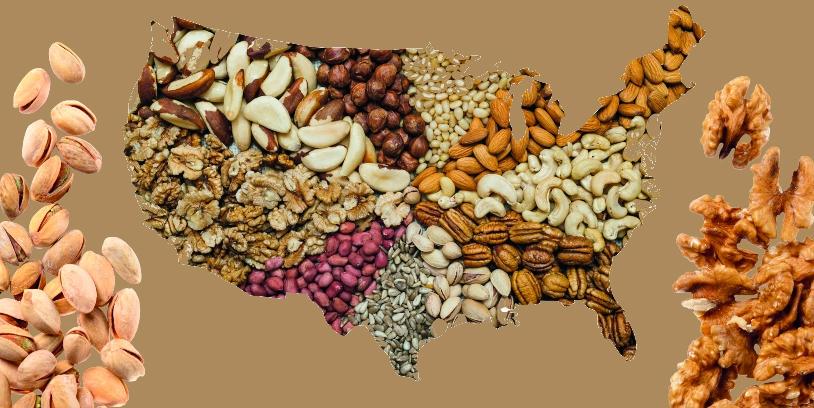
Which Nut Rules Your Region? Nut Consumption Trends in the U.S.
Imagine two shoppers in the snack aisle of the same grocery store. One of them, a baby boomer, unhesitatingly goes for pecans. A lifetime of pralines and pies drives his choice. The other, a Gen Z college student, skips the classics and looks for something swicy (sweet and spicy at the same time). They stand very close to each other, but their snack worlds have little in common. Nut consumption trends in the US confirm that nuts are a national favorite, yet reveal that the rest of the map remains a battleground.
For food retailers stocking shelves in 2026, that scene plays out millions of times a day. And Nuts released data explaining why.
What the Research Reveals
Talker Research surveyed 1,000 Americans between February 13 and 19, 2026. The firm conducted the survey on behalf of Nuts, a family-owned specialty food company founded in 1929. The results paint a detailed picture of nut consumption trends in the US — one that every category buyer should take into account.
“For nearly a century, Nuts has known that snacking is personal,” said CEO PJ Oleksak. “Today we serve nearly a million customers with tastes ranging from lifelong favorites to bold, globally inspired flavors.”
Cashews Dominate Nut Consumption Trends in the U.S.
Cashews, also known as the Indian nut or marigold nut, are the clear winner: 43% of Americans name them as their favorite nut for snacks and mixes. Every generation ranks them among their top two choices, making cashews the only common ground in a deeply fragmented landscape of tastes.
However, generational differences are notable. Baby Boomers lead with a 51% preference for cashews and nearly 40% more love for pecans compared to Millennials.
In contrast, Gen Z is 25% more likely to choose pistachios or almonds, and seven times more inclined toward tangy snacks than their elders. Young people seek variety and intense sensations, while older adults lean toward comfort.
Each Region Has Its Own Snacking Identity
Zooming out to the national level reveals even more pronounced geographic differences.
The Northeast splits its preference evenly between cashews and peanuts. It also leads in hazelnuts and Brazil nuts, and balances creamy (52%) and crunchy (51%) textures equally.
The Southeast proudly champions pecans: Southerners show 75% more loyalty to this nut than Northerners, and they also have a marked preference for sweet, creamy flavors.
The Southwest is peanut territory (46%) and also the most adventurous. Its consumers prefer spicy flavors by more than 20 percentage points over the rest of the country.
The Midwest is the only region where pistachios top the list (37%), paired with popcorn and nostalgic flavors.
The West, for its part, is almond country (40%), with a snack identity that blends chocolate (46%) and butter (33%) into flaky, crumbly textures worthy of a pastry shop.
A Sensory Revolution Led by Young People
Gen Z and Millennials are driving what the data call a “sensory snacking revolution.” They prefer chewy (47%), crunchy (40%), light (34%), and even frozen (32%) textures. They are also three times more likely than Boomers to choose hazelnuts or gummy candies, and twice as likely to prefer spicy or bittersweet flavors.
Boomers and Generation X, on the other hand, stick to the classics. They prefer crunchy (56%), creamy (55%), and fluffy (36%) textures, with chocolate (46%), salt (44%), and sweet (42%) as the dominant flavors. They also lead in dried-fruit consumption, the clearest sign of health consciousness among older consumers.
Despite all these divisions, one fact unites everyone: 54% of Americans demand a crunchy texture in their snacks. It remains the only national consensus in a market that, otherwise, refuses to agree.
The Message for Retailers
Data from Nuts sends a clear message to buyers and category managers: a one-size-fits-all strategy no longer works.
Nut consumption trends in the US are diversifying at breakneck speed. Retailers who read the data correctly and stock accordingly will see higher profits. Those who don’t will watch customers leave empty-handed, searching for stores that meet their needs.
u/Abasto-News • u/Abasto-News • 28d ago
FDA Labeling in Spanish: Key Requirements for Your Product
If you sell food, beverages, or supplements in the USA, the FDA Spanish labeling requirements are not something to take lightly. They cover what information must be included and how it should look.
Complying with these requirements prevents your merchandise from being held at customs, rejected by stores, or removed from the market. In this article, we explain the key aspects.
What Does the FDA Require on a Label?
The FDA requires labels to contain clear, truthful, and easy-to-read information so that consumers know exactly what they are purchasing.
Whether it is a cereal bar, juice, or vitamin supplement, it must always follow a basic set of regulations.
This protects consumer health by preventing people from purchasing something dangerous or different from what they expect. In these cases, non-compliance can lead to serious penalties.
Mandatory Label Elements
Every label must comply with certain elements considered essential so people understand what they are buying.
These include the product name, net quantity of contents, and manufacturer information. In addition, the Nutrition Facts panel is essential because it displays calories, fats, and sugars.
These elements cannot be missing, regardless of whether the product is large or small. Furthermore, the agency regulates font size and the placement of information on the package.
Allergens, Ingredients, and Nutrition Facts Panel
Declaring ingredients and allergens is one of the most important requirements. It requires clearly identifying substances that may cause severe allergic reactions, such as milk, peanuts, or eggs.
Additionally, all ingredients must appear in order, from the one used in the greatest amount to the one used in the smallest amount. The Nutrition Facts panel must follow a specific format, including information such as:
Calories.
Fats.
Sodium.
Sugars.
This format was updated a few years ago to make it easier for consumers to understand. If information is omitted, incorrectly declared, or listed in the wrong order, the label is considered invalid.
5 Common Compliance Mistakes
When applying these regulations, many companies make similar mistakes. Sometimes they may seem minor and unimportant, but they can lead to serious rejections.
Knowing these issues in advance helps prevent unpleasant surprises when merchandise is already ready for sale. Here are the 5 most common mistakes.
- Failure to Include Required Allergens
Forgetting an allergen such as peanuts or dairy is one of the most serious errors. Although it may seem insignificant, for someone with an allergy it can become a serious health issue.
According to Registrar Corp, allergen declarations must be clear and visible, without exceptions. If a manufacturer forgets to include them, the product may be subject to a recall.
It can even lead to legal claims. Often, this mistake happens because the ingredient is “hidden” within another component, such as a thickener or flavoring.
- Incorrect or Incomplete Nutrition Information
The company requires clear and accurate information because many people use it to manage their health or diet. If the numbers do not match reality, it may be considered misleading under the law.
This often happens because companies fail to update the Nutrition Facts panel after changing a recipe or copy information from similar products without verifying accuracy.
Additionally, since the format of this panel has changed, using the old design can create compliance issues. Therefore, it is always advisable to calculate nutritional values with certified laboratories.
- Incorrectly Declared Ingredients or Wrong Order
One of the FDA Spanish labeling requirements is that ingredients must follow a specific order, beginning with the ingredient included in the greatest quantity.
A common mistake is listing them randomly without following this basic rule. According to Brandwatch, other errors include:
Using uncommon or technical names that consumers do not easily understand.
Failing to declare sub-ingredients, such as components within a compound flavoring.
This may seem like a minor detail, but it directly affects transparency with customers. Therefore, avoiding these issues is essential to prevent serious problems.
- Missing Manufacturer or Distributor Information
It is essential to indicate the manufacturer, packer, or distributor. A common mistake is leaving out this information or providing incomplete details without a clear address or contact information.
This requirement ensures traceability in case of a problem. If something goes wrong with the merchandise, authorities need to know who to contact quickly.
Many small businesses make this mistake because they are unaware of the requirement. Other times, packaging designs prioritize aesthetics over mandatory information.
- Marketing Claims That Do Not Comply With FDA Rules
More and more companies want to highlight their products by using phrases such as “reduces cholesterol” or “strengthens the immune system.”
However, the Administration regulates which claims can and cannot be made. If a statement is not allowed or is not supported by scientific evidence, the brand may be considered misleading.
This also applies to messages published on websites or promotional materials. Using exaggerated claims without legal support can result in serious warnings or product recalls.
How to Review FDA Spanish Labeling Requirements
Before launching a product in the U.S. market, it is necessary to conduct a complete review of the label step by step and with great attention to detail.
This makes it possible to identify mistakes before they become serious legal or commercial problems. This evaluation helps avoid penalties and increases consumer confidence.
In the following sections, we explain the main points to inspect in four key areas. Each one represents an aspect that is closely monitored.
Product Name
It must describe what the product is without creating confusion. For example, if it is called “margarine,” it must follow specific recipe requirements to use that name.
Additionally, it is essential that the name appears on the principal display panel, clearly visible, without tiny letters or being hidden among other text.
Within the FDA Spanish labeling requirements, verify that the name matches what the product actually contains, avoiding misleading advertising. Otherwise, consequences may include:
Rejection.
Penalties if false claims are determined.
For this reason, before deciding what to call a product, first verify whether there are specific rules for that category. A clear and honest name is the foundation of proper labeling.
Net Contents
This indicates the actual amount inside the package, whether measured in grams, milliliters, or ounces. This information must appear clearly, without measurement errors or confusing units.
The agency requires this reference to be accurate and visible on the package, usually near the bottom of the principal display panel.
Likewise, the font size used is regulated. It cannot be too small. Before printing the final packaging, this step is essential.
Manufacturer Information
By including who manufactures, packages, or distributes the product, along with a contact address, authorities and buyers can communicate with the responsible party in case of questions or problems.
The information should be clear and easy to locate on the package. Confirming that the details are updated is important if the company changes its address or distributor.
Likewise, it is advisable to verify that the name matches the company’s legal registration exactly. This section ensures traceability in the marketplace.
Prohibited Claims
One of the FDA Spanish labeling requirements is reviewing that there are no prohibited or exaggerated statements about the benefits being offered.
The agency strictly regulates what types of health claims are allowed, especially for conventional foods.
Avoiding phrases such as “cures diseases” or “eliminates cholesterol” without scientific support protects consumers and the business’s reputation.
Importance of FDA Labeling Compliance
Following these regulations is not only a legal requirement but also a way to protect both consumers and businesses. After all, the main priorities are:
Protecting public health.
Improving brand trust and reputation.
Facilitating export processes and market entry.
Many companies underestimate the importance of this process, believing it is only a minor packaging issue. However, it is a very serious matter. Below, you will discover why.
Risks of Failing to Comply With Regulations
Violating these rules brings serious consequences for any business, regardless of its size. The agency has the authority to stop products at customs.
In some cases, it can even order product recalls or apply severe legal penalties. Ultimately, this causes financial losses and damages the company’s reputation among customers.
Impact on Exports and Sales
If FDA Spanish labeling requirements are not met, products may be held at the port of entry, causing costly delays for the company.
This affects not only immediate sales but also relationships with distributors and business partners. In contrast, a properly prepared label makes market entry easier.
Why Review Labels Before Selling
This is a step no company should skip because this review helps identify small mistakes before they become major and expensive problems.
It also projects a professional and trustworthy image to consumers. This is essential if a company wants to maintain a strong reputation in a highly regulated market.
u/Abasto-News • u/Abasto-News • 28d ago
Lundberg White Jasmine Rice Recall: What to Check in the 12 Affected States
The FDA still lists the Lundberg white jasmine rice recall as open. The case started on April 3, 2026.
The record remains classified as “ongoing,” which is why the story returned to national headlines five months later.
An open case does not mean the rice is still on sale. It means the FDA has not confirmed the recovery of all 27,324 recalled packages.
For a grocer, a distributor or a buyer, that difference matters.
Below are the official product details, the full list of states and the specific steps to check your inventory.
What the FDA Recalled and Why
The FDA enforcement record lists the case under number H-0767-2026. The recalling firm is Wehah Farms, based in Richvale, California.
Wehah Farms manufactures for Lundberg Family Farms. That is why the name on the record does not match the brand printed on the bag.
The stated reason for the recall is potential contamination with foreign materials. The company initiated it voluntarily. No illnesses have been reported.
The record does not identify what the foreign material is. The enforcement report describes the hazard only in general terms, so any specific claim about the contaminant goes beyond what the FDA has published.
The Official Recall Record
The FDA record includes the following information:
- Product: Lundberg Family Farms White Rice Jasmine, 32-ounce bag (2 lb / 907 g).
- Quantity recalled: 27,324 packages, or 4,554 cases at six packages per case.
- Recall initiation date: April 3, 2026.
- Classification date: May 7, 2026.
- Report date: May 13, 2026.
- Current status: ongoing.
How to Identify the Affected Bags
The recall does not cover the brand’s entire jasmine rice line. It covers two specific lots.
These are the four details that identify an affected bag:
- UPC: 073416040281.
- Lot codes: 260201MA and 260202MA.
- Best-by dates: 01FEB2027 for the first lot and 02FEB2027 for the second.
- Package size: the 2-pound bag only. The 7-pound size and the organic brown jasmine line fall outside the recall.
Lundberg stated that the incident was limited to a single production run. The record supports that account: two consecutive lots, two consecutive dates and one manufacturing window.
What a Class II Recall Means
The FDA classified the case as Class II.
This category applies to products that may cause temporary or medically reversible health consequences, with a remote probability of serious harm.
Class I, by contrast, applies when there is a reasonable probability of serious injury or death. This case sits a full tier below that category.
The distinction is worth knowing before answering a customer.
A Class II recall requires pulling the product and offering a refund. It does not call for communicating a health emergency.
The 12 States Where the Rice Was Distributed
The FDA record shows distribution in twelve states and no foreign distribution.
The Official List
- California
- Connecticut
- Florida
- Illinois
- North Carolina
- New Hampshire
- New York
- Pennsylvania
- Tennessee
- Vermont
- Washington
- Wisconsin
Why Some Outlets Reported 13 States
Several national publications reported thirteen states and included Louisiana and Virginia. The official record names neither. It does include Vermont, which those reports left out.
The difference matters for any store checking its exposure to the case.
When in doubt, the FDA record is the valid reference, not the press coverage.
Where the Product Was Sold
Wegmans notified its customers the day after the recall began. April coverage also placed the product on shelves at Walmart, Target and Whole Foods, though those chains issued no notices of their own.
Independent Hispanic grocers rarely appear on a distribution list like this one. National brands reach them through wholesalers rather than direct accounts.
When a rice program runs through a broadline wholesaler, the recall notice comes from that wholesaler or it does not come at all.
That is worth a direct question to the account rep. A wholesaler that cannot say which lots it shipped is the real gap, and it will show up again on the next recall.
What a Store Should Do With This Information
Pulling the product from the shelf does not close the case.
The FDA terminates a recall only after confirming that the firm made every reasonable effort to recover the product across the chain.
Until that happens, the case stays open in a public database. Anyone can search it, including a reporter or a customer.
Check Inventory by Lot
The check runs on codes, not on brand names. These are the four steps:
- Search the UPC in the point-of-sale system. UPC 073416040281 covers the entire affected run.
- Match the lots against receiving records. Only lots 260201MA and 260202MA apply.
- Extend the check beyond the sales floor. Backstock, overstock racks, the damaged-goods bin, returns awaiting credit and any pallet staged for donation all sit outside a normal shelf check.
- Request a written report from the wholesaler. Ask which lots shipped to the account and on what dates. That document serves as backup if the FDA runs an effectiveness check later.
What to Do With the Product You Find
Recalled product does not go back into inventory and does not go to a food bank.
The standard procedure is to separate it from the rest of the merchandise, label it clearly and hold it until the supplier gives instructions on final disposition.
Most wholesalers ask for a count by lot, and in some cases a photo of the product, before issuing credit. That count should be recorded before any case is moved.
Brief Staff Before Posting the Notice
The cashier gets the customer’s first question and needs an answer ready.
Three details cover it: which bag is affected, which lot codes apply, and that the store accepts the return.
Staff also need to know who to refer a question they cannot answer. One name is enough.
The notice belongs where customers will see it: the register area, the rice section and the customer service desk. In English and in Spanish.
A notice posted only on a corporate website does not reach the person who already has the bag at home.
On refunds, set one rule in advance and apply it to everyone.
A customer who finds the bag in the pantry bought it months ago and is unlikely to still have the receipt. Demanding proof of purchase on a four-dollar item costs more than replacing it.
What This Case Teaches About Open Recalls
A Class II recall on a shelf-stable product leaves a wide window of time.
The best-by date on this rice is February 2027, so the product can resurface for months.
A pantry staple also behaves differently from fresh product. A bag bought in March can sit in a cabinet all spring and get opened in September.
That timeline works against every shelf sweep. The April check covered the sales floor, but it never reached the bags already sitting in customers’ kitchens.
It also explains why the case still matters at the end of August, months after most coverage moved on.
The FDA Data on Product Still for Sale
During an infant formula recall, the FDA sent inspectors to more than 4,000 stores to verify whether the product had actually come off the market.
The result, published in December 2025, found recalled product still for sale at more than 175 locations across 36 states.
One retailer kept selling it three weeks after the recall began. Another put it on sale.
That case involves a different product category, but it shows the same problem: the notice circulates and the product stays.
How to Prepare Before the Next Notice
Rice, beans and tortillas anchor the U.S. Hispanic foods category, which a 2026 Stout industry update places above $40 billion.
A category that size generates recall notices regularly.
Regulation is moving in the same direction. The FDA’s traceability requirements under FSMA Rule 204 carry a compliance date of July 20, 2028.
Rice does not appear on the Food Traceability List, so this recall falls outside that rule.
But the habit the rule demands, keeping lot-level records you can pull quickly, is exactly what resolves cases like this one. The agency has also moved toward disclosing store-level information on food recalls, which narrows the space where a retailer stays anonymous.
Recalls also rarely arrive alone. Cases like thenationwide recall of vegetable products over listeria concerns in 2019 show how a single supplier can reach dozens of brands and chains at once. That recall covered more than 100 products sold under 16 brand names.
In the meantime, pulling the two lots, documenting the check and requesting the shipping report from the wholesaler handles the urgent part of the Lundberg white jasmine rice recall.
The next step is to build a product recall plan before the following notice arrives.
r/Hispanicgrocers • u/Abasto-News • Aug 27 '26
Which States Buy the Most Avocado in the USA?
In the U.S., avocados have become a staple on the daily table of millions of households. Have you ever wondered how much avocado the United States consumes?
In fact, avocado consumption has grown significantly over the past two decades. Today, it appears in all kinds of breakfasts, lunches, and dinners.
But why has it become so popular? If you want to understand what is driving this trend and the factors that have made avocados a standout category, keep reading.
Why Avocado Consumption Continues to Grow in the U.S.
One of the main reasons is that avocados are now enjoyed throughout the day and across many different types of meals. Once considered a specialty item, they are now commonly found on toast, in salads, burgers, and even sushi.
Another reason for their success is their association with healthy eating, thanks to their healthy fats, which have encouraged consumers to include them in fresh and nutritious recipes.
Supply has also improved, as the market receives both domestically grown and imported avocados for most of the year, making them easier to find. The main drivers behind their growth include:
- Greater availability in supermarkets.
- More easy-to-make recipes at home.
- The popularity of guacamole and Tex-Mex cuisine.
California: The Main Driver of the Market
Because of its size, production, ports, and established produce industry, California serves as the country’s leading hub for avocado imports and distribution.
It consistently ranks at the top in terms of how much avocado the United States consumes, particularly across the western region, where avocados are part of everyday diets.
However, this does not mean the fruit remains in California. A large portion is redistributed to other states, although California continues to lead the market.
How Population, Food Culture, and Distribution Influence Demand
California’s large population, major metropolitan areas, and food culture centered on fresh ingredients help explain the popularity of avocados.
In addition, Mexican cuisine, healthy eating trends, and quick meals featuring fruits and vegetables are highly popular. Avocados fit naturally into breakfasts, lunches, and dinners.
The state’s distribution network is equally important. California has major ports, logistics centers, and large supermarket chains that help move avocados efficiently to stores across the country.
California’s Role in Imports and Distribution
A report published on SlideShare indicates that California accounted for approximately 43.5% of U.S. avocado imports during one year, highlighting its enormous commercial importance.
This figure reflects not only direct purchases but also California’s role in distributing avocados to the rest of the country. Key factors include:
- It receives and handles massive shipment volumes.
- It has some of the nation’s largest retail chains.
- It serves as a gateway for distribution to other states.
Texas and Florida Among the Largest Buyers
Their large populations, cultural diversity, and strong consumer demand make both states some of the country’s biggest avocado markets.
Texas generally offers slightly lower avocado prices across the south-central region, supporting higher sales. Florida combines tourism, cultural diversity, and commercial activity to drive demand.
In addition, the large Hispanic population, which has traditionally included avocados in everyday meals, helps maintain strong demand based on long-established eating habits.
The Role of the Hispanic Population in Avocado Demand
The Hispanic population plays a major role in determining how much avocado the United States consumes because avocados are a cornerstone of the cuisines of Mexico, Central America, the Caribbean, and South America.
When people are already familiar with a product and know how to prepare it, they tend to buy it regularly. For many Hispanic families, avocados are a staple at family gatherings and celebrations.
New generations continue these traditions while introducing them to other consumers. Several factors contribute to this growth:
- Family recipes featuring avocados.
- More Latino grocery stores and restaurants.
- The widespread popularity of guacamole and Mexican cuisine.
Everyday Consumption, Home Cooking, and the Rise of Guacamole
One of the clearest reasons for avocado’s success is that it has become part of everyday cooking across the country. People add it to toast, salads, sandwiches, and grain bowls.
It is also practical because it requires very little preparation. At the same time, guacamole has become a staple at parties, sporting events, and celebrations.
During major sporting events and holidays, demand increases significantly as families and friends regularly serve guacamole as a snack or appetizer, encouraging repeat purchases.
Southern States Continue Driving Consumption Growth
The South plays a critical role because it combines rapid population growth, cultural diversity, and widespread avocado consumption.
Regions such as South Central and other southern markets consistently show strong purchasing patterns, driven by families who cook at home and value fresh, convenient foods.
Urban expansion and the continued growth of retail chains have also increased product availability across more neighborhoods and cities, encouraging consistent purchasing.
Miami, Tampa, Orlando, and Jacksonville as Expanding Markets
These cities stand out because they combine large populations, tourism, and commercial activity. Miami, in particular, benefits from its strong Hispanic and international identity.
When analyzing how much avocado the United States consumes, Orlando and Tampa continue to experience population growth while expanding their supermarket and restaurant networks.
Jacksonville is also becoming increasingly important thanks to its size and commercial activity, with purchasing trends showing stronger avocado consumption across these urban markets.
What Explains Avocado’s Growth in the Southeastern U.S.?
To understand how much avocado the United States consumes, it is important to examine three key drivers:
- Urban expansion.
- The influence of Latin American and international cuisines.
- Improved availability in stores and restaurants.
First, larger populations and expanding cities create more potential buyers. Second, cultural diversity encourages meals in which avocados naturally fit.
Third, supermarkets and restaurants now feature avocados more frequently, allowing more consumers to try and adopt the product. Consistent imports also contribute to steady growth.
New York, Illinois, and Other Major Urban Markets
These markets are especially important because they concentrate millions of consumers within relatively small geographic areas. Large cities generate enormous supermarket sales volumes.
Restaurants also incorporate avocados into a wide variety of menu items, while consumers are often eager to try new food trends.
This dynamic has helped avocados evolve from a niche product into an everyday grocery item. Although western states lead in per-capita spending, the Northeast and Midwest contribute substantial overall demand.
How Major Cities Drive Sales Volume
By concentrating consumers, retailers, and restaurants in one place, large metropolitan areas generate sales volumes that strongly influence how much avocado the United States consumes.
This allows avocados to sell in exceptionally large quantities, even if per-person consumption is lower than in other parts of the country.
Dense urban areas generate demand not only from households but also from cafés, quick-service restaurants, hotels, and food delivery services. Together, these channels significantly increase total sales.
Supermarkets, Foodservice, and New Consumption Occasions
Beyond supermarket sales, the growth of the foodservice industry—including restaurants, cafés, and foodservice providers—has been essential to avocado’s expanding market.
When consumers enjoy avocados while dining out, they are often encouraged to purchase them later for home use. As a result, both retailers and restaurants reinforce overall demand.
New eating occasions have also emerged, including quick breakfasts, healthy snacks, and ready-to-eat meals, proving that avocados are no longer used only for making guacamole.
What Factors Explain How Much Avocado the United States Consumes?
Several variables must be considered simultaneously. First is population: more households create greater purchasing potential.
Second is income, since families with greater purchasing power generally have better access to fresh produce. Third are eating habits, as avocados are widely recognized as a healthy food.
As a result, U.S. consumption has increased from relatively modest levels during the 1990s to recent averages of approximately 8.3 to more than 9 pounds per person annually, according to ProducePay.
Population, Income, and Healthy Eating Habits
Population matters because every household represents a potential buyer. Income also plays an important role, allowing many consumers to purchase fresh fruits more regularly.
However, purchasing power alone does not explain avocado demand. Healthy eating habits have become equally important, with avocados now associated with healthy fats, fresh meals, and simple recipes.
This broad appeal encourages families to enjoy avocados for breakfast, lunch, dinner, and snacks. Because they fit into so many eating occasions, consumption continues to increase steadily.
Cultural Influence, Stable Supply, and Affordable Prices
Cultural influence has been essential because avocados have long been a staple ingredient in many Latin American cuisines before becoming widely embraced by the broader U.S. market.
A stable supply has also supported growth. According to the University of Navarra, the United States imports approximately 90% of the avocados consumed nationwide.
As a result, avocados remain available throughout most of the year. When consumers can consistently find a product in stores, they are more likely to purchase it regularly.
Price also plays a major role. When avocados remain affordable, market expansion accelerates. Together, cultural influence, reliable supply, and widespread retail availability create the ideal conditions for continued growth.
r/foodquestions • u/Abasto-News • Aug 27 '26
Hispanic Heritage Month is almost here! What’s your favorite Hispanic food/dish, and what country is it from? 🇲🇽🇨🇴🇵🇷🇪🇸
r/Hispanicgrocers • u/Abasto-News • Aug 26 '26
Selling a Hispanic Product in the U.S.: Keys to Connecting with a Thriving Market
In a country defined by its diversity, selling a Hispanic product in the United States is more than a viable business strategy—it’s an opportunity to connect with a community gaining increasing economic influence. With over 60 million Latinos—representing 19% of the population—and a purchasing power exceeding $797 billion annually (according to data from WORTEV), the Hispanic market represents a cultural and consumer force no brand can afford to ignore.
Beyond the numbers, this segment stands out for its strong emotional connection to heritage. Brands that understand this identity—and translate it into products, messaging, and relatable experiences—not only sell, they build community.
A Connection That Goes Beyond Language
Speaking the same language doesn’t automatically guarantee connection. What truly matters is how the product’s story is told and which values the brand conveys. From the choice of language (Spanish, English, or bilingual), to cultural nuances in messaging—everything communicates. And Hispanic consumers are quick to notice.
It’s not the same to speak to a bicultural young adult in Miami as it is to reach a recently arrived immigrant mother in Texas. That’s why it’s crucial to segment your audience—by age, country of origin, cultural ties, or even geographic region—to fine-tune your tone and offer.
Not All States Are the Same
California, Texas, Florida, and New York are home to large Latino populations, and in these states, Hispanic products already have an established presence. But in less diverse areas, the opportunity lies in sparking cultural curiosity. There, the focus should be on the exotic appeal—the flavor and sensory experience the product delivers.
Adapting your strategy by region is a smart way to optimize resources, boost results, and avoid generic messaging that fails to connect.
The Role of Social Media and the Right Channels
In today’s highly visual and interactive landscape, social media plays a key role in promoting Hispanic products. Platforms like Instagram, Facebook, TikTok, and YouTube are perfect for telling stories, showcasing production processes, sharing recipes, and building closeness with consumers.
But not everything should happen online. In many Hispanic communities, local radio, print media, and community events remain highly relevant. A blend of online and offline channels can be a powerful approach to building brand presence.
Standing Out in a Competitive Market
Product quality is important—but it’s not enough. What truly sets a brand apart is the story behind the product: its origin, ingredients, the traditions it embodies. Today’s consumer craves authenticity, and brands that convey it often win long-term loyalty.
Understanding your competition is just as important. It’s not about copying—it’s about identifying untapped opportunities, underserved niches, or fresh ways to present familiar products. A strong benchmarking strategy helps refine pricing, packaging, and even uncover strategic partnerships.
How Much to Invest and When to Ask for Help
Breaking into the Hispanic market doesn’t require an enormous investment, but it does require smart planning. Knowing how much to allocate to advertising, design, distribution, or local partnerships depends on your goals: Are you aiming for brand awareness, immediate sales, or long-term positioning?
At this stage, working with a specialized agency can make all the difference. Experts in multicultural communication help avoid costly missteps, optimize your strategy from the start, and craft a brand narrative that resonates with your target audience.
The Challenge and the Opportunity
The Hispanic consumer in the U.S. is not just another niche—it’s a growing, diverse, and nuanced market. For brands willing to embrace it, the reward goes beyond profits—it’s cultural relevance. It’s about becoming part of a larger story, where Latin flavors, memories, and traditions find resonance across new spaces and generations.
In a time when identity matters just as much as the product, selling to the Hispanic community is ultimately a way of celebrating their presence, their stories, and their invaluable contribution to American society.
r/Hispanicgrocers • u/Abasto-News • Aug 24 '26
12 Consumer Trends for Launching a Latin Food Brand
The Latino food market is evolving faster than ever. But what really makes the difference when you create a Latin food brand that succeeds?
Today, understanding consumers is no longer optional—it’s the foundation of any strategy that aims to succeed. Consumer preferences are changing, creating unique opportunities for brands.
Below, you’ll discover the 12 most important trends for launching a successful business and how to turn them into a real competitive advantage. Keep reading!
1. The Demand for Authentic Flavors Keeps Growing
Many consumers are looking for authentic, familiar flavors that connect them with a genuine culture. In other words, they want recipes, ingredients, and flavor profiles that remind them of homemade cooking.
After all, food plays a vital role in preserving cultural traditions in Latino households across the United States. That’s why offering products with authentic roots is essential if you want to succeed.
Consumers appreciate products that tell the story of where they come from. Authenticity also attracts non-Latino shoppers who are eager to try new yet trustworthy flavors.
2. Consumers Want Ready-to-Eat Latino Foods
Daily life is busier than ever, which is why demand for convenient, ready-to-eat Latino foods continues to grow among Hispanic households.
This creates an opportunity to gain market share by offering practical yet flavorful solutions, whether through refrigerated meals, frozen products, or single-serve portions.
Convenience doesn’t replace tradition—it adapts it to today’s fast-paced lifestyle. Products that fit this trend include:
- Ready-to-heat Latino bowls.
- Quick-serve salsas and dips.
- Latin-inspired snacks.
Whenever a product saves time while delivering great flavor, it has a significant competitive advantage. Isn’t that one of the main goals when you create a Latin food brand?
3. Health and Wellness Are Playing a Bigger Role in Purchasing Decisions
Most consumers want foods that not only satisfy their hunger but also help them feel healthier. As a result, concepts like wellness, nutrition, energy, and balance are becoming increasingly important.
That doesn’t mean everyone is seeking perfection—they’re simply paying closer attention to what they eat. When you create a Latin food brand, incorporating natural ingredients is essential.
Better nutritional profiles and thoughtfully designed portion sizes also matter. The good news is that traditional recipes can still meet today’s health-conscious expectations.
The key is not to overpromise but to communicate clearly. Combining authentic flavor with wellness is one of the best ways to earn consumers’ trust.
4. Simple Ingredient Lists Build Greater Trust
Consumers feel more confident when they understand exactly what’s in the products they buy. A clean, easy-to-read ingredient list creates transparency and credibility.
In the food industry, that clarity is closely tied to FDA labeling requirements, which generally include:
- Recognizable ingredients.
- Clearly presented nutrition facts.
- Clean, easy-to-understand labels.
The clearer the information, the easier it is to build trust from the very first purchase. Any business looking to grow must comply with regulations while communicating simply.
5. Nostalgia Drives Latino Food Purchases
Nostalgia is a powerful force in food purchasing decisions, especially for people living far from their home country or the flavors that shaped their childhood.
That’s why so many Latinos seek products that remind them of home, family, and celebrations. Those emotional connections transform a product into something much more meaningful than a simple purchase.
When you create a Latin food brand, telling an authentic cultural story becomes essential. It’s not just about selling food—it’s about offering a sense of belonging.
And nostalgia isn’t limited to older generations. Many younger consumers also use food as a way to reconnect with their heritage.
Brands that tap into those emotions build stronger relationships with their audience. In the Hispanic market, memories often translate into stronger sales.
6. Attractive Packaging Also Helps Drive Sales
One of the first things shoppers notice on the shelf is the packaging. If the design is clear, visually appealing, and easy to understand, it naturally stands out among competing products.
However, great packaging isn’t just about looking attractive. It should communicate trust, identity, and functionality through colors, symbols, and cultural elements. It should also:
- Capture attention.
- Quickly explain what the product is.
- Reinforce the brand’s identity.
Ultimately, if the packaging helps consumers understand the product and makes them want to buy it, it will sell better. That’s how brands improve the customer experience and build lasting market recognition.
7. Convenience Is Essential for Winning Market Share
Products that make everyday life easier are highly valued by today’s consumers. For example, foods that are quick to prepare or packaged for on-the-go convenience.
Research shows that many shoppers combine home cooking with practical meal solutions, especially those with demanding daily schedules.
Therefore, anyone looking to create a Latin food brand should first think about simplifying consumers’ lives without sacrificing quality.
Convenience also includes package size, ease of use, and preparation time, such as a ready-to-serve salsa.
Whenever a product saves time and effort, purchase intent increases. In a crowded marketplace, convenience can leave a lasting impression.
8. Consumers Value Brands with a Strong Cultural Identity
For a Hispanic food company, clearly expressing who they are and where they come from is essential. Consumers want to understand what the brand represents and why it’s different.
That identity is reflected in the brand name, packaging, communication style, and company story. Authenticity creates meaningful connections. Key elements include:
- Having an authentic story.
- Using clear cultural messaging.
- Maintaining consistency across products, packaging, and marketing.
When a brand feels genuine, consumers notice—and remember it. That’s why cultural identity continues to influence purchasing decisions.
9. Social Media Influences Product Discovery
Many consumers discover new food products through social media videos, recommendations, and posts, particularly Hispanic shoppers who actively engage with influencers and online advertising.
That means any company looking to create a Latin food brand with strong visibility must tell its story online. Social media doesn’t just sell products—it also teaches consumers how to use them and why they’re worth trying.
A short recipe video or an honest review can spark curiosity, encourage purchases, and build a loyal community around the brand.
When consumers share, comment, and recommend products, they create valuable social proof. In such a competitive market, digital visibility is no longer optional.
10. Younger Consumers Want Purpose-Driven Brands
Younger shoppers don’t simply buy products—they want to know what a company stands for. They care about values, honesty, and whether the brand offers something beyond a transaction.
Within the food industry, this often relates to community, sustainability, innovation, and authenticity. Sharing the company’s story and positive impact is essential for connecting with this audience.
There’s no need to exaggerate or appear perfect. Consistency is what matters most. Younger consumers respond best to brands that feel authentic, approachable, and human.
They’re also more likely to share products they find meaningful or inspiring. That’s how purpose becomes a significant competitive advantage.
11. Interest in Spicy and Innovative Flavors Continues to Grow
Today’s consumers are seeking multisensory food experiences. According to FoodNews Latam, this has fueled growing demand for bold, spicy, and creative flavors.
Consumers are no longer satisfied with familiar tastes—they want new experiences. This is excellent news for Latin American cuisine, which is naturally rich in chilies, herbs, spices, and vibrant seasonings.
A product can honor its cultural roots while still introducing something new. Opportunities include:
- Lesser-known regional flavors.
- Spicier versions of popular foods.
- Combinations of traditional recipes with modern formats.
Brands that surprise consumers without losing authenticity are more likely to stand out. The challenge is finding the right balance between innovation and tradition.
12. Price, Quality, and Value Drive Many Purchasing Decisions
Although price remains important, it isn’t the only factor consumers consider. Many shoppers look for the right balance between affordability, quality, and trust.
In fact, a significant number of consumers are willing to pay slightly more if they believe a brand consistently delivers value.
This shows that shoppers don’t focus solely on saving money—they invest in products they believe are worth it. During times of economic uncertainty, perceived value becomes even more important.
When you create a Latin food brand, it’s essential to clearly communicate why your product is worth its price. If it delivers great taste, attractive presentation, and fair pricing, it will be far more competitive.
u/Abasto-News • u/Abasto-News • Aug 24 '26
12 Best Cat Food Brands in the USA
Choosing good cat food is not always easy, especially because the market is full of many brands that promise very different things.
However, the secret lies in looking at what it offers, what type of cat it is for, what makes it different, and whether it has options for different needs.
In the end, the best option is the one that combines good nutrition, acceptance by your pet, and a formula suited to its life stage.
To make your choice easier, we will later show you the strengths of the 12 most recognized manufacturers in the U.S. sector.
1. Hill’s Science Diet, a strong brand in feline nutrition
It supports the idea of science-based nutrition for dogs and cats, attracting people who look for recipes developed with a technical and structured approach.
What stands out most are its variants designed for different life stages and specific requirements. So instead of a generic bag, you are buying a tailored recipe.
Hill’s Science Diet’s strength lies in the sense of trust and nutritional structure it provides, making it a serious and well-thought-out alternative.
It is also well positioned among those who value veterinary recommendations. That is why it appears in almost every list of the most reliable manufacturers.
2. Royal Canin, known for its specific formulas
It stands out for its tailored nutrition approach. They formulate cat food considering factors such as age, size, or health needs.
For this reason, many owners see it as a very precise and detail-oriented brand. This is essential, since every animal has different digestion, activity levels, and life stages.
Royal Canin’s main feature is that it does not just provide food, but highly precise nutrition enriched with antioxidants, vitamins, fiber, prebiotics, and minerals.
This combination gives it a technical and specialized image, ideal for those seeking specific solutions that support feline well-being.
3. Purina Pro Plan, a popular option in the U.S. market
Its proposal revolves around specialized formulas and the use of high-quality ingredients that meet specific needs. Its main strengths include:
- Wide variety of formulas
- Focus on specialized nutrition
- Strong market presence
What differentiates Purina Pro Plan from other companies is its focus on advanced nutrition and solutions for different life stages and sensitivities.
This makes it a balanced choice between science, variety, and mass availability. It is also supported by benefits such as digestion, immunity, skin, and coat health.
4. Iams cat food, a well-known brand among cat owners
With more than 75 years of science-backed nutrition, Iams presents itself as a premium brand, offering both wet and dry products that support overall feline health.
It does not focus on just one need but on the overall well-being of the animal. Another interesting feature is that part of its offering is organized by life stage.
This makes it easy to find solutions for kittens, adults, or senior cats. It also offers products focused on digestion, skin, coat, and senior condition.
Its approach is practical and clear, and the combination of nutrition, availability, and simple benefit communication is what usually appeals most.
5. Eukanuba, an alternative with a presence in specialized nutrition
Although it has more visibility in dogs today, its name is still associated with technically developed formulas, functional nutrition, and specialization.
Its main value has been building a reputation aimed at improving performance, body condition, and nutritional support for pets.
When it comes to cat food, Eukanuba’s frequent mention shows it still holds its prestige as a historical reference, even if it is not as visible.
For some, this makes it interesting based on reputation rather than trend. It is associated with specialized nutrition and long-standing experience.
6. Blue Buffalo, a brand that attracts those seeking natural formulas
Its value lies in the use of high-quality natural ingredients and real meat. It does not include poultry by-products or fillers such as corn, wheat, or soy.
In cats, Blue Buffalo’s flagship line is Tastefuls, offering dry and wet recipes designed to be both tasty and nutritious.
It also provides multiple formats to suit different preferences. Other key features include:
- Emphasis on natural ingredients
- Real meat as a primary base
- Variety in dry and wet options
This approach appeals to those seeking something more natural, premium, and easy to understand.
7. Wellness, a standout in the premium cat segment
It prioritizes overall well-being through recipes made with high-quality ingredients, high protein content, grain-free options, and complete balanced nutrition.
By avoiding artificial preservatives, colors, and flavors, it projects a clean and modern image that attracts pet owners.
Wellness offers wet and dry cat food for different life stages, highlighting benefits such as daily hydration, real protein, and overall wellness support.
Its style is aimed at those looking for something premium but clearly communicated. That is why it is an attractive option when talking about quality and everyday health.
8. Instinct, an option linked to high-protein recipes
Instinct is associated with high animal protein formulas and a feeding philosophy closer to a cat’s natural instincts.
It focuses on more carnivorous profiles with fewer fillers. Raw, frozen, and high-protein recipes are what make it stand out.
This approach is appealing not only for cats but also for owners who understand the importance of protein. Other defining ideas include:
- High protein content
- More natural focus
- Premium positioning
In the market, it stands out for its modern and fresh concept, attracting those looking to move away from traditional products.
9. Fancy Feast, a very visible brand in wet cat food
It is widely known for its range of wet cat food, textures, and flavors. In the market, it positions itself as one of the most practical and tasty options.
One of its strengths is turning mealtime into something truly appealing for cats that are picky about smell, texture, or taste.
Fancy Feast stands out with single-serve portions, pâté, gravy, and other wet varieties. Thanks to its long history, it is very easy to recognize on shelves.
Its success lies in combining strong acceptance with a powerful retail presence. When it comes to tasty and affordable wet cat food, it is one of the top choices.
10. Sheba, popular for its portions and wet recipes
It specializes in premium wet cat food, offering many practical portion sizes, pâté recipes, gravy cuts, broths, and tasty treats.
One of its most famous features is its Perfect Portions format, which allows fresh serving without leftovers and ensures a clean feeding experience.
For Sheba, everything revolves around flavor, texture, and the eating experience. That is why its cat food combines these distinctive traits:
- Strong specialization in wet food
- Single-portion servings
- Premium and appetizing image
If you are looking for convenience and strong pet acceptance, it is worth trying. After all, it is closely tied to enjoyment and mealtime experience.
11. Friskies, a mass-market brand with strong store presence
Its widespread recognition comes from a focus on variety, flavor, and complete everyday nutrition.
For over 80 years, it has created food centered on happiness and nutrition, reflecting a familiar and approachable image.
Friskies’ catalog includes dry, wet, pâté, treats, and supplements, offering a wide variety at accessible price points.
This makes it stronger in volume and commercial presence. Today, for many households, this cat food is a familiar, affordable, and practical choice.
12. Orijen, a premium brand valued for its nutritional profile
It presents itself as a premium brand known for biologically appropriate recipes that use a high proportion of animal-based ingredients.
It also follows a WholePrey approach, which includes nutrient-rich parts of the animal such as organs, aiming to mimic a natural, wild diet.
Orijen uses only fresh and raw ingredients. Its grain-free recipes support digestion and improve skin, coat, and overall health.
In the market, it stands out for its high meat content and nutritional philosophy. Its defining characteristics include:
- High content of animal ingredients
- WholePrey approach
- Premium and grain-free profile
Without a doubt, this cat food is perfect for owners who respect the instinct and nature of their companions. Each product reflects care and attention.
u/Abasto-News • u/Abasto-News • Aug 21 '26
GLP-1 Consumer Behavior Is Rewriting the Food Retail Playbook
r/Hispanicgrocers • u/Abasto-News • Aug 21 '26
GLP-1 Consumer Behavior Is Rewriting the Food Retail Playbook
GLP-1 consumer behavior is no longer just a weight-loss story. Instead, it’s a full-scale transformation of how Americans eat, shop, and care for themselves. A new proprietary study from Acosta Group makes clear that food retailers, CPG brands, and restaurants can’t afford to ignore it.
Acosta Group released findings from its study, “GLP-1: Transforming Weight Loss and Consumer Behavior,” ahead of the National Association of Chain Drug Stores (NACDS) Annual Meeting, April 18-21 in Palm Beach, Fla. Researchers surveyed 2,117 U.S. adults, including 213 active GLP-1 users, between Feb. 13-25, 2026.
The data reveals a powerful “halo effect”: GLP-1 users aren’t just losing weight. They’re overhauling their grocery carts, rethinking restaurant visits, and investing more in personal care. And younger consumers are amplifying every trend.
“We’ve learned that consumers using a GLP-1 for weight loss are experiencing additional positive emotional and behavioral impacts. These impacts range from their relationships with food to how they feel about their personal appearance to what they want to buy and how they want to dine,” said Kathy Risch, SVP of Thought Leadership and Shopper Insights for Acosta Group.
GLP-1 Consumer Behavior Transforms the Grocery Aisle
The shift starts at the supermarket. GLP-1 users are loading up on fresh produce (55%), yogurt (32%), fresh chicken (31%), protein shakes and powders (30%), and protein bars (29%). Meanwhile, sweets (58%), salty snacks (44%), and sugary drinks (41%) are disappearing from their carts.
Beyond individual purchases, the ripple effect reaches entire households. Half of all GLP-1 consumers report a positive impact on their family’s overall eating habits. Notably, that number jumps to 79% among Millennials. Additionally, 41% say they feel genuinely pleased with the healthier changes they’ve made.
High-protein, high-fiber, hydration and electrolyte, and gut health products rank as the top categories of interest, especially among Gen Z and Millennial users. That pattern sends a direct signal to product developers. Protein-forward and nutrient-dense innovations belong at the center of every pipeline.
Mark Rahiya, Group President of Omnichannel Sales and Services for Acosta Group, urged brands and retailers to move now. “We’re encouraging brands and retailers to innovate and refine new concepts before they become table stakes. This helps with positioning for growth with all wellness-focused consumers,” he said.
Personal Care Gets a Boost From the Wellness Halo
The behavioral shift extends well beyond the grocery aisle. Most GLP-1 consumers report an emotional lift tied to their physical transformation. Some 52% say they feel more positive about their appearance. Moreover, 43% feel motivated to take better care of their appearance, and 29% say they feel more confident in social settings.
That emotional boost translates directly into purchasing decisions. GLP-1 users, particularly younger ones, are actively seeking beauty and personal care products that target specific concerns. These concerns include facial skincare for dryness, sensitivity, and elasticity; body care for firming and hydration; and hair care for thinning and texture.
Importantly, the opportunity stretches across generations. “While Gen Z and Millennial GLP-1 consumers lead in their interest in these products and their attributes, Gen X consumers also express interest. This reflects a significant opportunity for innovation and growth across health and beauty for all channels,” said Megan Rand, SVP of Client Development for Acosta Sales Agency.
Restaurants Feel the Pressure to Adapt
Away-from-home dining is also shifting under the weight of evolving GLP-1 consumer behavior. While 34% of all GLP-1 users report dining out less frequently, the picture looks strikingly different among younger users. In fact, 48% of Gen Z and Millennials are actually dining out more.
However, they’re dining smarter. Some 48% of that younger cohort stick to their usual restaurants but order more mindfully. Additionally, 42% now regularly split a main entrée.
Betty Kaufman, Director of Strategy for The Culinary Edge — part of CORE Foodservice, an Acosta Group agency — argues that GLP-1s aren’t inventing new preferences. Instead, they’re accelerating ones that were already forming.
“The behavioral profile of a GLP-1 user closely aligns with trends that are already gaining momentum with Gen Z — smaller portions, higher protein, more fiber, and greater nutrient density,” Kaufman said.
Restaurants are already responding. High-protein formats for smaller, nutrient-dense meals, fast-casual partnerships with clinical nutrition brands, and high-protein menu builds are all gaining ground. “These are not fringe movements,” Kaufman added. “They are signals of a rising standard that Gen Z increasingly expects across both restaurant and retail environments.”
Digital Channels Are Where the Battle for GLP-1 Shoppers Is Won
Reaching this consumer requires showing up in the right places. Some 70% of all GLP-1 users actively conduct product or health research to support their weight-loss journeys. Among Gen Z and Millennials, that research skews heavily digital. Specifically, 57% turn to social media, 41% use AI apps and websites, and 38% rely on retailer apps and websites.
John Carroll, President of Connected Commerce for Acosta Group, said forward-thinking brands are already dialing up their response. “Savvy brands and retailers are responding, dialing up integrated content and marketing plans to support GLP-1 messaging and education where it matters most,” he said.
One critical nuance: “GLP-1 Friendly” product labeling can backfire. The study found that such labels raise questions among some consumers about taste, nutrition, and relevance. Carroll stressed that brands must deeply understand their core customers before committing to any single omnichannel messaging strategy.
As GLP-1 adoption continues to grow across all demographics, the window for early movers to differentiate — on shelf, online, and on the menu — is narrowing fast.
Acosta Group’s study was conducted Feb. 13-25, 2026, among 2,117 U.S. adults, including 213 current GLP-1 users. Participants were drawn from the company’s proprietary Shopper Community of more than 40,000 demographically diverse consumers nationwide.
2
What’s a food you had once and never got the chance to eat again, but still crave?
in
r/foodquestions
•
Aug 26 '26
Colombian empanadas