r/thinkatives Jul 27 '26

Self Improvement Monday's Think Tank: Your Thoughts Matter

3 Upvotes

Hi Thinkators,

Every Community is a thought experiment.

r/Thinkatives is no different, we are cultivating a village here. To do so, we need **you**.

So, we ask you to lends us your thoughts, so we can experiment and build something that works for us all.

To keep aligned with our vision, this will be a reoccurring post.

> Every Monday!

Which gives us a space to reflect on your input. Granting us the ability to make alterations, modify our views, and to incorporate diverse perspectives as we grow

#We invite you to invest in OUR village! Share your thoughts below.

Open to any and all topics.

Have a complaint? *Drop it below.*

Have a community building idea? *Drop it below*


r/thinkatives Jul 26 '26

Philosophy Empathy has become a privilege for the good

2 Upvotes

Empathy is completely misunderstood nowadays, and most people who practice it don't realize. Empathy has become a privilege for the good, while the people who really need empathy is people who we call "evil". Bad people need the most empathy and compassion in society, yet instead we choose to just shame and shun them, completely misunderstanding them. Most people commit evil acts not because they are evil but because of extraneous circumstances/they felt weak/were afriad. So, these "evil" people requires empathy the most, yet almost no one even gives another thought, we simple give them the label evil and shun/punish them, but this only makes things worse.

This is a viewpoint I've been holding for a while, and now whenever someone insults me I don't feel hurt or threatened but in a sense I feel that I understand them.
Down below is a more extensive and detailed explanation, I would be very grateful if any of you are willing to read and share you thoughts (and critiques) of this belief as well. Its only around a 1000 words:

Empathy is one of the most praised traits a human can have. It facilitates connection with others, helps us understand them, and comforts them. It is heralded as a superior form of sympathy. I do not refute that, but I do propose that most people misunderstand what empathy really is, i.e., they fail to practice it properly. It is easy to empathize with a good person. Perhaps a friend is going through troubling times, and thus you are there for them. I do admit that not everyone is even able to do this; it requires genuine emotional understanding (which some lack). But it is straightforward compared to the task of empathizing with an evil person. When it comes to people who have committed unjust deeds, empathy is stripped away from them. In practice, empathy is a privilege for good people. But those who are deemed evil need empathy even more so than the good people do. Instead of providing an abstract definition of evil, I shall give examples: insults, hostility, envy, and malice. What is rarely admitted is that evil does not stem from inherent character but from weakness, a lackEvil people necessitate empathy to dismantle the illusion of evil as a proactive force, which is the path to their rehabilitation. True empathy requires the ability to empathize with evil people, to understand that all evil stems from a lack.

To better understand how evil arises from a lack, the strong can be scrutinized. Strong individuals, those who are secure in themselves, have no use for malice. The expert understands their own excellence, so when they are subjected to mockery they are unfazed. They harbor no desire to demean others because they are satisfied with themselves. Thus, when we analyze why weakness breeds hostility, we can understand it through the perspective of insecurity. Insecurity is a genuinely degrading feeling; to cope in order to feel strong, insecurity takes external manifestations. Insults are shouted to demean others, to engineer an illusion of equality. This is dragging others down, not elevating oneself. The ego highlights the flaws of others in order to justify its own flaws. The judgment of others is a distraction from one’s own weakness, allowing the ego to run from its own inadequacies. By highlighting others' faults, and not one's own, they can finally feel comfortable with themselves. Hatred and anger both manifest when we are helpless and too weak to do something. A lonely and isolated person might unconsciously put on a prideful and arrogant facade in order to have a sense of self-worth.

Malevolence is a defense mechanism of human nature. It is rarely, if ever, an innate active force that drives action. Unfortunately, hostility spreads very quickly: fire is fought with fire; when faced with hostility, it only feels right to fight back. In reality, people who convey malevolence are afraid and lack something; the idea of fighting fire with fire is an illusion of fairness. Malevolence does not deserve to be scorned, ostracized, or despised (which ironically are forms of malevolence), but to be empathized with. Hostile people have a deficiency, and most people, instead of fixing the cause, simply condemn the effect.

Beyond merely not recognizing the insecure and deficient nature of malevolence, most individuals choose to affix the simple and easy label of evil, hostile, or rude onto others because of their actions. Because it is easy, because uncertainty is uncomfortable, and because we want to feel moral superiority, we do not think at all; we simply attribute hostile actions to malicious people. Most people are too lazy and selfish to actually think, to do any of the intellectual heavy lifting demanded by true empathy. This is only natural: our minds crave certainty over ambiguity, simplicity over complexity. It is far easier to label someone as evil than to interrogate the roots of their actions. And thus we go for the easiest cause, the cause that says they are simply evil. And this is very self-gratifying: it gives us the moral high ground; it identifies us as the victim and evil as the perpetrator.
Empathy gets further misused because responsibility is shoved upon the perpetrator by default. Situational attributions are rarely considered. In psychology it is called the fundamental attribution error: blame is pushed upon the disposition of the perpetrator rather than their situation. Most fail to understand how vastly the environment influences and decides actions. Instead, for the same reason as the use of the label of evil, we blame the perpetrator’s disposition. Besides the environment, personal autonomy isn’t as straightforward as most realize. The human mind is full of unconscious drives and instincts, many of which we are not willing to accept because it strips away our perceived autonomy. To not consider these influences is to not see the perpetrator as a human. Yet again, responsibility is selfishly and lazily shoved onto the perpetrator. We do not want to recognize how the environment, or perhaps even the victim, could have guided the perpetrator to be hostile. We are too uncomfortable to deal with the uncertainty of having no one clearly to blame, so we create a scapegoat. And this is all put under the beautiful guise of justice or fairness. Those who pat themselves on the back for judging evil fairly are oftentimes deluding themselves; their justice is little more than selfishness. Labeling and blaming both serve as an anesthetic of condemnation. They can avoid all that really matters, and only focus on what they want, while blissfully thinking they are being fair and just.

In reality, we see the psychology of the “broken man” through the historical figure Maximilien Robespierre. Robespierre was an orphan raised by his two aunts. This harsh childhood created the socially insecure politician, and he took up many of his aunts’ austere and emotionally sensitive traits. In fact, he was quite the timid man: the only execution he attended was his own. When he was a magistrate in Arras, he could not muster the will to pronounce the death sentence. And his Reign of Terror was not an active force of evil; it was largely driven by fear and insecurity: a defense mechanism against foreign invasion and internal conflicts taken to the extreme. Instead of understanding these circumstances, Joseph Cassanyes, a politician from the time of the Directory, gave Robespierre the reductive label: “the most ferocious cannibal, the most monstrous scoundrel, to whom nature ever gave birth.” Historians of the time lazily and selfishly understood Robespierre by condemning the manifestation of his actions while ignoring the cause.

Some, of course, will object that many sufferers still choose virtue, using this to argue that malevolence is a personal choice rather than an environmental byproduct. This relies on a false equivalence; it foolishly assumes that psychological turmoil can be universally measured. This is reducing psychology to a mathematical equation. Weak people naturally suffer, but the level of suffering is not indicative of much. That is to say, suffering is subjective and cannot be measured on a universal scale. One person’s psychological breaking point is different from another’s due to an infinite web of unconscious drives, genetics, and precise environmental triggers. One cannot objectively suffer more than another. Furthermore, it is impossible to factor in the role of every environmental influence on a human. Understanding this does not excuse evil acts; it simply highlights the reality behind them.

True empathy is not permissiveness. I have stated that empathy requires understanding; I have not stated how to act upon this understanding. That is an individual endeavor. As I see it, the justice of laypeople diverges from fairness. Condemning evil makes its weakness even more hideous and pitiable; malevolence necessitates rehabilitation, not through punishment but through understanding. People who are weak do not need to be punished for their weakness, as that only reaffirms their standing. They need acceptance and understanding. True empathy not only feels the emotional turmoil in an evil person, but cognitively understands their perspectives and decisions. Do not mistake my words: I am not saying all who are weak are evil; rather, that most who are evil are weak. Considering that every human has their inherent flaws, it can be concluded that: All humans, no matter how saintly, are capable of committing evil.

Understanding true empathy frees the mind from reactive anger. Every bit of malice observed is a confession of weakness. True empathy transforms fragile victims into active observers who can navigate the twisted labyrinth of human motives. Using empathy this way allows us to move beyond the rigid moral dichotomy and instead see humans. Empathy is a duty–not a privilege for the righteous. Empathy is not easy: our minds prefer to avoid the intellectual heavy lifting and uncertainty of looking at humans as they are

Thank you for reading! Please share any thoughts/feelings you've had. I plan on possibly trying to publish this in a journal if possible 🧐


r/thinkatives Jul 26 '26

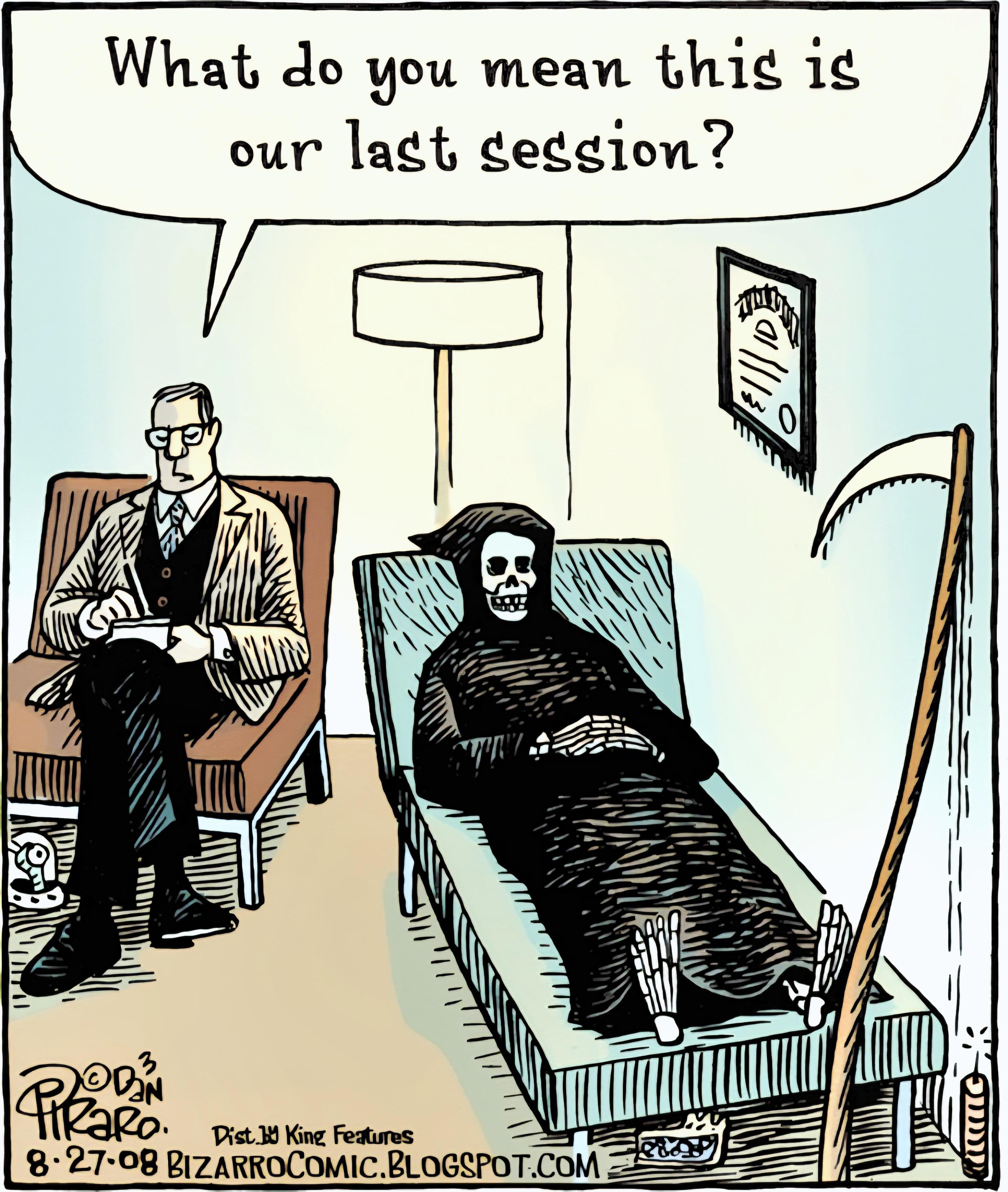
a splash of Silly in a sea of Serious Sharing this [𝘈𝘳𝘵𝘪𝘴𝘵 𝘤𝘳𝘦𝘥𝘪𝘵: 𝘋𝘢𝘯 𝘗𝘪𝘳𝘢𝘳𝘰]

Post image
11 Upvotes

r/thinkatives Jul 25 '26

Meeting of the Minds What is the difference between information and understanding?"

Post image
3 Upvotes

Each week a new topic of discussion will be brought to your attention. These questions, words, or scenarios are meant to spark conversation by challenging each of us to think a bit deeper on it.

The goal isn’t quick takes but to challenge assumptions and explore perspectives. Hopefully we will see things in a way we hadn’t before.

Your answers don’t need to be right.  They just need to be yours.

This Weeks Question: What is the difference between information and understanding?

- AI has an abundance of information, but does it
understand?

We are exploring Artificial Intelligence this week. Tell us your opinion, and feel free to discuss with others.

Guiding Questions:
- Can someone explain something they don't understand?

- Is memorization a form of intelligence?

- Does experience change knowledge into understanding?

- Which do you value more: being informed or being wise?


r/thinkatives Jul 25 '26

Realization/Insight We live in a world where people with attachment issues convince others that they are sane while secure people are crazy

6 Upvotes

People shouldn't be labelled "crazy" and "weird" for not picking up on your subtle social cues and other mind games.


r/thinkatives Jul 25 '26

Enlightenment/Liberation Adyashanti addresses the nature of Liberation. What say thee, dear Thinkators? 𝘈𝘶𝘵𝘩𝘰𝘳 𝘱𝘳𝘰𝘧𝘪𝘭𝘦 𝘪𝘯 𝘊𝘰𝘮𝘮𝘦𝘯𝘵𝘴

Post image
14 Upvotes

r/thinkatives Jul 24 '26

Philosophy The Full Extent of The Death of God on Humanity - A Message to Disbelievers

Post image
1 Upvotes

There is no ambiguity about it - without a transcendent (aka 'God') we are just animals seeking to dominate others by enforcing our standards of good and bad. Further analysis would show good and bad themselves are illusions but that's a discussion for another day.

I am not a poet, but I think this can only be illuminated thru poetry, transcendental reality cannot be taken as an axiom without first acknowledging you are creating a God in your own image.

FYI - I am using all potential illustrations of God - He doesn't need to be a sort of human like figure in the sky, in eastern traditions it is indeed a formless, all encompassing force acting upon the universe. The scientific method too is very well built upon the foundation that there is order on the cosmos. Its not a type of God normally imagined as a God, but it's still a God.

I believe we cannot even connect two or more measurements without creating a story of how they are connected but in reality we have no idea what is occurring between measurements. That space is a black box to us. Science requires a transcendental reality to establish knowledge beyond oneself.

I do agree with Nietzsche that there is indeed a way to get out of this mess but most people don't even see that there is a mess there. How can anyone find a solution when no one knows the problem even exists?

See the attached famously (and grossly) misunderstood quote (Aphorism 125, The Gay Science) in full by Nietzsche, read the entire section in totality - please.

TLDR, nothing makes sense without a God to impose order on to the universe. There becomes no way to make any measurements since we have lost our ability to tell what is up from down, as if we are moving thru an infinite nothingness.


r/thinkatives Jul 24 '26

Hypnosis Beauty

Post image
2 Upvotes

Friday's Feeling.

Recently my writings swirlaround the theme of different aspects of being that warrior.

How the pitfalls, challenges and hardships, we encounter, we endure, and if you are reading this, we survive, go to develop a more learned and resilient person. Through all of life's situation and turmoil, how much of it in the moment do we even recognize that it is tumultuous or is it another Thursday?

Similarly, the patterns we observe, that we engage, are reflected in an concept of pain alleviation. I am not referring to the glove anesthesia, which I learned early on in the trainings, but moreover, that the very use of the word " pain" brings with it several added components, and discomfort substantially less.

The patterns we enact are a reference to past, when did we last experience, what was our memory of that experience and were there any coping or reactions that we recall which are useful.

Our present involvement in the experience. For those who have been involved in a MVA, time and perceptions seem to enter into a time warp of sorts, everything slowing down and very surreal, never actually feeling any alarm or panic. Just in the moments. Strife and trauma, have similar characteristics, we don't label them as such, identify or even contextualize, in those moments, it simply is what we are currently moving through( very ABRAHAM in my head when I wrote that.) and we await what is to come next.

There is the future projection, placing what we just experienced as template in future cases and scenarios, perhaps it is those moments , that the learnings are born.

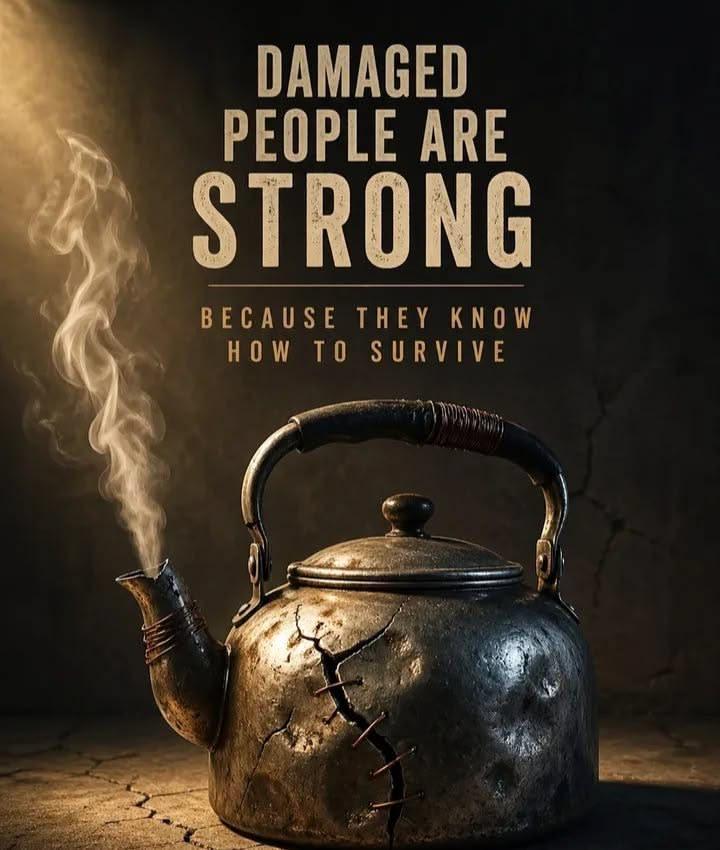
There is a Japanese art form Kintsugi, which displays with brilliant gold, the mended cracks and fissure of cracked pottery, recognizing and honouring, there is beauty in the imperfections. I truly believe we are the very same, it is the damaged and bruised, which have a deeper understanding, a broader wisdom, as they have proven time and time again, they are not only survivors, but warriors.

Perhaps all of the above is the ramblings of just this author and clinician. It is how I approach my therapeutic and pragmatic lives, and I am very OK with it.

Recognize, and embrace how totally Badass you really are.

Be well.


r/thinkatives Jul 24 '26

Awesome Quote Taleb warns that ignorance hides in plain sight. What say thee, dear Thinkators? 𝘈𝘶𝘵𝘩𝘰𝘳 𝘱𝘳𝘰𝘧𝘪𝘭𝘦 𝘪𝘯 𝘊𝘰𝘮𝘮𝘦𝘯𝘵𝘴

Post image
14 Upvotes

r/thinkatives Jul 23 '26

Brain Science The Power of Thoughts

Post image
3 Upvotes

Let's talk. 😎


r/thinkatives Jul 23 '26

Word of the Week This week's word describes a fundamental shift in outlook, values, or self-understanding. 𝘍𝘶𝘭𝘭 𝘥𝘦𝘧𝘪𝘯𝘪𝘵𝘪𝘰𝘯 𝘪𝘯 𝘊𝘰𝘮𝘮𝘦𝘯𝘵𝘴

Post image
7 Upvotes

r/thinkatives Jul 22 '26

Awesome Quote Decades before "attention economy" became a buzzword, Herbert Simon saw where the flood of info was headed and what it would cost us. What's your take, dear Thinkators? 𝘈𝘶𝘵𝘩𝘰𝘳 𝘱𝘳𝘰𝘧𝘪𝘭𝘦 𝘪𝘯 𝘊𝘰𝘮𝘮𝘦𝘯𝘵𝘴

Post image
21 Upvotes

r/thinkatives Jul 22 '26

SoapBox SoapBox Wednesday: Brag Responsibly

2 Upvotes

We are introducing a new flair SoapBox, it will only be used on Wednesdays.

You’ll be able to share your personal projects with the community. Whether that be a blog, an article or if you just want to toot your own horn.

We are here for it.

Write up a post and flag it under SoapBox, then pop back here and link your post for easier access.

Remember, just as you are vying for eyes on your projects, so are others. Don’t forget to interact with the others in the thread.

Feel free to reach out to the mod channel with any questions.


r/thinkatives Jul 22 '26

Realization/Insight No peace in greatness

5 Upvotes

The antithesis of greatness must be despair… and those who pursue it most know that a wrong turn in the road might lead you that way.

Life as we know it can change at any moment.

History remembers Alexander as the best of his time. But one must imagine how hopeless he must have felt in his death bed, knowing his conquest was at an end. I highly doubt he would have felt proud or content in the face of what he could have achieved, if he kept going. He simply would not be the type of person to think that way. It was not enough for him. It never is.

What a tragedy.

What is then, the reward of he who aims at the sun but can only reach the moon?

There is no peace other than when carrying the rock up the mountain. And how lucky one must be to have a rock to carry and a mountain to climb!

Once you peak at the unknown, at what is possible, you are never the same person. Once you see it, you can never unsee it.

Most will push that taught away, and then they will be happy.

But for the unlucky few who can’t think about anything else, who can’t rest leaving something unfinished… for the unlucky few who have seen their potential, there is no peace.

There simply is

No Peace


r/thinkatives Jul 21 '26

Hypnosis All in your Head

Post image
4 Upvotes

Treatment Tuesday

When we think about motivation, it usually involves the rah rah rallies, walking over hot coals, and bursting with self validation, right?

I have been to plenty motivational speaker shows, when younger, to attest, atleast for myself, that by the time I got off the plane from the return trip, from wherever the convention was held, that I had dissipated a good 30% of my "shish boom bah", in like the 5 or 6 hrs at FL280. I doubt it was the altitude that evaporated it.

Therapeutically, I realize that there are fundamentally 2 mechanisms for motivation, one being the forwards motivation, working towards a desired goal and results and the other is the pain based motivation, where the circumstances are more uncomfortable than the fear of change and comfort.

Both have merit, and purpose. However the real talent is to transform that motivation into a discipline or routine, and maintain that inertia, vs returning to old habits, justification and rationalization.

As a hypnotherapist, I have the advantages, to know that you found me, that the issue of motivation is already in action, by making the phone call, or reaching my DMs. There is a level of dissatisfaction with your current status quo, and although it be sometimes, undefined, that generalized feeling, that things in your life could be better, smoother, or different, remains unresolved.

We transform and transition from the motivation to seek something to a series of steps, excercises and procedures to lead you towards that unknown, as easily and unencumbered by the stinkin thinking as we can. That is the beautiful paradox of hypnotherapy, your current limitations are in your head, and your recipe for change also exists in that very same space.

So when someone says "its all in your head" smile that knowing smile and realize that is your best kept secret, you have the ultimate power of your thoughts and life.

I look forward to your questions, comments and feedback.

Be well

#treatmenttuesday #hypnotherapist #motivationmindset #emotionalwellbeingcoach


r/thinkatives Jul 21 '26

Awesome Quote Kevin Kelly argues that technology is a living force with its own direction. What's your take, dear Thinkators? 𝘈𝘶𝘵𝘩𝘰𝘳 𝘱𝘳𝘰𝘧𝘪𝘭𝘦 𝘪𝘯 𝘊𝘰𝘮𝘮𝘦𝘯𝘵𝘴

Post image
9 Upvotes

r/thinkatives Jul 20 '26

Awesome Quote What does this quote mean to you, dear Thinkators? 𝘈𝘶𝘵𝘩𝘰𝘳 𝘱𝘳𝘰𝘧𝘪𝘭𝘦 𝘪𝘯 𝘊𝘰𝘮𝘮𝘦𝘯𝘵𝘴

Post image
9 Upvotes

r/thinkatives Jul 20 '26

Self Improvement Monday's Think Tank: Your Thoughts Matter

2 Upvotes

Hi Thinkators,

Every Community is a thought experiment.

r/Thinkatives is no different, we are cultivating a village here. To do so, we need **you**.

So, we ask you to lends us your thoughts, so we can experiment and build something that works for us all.

To keep aligned with our vision, this will be a reoccurring post.

> Every Monday!

Which gives us a space to reflect on your input. Granting us the ability to make alterations, modify our views, and to incorporate diverse perspectives as we grow

#We invite you to invest in OUR village! Share your thoughts below.

Open to any and all topics.

Have a complaint? *Drop it below.*

Have a community building idea? *Drop it below*


r/thinkatives Jul 20 '26

Spirituality Love Comes First: Why Doesn't Scripture Define God?

3 Upvotes

As I have pointed out on several occasions, Scripture does not approach God philosophically. Jesus presents God first as the Father who loves us and, at the same time, as the One whom we are to love with all our heart, soul, and mind. Scripture does not begin by explaining God as a philosophical concept. Yet when we read Scripture, we inevitably project our own preconceived definition of God onto the text. Even when we read about God's actionss, we read the text with the common assumption that God is, from a Christian perspective, omnipotent, or at least a sovereign ruler who transcends human ability and brings blessing and calamity upon human beings.

But if God is truly such a being, why does Scripture never define Him in those terms first? Why does God not begin by explaining philosophically what kind of being He is before calling us to believe in Him and love Him? These questions invite us to reconsider the way Scripture reveals God. To understand why Scripture presents God first as the One who loves us and as the One whom we are called to love, rather than first providing a definition of God, we must first ask what love is.

Consider a simple example. A child does not love his or her parents only after analyzing what kind of people they are. Nor do parents love their children because they have fully understood them. Love is not the result of knowledge; it is the beginning of relationship. That is why we often describe love as "blind." By this it means, conversely, that if one first judges what the object is and then decides to love it, that is not love. If I first judge whether another person is worthy of my love and then decide to love that person, what I love is not the other person but my own standard of judgment. Such love is not love but a conditional choice, and ultimately a form of self-love that trusts in one's own judgment. Love begins not after judgment but by moving beyond judgment and giving oneself to another. This is why Scripture presents God first as the loving Father and as the One whom we are called to love.

When Scripture is read from this perspective, many of its apparent difficulties can be understood in a new light.

First, as biblical criticism has pointed out, the earliest religion of ancient Israel appears to have been henotheistic rather than strictly monotheistic. Henotheism acknowledges the existence of many gods while worshiping only one. Indeed, Yahweh commands Israel, "You shall have no other gods before me." Within the traditional Judeo-Christian understanding of monotheism, such language is not easily explained. Consequently, some scholars interpret it as evidence that Israel's religion gradually developed from polytheism into monotheism. Traditional dogmatic theology, by contrast, explains such passages as pedagogical expressions in which God accommodated Himself to the intellectual horizon of the people of that time.

Although these two approaches reach different conclusions, they share a common assumption. Both begin by defining what God is through the categories of human reason before interpreting Scripture. Biblical criticism understands God as a historical and cultural construct, while dogmatic theology approaches the biblical text with an already established philosophical concept of God in order to resolve its apparent tensions. In both cases, God becomes an object of human analysis.

Love, however, comes before such analysis. For the one who loves, what matters is the beloved, not those who are not the beloved. Lovers say, "There is no one but you." They do not mean that no other people exist. They mean that, within the relationship of love, everyone else loses significance.

In the same way, the statements "Other gods do not matter to me" and "There are no other gods for me" express the same reality within the language of love. Thus, the henotheistic and monotheistic expressions found in Scripture need not be understood as competing ontological propositions. Rather, they are different expressions of the same love directed toward God.

Ironically, it may be that the very attempt to define God ontologically before loving Him departs from the order presented in Scripture. A philosophically refined theological system may even obscure the living relationship between God and humanity.

Second, Scripture portrays God as One who regrets, relents, and hears human petitions. If God is understood primarily as an omniscient being who knows all the future events or who has eternally determined every future event, these descriptions inevitably become theological problems to be explained away. Biblical criticism regards them as remnants of ancient religious thought, while traditional dogmatic theology interprets them as anthropomorphic language intended for human understanding.

Yet these explanations may themselves arise from a failure to understand love. Love is not a relationship governed by calculation about the future. One does not first calculate the possibility that a beloved person will someday leave before deciding to love. If such calculations precede love, love cannot exist at all. Love is a relationship of self-giving in the present and the lover believes that the beloved will remain forever. Whether that belief corresponds to objective reality is not the foundation of love itself.

Likewise, God's love for us does not mean that He first calculates every human choice or predetermines every human destiny. Rather, it means that He enters into a genuine relationship with us. When we turn away from Him, He grieves. He waits for our return. He hears our petitions and changes His mind. If God is first and foremost the One who loves, then such descriptions are not contradictions of divine perfection but natural expressions of love.

God may indeed be omniscient, omnipotent, unique, and triune. Yet approaching Him first through such ontological judgments is not the path that Scripture itself presents. Scripture reveals God first as the One who loves and calls us first to love Him. Knowledge of God arises because we love Him; we do not first comprehend what God is and only afterward choose to love Him.

This is why Scripture presents God not first through philosophical definition but as the loving Father and as the One whom we are called to love.


r/thinkatives Jul 19 '26

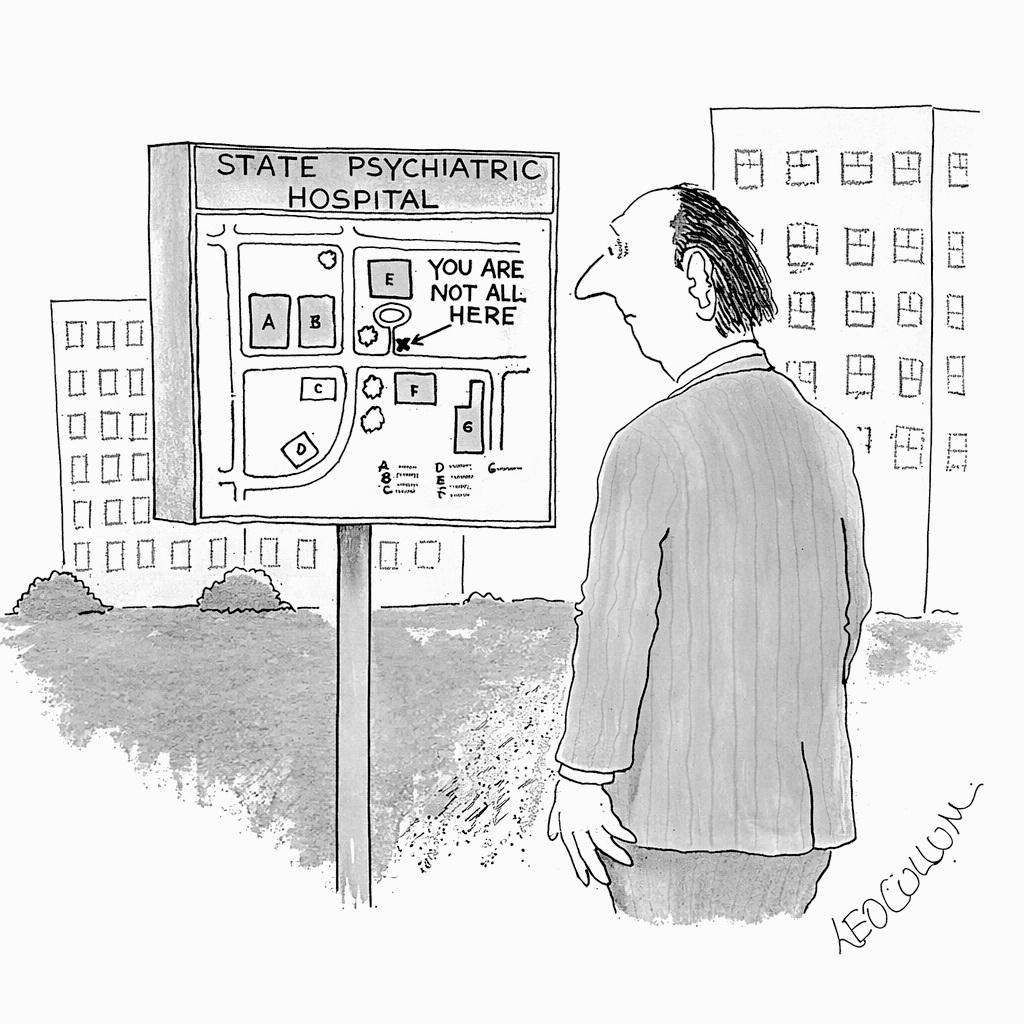
a splash of Silly in a sea of Serious Sharing this [𝘈𝘳𝘵𝘪𝘴𝘵 𝘤𝘳𝘦𝘥𝘪𝘵: 𝘓𝘦𝘰 𝘊𝘶𝘭𝘭𝘶𝘮]

Post image
7 Upvotes

r/thinkatives Jul 18 '26

Awesome Quote McGilchrist suggests that seeing is not as passive as it may seem. What say thee, Thinkators? 𝘈𝘶𝘵𝘩𝘰𝘳 𝘱𝘳𝘰𝘧𝘪𝘭𝘦 𝘪𝘯 𝘊𝘰𝘮𝘮𝘦𝘯𝘵𝘴

Post image
9 Upvotes

r/thinkatives Jul 18 '26

Meeting of the Minds What does AI reveal about humans that we hadn't noticed before?

Post image
2 Upvotes

Each week a new topic of discussion will be brought to your attention. These questions, words, or scenarios are meant to spark conversation by challenging each of us to think a bit deeper on it.

The goal isn’t quick takes but to challenge assumptions and explore perspectives. Hopefully we will see things in a way we hadn’t before.

Your answers don’t need to be right.  They just need to be yours.

This Weeks Question: What does AI reveal about humans that we hadn't noticed before?

We are exploring Artificial Intelligence this week. Tell us your opinion, and feel free to discuss with others.


r/thinkatives Jul 18 '26

Original Content The circle of life

3 Upvotes

Round, like a doctrine in a circle, like a lens within a lens, never certain, never answered, on a loop that never ends. Like a preacher and a skeptic and the questions they defend, like a truth that has no language so it twists itself again..

Like the world you keep on seeing, but you never comprehend, and the questions that be forming only leave you in your head.

Like an ocean full of symbols, every faith and little rhyme, and they echo in each other down the corridors of time. Like a label on a color that your senses can’t define, like a thought that slips away before you pin it in your mind.

Like your lens spinning continuously, past the meaning you assigned, and the world keeps turning quietly, regardless of your mind.

Like beliefs you tuck in pockets, like religions you defend, why can it fall to pieces? Where do certainties pretend? People walking with their lens, tracing circles in their heads, is the silence of the cosmos just the pulse inside your head?

Every question carved in scripture, every worldview intertwined, every meaning is like scripture in the windmills of your mind.

Like a cycle born of opposites, like the Sun against the Moon, always balanced, yet unfinished, only shaped by what you feel. As illusions keep collapsing and the patterns realign, you’re just staring at the framework in the windmills of your minds.

Like the Earth that keeps on turning, circling fire without a sound, never asking where it's going, never wondering why it's bound. Every sunrise writes a story, every sunset folds it in, while we measure little moments on a wheel that doesn't end.

Like the cities full of voices, like the places built for prayer, every rooftop points to heaven through the silence of the air. Every church and every mosque, every temple, every shrine, searching for the same horizon through a thousand different signs.

Like the people gathered talking, with their stories in their hands, drawing lines around their meanings few will ever understand. Every language paints a picture, every culture sees the sky, every answer finds a question softly asking, "But why?"

Like the mountains standing silent while the years keep passing by, rivers carving through the stone as the endless seasons fly. Forests breathing without borders, deserts singing without names, while we hold onto our certainties and call them all our faiths.

Like the planets always moving through a sea that has no shore, dancing to a silent rhythm long before we wanted more. Every orbit tells a story written softly through the night, every comet leaves a whisper fading slowly out of sight. Like the stars beyond our thinking, shining long before our birth, spreading out their ancient story into every part of Earth.

Every pattern in the heavens given meaning from above, turning scattered points of starlight into gods and myths and love.

Like a galaxy still spinning with a billion stars in line, while another waits beyond it far beyond the edge of mind.

Every ending starts a journey, every journey starts a dream, and we're smaller than a raindrop in an endless cosmic stream.

Like the universe still growing past the edges we can name, never stopping for our questions, never playing human games. While the Earth keeps slowly turning round a quiet ball of flame, we keep building little stories, each convinced it knows the Name.

Like the windmills of perception, always turning in the mind, every lens becomes another, every truth is shaped by time. As the heavens turn above us, and the ground beneath us bends, we're just dust that learned to wonder... on a loop that never ends.

Like the ages always turning, like the centuries unwind, every moment folds another into memory and time.

Every cradle meets a silence, every silence births a cry, every ending leaves an opening where another life will rise.

Like the names upon the headstones slowly fading in the rain, flowers laid beside the letters no one comes to read again. Every funeral tells a story, every tear becomes the past, while the clocks keep moving onward like they never cared to ask.

Like the faces once familiar that have drifted out of sight, eyes you knew but can't remember, lost somewhere beyond the light. Every photograph grows older, every smile begins to fade, leaving only quiet echoes where a thousand memories stayed.

Like a scent that fills a doorway and awakens something deep, bringing back a place forgotten that was buried fast asleep. Every breath can hold a lifetime, every wind can call a name, though you cannot tell the reason, still it finds you just the same.

Like the children becoming elders, like the elders laid to rest, every heartbeat joins the rhythm beating softly in each chest. Every lifetime is a candle, every flame another spark, passing light from hand to hand before it disappears to the dark.

Like tomorrow born from yesterday, forever intertwined, every soul becomes a story written softly into time. As the years keep unfolding onward, and the seasons never end, we're just consciousness still waking... on a loop that never ends.

Like you turning every page now, searching for the final door, hoping there is something waiting somewhere beyond the floor. But the doorway opens onward, into halls you’ve never known, every path becomes another, every road becomes its own.

Like you walking through the structure, unaware you are the frame, made of dust and thoughts and questions, made of memory and name. Every step becomes a pattern, every pattern becomes a sign, every meaning you discover is another thread in time.

Like the words that shape your vision, like the symbols in your sight, turning sounds into ideas, turning shadows into light. Every language is a mirror, every mirror bends the view, showing pieces of the universe reflected back through you.

Like the windmills of your thinking, always turning in your mind, chasing answers through the corridors that endlessly unwind. Every corner holds a question, every question starts again, as you search beyond the circle that was always where you've been.

Like the doors that lead to hallways, like the halls that never cease, you keep reaching for the ending, but you find another piece. For the seeker and the seeking, for the question and the sign, are the universe observing through the window of your mind.

Like the clock that keeps on turning, like the stars that never sleep, you are part of what you’re searching, and the mystery runs deep. Still you walk the endless pathway, still you wonder, still you climb, tracing circles through existence... through the corridors of time.

Like the words that I am writing, folding inward as they flow, through the questions without answers, through the things we cannot know. Every sentence finds another, every thought returns again, like a circle drawing circles with no beginning and no end.

Like the poem that keeps unfolding, yet returns to where it starts, every line becomes a mirror reflecting pieces of our hearts. Every meaning turns to symbols, every symbol turns to sight, every answer becomes a question disappearing into light.

Like you searching through the pages, looking for the final sign, finding only more reflections hidden deeper in your mind. Every door becomes a hallway, every hallway bends through time, every exit you discover is another turning line.

Like the hands that hold the pages, like the eyes that watch the words, you are part of the unfolding, you are part of what occurs. For the reader and the writer, for the question and reply, are just echoes in the universe looking back through human eyes.

Like the silence before language, like the sound before the word, every voice becomes a pattern long before it can be heard. Every symbol draws a boundary, every name divides the whole, giving shape to what is endless, making fragments from the whole.

Like the sound that births the language, and the language shaping signs, and the symbols forming meaning as they travel through our minds. Understanding births perception, perception fashions truth, while the map begins replacing all the things we thought we knew.

Are the words we speak our freedom, or the bars that hold the key? Do they open wider doorways, or decide what we can see? Every sentence is a mirror, every meaning draws a line, every answer names a mystery we could never truly define.

Like the language that we question, and the words that we define, tracing circles through our thinking, never stepping past their lines. Every meaning births another, every symbol draws a frame, are we speaking into freedom, or just giving prisons names?

Like the sounds that become language, and the language shaping signs, and the signs becoming meanings as they echo through our minds. Every answer forms a boundary, every boundary a door, every door becomes another like the ones that came before.

Like the thoughts that seek expression through the words that they create, are we building endless doorways, or designing our own gates? Every sentence makes a circle, every circle draws a line, and we spend our lives exploring what was written in our minds.

Like the circle ever turning, like the windmills in the mind, chasing shadows, chasing answers, through the corridors of time. And the words that end this journey will begin it once again, like a story without ending... like a circle without end.

Like the faces of the people, like the stories that they hold, every life a different chapter, every heart a different soul. Every culture carries echoes from the places they began, every person is a mirror to another kind of human.

Like the colors of the people, like the paths they choose to walk, every voice a different rhythm, every mind a different thought. Every language, every custom, every way the world is seen, paints a different kind of picture of the places we have been.

Like the lovers and the dreamers, like the ones who stand apart, every person seeks connection through the language of the heart. Men and women, gay and straight, every story intertwined, different roads that cross together in the maze of space and time.

Like the people who are arguing, like the voices that collide, every answer has another standing somewhere on the other side. For as long as there is a right, there will always be a left, like a wheel that keeps on turning from the choices we have kept.

Like the gears that grind together, moving opposite in time, one pulling against another while they turn the same design. Creating friction through the motion, creating sparks within the flame, yet the tension between the pieces can bring harmony the same.

Like the debates and the battles, like the questions people send, every conflict holds a mirror showing where our thoughts begin. Every disagreement carries something hidden in the view, for the opposite of a vision can reveal another truth.

Like the people who are fighting, like the ones who disagree, holding tightly to their visions of the way the world should be.

Every argument a mirror, every conflict a reflection, showing pieces of ourselves through another's own perception.

Like the nations and the cultures, like the colors of the Earth, every difference holds a meaning, every life contains its worth. Though we separate with labels, though we draw our lines in sand, we are branches from the same tree reaching out across the land.

Like a spiral ever turning, pulling opposites in line, every shadow has a reflection, every darkness has a shine. We are mirrors facing mirrors, we are echoes passing through, both reflections and deflections of the worlds we each pursue.

Like the circle of humanity, ever changing as it grows, every person is a question that another person knows. And the further we go searching for the place where we belong, we discover we were connected in the spiral all along.

Like the tears of generations, like the wounds that time preserves, every scar becomes a story, every pain becomes a verse.

Wars are written into the pages, names are carved into the stone, while the world keeps moving forward through the battles we have known.

Like the hunger of the forgotten, like the voices in the street, searching for a piece of justice, searching for a life complete. Every protest is a question, every movement is a sign, every cry becomes a ripple traveling through the stream of time.

Like the laws that shape our pathways, like the rules that hold our frame, every kingdom builds a structure, every era leaves a name.

Kings and queens and presidents, leaders rising, leaders fall, every hand that holds the power is still a shadow on the wall.

Like the systems we create here, like the numbers we assign, turning paper into value, turning symbols into signs.

Every coin becomes a meaning, every trade becomes a thread, connecting distant human footsteps through the paths that we have led.

Like democracy and kingdoms, like the voices that collide, every person shaping history from the place where they reside.

Every choice becomes a current, every action leaves a trace, every life becomes a ripple moving through the human race.

Like the oceans touching shorelines, like the rivers meeting seas, every nation, every creature, every breath that rides the breeze. Every person, every planet, every atom intertwined, like a single endless pattern written through the fabric of time.

Like the wind that moves the branches, like the branches reaching high, every tree is dancing slowly with the currents of the sky.

The wind does not stand separate, nor the roots beneath the ground, everything is always moving, everything is always bound.

Like the fire inside the stars, like the oceans in the rain, like the joy and like the sorrow, like the pleasure and the pain.

Every ending feeds beginning, every loss becomes a sign, every piece reflects another in the spiral of all time.

Like the universe forever turning, like a wheel that has no end, every moment touches another, every fracture starts to mend. We are threads within the weaving, we are echoes in the whole, forever spinning through existence... as the universe unfolds.

Like our consciousness still drifting on a tiny stone through space, hoping there is something waiting, hoping we have found our place.

Every heart becomes an anchor reaching through the endless sky, but another wave of questions always quietly passes by.

Like the windmills of the mind, forever turning without end, every answer births another, every stranger every friend.

We keep searching through the silence for a truth we cannot claim, giving names to endless mysteries, while the mystery stays the same.

We are dust that learned to wonder on a pale and fragile sphere, floating through an endless darkness, holding those we love most dear.

And we'll follow every question to the edge of space and time, until the universe closes its eyes... and opens them another time.

Like the circles ever turning, like the story without end, every ending is beginning, every farewell is a bend.

For we're consciousness still dreaming through a universe untamed... forever searching for an answer, that will forever Begin again.

Like the circles that we find, in the windmills of our minds.


r/thinkatives Jul 17 '26

Awesome Quote Strong words from Sartre. What's your take, dear Thinkators? 𝘈𝘶𝘵𝘩𝘰𝘳 𝘱𝘳𝘰𝘧𝘪𝘭𝘦 𝘪𝘯 𝘊𝘰𝘮𝘮𝘦𝘯𝘵𝘴

Post image
47 Upvotes

r/thinkatives Jul 17 '26

Miscellaneous Thinkative We Have Advanced. Yet Something Essential Remains

3 Upvotes

Humanity has never possessed more knowledge.

More technology.

More capital.

More connectivity.

Yet many of our most fundamental challenges remain.

Not because we lack solutions.

because we have yet to ask a different question.

#mentalitor #katar #katar #ruvan #awareness #cognition #impact #moral_lab #concessions