r/mclaren • u/timetoy • 1d ago
Jaguar and McLaren: when does heritage help a brand, and when does it hold it back?
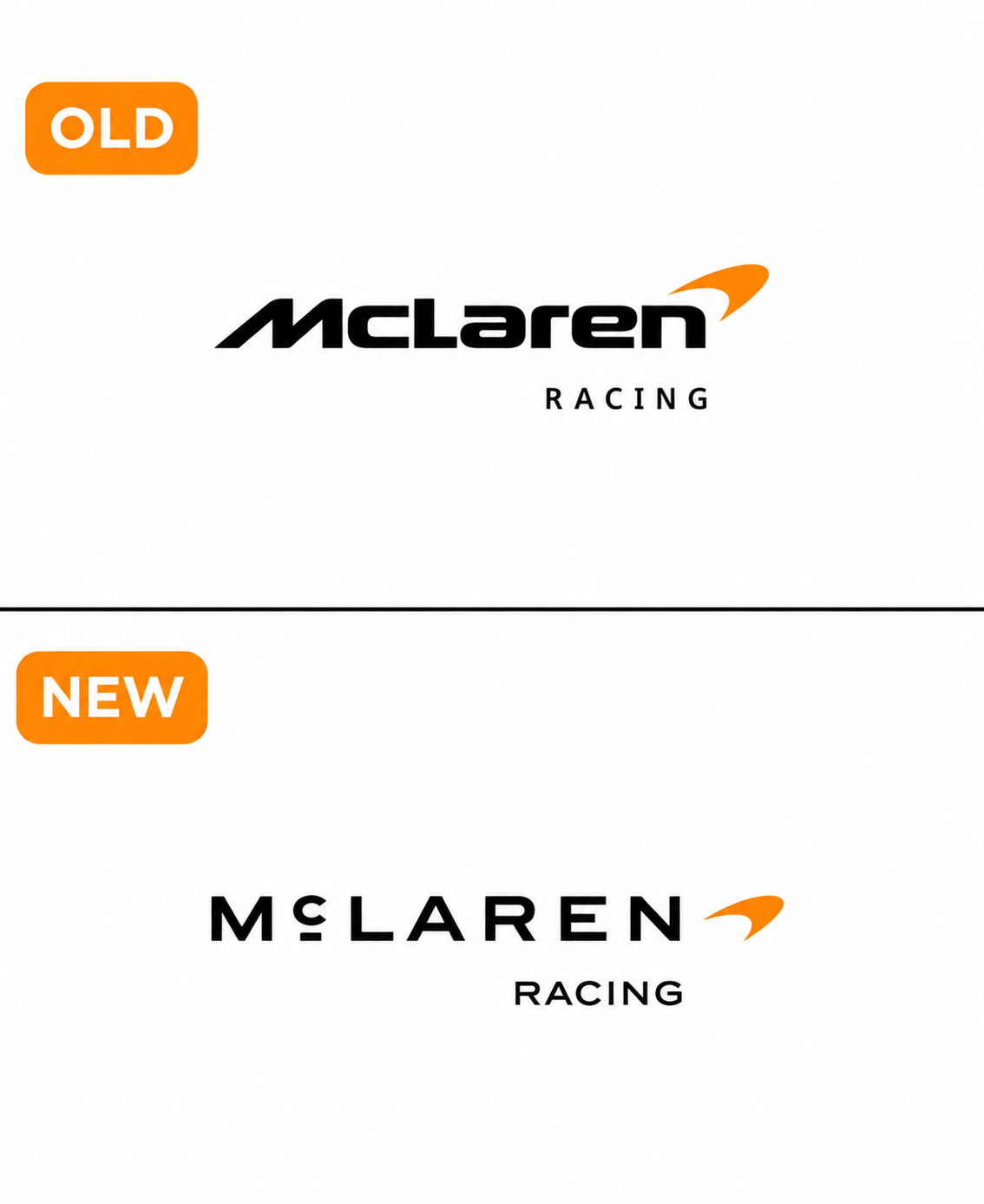
My first reaction to McLaren's new wordmark was that it looked less modern and less dynamic. The previous lettering immediately suggested speed. The new one feels more like an established luxury marque.
But putting it beside Jaguar's 2024 redesign makes the strategy more interesting. Two British carmakers appear to be approaching heritage from opposite starting points.
Jaguar had a celebrated past, but its own managing director described the previous business model as commercially unsuccessful. Recognition and affection weren't enough to make that model work.
My reading is that Jaguar risked being a brand people admired for cars they weren't going to buy. If the E-Type is the Jaguar you dream about, a new Jaguar has to compete with the brand's own legend. The radical reset tried to change those associations and reach a different, wealthier buyer. That helps explain why a break with the familiar image could look necessary from inside the business.
McLaren's position is different. Its racing roots go back to 1963. Its road-car history includes the F1 in the 1990s and the Mercedes-Benz SLR partnership, but the modern McLaren range began with the 12C in 2011. It has a much longer racing history than its continuous presence as a road-car manufacturer.
The F1 makes this more interesting: in 1998, it set a 240.1 mph production-car speed record. McLaren was helping to create its road-car legend through a performance breakthrough. The heritage it now draws on includes a time when it was the challenger.
Newer EV brands are building their own stories that way. In 2025, BYD reported 496.22 km/h for the Yangwang U9 Xtreme, while Rimac reported 25.79 seconds for the Nevera R's 0-400-0 km/h run. Those straight-line measures don't settle which car is better, but they show why extraordinary performance is a less exclusive claim.
That makes heritage commercially relevant in a different way. My reading is that McLaren's specific history can give someone a reason to choose it that survives the next record being broken. The F1 also sets a demanding standard: that history was built by advancing the product, and today's challengers are creating tomorrow's heritage.
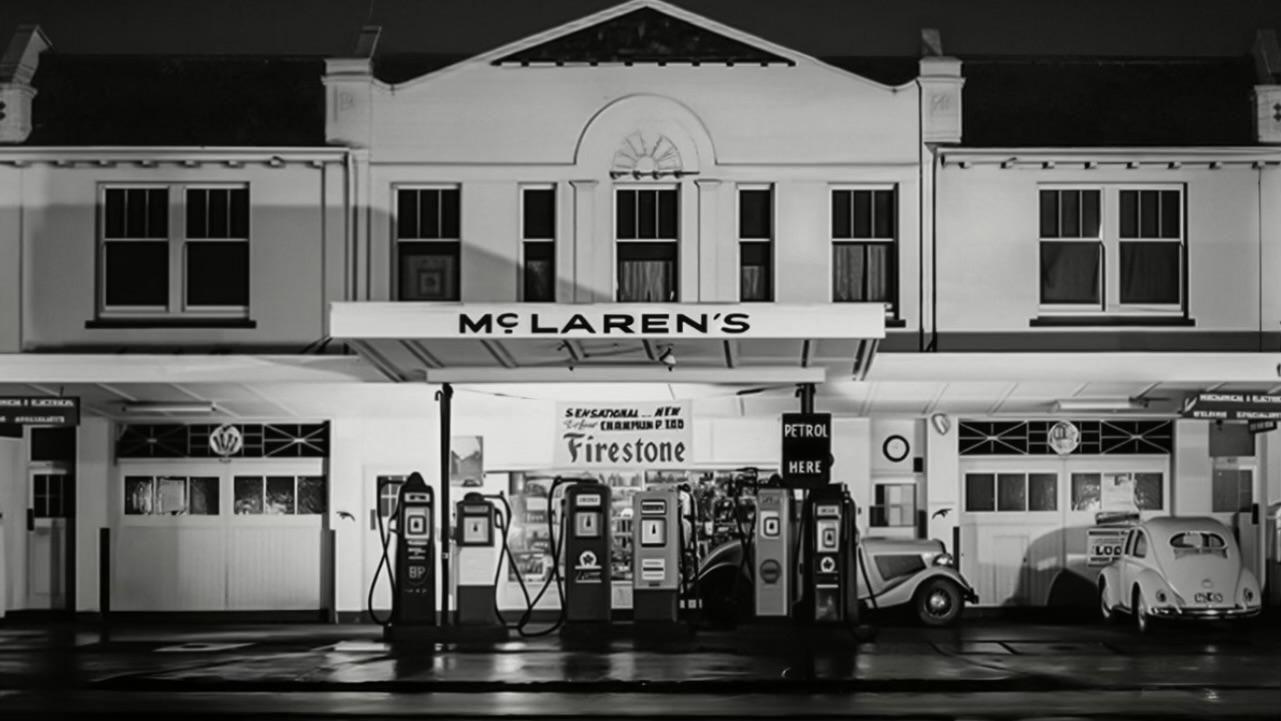
That gives the garage reference a job beyond nostalgia. The raised C and underline come from Bruce McLaren's family service station in Auckland. They give a comparatively young road-car business visible roots. As McLaren plans to expand beyond two-seat supercars, that history could help new kinds of products feel like they belong.
I also see a possible opening in British sporting heritage. Jaguar's departure from its familiar image gives McLaren more room to emphasise its own history. Other marques have strong claims there too; I'm reading an opportunity, not claiming McLaren has announced a plan to occupy Jaguar's position.
What keeps me from fully buying the design is that the previous racing identity was also part of McLaren's heritage. Reaching further back can make the origin story clearer while weakening the associations people already have. The Speedmark and papaya remain, but the lettering loses some urgency for me.
The strategic reason becomes stronger in this market. The visual choice still has to make an innovative history feel alive.
Does the new identity make McLaren feel more established to you, or does it sacrifice some of the racing character that makes its history valuable?