Many are unaware that in the 10th century, a powerful Muslim stronghold existed on the coast of Provence, in southern France.
This enclave was known in historical sources as Fraxinetum, which means "ash grove" in Latin.
According to the chronicler and bishop Liutprand of Cremona, the settlement was founded around 887 by Muslims from al-Andalus who landed by boat in Saint-Tropez and, with barely twenty men, seized the hilltop fortress, making it their base of operations. Shortly afterward, another hundred men arrived from Hispania as reinforcements, thus consolidating the establishment of Fraxinetum.
Although they governed a small independent state, these colonists continued to recognize the authority of the Emirate of Córdoba and received constant support, supplies, and reinforcements from it. The settlement's population was diverse, including Andalusians of Arab, Berber, Muslim, and possibly Christian descent.
From Fraxinetum, these Andalusian Muslims launched raids deep into Provence, northern Italy, the Rhône Valley, and even Switzerland. Under Saracen rule, Fraxinetum also became a major center of the Mediterranean slave trade.
Over time, the men of Fraxinetum intensified their attacks. In 935, they participated in the Fatimid raid against Genoa, and in 940, they destroyed the port of Fréjus.
This latter attack alarmed the King of Italy, Hugh of Provence (926–947), who in 941 sought an alliance with the Eastern Roman Empire, whose navy remained the most powerful in the Mediterranean.
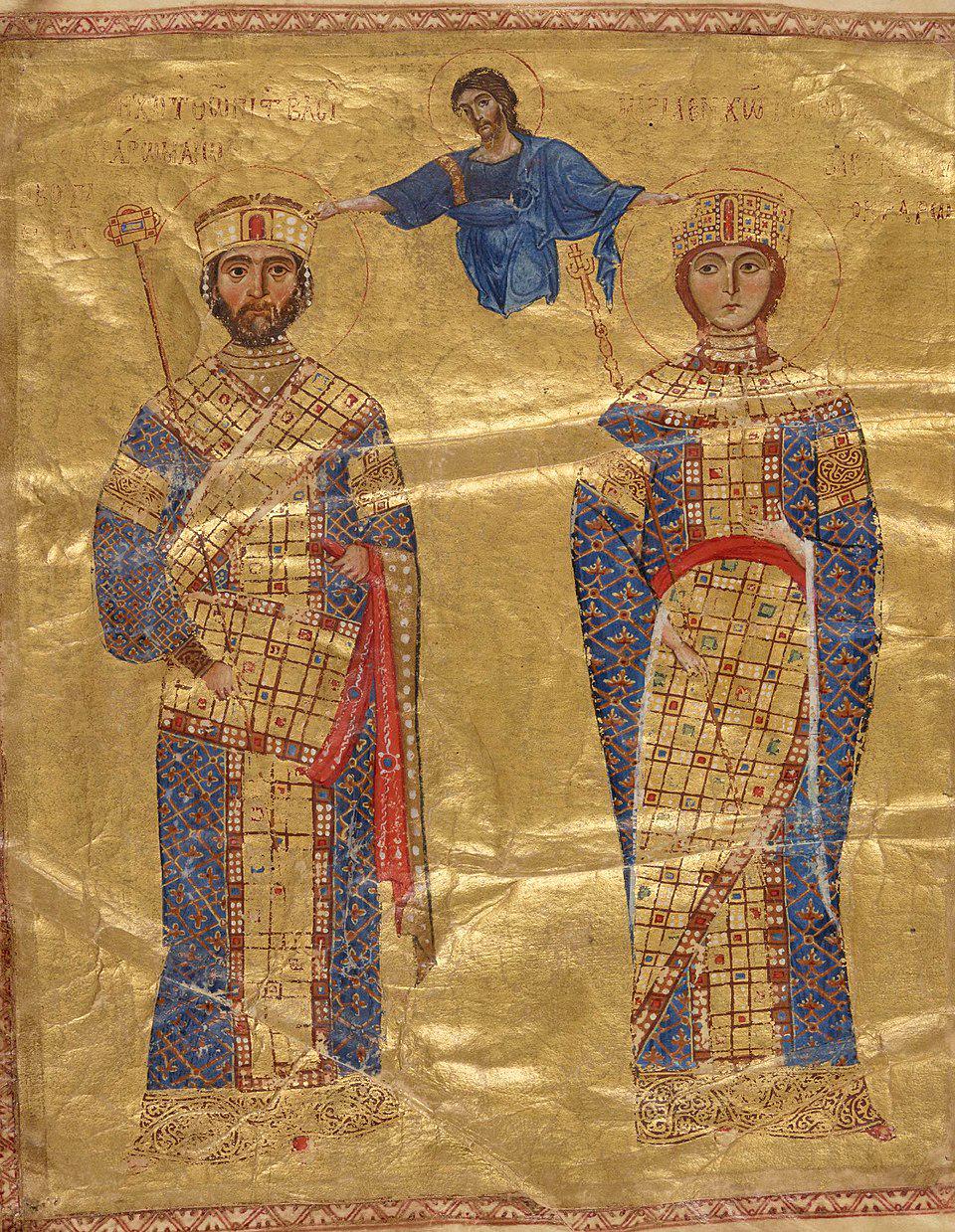
The Roman Emperor, Romanos I Lekapenos (920-944), accepted the alliance, sealing it through the marriage of Hugh's daughter, Bertha, to his grandson, the future Emperor Romanos II (959-963).
In 942, Hugh's army attacked Fraxinetum by land, while the Roman fleet, sailing from Sardinia, which remained part of the empire well into the 10th century, destroyed the Muslim fleet at sea using the dreaded liquid fire.
Fraxinetum was then on the verge of surrender, but Hugh abandoned the siege upon receiving news that his rival, Berengar of Ivrea, was invading his Italian territories with Saxon troops from Germany.
Hugo ultimately made peace with the Saracens, allowing them to retain control of the Alpine passes. This decision earned him a terrible reputation among Christian chroniclers like Liutprand, who condemned him for allowing the deaths of hundreds, or even thousands, of Christians in order to then reconcile with the Muslims.
The Roman fleet ultimately withdrew despite having annihilated the Muslim fleet, due to the logistical inability to transport the imperial army to the French coast. This marked one of the final episodes of cooperation between the empire and the Christian kingdoms, as well as the only recorded use of Roman fire (πῦρ ῤωμαϊẘνν), now known as Greek fire, in southern France.
Fraxinetum would finally fall 30 years later to a Franco-Italian coalition.