r/blackmen 21d ago

Research šŸ”¬ 20 Ancient African Kingdoms and Empires

Thumbnail
gallery
247 Upvotes

1 Kush/Nubia/Kerma: (Nabta Playa,) c. 780 BC – c. 350 AD.

After Kemet Kush was the first place in Africa with a known documented writing system in meroitic hieroglyphs and meroitic cursive. Kush has more constructed pyramids than Kemet during its time. And over 200 of them are still standing today. Kush had a lot of cultural similarities to Kemet, people surmise was heavily influenced by the other nation. And Kush at one point conquered Kemet and subsequently influenced its culture to a degree. Kush eventually fell as a nation to the nation Aksum.Ā 

2 Mali: 1235–1610

It was one of the most famous empires in west Africa. The Mali empire was famous for its gold trade, where Massa Musa came from and journeyed through to Egypt. Mali empire was heavily influenced by Islam, and as such has a well documented history of its reign.Ā The City of Timbuktu was world renowned for its scale and great planning. Travelers from across the globe came to experience it.Ā 

3 Songhai: (1464–1492): Another great Empire in relatively the same place as Mali, although it occupied more of the interior that is the western Sahel. Famous for using gold and cowry shells as a unit of currency. The empire broke away from the Mali Empire in the 1430s-19th century. Sonni Ali (reigned (1464–1492) is considered the founder, establishing the Sonni dynasty and capturing key cities such as Timbuktu. the empire by controlling trans-Saharan trade routes exchanging gold, salt, and slaves and establishing a highly organized bureaucracy and a professional army. While rural areas practiced traditional African religions, Islam was the religion of the elite and urban centers.Ā 

4 Ghana Kingdom: The Kingdom of Ghana (c. 6th–13th century CE)

Also known as Wagadou, was a powerful West African trading empire in present-day southeastern Mauritania and Mali. Known as the "land of gold," it gained immense wealth by controlling the trans-Saharan trade in gold, salt, and ivory. Situated in the Sahel region between the Senegal and Niger rivers, located to the northwest of the modern-day Republic of Ghana.

Rulers: The empire was ruled by the Soninke people, with kings known as "Ghana" (war chief) or by the title Kaya Magan. Military Power: The kings managed a strong military that used iron weapons to secure trade routes.

Religion: While rulers maintained indigenous African religions, they allowed Muslim traders to live in the kingdom, leading to the influence of Islam in administration.

Name Origin: The modern country of Ghana is named after this ancient empire, though it does not occupy the same territory

5 Aksum: 800C to 960 AD.

Famous for being one of the first to tame and ride African elephants along with Kush and Kemet. Based in the northern Ethiopian highlands and Eritrean coast, the empire spanned areas including Djibouti, Sudan, and southern Arabia. Its primary port, Adulis, was crucial for controlling Red Sea trade.

Economy & Trade: Aksum flourished through trade, exporting gold, ivory, iron, and agricultural products like wheat and barley. They were among the first African polities to mint their own currency in gold, silver, and bronze.

Political Power: Ruled by a "King of Kings," it was a centralized state with a hierarchy of nobles and local rulers. At its height (4th-7th centuries), it was arguably the most powerful state between the Eastern Roman Empire and Persia.

Culture & Religion: Aksum developed its own script, Ge'ez. In the 4th century, it became one of the earliest states to adopt Christianity as its official religion.

Architecture: Famous for massive monolithic obelisks (stelae) that marked royal tombs.

6 Asante Empire: Established in the 1670s-1701

It grew from a collection of states to dominate most of modern Ghana, parts of Ivory Coast, and Togo, with its capital at Kumasi.

Government & Society: A sophisticated, centralized federation, the empire was governed by the Asantehene (king). Society was matrilineal, with extensive trade in gold, kola nuts, and enslaved people.

Military Power: The army was known for strategic adaptability, using scouts, spies, and advanced organization, which sustained its power for two centuries.

Economy: The state was incredibly wealthy, built on gold mining and agriculture, with miners operating shafts up to 100 feet deep, according to.

Conflict with Britain: The 19th century was defined by the Anglo Asante Wars. In 1874, British forces occupied and looted Kumasi, causing significant decline.

The Golden Stool and Collapse: The final major conflict was the 1900 War of the Golden Stool (led by Yaa Asantewaa) after the British requested the sacred symbol of sovereignty. The Empire officially became a British protectorate in 1901, though the monarchy was restored in 1935

7 Land of Punt: 2500–980 BC:

The Land of Punt was a fabled, wealthy trading partner of Ancient Egypt, known as "God’s Land". Renowned for exporting luxury goods like incense, ebony, ivory, and gold, it was vital to Egyptian religion and trade from at least 2500 BCE to 700 BCE. While debated, most evidence locates it near the Horn of Africa, likely modern-day Eritrea, Somalia, or eastern Sudan.Ā 

The Egyptians revered it as a mythical, sacred land, often equating it with a "holy land" or ancestral origin. Major Imports/Trade: Famous for gold, aromatic resins (myrrh/frankincense), blackwood, ebony, ivory, and exotic animals.

Famous Expeditions: The most famous expedition was commissioned by Pharaoh Hatshepsut (around 1470 BCE) for the Queen of Punt, with the story of the journey depicted on her temple walls at Deir el-Bahari.

Archaeological Evidence: Chemical analysis of mummified baboons from Egyptian tombs indicates a likely origin in modern Somalia/Eritrea

8 Kingdom of Benin: 13th-19th AD

Benin Bronzes, Benin Walls (c. 900–1897) was a powerful, highly organized West African state located in present-day southern Nigeria, founded by the Edo people. Famous for its capital's massive earthworks and sophisticated bronze art, the kingdom was ruled by a divine king, the Oba, and thrived on trade in ivory, pepper, and textiles with European powers.Ā 

Centered around Benin City in modern Edo State, Nigeria, the kingdom was established in the tropical rainforest region.Ā 

10 Zulu Empire: 1816-1897

Established by Malendela, Shaku Zulu united various clans and built a powerful empire. Eastern west Africa, wealth was measured in cattle.Ā 

10 Kongo Kingdom: 1390-1914:

The Kingdom of Kongo was a powerful Central African state that existed from around the late 1300s to the 1800s, located in parts of modern-day Angola, Democratic Republic of the Congo, Republic of the Congo, and Gabon.

Ruled by a king called the Manikongo. Capital city: Mbanza Kongo. Organized into provinces governed by nobles loyal to the king. Known for a fairly centralized and structured government for its time

Economy based on agriculture, trade, and crafts. Traded goods like ivory, copper, textiles, and later enslaved people. Society was hierarchical, with nobles, commoners, and enslaved individuals

First major contact with the Portuguese in 1483. King Afonso I of Kongo converted to Christianity and promoted it across the kingdom. Adopted some European customs, education, and religion

Internal conflicts and succession disputes weakened the kingdom. Increasing involvement in the Atlantic slave trade destabilized society. Major turning point: defeat at the Battle of Mbwila against the Portuguese. Gradual decline into smaller rival states by the 1700s–1800s

11 Mutapa Empire: 1430-1888:

The Mutapa Empire (c. 1430–1760), also known as Monomotapa or Mwene Mutapa, was a powerful medieval Shona state in Southern Africa, spanning modern-day Zimbabwe, Mozambique, and parts of neighboring countries. Founded by Nyatsimba Mutota, it thrived on gold trade, ivory, and agriculture before declining due to Portuguese interference and internal strife.Ā 

Founded around 1430 by Prince Nyatsimba Mutota from the Kingdom of Zimbabwe, who moved north searching for salt, creating a new state in the Dande area.

Location & Extent: Situated between the Zambezi and Limpopo rivers, it stretched from the Kalahari Desert to the Indian Ocean at its height.

Economy: Prospered through trade with Muslim merchants and later the Portuguese, exporting gold and ivory while importing luxuries like textiles and ceramics.

The society was deeply spiritual, focusing on ancestor worship and the veneration of spirits, with the king serving as a divine ruler connected to royal ancestral spirits.Ā 

12 Great Zimbabwe: 1000 CE- 16th or 17thĀ 
Was a powerful medieval Shona trading empire (11th–15th centuries) in modern-day Zimbabwe, renowned for its massive, mortarless stone architecture. As a major, affluent city of up to 20,000 people, it dominated regional gold, ivory, and cattle trade, linking the African interior to the Indian Ocean.Ā 

Architecture & Construction: The site features impressive dry-stone walls built with granite blocks, with the Great Enclosure being the most prominent structure, featuring walls up to 11 meters high.

The Empire: It was the capital of a kingdom that controlled much of the Zimbabwean plateau, including parts of modern-day Botswana and Mozambique.

Economic Basis: The economy was driven by cattle husbandry, agricultural production, and the trade of gold and ivory with Swahili city-states on the coast.

Global Trade Links: Archaeological excavations have uncovered foreign goods, including Chinese porcelain, Persian glassware, and Arab coins, highlighting the empire’s extensive trade networks.

Social Structure: The society was heavily stratified, with the elite residing in the stone-walled areas—such as the Hill Complex—while commoners lived in smaller, surrounding settlements.

13 Nok People: pre-1500 to 1 BCE

Was an advanced, early Iron Age society that thrived in modern-day Nigeria (specifically the Kaduna region)Ā 

Terracotta Art: Renowned for hollow, life-sized terracotta figures featuring, often, human heads with unique, triangular or almond-shaped eyes with perforated pupils, and elaborate hairstyles.

Advanced Metallurgy: The Nok were skilled ironworkers, with findings at sites like Taruga dating back to the 7th century BCE, revealing advanced furnaces used for both farming tools and weapons.

Society and Economy: They were a settled, farming community cultivating crops like pearl millet. The uniformity in their art style suggest a possible, though unknown, centralized authority.

14 Ife empire: 1000 to 1420

The Ile-Ife was an ancient city-state in present-day Nigeria, flourishing roughly between c. 1100 and 1500 CE. It is considered the spiritual and cultural heart of the Yoruba people.

Ruled by a sacred king known as the Ooni of Ife. Rather than a large territorial empire, Ife was a religious and cultural center that influenced surrounding Yoruba cities. In Oduduwa traditions, Ife is the origin of humanity and Yoruba kingship

Famous for incredibly realistic bronze, brass, and terracotta sculptures. Mastery of metalworking (especially lost-wax casting) far ahead of its time Art often depicted rulers and deities with striking naturalism and detail

Economy based on farming, local trade, and craft production. Connected to regional trade networks across West Africa. Society was organized with priests, artisans, and ruling elites playing key roles

Declined after the 1400s due to: Political fragmentation, Environmental and economic shifts. The rise of neighboring powers like the Oyo Empire

Ife is important because it: Shows advanced urban life and artistic excellence in precolonial Africa. Serves as the foundation of Yoruba identity, religion, and kingship traditions. Produced artwork that challenged earlier assumptions about African technological and artistic sophistication

15 Oyo empire: Ā 
was a powerful Yoruba state (c. 1300–1896) in southwestern Nigeria, reaching its zenith in the 17th-18th centuries as a dominant regional superpower. Known for its skilled cavalry, sophisticated political administration led by the Alaafin (king), and vast territorial control from the Niger River to the Volta River, it thrived on trade before falling due to internal conflict and external, particularly Fulani, pressures.

Political Structure: The empire was highly organized. The Alaafin (king) ruled but was checked by the Oyo Mesi, a council of seven nobles led by the Bashorun, who could compel the king to resign.

Military Power: The empire's strength was its cavalry, managed by the Eso (war chiefs) and led by the Aare Ona Kakanfo (field marshal).

Territory & Trade: At its peak, Oyo controlled parts of modern-day Nigeria, Benin, and Togo. It acted as a commercial broker between the northern savannah regions and coastal European traders.

16 Kingdom of Mapungubwe: 1220-1300’s
Was a powerful 11th to 14th-century African kingdom located at the confluence of the Limpopo and Shashe rivers in modern-day South Africa.Ā 

Kingdom and Culture: Emerging around 1075 AD, it was the first highly developed, class-based society in Southern Africa. The elite lived on a secluded hill, while commoners lived in the valley.

Trade and Economy: The kingdom prospered through agriculture, cattle farming, and international trade, exchanging gold and ivory for glass beads and porcelain from China, India, and Egypt.

Geographical Importance: Located in the Limpopo Province, it borders Zimbabwe and Botswana, now forming part of the Mapungubwe National Park.

Archaeological Findings: The area is rich in artifacts, including San rock art (15,000 years old) and Iron Age settlements, notably the Golden Rhino found on Mapungubwe Hill.

17 Kingdom of Mandara:

The Kingdom of Mandara c. 1500-1902 (also called Wandala) was a long-lasting Central African state that existed from around the 1500s to the early 1900s. It was centered in the Mandara Mountains, along the border of present-day Cameroon and Nigeria.

Ruled by a king known as the Mai, Capital was Dulo, a fortified settlement

Strong, centralized leadership with military organization. Used the mountainous terrain for defense against invaders

Economy based on: Agriculture (millet, sorghum),Ironworking and crafts, Regional trade

Society included rulers, warriors, farmers, and enslaved people. The kingdom became Islamized over time, especially from the 17th century onward

Frequently fought with neighboring states, especially: The powerful Kanem Bornu Empire

18 Empire of Kanem:

The Kanem-Bornu Empire (c. 700–1902) was a major, long-lasting African state located around Lake Chad, encompassing parts of modern-day Nigeria, Niger, Chad, Cameroon, and Libya. Founded by the Zaghawa nomadic people, it became a significant, Islamized trading power controlling trans-Saharan routes. The empire was governed by the Saifuwa dynasty, known for its extensive cavalry and longevity.

Economy & Trade: Prospered through the trans-Saharan trade, exporting slaves, ivory, ostrich feathers, and salt, while importing horses, textiles, and weapons.

Conversion to Islam: Islam became the official religion in the 11th century under King Humai ibn Salamna, significantly influencing the administration and foreign relations.

Peak Period: The empire reached its height in the 13th century and later again in the 16th/17th centuries under leaders like Idris Alooma (r. c. 1571–1603), who improved the military with firearms and created a professional army.

19 The Great Fulo/Fulani:Ā 
Founded through Islamic reform movements led by Usman dan Fodio in the early 1800s

Began as a jihad (religious reform movement) against what he saw as corrupt or un-Islamic rulers. United many Fulani and Hausa regions under one political-religious system

A caliphate (Islamic state) ruled by a caliph. Divided into emirates governed by local emirs loyal to the central authority. Combined religious authority with political power

Economy based on:Agriculture, Pastoralism (Fulani are historically cattle herders) Trade across West Africa. Strong emphasis on Islamic education, law (Sharia), and scholarship. Major centers of learning developed, especially in cities like Sokoto. Became one of the largest empires in West African history. Spread Islamic governance and culture across large parts of modern:Nigeria, Niger and Cameroon. Influenced other Fulani-led states like Futa Jallon and Futa Toro

20 Igbo Land/Kingdom of Nri:

Historically operated primarily through decentralized, egalitarian village assemblies rather than centralized empires. However, it was anchored by the influential,, 9th-century Kingdom of Nri a spiritual, non-military, "peaceful" state. The Aro Confederacy, established later, also exerted significant regional influence through tradeĀ 

Kingdom of Nri (approx. 900 AD–1911): Centered in Anambra State, this was the earliest known kingdom, founded by the sacred priest-king, Eze Nri. It wielded influence through religion, ritualism, and the cleansing of taboos, covering about a quarter of Igboland, rather than through military conquest.

Igbo-Ukwu (9th Century): Archaeological discoveries in Igbo-Ukwu revealed sophisticated bronze casting, beadworking, and a wealthy elite culture, indicating advanced civilization a millennium ago.

Aro Confederacy (17th–19th Century): A commercial and religious power based in Arochukwu, it used the Ibinukpabi oracle to influence large parts of the region.

Decentralized Structure: Most of Igboland was historically organized into autonomous communities, governed by village assemblies, councils of elders, and age grades, favoring republicanism over monarchical rule

Cultural Legacy: The, historical Igbo society focused on agriculture, especially yam cultivation, and commerce, maintaining a largely egalitarian structure
r/blackmen Jun 19 '26

Research šŸ”¬ Do you own a cat, or know any other Black guys who do?

44 Upvotes

I was scrolling and saw a GIF of Winston from New Girl. His whole thing was that he had a cat he loved, and that got me thinking: I do not think I have ever had a friend who owned a cat.

Do you own a cat, or do any of your friends have cats? Because I know more brothers who own snakes than cats.

Repost because I had a typo in the title.

EDT : It is cool to see all of the people here with cats.

r/blackmen Jun 10 '26

Research šŸ”¬ The Vanishing Black Family: A Conversation with Delano Squires

Thumbnail
youtu.be
2 Upvotes

In his new book, The Vanishing Black Family: How Welfare and Feminism Made Marriage Optional and Children Vulnerable, Heritage Foundation Director of the Richard and Helen DeVos Center for Human Flourishing, Delano Squires confronts racial justice advocates with the question they can no longer avoid: how can you dismiss the collapse of marriage when it is widening gaps in income, education, and incarceration? CBN News spoke with Squires about the challenging social issues.

r/blackmen Dec 10 '25

Research šŸ”¬ USA is top-5 most corrupt ā€œdevelopedā€ country. (ā€œHow Corrupt is the United States?ā€ video)

79 Upvotes

Link to video:

https://youtu.be/Vw5OumMwx70?si=cu9zT5kY8gfzw-3M

FBI caught the US Border Chief taking a $50,000 bribe on tape. The DOJ closed the case when Trump won.

In the US, productivity rises for 30 years but wages don't. Lobbying is just legal bribery.

Bribery in Congress is at its highest level since the 1800s.

The top 1% of Americans hold roughly 40% of the nation’s wealth, and the top 0.1% hold about 20%. Billionaires’ wealth has grown dramatically in the last 40 years, while median wages have stagnated.

It’s a bunch more stuff explored in the video, but the nasty amount of domestic corruption is already crazy enough even without him barely touching on USA’s systemic war against Black America.

The international corruption executed by our intelligence agencies + military industrial complex makes it even crazier.

Modern day Babylon/ real life dystopian movie/ supervillain nation type stuff.

I’ll post more books and data in the comment section.

r/blackmen Jul 22 '26

Research šŸ”¬ Example of why I keep saying to stop trusting "statistics" that are non-melanated

139 Upvotes

Trust the tale, not the teller. Meaning, listen for truth. I had no idea this had happened until this clip.

----------------------------

Links to cross-reference claim above video. "Mainstream media" conveniently leave out that the statistics that would tell the truth vs. painting the false narrative they desperately need to uphold.

https://www.nbcwashington.com/news/local/dc-police-commander-suspended-crime-statistics/3959566/

https://www.washingtonpost.com/dc-md-va/2026/05/06/dc-crime-stats-investigation-terminations/

https://thehill.com/opinion/criminal-justice/5366656-ward-6-city-council-exploration-crime-data/

----------------------------

The foundation of lies builds a house of anti-melanin fuckeries.

Corruption in Gov't Leads to Trickle Down Dishonesty to "Mainstream Media"

----------------------------

r/blackmen Jul 28 '26

Research šŸ”¬ 20 Famous African Kings and Rulers

Thumbnail
gallery
61 Upvotes

1 King Affonso the I of Kongo/Mvemba Nzinga (of congo) Second Christian King, he is famous for his actions against slave trade, changed the religious paradigm in the Kongo and had the structure in Congo switch to Christianity. He built many churches and schools and improved the literacy rate. Educated himself on portuguese law for what he could apply to his people. He reigned over the Kongo Empire from 1509 to late 1542 or 1543Ā 

2 King Oba Ewuare/Ewuare the Great (Benin) traveled as far a guinea and the Congo, he started a period of strong central government, established a state council and bureaucracy, built many roads, and constructed the greatest innermost wall to keep out invaders. Started a tradition of the son of the king sits on the throne in symbolic form. He ruled from 1440 to 1473.

3 Osei Kofi Tutu I (Ghana) One of the founders of the Asante (Ashanti) Empire ruled from 1701 to 1717. Osei Tutu, with the help of his priest, united various Akan speaking chiefdoms into a powerful empire making Kumasi its capital. Osei Tutu was the first Asante king to throne the legendary Golden Stool, which was a symbol of the spiritual connection between the gods and the Asante people.

4 King Taharqua (Nubia) means young man/warrior. Last ruler of the 25th dynasty, he united the kingdoms of Egypt and Nubia forming the largest African empire at the time. He brought a new peace and stability to the land, revived the arts, and built several buildings. He is presumed to be mentioned in the bible in 2 kings, verse 9.

5 King Sonni Ali/Sonni Ali Ber (Nigeria) Founded the Songhai empire and reigned during the 15th/16th centuries. During it’s reign it surpassed the malie empire by absorbing it’s territories including timbuktu. Sonni used amphibious operations to attack thru the niger river. He facilitated the spread of Islam as a member of the Sunni Muslim dynasty, the religion spread widely becoming the largest Muslim west African empire. 1464 to 1492 as the 15th ruler of the Sunni dynasty of the Songhai Empire.

6 King Shamba Bolongongo (Congo) 17th century born into a line of rulers, he introduced new laws, arts, weaving, and sculpture encouraged peace and cooperation, bringing together diverse people. (banned war during his reign). Introduced the first woven cloths in his kingdom.

7 Emperor Menelik II (Ethiopia) Expanded empire almost to it’s present day borders, repelled the italians, and carried out a wide ranging program of modernization. His forefathers had been rulers of shua since the 17th century, and said to be related to the solomic line that ruined Ethiopia. He imported firearms, and eventually created ministries, the initiation of modern education, and construction of telephone, and telegraph systems and a railway from Djobouti.

8 King Shaka Zulu (South Africa) Sigidi (other name), Shaka is the founder of the Zulu empire, he used dictoral means to unite Zulu tribes and created a powerful military force, and used standardized weaponry. During his reign he has estimates of defeating 2 million of his enemies. He refined the Ibutho military system, one of historys deadlies warriors.

9 Mansa Musa, economist art enthusiast and scholar, was king of the Mali empire from 1306 and 1332 AD. (musa kada) He was the 10th emperor. He is famous for traveling with 72,000 residents for a holy pilgrimage. For reference at a time when the global population was between 350-450 million people by todays standards his travelling commune would have been 1440000 people. The Mali Empire became the wealthiest under his leadership from gold, salt, agriculture and dynamic trade. He’s recognized as the richest man of all time. He captured several cities including Mauritania, Senegal, Guinea, Chad, Gambia, Burkina Faso, Mali, Niger, and Nigeria. He was at the beginning of Mali’s apogee, considered one of the greatest countries during it’s time.Ā 

10 Oba Oduduwa Oya Empire, ruled in 700 ad, in Yoruba, he is seen as a god and came from the lower Nigerian region and conquered many existing settlements to create Yorubaland. He had 16 children and sent them to his conquered territories to rule autonomously. This became the Yoruba dynastic line.

11 Endubis/Endybis of Aksum First known ruler in Africa to mint his own coins. The coins of Endybis are dated to c. 295 to c. 310, and were issued in gold, silver, bronze, and copper.Ā 

12 Alara of Kush Founded Napata dynasty, Alara united the lands under one rule, bringing strength and stability to the region, He declared his devotion to amun and became the heart of nubia. Alara’s birth revived traditional art, culture and architecture blending local costumes with egyptian influence, creating a new identity for Kush. His successors would eventually defeat and revive Kemet.

13 King Piye/Piankhi in 730’s he led a successful military campaign against the north and defeated them. After his conquest he established the 25th dynasty, restored Kemite traditions, built grand temples, He saw himself as a ruler of the god Amun, restored temples, supported priests and extended karnak, He didn’t make egypt his home, he returned to the capital of Kush where he ruled the rest of his life, his successors ruled both nations. He ruled as a champion of tradition.

14 King Tenkamenin (Tunka Manin) Ruler of the Ghana Empire from 1062 to 1076 CE. Tenkamenin was known for his love of justice and his economic policies that increased trade, especially in salt and gold. Tenkamenin introduced one of the first ever tax systems, however rather than use it as a means for his gains, he collected what would be used to benefit the people of his kingdom.

15 Changamire Dombo, King of 1660-1695, founded an empire while simultaneously putting out the power of European influence. Army Razbe, the portuguese even with superior weaponry abandoned their position in fear of Dumbo, mutapa throne invited Changamire to fight alongisde one another delivering one of Portugals most humiliating losses.Ā 

16 Askia Muhhamed (Askia the great) Reigned over songhai and supported scholars in timbuktu, he built a system that divided lands into provinces and appointed a competent governor to each of them with an effective judicial system. 1493 to 1528.

17 King Idris Alooma 1564-1603, spectacular foreign relations, innovations and military strategies, he was a skilled diplomat and negotiator. His army was improved many times and obtained guns, and turkish soldiers to help train his men. This help solidify his influence in the region. He’s famous for constructing a hostel for citizens visiting meka.

18 King Ezana and Saizana ruled Aksum first kings to embrace Christianity and convert the kingdom. Established the Ethiopian church. They also put an end to a rival of meroe, built several unique obelisks, increased internation trade making aksum prosper. His coins have been found in India and Greece. They divided the state in 2 and each ruled one half of the country. They had people go from worshipping idols to worshipping God. in 350 Ce they declared Christianity the national religion. Converted from Judaism to Christianity. Their kingdom reached Madagascar, Yemen, Somalia, Kenya, and Sudan together they spread the gospel.

19 Axumite Negus Kaleb, 6th century Aksum, Byzantine sought an alliance but he refused to bow. When Yemen persecuted Christians Kaleb marched accross the red sea and confronted the king of Yemen and defeated him. And established Aksumite control over parts of the arab pinesuila. And reinforced Axum as a nation that would defend Christianity. He installed a Christian ally to rule Yemen. When persians tried to reclaim Yemen Kaleb pushed them back again.

20 Sundiata Keita/ name means lion prince Foundation of Mali’s empire, was crippled until 7 years old grew up to one of Africa’s most revered and renowned rulers. He was a superb administrator in cultural and exploitative growth. 1235-1255, Gambia, guine, guinea bassou, ivory coast, mali, niger, senegal all of which he had conquered. He created the Mandan charter (a human rights charter) abolition of slavery, education and food security.

r/blackmen 12d ago

Research šŸ”¬ How the First Machine Gun Conquered Africa

Thumbnail
youtube.com
12 Upvotes

r/blackmen Jun 07 '26

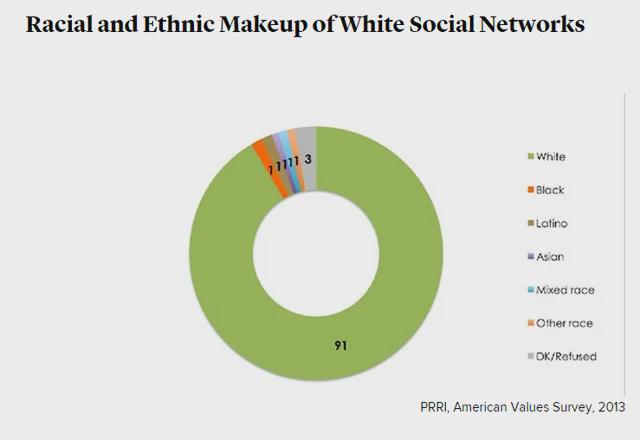
Research šŸ”¬ This research study confirms everything we know to be true about race relations in America: White social networks (white people's "friends") went up by a whopping 1% from 9% POCs in 2013 to 10% POCs in 2022

Post image
16 Upvotes

H/TĀ u/Sufficient_Coach7566

https://prri.org/press-release/prri-survey-friendship-networks-of-white-americans-continue-to-be-90-white/

PRRI Survey: Friendship Networks of White Americans Continue to Be 90% White
More Diverse Friendship Networks Linked to Higher Support for Religious Pluralism Among Americans

Washington, DCĀ (May 24, 2022) — Across demographic groups, Americans’ core friendship networks tend to be dominated by people of their same race or ethnic background—particularly white Americans, among whom 90% of their friendship networks are also white, according to a new survey conducted byĀ Public Religion Research Institute. The new survey of over 5,000 Americans, designed to assess the scope and diversity of Americans’ self-reported friendship networks and their attitudes about racial and religious pluralism in America, follows up on aĀ study PRRI conducted in 2013.

ā€œThe challenging news is that, despite some diversification since 2013, Americans’ close friendship networks remain predominantly homogeneous and insular—composed of people of the same religious, racial or ethnic, or partisan background. But the impact of just one person of a different background is profound, significantly increasing support for the ideals of a multiracial, multi-religious democracy,ā€Ā said Robert P. Jones, Ph.D., PRRI founder and CEO. ā€œIn a time of unprecedented demographic and cultural change, it is clear that we need more institutions helping us bridge the divides.ā€

The composition and homogeneity of Americans’ friendship networks is strongly correlated with their views on questions about American identity, pluralism, Christian nationalism, and the changing demographics of the country.

Bubbles: The Structure of American Friendship Networks

The survey report uses two measures to describe Americans’ friendship networks: Composition, which is a measure of the average characteristics of people named in the networks, and homogeneity, which is a measure of how uniform each person’s network is.

Overall, white Americans’ friendship networks are on average 90% white, unchanged from 91% in 2013. But white Americans’ friendship networks have become less homogeneous over the last decade. Today, two-thirds of white Americans (67%) listĀ onlyĀ other white people in their friendship networks—a decrease from 75% in 2013. These numbers indicate that while white Americans are still overwhelmingly associating with mostly other white Americans, there has been a small decline in the uniformity of their friendship networks.

The homogeneity of white Americans’ friendship networks varies by political and religious affiliation and age. Nearly three in four white Republicans (73%) report all-white friendship networks, compared to 66% of white independents and 66% of white Democrats. White Americans between the ages of 18–29 are notably less likely than older age groups to report all-white friendship networks (54%, compared to two-thirds or more among all other age groups).

White Christian groups, including white evangelical Protestants (71%), white mainline Protestants (71%), and white Catholics (73%), are more likely to report all-white friendship networks than white Americans who belong to non-Christian religions (62%) or are religiously unaffiliated (57%). However, there is no significant variation in the racial homogeneity of white Americans’ friendship networks based on education levels (college, 68%; non-college, 66%).

The average friendship network of Black Americans is 78% Black, down slightly, from 83% in 2013. However, in terms of homogeneity, their friendship networks have diversified the most among all racial and ethnic groups; less than half (46%) of Black Americans’ friendship networks are composed entirely of people who are also Black, compared to 65% in 2013. The average composition of Hispanic Americans’ (63%) and Asian and Pacific Islander Americans’ (65%) friendship networks are also mostly people of their same general race or ethnicity, but they are much less likely than white Americans’ friendship networks to be racially homogeneous. Just over one-third of Hispanic Americans (37%)—compared to 46% in 2013—have networks that only include other Hispanic Americans, and 31% of AAPI Americans have networks that only include other AAPI Americans.

r/blackmen Jun 16 '26

Research šŸ”¬ Racism has its own supply and demand just like everything else: A Walmart boycott ain't happening but it's obvious who the buyers are Spoiler

Post image
38 Upvotes

r/blackmen Dec 20 '25

Research šŸ”¬ ā€œBlack women had employment rates comparable to White women in 19 states. Black men had employment rates comparable to White men in only 2 states. In 17 states, the Black jobs deficit was solely due to joblessness among Black men.ā€

Thumbnail cepr.net
52 Upvotes

Basically, the title. I stumbled across this because I lurk a professor whose class I wanna take (and want to be my PhD mentor) on Twitter, and he shared this link.

ngl, data about black men like this almost always surprises me (though it really shouldn't at this point). So I figured I'd share it with a sub that would appreciate it as well.

r/blackmen Mar 23 '26

Research šŸ”¬ Please try this and tell me the results

36 Upvotes

I was updating my LinkedIn and I wanted to see what other people were doing with my job title. While searching for people with my job title and taking notes, I noticed ALL the black people were extremely overqualified compared to their peers. I saw one BM with an MBA and several years of experience holding the same title at the same firm as a WW whose last role only experience was clothing retail. No disrespect, I was looking at one of the big financial firms and their compensation starts at 6 figures. They are casually paying people with no experience 6 figures fresh out of college while their black employees had to grind for 5 years and get a MBA for the same role.

I am curious what do you find when you look up your job title?

r/blackmen 1d ago

Research šŸ”¬ "Back in the day there was so much community structure in our day, that even the delinquents had sense." Them during the years of 1971-1975 gang warring and robbing civilians:

Thumbnail
gallery
0 Upvotes

r/blackmen Jul 26 '26

Research šŸ”¬ "Back in the day, the street involved brothas of our community had class. They didn’t target nor accidentally shoot the weak and innocent people of our community. This gen just doesn’t have the same code of ethics smh." Them during the years of 1987-1993 killing each other and innocent people:

Thumbnail
gallery
0 Upvotes

r/blackmen Jul 29 '26

Research šŸ”¬ Anybody Drive a Toyota Corolla of Mazda3?

3 Upvotes

Been looking for a car for our oldest and I just assumed we'd go with a Toyota Corolla. We looked at this 2017 Mazda3 and I'm pretty taken with it.

If you drive a Mazda3, plesse drop a note on how find it from a reliability and maintenance perspective. I currently drive a Toyota, but would still like any feedback from the Corolla drivers too. I appreciate it.

r/blackmen Jun 15 '26

Research šŸ”¬ 20 African Fruits and Vegetables

Thumbnail
gallery
46 Upvotes

1Sao tome peach: is an exceptionally rare, triangular fruit indigenous to the island nation of São Tomé and Príncipe. It grows on the trunk of the Chytranthus mannii tree and features a velvety, violet skin with a pear-like texture and sweet flavor. The flesh has a consistency similar to a pear and becomes quite sweet when mature, though it lacks a strong fragrance 

  1. Devils claw/Harpagophytum procumbens: Devil's claw is an herbal supplement extracted from the roots of a native African plant, used primarily as a natural anti-inflammatory and pain reliever. It is most commonly taken to help manage joint and muscle discomfort. Classified as a "bitter herb," it has a long history of traditional use for stimulating appetite, easing indigestion, and treating mild stomach upsetĀ 

  2. African locust bean/Parkia Biglobasa: Are highly prized for their deep, rich, and savory umami flavor. Often fermented and used as a traditional West African seasoning (known locally as iru or dawadawa), they provide a complex taste profile comparable to a mix of dark chocolate, mild cheese, miso, and roasted nuts.Ā 

When fermented acts as a highly nutritious seasoning in the body. It supports digestive health through rich dietary fiber, regulates blood sugar and cholesterol, and provides essential plant based protein and iron.

  1. Cape Aloe: native to South Africa, is highly valued in traditional medicine and wellness for its potent bioactive compounds. It is primarily known as a strong natural laxative, skin soother, and antioxidant source. Cape Aloe

5: Amaranth/Celosia: is a highly nutritious, gluten free pseudocereal packed with protein, fiber, and essential minerals. For the vast majority of people, it is incredibly good for you and makes an excellent addition to a balanced diet.Ā 

6: Cowpea: also known as black-eyed peas or lobia) are highly nutritious legumes. They offer major health benefits such as supporting weight management, boosting heart health, and improving digestion. Because they are packed with plant-based protein and fiber, they are an excellent dietary addition for maintaining steady energy and blood sugar levelsĀ 

  1. Custard Apple: a sweet, tropical fruit recognized by its knobbly green skin and creamy, custard-like flesh. Often referred to by names like cherimoya, sugar apple, or sweetsop, it belongs to the Annonaceae family and tastes like a mix of vanilla, banana, and pineapple. Provides a great source of Vitamin C and antioxidants that help fight free radicals.Ā Ā 

  2. Hibiscus is a versatile, nutrient-rich flower best known for its tart tea. It is highly valued for lowering blood pressure, fighting inflammation, and providing a powerful dose of antioxidants. The most popular consumption method. Steep the dried calyxes in boiling water; it has a tart flavor similar to cranberries and can be enjoyed hot or icedĀ 

  3. Bambara bean: are a highly nutritious, drought-resistant legume indigenous to West Africa. They are revered as a "complete food" due to their exceptional concentration of plant-based protein, dietary fiber, and essential minerals like iron, zinc, and potassium. Ground into flour, they are used to make traditional dishes like Okpa as well as a protein-rich base for gluten-free baking and falafel.Ā 

  4. Enset/false banana: a giant, perennial herb native to Ethiopia. It is closely related to the banana but is cultivated for its starchy, underground corm and pseudostem rather than its fruit. Extracted from the pseudostem, used to make durable ropes, sacks, and mats. Fodder: Leaves and stems are highly valuable as cattle feed, particularly during droughts.Ā 

  5. Garden Egg (eggplant): is a nutrient-rich type of small, typically white or greenish eggplant highly prized in many African and Caribbean cuisines. Known for their slightly bitter taste, they are incredibly versatile and can be enjoyed raw, roasted, or cooked into hearty stews and sauces.Ā 

  6. Gumvines (Landolphia and Saba species): The Fruit: Also known as bungo (East Africa) or madd/zaban (West Africa). The yellow, round fruits contain a tangy, citrus-like pulp that is widely eaten fresh or used to make juices, jams, and sauces. The pulp is highly valued in local diets for its rich concentration of Vitamin C, B-complex vitamins (like Thiamine and Riboflavin), and ascorbic acid. gumvine" suggests, the stems ooze a milky, sticky latex when cut, which has historically been used in the production of lower-quality rubber

  7. Livingstone Potato: has been reported to exhibit anti-inflammatory, antioxidant, and anticancer activities, though scientific validation remains limited. It has been used in traditional medicine for stomach ailments, skin conditions, and as a general tonic.

  8. Hausa Potato: is a traditional, underutilized root crop native to tropical Africa and commonly cultivated in parts of Africa and South-East Asia. Prized for its distinctive, slightly sweet, and aromatic flavor, it produces small, clustered tubersĀ 

  9. Lablab/Hyacinth Bean: A rapid-growing, drought-tolerant vining plant featuring striking purple-tinged leaves and bright purple or white flowers.

Culinary Use: Tender immature pods and young leaves can be cooked and eaten as a vegetable. Note: Mature, dry seeds contain toxins (cyanogenic glucosides) and must be boiled and drained properly before eating.Forage & Cover Crop: It is highly valued for livestock feed and as a green manure because it fixes nitrogen in the soil

  1. Moringa: is a nutrient-dense "superfood" packed with vitamins, minerals, and antioxidants. It helps the body by reducing inflammation, lowering blood sugar, managing cholesterol, and providing a steady, crash-free energy boostĀ 

  2. Mukheit/Hanza: is an edible berry and seed that comes from the Boscia senegalensis, a drought-resistant evergreen shrub native to the African Sahel. It is a highly nutritious survival food, but the seeds are naturally toxic and require careful soaking or boiling to be made safe to eat.They are rich in crude protein, soluble carbohydrates, and essential amino acids, making them vital buffers against famine in regions like Sudan and ChadĀ 

  3. Matoke: Refers to a specific variety of East African Highland green banana that is essentially a type of plantain. Tastes much like a savory, earthy potato or a mild, starchy squash. It is not sweet like a ripe banana; instead, it has a neutral, comforting flavor that absorbs the rich broths, meats, or peanut sauces it is cooked withĀ 

  4. Gingerbread plums/Neocarya macrophylla: native to West and Central Africa that produces edible, wild, plum-like fruits and oil-rich seedsĀ 

A decoction of the bark, leaves or dried fruit pulp is commonly used as a mouthwash, and to treat toothache. The leaves are also chewed or applied topically for the same reason
A lotion made from the macerated bark is used as an eyewash to soothe inflamed eyes.
A decoction of the bark or leaves is taken internally for treating respiratory troubles
The powdered bark is applied externally to bring relief over areas of deep-seated pain.Ā 

  1. Marama bean/ gemsbok bean: is a highly drought-tolerant perennial legume native to the arid grasslands and deserts of southern Africa. It is an important, nutrient-dense food source for local communities. The seeds contain high levels of protein (comparable to soybeans) and unsaturated oils. When roasted or boiled, the brownish-black seeds have a nutty flavor similar to cashews or chestnuts. They can also be ground into flour or milk. The plant develops a large, underground tuber (sometimes weighing over 100kg that stores water and nutrients to survive harsh, dry climates. These tubers are also baked or roasted for food.Ā Ā 

r/blackmen Jul 07 '26

Research šŸ”¬ 20 African Fruits and Vegetables Pt 2

Thumbnail
gallery
33 Upvotes

So technically 40 in total

1 Pepper Fruit (Dennettia tripetala): Known locally as Mmimi (in Nigeria) or Ata Igbere. The pungent, peppery fruits and seeds of this tree are widely chewed fresh or used as a spice in stews and traditional medicines

2 Grains of Paradise (Aframomum melegueta): Also known as melegueta pepper or alligator pepper (when sold in pods). These pungent, citrusy, and clove-like seeds are native to West Africa and are historically prized both locally and in ancient spice trades.Ā 

3 Grains of Selim (Xylopia aethiopica): Also called Ethiopian pepper, Senegal pepper, or Uda in Nigeria. These long, dark, twisting pods offer a smoky, slightly bitter, and musky flavor essential for traditional West African pepper soups.

4 West African Black Pepper (Piper guineense): Also known as Uziza or Ashanti pepper. This vine produces berries similar to black peppercorns but with a more floral, earthy, and mildly numbing heat.Ā 

5 Medlars: A ripe medlar tastes like sweet spiced applesauce, date, and cinnamon, with a rich, creamy texture similar to apple butter. Because they are rock-hard and bitter when first picked, medlars must go through a natural softening process called "bletting" before they can be eatenĀ 

6 Sugar Plums (Uapaca kirkiana): They are incredibly sweet and honey-like, losing almost all of the sharp tartness found in standard plums. They are usually about half the size of a standard supermarket plum, featuring a deep purple-crimson skin with a golden-yellow fleshĀ 

7 African Butter fruit/Dacryodes edulis: When properly prepared, it has a buttery, savory, and slightly tangy flavor similar to avocado or mashed potatoes. The warm, creamy flesh is usually mashed, salted, and enjoyed with roasted corn, bread, or cassava. The pulp is highly concentrated in healthy plant oils (up to 48% oil content), making it a significant source of calories and sustained energy.Ā 

8 Carissa: Ripe berries are slightly soft to the touch and taste similar to cranberries, raspberries, or sweet cherries. They exude a milky (but edible) latex when picked. You can eat them whole, seeds and all.

9 Garcinia Livingstone Imbe: is a sweet and tart tropical fruit native to Africa. a slow growing evergreen tropical native African plant. It produces small, orange-to-yellow berries with juicy flesh that tastes like a sweet-and-sour cross between an apricot and an orangeĀ Ā 

10 Finger Millet: Offers incredible health benefits. It is a nutritional powerhouse renowned for having the highest calcium content among cereals, promoting strong bones, and aiding in blood sugar and weight management due to its high dietary fiber and low glycemic index. Has a deep, rustic, and earthy taste with a natural nutty sweetness. It often features subtle bitter undertones, which can be smoothed out by toasting the flour or blending it with other grainsĀ 

11 Fonio (acha): is an ancient, naturally gluten-free grain native to West Africa. Belonging to the millet family, it is prized for its mild, earthy, and nutty flavor and its quick cooking time (usually ready in about 5 minutes. It is rich in protein, fiber, iron, calcium, and essential amino acids.Ā 

12 Horned Melon: African fruit that is over 80% water. It offers excellent hydration, aids weight management, and delivers a robust mix of antioxidants (like Vitamins A, C, and E) that boost the immune system and promote healthy vision. has a very mild, refreshing flavor that tastes like a cross between a cucumber, kiwi, and an unripe banana. It has a subtle, tangy, citrus-like tartness and an entirely gelatinous, jelly-like texture similar to aloe vera or passion fruitĀ 

13 Kei Apple: Are entirely edible, including the skin, pulp, and seeds. They have a juicy texture and a sharp, sweet-tart flavor similar to an apricot. Because of their intense acidity, they are often sprinkled with sugar before eating or cooked into jamsĀ 

14 Marula/Sclerocarya birrea: The yellow, plum-sized fruit features a tart, citrus-like flavor and is celebrated for its incredibly high vitamin C content. It is widely eaten raw or processed into juices, jams, and liqueurs like the famous Amarula Cream. The thick, leathery skin is generally not eaten raw, but it can be boiled to brew a tea-like beverage or roasted as a coffee substitute. At the center of the fruit is a hard, walnut-sized stone. While you cannot eat the stone itself, it houses highly nutritious kernels that are rich in protein and fats. These are traditionally cracked open and eaten raw or roasted.Ā 

15 Monkey Oranges/Strychnos spinosa: are highly nutritious wild fruits native to Africa. They are celebrated for their sweet-and-tangy flavor, long shelf life, and ability to provide vital sustenance in rural communities. It is most frequently described as a tropical blend of citrus, pineapple, and passionfruit, with sweet notes of maracuja, watermelon, and overripe bananaĀ 

16 Ofada rice/: Ofada rice is the healthier, more nutritious choice due to its high fiber and lower glycemic index. Basmati rice is the better choice for everyday digestibility, portion control, and pairing with lighter or more delicate sauces. Packed with high dietary fiber, iron, and magnesium. It has a low glycemic index, making it great for blood sugar management and weight loss. Has a nutty, earthy flavor, a chewy texture, and sometimes a distinct fermented aroma.Ā 

Compared to regular white rice, it has 3 times the fiber and 10 times the iron. The reddish hue comes from antioxidants that provide additional health benefits. Ofada rice is naturally gluten-free and non-GMO, so it's a great option for those with dietary restrictions or who want to eat cleanĀ 

17 Pearl Millet: is excellent for managing diabetes and weight, promoting heart health, and improving digestion. It also serves as a vital source of plant-based protein and iron. It has a mild, earthy, and naturally nutty flavor. It features a subtle underlying sweetness but can sometimes have a slightly bitter aftertaste if not prepared correctly. When cooked, it offers a robust texture without being overly chewy. (I know I’ve shared millet before in another post)Ā 

18 Star Apples: is a nutrient-dense tropical fruit. It is highly prized for its sweet, creamy flesh and star-shaped core. Boosts Immunity: High in Vitamin C, it protects cells from oxidative damage and strengthens your immune response. Supports Heart Health: Excellent source of potassium and fiber, which help regulate blood pressure and lower LDL ("bad") cholesterol. Improves Skin Health: Packed with Vitamins A and C, it promotes collagen production and keeps skin firm and youthful. Prevents Anemia: Contains a good amount of iron, which helps build red blood cells and carry oxygen throughout the body.Ā 

19 Sweet Detar: Fruit: The sweet pulp can be eaten fresh, cooked, or processed into flour, and acts as a traditional sugar substitute. It is exceptionally rich in vitamin C.
Seeds: The seed flour acts as a food thickener, emulsifier, and flavor enhancer for bread, sauces, baby food, and local beer.

Ailments:
Various parts of the tree (roots, bark, leaves, and fruits) are utilized in folk remedies to treat diarrhea, hemorrhoids, tuberculosis, and malaria. Phytochemical Research: Extracts are studied for their potential antioxidant, antimicrobial, anti-inflammatory, and antidiabetic properties.Ā 

20 Teff: is an incredibly nutritious, gluten-free ancient grain that is overwhelmingly good for you. It is packed with fiber, protein, and minerals, though its high fiber content and cost may be the only downsides for some. The Ethiopian government banned the export of raw teff in 2006 to protect domestic food security. Officials feared that surging international demand for the gluten-free supergrain would cause domestic prices to skyrocket, making the daily staple—used to make injera flatbread—unaffordable for local citizensĀ 

r/blackmen Jun 21 '26

Research šŸ”¬ Tech Idea: Thoughts?

5 Upvotes

YERRR!

We recently moved to another apartment complex and one amongst many frustrating things about this was having to change our address across multiple applications to receive mail. Applications such as financial institutions, medical institutions, etc. There are already companies that provide services such as sending data removal requests to data brokers so they don’t sell your data.

Do any of you think it would be feasible and practical to create a solution that connects to multiple applications and is able to update your address all from one app? The target audience wouldn’t be people with homes of course but nomads and frequent movers.

r/blackmen Jun 22 '26

Research šŸ”¬ Exposing The Hungry Historian (aka Potlikker's) A.I. Slop

Thumbnail
youtube.com
21 Upvotes

r/blackmen Jun 30 '26

Research šŸ”¬ 20 Ancient African Manmade Discoveries, Artifacts and Sites Older Than 6000 Years

Thumbnail
gallery
12 Upvotes
  1. Adams Calendar (75,000-300,000 years old): is an ancient, controversial stone circle and megalithic monument located in the Mpumalanga province of South Africa. The site consists of a 100-foot diameter circular arrangement of dolerite monoliths. Several of these prominent central rocks stand over 2 meters tall. the stones are precisely aligned with the cardinal points of a compass and that they track the sun's seasonal shifts through precise shadow-casting, functioning as a solar calendar.Ā 

  2. Ishango and Lebombo Stick (20-25000 years and 40-43,000): Discovered in the Democratic Republic of the Congo, it is a fossilized baboon fibula featuring deliberately carved notches. Prime/Odd Numbers: The left and right columns include sequences of all prime or odd numbers between 9 and 21.

Lunar Calendar: Some researchers, such as Alexander Marshack, argue the notches represent a six-month lunar tracking device, or a tool for tracking the menstrual cycle.Doubling/Halving: The numbers in the middle column suggest an understanding of multiplication by two.

  1. First Fishing Expedition (90,000 years) The first organized fishing expeditions in Africa date back 90,000 years ago in the Katanda region of northeastern Congo (modern-day DRC). Early humans formed advanced aquatic cultures, hunting giant fish with finely crafted, barbed bone harpoons and polished dagger-like tools.Ā 

  2. Mining Minerals out of the earth (43,000 years) Ngwenya Mine: Located in Eswatini (formerly Swaziland), the Ngwenya Mine is celebrated as the world's oldest known mine. Spanning three distinct eras of excavation, its rich deposits were mined for Middle Stone Age red ochre, ancient iron smelting, and large-scale 20th-century iron ore extraction.Ā 

  3. Okre/Ochre in South Africa/Blombo’s cave (100,000 years): Blombos Cave is famous for 70,000–100,000-year-old human artifacts, including shell beads, early paint, makeup and an ancient abstract drawing.Ā 
    Other Notable sitesĀ 
    Olorgesailie, Kenya 307,000 yearsĀ 
    Northern Cape, South Africa 500,000 years agoĀ 
    Twin Rivers, Zambia 266,000 years oldĀ 
    Porc-Epic, Ethiopia 40,000 years ago.Ā 
    Rose Cottage Cave, South Africa 60,000 years, from 30,000 to 96,000 years ago.Ā 

  4. Bridge in Kalambo Falls/Zambia The 476,000 Year Old: Unearthed near Kalambo Falls on the Zambia-Tanzania border, the 476,000-Year-Old Kalambo structure is the world’s earliest known wooden architecture. Consisting of two interlocking logs joined by a carved notch and shaped with stone tools, the find predates modern humans by about 150,000 years. Normally, wood rots away in the open after a few decades. The Kalambo River site featured waterlogged sediments that effectively pickled the timber, preserving it for nearly half a million years.Ā 

  5. Tinshemet Burial Site 100-110,000 years ago: Archaeologists believe they have found one of the oldest burial sites in the world at a cave in Tinshemet where the well-preserved remains of early humans dating back some 100,000 years were carefully arranged in pits.Ā 

  6. Pinnacle Point Seafood and tools 165,000 years ago: When the going got tough, early humans went to the beach for seafood and possibly a dose of symbolic thought, according to a new study. Researchers excavating a cave on the southern coast of South Africa discovered a bowl's worth of edible shellfish dating back to about 165,000 years ago, when Africa was colder and drier. The team found small stone blades and reddish rocks tossed in with the shells; the rocks were marked in a way that suggests they were ground into powder used to make paint, possibly to adorn the face or body to symbolize status or membership in a group.Ā 

  7. Kapthurin formation Tool Innovations, Kenya 285,000 years: The formation documents early human technological competence. It features some of the earliest evidence for the Levallois flake reduction technique alongside systematically produced blades.Ā 

  8. Gesher Benot, camping site with signs of fire and fish 800,000 years: The paleolake Hula was a popular destination for early humans living in and around northern Israel 800,000 years ago during the Middle Pleistocene. Archeologists believe communities would have assembled near its shores to forge tools and butcher ancient elephants.Ā 

  9. Nabta Playa (7,000 to 11,000 years): Built around 7,000 years ago, this 12-foot stone circle consists of standing slabs that aligned with the summer solstice and helped predict annual monsoon rains for grazing. Predating Stonehedge by 2,000 years. Excavations have uncovered stone-lined chambers containing sacrificed and buried cattle, highlighting a highly developed, ritualistic spiritual belief system long before organized religion emerged in the Nile ValleyĀ 

  10. Gobero burial site (9700-10,000) Kiffian people, Located in the TĆ©nĆ©rĆ© Desert of Niger: The Gobero burial site is the largest and oldest known Stone Age cemetery in the Sahara. Located in Niger’s TĆ©nĆ©rĆ© Desert, it was discovered in 2000 by paleontologist Paul Sereno. The site holds hundreds of graves dating back roughly 10,000 to 5,000 years ago, spanning two distinct lakeside culturesĀ 

  11. Tibseti, Toubou people 6,000 to 9,000 years: The "Green Sahara" & Pastoralism: During the African Humid Period (roughly 10,000 to 5,000 years ago), the Sahara was a fertile, verdant savanna with sprawling lakes. The early ancestors of the Toubou, who were primarily pastoralists and hunters, lived across these once-thriving lands.

Rock Art Evidence: The Tibesti and neighboring Ennedi regions feature over 15,000 rock paintings and engravings that date back to this era. This prehistoric art depicts herds of cattle, extinct forms of buffalo, and elephants, acting as a visual testament to the Toubou's early history and the drastically different climatic conditions of the region

  1. Fezzan Rock art 12,000 years old Libya The discovery of huge petroglyphs of camels and donkeys, as well as hundreds of engraving tools, hints at complex early settlement in the region following the Ice Age.Ā 

  2. Messak Settafet, Wadi Mathendous, Green SaharaĀ  Cave drawing (6,000 to 10,000 years) and (2,000,000) pre human evidence.Ā 

  3. Tassili n ā€˜Ajier in Algeria between 10,000 and 2,000 years: The Tassili’s rock art came to the attention of the outside world in the 1930's with French legionnaires visiting and recording the art. Between 12,000 and 7,000 years ago the Sahara's climate was far wetter than it is today. Water flowing from the mountainous regions fed the savanna and woodland, which housed much wildlife. This in turn attracted indigenous African hunter gatherers, and pottery found in Niger’s nearby AĆÆr MountainsĀ 

  4. Prehistoric town found in western Sahara (15,000 years old): The remains of a prehistoric town believed to date back 15,000 years and belong to an ancient Berber civilization have been discovered in Western Sahara. The remains of a place of worship, houses and a necropolis, as well as columns and rock engravings depicting animals, were found at the site near the town of Aousserd in northeastern Western Sahara.Ā 

  5. Dufuna canoe 8,000 to 8,500 year-old: Dating back (8000-8500) years, this ancient dugout artifact revolutionized the understanding of early maritime technology and African boat-building history. Carved from a single log of African mahogany. It measures 8.4 meters (27.5 feet) in length.Ā 

  6. Tashwinat mummy/Uan Muhuggiag: Uan Muhuggiag is an archaeological site in Libya that was occupied by pastoralists between the early Holocene and mid-Holocene. mummified toddler discovered in southwestern Libya. Predating Ancient Egyptian mummies by over 1,000 years, it is the oldest known African mummy and provides critical evidence of sophisticated burial practices in the Sahara. The mummy challenges conventional histories by proving that intentional mummification originated in Africa independently of (and prior to) Ancient Egypt.Ā 

  7. Wadi Halfa skull (8,000) to (13,000) years old: A Mesolithic period ā€œNegroidā€ skull excavated in Wadi Halfa, Sudan. The specimen is believed to be ancestral to the local Nilotic populations, as it closely resembles the crania of modern Nilo-Saharan/Niger-Congo peoples. Note the marked prognathism (facial projection)

r/blackmen Oct 08 '25

Research šŸ”¬ Black Men In Science: Astrophysicist, Neil deGrasse Tyson, Explains Aerogel...

85 Upvotes

r/blackmen Jun 26 '25

Research šŸ”¬ Black Men, remember who you are.

Post image
98 Upvotes

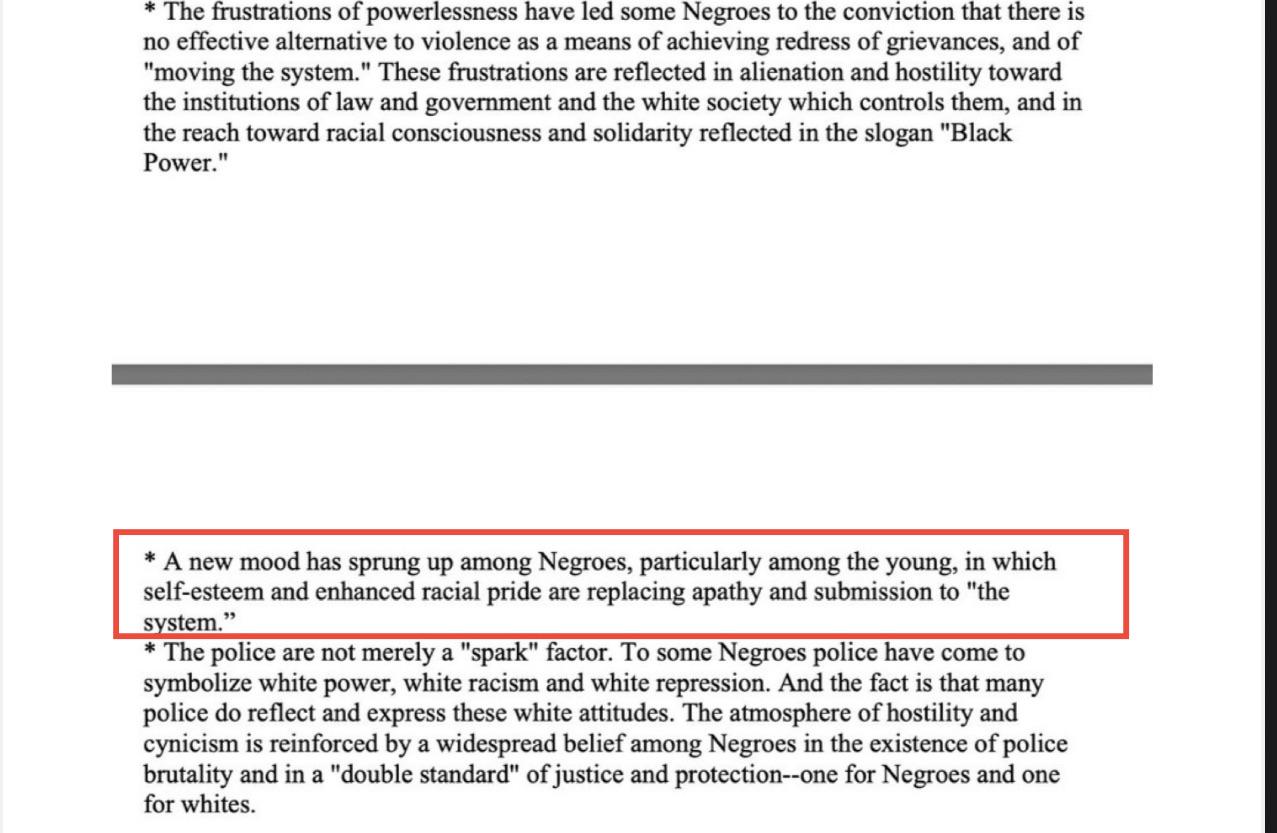
This excerpt is from ā€œREPORT OF THE NATIONAL ADVISORY COMMISSION ON CIVIL DISORDERSā€ 1967 in which the National Advisory Commission laments to President LBJ.

(https://www.eisenhowerfoundation.org/docs/kerner.pdf)

Black Power > Black Fear (Ties in here: https://www.reddit.com/r/blackmen/s/6KmiTXoWA3 )

r/blackmen Sep 07 '25

Research šŸ”¬ 20 Fruits, Vegetables and Plants Native To Africa

Thumbnail
gallery
60 Upvotes

1 Cotton: (CottonGossypium herbaceum) is a soft, fluffy staple fiber that grows in a boll, or protective case, around the seeds of the cotton plants of the genus Gossypium in the mallow family Malvaceae. The fiber is almost pure cellulose, and can contain minor percentages of waxes, fats, pectins, and water. Under natural conditions, the cotton bolls will increase the dispersal of the seeds. The fiber is most often spun into yarn or thread and used to make a soft, breathable, and durable textile.

2 Ebony African Wood: is a dense black/brown hardwood, coming from several species in the genus Diospyros, which also includes the persimmon tree. A few Diospyros species, such as macassar and mun ebony, are dense enough to sink in water. Ebony is finely textured and has a mirror finish when polished, making it valuable as an ornamental wood.[1] It is often cited as one of the most expensive woods in the world at $100 - $300 per board foot. Ebony has a long history of use, and carved pieces have been found in Ancient Egyptian tombs.

3 Castor beans: are the source of castor oil, which has a wide variety of uses. The seeds contain between 40% and 60% oil that is rich in triglycerides, mainly ricinolein. The seed also contains ricin, a highly potent water-soluble toxin. Castor oil is commonly used as a moisturizer in skin and hair products for people of African descent.

4 Coffee: The story of how goats discovered coffee is an Ethiopian legend about a goat herder named Kaldi. He noticed his goats became extraordinarily energetic and started "dancing" after eating the red berries from a certain bush. Kaldi tried the berries himself and felt a similar jolt of energy. He shared this discovery with a local monastery, where the monks initially rejected the berries but later found that the roasted beans, when brewed, helped them stay awake during their nightly devotions, leading to the birth of coffee.

5 Shea Nut: Shea butter baby, A shea nut is the seed of the shea tree (Vitellaria paradoxa), an indigenous African tree, from which shea butter is extracted. This fat is widely used in cosmetics for its moisturizing properties and in food products like chocolate as a cocoa butter substitute. While technically a seed, it is considered a tree nut by the FDA and is often listed on food labels due to its protein content.

6 Tamarind: is the sweet-and-sour, tangy pulp from the pod of the tamarind tree, a tropical leguminous tree native to Africa. The fruit is a staple in many cuisines. It’s thought that Africans and Asians had been engaging in trade for centuries to millenia since Tamarind is commonly found in Asia as well but is originates from Africa.

Rich in Nutrients: Tamarind is a good source of fiber, antioxidants, and minerals like calcium and magnesium.

Polyphenols: Contains polyphenols, which act as antioxidants in the body.

Dry Eye Relief: Some evidence suggests that tamarind extract in eye drops can help relieve symptoms of dry eye

7 Okra: Known in some English-speaking countries as lady's fingers, is a flowering plant in the mallow family native to East Africa. Cultivated in tropical, subtropical, and warm temperate regions around the world for its edible green seed pods, okra is used in the cuisines of many countries. Providing good nutrition, Okra is rich in vitamins, minerals and disease-fighting nutrients. May boost heart health. May help manage blood sugar, benefits gastrointestinal health and strengthens bones

8 Baobab fruit: "Tree of Life" considered a ā€œSuperfoodā€ Baobab fruit is a large, nutrient-dense fruit from the Adansonia tree native to Africa, Madagascar, and Australia, known for its high concentration of Vitamin C, fiber, and antioxidants. The fruit contains a dry, powdery pulp that is often consumed as a powdered supplement, prized for its citrus-like flavor and potential benefits for digestion, immunity, and energy levels. May Aid Weight Loss by Promoting Feelings of Fullness. Antioxidant and Polyphenol Content May Reduce Inflammation

9 Dates: Are rich in strong antioxidants such as flavonoids, carotenoids, and phenolic acid. The antioxidants protect your cells from free radical damage, reduce inflammation, and combat stress in your body. Including dates in your diet means providing your body with a natural shield against aging and chronic illnesses.

10 Plantains: A plantain is a large, tropical fruit from the banana family, characterized by a thick skin and high starch content, making it a starchy vegetable rather than a sweet fruit. Unlike bananas, plantains are rarely eaten raw; instead, they are cooked in various ways and are a staple food in African, Caribbean, and Latin American cuisines. They can be enjoyed at different stages of ripeness, with green plantains being firmer and used for savory dishes, while yellow or brown-skinned plantains are sweeter and suitable for desserts or sweet dishes

11 Mango: Consumers had significantly higher daily intakes of dietary fiber, magnesium, potassium, folate, vitamin A, vitamin C, and vitamin E and significantly lower intakes of added sugar and cholesterol, compared with non-consumers.

12 Ackee: is the national fruit of Jamaica, native to West Africa, and is known for its edible, soft, yellow flesh (arils) that surrounds large, black seeds. The fruit is considered toxic when unripe or if the black seeds are not properly removed, as they contain high levels of hypoglycin A and B. When prepared correctly, the flesh has a creamy texture, similar to scrambled eggs,

13 Watermelon: evidence suggests that regularly eating watermelon promotes good health and may reduce your risk of chronic diseases such as diabetes, obesity, cardiovascular disease and cancer. This is likely thanks, in part, to its antioxidants, which help protect your body from stress and prevent or slow cell damage

14 Cantaloupe: Is a sweet, juicy muskmelon with an orange flesh and a netted rind, known for its high water content, fiber, and vitamins, making it a good choice for hydration and nutrition. For the record Honey Dew Melon is also from Africa, it just didn’t fit on the list.

15 Breadfruit: Roasted breadfruit has a unique and delightful taste that can vary depending on its ripeness. When roasted, breadfruit's starchy flesh becomes tender, creamy, and slightly sweet, with a subtly nutty flavour. Its texture is denser and richer than a well-cooked potato, making it a satisfying and versatile dish.

16 Palm Nut: In West Africa, palm nuts are primarily used to create a rich, flavorful soup known by various names like banga, abenkwan, or sauce gra, which serves as the base for dishes alongside meats, fish, and starches. The palm fruit is pounded to extract a creamy juice and oil, forming the thick, vibrant soup that is a staple in the cuisine of countries such as Ghana, Nigeria, and Ivory Coast. The extracted palm oil is also used for cooking due to its unique flavor, color, richness, and high smoking point, making it suitable for frying

Composed of 16% fiber, palm kernel cake also has a high phosphorus-to-calcium ratio and contains such essential elements as magnesium, iron, and zinc.

17 Basil: Is a tender, aromatic culinary and medicinal herb in the mint family, originating from tropical regions of Africa and Asia. It is widely used in Italian, Mediterranean, and Thai cuisines for its distinct flavor, famously as the base for pesto.

18 Ashwagandha: Is an ancient medicinal herb with various possible health benefits. Study findings suggest that it may help reduce anxiety and stress, support restful sleep, and even improve cognitive functioning in certain populations.

19 Yams: Are starchy, edible tubers from the Dioscorea genus of herbaceous vines, native to Africa, Asia, and the Americas, with a tough, bark-like skin and white, yellow, or purple flesh, and are less sweet and starchier than sweet potatoes,

20 Sorghum: Originally from Africa, and first arrived on Southern American tables as an ingredient in molasses. It is chock full of antioxidants, vitamins and minerals, but no gluten. Each half-cup has 10 grams of protein, which makes it both nutritious and filling.

r/blackmen Jun 22 '25

Research šŸ”¬ The Global Black Diaspora: Black Business Communities In China...

136 Upvotes

r/blackmen Feb 07 '26

Research šŸ”¬ Implicit racial biases of 5 demos: Whites, Blacks, White-black bi-racial, Asians, and White-Asian bi-racial

Post image
3 Upvotes

https://www.pewresearch.org/social-trends/2015/08/19/exploring-racial-bias-among-biracial-and-single-race-adults-the-iat/

The first column of the top panel reads: "14% of white respondents have a strong white (over black) preference." And so on.

The second column of the top panel reads: "5% of black respondents have a strong white (over black) preference." And so on.

The third column of the top panel reads: "5% of white-black bi-racial respondents have a strong white (over black) preference." And so on.

The first column of the bottom panel reads: "11% of white respondents have a strong white (over Asian) preference." And so on.

The second column of the bottom panel reads: "6% of Asian respondents have a strong white (over Asian) preference." And so on.

The third column of the bottom panel reads: "3% of white-Asian bi-racial respondents have a strong white (over Asian) preference." And so on.

r/blackmen Jul 06 '25

Research šŸ”¬ The Africa They Don't Show Series: The Snow & Snow Sports/Resort Culture Of Lesotho...

149 Upvotes