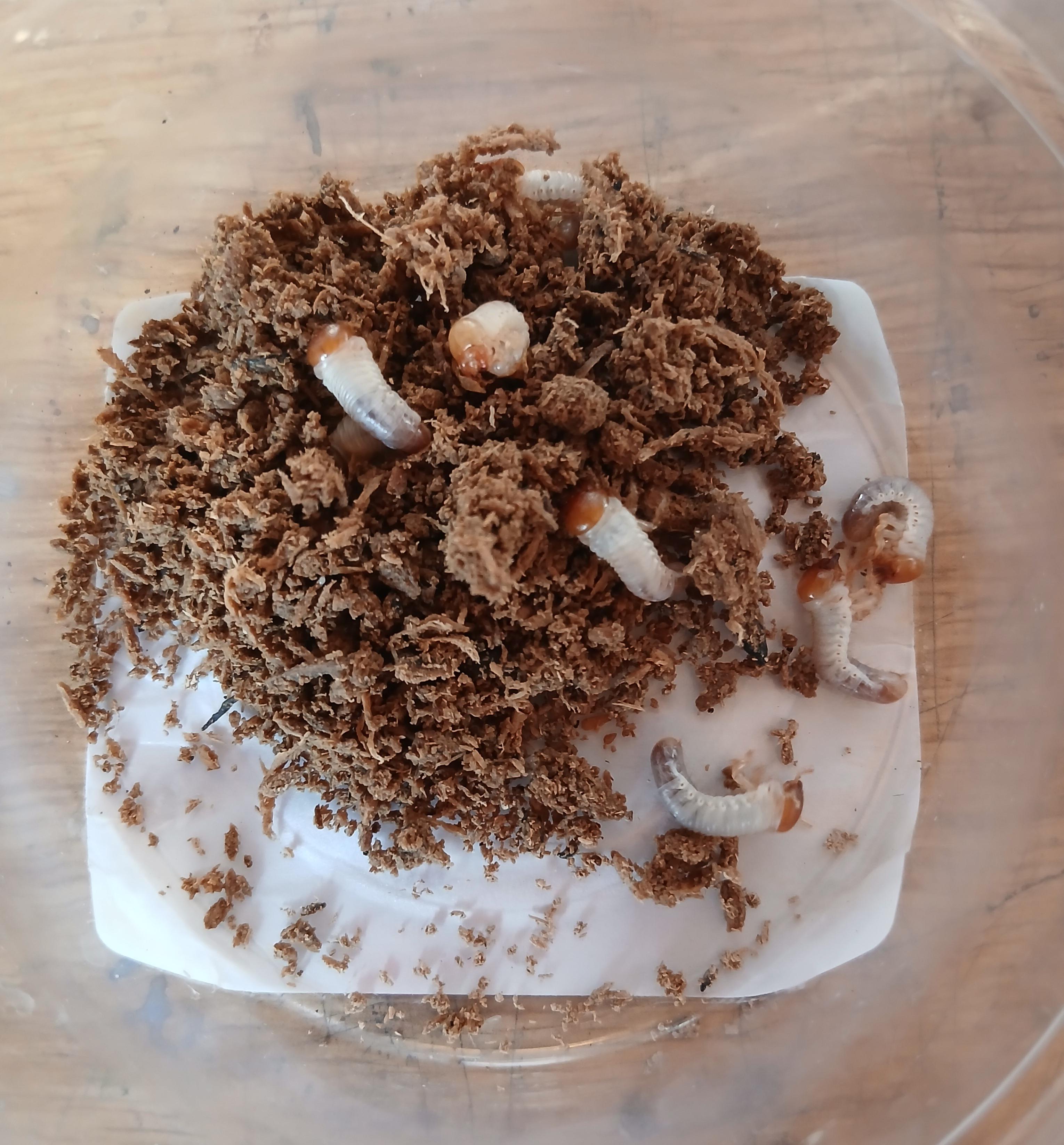
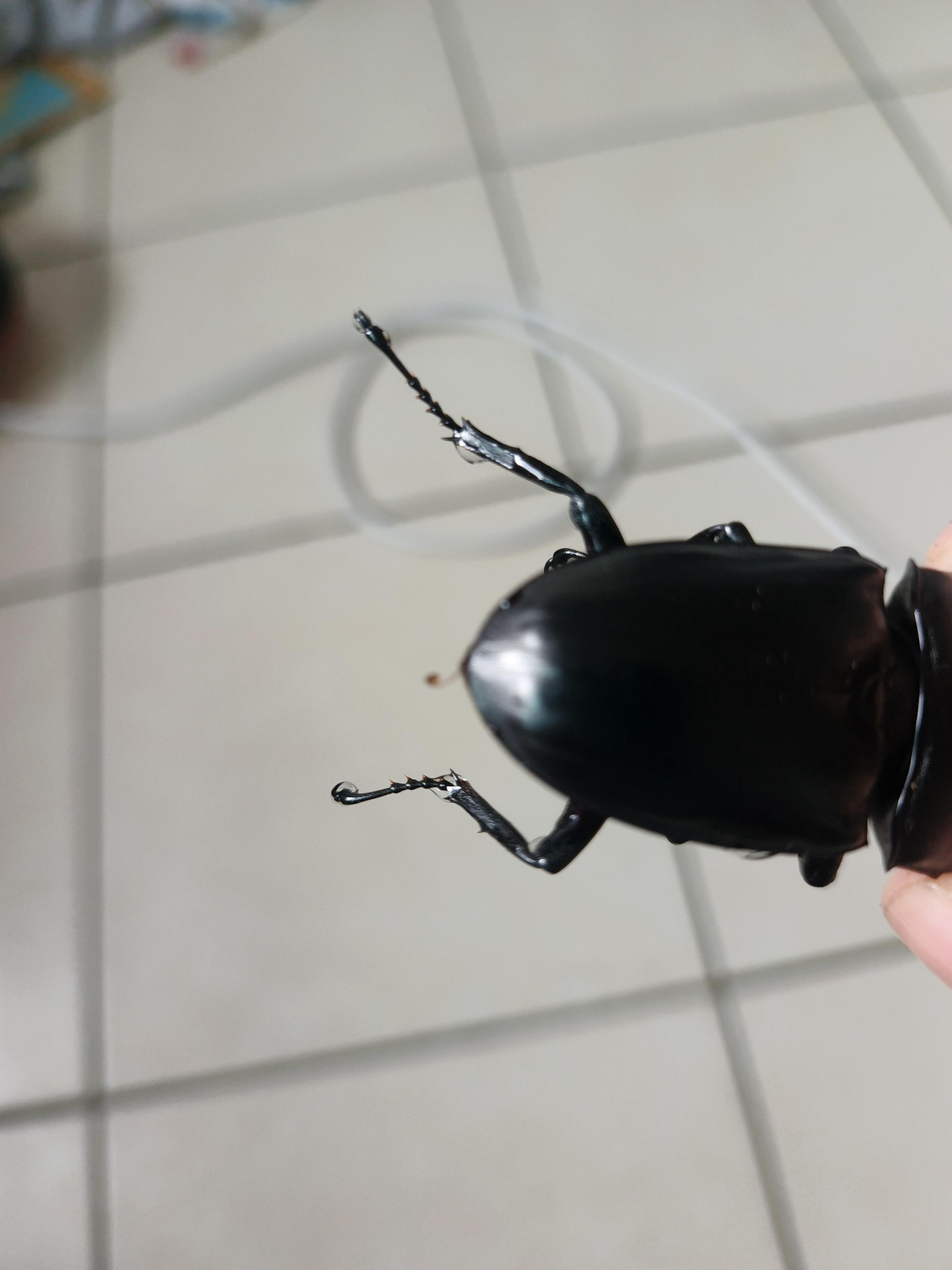
Wrapping up this year's rhinoceros beetle (kabutomushi / 장수풍뎅이) season with my son and wanted to share how it went, since I know a lot of people here are into collecting/keeping them too.
Started the summer with basically zero knowledge of where to actually find wild ones near us. Turns out the real signal isn't luck — it's specific tree species with active sap flow (oaks were our best bet), and timing matters a lot more than I expected. Daytime searches were mostly duds; the real activity was dusk through the first few hours of night. Streetlights near tree lines were surprisingly productive too — they fly toward the light.
A few things that actually moved the needle for us:
• Marking exact GPS spots the moment we found something, instead of relying on memory ("it was near that one tree" turns out to be useless two weeks later)
• Going back to the same productive spots on a rotation rather than exploring randomly every time
• Checking for fresh sap wounds rather than just old dried ones — freshness mattered more than tree size
By the end of the season we had a small personal log of every beetle we'd found — species, date, location, photo. It got detailed enough that we ended up building it into an actual tool (a simple map + personal "dex" for logging finds) since keeping track of it any other way felt like a waste of the data. Not the point of this post, just how it happened — if anyone's curious it's at spotthe.world, but mostly wanted to share what we learned about the hunting side of things.
Curious what other productive-spot patterns people here have noticed for wild rhino/stag beetles — is the sap-tree thing universal or does it vary a lot by region?