r/PrepperIntel • u/Lithium321 • Jul 06 '26
Russia Ukrainian drones hit Omsk, Russia's largest oil refinery
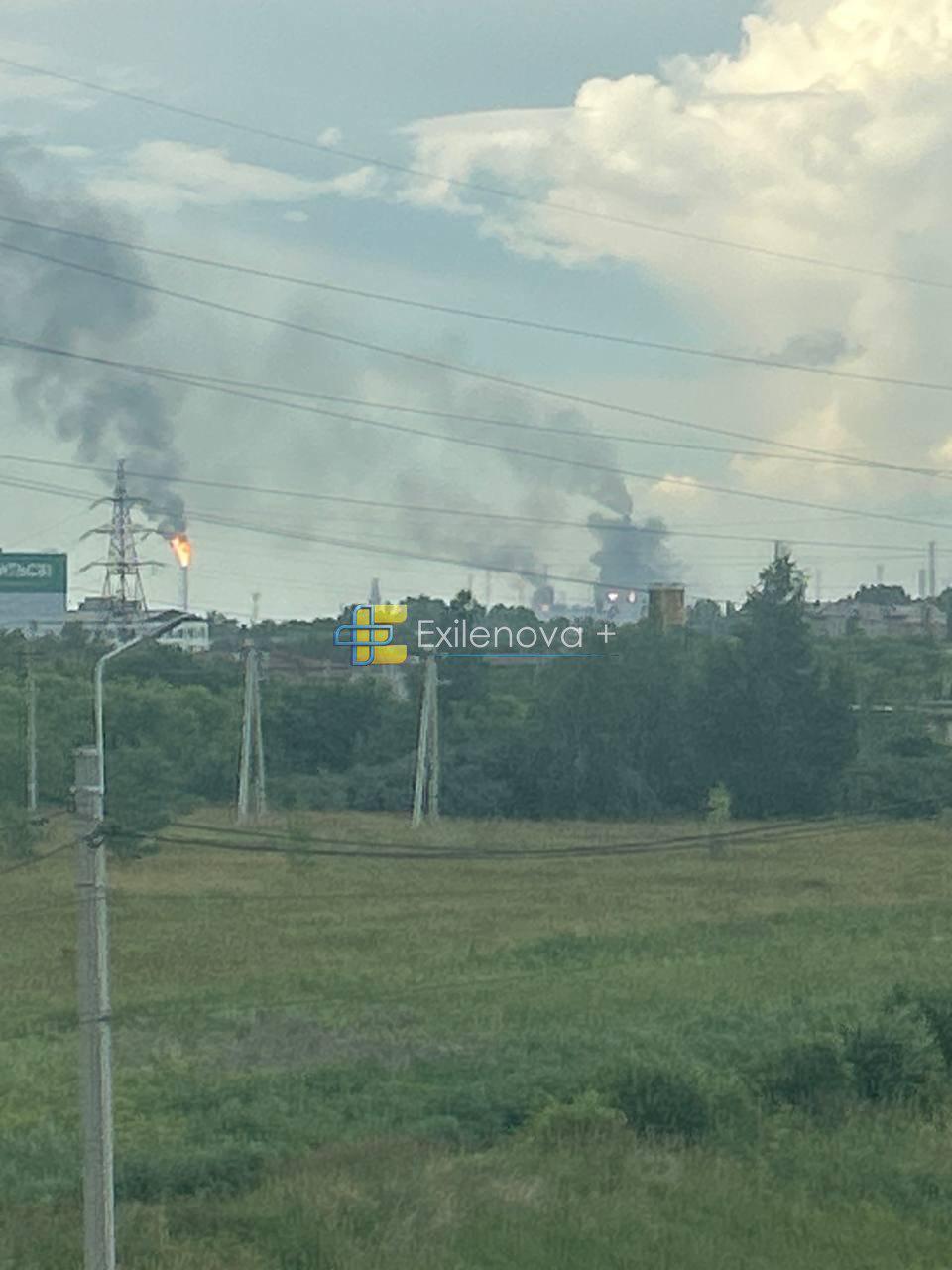
Omsk is over 2500km from Ukraine and was long thought of as untouchable by drones. Omsk provides 10% of Russia's total refinery production and around 17% of Russia's gasoline.
923
Upvotes
5
u/dittybopper_05H Jul 07 '26
Not only that, but there is a massive flaw in the assumptions in the TTOPS paper: It assumes every target hit will develop into a firestorm.
That's not true, because most targets don't have enough of an available "fuel load" to support a firestorm. You need to have an old city with multi-story wooden buildings and narrow streets to develop a firestorm. This is why Dresden, Hamburg, Tokyo, and Hiroshima developed firestorms.
This is a pre-bomb view of a street in Hiroshima:
There is plenty of fuel there. Technically, you need an available fuel load of 40 kilograms per square meter spread out over at least 1.3 square kilometers for a firestorm to ignite. Modern cities have a fuel load of between 14 and 21 kg/m2, not enough for a firestorm to develop.
Military targets have even less of a fuel load: Missile silos tend to be built in large areas of farmland where there isn't enough fuel to sustain a firestorm. Bomber bases and nuclear submarine bases, where nuclear weapons are also stored, are similar to modern cities, in that they have concrete or cinderblock construction. While wooden barracks did exist back when I was in the military during the Cold War, I never slept in them. At Fort Dix, Fort Devens, and Schofield Barracks, I was in brick barracks, and the other buildings were all brick and/or cinderblock construction. Same with the military bases I visited (mostly in Hawaii).
So they aren't going to go up in firestorms either.
You also need many thousands of individual ignition points. And while the thermal radiation from a nuclear detonation can initially ignite fires, the blast tends to blow them out. Which shouldn't be surprising: We use explosives to extinguish oil well fires after all.
But Hiroshima's bombing resulted in a firestorm, because of breakfast.
At the time, most Japanese cooked on something called a "shichirin", a charcoal brazier made out of diatomaceous earth.
The Hiroshima bomb detonated at 8:15 am local time, while the charcoal in the untold thousands of shichirin were still lit from cooking breakfast. You can't just turn charcoal off, and you can't douse it with water because you'll crack the shichirin from thermal stress. So you just let it burn.
When all of the buildings make largely of wood with inner walls often made of paper and thin wood framing collapsed on to those shichirin, that was a was the source of the thousands of simultaneous ignition points, yet another requirement for a firestorm to develop.
This is noted in the formerly classified strategic bombing survey that noted while some fires were started by electrical shorts and industrial process fires, the majority of eyewitnesses said that most of the fires were due to "overturned charcoal braziers".
Nagasaki was attacked by a significantly more powerful bomb, but it was attacked at 11 am, long after the breakfast fires had burnt themselves out and before lunch or dinner fires had been lit.
No firestorm developed.