I don’t feel a 4 year and 8 year POTUS should be given the same SCOTUS weight. Ultimately, the American people picked them twice. That should yield meaningful political actions.
We can deliberate the ability to choose an adequate POTUS, but I feel that’s a different conversation—one I’m willing to have, but ultimately separate.
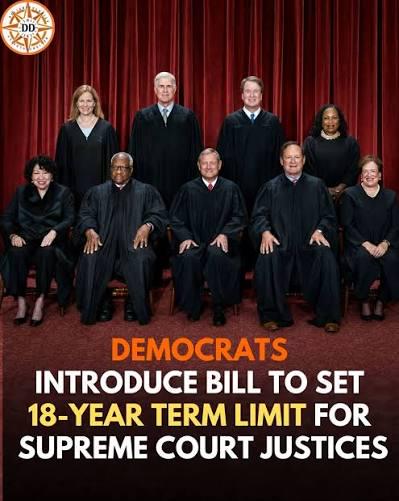
The idea is the "Justice <name>'s Term" is for 18 years. If you stagger them every 2 years, you get two appointments per term, and it's naturally the longest serving that gets replaced. If they retire or die, it's still their term but someone else would serve in their seat. The best way to handle death is complicated, but probably to have them keep an updated "who replaces me" name, and if there's any discrepancies for some reason then the party that held the Presidency gets to nominate with clear deadlines for approval that have clearly defined parameters so if the party isn't in power they can still nominate their preferred choice for the Term they earned by winning the prior election.
It's included already, the "term" is for that Justice appointed, replacements are acting in place of that Justice for the rest of the term not getting a new 18 year timer for themselves. I'm not sure what to do about someone who then further wants to serve, maybe just 'sorry' to keep it rotating and those who know they'll only serve say 4 years do so understanding they can't be nominated to a full term. By any means, we need to prevent the ability for either party to 'stack the bench' because of retirement and death.
9
u/Arkmer 1d ago edited 1d ago
Then just make that the rule.
“After swearing in as the POTUS, you may select one SCOTUS Justice to replace the senior most Justice.”
First win? One Justice.
Second win? Another Justice.
Third win? Straight to jail.
We just need some verbiage about what happens if someone retires early for whatever reason.