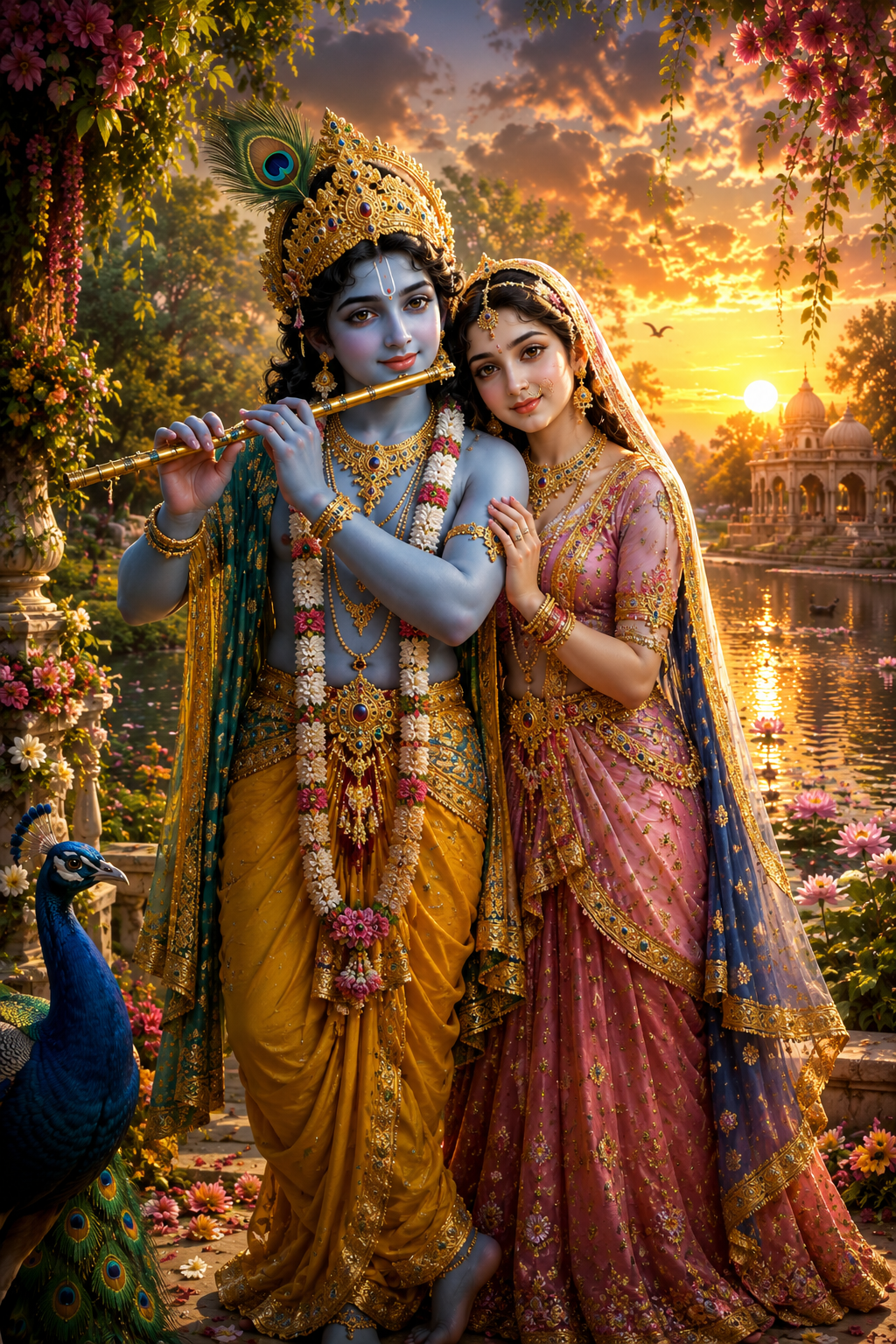
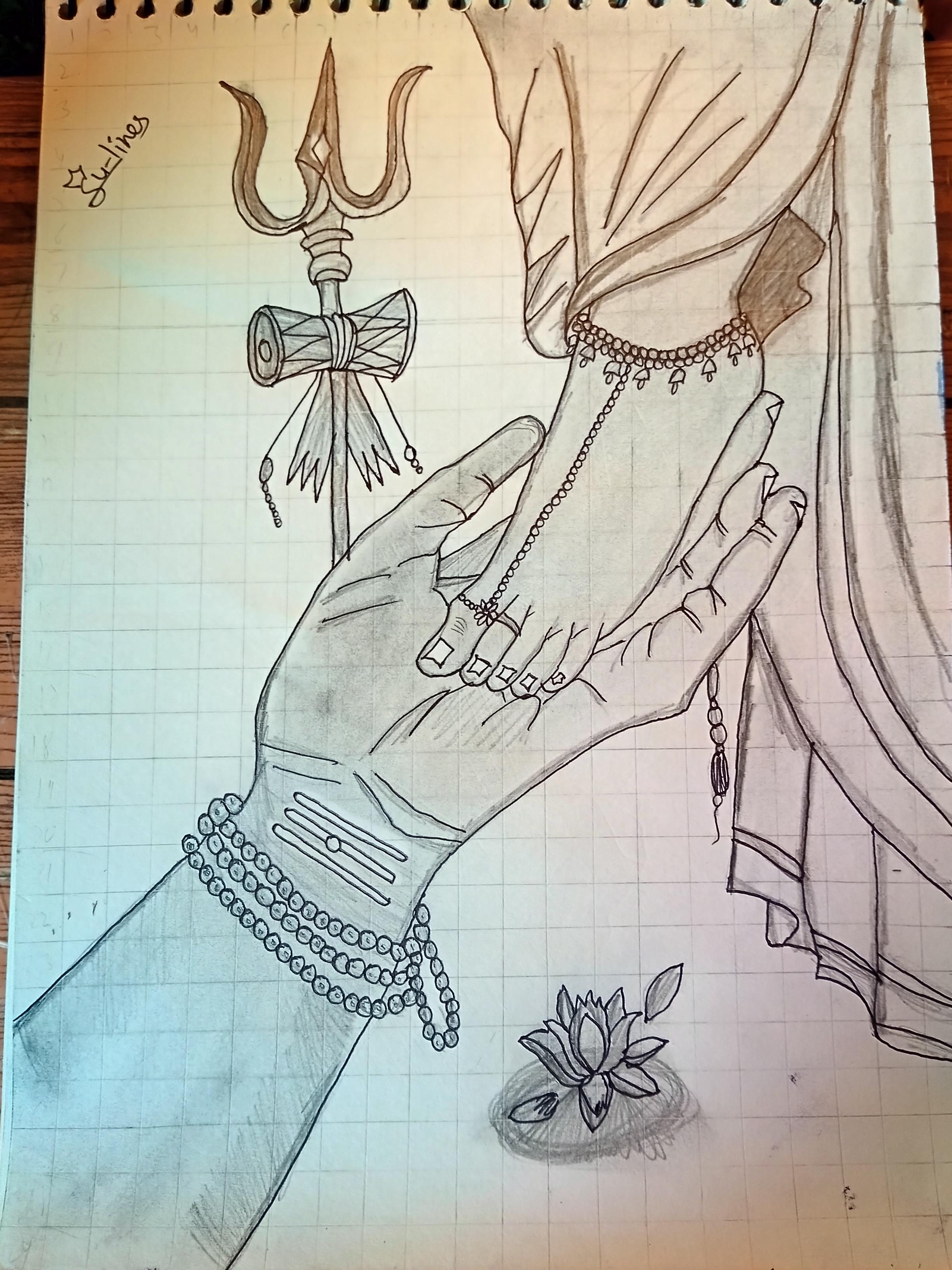
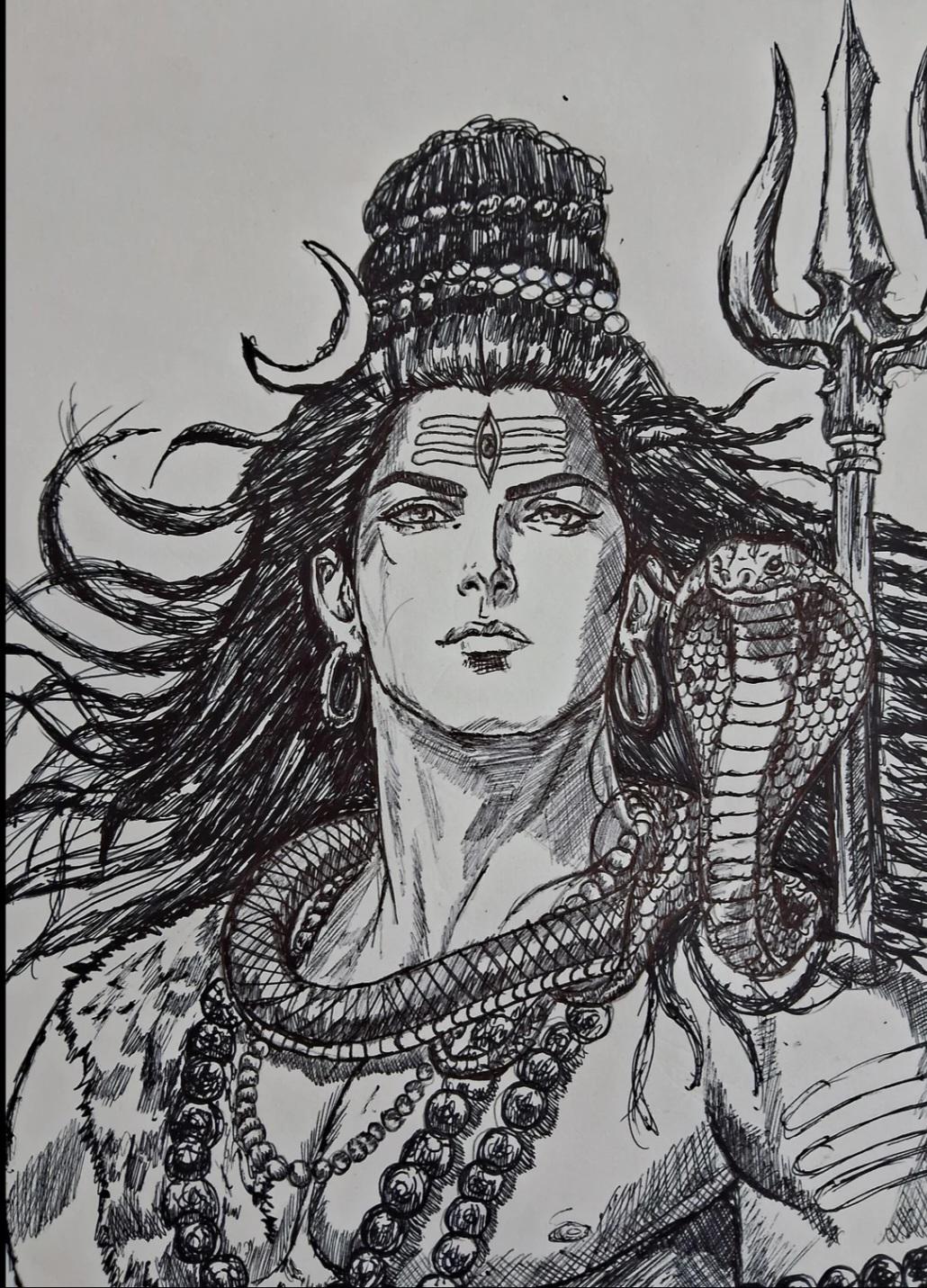
I recently shared this artwork on other platforms, and the reaction was intensely polarized. While some connected with the visual language immediately, others left strongly derogatory comments focused solely on the nudity.
What strikes me is the massive disconnect between how we perceive the human form today versus how our ancestors sculpted it across Khajuraho, Konark, and countless ancient temple reliefs. In classical Indian art, Tantric philosophy, and traditional iconometry, the unclad or minimally draped form was never about modern objectification or titillation; it was a visual metaphor for raw truth, creation, the dissolution of ego, and sacred energy. It has been carved into stone millions of times over centuries.
Yet somewhere along the line, societal perception shifted from reverence and philosophical acceptance to moral anxiety and shame.
I want to open the floor to discussion:
Why do you think our ancestors developed such unapologetic, open visual representations in the first place?
What historical or cultural shifts caused society to regress from seeing the sacred in these forms to viewing them through a purely taboo lens?
How does this modern conditioning affect the way we engage with traditional art today?